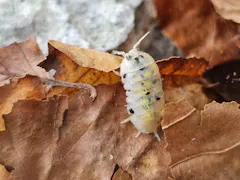
Not pest species. Every cockroach listed on this page is an ornamental or feeder species from tropical and subtropical regions — none of them can survive UK outdoor temperatures, and none can establish in homes. If one ever escapes, it won't breed in your walls. What you're buying are striking, often genuinely beautiful insects that are about as far from the German or American house roach as it's possible to get.
We stock three broad groups: display species like Domino, Four Spotted Jade, Emerald, and Centurion Porcelain roaches that people actually want to look at; feeder species such as the parthenogenetic Shadow Cockroach and Banana Cockroach for reptile and amphibian diets; and conservation species — notably the Simandoa Cave Roach, which is extinct in the wild and survives only through hobbyist breeding programmes worldwide.
Every colony is captive-bred in the UK, shipped Monday to Thursday only with Royal Mail Next Day by 1pm, and covered by our live arrival guarantee with a 20% overcount on top.
Species we currently keep
- Domino Cockroach (Therea petiveriana) — black with bold white spots, mimics the chemical-spraying Anthia ground beetle. The "gateway roach" that changes people's minds about the whole order.
- Emerald Cockroach (Pseudoglomeris magnifica) — metallic green Cuban species, arguably the most beautiful roach in the hobby.
- Sapphire Flower Cockroach (Eucorydia yasumatsui) and Giant Flower Cockroach (E. dasytoides) — Japanese and Taiwanese species with iridescent blue-green adults.
- Four Spotted Jade Roach (Eustegasta buprestoides) — Australian jade-green species with four gold spots, flightless and can't climb smooth surfaces.
- Centurion Porcelain Cockroach (Gyna centurio) — cream, maroon and brown patterning, prolific live-bearer.
- Headlight (Lucihormetica verrucosa) and Glowspot Cockroach (L. subcincta) — males sport yellow spots that are bioluminescent in the wild (though not in captive colonies).
- Simandoa Cave Roach (Simandoa conserfariam) — extinct in the wild since bauxite mining destroyed their only known cave system in Guinea. Every living specimen is captive-bred.
- Shadow Cockroach (Pycnoscelus nigra) and Banana Cockroach (Panchlora nivea) — reliable feeder and bioactive species with straightforward care.
Common questions
Can any of these cockroaches infest my house?
No. Every species we sell is tropical or subtropical and requires warm, humid conditions to survive. UK ambient temperatures — particularly anywhere with heating that cycles off at night — will kill them. They also can't breed outside specific substrate and humidity ranges. Any escapee will die within hours to days, not establish a population.
Are pet cockroaches legal to keep in the UK?
Yes. The ornamental and feeder species we sell are unregulated invertebrates — no licence required. The UK's pest-control laws target a handful of synanthropic (human-habitat) species like Blattella germanica and Periplaneta americana, which we don't sell and would never stock.
Which species is easiest to start with?
Domino Cockroaches (Therea petiveriana) are the most popular first roach for good reason — hardy, beautiful as adults, calm temperament, and tolerant of UK room temperatures. Shadow Cockroaches are also beginner-friendly and reproduce parthenogenetically (females only, no males needed) so a single individual can start a colony.
Do they smell?
Well-maintained display colonies produce very little smell. The species with noticeable odours tend to be the large tropical feeders; ornamental species like Dominoes, Jade Roaches, and Flower Cockroaches are effectively odourless in clean enclosures. Good ventilation and prompt removal of uneaten fresh food handles the rest.
Can cockroaches fly?
Some can — Panchlora (Banana, Emerald) and Gyna (Centurion) adults are capable flyers, and Eucorydia males can manage short flights. Others (Domino, Jade, Shadow, Headlight, Glowspot, Simandoa) cannot fly at all. Every product page notes flight capability so you can pick the escape-risk profile you're comfortable with.
Can I keep cockroaches with isopods and springtails?
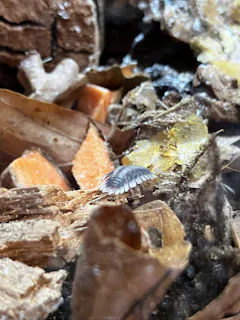
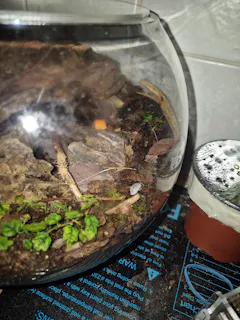
Yes — most ornamental cockroach species coexist peacefully in bioactive setups alongside isopods and springtails. They occupy slightly different niches and don't compete aggressively. The combination is actually ideal for larger reptile bioactive vivariums where you need serious waste-processing capacity.


Blog posts
View all