Porcellio expansus 'Orange' Tortosa Isopods for Sale
Care Info:
- Free shipping over £65
- In stock, ready to ship
- Backordered, shipping soon
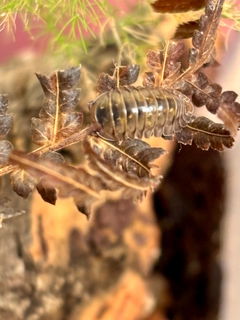
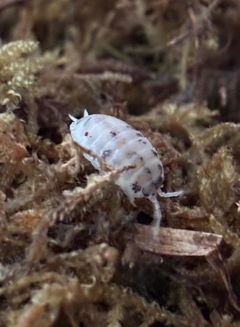
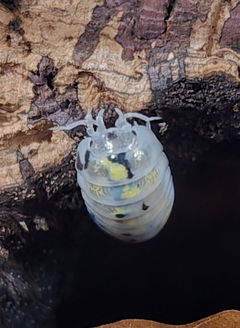
Porcellio expansus 'Orange' (Tortosa locality) is one of the most genuinely impressive Spanish giant isopods in the UK hobby — a substantial, dramatically-shaped, properly photogenic species in a warm orange palette over the elongated expansus body. It's a classic "Spanish giant" in the same lineage as the famous Hoffmannseggii Titans and Magnificus, with the distinctive flattened body and prominently flared lateral margins that give the species its name and its trilobite-like silhouette. The Tortosa locality variant shows clean warm orange tones layered over that bold body shape — particularly vivid in mature adults — making it one of the most visually striking display Porcellio available.
The species name itself tells the story: expansus is Latin for "expanded", referring to the dramatically widened lateral margins that give these isopods their flattened, almost trilobite-like profile. Porcellio expansus was first described by Adrien Dollfus in 1892, and is endemic to northeastern Spain — specifically Catalonia. The "Tortosa" locality designation refers to the historic city of Tortosa in the Catalan province of Tarragona, in the Ebro Delta region of the Mediterranean Spanish coast. Like other "Spanish giants," they're properly substantial — adults reach 26–38 mm, making them among the largest Porcellio kept in the hobby.
They sit naturally alongside other Spanish/Iberian Porcellio giants in your range — including the standard P. expansus 'Orange' (likely a different locality), the P. expansus La Senia, and the broader giant Porcellio cluster including Hoffmannseggii Titans and Magnificus. Like other Porcellio, they're flat-bodied — they do NOT conglobate (they scurry and clamp rather than rolling into a ball).
Quick Care Summary
- Scientific Name: Porcellio expansus 'Orange' (Tortosa locality)
- Common Names: Orange Tortosa, Tortosa Expansus, Giant Spanish Isopod 'Orange Tortosa'
- Family: Porcellionidae
- Origin: Tortosa, Catalonia, northeastern Spain (Tarragona province, Ebro Delta region)
- Adult Size: 26–38 mm — one of the largest Porcellio in the hobby
- Lifespan: 3–5 years
- Difficulty: Medium — straightforward once setup is correct; punishes overwet conditions
- Temperature: 18–26°C (room temperature year-round)
- Humidity: Mostly dry (30–55%) with a small dedicated moist corner — this is a dry-Mediterranean species
- Ventilation: High — essential; overwetting is the leading cause of die-offs in this species
- Conglobation: No — flat-bodied; scurries and clamps rather than rolling
- Behaviour: Bold and visible — often out during the day; substantial active presence
- Breeding: Slow — typical of giant Spanish Porcellio
- Rarity: Rare — premium locality stock
What Makes Orange Tortosa Isopods Special
Several factors make the Tortosa locality genuinely worth its premium status:
The dramatic body shape. This is the headline. The expanded lateral margins create a distinctly trilobite-like silhouette — wide, flat, with bold prehistoric proportions. Combined with the substantial 30+ mm adult size, they have real presence in an enclosure unlike any small isopod.
The warm orange Tortosa colouration. The Tortosa locality is specifically known for warmer, more vibrant orange tones over the expansus body — clean and intense, particularly vivid in mature adults. Locality matters for this species, and Tortosa is one of the more visually striking variants.
Endemic Catalan heritage. P. expansus is endemic to northeastern Spain — specifically Catalonia. The Tortosa population represents a specific provincial line from the Ebro Delta region, giving the listing genuine geographical provenance rather than generic species labeling.
Bold, visible, day-active. Unlike many shy Porcellio, Tortosa Expansus are notably bold and confident — often visible during the day, exploring openly rather than constantly hiding. Properly engaging as display animals.
Substantial size and longevity. At 26–38 mm and 3–5 year lifespans, they're a proper long-term keep — substantial, slow-growing, satisfying. The kind of isopod you can watch develop over years rather than constantly cycle through generations.
Classic Dollfus 1892 species. Described by the French isopodologist Adrien Dollfus in 1892, P. expansus has proper scientific heritage — a recognised species with a known type description rather than an unsettled hobby name.
Crustacean heritage. Like all isopods, Porcellio are crustaceans — more closely related to marine shrimp and crabs than to insects. The flat-bodied trilobite-like profile makes that ancestry visually intuitive.
How Orange Tortosa Compares to Other Spanish Giants
If you're choosing between giant Spanish Porcellio, here's how the Orange Tortosa fits in:
- vs Standard P. expansus 'Orange': Same species, possibly different locality. The Tortosa population is specifically known for its warm vibrant orange colouration — locality matters in this species, and Tortosa is one of the named provincial lines.
- vs P. expansus La Senia: Same species, different Catalan locality. La Senia is another regional expansus population — different colour expression, same dramatic body shape and substantial size.
- vs Hoffmannseggii 'Titan': Both are giant Spanish Porcellio. Hoffmannseggii is the larger species (the "Titans") with broader body shape; expansus is the more dramatically flattened, lateral-margin-extended species. Different body philosophies, same Iberian giant tier.
- vs P. magnificus: Both are large Iberian Porcellio. Magnificus shows subtler colouration and a less extreme body shape; expansus Tortosa is the bold-orange dramatic-silhouette alternative.
- vs P. werneri 'Silverback': Both are dry-Mediterranean Porcellio with visible bold colouration. Werneri is the Greek "shield" species with silver markings; expansus Tortosa is the Spanish flat-and-flared orange species. Both substantial display species.
Browse the full Porcellio collection to compare all species in this popular genus.
Setting Up the Enclosure — Critical: Dry, Well-Ventilated
Spanish giants like the Tortosa Expansus need a setup that's significantly different from most popular isopods. They want it mostly dry, with strong airflow, and a single small moist corner. Overwetting is the leading cause of die-offs for this species and the entire dry-Mediterranean Porcellio tier — the most common (and costly) new-keeper mistake.
A 10–15 litre plastic container or terrarium suits a starter colony, with larger setups (20L+) for established colonies that will need room to display their substantial adults. The 3L Braplast tub works only for the very smallest starter groups; this species genuinely needs more space.
Drill ventilation holes generously — opposite sides for cross-ventilation, covered with fine mesh. Aim for high ventilation rather than the medium ventilation that suits humid Cubaris. The substrate should stay mostly dry, with airflow keeping conditions fresh and preventing the stagnation that breeds mould and triggers die-offs.
Provide plenty of cork bark flats — Tortosa Expansus love to clamp tight against flat surfaces, and the flared body shape is ideally adapted for it. Browse our accessories collection for appropriate enclosures, vents, and other essentials.
Substrate
Build a low-moisture substrate suited to this dry-Mediterranean species:
- Organic topsoil base (pesticide-free) — used sparingly
- A significant proportion of sand and fine grit for drainage (this is essential — dry Mediterranean species appreciate gritty substrate)
- Crushed limestone or eggshells distributed throughout for calcium
- Flake soil mixed in for added nutrition
- Decaying hardwood pieces and rotting wood incorporated throughout
- Minimal sphagnum (only in the dedicated moist corner)
We recommend a topsoil-and-sand-based mix rather than coco coir — coir retains far too much moisture for dry-Mediterranean species, and is the wrong choice for the entire Spanish Porcellio range. Substrate depth: 4–6 cm — enough for burrowing security, but not so deep that moisture pools at the base.
Top layer: Generous hardwood leaf litter — magnolia leaves, oak, and beech all work well. Add cork bark flats as primary hides, and decaying wood for both food and cover. Concentrate any sphagnum moss strictly into the single moist-corner zone.
Humidity and Temperature
This is where Tortosa Expansus husbandry differs sharply from typical isopod care. They want it drier than almost any other isopod in the catalogue. Maintain low humidity overall (around 30–55%) with a single small damp corner — a moist sphagnum patch on one side of the enclosure that they can visit when they need hydration, while the rest of the enclosure stays dry and well-ventilated.
Mist the moist corner sparingly when it dries out; never spray the open substrate or the isopods directly. The classic Spanish-giant target is "mostly dry with one wet corner" — a clear gradient where they choose their own moisture exposure. As one PostPods customer noted about following the website's care guidance, getting moisture right is the key to keeping isopods successfully — and for Spanish giants like Tortosa Expansus, too much moisture is the single most damaging mistake. When in doubt, err drier and increase ventilation.
Temperature should be 18–26°C — UK room temperature works year-round. They tolerate slightly wider variation and a night drop is fine. Stable conditions matter more than absolute precision.
Diet
Tortosa Expansus are detritivores with broad appetites — and being substantial-bodied, they eat a lot:
- Primary diet (always available): Hardwood leaf litter (oak, beech, magnolia), decaying rotting wood — particularly white-rotted softwood, which they relish
- Vegetables (1–2x weekly): Carrot, sweet potato, courgette, squash. Replace within 24–48 hours.
- Fruit (occasionally): Small amounts of soft fruit
- Protein (1–2x weekly): Fish flakes, dried shrimp, dried daphnia. Substantial isopods like expansus benefit from regular protein. Browse our accessories collection for the full range of protein supplements.
- Calcium (essential — always available): Cuttlefish bone, crushed limestone, oyster shell, eggshells. Particularly important for large adults — provide multiple sources distributed throughout.
Feeding approach: Maintain a generous base of leaf litter and decaying wood, supplementing with vegetables, occasional fruit, regular protein, and a constant calcium source. Remove uneaten fresh foods promptly — in dry conditions food spoils less but attracts mites, and you want clean conditions throughout.
Breeding
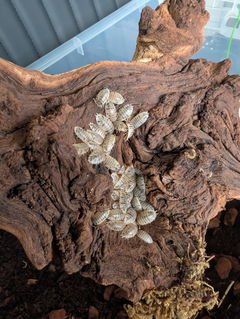
Tortosa Expansus breed slowly — typical of giant Spanish Porcellio. Population growth is gradual rather than explosive, and a colony develops over months rather than weeks. Patience pays off with substantial long-term colonies.
Breeding basics:
- Females carry developing young in a marsupium (fluid-filled brood pouch) and release fully-formed live juveniles
- Brood sizes are moderate to large, but spaced out over time
- The orange colouration develops as juveniles mature through successive moults
- A pure Tortosa colony breeds the locality reliably
For breeding success:
- Stable temperatures within range (20–24°C is ideal)
- Genuinely dry conditions with a damp corner (not uniform humidity)
- Strong ventilation
- Abundant calcium for large breeding females
- Regular protein supplementation
- Plenty of cork bark flats and leaf-litter hides
- A larger starter group establishes faster and provides genetic diversity
- Minimise disturbance during establishment
The reward for patience is a properly substantial colony of one of the most visually striking Spanish giants in the hobby — and a settled colony of mature Tortosa Expansus on display is genuinely impressive.
Pair With Springtails
Add a thriving springtail culture to any Tortosa Expansus setup, concentrated around the moist corner. Springtails handle mould and microbial growth at a scale isopods can't manage — particularly important around any moisture-prone areas. They coexist peacefully with the Tortosa Expansus and form a helpful cleanup partnership.
Who Should Buy Orange Tortosa Isopods?
Ideal for:
- Experienced keepers wanting a substantial Spanish giant Porcellio
- Collectors building a giant Iberian Porcellio cluster (Tortosa Expansus + Hoffmannseggii + Magnificus + La Senia)
- Display enthusiasts drawn to dramatic trilobite-like body shapes
- Keepers who appreciate locality-specific stock with genuine Catalan provenance
- Bioactive setup builders with appropriately dry, well-ventilated enclosures
- Patient hobbyists willing to wait for slow colony establishment
Not ideal for:
- Complete beginners — start with hardier species like P. scaber first
- Humid tropical setups (overwetting is the leading cause of die-offs in this species)
- Keepers who tend to overwater — Spanish giants punish damp conditions hard
- Setups with poor ventilation
- Anyone wanting an isopod that conglobates — Porcellio don't roll
- Fast-breeder enthusiasts wanting explosive colony growth
Realistic Expectations
They want it dry. The single most important expectation to set. Spanish giants like Tortosa Expansus are not humid-tropical isopods, and treating them like Cubaris or even most Armadillidium will reliably kill them. Mostly dry, one damp corner, strong airflow — that's the husbandry target.
They don't conglobate. P. expansus is flat-bodied — they scurry and clamp against surfaces rather than rolling into balls. The flat body shape is genuinely adapted for that clamping behaviour.
Breeding is slow. Don't expect explosive colony growth — Spanish giants breed at a measured pace, and patience over months pays off in substantial long-term colonies.
They're properly substantial. At up to 38 mm, they're among the largest isopods in the hobby. Plan enclosure space accordingly — they need room to display their impressive adult size.
The Tortosa orange is real. Set expectations toward warm vibrant orange tones layered over the expansus body — that's the genuine visual selling point, and it develops/intensifies as individuals mature.
Building Your Setup
A complete Tortosa Expansus setup needs a roomy well-ventilated enclosure, a low-moisture sand-rich substrate, abundant calcium, generous leaf litter and cork bark flats, and protein supplements. Browse our accessories collection for everything you need — enclosures, ventilation, leaf litter, calcium (cuttlebone, limestone, oyster shell), and protein supplements.
Browse the full Porcellio collection for more species and morphs — including other Spanish giants like Hoffmannseggii Titans and Magnificus — for a properly impressive Iberian Porcellio range.
Use collapsible tabs for more detailed information that will help customers make a purchasing decision.
Ex: Shipping and return policies, size guides, and other common questions.