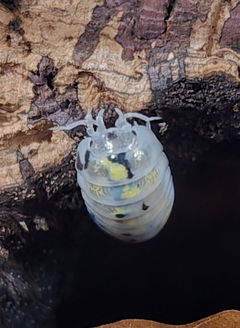
marbelized isopods
marbelized isopod
Armadillidium Marbelized
marble isopod
marbelized isopods
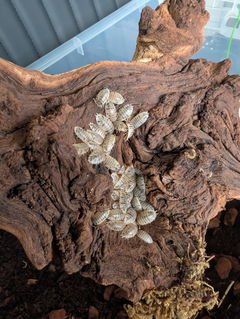
Isopods for different sizes
Marbelized isooods for sale

Armadillidium espanyoli 'Marbelized' Isopods

Care Info:

Origin icon ORIGIN
SPAIN
Temperature icon TEMP
20-28 ℃
Humidity icon HUMIDITY
50-70 %
Length icon LENGTH
14-16 mm
Difficulty icon DIFFICULTY
MEDIUM
Rarity icon RARITY
UNCOMMON
Regular price£10.00
/
Tax included. Shipping calculated at checkout.

Quantity
  • Free shipping over £65
  • Low stock - 4 items left
  • Backordered, shipping soon

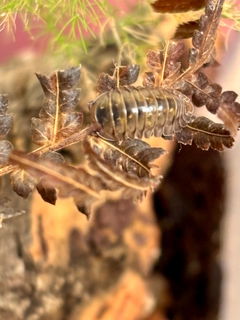
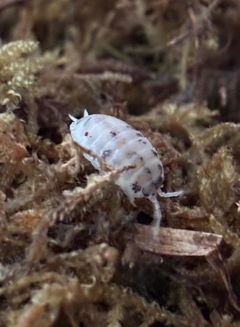
Armadillidium espanyoli 'Marbelized' is one of the most genuinely attractive patterned Armadillidium available in the UK hobby — a small-to-medium Spanish species displaying distinctive white marbled veining across a dark body. The marble-like markings give each individual a unique appearance, with the patterning varying from isopod to isopod so no two look exactly alike. Combined with a manageable adult size of around 16 mm and accessible Mediterranean care, they're a popular display choice for collectors who want something visually interesting without the demanding husbandry of exotic tropical species.

What makes the Marbelized morph particularly worth keeping is the combination: striking marble patterning paired with the hardy, forgiving care that makes Spanish Armadillidium genuinely accessible. The contrast between the dark base colour and the white marbled markings is properly attractive under good display lighting — they look like miniature pieces of veined marble. They're not demanding compared to many exotic species, though they do have specific moisture-gradient preferences that should be accommodated.

The species originates from Spain and has become reasonably established in the UK hobby. The "Marbelized" form specifically displays the white marble-veining patterning that gives it the name — distinguishing it from the standard wild-type appearance. Pattern intensity and coverage varies between individuals, so building a colony gives you genuine variety, with some specimens showing extensive white marbling and others more subtle markings.

One important husbandry note: like most Spanish Armadillidium, these are Mediterranean species that prefer moderate humidity with a moisture gradient — NOT tropical conditions. They need access to moisture but predominantly drier conditions, and excessive humidity can be problematic. Getting this balance right is the main consideration for keeping them successfully.

Quick Care Summary

  • Scientific Name: Armadillidium espanyoli 'Marbelized'
  • Common Names: Marbelized Isopod, Spanish Marble Isopod, Marble Armadillidium
  • Family: Armadillidiidae
  • Origin: Spain — Mediterranean regions
  • Adult Size: 14–16 mm — small-to-medium for Armadillidium
  • Lifespan: 2–3 years typical
  • Difficulty: Easy to Medium — accessible once moisture preferences understood
  • Temperature: 20–28°C (UK room temperature works year-round)
  • Humidity: 50–70% with proper moisture gradient — Mediterranean care, NOT tropical
  • Ventilation: Low to Medium
  • Conglobation: Yes — rolls into a tight defensive ball (classic pillbug behaviour)
  • Behaviour: Burrowers, peaceful, reasonably visible once established
  • Breeding: Slower to establish (around 60-day gestation), then steady reliable growth

What Makes Armadillidium espanyoli Marbelized Special

Several factors have made the Marbelized morph one of the more sought-after patterned Armadillidium in the UK hobby:

The marble veining patterning is genuinely distinctive. Where many Armadillidium display spots, stripes, or solid colouration, the Marbelized morph shows white marble-like veining across a dark base — resembling actual veined marble. The effect is properly elegant, particularly under good lighting where the contrast between dark and white is most pronounced.

Every individual is unique. Pattern intensity and coverage varies between individuals — some show extensive white marbling, others more subtle markings. This natural variation means a colony offers genuine variety rather than uniform appearance, and gives selective breeders something to work with if they want to develop particular pattern styles.

Manageable, observable size. At around 16 mm, they're large enough to comfortably observe and appreciate the marbled patterning, without being one of the giant species. The size hits a useful sweet spot — substantial enough for display appeal, compact enough for modest enclosures.

Hardy Spanish Mediterranean genetics. Despite the attractive patterning, they retain the forgiving hardiness of Spanish Armadillidium. They tolerate the conditions most UK homes naturally provide and recover from minor husbandry variations — making them genuinely accessible despite their distinctive appearance.

Reasonably visible temperament. Once established, they forage and explore, and their decent size means they're noticeably visible when active. They're not particularly shy compared to some species — they'll venture out to forage rather than hiding constantly.

Secure in enclosures. They burrow and hide in substrate and under cover rather than climbing, which makes them relatively secure — they're not escape artists and generally stay where they're meant to be. This is genuinely convenient for keepers worried about escapes.

Conglobation. Like all Armadillidium, they roll into a tight, satisfying ball when disturbed — the classic pillbug behaviour. Their decent size makes this defensive display easy to observe, and the marble patterning remains visible on the rolled body.

How Marbelized Compares to Other Armadillidium

If you're choosing between patterned Armadillidium, here's how the Marbelized morph fits in:

  • vs Zebra Isopods (A. maculatum): Zebras display crisp black-and-white striping; Marbelized show white marble veining. Both are dark-and-white patterned Mediterranean Armadillidium with similar care — choose based on whether you prefer the structured stripes (Zebra) or the organic marble veining (Marbelized).
  • vs Magic Potion (A. vulgare): Magic Potion show yellow-and-black dalmatian speckling; Marbelized show white marbling on dark. Different colour schemes and pattern styles — Magic Potion for warm speckled tones, Marbelized for cool marble veining.
  • vs Yellow Spanish (A. granulatum): Another Spanish Armadillidium, but with granulated texture and yellow spotting. Marbelized are smoother with white marble patterning. Both Spanish, both accessible — different texture and colour.
  • vs Jelly Bean Isopods (A. vulgare 'St. Lucia'): Jelly Beans show multi-colour polymorphism (burgundy, orange, yellow, grey individuals); Marbelized show consistent white-on-dark marbling. Different aesthetic interests — Jelly Beans for colour variety, Marbelized for cohesive marble patterning.
  • vs White Pearl Granulatum: White Pearl show uniform pale colouration; Marbelized show patterned white-on-dark marbling. Both pale-toned but very different — White Pearl for uniform elegance, Marbelized for marble pattern contrast.

Browse the full Armadillidium collection to compare all species and morphs.

Setting Up the Enclosure

A 10–15 litre container suits a colony. They don't climb much, so escape isn't a major concern, but fine mesh over any ventilation is still sensible. The 3L Braplast tub works for smaller starter colonies, with larger housing for established populations.

Low-to-medium ventilation is appropriate. They don't need high airflow like genuinely arid species, but stagnant conditions aren't ideal either. Drill ventilation holes on opposite sides and cover with fine mesh.

If you want to appreciate the marbled patterning, glass enclosures work well for display. Good lighting helps show off the white markings against the dark base colour — the marble effect is most striking under proper illumination.

Browse our accessories collection for appropriate enclosures, vents, and other essentials.

Substrate

Use a substrate that provides both moisture retention and drier areas:

  • Organic topsoil as a base (pesticide-free)
  • Sphagnum peat moss mixed in
  • Flake soil for added nutrition
  • Leaf litter worked into the substrate and layered on top
  • Decaying hardwood pieces
  • Crushed limestone or calcium powder throughout

Substrate depth: 5–8 cm is adequate. They burrow and appreciate being able to dig into the substrate when needed.

Décor and hides: Cork bark is particularly favoured — they'll burrow into gaps and crevices and use it as shelter. Add flat stones or slate, generous magnolia leaf litter coverage, hardwood bark pieces, and moss patches in the humid area. Multiple cork bark pieces give them choice and support their social behaviour.

The Moisture Gradient — Important for This Species

This is the most important husbandry point for Marbelized Isopods. They need access to moisture but prefer predominantly drier conditions — too much humidity can be problematic. As one PostPods customer noted about Spanish/Mediterranean isopods, proper care guidance prevents the most common fatal mistake: too much moisture.

Set up the gradient:

  • Moist zone (30–40% of enclosure): Damp substrate or sphagnum moss on one side. This is where moulting individuals retreat for moisture access.
  • Drier zone (60–70% of enclosure): Genuinely drier substrate with leaf litter and bark cover. This is where they'll spend much of their time.

Overall humidity should aim for 50–70%, erring on the drier side rather than keeping things consistently wet. They're Spanish isopods adapted to Mediterranean conditions, not tropical humidity. The gradient lets them regulate their own moisture needs — provide the choice and they'll self-manage.

Temperature

Room temperature works well (20–28°C). They tolerate a reasonable range but avoid extremes. No supplementary heating is typically needed in normal UK household conditions. Their Mediterranean origins mean they handle moderate seasonal variation well.

Diet

Marbelized Isopods are detritivores with straightforward dietary requirements:

  • Primary foods (always available): Dried leaf litter (oak, beech, and similar hardwoods), decaying hardwood, cork bark
  • Vegetables (every few days): Carrot, courgette, cucumber, sweet potato (dried or fresh). Dried vegetable scraps are often better than fresh for this species, as moisture from fresh foods can contribute to unwanted humidity.
  • Fruit (occasionally): Small amounts of apple or banana
  • Protein (essential — 1–2x weekly): Fish flakes, dried daphnia, freeze-dried peas. Pollen is also appreciated. Browse our accessories collection for the full range of protein supplements.
  • Calcium (essential — always available): Cuttlefish bone, crushed eggshells, crushed limestone. Essential for their highly calcified exoskeletons — provide as a constant source.

Feeding notes: Provide a base of leaf litter and supplement with vegetables every few days. Remove uneaten fresh foods promptly — in humid conditions mould develops quickly, and these isopods prefer drier environments where mould is less tolerated. Dried foods reduce mould risk in the enclosure.

Breeding

This species breeds reasonably well once established, though initial establishment takes patience.

Breeding basics:

  • Females carry eggs in a marsupium and release fully-formed juveniles
  • Gestation period is relatively long — around 60 days, longer than many Armadillidium species
  • Once established, they breed steadily
  • Brood sizes are moderate
  • Juveniles show the marbled pattern from an early age, though it may become more defined as they mature

Establishment period: Don't expect immediate breeding. New colonies often take several weeks to settle before reproduction begins. If your goal is a bioactive setup, culture them separately first and let the colony establish before introducing them.

Conditions for breeding:

  • Stable temperature within the preferred range
  • Appropriate humidity gradient (not too wet)
  • Adequate calcium for breeding females
  • Sufficient hiding spots
  • Minimal disturbance during establishment

Population growth: Once established, growth is steady. They're not explosive breeders, but colonies build consistently over time. The patience required during establishment is rewarded with reliable long-term colony development.

Pair With Springtails

Add a thriving springtail culture to any Marbelized setup. Springtails handle mould and microbial growth at a scale isopods can't manage — particularly important around protein foods and in the moist zone of the moisture gradient. They coexist peacefully with Marbelized and form an essential cleanup partnership for Mediterranean Armadillidium setups.

Bioactive Use

Marbelized Isopods can work well in bioactive setups, with their size making them reasonably practical decomposers. They're large enough to be functional, won't compete aggressively with other cleanup crew, and burrow rather than climb — staying in the substrate where cleanup crew belong. They're also attractive enough to add visual interest when spotted.

Their slower establishment means building up numbers takes time, and they're better suited to drier bioactive setups than tropical humid enclosures. Mediterranean or semi-arid style bioactive enclosures suit them better than high-humidity tropical setups — consider them for gecko species that prefer moderate humidity, arid invertebrate setups, or dedicated display colonies. Note that small juveniles may still be eaten by some reptiles.

Who Should Buy Marbelized Isopods?

Ideal for:

  • Keepers who appreciate visually interesting patterned isopods
  • Display enclosures where aesthetics matter
  • Collectors building varied collections needing pattern variety
  • Semi-arid or Mediterranean-style bioactive setups
  • Those patient enough for slower establishment
  • Anyone wanting attractive patterning without demanding exotic care
  • Keepers wanting secure, non-climbing display species

Not ideal for:

  • High-humidity tropical setups (their Mediterranean needs conflict with uniformly humid conditions)
  • Those wanting rapid colony growth from the start
  • Complete beginners — start with something hardier like Dairy Cow or Porcellio scaber first
  • Keepers who can't resist over-moistening (these prefer drier conditions)

Realistic Expectations

Newly arrived Marbelized may take several weeks to acclimate before showing comfortable colony behaviour and breeding. Don't expect immediate breeding activity — give them time to settle and feel secure before expecting population growth. This is normal and characteristic of the species.

Pattern varies between individuals. Some specimens show extensive white marbling, others more subtle markings. This natural variation is part of the morph's appeal — every colony has its own pattern mix. Juveniles show the marbled pattern from an early age, though it becomes more defined as they mature.

They prefer drier conditions than many isopods. The main requirement is patience during the initial settlement period and avoiding the temptation to keep things too wet. If you've kept tropical species, the moderate-humidity Mediterranean approach will feel different — err on the drier side.

Breeding is steady, not explosive. The roughly 60-day gestation period is longer than many Armadillidium, so colony growth is measured rather than rapid. Patient keepers are rewarded with consistent long-term growth.

Building Your Setup

A complete Marbelized setup needs basic substrate components, abundant calcium-rich materials, generous leaf litter, cork bark hides, and protein supplements. Browse our accessories collection for everything you need — enclosures, ventilation, leaf litter, calcium (cuttlebone, limestone, eggshells), and protein supplements (daphnia, fish flakes, freeze-dried peas).

Browse the full Armadillidium collection for related species and morphs, or read our blog post on isopod genetics, colours, and morphs for more on Armadillidium pattern variation.

Use collapsible tabs for more detailed information that will help customers make a purchasing decision.

Ex: Shipping and return policies, size guides, and other common questions.

You may also like


Recently viewed