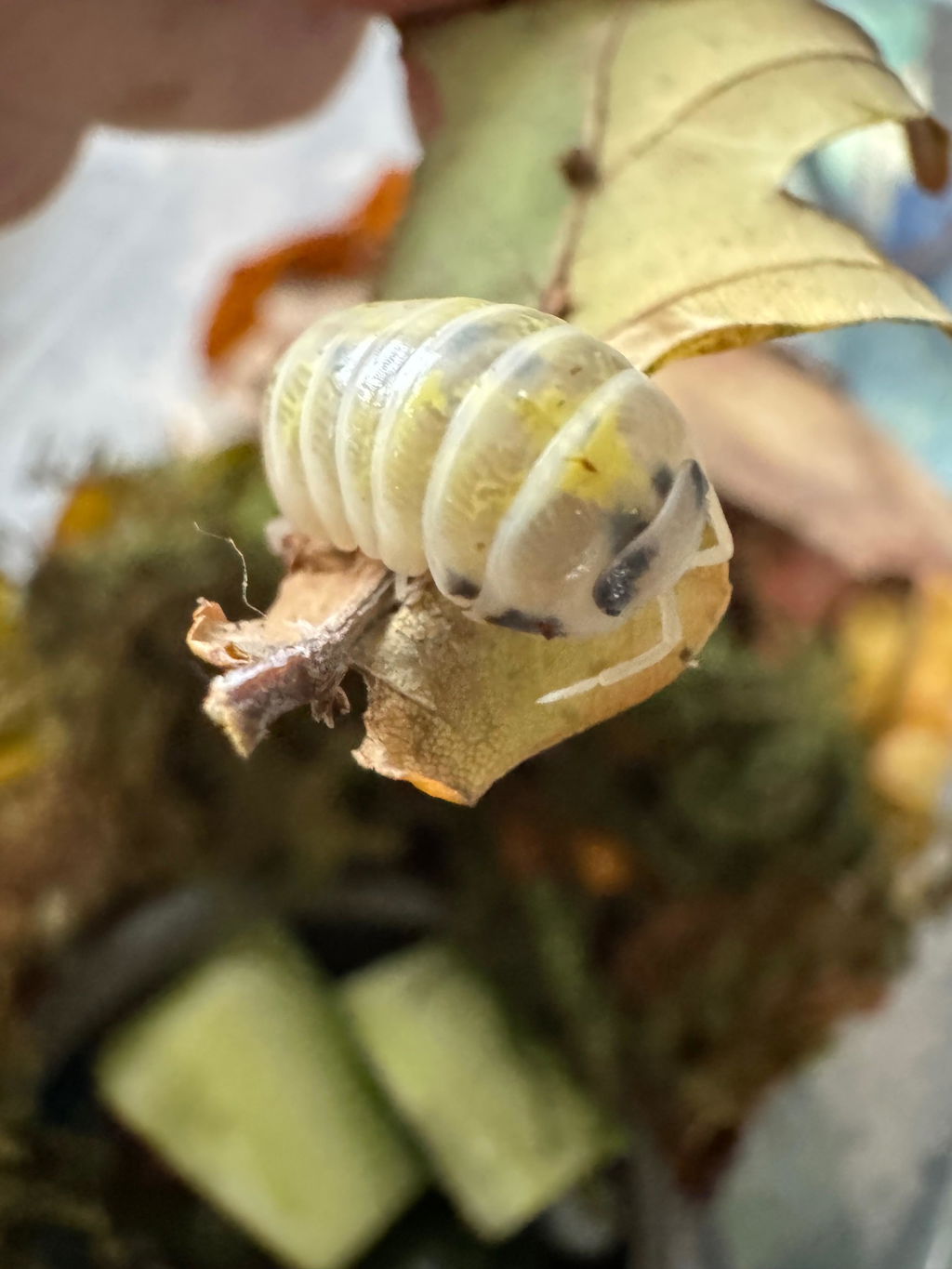
Magic Potion Isopods (Armadillidium vulgare) for Sale UK
Care Info:
- Free shipping over £65
- Low stock - 8 items left
- Backordered, shipping soon
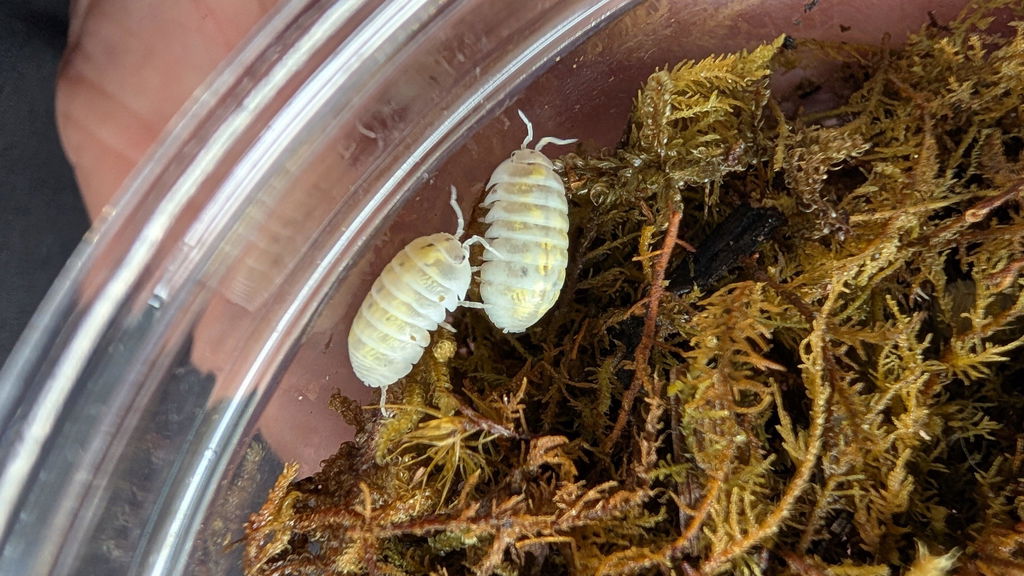
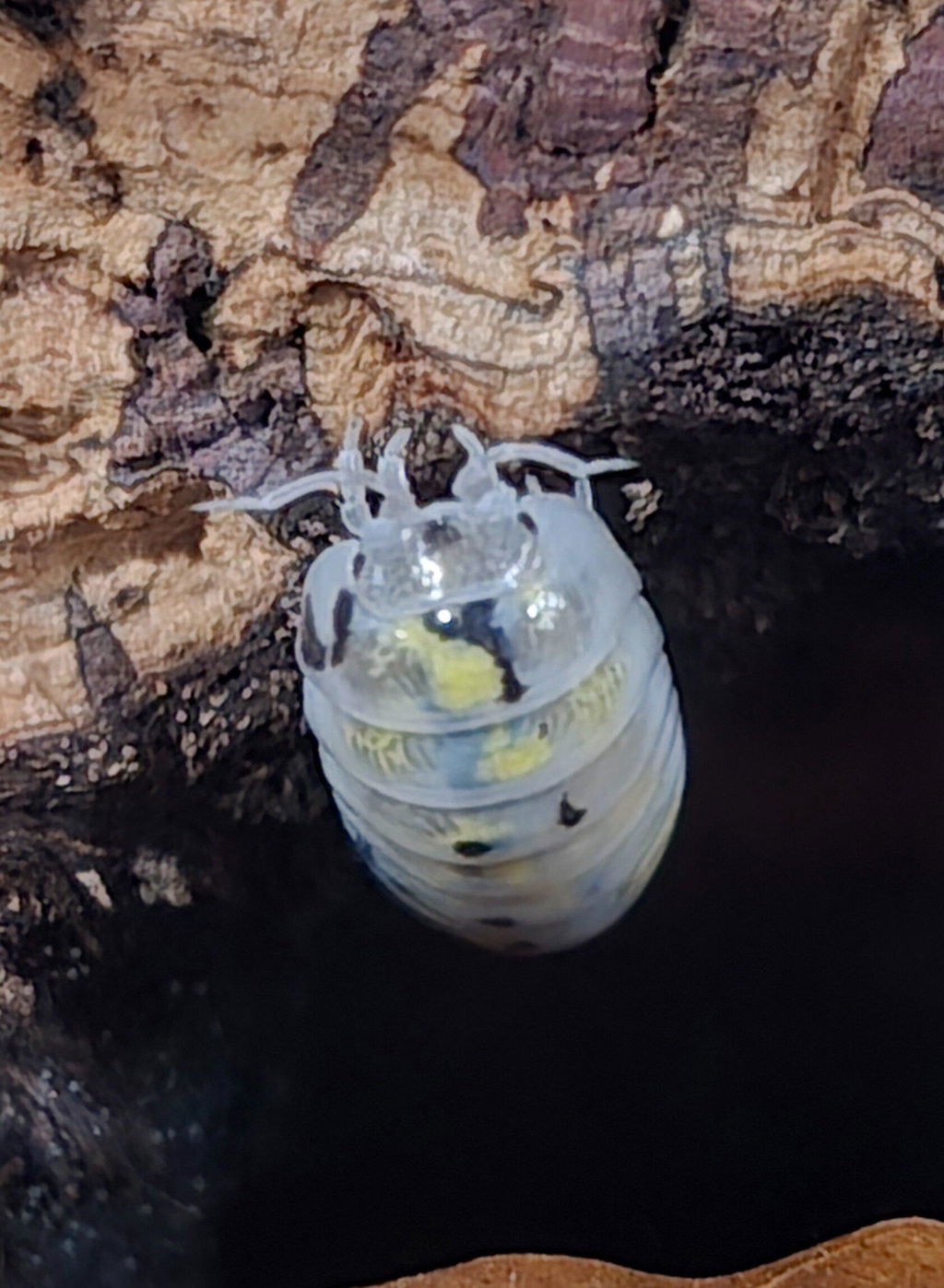
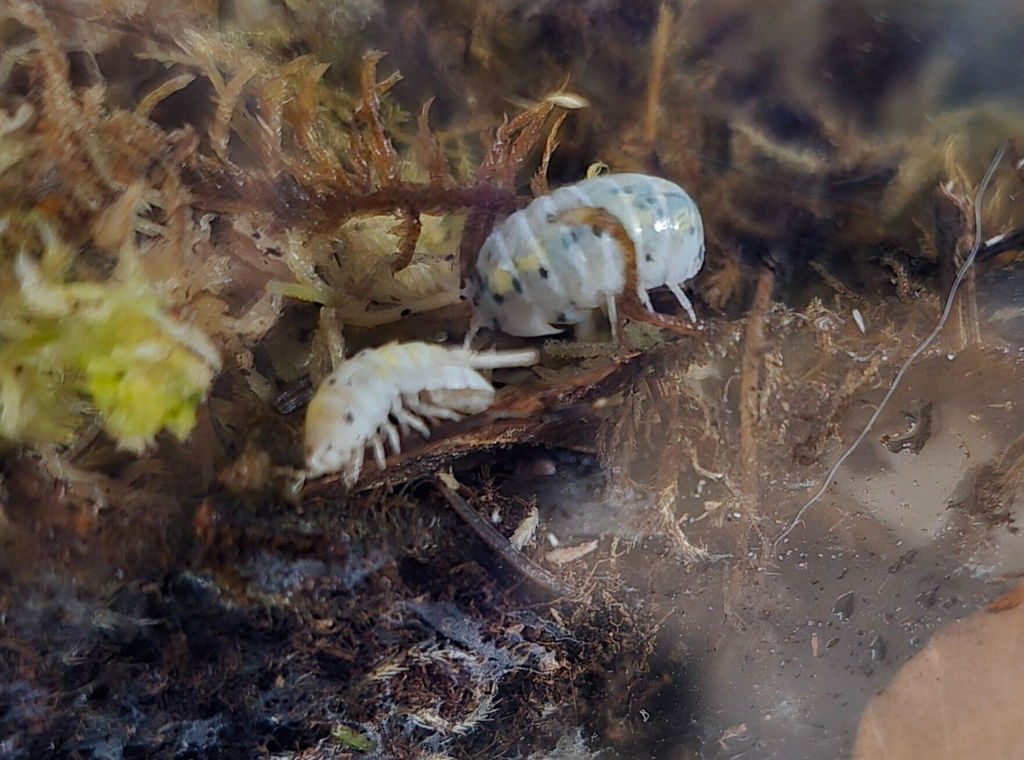
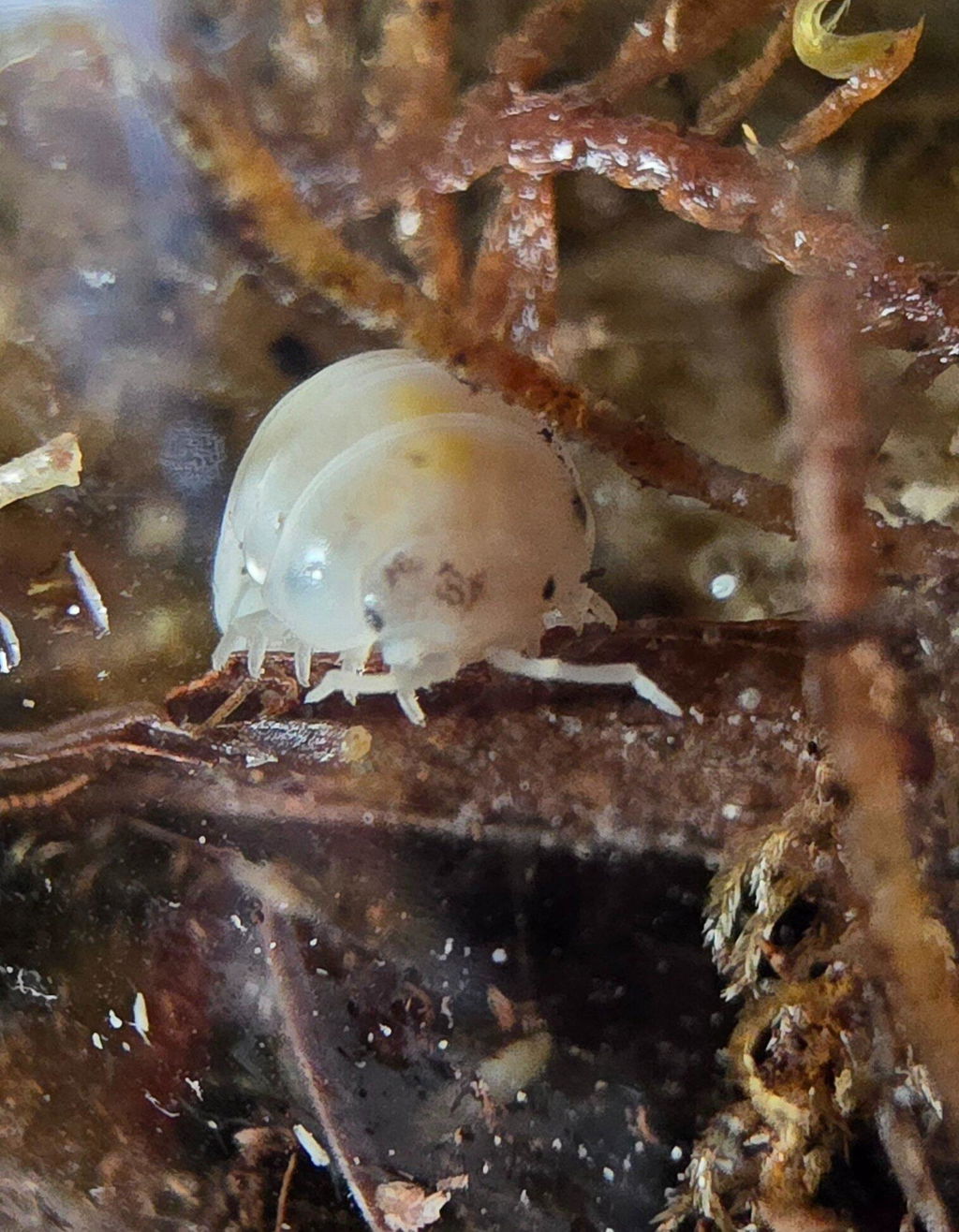
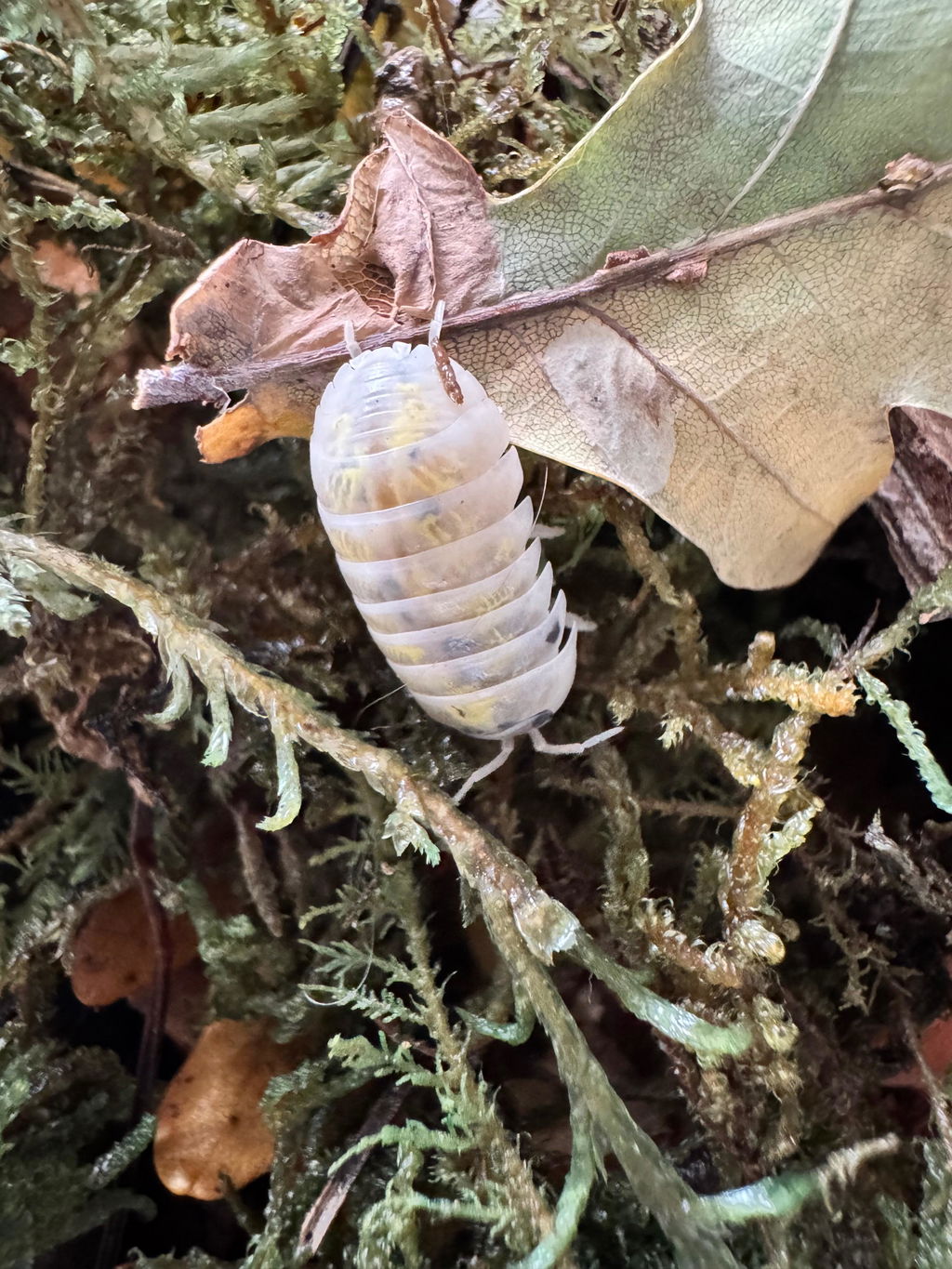
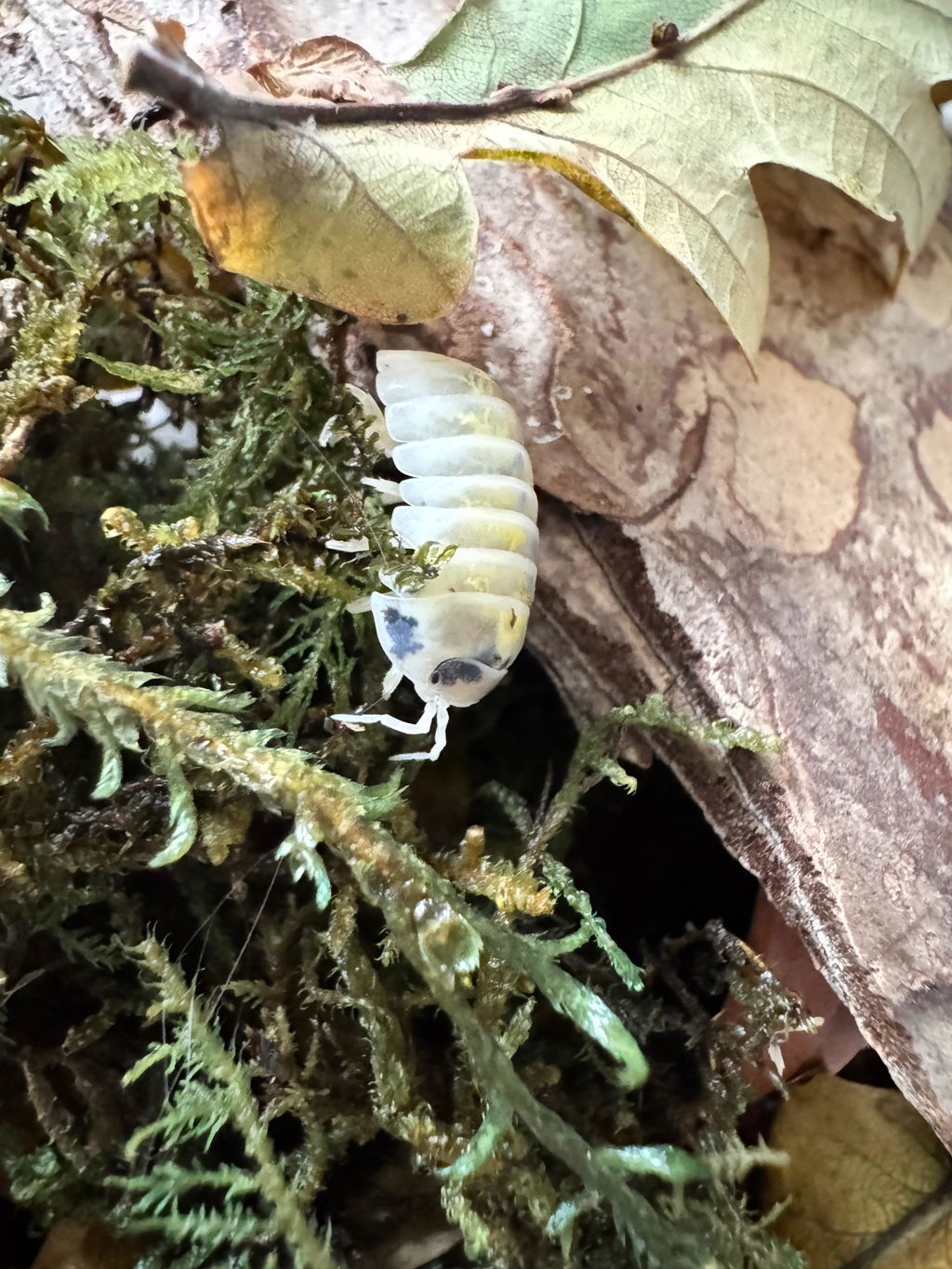
Magic Potion is one of the most popular and visually striking selectively-bred isopod morphs in the entire hobby. The unique combination of a pale milky-white body speckled with vivid yellow patches and crisp black spots creates an almost otherworldly appearance — exactly the kind of "potion-like" look that earned them their name. No two individuals are identical, which makes building a colony genuinely interesting: every isopod has its own distinct pattern.
What makes Magic Potion such a smart choice is the combination of stunning appearance and easy care. Beneath the designer colouration, these are Armadillidium vulgare — the common pill bug — one of the hardiest, most forgiving isopods you can keep. They tolerate UK room temperature year-round, breed readily, and handle minor husbandry mistakes that would devastate sensitive species. Beginners who want serious visual impact, and experienced keepers who want a low-maintenance display species, both find Magic Potions deliver.
Available in groups of 5, 10, or 20. Captive-bred stock from established UK colonies. Mixed sizes included to establish a balanced colony with breeding potential.
Quick Care Summary
- Scientific Name: Armadillidium vulgare 'Magic Potion'
- Common Names: Magic Potion Isopod, Magic Potion Vulgare
- Family: Armadillidiidae
- Origin: Captive-bred designer morph; A. vulgare wild origin is widespread across Europe, including the UK
- Adult Size: 15–21 mm (American line tends larger than Japanese line)
- Lifespan: 2–3 years typical
- Difficulty: Easy — beginner-friendly with serious display value
- Temperature: 18–26°C (UK room temperature works year-round)
- Humidity: 55–70% with moisture gradient — drier than tropical species
- Ventilation: Medium to high — they tolerate dry conditions well
- Conglobation: Yes — rolls into a tight ball when disturbed
- Behaviour: Active, prolific, often visible in established colonies
- Breeding: Easy and reliable — among the more prolific Armadillidium morphs
What Makes Magic Potion Special — The Genetics Behind the Look
The Magic Potion appearance is the result of the "dalmatian gene" — a recessive mutation that affects pigment distribution, breaking up dark colouration into distinctive spots and speckles. A. vulgare naturally has yellow spotting in its wild-type form; the dalmatian gene leaves these yellow spots intact while breaking up the dark pigment into the characteristic black speckles. The result is the milky-white background with both yellow patches and black spots that defines the morph.
This genetic interaction is why Magic Potions look the way they do — not random colouration, but a specific, predictable expression of recessive genetics on top of vulgare's natural pattern. Understanding this helps explain why each individual is unique: the dalmatian gene's expression varies from animal to animal, so spot density, size, and arrangement differs across the colony.
American line vs Japanese line: Magic Potion exists as two parallel lines, isolated independently in the USA (Michigan) and Japan within about a year of each other. Both are the same morph; the differences are subtle:
- American line: 10–15% larger, more boldly spotted, slightly slower breeding
- Japanese line: Smaller, but reproduces faster (estimated 3–4x faster broods) and recovers more quickly when populations are harvested
For most keepers, the differences are negligible — both lines produce stunning animals.
How Magic Potion Compares to Other Armadillidium
If you're choosing between Armadillidium options, here's how Magic Potion fits in:
- vs Zebra Isopods (A. maculatum): Zebras have black-and-white striping (natural pattern); Magic Potions have multi-coloured speckling (selectively bred morph). Both are hardy and beginner-friendly. Zebras are more naturalistic; Magic Potions are designer-tier visual impact. Pick based on whether you prefer natural or selective-bred aesthetics.
- vs Yellow Spotted Isopods (A. gestroi): Gestroi have natural yellow spots on dark bodies; Magic Potions have white bases with multi-coloured speckling. Gestroi are larger but slower-breeding; Magic Potions are smaller but faster-breeding. Both are visually striking — gestroi for naturalistic appeal, Magic Potions for designer impact.
- vs Tenerife White & Light Purple Isopods: Both are pale-bodied Armadillidium. Tenerife are subtle and pastel; Magic Potions are bold and high-contrast. Different aesthetic preferences entirely.
Browse the full Armadillidium collection to compare all species.
Setting Up the Enclosure
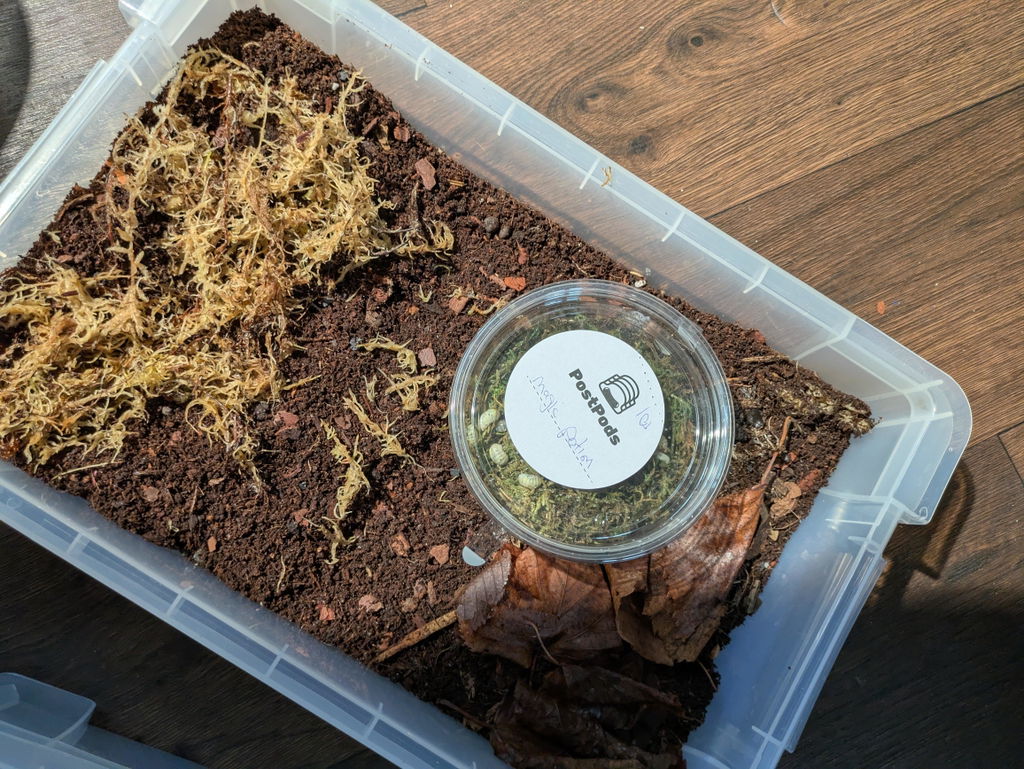
A 6–10 litre tub or small glass enclosure suits a starter colony of 10–20. Plastic tubs with clip-lock lids work well — they're easy to maintain, hold humidity adequately, and easy to drill ventilation holes into. Glass terrariums also work but cost more.
For ventilation, drill multiple small holes on alternating sides of the container to create cross-ventilation. Magic Potions tolerate slightly drier conditions than many isopods, so you can use more ventilation than you would for tropical species. This actually prevents most mould issues that affect humidity-loving species.
Our accessories collection has air vents and enclosures suitable for Armadillidium setups.
The Moisture Gradient
Like all Armadillidium, Magic Potions need a moisture gradient rather than uniform humidity:
- One-quarter to one-third damp: Sphagnum moss patches and damp leaf litter. Mist this area regularly.
- Remaining area drier: Drier substrate with leaf litter cover. Allow this side to be noticeably drier.
The gradient lets the colony self-regulate — they'll move to damp areas for moulting and rehydration, then back to drier zones for foraging. Magic Potions are notably more drought-tolerant than tropical species, but they still need access to a moist zone.
Substrate
Use organic topsoil (pesticide-free) as a base, with at least 5 cm depth — preferably 7–10 cm so they can fully burrow. Magic Potions are active burrowers and benefit from substrate they can dig into for security and moulting. Mix in flake soil for added nutrition.
Top with generous leaf litter — magnolia leaves for long-lasting cover and bamboo leaf litter for structure. Add cork bark hides spread throughout the enclosure. Magic Potions use multiple hides actively, particularly during the day.
Calcium-rich substrates support healthy moulting — mix crushed limestone into the substrate for ongoing passive calcium availability.
Temperature
18–26°C is the comfort range, which is typical UK room temperature year-round. Most homes provide acceptable conditions without supplementary heating. Their wild ancestors are native to the UK and northern Europe, so they handle UK climate inherently well.
Slightly warmer conditions (22–25°C) accelerate breeding rates if you want to maximise colony growth. Avoid placing the enclosure in direct sunlight or near heat sources — stable temperatures matter more than hitting any specific point within the comfort range.
Diet
Magic Potions are not fussy eaters and accept a wide variety of foods:
- Primary diet: Dried leaf litter and rotting wood — always available
- Vegetables: Cucumber, courgette, sweet potato, carrot, butternut squash, pumpkin, broccoli stems, mushrooms. Replace within 24 hours.
- Fruit (occasionally): Apple, banana, melon
- Protein (1–2x weekly): Essential for healthy moulting and breeding. Options include dried daphnia, silkworm pupae, fish flakes, or freeze-dried peas. Place protein on the dry side — it spoils quickly in damp conditions.
- Calcium (essential): Cuttlebone always available, plus limestone pieces for passive calcium. Calcium supports healthy moulting and prevents shell development issues.
- Repashy supplements: Morning Wood works well as a regular calcium-fortified supplement.
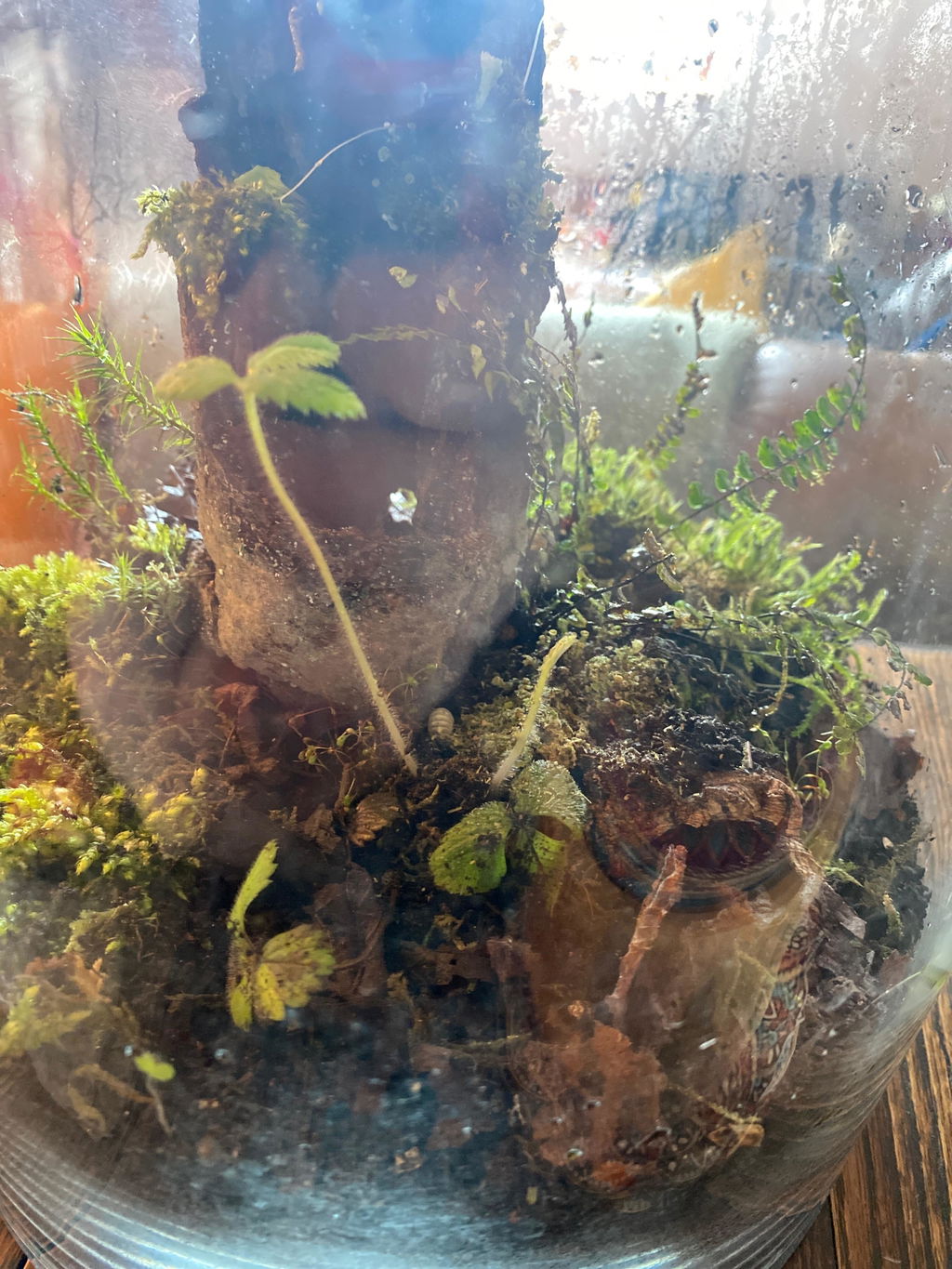
Plant-eating warning: Like most Armadillidium, Magic Potions may snack on soft live plants and moss in bioactive vivariums. Hardy plants and tough mosses fare better than ferns and softer species.
Breeding
Magic Potions are easy and reliable breeders — one of the reasons they're so widely recommended despite their designer-tier appearance. Females carry developing eggs in a brood pouch (marsupium) on the underside of their body and emerge with live mancae after the eggs hatch.
Breeding observations:
- Sub-adults often begin breeding before reaching full adult size
- Slightly elevated temperatures (22–25°C) accelerate breeding rates
- The Japanese line breeds noticeably faster than the American line
- Colonies tend to be male-heavy in early generations — this self-balances over time
- Brood sizes are reasonable for the species; the American line produces larger broods
A starter colony of 10–20 will typically produce visible mancae within 1–3 months under good conditions. Within 6 months, the colony will be substantial. Within a year, you'll have a thriving population that can sustain regular harvesting if used as feeders.
Genetic note for breeders: The dalmatian gene is recessive. Breeding two Magic Potions together produces all Magic Potion offspring. Crossing Magic Potion with wild-type vulgare produces carriers (visually wild-type) that, when bred with another carrier, can produce a mix of wild-type and Magic Potion offspring. Worth knowing if you want to maintain pure lines.
Pair With Springtails
Add a thriving springtail culture to any Magic Potion setup. Springtails handle mould and microbial growth at a scale isopods can't manage. They coexist peacefully with Magic Potions and form the classic bioactive cleanup pairing. Even though Magic Potions tolerate drier conditions, mould can still develop around protein foods and damp areas — springtails prevent this from becoming a problem.
Why Magic Potion Make Such a Good First Designer Isopod
For keepers stepping up from beginner species into the world of designer isopod morphs, Magic Potion is one of the best gateway choices. Several reasons why:
Maximum visual impact for the difficulty level. Most isopods that look this striking come with demanding husbandry. Magic Potions deliver designer-tier appearance with beginner-friendly care — a rare combination in the hobby.
Hardy vulgare genetics. Underneath the designer colouration is the common pill bug — one of the hardiest, most adaptable isopods that exists. The same forgiving genetics that let A. vulgare colonise gardens worldwide make Magic Potions resilient pets.
Reliable breeding. Unlike some premium morphs that breed slowly or unpredictably, Magic Potions breed consistently and quickly. You'll see colony growth rather than stagnation.
Educational about isopod genetics. Keeping Magic Potions naturally introduces concepts like recessive genes, line breeding, and morph isolation — fascinating for keepers interested in the genetics side of the hobby.
Each animal is unique. The variable expression of the dalmatian gene means no two Magic Potions look identical. Building a colony is genuinely interesting because every individual is its own pattern.
Affordable for the visual quality. Compared to ultra-premium designer morphs, Magic Potions remain accessibly priced thanks to their reliable breeding rates.
Realistic Expectations
Newly arrived Magic Potions, especially juveniles, often look less impressive than mature adults. Pattern intensity develops with age and good nutrition. Given 2–3 months of stable conditions, juveniles develop the bold, high-contrast adult patterning you see in marketing photos. If newly arrived animals look slightly washed out, that's normal — they'll improve.
Pattern variation is normal and desirable. Some individuals will be heavily speckled, others lightly marked; some will lean yellow, others more black. This isn't a defect — it's the variable expression of the dalmatian gene that makes the morph genuinely interesting to collect.
Building Your Setup — Pairs Well With
For a complete Magic Potion setup:
- Flake Soil — fermented hardwood substrate for nutrition
- Magnolia Leaves — long-lasting primary leaf litter
- Bamboo Leaf Litter — structural leaf cover
- Cuttlebone — essential calcium for moulting
- Malawi Limestone — passive calcium and habitat enrichment
- Dried Daphnia — protein supplementation
- Freeze-Dried Peas — plant-based protein
- Dried Silkworm Pupae — high-fat treat for breeding conditioning
- Ultra Tropical Fish Flakes — formulated insect-based protein
- Repashy Morning Wood — calcium-fortified gel premix
- Springtails — bioactive cleanup crew
- Enclosures & Air Vents — well-ventilated housing
For a deeper guide, read our blog post on Magic Potion isopod care. To explore isopod genetics and morphs in more depth, see our guide to isopod genetics, colours, and morphs — particularly relevant for understanding how the dalmatian gene works. New keepers should also see our setting up guide for full enclosure walkthroughs. Browse the full Armadillidium collection for related species and morphs, or explore all isopods for the complete catalogue.
Use collapsible tabs for more detailed information that will help customers make a purchasing decision.
Ex: Shipping and return policies, size guides, and other common questions.