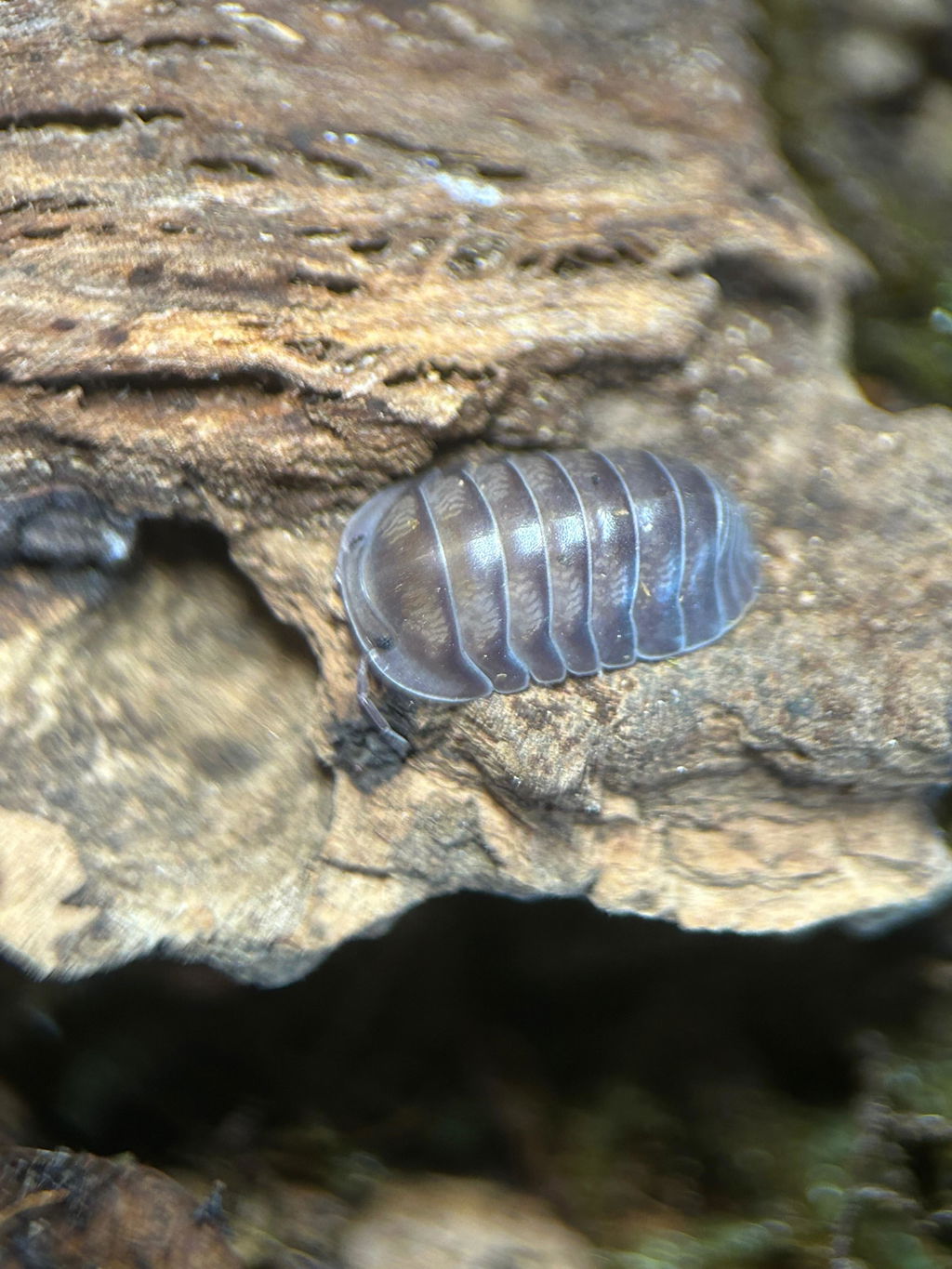
Black Pearl Isopods (Cubaris sp.)

Black Pearl Isopods (Cubaris sp.)

£80.00

Black Pearl Isopods (Cubaris sp.)

£80.00

Black Pearl Isopods (Cubaris sp.)

£80.00

Quantity

5 10 20

Products will be delivered between 1 and 5.

0 LEFT IN STOCK
0 watching this item.
0 have this item in their cart.

Care Info:

Origin icon ORIGIN
SOUTHEAST ASIA
Temperature icon TEMP
20-26 ℃
Humidity icon HUMIDITY
70-80 %
Length icon LENGTH
15 mm
Difficulty icon DIFFICULTY
MEDIUM
Rarity icon RARITY
VERY RARE
Product description

Black Pearl Isopods (Cubaris sp.) are named for their deep, glossy black colouration that sets them apart from most other species in the hobby. Originating from Southeast Asia, these medium-sized isopods have become sought after by collectors looking for something visually distinctive. They are reasonably straightforward to keep once established, though like most Cubaris they require stable humidity and benefit from a calcium-rich substrate.

A Glimpse

  • Origin: Southeast Asia (likely Thailand/Vietnam)
  • Scientific Name: Cubaris sp. "Black Pearl"
  • Maintenance required: Medium
  • Average Size: 1.5 cm
  • Rarity: Very Rare
  • Lifespan: 2-3 years
  • Temperature: 20-26°C (68-79°F)
  • Ventilation: Low to Medium
  • Humidity: 70-80%
  • Favorite food: Leaf litter, decaying hardwood, vegetables
  • Supplements: Crushed limestone, cuttlefish bone

Black Pearl Isopods: Introduction

Black Pearl isopods have been in our collection since mid-2024. Their uniform dark colouration makes them stand out against lighter substrates and leaf litter, which is part of their appeal for display enclosures. The "pearl" name likely refers to the smooth, slightly glossy appearance of their exoskeleton rather than any iridescence—they're simply a solid, deep black.

Like other Cubaris species, Black Pearls originate from humid, limestone-rich environments in Southeast Asia. They share the typical Cubaris temperament: shy, nocturnal, and inclined to hide rather than wander about in the open. If you're after isopods that are frequently visible, this probably isn't the species for you. But if you enjoy the occasional sighting of something genuinely striking against your substrate, they deliver on that front.

They're not the most challenging Cubaris to keep, but they're not bulletproof either. Consistent conditions matter, and they do best when left largely undisturbed once established.

Black Pearl Isopods: Physical Traits and Characteristics

  • Adults reach approximately 1.5 cm in length, making them a small to medium-sized Cubaris.
  • Their colouration is a uniform dark black across the entire body, with a smooth, slightly glossy exoskeleton.
  • Like other Cubaris, they can conglobate (roll into a tight ball) when disturbed or threatened.
  • Body structure follows the typical isopod form: segmented plates, seven pairs of legs, and two antennae.
  • Juveniles are born dark and maintain their black colouration as they grow.
  • Some individuals may appear slightly lighter immediately after moulting, darkening again as the new exoskeleton hardens.

Diet

Black Pearl isopods are detritivores and will work through the usual range of organic matter. Their primary food sources should be:

Staples:

  • Dried leaf litter (oak, beech, hawthorn, and similar hardwood leaves work well)
  • Decaying hardwood—white-rotted wood is particularly good
  • The substrate itself, if properly prepared with organic matter

Supplementary foods:

  • Vegetables such as carrot, courgette, butternut squash, and sweet potato
  • Small amounts of protein from fish flakes, dried shrimp, or freeze-dried insects
  • Occasional fruit in small quantities (remove uneaten portions promptly)

Calcium: Calcium supplementation is essential for all Cubaris species. Provide a constant source such as crushed limestone, cuttlefish bone, or powdered eggshells. Their natural limestone cave habitats mean they have evolved with ready access to calcium, and deficiency will lead to moulting problems.

Feed sparingly with fresh foods. These isopods graze continuously on leaf litter and substrate, so commercial foods and vegetables are supplements rather than the bulk of their diet. Overfeeding fresh foods can encourage mould growth, which thrives in the same humid conditions your isopods need.

Black Pearl Isopods: Personality

Black Pearls are shy and reclusive, typical of Cubaris species. They spend most of their time hidden beneath bark, leaf litter, or within the substrate itself. Activity increases during darkness, so you're more likely to spot them if you check the enclosure at night with a dim red light.

They don't appreciate handling and will typically ball up if disturbed. This isn't a species you'll interact with directly—they're more suited to keepers who enjoy maintaining the habitat and observing from a distance. Once established in an enclosure, they tend to stay put and don't make escape attempts, but they do prefer to be left alone.

When kept in appropriate conditions, they will eventually become slightly bolder and you may see them out foraging more regularly. But don't expect the confident wandering behaviour of hardier species like Porcellio scaber or Armadillidium vulgare.

Black Pearl Isopods: Breeding

Black Pearl isopods breed reasonably well once a colony is established, though reproduction is slower than prolific species like dairy cows or powder blues.

Breeding basics:

  • Females brood eggs in a marsupium and release fully formed juveniles
  • Broods are typically small compared to faster-breeding genera
  • Stable conditions are important—temperature or humidity fluctuations can disrupt breeding
  • A starting group of at least 6-10 individuals gives you better odds of establishing a breeding population

Timeline: Colony growth is gradual. Don't expect rapid population explosions. With patience and consistent husbandry, numbers will build over time. Disturbance can set back breeding progress, so resist the urge to dig through the substrate checking for juveniles constantly.

Tips for success:

  • Maintain humidity in the 70-80% range consistently
  • Provide plenty of calcium for breeding females
  • Include varied microhabitats (bark, wood, moss, leaf litter) so individuals can find preferred conditions
  • Keep temperature stable within the 20-26°C range

Black Pearl Isopods: Habitat Setup

Enclosure: A plastic container with a secure lid works well. Ventilation should be limited—small holes or a small mesh section is sufficient. Cubaris species don't tolerate dry conditions, and excessive airflow will make humidity difficult to maintain. A 10-20 litre container is suitable for a starter colony.

Substrate: This is important for Cubaris. Use a mix that retains moisture and provides calcium. A good base mix includes:

  • Organic topsoil (pesticide-free)
  • Sphagnum peat moss
  • Crushed limestone orite calcium powder
  • Decomposed leaf litter worked into the mix
  • Pieces of white-rotted hardwood

Avoid relying on coco coir as the primary substrate component for Cubaris species. It lacks calcium, can become overly acidic, and doesn't replicate their natural limestone-rich environment. If you use any coir, mix it sparingly with limestone-heavy components.

Substrate depth should be at least 5-8 cm to allow for burrowing behaviour.

Moisture gradient: Keep one side of the enclosure more humid than the other. Add damp sphagnum moss to the humid side and mist this area regularly. The dry side should still have leaf litter coverage but won't need regular misting. This gradient lets the isopods regulate their own moisture needs.

Décor and hides:

  • Cork bark (flat pieces and tubes)
  • Hardwood pieces and branches
  • Generous leaf litter coverage across the surface
  • Lichen-covered twigs if available
  • Sphagnum moss clumps on the humid side

Temperature: Room temperature in most UK homes (18-24°C) is fine. Avoid placing enclosures near heat sources, windows, or anywhere with temperature fluctuations. If your home regularly drops below 18°C, a heat mat on a thermostat set to around 22°C can help, but position it on one side of the enclosure to create a gradient.

Suitability

Black Pearl isopods sit somewhere in the middle of the difficulty scale for Cubaris. They're not as demanding as some of the rarer Thai cave species, but they're not as forgiving as Porcellio or Armadillidium species either.

They're suitable for keepers who:

  • Have some experience maintaining humid enclosures
  • Are patient with slower-breeding species
  • Appreciate observing rather than handling their isopods
  • Want something visually distinctive without extreme care requirements

If you're completely new to isopods, consider starting with hardier species first to develop your husbandry skills. But if you've successfully kept other isopods and want to try something from the Cubaris genus without jumping straight to the most challenging species, Black Pearls are a reasonable choice.

They can work in bioactive setups, though their value and slower reproduction rate means most keepers maintain them in dedicated colonies rather than using them as disposable cleanup crew.

Previous Product Next Product

FAST DELIVERY

Isopods are posted monday to thursday using royal mails next day by 1pm service

LIVE ARRIVAL GUARENTEE

plus 20% overcount sent with every order

HERE TO CHAT

24/7 livechat. We are always here and happy to chat! (subject to sleeping)