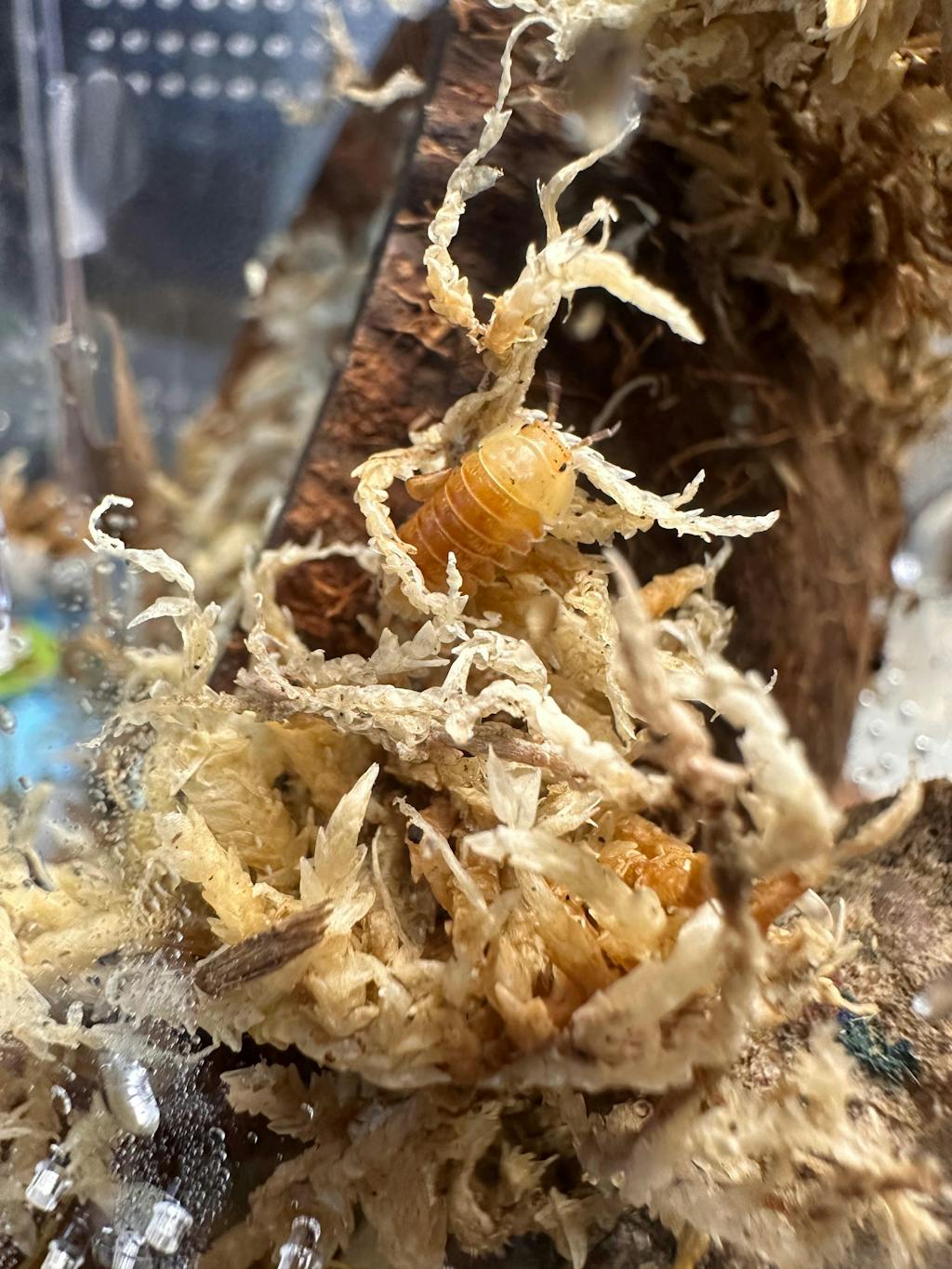
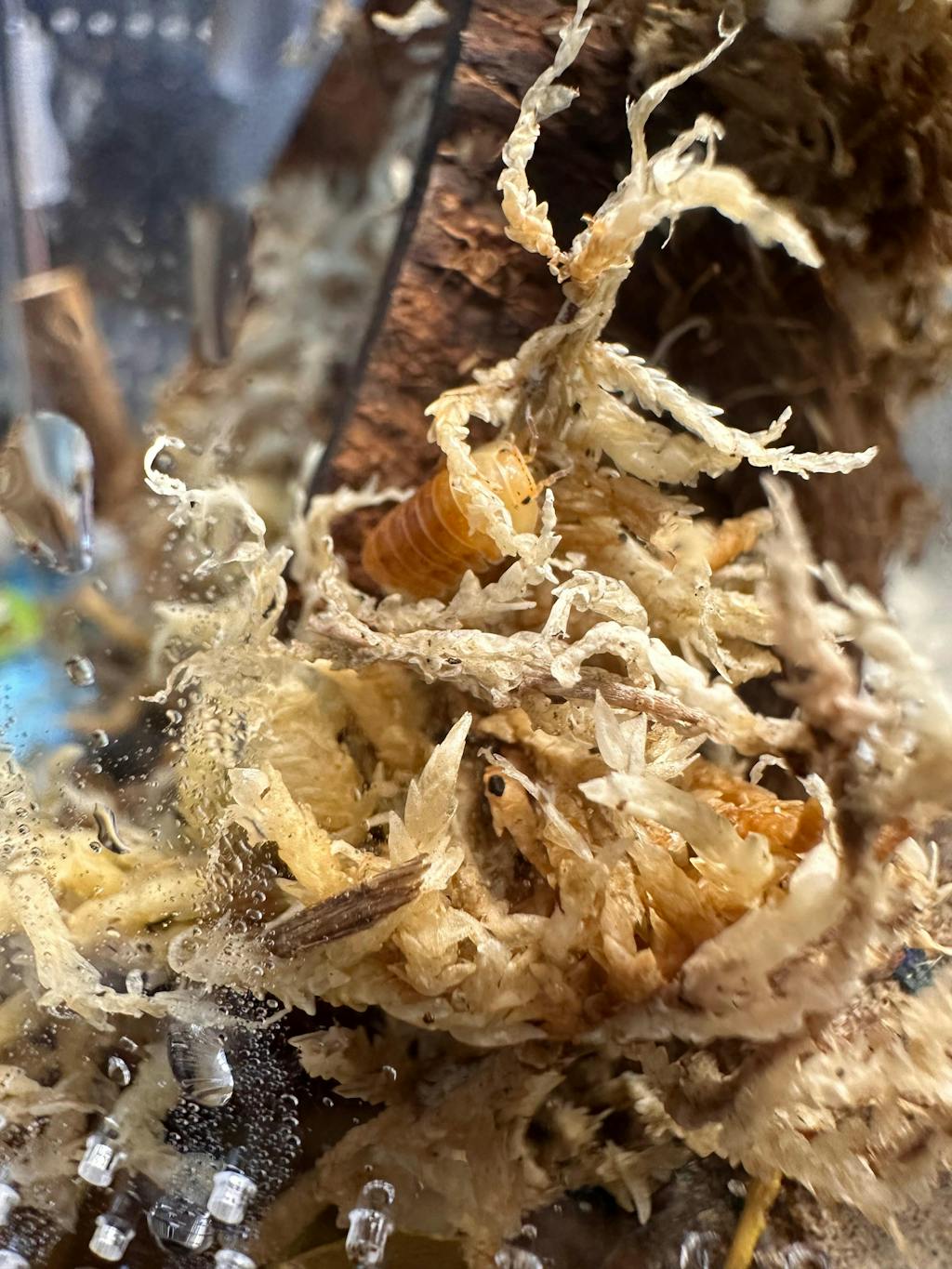
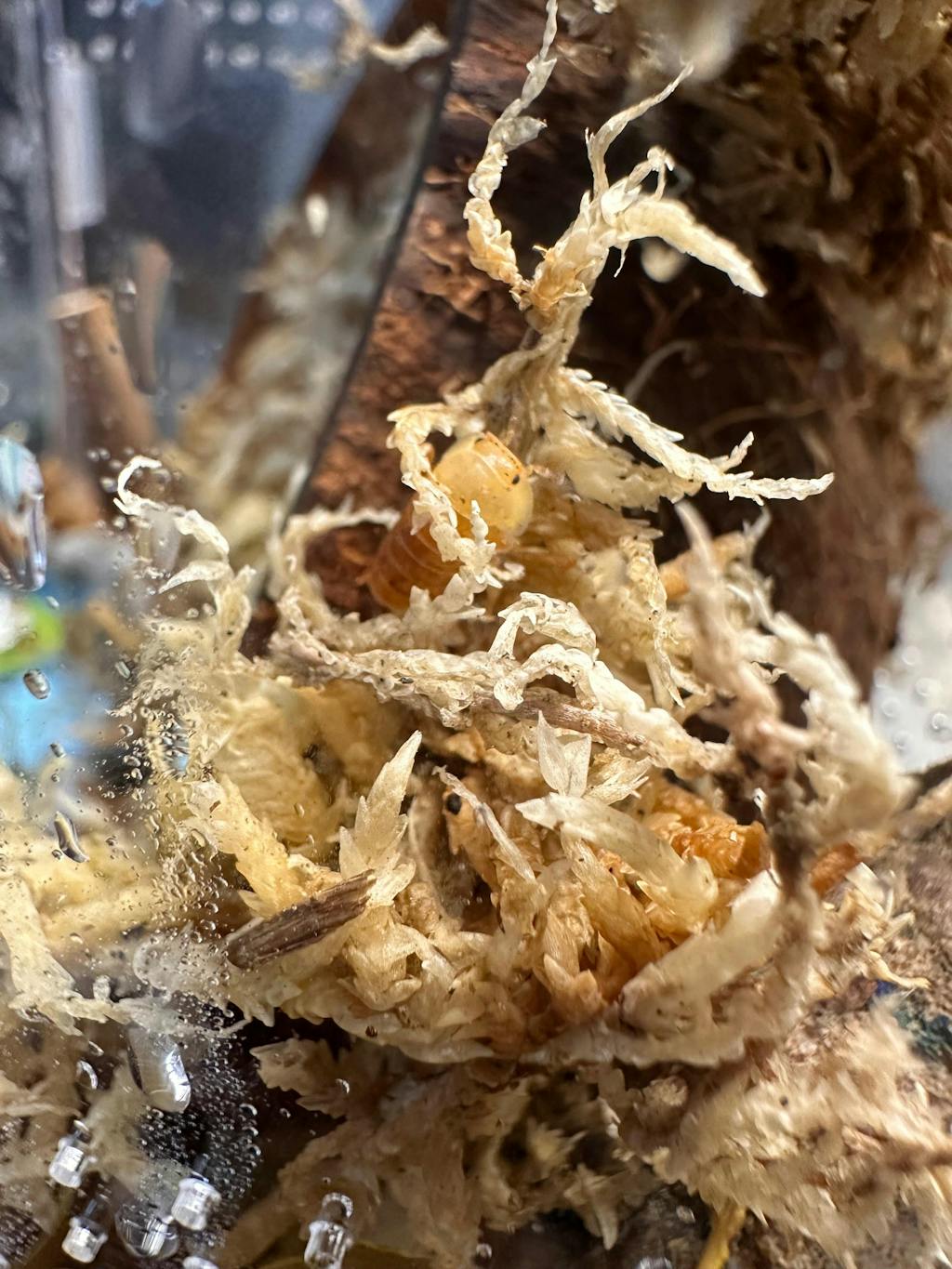
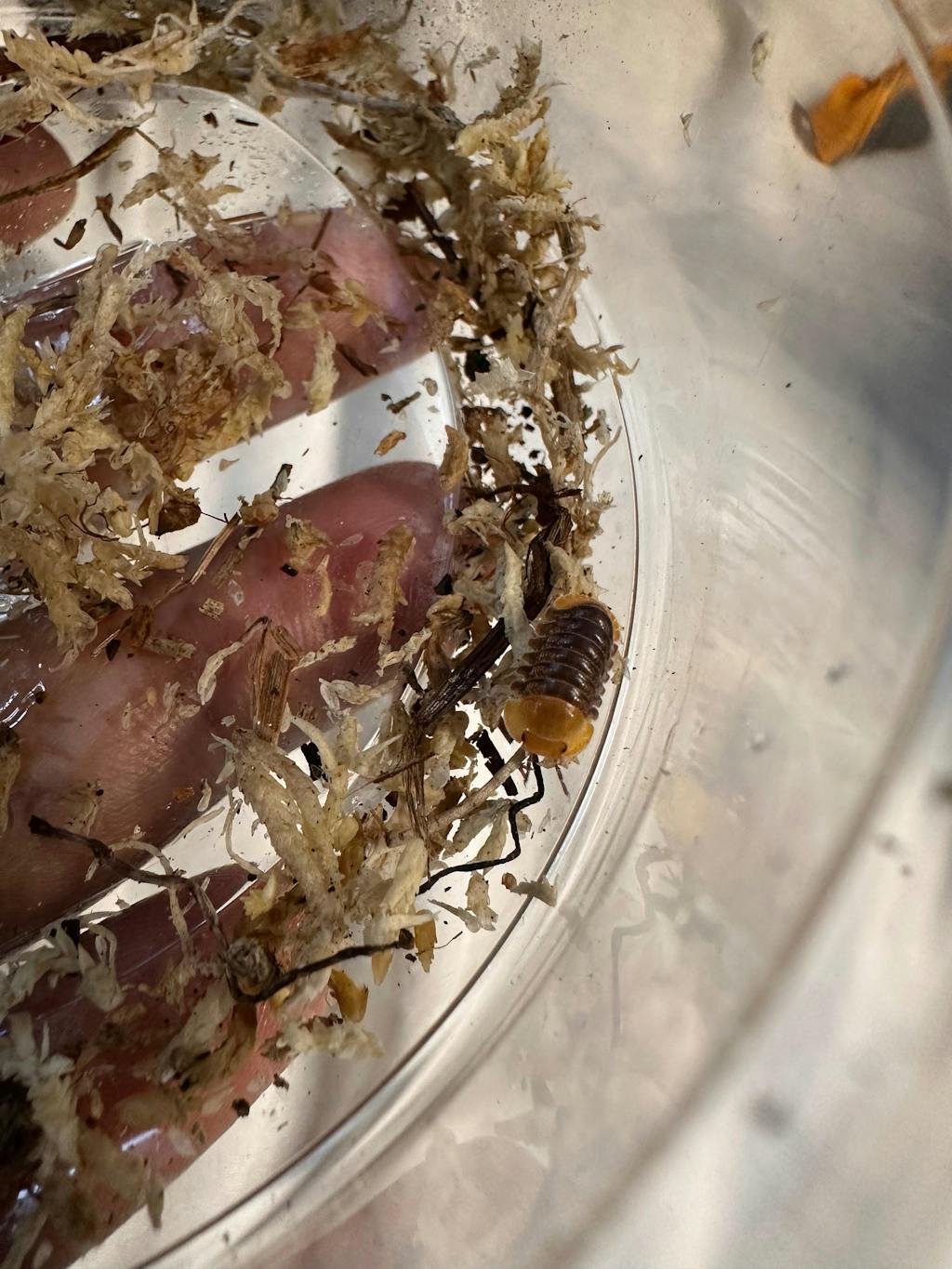
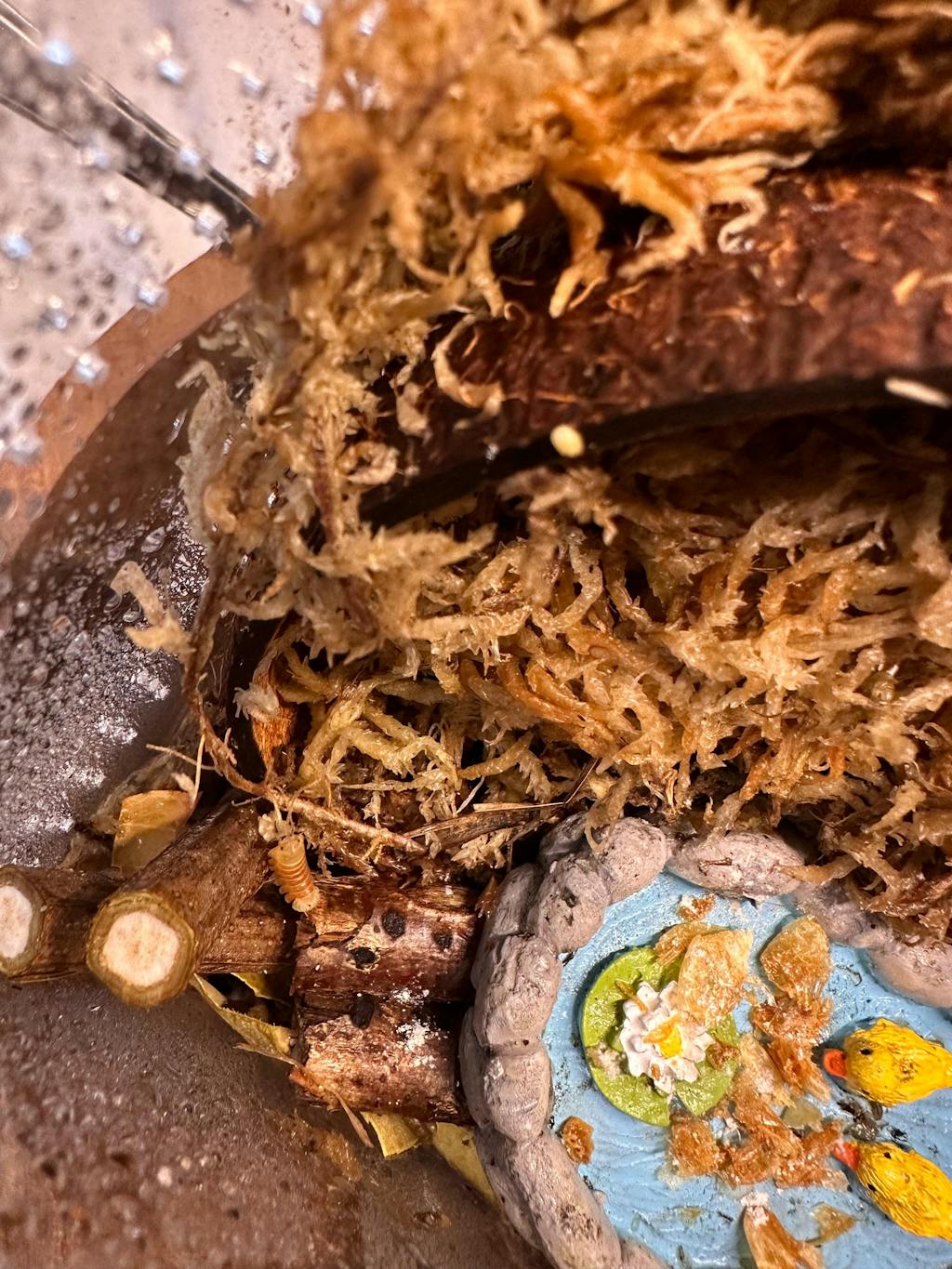
Cubaris sp. "Rubber Ducky" is the isopod that changed everything. Discovered in 2017 in the limestone caves of Thailand, these distinctive little crustaceans—with their yellow faces resembling rubber duck toys—sparked the entire "designer isopod" phenomenon. They remain among the most sought-after species in the hobby, commanding premium prices and significant attention. They're not beginner isopods, requiring specific humidity, calcium, and patience, but for keepers ready for the challenge, they're genuinely rewarding animals to maintain.
A Glimpse
-
Origin: Thailand (limestone caves)
-
Scientific Name: Cubaris sp. "Rubber Ducky"
-
Common Names: Rubber Ducky, Rubber Ducky Isopod, Ducky
-
Family: Armadillidae
-
Maintenance required: Medium to Challenging
-
Average Size: Up to 18mm (approximately 1.5-2cm)
-
Rarity: High (still relatively rare despite popularity)
-
Temperature: 22-28°C (72-82°F)
-
Ventilation: Medium (good airflow despite high humidity)
-
Humidity: 70-90% (high)
-
Favorite food: Leaf litter, decaying wood, vegetables
-
Supplements: Calcium (limestone essential), protein twice weekly
Rubber Ducky Isopods: Introduction
The discovery of Rubber Ducky isopods in Thai limestone caves in 2017 transformed the isopod hobby. Before them, isopods were largely seen as utilitarian cleanup crews or curiosities. After them, terms like "designer isopod" entered the vocabulary, prices climbed into triple digits, and an entire collecting culture emerged around Cubaris species.
Their appeal is immediately obvious. The yellow colouration on their heads, combined with their facial structure, genuinely resembles a tiny rubber duck toy. It's not marketing exaggeration—they really do look like miniature bath toys. This distinctive appearance, combined with their rarity and the challenges of breeding them, has kept demand (and prices) high years after their discovery.
Rubber Ducky isopods originate from limestone caves in Thailand, where they inhabit dark, humid environments rich in calcium. This cave-dwelling origin shapes their care requirements: they need high humidity, abundant calcium sources, deep substrate for burrowing, and minimal disturbance. They're not the most difficult isopods to keep, but they're less forgiving than hardy beginner species like Porcellio or Armadillidium.
The species remains taxonomically undescribed—"Cubaris sp." indicates it hasn't been formally named scientifically. This is common with recently discovered isopods, and "Rubber Ducky" functions as the trade name that identifies this specific form.
Rubber Ducky Isopods: Physical Traits and Characteristics
- Adults reach approximately 15-18mm in length
- Distinctive yellow colouration on face/head region
- Body colour ranges from brown to grey with darker patches
- "Duck face" appearance—the yellow head genuinely resembles a rubber duck's bill
- Some individuals show painted/patterned tails
- Body divided into seven segments, each with a pair of legs
- Two specialised legs adapted for burrowing
- Two antennae with small sensory projections (cerci) for navigation
- Hard exoskeleton requiring calcium for proper development
- Can roll into a tight defensive ball (conglobation)
The yellow "duck face" is the defining feature. When viewed from the front, their tiny heads genuinely evoke a duckling's face, complete with what looks like a yellow bill. This isn't subtle—it's immediately apparent why they earned their name.
Behaviour
Rubber Ducky isopods display typical cave-dwelling Cubaris behaviours, characterised by shyness and burrowing.
Activity patterns: Primarily nocturnal. They spend most daylight hours hidden in substrate or under cover, emerging mainly at night to feed. You'll see them more often as colony numbers increase, but expect limited daytime visibility.
Temperament: Calm and non-aggressive. They don't mind the presence of compatible tankmates and generally ignore other inhabitants. Their placid nature contributes to their appeal as display animals.
Defensive behaviour: When threatened or disturbed, they roll into a tight ball and may remain conglobated for extended periods. This is normal—give them time and they'll eventually uncurl.
Burrowing: Strong burrowing instinct. They dig deep into substrate, sometimes spending significant time fully submerged before and after moulting. This behaviour is essential for their wellbeing—provide adequate substrate depth (15cm minimum) to accommodate it.
Shyness: Notably shy and secretive, even by Cubaris standards. They do better when not disturbed frequently. Resist the temptation to dig through substrate looking for them—let them settle and they'll eventually become more visible.
Human interaction: Given time, they can become surprisingly tolerant of handling. Established animals may allow keepers to pick them up and will spend time resting on hands. This takes patience—new colonies need months to settle before they're comfortable with interaction.
Diet
Rubber Ducky isopods are detritivores with specific nutritional requirements, particularly regarding calcium.
Primary foods:
- Leaf litter (essential staple—always available, pesticide-free)
- Decaying white-rotted wood (always available)
- Forest moss
- Lichen
Supplementary foods:
- Vegetables: cucumber, sweet potato, courgette, carrots, pumpkin
- Fruits: in moderation (banana, apple, mango, watermelon)
- Fish flakes
- Commercial isopod foods
Protein (essential—provide twice weekly):
- Dried shrimp/shrimp shells
- Fish flakes or pellets
- Freeze-dried minnows
- Dried insects (crickets)
Protein variety keeps slower-growing Cubaris species breeding consistently. Rotate protein sources rather than relying on a single type.
Calcium (critical):
As limestone cave dwellers, Rubber Ducky isopods have high calcium requirements. Calcium carbonate is essential for building and maintaining their exoskeletons. Provide multiple calcium sources:
- Limestone chunks (preferred—mimics natural habitat)
- Cuttlebone
- Crushed eggshells
- Crushed coral
- Sea coral
- Garden lime (calcium carbonate powder)
Colonies "come alive" with limestone as their primary calcium source. If you notice thin growth, soft bodies, or poor moults, increase calcium availability immediately.
Feeding notes:
- Small portions once or twice weekly for supplements
- Remove uneaten food promptly to prevent mould
- Avoid sweet insect jelly cups—not needed and can unbalance diet
- If food goes untouched, check temperature and moisture before trying different foods
Rubber Ducky Isopods: Breeding
Breeding Rubber Ducky isopods requires patience. They're slow reproducers compared to many isopod species, and establishing breeding colonies takes time.
Breeding characteristics:
- Slow to establish—may take months before breeding begins
- Once acclimated, they breed year-round
- Typical brood sizes: 2-10 offspring
- Advanced keepers report larger broods of 10-20+
- Females reach sexual maturity at approximately 3 months
- Full maturity takes 8-12 months
- Eggs hatch within approximately two weeks of laying
- Lifespan: several years with proper care
Acclimation period:
The establishment phase can feel painfully slow. New colonies need time to settle into their environment before breeding begins. This is normal for Cubaris—don't assume something is wrong if you don't see babies for several months.
Breeding success factors:
- Stable temperature (25-28°C optimal for breeding)
- Consistent high humidity (75-90%)
- Abundant calcium (limestone essential)
- Deep substrate for burrowing during breeding and moulting
- Minimal disturbance—let them settle
- Aged leaf litter
- Varied protein sources
Why they're expensive:
The combination of slow breeding, challenging establishment, and high demand keeps prices elevated. They're also slow-growing, taking months to reach sellable size. This limits supply even as demand remains strong.
Rubber Ducky Isopods: Habitat Setup
Replicating their limestone cave environment is key to success with Rubber Ducky isopods.
Enclosure options:
- Lidded plastic tubs (easier humidity control—recommended for breeding colonies)
- Glass terrariums (better display but require careful ventilation management)
- Minimum size: 6 quart/litre for starter colonies
Ventilation:
Medium. Despite high humidity requirements, good airflow is critical. Stagnant air promotes mould and can cause problems. Create ventilation holes on alternating sides of plastic containers. Glass terrariums need careful balance—enough airflow to keep air fresh without excessive drying.
Substrate:
Deep, moisture-retaining substrate is essential for their burrowing behaviour.
Recommended mix:
- Organic topsoil base (pesticide-free)
- Sphagnum peat moss
- Forest humus
- Decaying hardwood/wood mulch
- Limestone chunks or calcium carbonate mixed throughout
- Aged leaf litter (top layer and mixed in)
Depth: Minimum 15cm (6 inches). They burrow deep, especially during moulting and breeding. Deeper substrate also retains moisture more consistently.
Moisture gradient:
Keep approximately one-third of the enclosure moist (not wet), with the remainder slightly drier. This allows self-regulation. Some keepers maintain "moist side and slightly less moist side" rather than dramatic wet/dry contrast.
Humidity:
70-90%—high humidity is essential:
- Use a hygrometer to monitor levels
- Mist with dechlorinated water as needed
- Sphagnum moss helps retain moisture
- Their respiratory system relies on moisture (cutaneous gas exchange through pleopodal lungs)
Temperature:
22-28°C (72-82°F):
- 25-28°C optimal for breeding
- Avoid temperature fluctuations
- Stable conditions more important than hitting exact numbers
- Room temperature in heated UK homes often sufficient
Water chemistry (if misting heavily):
- pH: 8.0-8.5 (slightly alkaline, mimicking limestone environment)
- They're sensitive to high acidity—limestone in substrate helps buffer pH
Lighting:
They don't require special lighting. As cave dwellers, they prefer darker conditions. If using terrarium lights for display, ensure light doesn't shine directly on isopods and provide plenty of shaded hiding spots.
Décor:
- Cork bark (essential hiding spots)
- Leaf litter layers (food and cover)
- Rotting wood pieces
- Moss patches
- Limestone chunks (calcium source and habitat enrichment)
- Multiple hiding spots throughout enclosure
Bioactive Use
Rubber Ducky isopods can function in bioactive setups but are typically kept as display animals rather than utilitarian cleanup crews.
Strengths:
- Contribute to nutrient cycling and decomposition
- Attractive display animals
- Calm temperament suits community setups
- Break down decaying organic matter
Limitations:
- Slow breeding means population recovery takes time if predation occurs
- High value makes them expensive to use as cleanup crews
- Shy nature means limited daytime visibility
- Specific humidity requirements may not match all bioactive setups
- Better suited as display specimens than working cleanup crews
Bioactive considerations:
- Can coexist with springtails (which help with mould control)
- Avoid housing with predatory inhabitants that might eat them
- Their value makes them better suited to dedicated isopod enclosures than mixed vivariums
- Adding composting worms can increase microbial diversity in substrate
Best use:
Rubber Ducky isopods are primarily display and breeding animals. Their price point and care requirements make them better suited to dedicated setups where you can observe and appreciate them rather than as anonymous cleanup crews in larger vivariums.
Suitability
Rubber Ducky isopods suit intermediate to advanced keepers ready for Cubaris care requirements.
Good choice for:
- Keepers with isopod experience wanting iconic Cubaris species
- Those who can maintain consistent high humidity
- Patient keepers willing to wait for slow establishment
- Hobbyists attracted to the distinctive "duck face" appearance
- Collectors wanting premium display animals
- Those prepared for the financial investment
Less suited for:
- Complete beginners (gain experience with hardier species first)
- Those wanting fast-breeding cleanup crews
- Keepers unable to maintain stable humidity and temperature
- Anyone expecting immediate breeding results
- Budget-conscious buyers (premium pricing)
Care level:
Medium to Challenging. Sources vary—some describe them as "relatively easy to look after" once acclimated, others rate them as "challenging" with "slow" reproduction. The truth lies in between. They're not the most difficult isopods, but they're less forgiving than beginner species. Key challenges include: maintaining specific humidity without causing mould, providing adequate calcium, patience during slow establishment, and resisting the urge to disturb them frequently.
Value:
At £47.50 for 5, £90 for 10, or £170 for 20, Rubber Ducky isopods remain premium-priced. This reflects their continued rarity, slow breeding, and strong demand. Prices have decreased from the early days when they commanded even higher figures, but they're still among the more expensive isopods available. For the iconic species that launched the designer isopod phenomenon, many keepers consider the investment worthwhile.
What to expect:
Expect distinctive isopods with genuinely duck-like yellow faces that justify their name. Expect shy, nocturnal behaviour—they'll spend considerable time burrowed, especially initially. Expect a slow establishment period of several months before breeding begins. Expect to maintain careful humidity and provide abundant calcium. Expect to resist the urge to dig through substrate looking for them. Expect, eventually, the satisfaction of seeing babies appear and knowing your colony is thriving.
Rubber Ducky isopods earned their reputation for good reason. They're attractive, distinctive, and genuinely charming animals. They're also demanding enough to feel like an accomplishment when you succeed with them. For keepers ready to move beyond beginner species into the world of designer Cubaris, they remain the definitive starting point—the species that started it all.