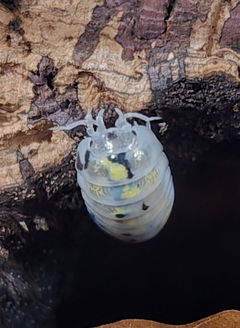
Cubaris Daxin Tricolor Isopods - Isopods For Sale UK | PostPods

Cubaris Daxin Tricolor Isopods

£80.00

Cubaris Daxin Tricolor Isopods

£80.00

Cubaris Daxin Tricolor Isopods

£80.00

Quantity

5 10 20

Products will be delivered between 1 and 5.

0 LEFT IN STOCK
0 watching this item.
0 have this item in their cart.

Care Info:

Origin icon ORIGIN
CHINA
Temperature icon TEMP
18-27 ℃
Humidity icon HUMIDITY
70-80 %
Length icon LENGTH
15 mm
Difficulty icon DIFFICULTY
MEDIUM
Rarity icon RARITY
RARE
Product description

A small Chinese Cubaris species with a distinctive three-colour banding pattern across its body segments.

Cubaris Daxin Tricolor Isopods: A Glimpse

  • Origin: Daxin County, Guangxi, China
  • Scientific Name: Cubaris sp. 'Daxin Tricolor'
  • Difficulty Level: Low to Medium
  • Size: Up to 1.5cm
  • Rarity: Rare
  • Temperature: 18°C to 27°C
  • Humidity: 70% to 80% (medium-high)
  • Favorite Foods: Leaf litter, decaying wood, vegetables, fish food
  • Supplements: Limestone, cuttlebone, calcium powder, protein sources

Cubaris Daxin Tricolor Isopods: An Overview

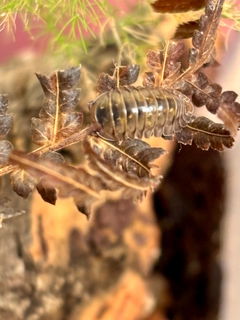
Daxin Tricolor isopods originate from the Guangxi region of southern China. They've gained attention in the hobby primarily for their colouration, which features three distinct colour bands across their body segments, typically combining shades of orange, black, and white or cream. Some keepers compare the pattern to candy corn, though the exact colouration can vary between individuals.

These are a relatively smaller Cubaris species, staying compact at around 1.5cm when fully grown. They're not as demanding as some of the more sensitive Cubaris varieties like Rubber Ducky, making them a reasonable option for keepers who want to try a Chinese Cubaris without jumping straight to the most challenging species.

That said, they're still Cubaris. They have the typical Cubaris personality: shy, secretive, and inclined to spend most of their time buried in substrate or hiding under bark. Don't expect them to parade around on the surface for your viewing pleasure. You'll see them mostly during evening hours, when feeding, or when you disturb the substrate.

Cubaris Daxin Tricolor Isopods: Appearance

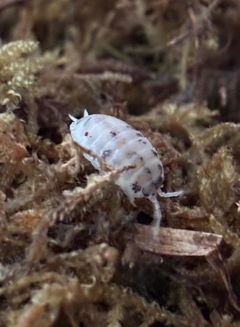
The "tricolor" name describes the banding pattern that runs across their segmented bodies. Most specimens show a combination of orange, black, and lighter cream or white bands. The exact distribution and intensity of these colours varies between individuals, which adds interest when watching a colony develop.

They have the typical Cubaris body shape: rounded and compact with the ability to roll into a defensive ball when threatened. This conglobation behaviour is characteristic of the genus and quite satisfying to observe.

At 1.5cm adult size, they're on the smaller side for Cubaris. This makes them less visually impactful than larger species but also means they don't require as much space per individual.

Cubaris Daxin Tricolor Isopods: Basic Care

Daxin Tricolor care follows the general Cubaris template: moist, warm, and with good calcium availability. They're not the most demanding Cubaris species, but they do need consistent conditions to thrive.

Temperature: Room temperature to slightly warm works well. Aim for 18°C to 27°C. They're not tropical cave dwellers like Rubber Ducky, so they don't need high heat, but they do prefer it on the warmer side of room temperature.

Humidity: Medium to high humidity is important. Keep the substrate consistently moist but not waterlogged. A humidity gradient helps: one section of the enclosure should be damper than the rest, allowing the isopods to move between zones as needed.

Ventilation: Moderate airflow is sufficient. Unlike the dry Spanish Porcellio species, Cubaris don't need aggressive ventilation. However, completely stagnant air can cause mould problems, so some airflow is still important.

Substrate Depth: These isopods like to burrow. Provide at least 5-8cm of substrate depth to accommodate this natural behaviour. You won't see them much if the substrate is too shallow.

Cubaris Daxin Tricolor Isopods: Feeding

Daxin Tricolor are detritivores with the typical Cubaris appetite. They're not fussy eaters but do require a varied diet with adequate protein and calcium.

Primary Food Sources:

  • Mixed hardwood leaf litter
  • Decaying white rotting wood
  • Organic matter in the substrate

Supplemental Foods:

  • Vegetables (carrot, courgette, sweet potato, cucumber)
  • Fish flakes or freeze-dried shrimp for protein
  • Occasional fruit

Calcium Sources: Cubaris species need reliable calcium for healthy moulting and breeding. Provide:

  • Cuttlebone pieces
  • Limestone chunks or powder
  • Crushed eggshells
  • Oyster shell

Many keepers find that adding limestone directly to the substrate works well for Cubaris. This mimics the calcium-rich cave environments where many Cubaris species naturally occur.

Cubaris Daxin Tricolor Isopods: Substrate Mix

A moisture-retentive, nutrient-rich substrate supports healthy Cubaris colonies. These isopods spend a lot of time in and under the substrate, so getting this right matters.

A suitable mix might include:

  • Organic potting soil (pesticide-free) as a base
  • Coconut coir for moisture retention
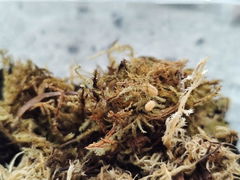
  • Sphagnum moss mixed through and on top
  • Earthworm castings for nutrition
  • Orchid bark pieces for structure and drainage
  • Limestone powder or chips for calcium
  • Decaying hardwood pieces

Layer the top with abundant leaf litter and add cork bark pieces for hides. Moss coverage on the surface helps maintain humidity and provides a comfortable surface environment.

Keep the substrate consistently moist. It should feel damp when you touch it but shouldn't release water when squeezed. The deeper layers can be slightly wetter than the surface.

Cubaris Daxin Tricolor Isopods: Enclosure Setup

A standard Cubaris setup works well for Daxin Tricolor.

Container Size: A 3-6 litre container is suitable for a starter colony. These are small isopods and don't need huge amounts of space initially.

Hides: Cork bark pieces, both flat on the substrate and propped at angles, provide essential hiding spots. These isopods are shy and need places to retreat.

Moss Coverage: Sphagnum moss across part of the substrate surface helps maintain humidity and provides additional cover.

Leaf Litter: A thick layer of mixed hardwood leaves provides food and shelter. Don't skimp on this.

Ventilation: A few ventilation holes or a small mesh panel is sufficient. These don't need the aggressive airflow that dry Porcellio species require.

Cubaris Daxin Tricolor Isopods: Breeding

Under appropriate conditions, Daxin Tricolor establish stable breeding colonies. They're not the fastest breeders in the Cubaris genus, but they're reasonably reliable once settled.

What to Expect:

  • Gradual colony growth rather than population explosions
  • Brood sizes typical for smaller Cubaris (usually smaller broods than larger species)
  • Seasonal variations in breeding activity
  • Time needed to establish before reproduction becomes consistent

New colonies often take a few months to settle before breeding picks up. This is normal Cubaris behaviour. Patience is required.

Stable conditions support breeding success. Fluctuations in humidity or temperature can disrupt reproduction, so consistency matters more than perfection. Keep calcium readily available, provide protein supplementation, and maintain appropriate moisture levels.

Cubaris Daxin Tricolor Isopods: Behaviour

Like most Cubaris, these are secretive isopods. They spend daylight hours hidden in the substrate or under bark and become more active during evening and night hours.

Typical Behaviours:

  • Burrowing into substrate
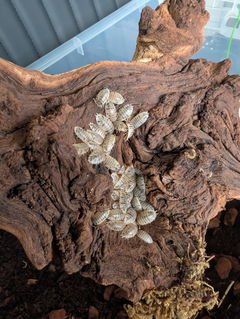
  • Congregating under cork bark and leaf litter
  • Rolling into defensive balls when disturbed
  • Nocturnal foraging
  • Peaceful colony cohabitation

Don't be alarmed if you rarely see your Daxin Tricolor. This is normal. A healthy colony that you never see is preferable to sick isopods that are constantly exposed on the surface (often a sign of problems).

Who Are Daxin Tricolor Isopods For?

These suit keepers who:

  • Have some experience with isopods and want to try a Cubaris species
  • Appreciate subtle visual appeal over dramatic displays
  • Can maintain consistent humidity and temperature
  • Don't need constant visual entertainment from their isopods
  • Want a breeding project with moderate difficulty

They might not suit:

  • Complete beginners (start with hardier species first)
  • Keepers wanting highly active, visible isopods
  • Those unable to maintain consistent environmental parameters
  • Anyone wanting rapid colony growth

If you've successfully kept easier Cubaris like C. murina or similar species, Daxin Tricolor is a reasonable next step without being excessively challenging.

Bioactive Use

Daxin Tricolor can work in bioactive setups, though they're not the most efficient cleanup crew. Their small size and shy nature mean they won't process waste as quickly as larger, more active species.

They're better suited to:

  • Smaller tropical or subtropical enclosures
  • Low-bioload setups
  • Display terrariums where aesthetics matter more than waste processing

Pair them with springtails for more comprehensive organic breakdown. The springtails handle small debris and mould prevention while the isopods tackle larger organic matter at their own pace.

What's Included

Each order contains healthy specimens selected from our breeding stock. We include a mix of sizes to help establish a balanced colony with breeding potential. A care sheet is provided with every order.

Previous Product Next Product

FAST DELIVERY

Isopods are posted monday to thursday using royal mails next day by 1pm service

LIVE ARRIVAL GUARENTEE

plus 20% overcount sent with every order

HERE TO CHAT

24/7 livechat. We are always here and happy to chat! (subject to sleeping)