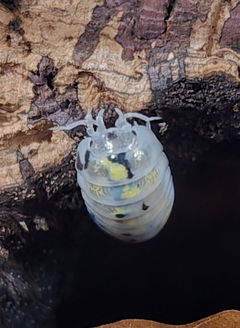
hoffmannseggi isopods

Porcellio Hoffmannseggii Isopods (titan isopods)

£35.00

Porcellio Hoffmannseggii Isopods (titan isopods)

£35.00

Porcellio Hoffmannseggii Isopods (titan isopods)

£35.00

Quantity

10 20 5

Products will be delivered between 1 and 5.

NONE LEFT IN STOCK
0 watching this item.
0 have this item in their cart.

Care Info:

Origin icon ORIGIN
SPAIN
Temperature icon TEMP
18-32 ℃
Humidity icon HUMIDITY
30-50 %
Length icon LENGTH
30-40 mm
Difficulty icon DIFFICULTY
MEDIUM
Rarity icon RARITY
UNCOMMON
Product description

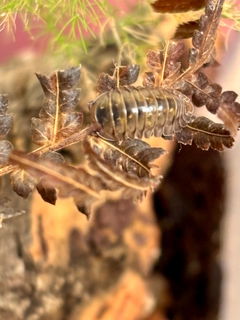
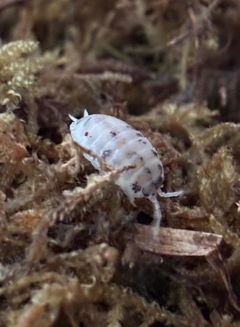
Porcellio hoffmannseggii (Titan Isopods) is one of the largest terrestrial isopod species kept in the hobby, reaching up to 4cm at maturity. Native to Spain's Mediterranean cliffs, they've earned their "Titan" name through sheer size—these are substantial animals compared to typical isopods. Their grey colouration with white skirting along the segment edges gives them a distinctive appearance, and their size means you can actually see and appreciate them without squinting. They prefer drier conditions than most isopods and display territorial behaviour, making them better suited to keepers with some experience rather than complete beginners.

A Glimpse

  • Origin: Spain (Mediterranean cliffs)
  • Scientific Name: Porcellio hoffmannseggii
  • Common Name: Titan Isopods
  • Maintenance required: Medium
  • Average Size: 3-4 cm
  • Rarity: Low to Medium
  • Lifespan: 2-3 years
  • Temperature: 18-32°C (65-90°F)
  • Ventilation: High
  • Humidity: 30-50% (drier than most species)
  • Favorite food: Decaying hardwood, vegetables, protein sources
  • Supplements: Cuttlefish bone, calcium powder, eggshells

Porcellio hoffmannseggii: Introduction

Hoffmannseggii originate from Mediterranean Spain, where they inhabit rocky cliffs and arid environments quite different from the damp forest floors preferred by many isopod species. This heritage means their care requirements run counter to typical isopod advice—they actually prefer conditions that would stress humidity-loving species.

The "Titan" name is earned. At 4cm, a fully grown hoffmannseggii is noticeably larger than common species like P. scaber or P. laevis. Their size changes the keeping experience—these are animals you can watch going about their business without magnification, and their presence in an enclosure is genuinely noticeable.

Their natural grey colouration with white edge skirting is understated but attractive. Several colour morphs exist (Orange, White Antenna, Brown, and the rare White), but the standard grey form remains popular for its natural appearance and lower price point compared to morphs.

They're rated as intermediate difficulty—not beginners' first species. Their territorial nature, particularly among males, requires more space and consideration than peaceful colony species. Their drier requirements can trip up keepers accustomed to humidity-dependent isopods.

Porcellio hoffmannseggii: Physical Traits and Characteristics

  • Adults reach 3-4 cm—genuinely large for terrestrial isopods
  • Grey body colouration with white skirting along segment edges
  • Hard, well-armoured carapace
  • Cannot fully conglobate—body shape prevents complete rolling
  • Substantial weight compared to smaller species
  • Uropods (tail sections) differ between sexes—males have longer uropods
  • Males tend to be broader and more heavily built
  • Strong legs supporting their considerable bulk
  • Their size gives them genuine visual presence. These aren't isopods you'll overlook—they're substantial animals that command attention in any enclosure.

Porcellio hoffmannseggii: Morphs

Several colour variations exist within the species:

Standard Grey: The natural wild colouration described here. Grey body with white skirting along segment edges. Most affordable option.

Orange: Bright orange colouration. Breeds true when kept separate. Popular for its striking appearance.

White Antenna: Standard grey body but with distinctive bright white antennae. Eye-catching contrast.

Brown/Chocolate: Lighter brown base instead of grey. Subtle but attractive variation.

White: Completely white colouration. The rarest morph, commanding higher prices.

Each morph breeds true when kept separately. Mixing morphs produces unpredictable offspring colouration, so maintain separate colonies if preserving specific colour lines matters to you.

Behaviour

Hoffmannseggii display distinctive behavioural traits that set them apart from peaceful colony species.

Territorial nature: Males are notably territorial and will actively chase off other males. This isn't subtle posturing—they can be genuinely aggressive with each other. Providing adequate space and multiple hiding spots reduces confrontation, but territorial behaviour remains a feature of the species.

Activity patterns: Primarily nocturnal but will emerge during the day once established and comfortable. Their size makes them easy to spot even when partially hidden.

Feeding preferences: Unlike many isopods that prefer leaf litter, hoffmannseggii show preference for decaying hardwood. They'll eat leaves, but rotting wood is their preferred food source.

Maternal behaviour: Females protect offspring through their first two moults—extended parental care compared to many isopod species.

Colony dynamics: Young offspring eventually form their own sub-colonies once they mature and breed. This natural dispersal reflects their territorial tendencies.

Space requirements: They need more room than smaller species. Cramped conditions increase territorial stress and aggression.

Diet

Hoffmannseggii eat most organic matter but have some notable preferences.

Primary foods:

  • Decaying hardwood (preferred over leaf litter)
  • Rotting wood in various stages of decay
  • Cork bark
  • Dried leaves (secondary to wood)

Supplementary foods:

  • Vegetables: carrot, courgette, sweet potato
  • Fruits occasionally
  • Fish flakes for protein
  • Dried shrimp
  • Greens

Calcium: Higher requirements than some species. Provide cuttlefish bone, crushed limestone, eggshells, or calcium powder constantly. Their large size means significant calcium demands during moulting.

Protein: Regular protein supplementation supports health, growth, and breeding. Fish flakes, dried shrimp, or fish food work well. Protein is particularly important during breeding season.

Feeding approach: Despite their size, they don't consume enormous amounts. Offer quantities they can finish—overfeeding creates waste. Their preference for wood means maintaining a constant supply of decaying hardwood in the enclosure. Supplement with vegetables and protein regularly.

Porcellio hoffmannseggii: Breeding

Hoffmannseggii breed well when conditions are right, though their territorial nature requires management.

Sexing: Males and females can be distinguished by uropod length—males have noticeably longer uropods (tail sections). Males also tend to be broader.

Breeding requirements:

  • Appropriate drier conditions (30-50% humidity)
  • Stable temperatures within preferred range
  • Moisture gradient (small wet area, mostly dry)
  • Good ventilation
  • Adequate space to reduce territorial stress
  • Sufficient protein and calcium

Brood characteristics: Average brood sizes when conditions are stable. Females carry developing young and release fully formed juveniles.

Maternal care: Females protect offspring through their first two moults—longer parental investment than many species show.

Colony management: Their territorial nature means growing colonies need space. As populations increase, consider dividing colonies or providing larger enclosures. Overcrowding increases stress and aggression, particularly among males.

Porcellio hoffmannseggii: Habitat Setup

Their Spanish cliff habitat dictates drier, well-ventilated conditions.

Enclosure: A well-ventilated container or terrarium. Minimum 15 litres for a starter colony, larger for established groups. Given their territorial nature, more space reduces conflict. Cross-ventilation is important—multiple ventilation points work better than a single mesh lid.

Substrate: Use substrate suited to drier requirements:

  • Organic topsoil as a base (pesticide-free)
  • Sphagnum peat moss mixed in sparingly
  • Sand for drainage
  • Crushed limestone or calcium powder throughout
  • Leaf litter layered on top
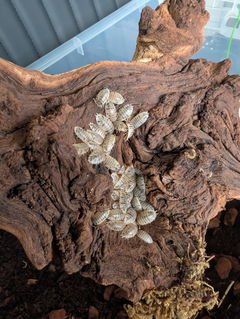
  • Decaying hardwood pieces (their preferred food)

Substrate depth of at least 5cm allows burrowing—they enjoy digging.

Humidity: Lower than most isopod species—30-50%:

  • Keep approximately 25% of enclosure moist (a corner with damp sphagnum moss)
  • Keep the remaining 75% dry
  • Allow them to move between zones as needed
  • Don't mistake their dry preference for no moisture needs—they still require access to water

A common mistake is keeping the entire enclosure too moist. Hoffmannseggii come from arid Mediterranean environments—uniform high humidity causes problems. Equally, completely dry conditions kill them. The moisture gradient is key.

Ventilation: High ventilation. Good airflow prevents humidity buildup and keeps conditions within their preferred dry range. Multiple ventilation holes or mesh sections create cross-ventilation. Don't restrict airflow trying to raise humidity—they don't need high humidity.

Temperature: 18-32°C (65-90°F). They tolerate a reasonable range but avoid extremes—they're not tolerant of very hot or very cold conditions. Room temperature in UK homes works for most of the year.

Décor and hides: Given their territorial behaviour, provide multiple separate hiding spots:

  • Cork bark pieces and tubes
  • Flat bark sections
  • Decaying hardwood pieces (functional and food)
  • Multiple hides distributed throughout the enclosure

Space hides so individuals can establish territories without constant confrontation.

Bioactive Use

Hoffmannseggii can function in bioactive setups suited to their requirements.

Good applications:

  • Arid or semi-arid bioactive enclosures
  • Mediterranean-style vivariums
  • Enclosures for reptiles preferring drier conditions
  • Display setups where impressive, visible isopods are wanted

Strengths:

  • Large size makes them genuinely visible
  • Handle dry conditions that stress humidity-loving species
  • Effective decomposers with preference for wood processing

Considerations:

  • Territorial behaviour means they need adequate space
  • Not suitable for high-humidity tropical setups
  • Drier requirements limit compatible enclosure types
  • Higher value than basic cleanup crew species

Less suited for:

  • Tropical or high-humidity bioactive setups
  • Small enclosures
  • Situations requiring dense, peaceful colonies

Suitability

Hoffmannseggii suit intermediate keepers wanting impressive, larger isopods.

Good choice for:

  • Keepers with basic experience ready for something larger
  • Those maintaining arid or semi-arid setups
  • Anyone wanting isopods with genuine visual presence
  • Bioactive setups for desert-dwelling reptiles
  • Those who find tiny isopods unsatisfying

Less suited for:

  • Complete beginners (start with hardier, peaceful species)
  • High-humidity tropical setups
  • Small enclosures
  • Those wanting dense, peaceful colonies without territorial behaviour

Care level: Medium difficulty. They're not demanding in terms of precise parameters, but their dry requirements run counter to typical isopod husbandry, and their territorial nature requires more space and management than peaceful species. Keepers experienced with Mediterranean species will find them straightforward.

Compared to morphs: Care requirements are identical for all hoffmannseggii morphs. The choice between standard grey and colour morphs is purely aesthetic and budgetary. Standard grey offers the full hoffmannseggii experience at lower cost.

Value: At £35 for 10, they're reasonably priced for large, impressive isopods. Their size and presence justify the price for keepers wanting something more substantial than tiny species. They deliver on the "Titan" name in a way that smaller isopods simply can't match.

What to expect: Expect large, watchable isopods with genuine presence. Expect territorial behaviour that makes colony dynamics interesting but requires space management. Expect drier care requirements than you might be used to. Don't expect them to thrive in humid, poorly ventilated setups. Give them appropriate dry, airy conditions with room to establish territories, and they'll reward you with impressive, long-lived colonies.

Previous Product Next Product

FAST DELIVERY

Isopods are posted monday to thursday using royal mails next day by 1pm service

LIVE ARRIVAL GUARENTEE

plus 20% overcount sent with every order

HERE TO CHAT

24/7 livechat. We are always here and happy to chat! (subject to sleeping)