pak chong isopod

Pak Chong Isopods (Cubaris sp.)

£35.00 £40.00 -13% OFF

Pak Chong Isopods (Cubaris sp.)

£35.00 £40.00 -13% OFF

Pak Chong Isopods (Cubaris sp.)

£35.00 £40.00 -13% OFF

Quantity

5 10 20

Products will be delivered between 1 and 5.

0 LEFT IN STOCK
0 watching this item.
0 have this item in their cart.

Care Info:

Origin icon ORIGIN
THAILAND
Temperature icon TEMP
21-32 ℃
Humidity icon HUMIDITY
60-75 %
Length icon LENGTH
15-18 mm
Difficulty icon DIFFICULTY
MEDIUM
Rarity icon RARITY
RARE
Product description

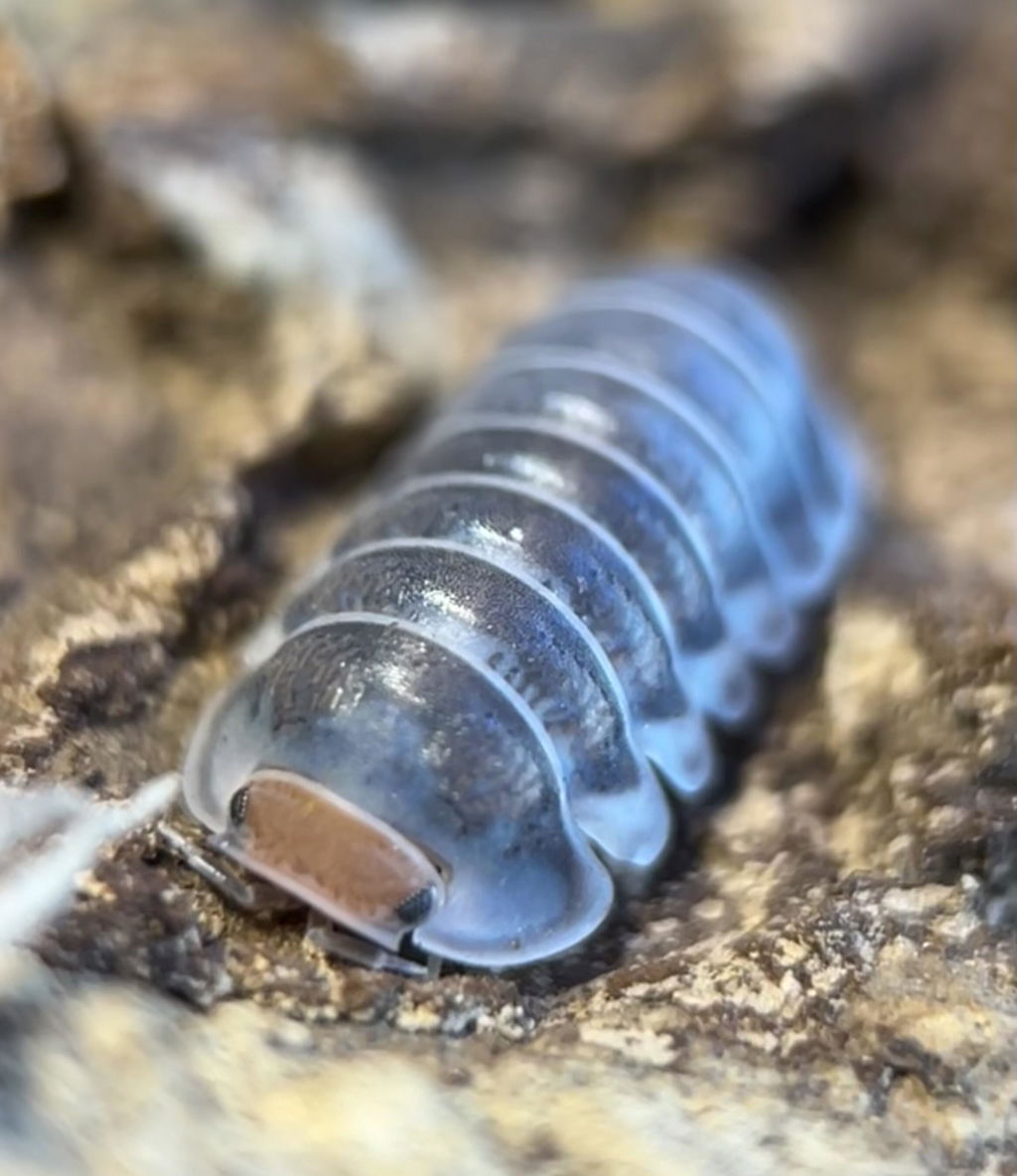
Cubaris sp. "Pak Chong" is a Thai cave isopod originating from the Pak Chong district in northeastern Thailand. Named after their collection locality, they're known for their attractive tricoloured appearance—blue-grey body, white frilled edges, and distinctive orange rear sections. Often compared to Bernese mountain dogs for their colour pattern, they combine genuine visual appeal with relatively accessible care requirements. Among Thai Cubaris, they're considered one of the easier species, breeding faster than many cave-dwelling relatives while tolerating more humidity variation than notoriously fussy species like Rubber Duckies. For keepers wanting attractive Thai Cubaris without extreme difficulty, Pak Chong are a sensible choice.

Brief Intro To Pak Chongs

  • Origin: Pak Chong district, Northeast Thailand
  • Scientific Name: Cubaris sp. "Pak Chong"
  • Maintenance required: Low to Medium
  • Average Size: 1.5-1.8 cm
  • Rarity: Low to Medium
  • Lifespan: 2-4 years
  • Temperature: 21-32°C (70-90°F)
  • Ventilation: Medium (good ventilation important—cave species)
  • Humidity: 60-75% (moderate, tolerates more variation than sensitive Cubaris)
  • Favorite food: Leaf litter, decaying wood, vegetables, protein sources
  • Supplements: Cuttlefish bone, crushed limestone, eggshells

Cubaris sp. Pak Chong: Introduction

Pak Chong is a district in Nakhon Ratchasima Province, northeastern Thailand, known for its limestone caves and karst formations. The isopods collected from this area have adapted to cave environments—characterised by moderate humidity, good airflow, and calcium-rich substrates.

What distinguishes Pak Chong from some demanding Thai cave Cubaris is their relative tolerance. While species like Rubber Ducky or White Tiger can be notoriously sensitive to conditions, Pak Chong handle humidity variation better and breed more readily. They're not bulletproof—they're still Cubaris requiring appropriate care—but they're among the more forgiving Thai species.

Their colouration is genuinely attractive. The combination of blue-grey body tones, white frilled edges along each segment, and distinctive orange-red colouration on the rear (and sometimes face) creates a striking tricoloured appearance. The comparison to Bernese mountain dogs, while unusual, captures their colour distribution reasonably well.

For keepers wanting to experience Thai Cubaris without immediately tackling the most demanding species, Pak Chong offer an accessible entry point. They're visually rewarding, breed reasonably well once established, and don't punish minor husbandry variations as severely as their more sensitive relatives.

Cubaris sp. Pak Chong: Physical Traits and Characteristics

  • Adults reach approximately 1.5-1.8 cm
  • Blue to grey body colouration
  • White frilled edges along segment margins
  • Distinctive orange to red colouration on rear segments (uropods/pleon)
  • Some individuals show orange on the face as well
  • Capable of conglobation (rolling into tight defensive balls)
  • Compact, rounded body typical of Cubaris
  • Pattern is consistent across individuals though intensity varies

The tricoloured appearance makes them immediately recognisable and genuinely attractive. Well-maintained specimens display vibrant contrast between the three colour zones.

Behaviour

Pak Chong display interesting behavioural traits worth noting.

Social behaviour: Complex social interactions. They can often be seen nudging each other, accompanied by intense antenna flickering—apparent communication behaviour. They show moisture-sharing behaviour, helping colony members maintain hydration.

Defensive response: When threatened, they roll into tight defensive balls and may squeeze together in groups. This conglobation behaviour is reliable and complete.

Temperature response: Interesting behavioural adaptation to temperature. When enclosure temperatures rise, they slow their movement to conserve energy for relocating to secure areas. In cooler conditions, they become more active, moving quickly across longer distances seeking food and shelter.

Activity patterns: Primarily nocturnal but will emerge during the day in established colonies. Cave origins mean they prefer dim conditions.

Climbing behaviour: They're climbers. In enclosures without secure lids, they may find ways to escape. Ensure enclosures are properly sealed.

Burrowing: They burrow into substrate for security and humidity regulation, typical of cave-dwelling Cubaris.

Diet

Pak Chong are detritivores with straightforward but important dietary needs.

Primary foods:

  • Leaf litter in abundance (their main dietary staple)
  • Decaying hardwood
  • Rotting wood
  • Cork bark

Supplementary foods:

  • Vegetables: potato, carrot, squash, courgette
  • Fresh moss (they enjoy this)
  • Mushrooms
  • Fish flakes for protein
  • Freeze-dried shrimp
  • Bat guano (excellent protein source)

Calcium requirements: Essential for healthy moulting. Their cave origins mean they're adapted to calcium-rich environments. Provide cuttlefish bone, crushed limestone, eggshells, or oyster shell as constant supplements. Incorporate calcium sources into the substrate as well as offering them separately.

Protein requirements: Regular protein supplementation supports colony health and breeding. Shrimp meal, fish flakes, freeze-dried shrimp, and bat guano all work well.

Feeding approach: Their main food source should be abundant leaf litter—this forms the foundation of their diet. Supplement with protein and fresh vegetables regularly. Provide food in multiple locations to ensure all colony members can access nutrition.

Cubaris sp. Pak Chong: Breeding

Pak Chong breed reasonably well for a Thai cave Cubaris—better than many relatives.

Breeding rate: Moderate. They don't breed as explosively as species like Cubaris murina, but they're among the faster-breeding Thai cave Cubaris. Once established, they reproduce frequently and reliably.

Breeding characteristics:

  • Not as slow as Rubber Ducky or similar demanding species
  • Colonies grow at a reasonable pace with proper care
  • Described by keepers as "great breeders" once settled

Breeding requirements:

  • Moderate humidity (60-75%)
  • Stable warm temperatures
  • Adequate calcium availability
  • Sufficient protein in diet
  • Good ventilation (cave species need airflow)
  • Deep substrate for security
  • Minimal disturbance during establishment
  • Colony establishment: Allow time for new colonies to settle before expecting breeding activity. Starting with larger groups (10+) provides better genetic diversity and faster establishment.

Tips for success: Cave species require good ventilation—stagnant, overly humid conditions can inhibit breeding and colony health. Maintain the balance between adequate moisture and airflow. Once conditions are right, breeding follows naturally.

Cubaris sp. Pak Chong: Habitat Setup

Creating appropriate conditions means understanding their cave-dwelling origins.

Enclosure: A terrarium or container with good ventilation. Unlike some humidity-dependent Cubaris, Pak Chong need airflow as cave species. Enclosed containers with adequate ventilation holes work well. Secure lids are essential—they climb and will escape given opportunity.

Living soil terrariums or vivariums suit them well. Size should accommodate colony growth; upsize as populations increase.

Substrate: Provide nutritious substrate at least 8cm (3 inches) deep:

  • Organic topsoil as a base (pesticide-free)
  • Sphagnum peat moss mixed in for structure
  • Crushed limestone generously incorporated (essential for cave species)
  • Leaf litter layered abundantly on top
  • Decaying hardwood pieces
  • Rotting wood
  • Calcium sources mixed throughout (eggshells, limestone)
  • Optional additions: bat guano, shrimp meal for nutrition.

Humidity: Moderate humidity—60-75%. They tolerate more humidity variation than sensitive Thai cave species:

  • Maintain moisture gradient (one side damper, one side drier)
  • Don't let the enclosure become uniformly wet
  • Moss on the moist side helps maintain humidity
  • Don't let moss dry out completely
  • Balance moisture with ventilation to prevent mould

They can handle more humidity than species like White Tiger or Rubber Ducky, but avoid waterlogged conditions.

Ventilation: Medium—good ventilation is important. As cave species, they need adequate airflow. Provide approximately 5cm of space above substrate for air circulation. Ventilation prevents mould growth and maintains appropriate conditions. This is a key difference from humidity-dependent tropical Cubaris that need restricted airflow.

Lighting: Prefer dim conditions reflecting their cave origins. Keep enclosures away from direct sunlight and bright light sources. Position in darker areas of rooms.

Temperature: 21-32°C (70-90°F). They tolerate a reasonable range but avoid extremes. Room temperature in UK homes typically works. Extreme heat or cold can be harmful—maintain moderate, stable temperatures.

Décor and hides:

  • Abundant leaf litter (essential—they love it)
  • Ample moss for hiding and exploration
  • Cork bark pieces
  • Flat stones or limestone pieces
  • Multiple hiding options throughout

Their climbing nature means they'll utilise vertical space if provided.

Bioactive Use

Pak Chong can function in bioactive setups suited to their requirements.

Best suited for:

  • Tropical vivariums with moderate humidity
  • Terrariums with good ventilation
  • Setups where attractive cleanup crew adds visual interest
  • Enclosures maintaining 60-75% humidity range

Advantages:

  • Attractive tricoloured appearance
  • More tolerant than demanding Thai Cubaris
  • Reasonable breeding supports population maintenance
  • Interesting social behaviour adds observational interest

Considerations:

  • Need good ventilation unlike some Cubaris
  • Climbing behaviour requires secure enclosures
  • Mid-range pricing means they're more investment than basic cleanup crew
  • Not suitable for very high or very low humidity setups

Less ideal for:

  • Arid setups (too dry)
  • Extremely humid tropical setups with poor ventilation (need airflow)
  • Open-top enclosures (they escape)

Suitability

Pak Chong suit keepers wanting attractive Thai Cubaris without extreme difficulty.

Good choice for:

  • Keepers with basic Cubaris experience ready for Thai species
  • Those wanting visually striking isopods at moderate prices
  • Collectors seeking Thai cave Cubaris without demanding care
  • Bioactive setups needing attractive cleanup crew
  • Beginners to Cubaris who've done their research

Not ideal for:

  • Complete beginners with no isopod experience
  • Keepers wanting either very dry or very humid conditions
  • Those unable to provide good ventilation
  • Open enclosures (they climb and escape)

Care level: Low to medium difficulty. They're among the more forgiving Thai cave Cubaris—easier than species like Rubber Ducky, White Tiger, or demanding cave locales. Their tolerance for humidity variation and reasonable breeding rate makes them accessible. However, they're still Cubaris requiring appropriate care—not as bulletproof as hardy Porcellio species.

Compared to other Thai Cubaris: More forgiving than Rubber Ducky or White Tiger. Similar care to Panda King but different appearance. Breed faster than many Thai cave species. Good middle-ground option for keepers wanting Thai Cubaris aesthetics without the most demanding husbandry.

Value assessment: At £35 for 5 (currently discounted), they offer good value for attractive Thai Cubaris. The tricoloured appearance is genuinely appealing, and their reasonable care requirements mean colonies are achievable rather than frustrating. Customer reviews consistently mention them as good breeders once established.

Expectations: Expect attractive isopods with interesting social behaviour that reward appropriate care with steady breeding. Expect some initial establishment time before breeding begins. Don't expect the explosive breeding of hardy Porcellio or the extreme sensitivity of demanding cave species. Expect a manageable stepping stone into Thai Cubaris keeping, or simply enjoyable isopods in their own right.

Previous Product Next Product

FAST DELIVERY

Isopods are posted monday to thursday using royal mails next day by 1pm service

LIVE ARRIVAL GUARENTEE

plus 20% overcount sent with every order

HERE TO CHAT

24/7 livechat. We are always here and happy to chat! (subject to sleeping)