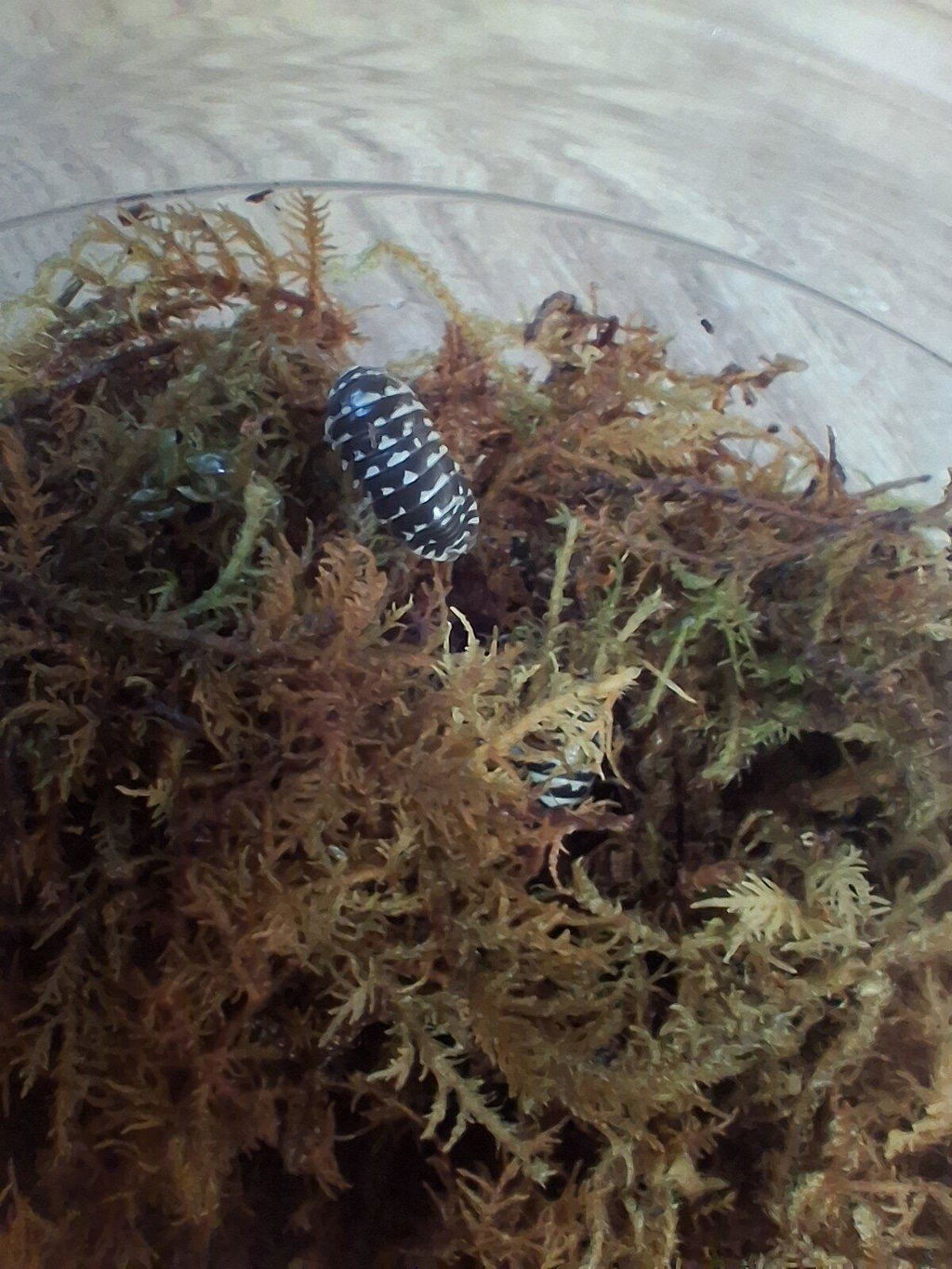
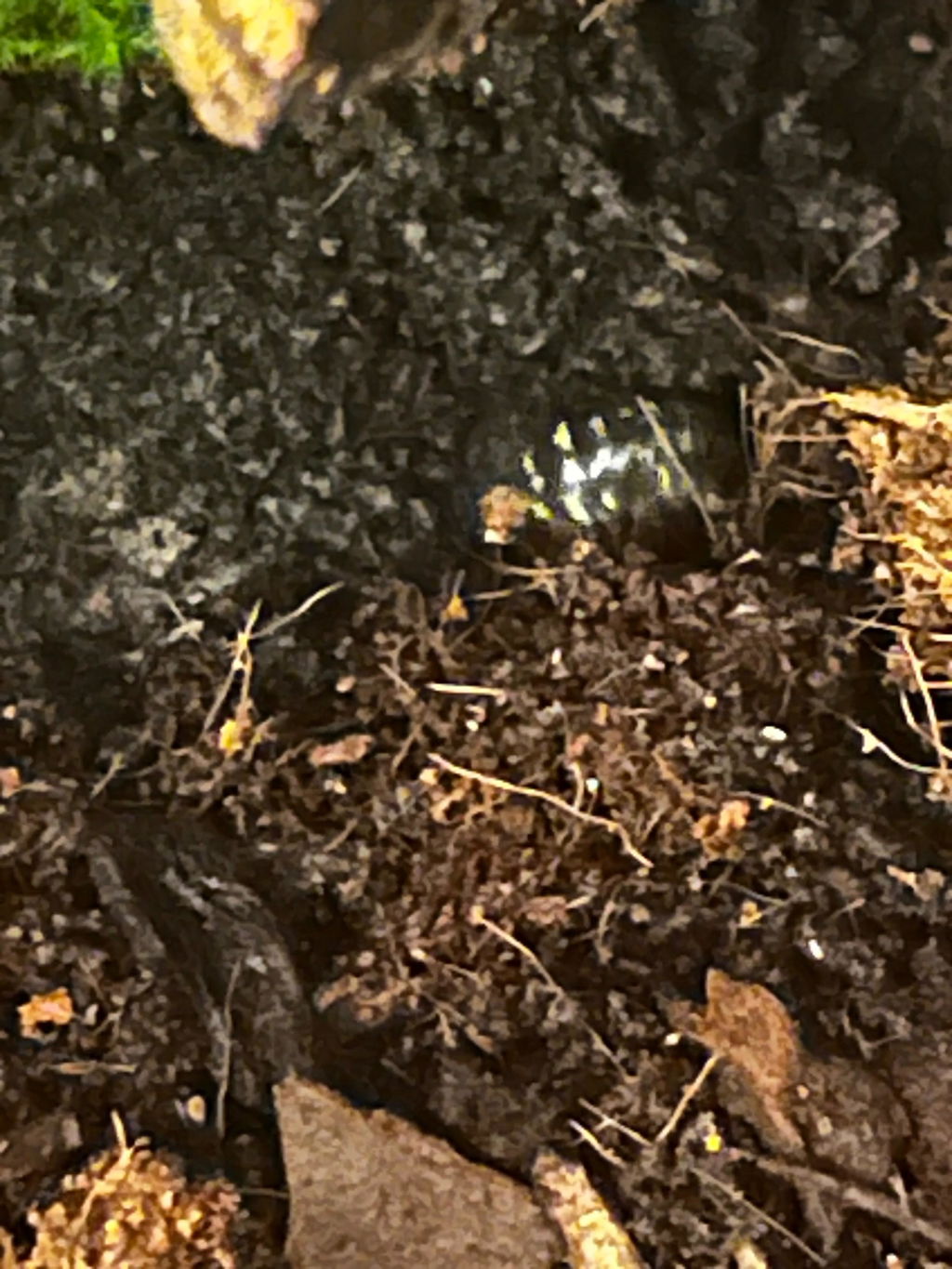
Zebra Isopods (Armadillidium maculatum) are one of the most popular and recognisable isopods in the hobby. With their striking black and white striped pattern - resembling their namesake - they've become a gateway species for countless keepers and remain a firm favourite even among experienced collectors.
Native to the Mediterranean region and Southern France, Zebra Isopods combine visual appeal with genuinely easy husbandry. They're hardy, forgiving of beginner mistakes, reasonably priced, and breed readily once established. If you're looking for your first "fancy" isopod beyond the standard grey woodlice, Zebras are the obvious choice.
Armadillidium maculatum are true pill bugs, meaning they can roll into a tight protective ball when threatened. They're more active and visible than many species, making them rewarding to observe - especially once your colony builds up numbers.
A Glimpse
Origin: Southern France, Mediterranean
Scientific Name: Armadillidium maculatum
Difficulty Level: Easy
Size: Up to 18mm
Temperature: 21-27°C (24-28°C optimal for breeding)
Humidity: 60-80% (with moisture gradient)
Rarity: Common
An Overview
Armadillidium maculatum has been in the isopod hobby for years and remains one of the most commonly kept species for good reason. The bold black and white striping is eye-catching and instantly recognisable, and individual variation means no two isopods look exactly alike.
They originate from the deciduous forests and semi-arid regions of the Mediterranean and Southern France, which gives us a good indication of their care requirements: moderate humidity with good ventilation, slightly warmer temperatures, and a preference for a moisture gradient rather than uniformly damp conditions.
Zebras are one of the more active Armadillidium species. Once established and confident in their environment, they'll be out exploring during the day rather than hiding away constantly. This makes them excellent display isopods for keepers who actually want to see their animals.
A healthy colony can produce a new generation within 6 months under optimal conditions, and they're considered prolific breeders. Be prepared - you may need to upgrade your enclosure or split colonies as numbers grow.
Morphs
Zebra Isopods have been selectively bred to produce several colour morphs:
Yellow Zebra - Yellow and black stripes replacing the typical white and black pattern.
Chocolate Zebra - White stripes on a rich dark brown base colour.
Dalmatian Zebra - Also called "High White." Predominantly white with scattered black spots rather than stripes.
Spotted Zebra - White spots instead of the classic striped pattern.
Standard Zebras can also be line-bred to enhance stripe definition and contrast.
Basic Care
Zebra Isopods are forgiving and adaptable, making them excellent for beginners. That said, meeting their preferences will result in a healthier, more active, faster-breeding colony.
They require moderate humidity but not constantly wet conditions. Unlike some tropical Cubaris species, Zebras prefer a moisture gradient - one section of the enclosure kept damp while the rest stays drier. This mimics their natural Mediterranean habitat.
Good ventilation is important for this species. They do better with airflow than in sealed, stagnant enclosures. Multiple ventilation holes (covered with fine mesh to prevent escapes) are recommended.
Temperature should be kept between 21-27°C. For faster breeding, aim for the higher end of this range (24-28°C). They'll tolerate cooler temperatures but will breed more slowly.
These are active isopods that appreciate space. While a small colony can start in a 6-quart container, be prepared to upgrade as numbers grow - they're prolific once established.
Provide plenty of hiding spots using cork bark, leaf litter, and wood pieces. They'll use these for shelter, moulting, and breeding.
Note: Armadillidium species have a reputation for nibbling on live plants, including moss. If you're using them in a planted bioactive setup, monitor for plant damage.
Feeding
Zebra Isopods are detritivores - their primary diet consists of decaying organic matter, particularly leaf litter and rotting wood. This should form the foundation of their nutrition.
Primary foods:
Decaying hardwood leaf litter (oak, beech) - essential and should always be available
Rotting white wood - highly beneficial
Sphagnum moss
Supplementary foods (offered 1-2 times weekly):
Fresh vegetables - carrot slices, courgette, butternut squash, peas
Fruits - apple slices (sparingly)
Protein - fish flakes, dried shrimp, dried mealworms
Interestingly, Zebras tend to prefer leaf litter and wood over vegetables and fruits compared to some other species. Don't worry if they seem uninterested in fresh food - they're likely getting what they need from the substrate.
Calcium supplementation is important for healthy moulting. Provide constant access to:
Cuttlefish bone
Crushed eggshells
Crushed oyster shell
Remove uneaten fresh food within 24 hours, especially protein sources which can spoil quickly and spike ammonia levels. Place protein foods on the drier side of the enclosure where they're less likely to go mouldy.
Appearance and Behaviour
The defining feature of Zebra Isopods is their striking pattern - bold black and white stripes running across their exoskeleton. The exact pattern varies between individuals, with some showing cleaner lines and others more broken or spotted markings.
Adults reach approximately 18mm in length. They have a smooth, domed shell and relatively short antennae compared to some other species. Like all Armadillidium, they can roll into a complete ball (conglobate) when threatened.
Behaviourally, Zebras are more active and confident than many isopod species. Once your colony is established and the isopods feel secure, you'll regularly see them wandering about during the day. They're particularly active at higher stocking densities - a sparse colony in a large enclosure may hide more.
They're social creatures that do well in groups with no aggression between individuals. They'll often cluster together under favourite hiding spots.
Zebras can tolerate drier conditions better than most isopods, but they still breathe through gills and require access to moisture. Without a damp area to rehydrate, they'll eventually suffocate.
Habitat
A 6-8 quart storage container or small glass tank (5-10 gallons) is suitable for a starter colony of 10-20 isopods. As colonies grow, upgrade to larger enclosures to prevent overcrowding.
Ventilation is important for this species. Provide multiple air holes covered with fine mesh. They're not exceptional climbers, but mesh prevents any escapes.
Temperature should be maintained at 21-27°C. For optimal breeding, keep towards the higher end (24-28°C). During winter in cooler homes, a heat mat may help maintain temperatures.
Humidity should follow a gradient approach. Keep roughly one-third to one-half of the enclosure moist (with damp moss and substrate), while the rest stays drier. Avoid uniformly wet conditions.
Provide hiding spots on both the damp and dry sides of the enclosure. Cork bark is ideal and doubles as a long-term food source. Leaf litter scattered across the surface provides additional cover.
Substrate depth should be at least 5-7cm to allow for burrowing behaviour.
Substrate Mix
A good substrate provides food, maintains humidity, supports beneficial bacteria, and allows for natural burrowing behaviour.
Base substrate options:
Pesticide-free topsoil (to add bulk)
Coconut coir
Peat moss
ABG mix or similar tropical terrarium substrate
Mix in:
Rotting white wood pieces
Decaying hardwood leaves
Earthworm castings (excellent nutrition source)
Layer on top:
Generous covering of leaf litter (essential food source)
Patches of sphagnum moss (on the moist side)
Cork bark pieces for hides
Maintain a moisture gradient within the substrate - the area under moss patches should stay consistently damp, while other areas can be drier. The substrate should never be allowed to completely dry out, but equally should never be waterlogged.
Depth should be sufficient for burrowing - at least 5-7cm.
Breeding
Zebra Isopods breed readily once established and their needs are met. They're considered one of the easier species to culture.
Provide slightly elevated temperatures (24-28°C) to encourage faster breeding. Ensure the colony has access to both moist and dry areas, plenty of leaf litter, and adequate calcium for healthy moulting and reproduction.
Females carry eggs in a brood pouch (marsupium) and give birth to live young called mancae. These tiny juveniles look like miniature versions of adults and can be raised alongside the parent colony without issue.
Under optimal conditions, expect a new generation approximately every 6 months. The species is considered prolific - a healthy colony will grow quickly, so plan for eventual enclosure upgrades or colony splitting.
Juveniles reach breeding age at around 6-10 months, before reaching full adult size.