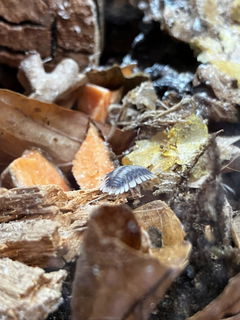
Venezillo parvus is a small, burrowing isopod species that works well in bioactive setups where you need efficient decomposers that won't dominate the enclosure. Native to parts of Europe and the southern United States, these compact isopods spend much of their time below the substrate surface, processing organic matter and aerating the soil. They're not a flashy display species, but for keepers focused on functional bioactive systems, they're a solid choice.
A Glimpse
-
Origin: Europe, Southern United States
-
Scientific Name: Venezillo parvus
-
Maintenance required: Low to Medium
-
Average Size: 5-12 mm
-
Rarity: Medium
-
Lifespan: 1-2 years
-
Temperature: 20-26°C (68-79°F)
-
Ventilation: Low to Medium
-
Humidity: 70-85%
-
Favorite food: Decaying wood, leaf litter, organic debris
-
Supplements: Crushed eggshells, cuttlefish bone
Venezillo parvus: Introduction
Venezillo parvus are small isopods that excel at what cleanup crew species are supposed to do—break down organic waste, process decaying plant matter, and contribute to healthy substrate. They're not particularly showy, and you won't see them wandering about on the surface much. Instead, they spend most of their time burrowed into the substrate, quietly getting on with decomposition.
Their small size (adults max out around 12mm, with many staying smaller) makes them suitable for enclosures where larger isopods might be too conspicuous or could potentially be eaten by smaller reptile or amphibian inhabitants. They're also less likely to disturb plant roots or make a nuisance of themselves compared to larger, more active species.
This species requires higher humidity than many European Porcellio species, so they're better suited to tropical or humid bioactive setups rather than arid enclosures. They're not difficult to keep, but they do need consistent moisture levels—they won't tolerate drying out.
Venezillo parvus: Physical Traits and Characteristics
- Small species, with adults typically reaching 5-12 mm in length
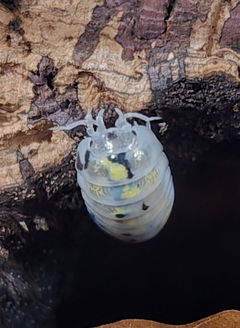
- Oval body shape with the ability to conglobate (roll into a ball) when threatened
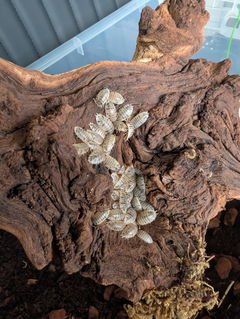
- Natural colouration is typically grey-brown, though colour morphs exist
- Available morphs include "Dalmatian" (spotted pattern) and "Blackpoint" varieties
- Segmented body with seven pairs of legs
- Relatively smooth exoskeleton compared to some textured species
- Juveniles are tiny and can be difficult to spot in substrate
Colour Morphs
Venezillo parvus occurs in several colour forms:
-
Standard: Grey-brown, the typical wild colouration
-
Dalmatian: Spotted pattern that's popular among collectors
-
Blackpoint: Darker markings, another sought-after variety
These morphs breed true when kept separately but can produce varied offspring if different morphs are mixed.
Behaviour
Venezillo parvus are burrowers. Unlike surface-dwelling species that you'll see foraging on top of the substrate, these isopods prefer to stay underground, creating tunnel systems through the soil. This behaviour makes them excellent for substrate health—their tunnelling aerates the soil and distributes organic matter and beneficial microorganisms throughout the substrate layers.
Visibility: Don't expect to see these isopods regularly. They're secretive and spend most of their time hidden. If you want isopods you can observe, this isn't the species for you. If you want isopods that work effectively without being conspicuous, they're ideal.
Defence: When disturbed, they roll into a tight ball—a classic defensive behaviour shared with Armadillidium and some other genera.
Activity patterns: Primarily nocturnal and fossorial (burrowing). Surface activity is limited, usually occurring at night or in very humid conditions.
Temperament: Peaceful and non-aggressive. They coexist well with other invertebrates and won't bother tank inhabitants.
Diet
Venezillo parvus are detritivores that primarily process decaying organic matter within the substrate.
Primary foods:
- Decaying hardwood and softwood
- Decomposing leaf litter
- Rotting plant material
- Organic debris in the substrate
Supplementary foods:
- Vegetables: carrot, courgette, cucumber, squash
- Small amounts of fish flakes or dried shrimp for protein
- Decaying moss and plant matter
Calcium: Provide calcium sources such as crushed eggshells, cuttlefish bone, or limestone powder. This supports healthy moulting, particularly important for breeding females.
Feeding approach: In an established bioactive setup, they'll largely sustain themselves on the organic matter present in the substrate. Supplementary feeding helps boost population growth and ensures they have adequate nutrition, but they're not demanding feeders. Place food on the substrate surface—they'll find it and drag pieces underground.
Venezillo parvus: Breeding
This species has a slower reproductive rate compared to prolific breeders like Porcellio scaber or powder blues. This is actually an advantage in many bioactive setups, as it means they won't overwhelm the enclosure or outcompete other cleanup crew species.
Breeding basics:
- Females brood eggs in a marsupium and release miniature juveniles
- Brood sizes are relatively small
- Population growth is gradual and self-regulating
- Colonies tend to stabilise at sustainable levels relative to available resources
Conditions for breeding:
- Consistent high humidity (70-85%)
- Stable temperatures
- Adequate calcium availability
- Sufficient substrate depth for burrowing
- Ongoing food sources (decaying wood and leaf litter)
Colony management: Their slow breeding and self-regulating population means you're unlikely to face overcrowding issues. They naturally maintain appropriate numbers based on available resources.
Venezillo parvus: Habitat Setup
Enclosure: For a dedicated colony, a standard plastic container with limited ventilation works well—these isopods need high humidity, so excessive airflow works against you. In bioactive setups, they'll integrate into whatever enclosure you're using, provided humidity is adequate.
Substrate: This is important for a burrowing species. Provide a deep, moisture-retentive substrate that allows for tunnelling:
- Organic topsoil as a base (pesticide-free)
- Sphagnum peat moss mixed in for moisture retention
- Leaf litter worked into the substrate and layered on top
- Decaying hardwood pieces buried in the substrate
- Crushed limestone or calcium powder throughout
Avoid overly loose or sandy substrates that won't hold tunnels. The mix should be slightly compacted and able to maintain structure when burrowed through. Substrate depth should be at least 8-10 cm to accommodate their burrowing behaviour—shallow substrates limit their natural activity.
Humidity: High humidity is essential—aim for 70-85%. The substrate should be consistently moist but not waterlogged. Soggy, anaerobic conditions cause problems, but so does drying out. Mist regularly and ensure the substrate retains moisture throughout its depth, not just at the surface.
Ventilation: Limited ventilation helps maintain humidity. Small holes or minimal mesh is sufficient. Too much airflow will dry out the enclosure.
Décor:
- Bark pieces (flat on the substrate surface provides hiding spots)
- Leaf litter coverage
- Decaying wood chunks partially buried
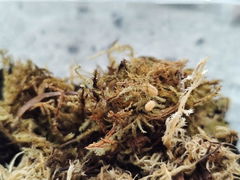
- Moss (helps maintain humidity)
They don't need elaborate setups—substrate depth and moisture are more important than surface decoration.
Temperature: Room temperature (20-26°C) works well. Avoid extremes and sudden fluctuations.
Bioactive Integration
Venezillo parvus work well in humid bioactive setups for:
- Dart frogs
- Tree frogs
- Small geckos (crested geckos, gargoyle geckos, etc.)
- Humid-environment reptiles and amphibians
Their small size means they're less likely to be targeted as food by smaller inhabitants, and their burrowing behaviour keeps them out of sight. They process waste and decaying plant matter in the substrate, contributing to a functioning ecosystem without being intrusive.
Cohabitation: They coexist well with other cleanup crew species. Mixing them with springtails and other isopod species in a bioactive setup is common and works effectively. Their different niches (burrowing versus surface-dwelling) mean they don't directly compete.
Suitability
Venezillo parvus are suitable for keepers who want functional bioactive cleanup crew rather than display isopods.
Good choice for:
- Humid bioactive setups
- Keepers who prioritise substrate health over visible isopods
- Enclosures where smaller isopods are preferred
- Mixed cleanup crew setups with springtails and other species
Not ideal for:
- Arid or low-humidity enclosures
- Keepers wanting observable, surface-active isopods
- Display colonies where visibility matters
- Dry Porcellio-style setups
Care level: Low to medium difficulty. They're not demanding, but they do require consistent humidity. If you can maintain appropriate moisture levels, they largely take care of themselves.