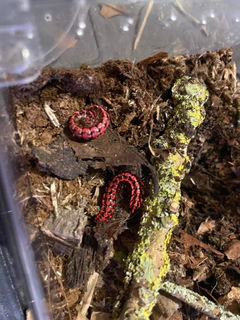
White Spotted Assassin Bug (Platsmeris Biguttatus)

White Spotted Assassin Bug (Platsmeris Biguttatus)

£9.00

White Spotted Assassin Bug (Platsmeris Biguttatus)

£9.00

White Spotted Assassin Bug (Platsmeris Biguttatus)

£9.00

Quantity

1 5 10

Products will be delivered between 1 and 5.

NONE LEFT IN STOCK
0 watching this item.
0 have this item in their cart.

Care Info:

Origin icon ORIGIN
TAIWAN, CHINA
Temperature icon TEMP
20-27 ℃
Humidity icon HUMIDITY
50-70 %
Length icon LENGTH
15-20 mm
Difficulty icon DIFFICULTY
EASY
Rarity icon RARITY
COMMON
Product description

White Spotted Assassin Bug (Platymeris biguttatus) is one of the most popular predatory insects in the hobby and for good reason. These striking bugs feature a jet-black body with two distinctive white spots on their wing covers (hemelytra) and bold yellow-banded legs. Native to the tropical forests of West and Central Africa, they're fascinating ambush predators that have become a staple for keepers looking for something a bit different.

Let's be clear from the start: these are not handling pets. Platymeris biguttatus can deliver a painful bite - comparable to a bee sting - and can also spit venom with surprising accuracy, typically aiming for the eyes. Handle with care and respect, and they'll reward you with fascinating behaviour and relatively straightforward husbandry.

White Spotted Assassin Bugs are one of the easier predatory insects to keep and breed. They're social, can be kept communally, reproduce readily in captivity, and can live up to two years with proper care. If you've ever fancied keeping a tarantula but wanted something a bit more active and visible, these could be perfect.

A Glimpse

  • Origin: West and Central Africa (Gabon, Nigeria, and surrounding regions)
  • Scientific Name: Platymeris biguttatus
  • Difficulty Level: Easy
  • Size: 30-40mm (adults)
  • Temperature: 22-28°C
  • Humidity: 50-70% (moderate, with good ventilation)
  • Favourite Foods: Live insects - crickets, cockroaches, mealworms, locusts

An Overview

Platymeris biguttatus belongs to the order Hemiptera (true bugs) and the family Reduviidae (assassin bugs). The name "biguttatus" translates directly to "two-spotted," referring to the prominent white markings on their backs. In the wild, they inhabit tropical forest regions where they live in rotting tree stumps and decaying wood, ambushing passing prey.

These bugs are equipped with needle-like mouthparts (a rostrum or proboscis) that they use to pierce their prey and inject a cocktail of enzymes and venom. This liquefies the prey's internal tissues, which the bug then sucks out like a gruesome smoothie. It's brutal, but absolutely fascinating to observe.

There are several Platymeris species in the hobby. The Red Spotted Assassin Bug (P. rhadamanthus) and the Orange Spotted Assassin Bug (P. sp. "Mombo") are also available. Of the three, P. biguttatus is considered the most commonly kept and one of the more docile species - though "docile" is relative when we're talking about venomous predators.

Adults can reach 30-40mm in length and have a lifespan of around 1-2 years. They're surprisingly social and do well in communal setups, making them excellent colony insects.

Basic Care

  • Handle with extreme caution. These bugs can bite and spit venom. The bite is painful (comparable to a bee sting) and the wound can last for days. The venom spray targets the eyes and can cause temporary blindness. Use long tweezers or forceps when maintaining the enclosure.
  • They're excellent climbers and can scale smooth surfaces as adults. Secure, tight-fitting lids are essential - these bugs will escape if given the opportunity.
  • Good ventilation is important. Stagnant, overly humid conditions can lead to mould and health issues.
  • They're communal insects and can be kept in groups. Cannibalism is possible if they're underfed, but well-fed colonies coexist peacefully.
  • These are ambush predators and spend much of their time sitting motionless waiting for prey to wander past. Don't mistake this stillness for poor health - it's completely normal behaviour.
  • Nymphs and adults can be kept together. Young nymphs will even scavenge on the remains of prey killed by adults.
  • They're primarily nocturnal but will hunt during the day if hungry.

Feeding

Platymeris biguttatus is an obligate predator - they eat only live prey. There's no way around this; if you're uncomfortable feeding live insects, this isn't the species for you.

Suitable prey items include:

  • Crickets (most commonly used)
  • Cockroaches (Dubia, Turkestan, etc.)
  • Mealworms and morio worms
  • Isopods (Dairy cows are a popular choice)
  • Locusts
  • Waxworms (as occasional treats)

Prey size should ideally be smaller than the assassin bug's body length, though they can take down surprisingly large prey thanks to their potent venom. For nymphs, use appropriately sized feeders - pinhead crickets or fruit flies for the smallest instars.

Feed adults 1-2 times per week. The larger the colony, the more prey you'll need to offer. Keep them well-fed - hungry assassin bugs will resort to cannibalism.

Remove uneaten prey and dead insect husks within 24-48 hours to prevent mould and mite infestations. Use long tweezers for this to avoid bites.

They obtain most of their hydration from their prey, so a water dish isn't strictly necessary. Light misting of one corner of the enclosure every few days is sufficient.

Appearance and Behaviour

Adult Platymeris biguttatus are striking insects. The body is predominantly black with two conspicuous white spots on the wing covers. The legs are banded with black and yellow sections, and the head features a pair of long, delicate antennae along with the characteristic piercing rostrum.

Adults measure 30-40mm in length. The thorax has two small spines on its outer edges. Sexing can be tricky, but females tend to be slightly larger and have a wider thorax. Males have a distinctive rounded structure on the final abdominal segment when viewed from below.

Behaviourally, these are ambush predators. They'll find a good hiding spot - typically under bark or in a corner - and wait motionlessly for prey to pass. When something suitable comes within range, they strike with surprising speed, grabbing the prey with their raptorial front legs and delivering a venomous bite.

When disturbed, they may:

  • Rear up defensively
  • Spray venom (targeting the face/eyes - they're disturbingly accurate)
  • Deliver a bite if grabbed

They're more likely to flee than fight, but don't push your luck. Respect the bug and it'll generally leave you alone.

Habitat

  • A 10-gallon glass tank or equivalent plastic enclosure works well for a small colony of 3-5 individuals. Smaller enclosures work for single specimens or small starter colonies.
  • Secure lids are essential. Use fine mesh or a locking screen lid. These bugs climb well and will exploit any gaps.
  • Provide good ventilation. Multiple mesh panels or ventilation holes help prevent stagnant air.
  • Temperature should be maintained at 22-28°C. Room temperature is often fine in UK homes. If supplemental heating is needed, use a heat mat on the side of the enclosure (not underneath, as this dries out the substrate too quickly).
  • Humidity should be moderate - around 50-70%. Light misting every few days is usually sufficient. Avoid waterlogging the substrate.
  • Provide plenty of vertical surfaces and hiding spots. Cork bark is ideal - lay pieces diagonally over each other to create accessible hiding spaces. Egg crate cartons also work well.
  • These bugs appreciate vertical space as they have semi-arboreal tendencies. Taller enclosures are better than wider ones.

Substrate Mix

Substrate requirements for assassin bugs are minimal and flexible. Unlike many invertebrates, they don't have strict substrate needs.

Options include:

  • Vermiculite (popular choice - drains well)
  • Coconut fibre (coco coir)
  • Plain sand
  • A mix of the above

Depth should be around 3-5cm (1-2 inches). Keep the substrate mostly dry with one corner kept slightly damp for egg-laying females. Overly wet conditions encourage mould growth.

If you're breeding, provide a shallow dish of damp (not wet) vermiculite or similar substrate in one corner. Females prefer to lay eggs in slightly moist areas, and eggs require higher humidity to develop properly.

On top of the substrate, add:

  • Cork bark pieces (essential for hiding)
  • Some vertical climbing surfaces
  • Optional: dried leaves or plastic plants for additional cover

Keep the enclosure clean by removing dead prey items and any mouldy substrate. Replace substrate entirely if it becomes soiled or starts to smell.

Breeding

Breeding Platymeris biguttatus is straightforward once you have a mixed-sex colony established. Purchasing a group gives you the best chance of having both sexes, as reliable sexing is difficult.

Mating involves the male mounting the female and can last several hours. A few days after mating, females begin depositing small, dark eggs throughout the substrate - particularly in damper areas. Eggs are tiny and can be hard to spot initially.

Eggs change from dark to reddish in colour over approximately three weeks. Incubation takes around 6-8 weeks depending on temperature. Eggs require higher humidity than adults, so if you're separating them, keep them on damp (not wet) substrate.

Nymphs are miniature versions of adults and can be raised communally. Feed small prey items (pinhead crickets, fruit flies) and ensure they have access to water via light misting. Nymphs will also scavenge on kills made by adults.

Development through multiple instars takes several months before reaching adulthood.

Next Product

FAST DELIVERY

Isopods are posted monday to thursday using royal mails next day by 1pm service

LIVE ARRIVAL GUARENTEE

plus 20% overcount sent with every order

HERE TO CHAT

24/7 livechat. We are always here and happy to chat! (subject to sleeping)