
Understanding the Woodlice Life Cycle: Stages and Habitats Explained
Woodlice Life Cycle
Key Takeaways
-
Woodlice are land-dwelling crustaceans belonging to the suborder Oniscidea, with a four-stage life cycle spanning egg, manca, juvenile, and adult phases over 2–4 years.
-
A female woodlouse broods 25–90 fertilised eggs in a water-filled brood pouch called a marsupium, where embryos develop for 3–6 weeks depending on temperature and woodlice species.
-
Young hatch as mancae—miniature woodlice missing the seventh pair of legs—and reach adulthood only after several molts, including the characteristic two-phase molt where the rear half sheds before the front half.
-
Most species reproduce sexually, though a few species like the common pygmy woodlouse can reproduce asexually through parthenogenesis.
-
By feeding on decaying plant material, fungi, and leaf litter throughout all life stages, woodlice are key recyclers in soil and garden habitats, not serious household pests.
Introduction to Woodlice
Woodlice are fascinating small crustaceans that made the remarkable transition from sea to land at least 100 million years ago during the mid Cretaceous period. Unlike their closely related marine ancestors such as crabs, shrimps, and lobsters, these terrestrial isopods have fully adapted to life on land. They belong to the isopod group within the suborder Oniscidea, making them more related to the marine intertidal sea slater than to any insects you might find in your garden, and their evolutionary shift from water raises the question of whether woodlice can swim at all.
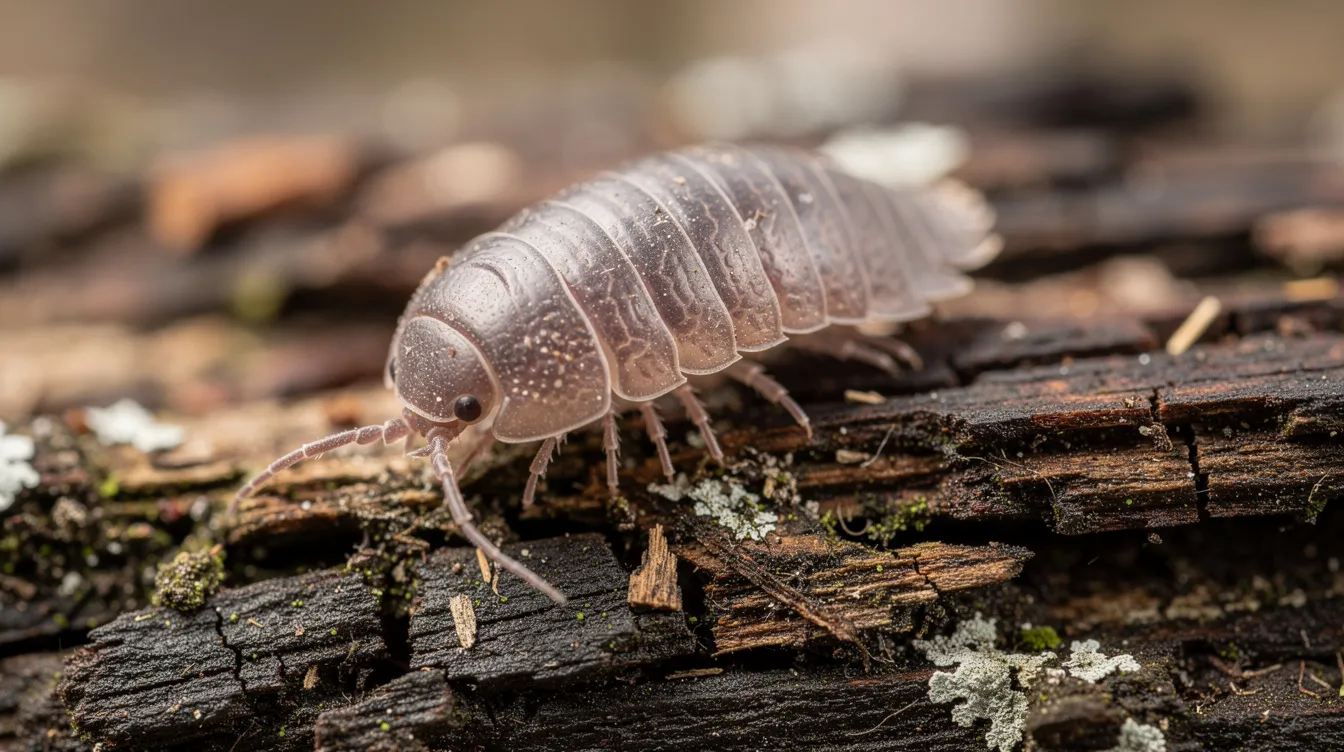
These invertebrates are easy to distinguish from insects by their flattened body, seven segments in the thorax, and seven pairs of walking legs, all features that reflect their specialized woodlouse anatomy. Common species like the common shiny woodlouse, common rough woodlouse, and pill bugs typically measure 10–20 mm in length. They breathe through pleopodal lungs—specialized gill-like structures on their undersides that require constant moisture to function.
This article explores the complete life cycle of woodlice, covering the four main developmental stages from egg to adult. Whether you encounter Armadillidium vulgare rolling into a defensive ball or spot Porcellio scaber scuttling under a flowerpot, understanding their life cycle reveals why these creatures thrive in compost heaps, damp places, and dark places across the British Isles and beyond.
Overview of the Woodlouse Life Cycle
The woodlouse life cycle follows a clear sequence: mating occurs nocturnally, after which fertilised eggs develop within the female’s marsupium for several weeks. The young emerge as mancae—tiny versions of adults lacking the last pair of legs—before molting through juvenile stages and eventually reaching reproductive maturity. This represents incomplete metamorphosis, where the young resemble small, pale adults rather than undergoing dramatic transformation like many insects.
Timing varies considerably based on conditions. Eggs are typically carried for 3–6 weeks, while manca and juvenile phases span many months. Total lifespan ranges from 2–3 years under typical conditions to 4–5 years in optimal, stable environments. The following sections detail reproduction methods, molting behavior, and seasonal breeding patterns.
Egg Stage: From Fertilisation to Hatching
Mating typically occurs at night. The male detects a receptive female through pheromones, then initiates courtship by tapping or drumming on her back for 5–15 minutes. Sperm is transferred to both of the female’s genital openings and stored until ovulation.
Unlike many invertebrates that lay eggs freely, female woodlice retain their fertilised eggs in a specialized brood pouch called the marsupium. This fluid-filled chamber beneath the thorax keeps embryos moist and oxygenated through maternal pleopod pumping.
Key characteristics of the egg stage:
|
Feature |
Details |
|---|---|
|
Clutch size |
25–90 eggs (up to 200 in larger species) |
|
Egg diameter |
Under 1 mm, pale or translucent |
|
Development time |
3–6 weeks (faster at 20–25°C) |
|
Breeding season |
Spring to late summer in temperate regions |
|
The egg stage ends when young emerge directly into the marsupium cavity as mancae, bypassing any free-swimming larval stage. This direct development represents a crucial adaptation distinguishing terrestrial woodlice from their aquatic crustacean relatives. |
|
Manca Stage: The First Free-Living Woodlice
The manca stage represents the first post-embryonic phase. These tiny offspring look like scaled-down adults but lack the final pair of legs, possessing only six pairs of legs initially. Measuring just 2–3 mm in length, mancae are pale, almost translucent, with soft exoskeletons.
Newly emerged mancae remain inside or close to the marsupium for 12–48 hours, sheltered by the mother until their cuticle hardens slightly. Once they leave the brood pouch, mancae begin feeding on very soft, decaying plant matter and microscopic fungi. They also consume the mother’s faecal pellets, which inoculate them with essential gut microbes for cellulose digestion.
This stage carries extreme vulnerability. Mancae require humidity above 85% to survive and face heavy predation. They stay hidden in moist microhabitats—undersides of stones, rotting wood, and deep leaf litter—where survival rates are highest.
Growth at this stage is rapid. The first molt occurs within 5–10 days, adding the seventh pair of legs and transitioning the young toward juvenile form.
Juvenile Stage: Growth and Molting
Juveniles resemble miniature adults with the full complement of pairs of legs but remain sexually immature and often paler in coloration, reflecting the gradual development of their woodlouse anatomy. They range from approximately 3–10 mm as they progress through multiple growth phases.
Woodlice exhibit a characteristic two-phase molt unique among arthropods:
-
Posterior molt: The rear half of the exoskeleton sheds first
-
Feeding period: The woodlouse continues eating for 3–7 days with partial mobility
-
Anterior molt: The front half sheds several days later
This biphasic approach maintains some protection and feeding ability throughout the vulnerable molting process, unlike insects that shed their entire exoskeleton simultaneously.
Juveniles undergo 4–10 molts before reaching reproductive maturity, with each molt allowing noticeable size increase. They remain nocturnal, hiding during daylight in bark crevices, under logs, and within compost heaps. In temperate climates, juveniles hatched in late spring typically become fully grown adults by the following year.
Adult Stage: Reproduction and Longevity
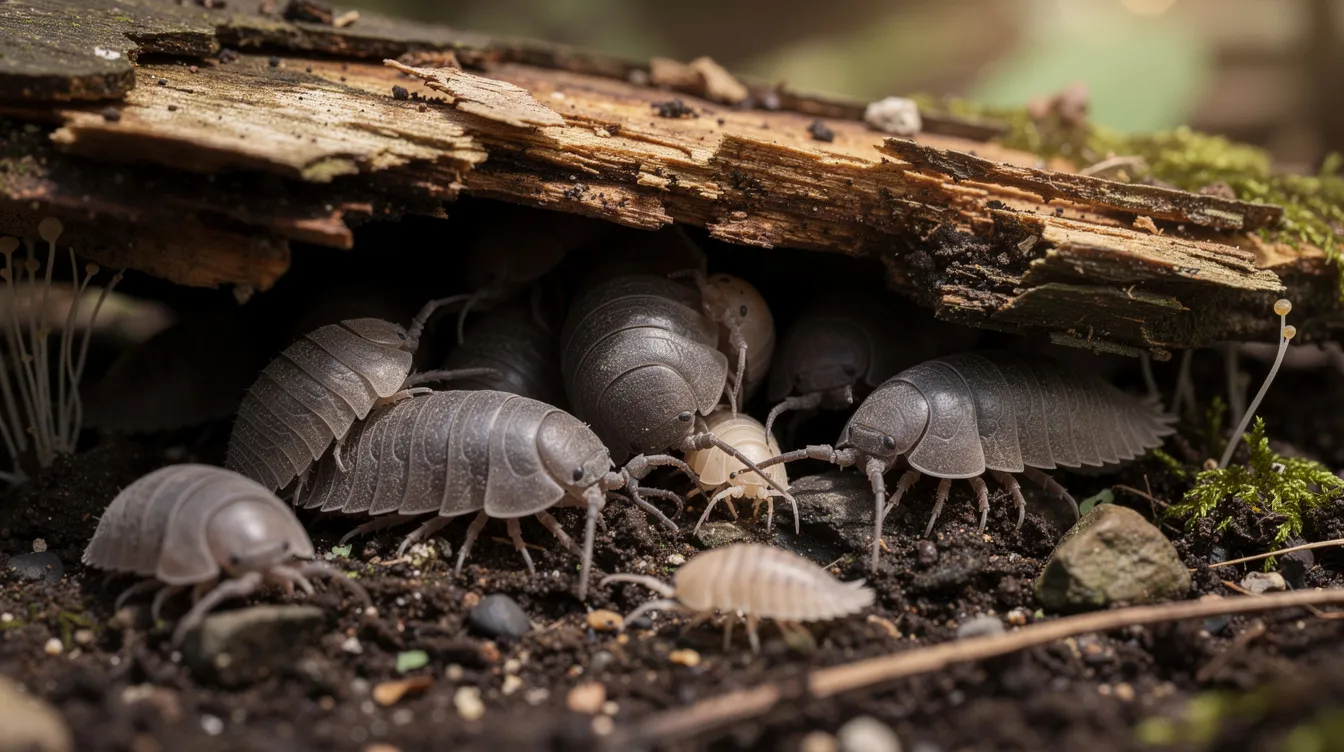
Adult woodlice display hardened, darker exoskeletons in grays and browns, complete with functional gonads and fully developed pleopodal lungs. Species within the genus Armadillidium, including the common pill bugs, possess the ability to roll into tight defensive balls—a behavior called conglobation.
Reproductive output is substantial:
-
Females produce 2–3 broods per year
-
Each brood contains 25–90 offspring
-
Breeding occurs mainly from spring to late summer
-
Total seasonal output can reach 200–600 young
Common species typically live 2–3 years in the wild, though individuals in stable, moist conditions may survive 4–5 years. Adults continue molting periodically—roughly 1–2 times annually—for shell repair and slow continued growth.
At this stage, adults are major detritivores. They process 5–10 times their body weight monthly in decaying material, and their feeding habits produce nutrient-rich faecal pellets that enhance soil structure and feed microbiota.
Sexual and Asexual Reproduction in Woodlice
Most woodlice species reproduce sexually, requiring both males and females. Courtship involves distinctive behaviors: drumming (40–60 taps per minute in some species), antennal tapping, and body alignment before sperm transfer.
However, one species worth noting is the common pygmy woodlouse, where certain populations reproduce asexually through parthenogenesis. These all-female populations produce genetically similar daughters without male fertilisation.
Comparison of reproductive strategies:
|
Species |
Reproduction |
Brood size |
Notes |
|---|---|---|---|
|
Armadillidium vulgare |
Sexual |
~100 eggs × 3/year |
1:1 sex ratio, seasonal |
|
Trichoniscus pusillus |
Parthenogenetic |
20–40 × continuous |
All-female clones |
|
Parthenogenetic populations can expand rapidly in stable environments like greenhouses where males are scarce, demonstrating the adaptive flexibility within few lineages of these remarkable crustaceans. |
|
|
|
Seasonal Patterns and Environmental Influences
Temperature, humidity, and photoperiod strongly influence every life cycle stage. Woodlice require humid conditions—ideally above 80% relative humidity—and moderate temperatures between 15–25°C for optimal development.
In temperate zones like the British Isles, breeding concentrates from April to September when day length exceeds 12 hours. Woodlice overwinter as late juveniles and adults, sheltering deep in soil cracks, under logs, or within litter layers where metabolism drops to roughly 20% of summer rates.
In mild or indoor environments—heated greenhouses, bioactive terrariums—breeding may occur year round, compressing generations and increasing population density significantly, especially where diverse woodlouse types and classifications share the same sheltered habitat.
Climate comparison:
-
Oceanic climates (Britain, Ireland): Continuous mild breeding, multiple overlapping generations
-
Mediterranean climates: Summer aestivation during dry periods, winter breeding during rains
-
Continental climates: Harsh winters reduce populations, concentrated summer breeding
Predators, Mortality, and Survival Strategies
Woodlice face numerous natural enemies across all life stages, and larger species of big woodlice are just as vulnerable as smaller ones. Key predators include:
-
Ground beetles and centipedes
-
Dysdera crocata (woodlouse spider) with specialized fangs
-
Toads, shrews, and small mammals
-
Parasitic flies whose larvae penetrate the marsupium
Physical defenses include a tough, calcareous exoskeleton providing armor comparable to snail shells. Pill bugs can roll into impenetrable balls, successfully fooling approximately 70% of spider attacks. Cryptic coloration helps them blend with leaf litter.
Behavioral strategies involve nocturnal activity, clustering in humid refuges, and rapid scattering when disturbed. Non-predatory mortality factors include desiccation (lethal within hours at low humidity), extreme cold, and pollution. Notably, woodlice can accumulate heavy metals like lead and cadmium at 10–100 times soil concentrations, affecting long-term survival in contaminated sites—making them useful bioindicators.
High fecundity offsets substantial egg and manca mortality, maintaining stable populations despite 80–90% losses in early stages.
Ecological Role Across the Life Cycle
From juvenile to adult stages, common woodlice contribute enormously to ecosystems by shredding dead leaves, bark, and wood. They increase surface area for microbial decomposers, accelerating nutrient cycling in soil and garden habitats.
Their faecal pellets help form stable soil aggregates, improving:
-
Soil aeration
-
Water retention
-
Nutrient availability for plants
All life stages serve as food for higher trophic levels—spiders, beetles, amphibians, and small mammals depend on woodlice as prey. This positions them as crucial links between detritus and predator populations.
Because they accumulate heavy metals and respond sensitively to desiccation, changes in woodlouse abundance indicate environmental quality. Understanding their life cycle helps gardeners and ecologists appreciate why woodlice are beneficial rather than damage caused to gardens.
Woodlice Life Cycle in Gardens, Homes, and Terrariums
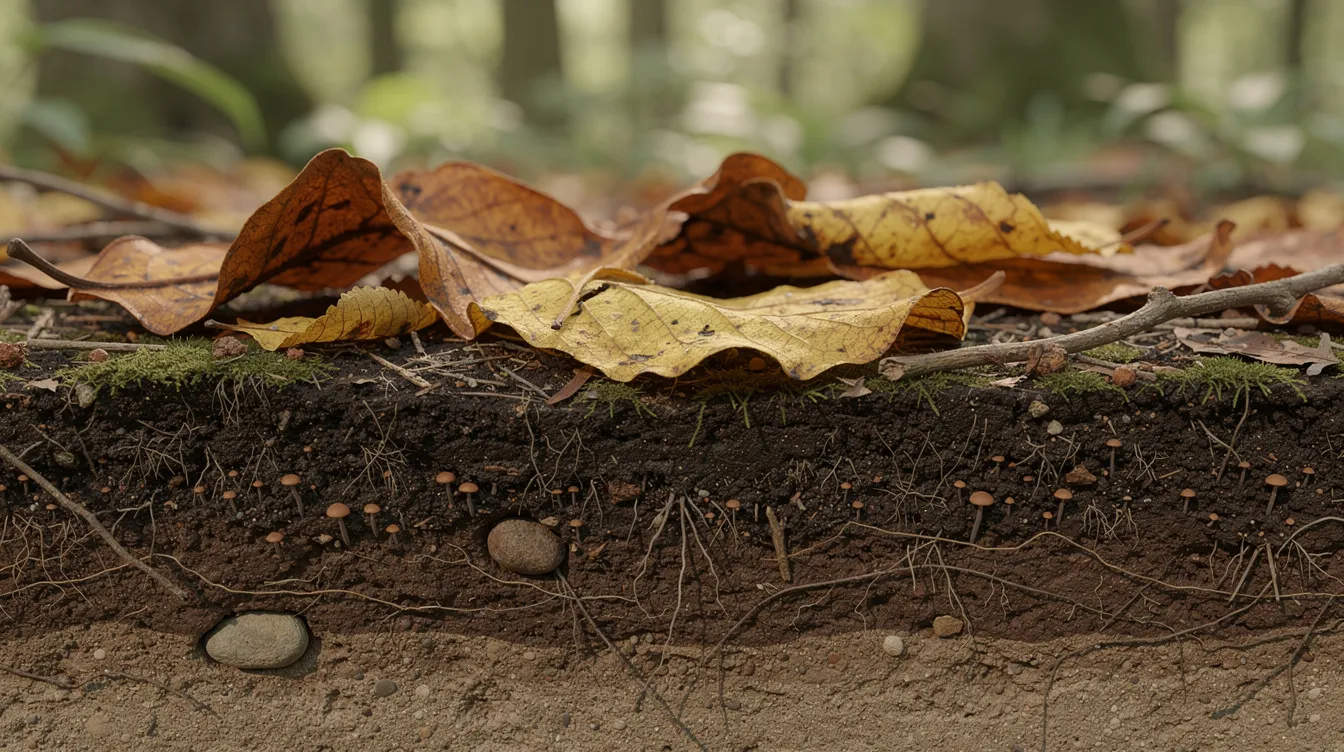
In gardens, different life stages occupy specific microhabitats. Eggs remain hidden within the marsupium, mancae cluster in damp leaf litter, and adults shelter under pots, logs, and paving slabs during daylight.
Woodlice rarely attack healthy plants. Any seedling nibbling is usually minimal and far overshadowed by their role breaking down dead material. They are not significant pests—the ability to eat decaying matter far exceeds any damage to living vegetation.
When woodlice wander indoors, they seek moisture rather than food, so effective methods to control woodlice in your home focus on reducing dampness and blocking entry points. They cannot breed successfully in dry, heated rooms, so indoor populations are self-limiting once dampness is addressed. Simple humidity control woodlice rather than pesticides.
For terrarium keepers:
-
Maintain 80–95% humidity and 20–28°C temperatures
-
Provide 5–10 cm of leaf litter substrate
-
Include hiding places like bark and moss
-
Observe mancae by their 6-leg gait and pale appearance
-
Populations typically stabilize at 50–200 individuals per square meter
Coexisting with woodlice at all stages benefits soil health and poses no risk to people, pets, or sound wood structures.
Frequently Asked Questions
How long does it take for a woodlouse to grow from egg to adult?
For common species in temperate climates, development from egg to sexually mature adult typically takes 6–12 months. The egg stage lasts 3–6 weeks within the marsupium, followed by manca emergence and multiple juvenile molts. Warmer temperatures and abundant food accelerate this timeline, while cool conditions can extend maturation to over a year.
Do woodlice look after their young after they leave the pouch?
Parental care is largely limited to brooding eggs and early mancae within the marsupium. Once the young leave the brood pouch, they are fully independent. However, mancae may share the same sheltered microhabitat as their mother for brief periods—this represents habitat preference rather than active care.
Can you tell the age of a woodlouse by its size or color?
Size and coloration provide only rough estimates. Juveniles are generally smaller and paler, while adults display darker, hardened exoskeletons. However, growth rates vary considerably based on temperature and food availability. Similar-sized individuals may be different ages, and repeated molting complicates age determination.
Do woodlice have a specific breeding season everywhere?
In temperate climates, breeding is strongly seasonal—primarily April through September in the British Isles. However, in warm, consistently moist environments such as tropical regions or heated terrariums, woodlice can reproduce year round with overlapping generations.
How many generations of woodlice can live in one place at the same time?
Multiple overlapping generations commonly coexist. Because adults survive 2–4 years and produce several broods annually, it’s typical to find mancae, various juvenile stages, and breeding adults sharing the same log, compost heap, or terrarium. This multigenerational structure maintains population stability across seasons.


Leave a comment