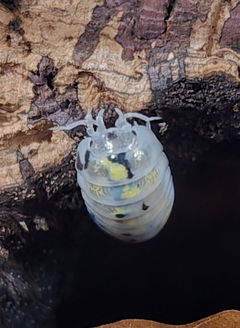
Lava Pastel Isopods (Ardentiella sp.)

Lava Pastel Isopods (Ardentiella sp.)

Care Info:

Origin icon ORIGIN
VIETNAM
Temperature icon TEMP
19-26 ℃
Humidity icon HUMIDITY
60-75 %
Length icon LENGTH
18-25 mm
Difficulty icon DIFFICULTY
HARD
Rarity icon RARITY
VERY RARE
Regular price£80.00
/
Tax included. Shipping calculated at checkout.

Quantity
  • Free shipping over £65
  • In stock, ready to ship
  • Backordered, shipping soon

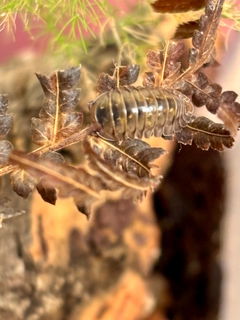
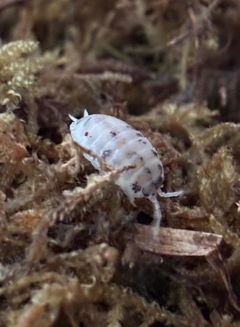
Lava Pastel Isopods are properly one of the more distinctive selectively-bred Ardentiella morphs in the UK hobby — a cultured colour line that combines the substantial size and warm tone heritage of the standard Lava morph with the softer, more diffused pastel colour expression that's become genuinely popular across the Ardentiella complex. The result is a properly different visual character from either parent lineage — large-bodied Vietnamese isopods with muted warm tones rather than the dramatic deep reds and lava-oranges of the standard Lava, or the high-contrast wasp-like banding of Yellow Phoenix.

This is part of our wider Ardentiella collection and sits alongside our other Ardentiella morphs — including our standard Lava, Yellow Phoenix, Batman, Scarlet, and Pastel. All share the same fundamental husbandry approach. For collectors building a focused Ardentiella display covering multiple morphs, Lava Pastel represents one of the more nuanced additions — it bridges the dramatic high-saturation morphs and the softer-toned lineages, giving keepers something visually distinct from either pure-line option.

One honest framing point worth understanding up front. Ardentiella species are genuinely demanding. They're rated HARD for proper reasons — moisture-ventilation balance is unforgiving, escape risk through mancae climbing on plastic is real, and frass sensitivity matters in ways most isopod genera don't require. We recommend prior experience with premium Cubaris or other Ardentiella morphs before stepping into Lava Pastel. To set things up properly from the start, browse our accessories collection for substrate components, calcium sources, and other items this species depends on.

Quick Care Summary

  • Scientific Name: Ardentiella sp. "Lava Pastel" — cultured colour morph; species-level identification not formally established. Formerly classified as Merulanella sp.
  • Common Names: Lava Pastel Isopod, Lava Pastel Ardentiella
  • Family: Armadillidae (order Isopoda, suborder Oniscidea) — same family as our Cubaris products
  • Genus context: Ardentiella Kästle & Regalado Fernández, 2025 — recently erected genus accommodating the formerly-Merulanella species. The 2025 revision was driven by molecular phylogenetic work distinguishing Ardentiella from true Merulanella; the genus now contains the colourful Vietnamese isopods commonly traded in the premium hobby. True Merulanella now refers only to three species in New Caledonia, none of which are in the hobby
  • Origin: Vietnam — captive-bred lineage developed through selective colour-line breeding rather than direct wild collection
  • Adult Size: 18–25 mm — properly substantial for Ardentiella, reflecting the Lava lineage heritage (the Lava morph is reported to grow noticeably larger than other Ardentiella)
  • Lifespan: 2–3 years typical in good captive conditions
  • Difficulty: Hard — not a beginner species. Prior experience with premium Cubaris or other Ardentiella morphs strongly recommended
  • Temperature: 19–26 °C (slightly cooler end of typical isopod range preferred) — UK ambient room temperature works properly well most of the year
  • Humidity: 60–75% with strong ventilation — properly the experienced-breeder sweet spot for Ardentiella. Some sources quote higher humidity, but in practice the lower-humidity-with-good-airflow approach produces better colony outcomes
  • Ventilation: High and cross-directional — properly critical. Stagnant humid air is the primary cause of Ardentiella colony failures
  • Escape risk: Real — mancae can climb vertically on plastic. Tight-sealed enclosure required
  • Appearance: Soft pastel expression of the Lava colour palette — muted warm tones rather than dramatic deep reds. Individual variation in colour expression is normal and properly part of the morph's character. Each generation can produce slightly different colour expressions, giving an evolving display rather than a static one
  • Behaviour: Active day and night, semi-arboreal climbers — properly visible in display setups. Spend time in the open during the day as well as at night, unusually for an isopod
  • Diet: Leaf litter, rotting white wood, moss, lichen, kinshi, protein supplements, calcium
  • Breeding: Moderate from established captive-bred stock; colour expression varies between broods
  • Rarity: Very rare in UK hobby — properly the more obscure end of the selective-bred Ardentiella spectrum

What Makes Lava Pastel Special

The hybrid lineage character. Lava Pastel sits properly between two distinctive Ardentiella morph traditions. The "Lava" lineage produces large-bodied, vivid warm-tone animals — deep reds, lava-oranges, and warm yellows contrasting against dark undersides. The "Pastel" lineage produces softer, more diffused colour expressions across the genus. Lava Pastel combines these — preserving the substantial Lava size while toning down the colour saturation into the pastel register. The result is genuinely different from either pure-line parent, properly distinct from the dramatic standard Lava and from the lighter Pastel variants in other morph backgrounds.

The substantial size. At 18–25 mm adult length, Lava Pastel sits at the larger end of the Ardentiella size range — reflecting the Lava heritage. Most Ardentiella morphs reach 15–18 mm; the Lava lineage and its derivatives like Lava Pastel are reported to grow noticeably larger. For keepers who want display animals with proper visual presence, this is one of the right Ardentiella choices.

The varied generational expression. The exact palette varies between individuals and even between broods, which is one of the more exciting aspects of keeping a colony. Each new generation can produce slightly different colour expressions, giving you an evolving display rather than a static one. Lava Pastel specifically shows generational variability properly characteristic of selectively-bred colour lines that haven't been fully fixed for a single phenotype.

The day-and-night activity. These aren't just visually distinctive — Ardentiella species are properly known for being active day and night, which is unusual for isopods. Where most species skulk under leaf litter and only emerge at dusk, Lava Pastel will climb, forage, and display openly during the day. Combined with the muted pastel colouration, this makes them genuinely one of the more rewarding display species in the hobby.

The semi-arboreal behaviour. Ardentiella are semi-arboreal — they use vertical space, climb cork bark and branches, and explore enclosure structure properly more actively than ground-dwelling isopod genera. For display enclosures with vertical structure, Lava Pastel will use the full available habitat rather than restricting themselves to substrate level.

The Ardentiella cluster character. Lava Pastel is closely related to other Ardentiella morphs we stock — our standard Lava (the direct parent lineage), Yellow Phoenix, Batman, Scarlet, and Pastel. If you already keep any of these, the care here will be familiar. The genus shares the same fundamental requirements across all morphs — what changes between morphs is appearance, not biology.

The CB advantage. Our Lava Pastel come from established captive breeding lines, which makes a properly substantial difference compared to wild-caught Ardentiella. Wild-caught specimens are famously difficult — high mortality during acclimation, inconsistent breeding, and higher husbandry sensitivity. CB stock is already adapted to typical hobbyist conditions and breeds moderately once settled.

The collector value. As a cultured colour line bridging two distinct Ardentiella morph traditions, Lava Pastel represents properly meaningful selective-breeding work — combining size (from Lava) with colour modulation (from Pastel lineage). For collectors interested in hobby colour-line genetics and selective breeding history within the genus, this morph occupies a properly distinct niche.

About the Name and the Ardentiella Morph Family

The genus and morph names properly deserve transparency.

  • Ardentiella sp. "Lava Pastel": Sold at genus level only with hobby morph designation. Species-level identification of the underlying biological species isn't established for most Ardentiella in the hobby trade
  • "Lava Pastel" as morph name: Hobby trade designation referencing the combined heritage — Lava (size and warm tone foundation) plus Pastel (softer colour expression). Not a formal taxonomic distinction; the morph represents established selective-breeding work rather than a separate biological species
  • The 2025 genus reclassification: Ardentiella Kästle & Regalado Fernández, 2025 was erected to accommodate species formerly placed in Merulanella. The reclassification was driven by molecular phylogenetic work distinguishing these animals from true Merulanella (now restricted to three New Caledonian species). You'll see both names in circulation — "Merulanella sp. Lava Pastel" and "Ardentiella sp. Lava Pastel" refer to the same animals
  • The Ardentiella morph cluster:
    • Lava: Deep reds, lava-oranges, warm yellows over dark undersides — the parent lineage for Lava Pastel
    • Lava Pastel (this morph): Softer pastel expression of the Lava palette; preserves Lava size
    • Pastel: Pastel colour line in a different genetic background
    • Yellow Phoenix: High-contrast yellow-and-black wasp-like banding
    • Phoenix (original): Red, yellow, and black banding — the mythical firebird palette
    • Scarlet: Warm orange-red colouration
    • Batman: Reduced-pigment morph with distinctive patterning
    • Ember Bee, Pink Lambo, Tricolor, Red Diablo: Other established Ardentiella morph lines from various breeding programmes
  • Family Armadillidae: Shared with our Cubaris products. All Ardentiella are within Armadillidae
  • Distinguishing from Cubaris: While both genera are in Armadillidae and share fundamental tropical husbandry, Ardentiella are properly different in several practical ways — slightly cooler temperature preference (19–26 °C vs Cubaris 22–28 °C), higher ventilation requirement, mancae climbing ability that Cubaris generally don't share, and notably higher frass sensitivity

Should You Start Here?

Honestly — probably not, if this is your first isopod. Lava Pastel are a properly serious commitment in both setup complexity and species sensitivity. The difficulty rating of HARD is accurate; Ardentiella species are sensitive to husbandry mistakes in ways that more forgiving species aren't.

If you've kept Cubaris species successfully — Rubber Ducky, Panda King, Cappuccino, or similar — you have the right experience for Ardentiella. The husbandry overlaps substantially, with Ardentiella adding higher ventilation requirements and the escape-proofing concern as additional layers.

If you're coming from Porcellio scaber or Armadillidium and want to step up, consider starting with a less expensive Ardentiella morph (or a beginner-friendly Cubaris) first to learn the tropical-setup approach before committing to Lava Pastel.

For beginners, our guide to setting up and selecting your first isopods covers starter species and setup basics.

The Enclosure — And Why It Needs to Be Escape-Proof

This is properly important: Ardentiella mancae (babies) can climb vertically on plastic. Like roaches. If your enclosure has any gaps, unclipped lid seams, or smooth vertical surfaces leading to the top, mancae will find a way out. This isn't hypothetical — it's a documented quirk of the genus and one of the main reasons keepers lose colonies.

Use a tightly sealed enclosure with secure lid clips. Check the lid-to-container seal carefully — any gap larger than 1mm is a potential escape route. A taller enclosure is properly better than a wider shallow one, both because Ardentiella will use vertical space for climbing (semi-arboreal behaviour) and because it gives you more margin at the top before mancae reach the lid.

Ventilation is essential but needs to be controlled. Fine mesh or small vent holes on opposite sides of the enclosure create cross-ventilation without compromising humidity. Avoid placing ventilation only on one side — air becomes stagnant. Our accessories collection has suitable air vents for building properly ventilated setups.

Substrate and Layered Setup

Ardentiella do properly best with a layered, structured setup rather than a simple substrate mix. The layered approach gives them the microclimate variation they need and closely replicates their Vietnamese forest floor origins.

Base layer: Organic topsoil mixed with flake soil for nutrition. Keep this properly moist but not waterlogged. The substrate should hold moisture without dripping when squeezed.

Middle layer: Pieces of rotting white wood, kinshi (mushroom mycelium substrate), and crumbled bark. This layer provides both food and structural complexity. Lava Pastel actively feed on rotting wood and fungal-decomposed material — this isn't decoration, it's properly part of the diet.

Top layer: Generous leaf litter covering the entire surface. Use a mix of magnolia leaves for long-lasting cover and bamboo leaf litter for structure and airflow. Sphagnum moss patches in corners help maintain localised humidity. Twigs with lichen (if you can source them safely) are properly well-received.

Cork bark: Multiple pieces of cork bark create hides and climbing surfaces. Position some flat on the substrate and others vertically or at angles. Lava Pastel will use all of it — the semi-arboreal climbing behaviour means vertical cork bark surfaces are particularly important.

Browse our accessories range for substrate components, leaf litter, and other essentials.

Calcium and Supplementation

Ardentiella require consistent calcium access for healthy moulting and reproduction. The large-bodied Lava lineage and its derivatives have proportionally higher calcium demands than smaller morphs:

  • Cuttlebone — always available in the enclosure, replaced when visibly consumed
  • Limestone — passive calcium source that also serves as habitat enrichment. Place several pieces around the enclosure
  • Oyster shell or crushed eggshell — additional calcium options that can be sprinkled on the substrate

Our calcium options cover the full range.

Diet

Lava Pastel are properly varied feeders. Primary diet is leaf litter, rotting white wood, and fungal-decomposed material. Supplement regularly with:

  • Protein — gammarus shrimp, fish flakes, dried bloodworm. Offer small amounts 2–3 times per week. Protein supports growth and reproduction. Browse the protein options in our accessories collection
  • Vegetables and fruit — small pieces of cucumber, courgette, carrot, sweet potato, baby corn, or apple. Remove before they mould
  • Moss and lichen — properly readily eaten and often preferred over fresh vegetables. Lichen specifically appears properly important for several Ardentiella morphs
  • Kinshi and flake soil — for fermented hardwood nutrition that mirrors their wild diet

What they don't eat: Bee pollen is commonly recommended for other isopods but Ardentiella generally ignore it. Don't rely on it as a supplement for this species.

Frass Management

This is a properly practical issue that catches keepers out. Ardentiella produce noticeable amounts of frass (waste), and in a humid enclosure with limited airflow, frass buildup can lead to poor air quality and bacterial issues. Pair Lava Pastel with a thriving springtail culture from day one — springtails break down frass and mould before it becomes a problem.

This isn't optional for Ardentiella; it's properly part of the setup. Browse our springtail collection for suitable cleanup crew companions. Standard Folsomia candida work properly well, and for keepers who want visible springtails alongside functional cleanup, our coloured Neanuridae options (like Santa Claus Springtails) work alongside the Ardentiella husbandry profile.

Breeding

Lava Pastel breed moderately well from established captive-bred stock. Each generation can produce slightly different colour expressions — the colour expression varies between broods in ways that are properly characteristic of selectively-bred colour lines. This generational variability is part of the morph's character rather than a problem.

Our Lava Pastel come from established captive breeding lines. Expect some adjustment period as they settle into your specific enclosure, but once established, a colony should self-sustain with moderate population growth over 6–12 months.

For breeding success:

  • Stable conditions — temperature in the 19–23 °C range works properly well
  • Humidity 60–75% with strong ventilation
  • Minimum disturbance — settle the colony rather than fussing over it
  • Continuous food supply (leaf litter, rotten wood, occasional fresh inputs)
  • Calcium consistently available — properly essential for the large-bodied Lava-lineage morphs
  • Springtail cleanup crew established from day one
  • Vertical cork bark structure — semi-arboreal climbing behaviour requires proper habitat
  • Maintain pure morph line if you want to preserve the Lava Pastel colouration — don't mix with other Ardentiella morphs

Who Should Buy Lava Pastel?

Ideal for:

  • Experienced isopod keepers with established success in premium Cubaris or other Ardentiella morphs
  • Display enthusiasts drawn to the softer pastel expression of the Lava palette
  • Collectors building a focused Ardentiella display covering multiple morphs and bloodlines
  • Anyone interested in selective-breeding genetics — Lava Pastel represents bridging work between two distinct morph traditions
  • Keepers in cooler UK homes — the 19–26 °C preference suits standard UK ambient
  • Patient keepers comfortable with high-attention husbandry rather than forgiving species
  • Setups with established ventilation engineering and frass-management springtail cultures
  • Anyone who appreciates colour expression varying between broods rather than fixed phenotype

Not ideal for:

  • First-time isopod keepers — start with easier species before stepping into Ardentiella
  • Anyone whose previous experience is exclusively Porcellio or Armadillidium — the tropical husbandry adjustment plus the Ardentiella-specific demands are properly substantial
  • Setups without secure escape-proofing — mancae will exploit any gap
  • Anyone unable or unwilling to maintain springtail cultures alongside the isopods
  • Setups with poor ventilation — stagnant humid air is the primary Ardentiella killer
  • Keepers who can't resist disturbing their colonies frequently — Ardentiella appreciate stability
  • Anyone wanting a fixed visual phenotype — Lava Pastel shows genuine generational variability

Realistic Expectations

The pastel character is genuinely subtle compared to standard Lava. If you're expecting the dramatic deep reds and lava-oranges of the standard Lava morph, Lava Pastel will feel understated. The Lava Pastel expression is softer, more diffused — the warm tones are present but at lower saturation. For collectors building displays where the Pastel-expression and Lava-expression sit alongside each other, the visual distinction is properly meaningful. For keepers expecting saturated colour from the "Lava" portion of the name, the toned-down appearance may take adjustment.

Colour expression varies between broods. Each new generation can produce slightly different colour expressions. Some broods will lean closer to the standard Lava warm tones; others will express more pastel diffusion. This is properly part of the morph's selectively-bred character rather than instability — the colour line hasn't been fully fixed for a single phenotype, and that variability is genuinely part of the appeal.

The day-and-night activity is genuinely real. Unlike most isopods that hide constantly, Ardentiella properly emerge and forage during daylight hours, giving you actual visibility of your animals. The Lava lineage's larger body size makes Lava Pastel particularly visible — properly substantial animals visible during the day. Combined with the climbing behaviour using vertical structure, you'll see your colony genuinely engaging with the enclosure rather than hiding.

Colony establishment takes time. Even CB Lava Pastel need an adjustment period when settling into a new enclosure. Expect 4–8 weeks for the colony to acclimate before active breeding begins. Don't panic if you don't see immediate reproduction; the species needs time to settle into specific conditions.

The escape risk is properly real. Multiple keeper accounts document Ardentiella colony losses from inadequate escape-proofing. Mancae climbing vertical plastic surfaces is documented behaviour. If your enclosure isn't properly sealed, you will lose mancae. This is a one-time investment in proper enclosure choice rather than ongoing management challenge — get it right at setup, and the problem doesn't recur.

Frass sensitivity isn't theoretical. Ardentiella colonies kept without springtail cleanup crews tend to develop air quality problems within months. The springtails aren't optional accessories — they're properly part of the husbandry approach. Establish springtail populations from day one rather than waiting for problems to develop.

The size advantage from Lava lineage is genuine. At 18–25 mm, Lava Pastel are properly larger than most other Ardentiella morphs (which typically reach 15–18 mm). For keepers who want substantial display animals, the Lava heritage delivers properly visible body presence even with the toned-down colour expression.

The slightly cooler temperature preference matches UK ambient. Unlike some tropical premium isopods that need consistent warmth, Ardentiella's 19–26 °C preference is properly within UK standard room temperature for most of the year. Supplementary heating is rarely needed.

UK escape isn't an environmental risk. UK outdoor conditions are too cool and seasonally variable for Vietnamese-origin Ardentiella to establish wild populations. Recapture escapees promptly as colony preservation rather than environmental concern.

Use collapsible tabs for more detailed information that will help customers make a purchasing decision.

Ex: Shipping and return policies, size guides, and other common questions.

You may also like


Recently viewed