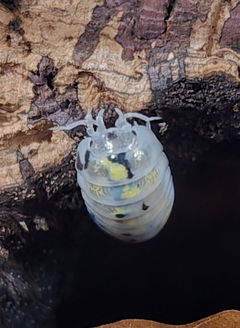
Ardentiella sp. 'Pastel' Isopods for Sale

Care Info:

Origin icon ORIGIN
VIETNAM
Temperature icon TEMP
19-26 ℃
Humidity icon HUMIDITY
60-75 %
Length icon LENGTH
18-20 mm
Difficulty icon DIFFICULTY
HARD
Rarity icon RARITY
VERY RARE
Regular price£160.00
/
Tax included. Shipping calculated at checkout.

Quantity
  • Free shipping over £65
  • Low stock - 1 item left
  • Backordered, shipping soon

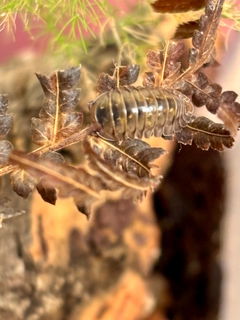
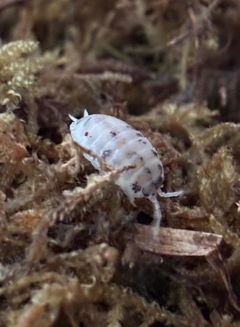
Ardentiella sp. 'Pastel' is one of the most sought-after morphs in the Ardentiella genus, and it's not hard to see why. The colouration is genuinely unlike most other isopods — soft, muted tones in the pastel range rather than the bold, saturated colours you see in morphs like Ember Bee or Lava. The exact palette varies between individuals and even between broods, which is one of the more exciting aspects of keeping a colony. Each new generation can produce slightly different colour expressions, giving you an evolving display rather than a static one.

Like all Ardentiella (formerly classified under Merulanella before the 2025 genus revision), Pastels are Vietnamese isopods that share the same fundamental care requirements across all morphs. If you already keep Batman, Ember Bee, Lava, Tricolor, or any other Ardentiella, the husbandry will be identical. The only things that change between morphs are appearance and price — and Pastel sits at the top end of both.

These are large, active, bold isopods. They're semi-arboreal — they climb, they explore, and they spend time in the open during the day as well as at night. That visibility is a major part of the appeal, especially combined with their colouration. Most isopod species spend the majority of their time hidden. Ardentiella don't.

Quick Care Summary

  • Scientific Name: Ardentiella sp. "Pastel" (formerly Merulanella sp.)
  • Common Name: Pastel Isopod
  • Family: Armadillidae
  • Origin: Vietnam
  • Adult Size: 18–20 mm — a large species by isopod standards
  • Difficulty: Hard — captive bred stock is more forgiving, but this is not a beginner species
  • Temperature: 19–26°C — prefer the cooler end
  • Humidity: 60–75%
  • Ventilation: High — essential for this genus
  • Diet: Leaf litter, white rotten wood, lichen, moss, vegetables, protein supplements
  • Supplements: Cuttlebone, crushed limestone, or oyster shell for calcium

A Note on the Genus Name

If you've been keeping isopods for a while, you may have first encountered this species as Merulanella sp. "Pastel." In March 2025, Kästle and Regalado Fernández published a taxonomic reassessment that restricted genuine Merulanella to three species from New Caledonia (none of which are in the hobby), with the entire Vietnamese hobby group — including Pastel, Batman, Ember Bee, Lava, Tricolor, Phoenix, and the rest — moved to the new genus Ardentiella. The change is well-established now and reflected across the European hobby. For a deeper look at the reclassification and what it means for keepers, see our Red Diablo taxonomy article.

Why They're Rated Hard

The same two factors that challenge keepers with every Ardentiella morph apply here:

Ventilation vs humidity. Ardentiella need the enclosure to be humid enough for their comfort but airy enough that moisture doesn't become stagnant. The substrate should be able to dry out at the surface without remaining permanently wet throughout. You need cross-ventilation — mesh vents on opposite sides of the enclosure — so that air moves through rather than sitting. Stagnant humid air kills Ardentiella faster than almost anything else. This is the single most important thing to get right.

Frass buildup. Ardentiella are notably sensitive to their own waste accumulating in the substrate. As frass builds up, it raises substrate acidity, and colonies can crash quickly once this passes a threshold. Replace the substrate every 6 months at minimum. If it starts looking dark, compacted, or spent before then, swap it out early.

The CB advantage. Captive bred Ardentiella are dramatically easier than wild caught. The genus has a reputation for being fragile, but that reputation comes largely from WC animals imported in bulk that often arrive stressed and fail to establish. CB populations that have been stabilised over several generations breed readily and are much more forgiving. If you're buying from us, you're getting CB stock, and that makes a real difference to your chances of success.

Enclosure

The enclosure must be escape-proof. Ardentiella — especially mancae and small juveniles — can climb smooth vertical plastic like cockroaches. If there's a gap in the lid, they will find it. Use a tight-fitting lid and check for openings.

These are semi-arboreal isopods that actively use vertical space. Provide a mix of horizontal hides and vertical climbing surfaces: cork bark pieces (both flat and angled), lichen-covered twigs, and small branches. The more three-dimensional the enclosure, the more natural behaviour you'll observe and the more you'll actually see your isopods.

Substrate

Use a mix of forest humus (organic topsoil) with cork granules, crumbled white rotten hardwood, and dried leaf litter. The cork granules help with drainage and prevent the substrate from becoming waterlogged — an important detail for Ardentiella, where the substrate needs to be able to dry at the surface while retaining some moisture deeper down.

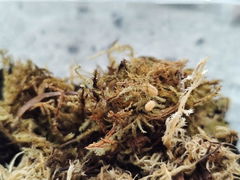
Depth should be at least 8–10 cm. Top generously with whole leaves, moss, and pieces of soft rotting wood.

Keep the substrate moist to the touch but not saturated. You should not be able to squeeze water out of it. The surface should be allowed to dry between mistings — it's the substrate depth that holds the humidity gradient, not a permanently wet surface.

The substrate is part of the diet. They eat it. Use quality ingredients, and replace it completely every 6 months to prevent frass accumulation.

Temperature

19–26°C, with the cooler end generally being better. Ardentiella can suffer in heat — prolonged temperatures above 26°C can stress a colony. During UK summers, if your house gets warm, plan for this. Some Ardentiella keepers use wine coolers or climate-controlled rooms during heatwaves.

In winter, most UK houses will naturally sit within the ideal range without additional heating. If your room regularly drops below 18°C, a low-wattage heat mat on a thermostat placed on the side of the enclosure (not underneath) can help.

Diet

The primary diet is leaf litter and white rotten wood — always keep these well stocked. Supplement with vegetables: courgette, baby corn, and sweet potato are reported favourites for Ardentiella. Occasional fruit can be offered. Moss and lichen are both eaten and appreciated.

Protein is important — offer gammarus shrimp, fish flakes, or freeze-dried bloodworm once or twice a week.

Calcium should always be available. Cuttlebone left permanently in the enclosure is the simplest approach. Ardentiella consume noticeably more calcium than many other genera, so keep it topped up.

Remove uneaten fresh food within a day. Mould in an Ardentiella enclosure is something to actively prevent.

Breeding

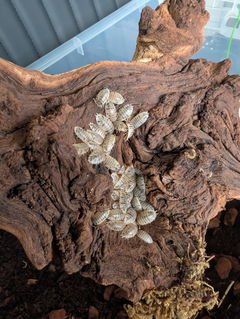
Captive bred Ardentiella breed at a fair to prolific rate once established. Growth is slow, so don't expect rapid colony expansion. A starting group of 5 gives a reasonable chance of both sexes being represented, though the 10-pack option provides a stronger foundation.

One of the pleasures of breeding Pastel specifically is the colour variation between broods. The pastel palette can shift and vary across generations, so each new batch of juveniles has the potential to surprise you. This makes colony-watching more engaging than with morphs where every individual looks essentially identical.

No special triggers are needed for breeding — consistent, correct husbandry is sufficient. Good ventilation, clean substrate, varied diet, appropriate temperature.

Who Should Buy Pastel Isopods?

Ideal for:

  • Experienced isopod keepers who've successfully kept other species and want to step up to Ardentiella
  • Existing Ardentiella keepers expanding their morph collection
  • Display enthusiasts drawn to active, day-visible, climbing isopods
  • Collectors interested in the colour-variation breeding experience (Pastel's palette shifts across generations)
  • Keepers comfortable with the ventilation-vs-humidity balance and regular substrate replacement

Not ideal for:

  • Complete beginners — start with something more forgiving like Dairy Cow or a beginner Cubaris and master humidity, ventilation, and substrate management first. Losing a colony at this price tier is an expensive lesson.
  • Keepers without escape-proof enclosures — Ardentiella climb smooth plastic readily
  • Setups where consistent ventilation isn't possible
  • Anyone unwilling to replace substrate every 6 months

Realistic Expectations

The colour is genuinely pastel. Soft, muted tones rather than bold saturated brights. If you're expecting vivid Ember Bee yellows or Lava reds, the Pastel aesthetic is quite different — subtler and more variable. The variation across individuals and across broods is part of the appeal, not a defect.

They take time. Slow growth means colony expansion is gradual, even when breeding is going well. Patience is part of keeping Ardentiella.

Ventilation matters more than you think. The most common Ardentiella failure mode is stagnant moist air — keepers correctly recognise that the genus needs humidity but underestimate how much they also need airflow. Get this right and most other things fall into place.

The CB-vs-WC distinction is real. Captive bred stock from established breeders is genuinely much more forgiving than wild caught Ardentiella. The fragile reputation comes mainly from WC imports.

Customer report from PostPods: "Pastel Isopods are beautiful. One of my favourite pods I have." — Ray Brett. Genuine social proof for a properly distinctive premium morph.

Use collapsible tabs for more detailed information that will help customers make a purchasing decision.

Ex: Shipping and return policies, size guides, and other common questions.

You may also like


Recently viewed