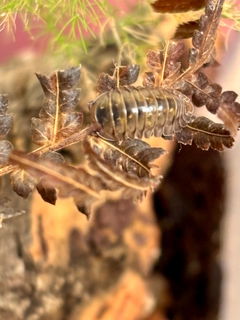
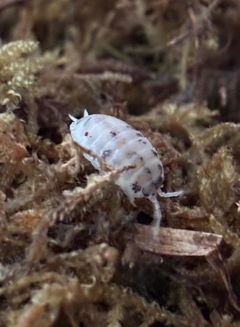
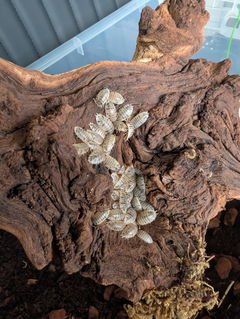
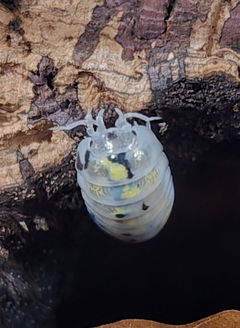
White Ducky Isopods (Cubaris sp.)
white ducky isopod
white ducky isopod 2
white ducky isopods
white rubber ducky isopod for sale
white rubber ducky for sale
white rubber ducky isopod
white ducky isopods for sale
White Ducky Isopods (Cubaris sp.)

White Ducky Isopods (Cubaris sp.)

Care Info:

Origin icon ORIGIN
THAILAND
Temperature icon TEMP
20-26 ℃
Humidity icon HUMIDITY
70-85 %
Length icon LENGTH
18-21 mm
Difficulty icon DIFFICULTY
HARD
Rarity icon RARITY
VERY RARE
Regular price£170.00
/
Tax included. Shipping calculated at checkout.

Quantity
  • Free shipping over £65
  • Low stock - 1 item left
  • Backordered, shipping soon

Cubaris sp. 'White Ducky' is one of the most elegant variants within the famous Rubber Ducky complex — a pale, almost shimmering white colour form that retains the unmistakable charming duck-face markings while offering a refined, understated appearance quite distinct from the classic dark Rubber Ducky. Where the standard Rubber Ducky displays bold dark patterning, the White Ducky shows predominantly pale white-to-chrome colouration, often with a deeper grey body split by a row of subtle caramel-toned arrow markings pointing toward the head. The slightly curved front section — reminiscent of a duck's beak — remains unmistakable, making them an instantly recognisable eye-catcher in any display setup.

What makes White Duckies particularly worth keeping is the combination: the iconic Rubber Ducky charm in a rare pale form, paired with the rewarding nature of a well-kept Cubaris colony. They're a sought-after variant, still relatively new to the hobby, and prized by collectors for their elegant, pure appearance that clearly sets them apart from the classic Ducky variants. They sit at a Medium difficulty level — manageable for keepers with some Cubaris experience, but with specific environmental needs (notably high humidity with good airflow) that must be kept consistent.

White Duckies originate from Thailand, like other Rubber Ducky-type Cubaris, naturally inhabiting humid Southeast Asian limestone and forest environments. These habitats feature deep substrate, stable high humidity, tight crevices, and abundant calcium from the limestone — all conditions worth recreating to keep them successfully. Their noted fondness for limestone and calcium sources directly reflects this rocky cave-dwelling origin.

UK captive-bred stock means you're getting healthy, established animals adapted to captive conditions, rather than wild-caught specimens — genuinely important given the conservation pressures on wild Cubaris populations from over-collection.

Quick Care Summary

  • Scientific Name: Cubaris sp. 'White Ducky'
  • Common Names: White Ducky, White Rubber Ducky, White Duck Isopod
  • Family: Armadillidae
  • Genus: Cubaris
  • Origin: Thailand — humid limestone and forest environments
  • Adult Size: Approximately 15–17 mm — small-to-medium Cubaris
  • Lifespan: 1.5–3 years typical
  • Difficulty: Medium — some Cubaris experience beneficial
  • Temperature: 18–26°C (warm-tropical preference)
  • Humidity: High (75–85%) with good ventilation and a moisture gradient
  • Ventilation: Good airflow essential — prevents waterlogging
  • Conglobation: Yes — rolls into a tight defensive ball
  • Behaviour: Shy, nocturnal, social, prefers hiding in substrate and cover
  • Breeding: Slow to moderate; prolific once established

What Makes White Ducky Isopods Special

Several factors have made White Duckies one of the more coveted Rubber Ducky variants in the UK hobby:

The elegant pale colouration is genuinely distinctive. Where the classic Rubber Ducky shows bold dark patterning, White Duckies display a pale, almost shimmering white-to-chrome appearance. This gives them a particularly pure, refined look that clearly sets them apart from the standard dark variants. Many individuals show a deeper grey body accented with subtle caramel-toned arrow markings, adding depth to the predominantly pale appearance.

The famous duck-face charm in a rare form. Despite the lighter colouration, the typical charming "Ducky" facial features remain unmistakable — the slightly curved front section reminiscent of a duck's beak that made the entire Rubber Ducky complex famous. White Duckies give collectors the iconic Ducky appeal in a rarer, more elegant package.

Genuine rarity and collector appeal. White Duckies are a sought-after variant still relatively new to the hobby. For Cubaris collectors, they represent a refined, uncommon addition with a strong connection to the world-famous Rubber Ducky line that launched the entire Cubaris hobby boom.

Limestone affinity reflecting natural habitat. White Duckies are noted to be particularly fond of limestone and calcium sources, mirroring the caves and rocky areas they naturally inhabit. They readily devour cuttlebone and limestone when offered — a genuine behavioural quirk that connects to their wild origins and makes calcium provision especially rewarding.

Prolific once established. While White Duckies breed slowly during the establishment phase with initially small broods, a settled colony becomes genuinely productive — they'll multiply and flourish once their consistent care needs are met. The patience required early on is rewarded with reliable long-term growth.

Functional bioactive members. Beyond their display appeal, White Duckies contribute as detritivores in appropriate tropical bioactive setups, breaking down leaf litter and decaying wood. While Cubaris aren't the most aggressive cleanup crews, they fit well in tropical terrarium ecosystems.

Conglobation. Like all Cubaris, they roll into a tight defensive ball when disturbed — the classic pillbug behaviour. The pale colouration and duck-face charm remain part of their appeal whether active or rolled.

How White Ducky Compares to Other Cubaris

If you're choosing between Rubber Ducky variants and premium Cubaris, here's how the White Ducky fits in:

  • vs Standard Rubber Ducky: Same famous complex, different colour form. Standard Rubber Duckies show the iconic dark patterning; White Duckies offer the pale, elegant white-to-chrome version. Both share the charming duck-face markings — choose based on whether you prefer the classic dark original or the refined pale variant.
  • vs Amber Ducky: Amber Duckies show warm amber colouration; White Duckies show pale white-to-chrome. Both premium Ducky-complex variants — opposite colour temperatures (warm amber vs cool white) for different aesthetic preferences.
  • vs Snow White (Porcellio laevis): Snow Whites are pure white Porcellio — larger, faster-breeding, much easier, and unable to conglobate. White Duckies are white Cubaris with the duck-face, smaller, slower, more demanding, and roll into balls. Choose Snow White for easy white cleanup crew, White Ducky for the premium pale Cubaris experience.
  • vs Cappuccino: Cappuccinos show marbled coffee-and-cream tones; White Duckies show the pale duck-face form. Both premium Cubaris — Cappuccino for marbled aesthetics, White Ducky for the elegant Rubber Ducky connection.
  • vs Panda King: Panda Kings show bold black-and-white panda patterning; White Duckies offer subtler pale colouration with duck-face charm. Different aesthetics — Panda King for dramatic monochrome contrast, White Ducky for refined pale elegance.

Browse the full Cubaris collection to compare all options in this premium genus.

Setting Up the Enclosure

A 6–10 litre plastic or glass enclosure suits a starter colony. Cubaris benefit from setups that hold high humidity while allowing the good airflow White Duckies specifically need — plastic tubs with clip-lock lids work well. The 3L Braplast tub is appropriate for starter colonies, with larger housing as the colony grows.

Deep substrate matters. White Duckies' natural limestone-and-forest habitat features deep substrate layers and tight crevices. Provide genuine depth (8–10 cm) and plenty of sheltered hiding spaces to match their natural behaviour — they're shy and rely on cover to feel secure.

Good ventilation is essential. This is a key point for White Duckies specifically — they need high humidity AND good air circulation to prevent waterlogging. Drill ventilation holes on opposite sides for cross-ventilation, balancing airflow against humidity retention. Cover holes with fine mesh; given the premium value and tiny size of mancae, our Braplast vent plugs help maintain humidity while preventing tiny juveniles from escaping.

Keep the enclosure in a dim, quiet area — White Duckies are shy, preferring low-light conditions reflecting their natural cave-and-forest habitat. Browse our accessories collection for appropriate enclosures, vents, and other essentials.

Substrate

Build a deep, humid, calcium-rich substrate appropriate for limestone-dwelling tropical Cubaris:

  • Organic topsoil base (pesticide-free) as the foundation
  • Sphagnum peat moss mixed throughout for moisture retention
  • Flake soil for added nutrition and structure
  • Crushed limestone or eggshells incorporated generously throughout — White Duckies are particularly fond of limestone, reflecting their cave origins
  • White-rotted decaying hardwood pieces incorporated throughout
  • Cork granules or pieces for habitat structure

Substrate depth: 8–10 cm. White Duckies come from deep-substrate limestone habitats and genuinely benefit from depth for burrowing and security. Deeper substrate also helps maintain stable humidity at lower levels.

Top layer: Generous hardwood leaf litter — magnolia leaves work particularly well for long-lasting cover. Add abundant cork bark pieces to create the tight crevices and sheltered hiding spaces these shy isopods rely on. Consider including limestone chunks (such as Malawi or holey rock) as both calcium source and habitat feature — White Duckies genuinely appreciate the limestone connection to their natural environment.

Humidity and Temperature

Maintain high humidity (75–85%) with a moisture gradient and good ventilation. This balance is the key husbandry point for White Duckies — they need genuinely high humidity but also good airflow to prevent waterlogging. Keep both moist zones (with moss and damp leaf litter) and drier retreat areas available, letting the colony self-regulate.

Don't let it become waterlogged. As one PostPods customer noted about Cubaris-type isopods, following proper care guidance prevents the most common fatal mistake — too much moisture. White Duckies need high humidity, but stagnant waterlogged conditions cause problems. The combination of high humidity WITH good ventilation is what they need — mist to maintain humidity rather than saturating the substrate.

Temperature should be 18–26°C — warm-tropical conditions suit them best. UK room temperature works in heated homes, but supplementary heating may be needed in winter. A low-wattage heat mat on the side of the enclosure (never underneath, to avoid drying substrate) connected to a thermostat keeps the colony stable. Extreme cold and heat can be lethal, so avoid sustained temperatures below 16°C or above 28°C.

Diet

White Duckies are detritivores with standard Cubaris dietary needs, plus a notable calcium affinity:

  • Primary diet (always available): Hardwood leaf litter (oak, magnolia, beech), decaying rotting white wood, dried plant matter, lichens, moss, grasses
  • Vegetables (1–2x weekly): Carrot, cucumber, courgette, sweet potato. Feed on the drier side and in small amounts. Replace within 24–48 hours.
  • Protein (essential — 1–2x weekly): Fish flakes, dried daphnia, freeze-dried shrimp, dried insects, freeze-dried peas. Browse our accessories collection for the full range of protein supplements.
  • Calcium (essential — always available, particularly important): Cuttlefish bone, crushed limestone, oyster shell, eggshells. White Duckies are especially fond of calcium sources — they'll quickly devour cuttlebone when offered. Limestone chunks are particularly appreciated given their cave origins.

Important: feed on the drier side and don't overfeed. In the high-humidity conditions White Duckies require, fresh food spoils quickly and can attract pests. Favour drier foods, provide small portions consumed within 24–48 hours, and remove uneaten fresh items promptly. A thriving springtail culture helps manage mould before it threatens the colony.

Breeding

White Duckies follow the breeding pattern typical of premium Rubber Ducky-type Cubaris: slow to establish with initially small broods, then increasingly productive once settled.

Establishment period: Allow several months for new colonies to settle before expecting significant breeding. Early broods tend to be small. This is normal for Rubber Ducky-type Cubaris and not a sign of husbandry failure — resist disturbing the substrate to check on them, as undisturbed colonies establish faster.

Once established, they flourish. After a colony settles into consistent appropriate conditions, White Duckies become genuinely productive — they'll multiply and flourish in due time. The patience required during the early months is rewarded with reliable, satisfying long-term colony growth.

For breeding success:

  • Stable warm temperatures (22–24°C optimal)
  • Consistent high humidity (75–85%) with good ventilation
  • Deep substrate (8–10 cm) for burrowing and security
  • Abundant calcium availability throughout (they particularly need this)
  • Regular protein supplementation
  • Plenty of cork bark hiding spaces and tight crevices
  • Consistency above all — White Duckies dislike large environmental swings
  • Larger starter groups provide better breeding potential and genetic diversity

Pair With Springtails

Add a thriving springtail culture to any White Ducky setup. Springtails handle mould and microbial growth at a scale isopods can't manage — particularly important in the high-humidity conditions these tropical Cubaris require, and especially valuable for protecting a premium colony from mould blooms around protein foods and spoiling vegetables. They coexist peacefully with White Duckies and form an essential cleanup partnership.

Who Should Buy White Ducky Isopods?

Ideal for:

  • Cubaris collectors seeking rare, elegant Rubber Ducky variants
  • Keepers with some Cubaris experience ready for a premium pale species
  • Anyone wanting the famous Ducky charm in a refined white form
  • Display setup enthusiasts wanting a striking, elegant collectible
  • Keepers who can provide deep substrate, warmth, high humidity, and good airflow
  • Those who can maintain consistent conditions without large swings
  • Patient keepers willing to wait through slower establishment for prolific growth

Not ideal for:

  • Complete beginners — start with hardier species like Dairy Cow or accessible Cubaris like Cubaris murina first
  • Anyone unable to maintain high humidity (75–85%) with good ventilation
  • Setups prone to overwatering or waterlogging (they need humidity AND airflow)
  • Those wanting constant visible activity (they're shy and reclusive)
  • Keepers wanting fast, immediate breeding results
  • Setups with large temperature or humidity swings (consistency is essential)

Realistic Expectations

White Duckies are shy and reclusive. They spend much of their time hidden among cork bark, decaying wood, and deep substrate, emerging more during quiet dark periods. Don't expect constant visible activity — this is normal Cubaris behaviour. Providing abundant hiding spaces actually makes them more comfortable and, over time, more willing to be seen.

They're a bit more "needy" than easy beginner isopods. White Duckies have specific environmental needs — high humidity, good airflow, consistent conditions, abundant calcium — that must be maintained reliably. They don't require intense daily care, but they do need consistency without large swings. Meet those needs and they flourish; neglect the consistency and they struggle.

Colouration varies between individuals. White Duckies show variation in their pale colouration and the depth of grey body and caramel markings. Some appear more uniformly white, others show more pronounced grey-and-caramel detail. This natural variation is part of their character.

Breeding takes patience to establish. Like all Rubber Ducky-type Cubaris, White Duckies breed slowly with small early broods before becoming productive. Allow several months for the colony to settle — the reward is reliable, flourishing growth once established.

The high-humidity-plus-airflow balance is the key. White Duckies need genuinely high humidity but also good ventilation to prevent waterlogging. Getting this balance right is the main challenge of keeping them successfully — high humidity alone in a stagnant enclosure causes problems.

Building Your Setup

A complete White Ducky setup needs deep humid substrate, abundant calcium (they especially appreciate limestone), generous leaf litter, plenty of cork bark hides and crevices, and protein supplements. Browse our accessories collection for everything you need — enclosures, ventilation, leaf litter, calcium (cuttlebone, limestone, oyster shell), and protein supplements (daphnia, fish flakes, freeze-dried peas).

Browse the full Cubaris collection for more premium species, or read our blog post on Cubaris isopods you should know about for detailed guidance on this popular genus.

Use collapsible tabs for more detailed information that will help customers make a purchasing decision.

Ex: Shipping and return policies, size guides, and other common questions.

You may also like


Recently viewed