PostPods
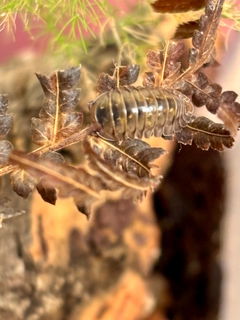
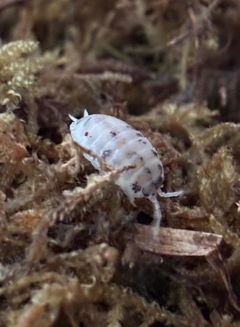
Citrus Panda King Isopods (Cubaris sp.)
£40.00
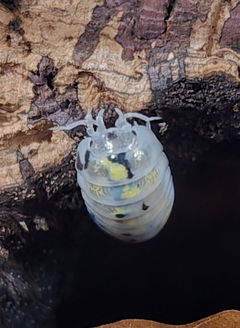
A brightly coloured morph of the Cubaris Sp. Panda King, these Citrus Panda Kings share all the advantages of a Panda King. A suitable species for people new to keeping slightly harder isopods, or even a beginner who is confident in keeping terrariums at the correct humidity. The appealing features of a Cubaris sp. Large enough to be visible, but small enough to thrive in a small enclosure, and relatively unfussy in terms of food.
• Origin: Vietnam
• Scientific Name: Cubaris Sp ‘Panda King’
• Difficulty Level: Easy
• Size: 10 to 18mm
• Rarity: Low/medium
• Temperature: 22°C to 28°C
• Humidity: 60% to 75%
• Diet: Leaf litter, decaying wood, vegetables
The original populations of Panda Kings came from the limestone caves of Vietnam. Eventually, a red/orange morph appeared, where the black sections of the Panda King were replaced with a red/orange colour. From that, a further morph was isolated in these fully citrus-coloured isopods. However, they have a white margin to their rear segments that can be larger in some individuals.
The citrus panda king morph has occurred in several species of isopod, in some species it is known as variegated. Interestingly it seems that there may be other morphs that can be bred by crossing these to other colours, but the information on the exact genes isn’t clear.
Needing slightly higher humidity levels than others, and enjoying burrowing, it's crucial to provide a healthy layer of substrate, cork bark and wood as places to hide, and potentially the enclosure might need regular misting.
They require some extra calcium in their diet, and some variety, as with most species leaf litter can provide the bulk of their diet, but add in a variety of fruits and veg, as well as some good quality fish food.
PostPods
Clown 'Montenegro' Isopods (Armadillidium Klugii)
£10.00
Clown Isopods (Armadillidium klugii 'Montenegro') are among the most visually striking species in the hobby. Their dramatic colouration - dark bodies edged with red "skirts" and scattered with yellow or cream spots - is genuinely eye-catching and unlike anything else in most collections.
The name "Clown" comes from their spotted, colourful appearance, though their behaviour is anything but clownish. These are actually rather shy, retiring isopods that prefer to stay hidden, particularly when first introduced to a new environment. The "Montenegro" designation refers to their geographic origin along the Adriatic coast.
What makes their appearance particularly fascinating is that it's thought to be a form of mimicry. The colour pattern closely resembles the Mediterranean black widow spider (Latrodectus tredecimguttatus), potentially deterring predators who mistake these harmless isopods for something far more dangerous.
Armadillidium klugii are well-suited to drier setups than many isopod species, making them excellent choices for semi-arid bioactive enclosures where tropical species would struggle.
A Glimpse
Origin: Montenegro, Adriatic coast (Balkan region of Europe)
Scientific Name: Armadillidium klugii 'Montenegro'
Difficulty Level: Easy to Medium
Size: Up to 18mm
Temperature: 21-27°C (23-26°C optimal for breeding)
Humidity: 30-50% (with moisture gradient)
Rarity: Low to Medium
An Overview
Armadillidium klugii originates from the coastlines of the Adriatic Sea, ranging from Croatia through Montenegro and into Albania and western Greece. The "Montenegro" variety is one of several regional forms available, each with slightly different colouration.
Montenegro Clowns typically display dark grey to black bodies with distinctive red edging (the "skirt") around their segments, decorated with yellow, cream, or white spots. The exact colouration varies between individuals, and some specimens show more vibrant markings than others. Their cousin, the "Dubrovnik" variety from Croatia, tends to have simpler white spots without the same red colouration.
These isopods have a reputation for being slow starters. New cultures often take time to settle in, and it's not unusual to lose a few individuals during the initial adjustment period. Don't be discouraged - this is normal for the species. Once established, they become reliable breeders, particularly during warmer months.
Behaviourally, Clown Isopods are notably shy compared to more confident species like Zebras or Magic Potions. They prefer to stay hidden and are most active at night. You may not see them as often as other species, but their striking appearance makes every sighting worthwhile.
Varieties
Several regional varieties of Armadillidium klugii are available in the hobby:
Montenegro - Dark bodies with red skirts and yellow/cream coloured spots. The classic "Clown" look.
Dubrovnik - From Croatia, typically showing brighter red coloration with white spots rather than coloured ones.
Montenegro Orange - A selectively bred morph with vibrant orange base colouration instead of dark grey/black. Highly sought after by collectors.
All varieties share similar care requirements.
Basic Care
Clown Isopods require slightly different care than many tropical species. They're adapted to drier, Mediterranean-type conditions and won't thrive in constantly humid enclosures.
The key to success with A. klugii is providing a proper moisture gradient. Unlike species that prefer uniformly humid conditions, Clowns need a sharp divide between wet and dry areas. Roughly one-third of the enclosure should be kept damp (using sphagnum moss), while the remaining two-thirds stays dry to bone-dry. They absolutely must have access to a moist area for rehydration, but the majority of their environment should be arid.
Good ventilation is essential - more so than for tropical species. Stagnant, humid air quickly leads to mould problems and can cause colony crashes. Add plenty of ventilation holes to your enclosure and ensure air can circulate freely.
Temperature should be maintained at 21-27°C, with the higher end of this range (23-26°C) encouraging faster breeding. They'll tolerate typical room temperatures without issue.
A shoebox-sized container (6-8 quart) works well for a starter colony. These isopods are slow to establish, so patience is required - expect 3-4 months before you start seeing offspring.
One important note: Clown Isopod cultures can crash relatively quickly if their specific needs (moisture gradient, ventilation, protein) aren't consistently met. They're not difficult to keep, but they do require attention to these details.
Feeding
Clown Isopods are detritivores with a preference for leaf litter and softwood over fresh vegetables. Their diet in the wild consists primarily of decomposing organic matter.
Primary foods (should always be available):
Hardwood leaf litter (oak is excellent, magnolia leaves are reportedly a particular favourite)
Soft, rotting wood
Sphagnum moss (they'll graze on this)
Bark pieces
Supplementary foods (offered 1-2 times weekly):
Fresh vegetables - carrots, courgette, cucumber, squash
Soft plants (they enjoy nibbling on moss and soft-leaved plants)
Protein sources - fish flakes, freeze-dried shrimp, dried mealworms
Commercial isopod foods
Calcium supplementation is particularly important for this species. Provide constant access to:
Cuttlefish bone
Crushed eggshells
Calcium powder
Maintaining calcium availability is crucial for breeding success - don't let supplements run out.
Clown Isopods have hard exoskeletons that require plenty of calcium and protein for healthy moulting and reproduction. The freeze-dried shrimp/fish provides both and is an excellent supplement.
Feed only what can be consumed within 2-3 days and remove uneaten fresh food promptly. In the drier conditions these isopods prefer, food spoilage is less rapid than in humid setups, but overfeeding can still attract pests like fungus gnats and mites.
Appearance and Behaviour
The Montenegro variety displays a dark grey to black base colour with distinctive red edging ("skirts") along the margins of each body segment. Scattered across the body are yellow, cream, or white spots in varying patterns - no two individuals look exactly alike.
Adults reach approximately 18mm in length. They have the characteristic rounded, pill-shaped body of Armadillidium species and can roll into a complete, gapless ball when threatened.
The striking colouration is believed to be Batesian mimicry of the Mediterranean black widow spider. By resembling a dangerous species, these harmless isopods may gain protection from predators who avoid them out of caution.
Behaviourally, Clown Isopods are notably shy and secretive. They're primarily nocturnal, doing most of their foraging at night. During the day, expect them to stay hidden under bark, in leaf litter, or burrowed into the substrate. They won't be as visible as more confident species, but this secretive nature is entirely normal.
They're social animals that live in clusters, using group behaviour to regulate their microenvironment and provide collective protection. Despite their shyness, they're peaceful and show no aggression toward tank mates.
Once established and comfortable, colonies become more active and visible, particularly at higher population densities. The initial adjustment period just requires patience.
Habitat
A plastic storage container (6-8 quart) or glass terrarium (5-10 gallons) works well for a starter colony. Ventilated enclosures are essential - if using a plastic tub, drill plenty of holes and cover them with fine mesh to prevent escapes.
Ventilation is critical for this species. More airflow than you'd provide for tropical isopods. Without adequate ventilation, enclosures become stagnant, encouraging mould growth and potentially causing colony crashes.
Temperature should be maintained at 21-27°C. For breeding, aim for the higher end (23-26°C). They tolerate typical household temperatures well.
Humidity should follow a strict gradient. Approximately one-third damp (30-40% in that area), two-thirds dry to bone-dry. This is different from most isopod setups and is essential for Clown Isopod health. They cannot tolerate uniformly humid conditions.
Hiding spots are essential for these shy isopods. Provide cork bark, wood pieces, and generous leaf litter on both the wet and dry sides. They'll spend most of their time hidden, so plenty of cover helps them feel secure.
Avoid placing the enclosure in direct sunlight, and don't use misting systems that would create uniformly high humidity.
Substrate Mix
The substrate setup for Clown Isopods differs from typical tropical isopod enclosures due to their need for a sharp moisture gradient.
For the dry section (approximately 2/3 of enclosure):
Coconut coir (allowed to dry)
Sand mixed in for drainage
Dry leaf litter on top
Cork bark and wood pieces for hides
For the moist section (approximately 1/3 of enclosure):
ABG mix or moisture-retentive substrate
Sphagnum moss layer
Damp leaf litter
Throughout:
Softwood pieces (rotting preferred)
Calcium supplements (cuttlebone pieces)
Cork bark for hiding
Generous leaf litter coverage
Substrate depth should be at least 5cm (2+ inches) to allow for burrowing and hiding. These isopods will dig into the substrate, particularly in the moist area.
The key is keeping the wet and dry sections distinctly separate. Water only the moist corner - pouring a small amount along the sides rather than misting the whole enclosure. The dry section should remain genuinely dry, not just "less wet."
Breeding
Clown Isopods breed readily once established, though they're slower to get started than some species. Patience is essential - most keepers report 3-4 months before offspring begin appearing.
For optimal breeding success, provide slightly elevated temperatures (23-26°C), maintain the proper moisture gradient, ensure constant calcium availability, and offer regular protein supplements.
Breeding activity tends to peak during warmer months, with colonies becoming more prolific in summer. The American varieties reportedly breed somewhat faster than European ones, but all Klugii take time to establish.
Females carry eggs in a brood pouch and give birth to live young. The tiny mancae can be raised alongside adults without issue. As the colony grows, you'll notice increased activity and visibility - established colonies are noticeably more confident than new ones.
Once breeding begins in earnest, colonies can become quite prolific. However, cultures can crash if care requirements slip, so maintain consistent attention to ventilation, moisture gradient, and calcium supplementation even after the colony is established.
Adding fresh bloodlines and substrate every 6-12 months can help prevent colony crashes and maintain genetic health.
PostPods
Crabby Isopods (Cubaris sp.)
£75.00
Crabby Isopods are an extraordinary species of Cubaris that have captured the hearts of isopod enthusiasts worldwide. Originating from the mysterious limestone caves of Thailand, these remarkable crustaceans bring a unique charm to any terrarium or bioactive setup. Their distinctive appearance and fascinating behaviour make them a prized addition to any serious collector's menagerie.
Species Overview
Place of Origin: Thailand
Kingdom: Animalia
Phylum: Arthropoda
Subphylum: Crustacea
Order: Isopoda
Family: Armadillidiidae
Genus: Cubaris
Species: Cubaris sp. "Crabby"
Key Care Requirements
Maintenance Effort: Medium
Ideal Temperature Range: 72°F-80°F (22°C-27°C)
Reproduction Rate: Slow to Moderate
Ventilation: High
General Size: 15-18mm
Rarity Level: Rare
Humidity Range: 70%-80%
Preferred Diet: Leaf litter, vegetables, protein supplements
Essential Supplements: Limestone, cuttlefish bone, calcium powder
Natural Habitat and Behaviour
In their native Thailand, Crabby Isopods inhabit the cool, humid environment of limestone caves and karst formations. These underground sanctuaries provide the perfect combination of high humidity, stable temperatures, and abundant calcium sources that these remarkable creatures require to thrive.
Like most Cubaris species, Crabby Isopods are naturally shy and secretive creatures. They spend much of their time burrowing through substrate layers and hiding beneath cork bark, emerging primarily during nighttime hours to forage for food. This fossorial behaviour makes them excellent candidates for bioactive vivarium setups where they can fulfil their natural role as ecosystem engineers.
Physical Characteristics
These medium-sized isopods display the characteristic charm that has made Cubaris species so popular among collectors. Their robust exoskeleton provides protection whilst their distinctive colouration helps them blend seamlessly into their cave environment. Like other members of the Armadillidiidae family, they possess the ability to roll into a protective ball when threatened, earning them the classification as true "pill bugs".
Adult Crabby Isopods typically reach 15-18mm in length, making them substantial enough to observe their fascinating behaviours whilst remaining manageable in captive environments. Their segmented bodies and prominent antennae give them an endearing appearance that has captivated hobbyists worldwide.
Diet and Nutrition
As natural detritivores, Crabby Isopods play a crucial ecological role in breaking down organic matter. In captivity, their diet should consist primarily of aged leaf litter and decaying hardwood, which form the foundation of their nutritional needs. Understanding their feeding habits is essential for maintaining a healthy colony.
Supplement their natural diet with small portions of organic vegetables such as carrots, sweet potatoes, and squash. High-quality protein sources like fish flakes, dried shrimp, or specialised isopod pellets should be offered 2-3 times per week to support healthy moulting and reproduction.
Calcium supplementation is absolutely critical for Crabby Isopods. Provide limestone chunks, powdered calcium, cuttlefish bone, or crushed eggshells to replicate the calcium-rich environment of their natural limestone caves. This mineral supplementation supports proper exoskeleton development and successful moulting cycles.
Creating the Perfect Enclosure
Successfully keeping Crabby Isopods requires replicating their natural cave environment. Start with a well-ventilated plastic container of at least 6-quart capacity for a starter culture. Proper ventilation is essential - create multiple airflow holes covered with fine mesh to maintain air circulation whilst preventing escapes.
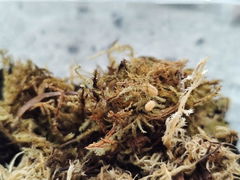
The substrate should be at least 6 inches deep to accommodate their burrowing behaviour. Use a moisture-retentive mix combining organic compost, leaf mould, and decomposed hardwood. Add a layer of sphagnum moss in one section to create humidity gradients and hiding opportunities.
Furnish the enclosure with cork bark pieces, limestone chunks, and abundant leaf litter. These elements serve multiple purposes: providing hiding spots, creating microclimates, offering food sources, and supplying essential calcium. The setup should mimic the layered environment of their natural cave habitat.
Temperature and Humidity Management
Maintain temperatures between 72-80°F (22-27°C) to keep your Crabby Isopods active and healthy. Avoid dramatic temperature fluctuations, as these can stress the colony and impact reproduction rates. A consistent warm environment encourages natural behaviours and steady growth.
High humidity levels of 70-80% are essential, but ensure adequate ventilation to prevent stagnant air and mould issues. Monitor moisture levels carefully - the substrate should feel damp but never waterlogged. Create a moisture gradient with one end slightly drier to give isopods options for thermoregulation.
Breeding and Colony Development
Crabby Isopods reproduce at a moderate pace once established, typically producing small broods of 5-15 offspring. Females carry their eggs in a marsupium (brood pouch) for approximately 4-6 weeks before releasing miniature versions of the adults called mancae.
Successful breeding requires stable conditions, adequate nutrition, and minimal disturbance. Young isopods remain with their mother for several weeks, receiving nourishment and protection during their vulnerable early stages. Building a thriving colony takes patience, but established cultures can provide years of enjoyment.
Care Difficulty and Considerations
Crabby Isopods are classified as medium-difficulty species, making them suitable for keepers with some prior isopod experience. They require more attention to environmental parameters than beginner species but are more forgiving than the most challenging Cubaris varieties.
Success with this species depends on maintaining consistent conditions, providing proper nutrition, and understanding their shy nature. They prefer minimal handling and disturbance, thriving best when left to establish their own routines within a well-designed habitat.
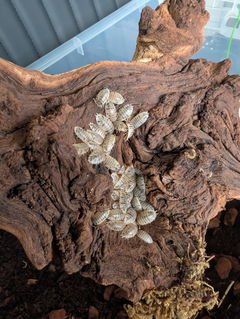
For newcomers to the hobby, consider starting with beginner-friendly species before advancing to these more specialised Cubaris varieties. However, dedicated keepers who research proper care techniques will find Crabby Isopods to be rewarding and fascinating terrarium inhabitants.
Why Choose Crabby Isopods?
These remarkable creatures offer a unique combination of beauty, behaviour, and biological function that makes them standout additions to any collection. Their role as bioactive cleanup crew members makes them invaluable in naturalistic setups, where they continuously work to process organic waste and maintain healthy substrate conditions.
Beyond their practical benefits, Crabby Isopods provide endless opportunities for observation and study. Their complex social behaviours, moulting cycles, and reproductive strategies offer insights into the fascinating world of terrestrial crustaceans.
Whether you're selecting species for your collection or seeking unique additions to your terrarium, Crabby Isopods represent an excellent choice for dedicated enthusiasts ready to provide the specialised care these remarkable creatures deserve.
Shipping Information
Isopods are posted Monday to Thursday using Royal Mail's next day by 1pm service
Plus 20% overcount sent with every order
24/7 live chat available - We are always here and happy to chat! (subject to sleeping)
Helpful Resources
Cubaris Isopod Care: A Comprehensive Guide
What Do Woodlice Eat? Top Foods and Feeding Habits Explained
Top Isopod Species for Your Vivarium
How to Choose the Right Isopod Species
Best Isopods for Beginners (UK Edition)
PostPods
Crushed Oyster Shell 100g
£2.50
An essential calcium supplement for any invertebrate keeper. Our 100g bag of crushed oyster shell provides a natural, long-lasting source of calcium carbonate along with trace minerals including magnesium, sodium, iron, strontium, and other micro-elements. Calcium is one of the most important nutrients you can offer your invertebrates — without it, exoskeletons weaken, moults fail, and shells deteriorate. A 100g bag will last most keepers a long time, as only a small amount is needed per enclosure.
Why Crushed Oyster Shell?
All arthropods and molluscs rely on calcium to build and maintain their protective outer structures. Isopods, millipedes, snails, and crabs all undergo regular moulting or continuous shell growth, and each of these processes demands a reliable supply of calcium. Crushed oyster shell is one of the best ways to deliver it — it breaks down slowly, won't foul your enclosure, and unlike egg shells, it doesn't attract mites. Your invertebrates will use their mandibles to gradually break down and consume the shell fragments over time, giving them a steady, sustained source of calcium between top-ups.
Which Invertebrates Benefit?
Crushed oyster shell is a versatile calcium source that benefits a huge range of species commonly kept in the hobby:
Isopods (All Genera)
Calcium is critical for all isopods. As terrestrial crustaceans, they have a chitin-and-calcium-carbonate exoskeleton that is shed regularly as they grow. Without adequate calcium, moults can fail and exoskeletons become soft and deformed.
Armadillidium – Roly-poly species like A. vulgare, A. maculatum (Zebra), A. klugii (Clown), and A. gestroi have thick, domed exoskeletons that demand high calcium intake. These species in particular benefit from having crushed oyster shell consistently available.
Porcellio – Active, fast-growing species such as P. scaber, P. laevis (Dairy Cow), P. ornatus, and the larger Spanish species like P. expansus, P. hoffmannseggi, and P. bolivari moult frequently and need a reliable calcium source to keep up with their rapid growth.
Cubaris – Premium species like Rubber Ducky, Panda King, and other Cubaris varieties need calcium to support healthy moulting and colony development, especially given their slower reproduction rates.
Porcellionides – Powder isopods (P. pruinosus morphs) breed rapidly and moult often, making a constant calcium supply essential to sustain fast-growing colonies.
Ardentiella (ex Merulanella), Cristarmadillidium, Oniscus, Venezillo, Trachelipus, Troglodillo & others – Every isopod genus in the hobby benefits from supplemental calcium. It should be treated as a non-negotiable staple in every enclosure.
Millipedes
Millipedes have a hardened, calcified exoskeleton made up of dozens of segments, and they add new segments with every moult throughout their lives. Calcium deficiency is one of the most common causes of weak, pitted, or deformed exoskeletons in captive millipedes. Species like the Giant African Millipede (Archispirostreptus gigas), Spirostreptus, and other commonly kept genera will readily consume crushed oyster shell mixed into their substrate. In the wild, millipedes actively seek out and chew on calcium-rich rocks and mineral deposits — crushed oyster shell replicates this in captivity.
Giant African Land Snails (GALS) & Other Land Snails
Snail shells are made almost entirely of calcium carbonate, so calcium supplementation isn't optional — it's essential for survival. Without it, shells become thin, pitted, cracked, and prone to breakage. Crushed oyster shell can be mixed into the substrate or offered in a shallow dish, and snails will actively seek it out. It works brilliantly as an alternative or complement to cuttlebone for all land snail species including Achatina, Lissachatina, Cornu, and garden snail species.
Hermit Crabs
Hermit crabs rely on calcium for healthy exoskeleton development and successful moulting. Crushed oyster shell is one of the most commonly recommended calcium sources in the hermit crab hobby — many keepers find their crabs consume it more readily than cuttlebone. It can be offered in a dish or mixed into the substrate.
Cockroaches & Beetles
Dubia roaches, hissing cockroaches, and other feeder or pet roach species benefit from calcium supplementation, particularly breeding females. Beetle larvae and adults with calcified exoskeletons also benefit from having oyster shell available in their substrate.
How to Use
For isopods: Sprinkle a small amount into the enclosure — either directly onto the substrate surface or in a food dish. Top up as it gets consumed, typically every few weeks.
For millipedes: Mix into the substrate so your millipedes can graze on it as they burrow. You can also place small piles on the surface near feeding areas.
For snails: Offer in a shallow dish or mix into the top layer of substrate. Snails will find it and consume it as needed.
For hermit crabs: Place in a calcium dish within the enclosure alongside other calcium sources.
What You Get
100g of 100% natural crushed oyster shell. No additives, no chemicals — just pure, clean oyster shell.
PostPods
Crystal Pineapple Isopods (Cristarmadillidium Muricatum)
£17.50
£25.00
Crystal Pineapple Isopods, also known as Cristarmadillidium muricatum 'Crystal Pineapple', are one of the rarest and most unique small species of isopods. Native to Spain, these crystal pineapple isopods are known for their distinctive, spiky, yellow to orange appearance that resembles a pineapple. Their unique look and manageable care requirements have made them highly sought after by exotic pet enthusiasts.
Scientific Name: Cristarmadillidium muricatum 'Crystal Pineapple'
Other Common Name: European Spiny Isopod, Crystal Pineapple Isopod
Origin: Spain
Size: Adults reach 6-8mm; a variety of sizes may be included in each order
Difficulty level: Medium
Breeding rate: Normal
Temperature: 64℉ to 75℉
Rarity: High
Humidity: 50% to 70% (Dry arid environment)
Favorite food: decaying leaves, rotting white wood, molting of invertebrates and reptiles
Supplements: cuttlefish bone, limestone
Stock: Our captive-bred stock is available in limited quantities, with a variety of sizes and ages to suit breeders and hobbyists.
Receive: You will receive a mix of sizes and ages, including adults and juveniles, to help establish a healthy breeding colony.
Orders: Orders are processed and grouped for dispatch once a week; please note the cut-off time for timely delivery.
Cristarmadillidium muricatum crystal pineapple: Introduction
The Crystal Pineapple Isopods, often referred to as "crystal pineapples," are a visually distinctive species known for their pale coloration and unique appearance. Native to the Mediterranean region of Spain, these isopods are quite shy and prefer to hide under leaves and cork bark, becoming active during nighttime and early mornings.
Compared to other isopods, crystal pineapples stand out due to their rarity, smaller size, and specific care requirements. While many other isopods thrive in higher humidity, this species prefers a dry, well-ventilated environment to ensure proper moulting and overall health. Their preference for a less moist environment compared to other isopods makes ample airflow and lower humidity levels essential for their care. Their striking features and colour are what make them unique from other species. They are rare and are a tad bit difficult to take care of. Due to its tiny appearance, it needs to be handled with care.
Crystal Pineapple Isopods: Characteristics and Traits
Has a spiky exoskeleton that resembles a pineapple.
Adults of this small species reach 6-7mm in length, making them one of the smallest isopods.
Adults play a key role in breeding colonies, contributing to the growth and sustainability of the population.
They are nocturnal; therefore, they are active during the night and early mornings.
The isopods roll into a ball when they sense danger.
They have a light yellow to washed-out orange color, which is different from other bright-colored isopods.
They are hardy and easy to breed on decayed leaves and rotting wood.
Like other Spanish species, these prefer a less moist environment with plenty of airflow, thriving in dry and arid conditions.
When maintained at the desired temperature and humidity, it enables breeding and producing large broods.
These species require plenty of air circulation in their enclosure to mimic the environment.
Crystal Pineapple Isopods: Diet
As detritivores, these roly polys consume pretty much everything. But in captivity, providing various types of food is important. Leaf litter is an essential part of their diet, providing both nutrition and habitat. Suitable foods include leaves, rotten wooden bark of oak, and white wood, which will help provide nutrition as well as a habitat for the creatures. Ensure a balanced diet with a variety of foods to promote optimal health.
Vegetable scraps and vegetables like carrots and cucumbers help to provide necessary nutrition. It is crucial to add protein twice a week in their diet, therefore fish food, molting of other reptiles and invertebrates and dried shrimp is added for protein. Substitutes like cuttlebone and limestone provide a rich source of calcium which is necessary for this species. It is crucial to avoid feeding food that has no salt in it and wooden bark and leaves have no pesticide.
Crystal Pineapple Isopods: Basic Care and Maintenance
To maintain the thriving population, it is crucial to provide basic care for the isopods. People who are pets to these creatures require timely care and attention.
Check and make sure the temperature of the enclosure is maintained regularly. It is important to make sure that the temperature falls within their ideal range.
Though these creatures prefer a dry atmosphere, it doesn't mean a desert-like atmosphere. Providing moisture on parts that have sphagnum moss helps to retain and provide necessary hydration. For additional information about how live plants can benefit isopod enclosures, see Keeping live plants with your isopods. Make sure to maintain the humidity at the ideal humidity level for the isopods to thrive.
To maintain a healthy environment, it is important to clean the enclosure and remove any remaining food bits within the substrate.
Make sure to occasionally add supplements like oyster shells and cuttlebone for better nutrition.
Monitor the size of the brood and make sure to provide another enclosure if the species are overpopulated. This helps to prevent overcrowding and competition among species for food and other resources.
Maintain the enclosure free of fruit flies, molds, gnats, and other harmful parasites that may affect the population.
Providing timely supplements into the enclosure for the species to have a healthy exoskeleton.
Crystal Pineapple Isopods: Natural Habitat and Moist Environment Compared
These crustaceans are native to the Mediterranean region of Spain. Their natural habitat is dry and arid, with less moisture and plenty of ventilation. These critters do require water but in very small quantities. Though these isopods are quite versatile, it is important to mimic their natural habitat. This helps to provide an optimal environment for the breeding and health of the isopods.
Crystal Pineapple Isopods: Artificial Setting
Creating a suitable environment in an artificial setting is important. It helps to maintain optimal health and bring out their natural character for hobbyists to admire and observe.
The isopods have to be kept in a shoebox-size enclosure. The temperature must be maintained around 18℃ to 24℃, which is ideal for the critters to breed and for optimal health. Since they are from an arid region, the setting should mirror their natural habitat.
Even though these isopods prefer arid, they still need hydration. Therefore, adding sphagnum moss helps retain moisture in the artificial setting.
These species prefer plenty of airflow in the enclosure. When setting up an artificial setting, it is important to invest in an enclosure with ventilation. The ventilation needs to be small or covered with mesh to prevent these creatures from escaping. If opting for a DIY method, make sure to drill small holes around the enclosure above the substrate to maintain the microclimate of the artificial setting.
Premium substrate mixes for isopods are available in stores, which helps provide a perfect mix of elements. If you're interested in taking your isopod care further and potentially breeding your isopods for profit, proper substrate is a great starting point. These elements include:
Flake soil
Organic potting soil
Oyster seashell
Adding the substrate mix provides a perfect base for the artificial setting. Make sure to provide a thick bed of around 3 inches to provide ample space for the creatures to hide and dig.
When adding the substrate, opt for an isopod substrate mix, which provides a complete base for the enclosure. Add leaves on the substrate along with limestone rocks to the substrate. For hydration, add sphagnum moss to the side of the box instead of covering the whole enclosure. Make sure to provide wooden bark as well to provide hiding space and mimic the natural environment.
Since these species are shy in nature, therefore cork bark flat helps to provide hiding space for the isopod brood. Adding dried leaves and limestone also acts as a hiding space as well as provide necessary nourishment for the isopods.
By taking these steps, one can create a perfect environment for the Crystal Pineapple Isopods to reproduce and thrive well.
PostPods
Cubaris Black Diamond Isopods
£90.00
Cubaris Black Diamond Isopods (Cubaris sp.) are a striking species from Thailand, notable for their dark grey to purplish colouration with distinctive white or yellow tail sections. Originating from the cool, humid limestone caves of Southeast Asia, these larger-bodied Cubaris prefer temperatures on the cooler end compared to many tropical isopods. They're a rewarding species for keepers with some experience, though they do require attention to temperature stability and humidity levels.
A Glimpse
Origin: Thailand
Scientific Name: Cubaris sp. "Black Diamond"
Difficulty Level: Medium
Average Size: 14mm
Rarity: Very Rare
Lifespan: 2-3 years
Temperature: 70-80°F (21°C-27°C)
Ventilation: Low
Humidity: 70-80%
Favourite food: Mango, carrots, vegetables
Supplements: Crushed limestone, cuttlefish bone
Black Diamond Isopods: Introduction
Black Diamond isopods are cave-dwelling Cubaris that have adapted to the cool limestone environments of Thailand. Unlike many tropical Cubaris species that thrive in warmer conditions, Black Diamonds actually prefer cooler temperatures and can become stressed or experience higher mortality rates if kept too warm. They're typically observed in small groups in the wild, traversing moist cave floors and rocky surfaces.
Black Diamond Isopods: Physical Traits and Characteristics
These are one of the larger Cubaris species, reaching approximately 14mm at maturity.
Their exoskeleton displays a beautiful dark grey to purplish hue, with contrasting white or yellow colouration on the tail segments.
Like other Cubaris, they possess the ability to roll into a ball when threatened.
Their colouration makes them visually distinct from other species in the hobby.
They are relatively shy and prefer to stay hidden, making adequate cover essential.
Breeding rate is moderate compared to some of the more prolific species.
Black Diamond Isopods: Diet
Black Diamond isopods are detritivores like all isopods, feeding primarily on decaying organic matter. In captivity, they've shown a particular fondness for mango and carrots, alongside the standard isopod diet.
Calcium is essential for healthy exoskeleton development and moulting. Provide sources such as crushed limestone, cuttlefish bone, or powdered eggshells. Given their limestone cave origins, calcium supplementation is particularly important for this species.
Protein should be offered regularly to support breeding and overall health. Dried shrimp, fish flakes, and commercial isopod food mixes work well.
Leaf litter forms the foundation of their diet. Provide pesticide-free oak, magnolia, or other hardwood leaves throughout the enclosure.
Black Diamond Isopods: Habitat
Creating the right environment is crucial for Black Diamond isopods, particularly regarding temperature:
Temperature: This is critical - Black Diamond isopods prefer cooler conditions between 60°F-75°F (15°C-24°C). Higher temperatures can cause stress and increased mortality. This makes them unsuitable for heated reptile enclosures.
Humidity: Maintain 70-80% humidity with a moisture gradient - one side wetter with sphagnum moss, the other drier.
Substrate: Use a deep substrate mix (at least 2.5 inches) incorporating organic matter, leaf litter, and limestone pieces. Avoid coco coir as the primary substrate for Cubaris - a soil-based mix with added limestone is more appropriate.
Hiding spots: Provide plenty of cover using flat cork bark, rotten wood, and leaf litter. These isopods are shy and will spend most of their time hidden.
Ventilation: Keep ventilation low to maintain humidity, but ensure some airflow to prevent stagnation.
Black Diamond Isopods: Behaviour
Black Diamond isopods are secretive creatures that prefer to remain hidden. Don't expect to see them often - they'll spend most of their time beneath substrate, cork bark, and leaf litter. They're not particularly interactive pets and are best suited to keepers who appreciate observing natural behaviours rather than handling.
Their moderate breeding rate means colonies establish slowly. Patience is required, and disturbing the enclosure frequently can set back breeding efforts.
Who Are Black Diamond Isopods Suited For?
These isopods are best suited for keepers with some prior Cubaris experience who can provide stable, cooler conditions. They're not ideal for heated bioactive setups or for those wanting a fast-breeding cleanup crew. However, for collectors who appreciate unusual colouration and can meet their specific temperature requirements, Black Diamond isopods make a distinctive and rewarding addition to any collection.
PostPods
Cubaris Cherry Blossom Isopods
£90.00
Cubaris sp. "Cherry Blossom" is one of the most visually stunning isopods in the hobby. Named for its soft pink and white colouration reminiscent of cherry blossom petals, this species stands out immediately in any collection. If you're looking for an isopod that genuinely makes people stop and say "wait, that's an isopod?" - this is the one.
Cherry Blossom isopods are a selectively bred colour morph isolated from Cubaris sp. "Red Pak Chong" stock, with the original line developed in Japan. Interestingly, while the Japanese breeders named them "Cherry Blossom," American hobbyists often call them "Sakura" - which is just the Japanese word for cherry blossom. Full circle.
These aren't beginner isopods. They're slow breeders, relatively sensitive to environmental fluctuations, and command a premium price. But for keepers who've cut their teeth on hardier species and want something genuinely special, Cherry Blossom isopods are absolutely worth the investment.
A Glimpse
Origin: Captive bred (selectively bred morph of Red Pak Chong lineage)
Scientific Name: Cubaris sp. "Cherry Blossom"
Difficulty Level: Medium
Size: Up to 15mm
Temperature: 22-26°C
Humidity: 70-80%
Rarity: Rare
An Overview
Cubaris sp. "Cherry Blossom" emerged from selective breeding of the Red Pak Chong lineage - itself originating from the limestone caves and karst formations of Thailand's Pak Chong district. The original Cherry Blossom line was isolated in Japan, where breeders selected for the distinctive pastel pink colouration that sets this morph apart.
What makes Cherry Blossom so desirable is the soft, almost ethereal pink tone across their bodies, complemented by paler segmentation. The effect genuinely does evoke cherry blossom petals, and it's unlike anything else in the isopod hobby. They maintain this colouration throughout their lives, making them a permanent centrepiece species rather than one that fades as they mature.
Unlike some of the more sedentary Cubaris species, Cherry Blossoms are surprisingly active and curious. They'll explore their enclosure, and you'll often find some hanging about in the open rather than permanently burrowed away. This makes them more rewarding to observe than many other high-end Cubaris varieties.
Like their Red Pak Chong relatives, Cherry Blossoms share the genetic heritage of cave-dwelling ancestors. This means they appreciate high humidity, stable conditions, and plenty of calcium in their diet to support healthy exoskeleton development.
Basic Care
These are tropical isopods that require consistent warmth and humidity. Temperature fluctuations and dry conditions can stress them quickly.
They're burrowers by nature, so provide deep substrate (at least 7-10cm) to allow for natural behaviour.
While they need high humidity, good ventilation remains important. Stagnant, overly wet conditions invite mould and can harm the colony. Aim for a balance - moist but not waterlogged, with adequate airflow.
Cherry Blossoms are shy creatures. Provide plenty of hiding spots including cork bark, moss, and thick leaf litter. They particularly seem to enjoy hiding inside acorn caps if you can source them.
Minimise disturbance. These aren't isopods you want to be constantly checking on or moving around. Set up the enclosure properly from the start and let them settle.
Start with a reasonable group size (10+ individuals) to ensure genetic diversity and increase breeding success. Small starter groups can struggle to establish.
Expect slow reproduction. This isn't Porcellio pruinosus - broods are smaller and less frequent. Patience is required.
Feeding
Cherry Blossom isopods are detritivores with the typical Cubaris diet, though they benefit from slightly higher protein than some other species.
Primary food sources:
Decaying hardwood leaf litter (oak, beech, magnolia) - this should form the bulk of their diet
Rotting white wood
Sphagnum moss
Supplementary foods:
Fresh vegetables - particularly those high in carotenoids (pumpkin, carrot, sweet potato, corn, sweet peppers) which may help maintain colouration
Fish flakes or dried shrimp (for protein, 2-3 times weekly)
Soft fruits occasionally
Lichen if available
Calcium is essential for healthy moulting and exoskeleton development. Provide constant access to:
Cuttlefish bone
Limestone chunks
Crushed eggshells
Oyster shell
Calcium powder
Given their limestone cave origins, Cherry Blossoms have a higher calcium requirement than many species. Don't skimp on this.
Remove uneaten fresh food within 24-48 hours to prevent mould.
Appearance and Behaviour
The defining feature of Cherry Blossom isopods is their distinctive pastel pink colouration, often with paler or cream-coloured segmentation that creates a delicate, blossom-like appearance. Adults reach approximately 15mm at maturity.
They have the typical rounded, conglobating (ball-rolling) body shape characteristic of the Cubaris genus. When threatened, they'll curl into a tight ball - though well-established colonies in a settled enclosure rarely feel the need to do this.
Behaviourally, Cherry Blossoms are more active than many Cubaris species. While they still spend plenty of time burrowed or hidden, you'll frequently see individuals exploring, especially during evening and nighttime hours. They're curious isopods that seem to enjoy investigating their environment.
They're also faster movers than some of the more sedentary Cubaris varieties. This adds energy and interest to watching them but also means you need to be careful when opening the enclosure - they can make a dash for it if given the opportunity.
Like all Cubaris, they're social and should be kept in groups. They coexist peacefully and there's no aggression to worry about.
Habitat
A secure enclosure is essential. While Cherry Blossoms aren't strong climbers on smooth surfaces, use a well-fitted lid to maintain humidity and prevent escapes.
Size-wise, start with at least a 6-quart container for a small colony. Larger is better for established groups and allows for better humidity gradients.
Temperature should be maintained at 22-26°C. Avoid temperatures below 18°C or above 28°C. Consistent warmth is more important than hitting a specific number.
Humidity needs to be high - around 70-80%. The substrate should remain moist (not wet) at all times. One corner can be kept slightly drier to create a gradient.
Ventilation is still important despite the high humidity requirement. Multiple small ventilation holes with fine mesh work well. Avoid completely sealed enclosures.
Provide lots of hiding opportunities: cork bark flats, moss patches, thick leaf litter, and similar. The more secure they feel, the better they'll do.
Lighting isn't critical. Ambient room light is fine. They're largely nocturnal but will come out during the day in a well-established colony.
Substrate Mix
Getting the substrate right is crucial for Cubaris species, and Cherry Blossoms are no exception. They need a moisture-retentive mix that mimics their natural environment while providing nutrition and burrowing opportunities.
A good substrate mix consists of:
40% organic potting soil (pesticide-free)
30% coconut coir
20% sphagnum moss
10% leaf litter (mixed into substrate, with more layered on top)
To this base, add:
Rotting white wood pieces
Limestone chunks or crusite
Additional leaf litter on the surface (oak, beech, magnolia)
Patches of live or dried moss
Substrate depth should be at least 7-10cm to accommodate their burrowing behaviour. These isopods dig, and they need the space to do so comfortably.
Maintain a moisture gradient: one end of the enclosure slightly damper than the other. This allows the isopods to self-regulate and find their preferred conditions. Mist regularly but avoid waterlogging - the substrate should be moist to the touch but not squelching wet.
The limestone chunks serve double duty: they help buffer the substrate pH and provide an accessible calcium source that the isopods will graze on.
PostPods
Cubaris Crazy Horse Isopods
£90.00
Cubaris Crazy Horse Isopods (Cubaris sp.) are a visually striking variety featuring mottled brown, tan, and rusty orange colouration that gives them a wild, untamed appearance - hence the name. Like most Cubaris species, they originate from Southeast Asia and share the typical care requirements of the genus: high humidity, warm temperatures, and calcium-rich substrates.
A Glimpse
Origin: Thailand
Scientific Name: Cubaris sp. "Crazy Horse"
Maintenance required: Medium
Average Size: 12-15mm
Rarity: Very Rare
Lifespan: 2-3 years
Temperature: 70°F-80°F (21°C-27°C)
Ventilation: Low
Humidity: 70-80%
Favourite food: Leaf litter, vegetables, decaying wood
Supplements: Crushed limestone, cuttlefish bone
Crazy Horse Isopods: Introduction
Crazy Horse isopods are a lesser-known Cubaris variety that appeals to collectors looking for something different from the more commonly seen species. Their earthy, mottled colouration sets them apart from the brighter Cubaris morphs, offering a more natural aesthetic that blends beautifully with bioactive setups. As with most Cubaris species, they're believed to originate from the limestone cave systems and humid forests of Thailand or surrounding regions.
This is still a relatively new variety in the hobby, so detailed locality and breeding information is limited. What we do know is that they respond well to standard Cubaris care protocols.
Crazy Horse Isopods: Physical Traits and Characteristics
Medium-sized Cubaris reaching approximately 12-15mm at maturity.
Their colouration features a mix of browns, tans, and rusty orange tones in a mottled pattern.
Individual variation is common, with some specimens displaying more orange whilst others lean towards darker browns.
Like all Cubaris, they possess the ability to roll into a protective ball when threatened.
Their earthy tones make them excellent for naturalistic terrarium displays where they blend into leaf litter and substrate.
Crazy Horse Isopods: Diet
As detritivores, Crazy Horse isopods feed primarily on decaying organic matter. In captivity, provide a varied diet to keep them healthy.
Leaf litter should form the basis of their diet. Offer pesticide-free oak, beech, or magnolia leaves throughout the enclosure - this mimics their natural food source and provides hiding spots.
Calcium is essential for proper moulting and exoskeleton development. Cubaris species from limestone regions have high calcium requirements, so provide cuttlefish bone, crushed limestone, or powdered eggshells. Consider adding small limestone pieces to the enclosure.
Protein supports breeding and growth. Offer dried shrimp, fish flakes, or commercial isopod food occasionally.
Vegetables like carrots, sweet potato, and butternut squash make excellent supplementary foods. Remove uneaten portions after a day or two to prevent mould.
Crazy Horse Isopods: Behaviour
Like other Cubaris species, Crazy Horse isopods are shy and prefer to remain hidden during daylight hours. They're most active at night when they emerge to forage. Don't expect to see them frequently - they'll spend much of their time beneath substrate, cork bark, and leaf litter.
They're not particularly fast-moving and have a calm temperament. When disturbed, they'll typically freeze or roll into a ball rather than flee. This makes them poor choices if you want an active, visible species, but ideal for keepers who enjoy setting up naturalistic enclosures and observing natural behaviours.
Crazy Horse Isopods: Habitat
Creating an appropriate habitat is essential for Cubaris success:
Enclosure: A plastic tub or glass terrarium works well. Ensure the enclosure retains humidity but has some ventilation to prevent stagnation. A 6-litre container is suitable for a starter colony.
Substrate: Use a soil-based substrate mix at least 2.5-3 inches deep. Include organic matter, decaying hardwood, and limestone pieces. Avoid relying heavily on coco coir alone - Cubaris do better with a richer, more varied substrate.
Moisture gradient: Keep one side of the enclosure moist with sphagnum moss whilst leaving the other side drier. This allows the isopods to regulate their own moisture levels.
Temperature: Maintain temperatures between 70-80°F (21-27°C). Room temperature in most UK homes during warmer months is often suitable, but a heat mat on a thermostat may be needed in winter.
Hiding spots: Provide plenty of cork bark, rotten wood, and leaf litter. Cubaris are secretive and need ample cover to feel secure.
Crazy Horse Isopods: Breeding
Breeding rate for this variety appears to be moderate, typical of most Cubaris species. They're not as prolific as some Porcellio species, so patience is required when establishing a colony. Females carry eggs in a brood pouch until the young hatch as miniature versions of the adults.
Stable conditions are key to encouraging breeding. Avoid large fluctuations in temperature and humidity, and ensure calcium is always available. Disturbing the enclosure too frequently can stress the colony and reduce breeding success.
Who Are Crazy Horse Isopods Suited For?
These isopods suit keepers with some experience who are looking to expand their Cubaris collection with a less common variety. Their earthy colouration makes them ideal for naturalistic bioactive setups where you want isopods that blend in rather than stand out. They're not the best choice for complete beginners - consider starting with Cubaris murina or Panda King if you're new to the genus. However, for those comfortable with basic Cubaris care, Crazy Horse isopods offer something a bit different from the mainstream morphs.
PostPods
Cubaris Daxin Tricolor Isopods
£60.00
A small Chinese Cubaris species with a distinctive three-colour banding pattern across its body segments.
Cubaris Daxin Tricolor Isopods: A Glimpse
Origin: Daxin County, Guangxi, China
Scientific Name: Cubaris sp. 'Daxin Tricolor'
Difficulty Level: Low to Medium
Size: Up to 1.5cm
Rarity: Rare
Temperature: 18°C to 27°C
Humidity: 70% to 80% (medium-high)
Favorite Foods: Leaf litter, decaying wood, vegetables, fish food
Supplements: Limestone, cuttlebone, calcium powder, protein sources
Cubaris Daxin Tricolor Isopods: An Overview
Daxin Tricolor isopods originate from the Guangxi region of southern China. They've gained attention in the hobby primarily for their colouration, which features three distinct colour bands across their body segments, typically combining shades of orange, black, and white or cream. Some keepers compare the pattern to candy corn, though the exact colouration can vary between individuals.
These are a relatively smaller Cubaris species, staying compact at around 1.5cm when fully grown. They're not as demanding as some of the more sensitive Cubaris varieties like Rubber Ducky, making them a reasonable option for keepers who want to try a Chinese Cubaris without jumping straight to the most challenging species.
That said, they're still Cubaris. They have the typical Cubaris personality: shy, secretive, and inclined to spend most of their time buried in substrate or hiding under bark. Don't expect them to parade around on the surface for your viewing pleasure. You'll see them mostly during evening hours, when feeding, or when you disturb the substrate.
Cubaris Daxin Tricolor Isopods: Appearance
The "tricolor" name describes the banding pattern that runs across their segmented bodies. Most specimens show a combination of orange, black, and lighter cream or white bands. The exact distribution and intensity of these colours varies between individuals, which adds interest when watching a colony develop.
They have the typical Cubaris body shape: rounded and compact with the ability to roll into a defensive ball when threatened. This conglobation behaviour is characteristic of the genus and quite satisfying to observe.
At 1.5cm adult size, they're on the smaller side for Cubaris. This makes them less visually impactful than larger species but also means they don't require as much space per individual.
Cubaris Daxin Tricolor Isopods: Basic Care
Daxin Tricolor care follows the general Cubaris template: moist, warm, and with good calcium availability. They're not the most demanding Cubaris species, but they do need consistent conditions to thrive.
Temperature: Room temperature to slightly warm works well. Aim for 18°C to 27°C. They're not tropical cave dwellers like Rubber Ducky, so they don't need high heat, but they do prefer it on the warmer side of room temperature.
Humidity: Medium to high humidity is important. Keep the substrate consistently moist but not waterlogged. A humidity gradient helps: one section of the enclosure should be damper than the rest, allowing the isopods to move between zones as needed.
Ventilation: Moderate airflow is sufficient. Unlike the dry Spanish Porcellio species, Cubaris don't need aggressive ventilation. However, completely stagnant air can cause mould problems, so some airflow is still important.
Substrate Depth: These isopods like to burrow. Provide at least 5-8cm of substrate depth to accommodate this natural behaviour. You won't see them much if the substrate is too shallow.
Cubaris Daxin Tricolor Isopods: Feeding
Daxin Tricolor are detritivores with the typical Cubaris appetite. They're not fussy eaters but do require a varied diet with adequate protein and calcium.
Primary Food Sources:
Mixed hardwood leaf litter
Decaying white rotting wood
Organic matter in the substrate
Supplemental Foods:
Vegetables (carrot, courgette, sweet potato, cucumber)
Fish flakes or freeze-dried shrimp for protein
Occasional fruit
Calcium Sources: Cubaris species need reliable calcium for healthy moulting and breeding. Provide:
Cuttlebone pieces
Limestone chunks or powder
Crushed eggshells
Oyster shell
Many keepers find that adding limestone directly to the substrate works well for Cubaris. This mimics the calcium-rich cave environments where many Cubaris species naturally occur.
Cubaris Daxin Tricolor Isopods: Substrate Mix
A moisture-retentive, nutrient-rich substrate supports healthy Cubaris colonies. These isopods spend a lot of time in and under the substrate, so getting this right matters.
A suitable mix might include:
Organic potting soil (pesticide-free) as a base
Coconut coir for moisture retention
Sphagnum moss mixed through and on top
Earthworm castings for nutrition
Orchid bark pieces for structure and drainage
Limestone powder or chips for calcium
Decaying hardwood pieces
Layer the top with abundant leaf litter and add cork bark pieces for hides. Moss coverage on the surface helps maintain humidity and provides a comfortable surface environment.
Keep the substrate consistently moist. It should feel damp when you touch it but shouldn't release water when squeezed. The deeper layers can be slightly wetter than the surface.
Cubaris Daxin Tricolor Isopods: Enclosure Setup
A standard Cubaris setup works well for Daxin Tricolor.
Container Size: A 3-6 litre container is suitable for a starter colony. These are small isopods and don't need huge amounts of space initially.
Hides: Cork bark pieces, both flat on the substrate and propped at angles, provide essential hiding spots. These isopods are shy and need places to retreat.
Moss Coverage: Sphagnum moss across part of the substrate surface helps maintain humidity and provides additional cover.
Leaf Litter: A thick layer of mixed hardwood leaves provides food and shelter. Don't skimp on this.
Ventilation: A few ventilation holes or a small mesh panel is sufficient. These don't need the aggressive airflow that dry Porcellio species require.
Cubaris Daxin Tricolor Isopods: Breeding
Under appropriate conditions, Daxin Tricolor establish stable breeding colonies. They're not the fastest breeders in the Cubaris genus, but they're reasonably reliable once settled.
What to Expect:
Gradual colony growth rather than population explosions
Brood sizes typical for smaller Cubaris (usually smaller broods than larger species)
Seasonal variations in breeding activity
Time needed to establish before reproduction becomes consistent
New colonies often take a few months to settle before breeding picks up. This is normal Cubaris behaviour. Patience is required.
Stable conditions support breeding success. Fluctuations in humidity or temperature can disrupt reproduction, so consistency matters more than perfection. Keep calcium readily available, provide protein supplementation, and maintain appropriate moisture levels.
Cubaris Daxin Tricolor Isopods: Behaviour
Like most Cubaris, these are secretive isopods. They spend daylight hours hidden in the substrate or under bark and become more active during evening and night hours.
Typical Behaviours:
Burrowing into substrate
Congregating under cork bark and leaf litter
Rolling into defensive balls when disturbed
Nocturnal foraging
Peaceful colony cohabitation
Don't be alarmed if you rarely see your Daxin Tricolour. This is normal. A healthy colony that you never see is preferable to sick isopods that are constantly exposed on the surface (often a sign of problems).
Who Are Daxin Tricolor Isopods For?
These suit keepers who:
Have some experience with isopods and want to try a Cubaris species
Appreciate subtle visual appeal over dramatic displays
Can maintain consistent humidity and temperature
Don't need constant visual entertainment from their isopods
Want a breeding project with moderate difficulty
They might not suit:
Complete beginners (start with hardier species first)
Keepers wanting highly active, visible isopods
Those unable to maintain consistent environmental parameters
Anyone wanting rapid colony growth
If you've successfully kept easier Cubaris like C. murina or similar species, Daxin Tricolour is a reasonable next step without being excessively challenging.
Bioactive Use
Daxin Tricolor can work in bioactive setups, though they're not the most efficient cleanup crew. Their small size and shy nature mean they won't process waste as quickly as larger, more active species.
They're better suited to:
Smaller tropical or subtropical enclosures
Low-bioload setups
Display terrariums where aesthetics matter more than waste processing
Pair them with springtails for more comprehensive organic breakdown. The springtails handle small debris and mould prevention while the isopods tackle larger organic matter at their own pace.
What's Included
Each order contains healthy specimens selected from our breeding stock. We include a mix of sizes to help establish a balanced colony with breeding potential. A care sheet is provided with every order.
PostPods
Cubaris Ice Flower Isopods
£60.00
Cubaris Ice Flower isopods are a very cool looking isopod! These little guys are a great example of nature’s design. They have beautiful pastel colours and so much colour variation, each one is a unique addition to any bioactive enclosure. With their frosty appearance they add an ethereal quality to terrariums and vivariums.
Info
Origin: Asia
Scientific Name: Cubaris sp. 'Ice Flower'
Ease of Care: Easy
Temp Range: 64℉ - 79℉ (18℃ - 26℃)
Size: ~ 1 cm
Rarity: Rare
Humidity: 70% - 80% (medium-high)
Diet: Leaf litter, decaying wood, vegetables
Supplements: Cuttlebone, calcium powder, fish food
Cubaris Ice Flower Isopods: Introduction
These little isopods come from the humid, tropical forests of Asia where they live on the forest floor amidst decomposing organic matter. Cubaris Ice Flower isopods have beautiful pastel colours and so much colour variation, from pale whites and soft creams to subtle blues and greys. They are highly sought after by enthusiasts and collectors.
Despite their delicate appearance they are surprisingly hardy and adapt well to captive environments. They are a crucial part of bioactive ecosystems, breaking down organic waste, aerating substrate and adding essential nutrients to the soil. Easy care makes them a great choice for beginners and experienced keepers.
Cubaris Ice Flower Isopods
Pastel colours with high variation between individuals
Compact size, ~ 1 cm long
Hardy, forgiving care
Great bioactive cleanup crew
Moderate breeding once established
Nocturnal, social behaviour
Can conglobate (roll into a ball) when threatened
Detritivorous diet benefits terrarium ecosystems
Feeding Cubaris Ice Flower IsopodsCubaris Ice Flower isopods are detritivores and feed on decomposing organic matter in the wild. In captivity they thrive on a varied diet mainly of high quality leaf litter which should be the base of their diet. Oak, beech and magnolia leaves are favourite options.
Supplement with small amounts of fresh vegetables like carrots, sweet potato and leafy greens. Protein sources like high quality fish food, dried shrimp or isopod diet should be given occasionally to support growth and breeding. Calcium supplementation through cuttlebone, crushed eggshells or calcium powder is essential for exoskeleton development.
Remember to follow the "Goldilocks Approach" - only provide food that can be consumed within 24 hours to prevent mould and pest issues in the enclosure.
Natural Habitat
In their native Asian habitats Cubaris Ice Flower isopods live in humid forest environments where they shelter beneath fallen logs, leaf litter and decomposing organic matter. They prefer shaded areas with consistent moisture and good air circulation. Understanding their natural habitat is key to creating a successful captive environment where they can thrive and display their natural behaviour.
Artificial Habitat for Cubaris Ice Flower Isopods
Create an ideal environment in a well ventilated enclosure with at least 4 inches of moisture retentive substrate. A mix of organic soil, coconut coir and sphagnum moss provides excellent moisture retention while allowing for natural burrowing.
Keep temperatures between 64-79℉ (18-26℃) and humidity 70-80%. Provide a moisture gradient with both damp and slightly drier areas for the isopods to self regulate their moisture needs. Add plenty of hiding spots with cork bark, dried leaves and wooden pieces.
Ventilate while maintaining humidity by adding ventilation holes to only 50% of the enclosure. This creates the necessary air circulation while preserving the humid microclimate these isopods need.
Preferred Substrate Mixture for Ice Flower Isopods
The ideal substrate blend combines moisture retention with drainage and nutrition. Mix organic potting soil (pesticide free) with coconut coir, sphagnum moss and a small amount of orchid bark for structure. Add a thick layer of mixed leaf litter on top which serves as both food and shelter.Add small pieces of cork bark and dried wood for extra hiding spots and natural enrichment. A light dusting of calcium powder or crushed limestone. Keep the substrate consistently moist but not waterlogged, at least 4 inches deep for them to burrow.
This blend provides an environment that matches their natural habitat and all the nutritional and environmental needs for a healthy Cubaris Ice Flower isopod colony.
PostPods
Cubaris Murina Anemone Isopods
£30.00
Murina Anemone Isopods is a small-sized Cubaris species native to Asia. Predominantly found in tropical and subtropical regions of the Southeast Asia region, this species is still somewhat new to bioactive hobbyists and isopod enthusiasts. They have a dark orange colour and random dark splotches on the body. The beginner-friendly isopod can make precious pets because of its variable colour, from solid orange to solid black. The Murina Anemone Isopods are found in shaded and humid environments. These Asian isopods are adaptable and hardy isopods. These beautiful isopods thrive in tropical and arid environments.
A Glimpse
Origin: Asia, North America
Scientific Name: Cubaris sp.
Difficulty: Low
Rarity: Low
Temperature: 22 to 28℃
Size: upto 22 mm
Humidity: 60 to 80%
Favourable Foods: Decaying Leaves, Lichen
An Overview
Murina Anemone Isopods make interesting and beloved pets because of their small size. These Cubaris isopods are native to Asia and the United States (Florida). These Cubaris sp isopods are characterized by their orange-coloured body with black blotches all over.
These South East Asia natives are a mutation of Cubaris Murina isopod. These elegant Cubaris isopods resemble the “Lava” P.Scaber morph in colour. These easy-to-maintain and easy-to-breed isopods can grow from 11mm to 22mm in size. The Murina Anemone Isopods have a hard exterior.
Murina Anemone Isopods are mediumly humid environment thrivers. These Cubaris isopods need a terrarium setup with 60 to 80 percent humidity. As the original climate of Murina Anemone Isopods ranges from tropical to arid, they can grow well in bioactive setups with similar environments.
The Murina Anemone Isopods make ideal pets because of their easy-to-care nature and a high tolerance for variable environments, including subtropical ones. Feeding the Murina Anemone Isopods is not difficult either. The Murina Anemone Isopods can be fed decaying wood and leaf litter.
Basic Care
You can use the following instructions and tips to provide the best care to Murina Anemone Isopods.
You can use an enclosure setup with a medium level of humidity to house the Murina Anemone Isopods.
It is essential to ensure the Murina Anemone Isopods get sufficient protein and organic fresh veggies supply twice a week.
Don’t keep the enclosure in direct light.
Make use of a substrate mix with decaying wood and lots of leaf litter to meet the needs of Murina Anemone Isopods.
You can increase the temperature within the terrarium setup by putting a tank heater on the side of the enclosure.
Feeding Murina Anemone Isopods
Murina Anemone Isopods are relatively easy-to-handle species when it comes to feeding. The Murina Anemone Isopods can feed on leaf litter and decaying wood. These Cubaris isopods consume protein sources and organic fresh vegetables at least twice a week. You can also feed Murina Anemone Isopods, cuttlefish bone, and sphagnum moss.
Appearance And Behaviour
Murina Anemone Isopods thrive in medium to high-humidity environments.
They can make suitable pets for beginners because they are easy to handle and breed as well.
These orangish-coloured isopods resemble the “Lava” P.Scaber morph in colour.
These Cubaris isopods have dark-coloured blotches all over the body.
These are highly adaptable as well as hardy isopods.
Habitat
The Murina Anemone Isopod is a species recognized for its active nature in the day and night. These Cubaris isopods are socializing isopods that can be kept alongside other species in colonies. Reclusive at first, the Murina Anemone Isopods become bolder as their colony increases.
Substrate Mix
The Murina Anemone Isopods will need a substrate mix with leaf litter, deadwood pieces, organic fresh vegetables, and calcium supplements like cuttlefish bone. Isopod collectors can even add sphagnum moss and dried leaves within the bioactive terrarium setup.
PostPods
Cubaris Murina Glacier Isopods
£17.50
Murina Glacier Isopods, also known as Cubaris murina, are considered an excellent entry-level species within the Cubaris genus. Though they lack the vibrant colors or distinctive markings of other species, they are highly valued for their efficiency as bioactive custodians. These isopods are particularly well-suited for terrariums and vivariums, helping maintain a clean and balanced environment. Their adaptability and ease of care make them a popular choice for those new to the hobby.
Cubaris Murina Glacier: Synopsis
Place of Origin: Indo-Pacific region, North America
Scientific Name: Cubaris murina
Lifespan: 1-4 years
Difficulty level: Medium
Temperature Range: 62℉-83℉
Size: 1 cm
Rareness: Medium
Humidity Range: 70% -80%
Preferred Diet: fungi, bacteria, algae and other detritus
Supplements in Addition: Cuttlebone, bat guano, calcium powder
Cubaris Murina: Abstract
Murina Glacier Isopods are highly adaptable to a variety of environments. These isopods are primarily found in the Pacific, the Caribbean, and North America. Their scientific name, Cubaris murina, is derived from the Latin words "cube," meaning "to lie," and "marina," which relates to sea creatures. This name reflects their smooth, small bodies, which have often led to them being mistaken for tiny sea organisms. Their ability to thrive in diverse habitats makes them a popular choice for bioactive setups.
Characteristics
These creatures are muted grey or purple in color with peach or orange spots at the rear end.
It has a smooth and small body and is often mistaken as a sea creature due to its appearance.
These species are great clean-up crews in terrariums and vivariums.
They have a moderate reproduction rate.
These isopods are easy to care for and are great for beginners.
They are found in multiple types of habitats. Due to this, they are widely sought after.
They are the best entry-level species with a forgiving nature.
Murina Glacier Isopods: Morphs
These species, which have either been cultured or found in the wild, are found in different patterns and colors.
Papaya: They are dull pink and are believed to be an albino version. These isopods are popular among enthusiasts.
Glacier: It is an almost completely white variety. They have white eyes, legs, and antennae.
Anemone: This isopod is a variety of speckled patterns of orange and grey.
Florida Orange: The orange variety of the isopod discovered in the wild in Florida, hence the name.
Murina Glacier Isopods: Food
Even Though the isopods are very small in size, their appetite is not very small. Feeding is essential to continue their life cycle. There are better methods than feeding them with random decaying material. The food supplied should be the perfect blend of various materials, ensuring that the isopods get all the required nutrients. The decaying organic matter should be placed in the corner of the container, forming the basis for their feeding. In addition to the organic matter, litters of leaf and decaying wood will help them maintain a healthy condition.
Other than the naturally available materials, special supplements are designed to provide the perfect mix of required nutrients for the isopod. Supplying them with these designed foods can help them make healthy offspring.
Cubaris Murina Glacier: Breeding
The two main components for them to breed in abundance are the perfect food with the right amount of nutrients and a comfortable environment. Both can be achieved by using naturally available materials and man-made settings. Reproducing healthy offspring relates to the size and the regular structure.
A study was conducted in 2009 on these species, and it was discovered that they can produce decent-sized broods quickly.
This makes them a reliable species for different kinds of terrariums.
These species can proliferate in a culture where there is low density compared to a high-density culture.
Cubaris Murina: Natural Environment
The environment provided by Mother Nature to the isopods is humid in nature. To adjust to the temperature and humidity, they have the ability to burrow themselves inside their living area, which helps them maintain their preferred living conditions. Due to this ability, they are seen in many parts of the world where there is a perfect blend of moist and humid environments.
These isopods come out of their burrow whenever they feel the environmental conditions are safe for them. With a large appetite, they will hunt for their food any time of the day.
Cubaris Murina Glacier Isopods: Artificial Enclosure Setting
It is always difficult to set up an artificially made environment that is 100% comfortable for the isopods. But with the advancements in technology, an environment that can mimic the natural environment can be set up, which can ensure a near-to-comfortable climate for the isopods. These artificial settings are achieved by using humidity controllers and temperature regulators. Based on the sensor feedback, the system adjusts the conditions itself, providing the isopods with a misty environment, almost matching their natural environment.
Proper care of the system has to be ensured as a wrong sensor feedback may create a difference in temperature or humidity, resulting in an uncomfortable environment. This will affect the lifespan as well as the ability to reproduce.
For an artificial setting, start with a shoebox-size plastic container.
They do not reproduce in a short period of time. Therefore, the same box can be used for a longer period of time.
It is to be ensured that sufficient ventilation is provided in the artificially designed environment.
Habitat and Substrate Mix
They generally adapt to all kinds of environments. However, their preferred environment is a moist one.
While setting up the artificial environment, it is best to provide a moisture-retaining element for the isopods to have comfortable living conditions.
Placing coconut coir inside their habitat can help mimic their natural environment, as it helps them to burrow inside.
In addition, the bark of orchid trees and sphagnum moss are very good elements for locking the moisture inside the enclosure.
Earthworm casting is one of the main sources of nutrients, which will help them to produce healthy offspring.
Cubaris Murina: Basic Care
Proper care must be provided to culture and maintain these isopods. It is crucial to clean the enclosure regularly. Not maintaining hygiene may attract unwanted pests and affect the isopod's health. While making provision for ventilation, it is to be ensured that mesh is provided to prevent these critters from escaping. Monitor the enclosure and make sure that the humidity and temperature are maintained. Provide supplements to meet their overall nutritional needs. Also, while placing the enclosure, keeping them in a dark place away from sunlight is essential.
PostPods
Cubaris Murina Mandarin Isopods
£20.00
Murina Mandarin, otherwise named the Mandarin isopod, is a rare species that is easy to keep and handle pets. Featuring an orange-colored body, these isopods are a colored variant and popular for their striking appearance. Even though Murina Mandarin are low maintenance, they are a rare species, making them a prized possession for keepers.
Murina Mandarin: A Glimpse
Origin: Thailand
Scientific Name: Cubaris murina
Difficulty: Easy
Rarity: Uncommon
Temperature: 17–28°C
Size: Up to 1.2 cm
Humidity: Medium-high
Favorable Foods: Greens, veggies, fruits, lichen, fish food, forest moss, decaying leaves, rotting white wood, and reptile and invertebrates molting.
An Overview
A unique and visually striking species, Murina Mandarin is a native to Thailand. Famed for its vibrant orange coloration, Murina Mandarin is a favourite among collectors and hobbyists who prefer rare species.
An exotic and sought-after species, Murina Mandarin is from Cubaris genus. They grow up to 1.2 cm in size, which are relatively smaller in size then other species in the genus, making them an excellent choice for beginners and experienced keepers.
Although rare, Murina Mandarin requires minimum care as long as its habitat conditions are correct. Thriving in warm temperatures, Murina Mandarin can tolerate a wide humidity range, both medium and high. This is what sets them apart from other isopod species.
Murina Mandarin: Basic Care
We have provided an overview of the basic care requirements:
As a hardy isopod species, Murina Mandarin suits both experienced keepers and beginners.
Temperature between 17°C and 28°C boosts their overall health and growth.
They also thrive better in humid levels between 55% and 70%.
Maintain a moist substrate as it is good for their molting process.
Provide a balanced diet so your isopods are active and healthy.
Murina Mandarin: Feeding
Being a detritivores, Murin Mandarin thrives better on diet containing rotting white wood, decaying leaves, and forest moss. Pack their diet with nutrients by adding fresh vegetables, fruits, and greens. Serving them fish food or dried shrimp twice a week is also a good idea for to maintain their protein level. For calcium source, limestone or cuttlebone is a good option as they develop their exoskeleton.
Murina Mandarin: Appearance and Behaviour
The bright orange coloration makes these isopods attractive to look at.
Murin Mandarin is shy creatures and seeks shelter under substrate or decor.
They prefer to live in a well-established colony and socialize with other isopods.
More active during the night, Murin Mandarin sleeps or hides during the daytime.
Murina Mandarin: Habitat
An ideal habitat for Murin Mandarin isopods requires replicating their natural habitat, which you can create by maintaining moist and warm conditions within the terrarium. Use rich organic matter like rotting wood and decaying leaves for substrate, which provide shelter and food. For moisture retention, use forest moss along with maintaining good ventilation within the enclosure.
Murina Mandarin: Substrate Mix
A good substrate mix offers is not just shelter and plays a role of food source and retains moisture, so your isopods live comfortably. Creating the perfect substrate requires mixing orchid bark, sphagnum moss, and earthworm castings. Balancing nutrition and structure makes a great setup for your isopods. Also, it mimics the forest floor, where these isopods originally lived.
PostPods
Cubaris Murina Papaya Isopods
£20.00
Murina Papaya Isopods also known as cubaris Murina is often referred to as entry-level cubaris species. These species don't have any distinct colour or markings, but they are the best bioactive custodians of their genus. They are a natural fit for the terrariums and vivariums.
Cubaris Murina: Synopsis
Place of Origin: Indo-Pacific region, North America
Scientific Name: Cubaris murina
Lifespan: 1-4 years
Difficulty level: Medium
Temperature Range: 62℉-83℉
Size: 1 cm
Rareness: Medium
Humidity Range: 70% -80%
Preferred Diet: fungi, bacteria, algae and other detritus
Supplements in Addition: Cuttlebone, bat guano, calcium powder
Cubaris Murina: Abstract
These isopods adapt to various environments. These isopods are mainly found in the Pacific region, the Caribbean area, and North America. The scientific name "Cubaris murina" is derived from the Latin name "cube," which means "to lie," and "marina," representing a group of mollusks. This name is due to the fact that they are mistaken as little sea creatures and also because of their smooth, small bodies.
Characteristics
Papaya isopods have a smooth and small body and is often mistaken as a sea creature due to its appearance.
These species are great clean-up crews in terrariums and vivariums.
They have a moderate reproduction rate.
These isopods are easy to care for and are great for beginners.
They are found in multiple types of habitats. Due to this, they are widely sought after.
They are the best entry-level species with a forgiving nature.
Little Sea Isopods: Morphs
These species, which have either been cultured or found in the wild, are found in different patterns and colors.
Papaya: They are dull pink and are believed to be an albino version. These isopods are popular among enthusiasts.
Glacier: It is an almost completely white variety. They have white eyes, legs, and antennae.
Anemone: This isopod is a variety of speckled patterns of orange and grey.
Florida Orange: The orange variety of the isopod discovered in the wild in Florida, hence the name.
Murina Papaya Isopods: Food
Even Though the isopods are very small in size, their appetite is not very small. Feeding is essential to continue their life cycle. There are better methods than feeding them with random decaying material. The food supplied should be the perfect blend of various materials, ensuring that the isopods get all the required nutrients. The decaying organic matter should be placed in the corner of the container, forming the basis for their feeding. In addition to the organic matter, litters of leaf and decaying wood will help them maintain a healthy condition.
Other than the naturally available materials, special supplements are designed to provide the perfect mix of required nutrients for the isopod. Supplying them with these designed foods can help them make healthy offspring.
Cubaris Murina Papaya Isopods: Breeding
The two main components for them to breed in abundance are the perfect food with the right amount of nutrients and a comfortable environment. Both can be achieved by using naturally available materials and man-made settings. Reproducing healthy offspring relates to the size and the regular structure.
A study was conducted in 2009 on these species, and it was discovered that they can produce decent-sized broods quickly.
This makes them a reliable species for different kinds of terrariums.
These species can proliferate in a culture where there is low density compared to a high-density culture.
Cubaris Murina: Natural Environment
The environment provided by Mother Nature to the isopods is humid in nature. To adjust to the temperature and humidity, they have the ability to burrow themselves inside their living area, which helps them maintain their preferred living conditions. Due to this ability, they are seen in many parts of the world where there is a perfect blend of moist and humid environments.
These isopods come out of their burrow whenever they feel the environmental conditions are safe for them. With a large appetite, they will hunt for their food any time of the day.
Cubaris Murina Papaya Isopods: Artificial Enclosure Setting
It is always difficult to set up an artificially made environment that is 100% comfortable for the isopods. But with the advancements in technology, an environment that can mimic the natural environment can be set up, which can ensure a near-to-comfortable climate for the papaya isopods. These artificial settings are achieved by using humidity controllers and temperature regulators. Based on the sensor feedback, the system adjusts the conditions itself, providing the isopods with a misty environment, almost matching their natural environment.
Proper care of the system has to be ensured as a wrong sensor feedback may create a difference in temperature or humidity, resulting in an uncomfortable environment. This will affect the lifespan as well as the ability to reproduce.
For an artificial setting, start with a shoebox-size plastic container.
They do not reproduce in a short period of time. Therefore, the same box can be used for a longer period of time.
It is to be ensured that sufficient ventilation is provided in the artificially designed environment.
Habitat and Substrate Mix
They generally adapt to all kinds of environments. However, their preferred environment is a moist one.
While setting up the artificial environment, it is best to provide a moisture-retaining element for the isopods to have comfortable living conditions.
Placing coconut coir inside their habitat can help mimic their natural environment, as it helps them to burrow inside.
In addition, the bark of orchid trees and sphagnum moss are very good elements for locking the moisture inside the enclosure.
Earthworm casting is one of the main sources of nutrients, which will help them to produce healthy offspring.
Cubaris Murina Papaya Isopods: Basic Care
Proper care must be provided to culture and maintain these isopods. It is crucial to clean the enclosure regularly. Not maintaining hygiene may attract unwanted pests and affect the isopod's health. While making provision for ventilation, it is to be ensured that mesh is provided to prevent these critters from escaping. Monitor the enclosure and make sure that the humidity and temperature are maintained. Provide supplements to meet their overall nutritional needs. Also, while placing the enclosure, keeping them in a dark place away from sunlight is essential.
PostPods
Cubaris Platin Tung Song Isopods
£35.00
Discover the exquisite beauty of our rare Cubaris Platin Tung Song Isopods! These stunning cave-dwelling treasures from the limestone caves of Tung Song, Thailand, showcase breathtaking metallic platinum coloration with intricate yellow spotting that creates an almost jewel-like appearance. Despite their smaller stature compared to other Cubaris species, these remarkable isopods more than make up for their size with their incredible visual impact and unique shy personality that makes observing them all the more rewarding. Perfect for collectors seeking something truly special and rare in their collections.
A Glimpse
Origin: Tung Song caves, Southern Thailand
Scientific Name: Cubaris sp. "Platin Tung Song"
Maintenance required: Medium
Average Size: 1.0-1.5 cm
Rarity: Very rare
Lifespan: 1.5-2 years
Temperature: 23℃-26℃ (73℉-79℉)
Ventilation: Moderate (with high humidity)
Humidity: 70-85%
Favorite food: Leaf litter, decaying wood, specialized feeds
Supplements: Cuttlebone, calcium powder, protein sources
Cubaris Platin Tung Song: Introduction
These extraordinary isopods were discovered in the mysterious limestone cave systems of Tung Song in Southern Thailand, where they've adapted to the unique microclimate conditions found in these underground environments. The name "Platin" refers to their stunning platinum-silver metallic sheen that seems to shimmer under terrarium lighting, while intricate yellow spots create beautiful contrast patterns across their exoskeleton.
As one of the smaller Cubaris species, they represent a perfect example of how size doesn't diminish beauty or desirability in the isopod world. Their cave-dwelling origins have resulted in a naturally shy and timid personality that makes them more secretive than many other species, but this only adds to their mystique and makes glimpses of them all the more special for dedicated observers.
Physical Traits and Characteristics
These petite Cubaris display the classic "rubber ducky" facial features beloved in the Cubaris genus, with prominent compound eyes and distinctive head shape
Their most striking feature is the metallic platinum-silver base coloration that creates an almost mirror-like sheen across their exoskeleton
Intricate yellow spots and markings are scattered across their dorsal surface, creating unique patterns that vary between individuals
At only 1.0-1.5cm when fully grown, they're among the smaller members of the Cubaris family, making them perfect for detailed observation
They possess the characteristic Cubaris ability to roll into a perfect sphere when threatened, creating tiny living pearls
Their compact size and metallic coloration make them appear almost like living jewelry when they emerge from hiding
The contrast between their platinum base and yellow markings becomes more pronounced under proper terrarium lighting
Despite their small size, they display all the classic Cubaris proportions and body structure in miniature
Their cave-adapted physiology makes them particularly sensitive to environmental changes, requiring stable conditions
Diet
Cubaris Platin Tung Song isopods have refined dietary preferences that reflect their cave-dwelling origins. In their natural limestone cave habitat, they consume decomposing organic matter, cave-specific fungi, and mineral-rich detritus that washes into their underground homes.
In captivity, provide high-quality leaf litter (oak, beech, and maple work particularly well), along with small pieces of well-aged hardwood and cork bark. Their smaller size means they prefer finely processed foods, so consider crushing or breaking larger food items into appropriate sizes.
Supplement their diet with calcium-rich sources like cuttlebone powder, crushed limestone, or specialized calcium supplements designed for cave-dwelling species. Protein sources should be offered sparingly but regularly - fish food flakes, dried shrimp, or specialized high-protein isopod foods work well.
Due to their shy nature and smaller size, they may be outcompeted by larger, more aggressive species, so monitor feeding carefully to ensure they receive adequate nutrition. Their slower metabolism means they require less frequent feeding than more active species, but consistency is key for maintaining their health and encouraging breeding.
Cubaris Platin Tung Song: Personality
These remarkable isopods display a notably shy and timid personality that sets them apart from many other Cubaris species. Their cave-dwelling origins have instilled in them a preference for remaining hidden during daylight hours, making them primarily nocturnal in their activity patterns.
They're much more secretive than their bolder Cubaris cousins and will quickly retreat to hiding spots when disturbed. This shyness means they require larger population numbers to feel secure enough to venture out regularly - a phenomenon where safety in numbers encourages more confident exploration of their environment.
Despite their timid nature, they're peaceful and make excellent companions for other small, non-aggressive isopod species. Their small size and gentle temperament mean they pose no threat to tank mates and actually benefit from the increased activity of slightly bolder species that can encourage them to emerge more frequently.
Their retiring nature makes observing them feel like a special privilege, and their stunning appearance makes every sighting truly memorable for dedicated enthusiasts who appreciate their subtle beauty.
Breeding
Cubaris Platin Tung Song isopods are moderate breeders that require stable, optimal conditions to reproduce successfully. Their cave-adapted physiology means they're more sensitive to environmental fluctuations than some hardier species, making consistent care essential for breeding success.
Females reach maturity at around 4-5 months and will carry their eggs for approximately 6-8 weeks before releasing 10-20 tiny juveniles. The young are exceptionally small and delicate, requiring very stable conditions and appropriate food sources to survive to adulthood.
For optimal breeding results, maintain consistent humidity levels between 75-85%, stable temperatures around 24-25℃, and provide abundant calcium sources. The shy nature of this species means they feel more secure and breed more readily in larger groups, so maintaining colonies of 20+ individuals often yields better reproductive success.
Their slower growth rate means patience is required, but the reward of successfully breeding these rare and beautiful isopods makes the effort worthwhile. Multiple generations can coexist peacefully in well-maintained setups, gradually building thriving colonies over time.
Creating the Perfect Habitat
Cubaris Platin Tung Song isopods require carefully designed habitats that replicate their natural cave environment. Use a deep substrate mix of quality soil, decomposed leaf matter, and limestone pieces to reflect their calcium-rich cave origins, with a depth of at least 4-5cm for adequate burrowing.
Maintain high humidity levels (75-85%) while ensuring adequate ventilation to prevent stagnation - this balance is crucial for their health. Create hiding spots using flat limestone pieces, cork bark chunks, and ceramic caves that provide the dark, secure spaces they crave.
Their small size means they can escape through surprisingly small gaps, so ensure all ventilation holes are appropriately sized. Include sphagnum moss in humid areas to help maintain consistent moisture levels while providing additional hiding spots.
Temperature stability is critical - maintain consistent temperatures between 23-26℃ without significant fluctuations. Consider the visual presentation when designing their habitat, as their metallic coloration is particularly striking against dark substrates and under appropriate lighting.
Include natural limestone or crushed oyster shell in the substrate to provide ongoing calcium supplementation and replicate the mineral-rich conditions of their native caves. The combination of stable conditions, appropriate hiding spots, and mineral-rich environment will help these shy beauties feel secure enough to display their stunning coloration and natural behaviors.
PostPods
Cubaris Rose Quartz Isopods
£90.00
A Glimpse
Scientific Name: Cubaris sp. "Rose Quartz"
Family: Armadillidae
Origin: Southeast Asia (likely Thailand — most Cubaris sp. in the hobby originate from Thai limestone karst regions)
Adult Size: Approximately 15–20 mm
Difficulty: Medium to hard
Rarity: Very rare
Temperature: 22–27°C
Humidity: 70–80%
Ventilation: Good airflow essential — cross-ventilation preferred
Diet: Leaf litter, white rotten wood, vegetables, protein supplements
Supplements: Cuttlebone, crushed limestone, oyster shell
Cubaris Rose Quartz: Overview
We'll be upfront — Rose Quartz is a newer and rarer Cubaris morph, and there isn't a huge body of long-term keeping data specifically for this variety compared to more established Cubaris like Rubber Duckies or Panda Kings. What we can tell you is that their care follows the same general principles as other Cubaris sp., which are well understood, and we'll walk you through those below.
The name comes from their soft pink colouration, and like most Cubaris they have that characteristic rounded body shape that makes the genus so popular. They're a genuinely attractive isopod — subtle rather than loud, which is part of the appeal if you're drawn to more understated species.
Cubaris Care: The Basics
Most Cubaris sp. in the hobby originate from limestone cave systems and karst landscapes in Southeast Asia, primarily Thailand. This background shapes everything about how you keep them.
They want warmth, humidity, and — this is the one people underestimate — ventilation. Cubaris need airflow. Stagnant, humid air is one of the fastest ways to lose a colony. Cross-ventilation is ideal: mesh vents on opposite sides of the enclosure so air actually moves through rather than just sitting. The instinct to seal everything up to keep humidity high is understandable, but it'll cause problems. You need both humidity and airflow at the same time, which takes a bit of balancing.
Temperature should sit between 22–27°C. Standard UK room temperature is often on the lower end of this, so a heat mat on a thermostat may be useful, particularly in winter or in cooler rooms. Avoid placing the enclosure in direct sunlight or near radiators where temperatures can spike — Cubaris don't tolerate sudden swings well.
Enclosure and Substrate
Use a plastic storage box or glass enclosure with a secure lid. Cubaris are burrowers, so provide a good depth of substrate — at least 10cm (4 inches). Use a quality organic topsoil or forest floor mix with plenty of decaying leaf litter and crumbled white rotten wood mixed through. Keep the substrate moist but not waterlogged on the humid side, and allow a gradient so one end is slightly drier.
On top of the substrate, layer generously with leaf litter, sphagnum moss, and pieces of cork bark for hides. Cubaris like to tuck themselves away, so the more cover you provide, the more secure they'll feel — and secure isopods eat, breed, and establish better than stressed ones.
Many Cubaris keepers add pieces of limestone to the enclosure, which mimics the karst environments these species come from in the wild. Whether or not it makes a measurable difference is debatable, but the isopods do seem to congregate around it, and it doubles as a calcium source.
Diet
The foundation of any Cubaris diet is leaf litter and white rotten wood — these should always be present in the enclosure and will make up the majority of what they eat. On top of that, offer supplementary vegetables in small amounts: courgette, carrot, sweet potato, and baby corn all tend to be accepted. Remove uneaten fresh food within a day or two to avoid mould.
Protein is important. Offer dried gammarus shrimp, fish flakes, or fish pellets once or twice a week. Cubaris tend to be quite protein-hungry compared to some other isopod genera.
Calcium should always be available — a piece of cuttlebone, some crushed limestone, or oyster shell in the enclosure is fine. This supports healthy exoskeleton development, particularly for growing juveniles and gravid females.
Breeding
Like most Cubaris sp., don't expect explosive colony growth. Cubaris generally reproduce at a moderate pace compared to something like Porcellio or Porcellionides species. Brood sizes tend to be smaller and the time between generations is longer. This is normal — patience is part of keeping Cubaris.
The best thing you can do to encourage breeding is to keep conditions stable. Consistent temperature, consistent humidity, good ventilation, plenty of food, and minimal disturbance. Cubaris don't appreciate being dug out for inspection — resist the urge to check on them every few days. Leave them alone and let the colony establish.
Starting with a group of at least 5 gives you a reasonable chance of having both sexes represented, though a larger starter group always improves your odds.
Being Honest About What We Don't Know
Rose Quartz is rare enough that most of the keeping advice available is based on general Cubaris sp. care rather than years of specific experience with this particular morph. That's the reality of keeping newer varieties — you're working with solid genus-level knowledge, but the fine details of how this specific morph responds to captive conditions are still being figured out by the hobby as a whole.
That doesn't mean they're a gamble. Cubaris sp. care is well understood, and if you follow the principles above — warmth, humidity, airflow, deep substrate, leaf litter, protein, calcium, and patience — you're giving them what they need. But if you're looking for a species with decades of proven captive breeding data and guaranteed results, this isn't it. If you're comfortable with that and you appreciate the colour, they're a lovely addition to a collection.
At £90 for 5, these sit at the higher end of what most people would spend on isopods, so we'd recommend having some experience with other Cubaris species first. If you've successfully kept Rubber Duckies, Panda Kings, Pak Chong, or similar, you'll have a good feel for what Cubaris need and Rose Quartz shouldn't throw you any surprises.