white shark isopods
white shark isopod
white shark isopods
White shark isopods
White Shark Isopod
white shark isopods
White shark isopods
Cubaris white shark isopods

White Shark Isopods (Cubaris sp.)

Care Info:

Origin icon ORIGIN
THAILAND
Temperature icon TEMP
24-28 ℃
Humidity icon HUMIDITY
60-80 %
Length icon LENGTH
8 mm
Difficulty icon DIFFICULTY
EASY
Rarity icon RARITY
COMMON
Regular price £40.00 Sale price£12.50 Save £27.50
/
Tax included. Shipping calculated at checkout.

Quantity
  • Free shipping over £65
  • Low stock - 3 items left
  • Backordered, shipping soon

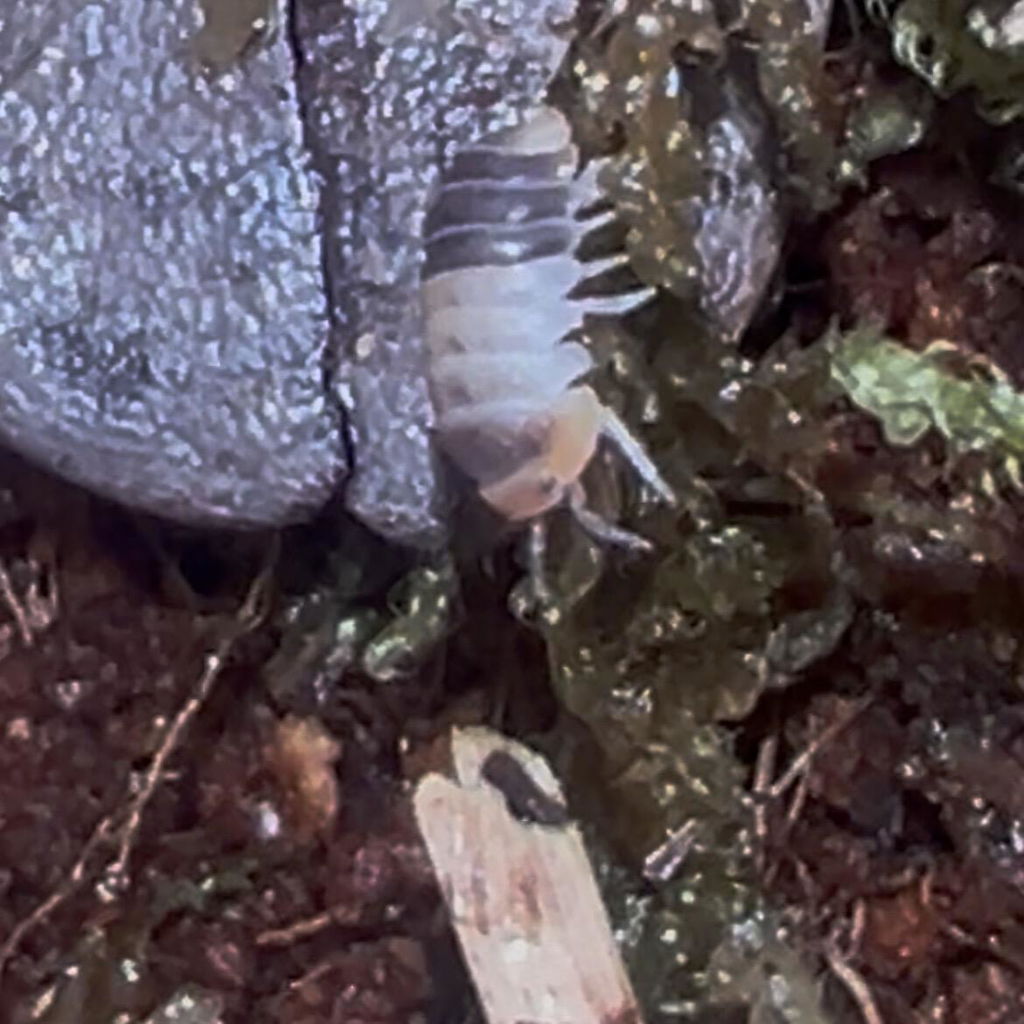
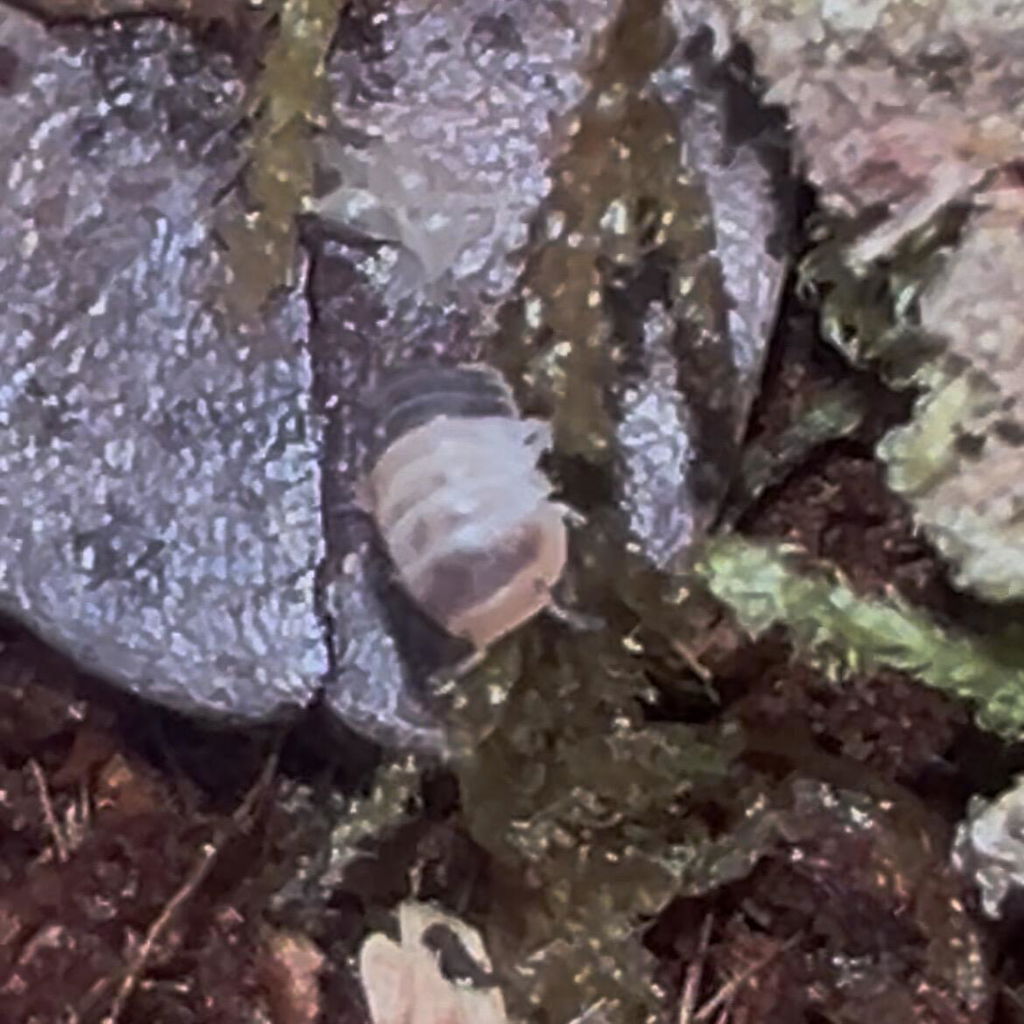
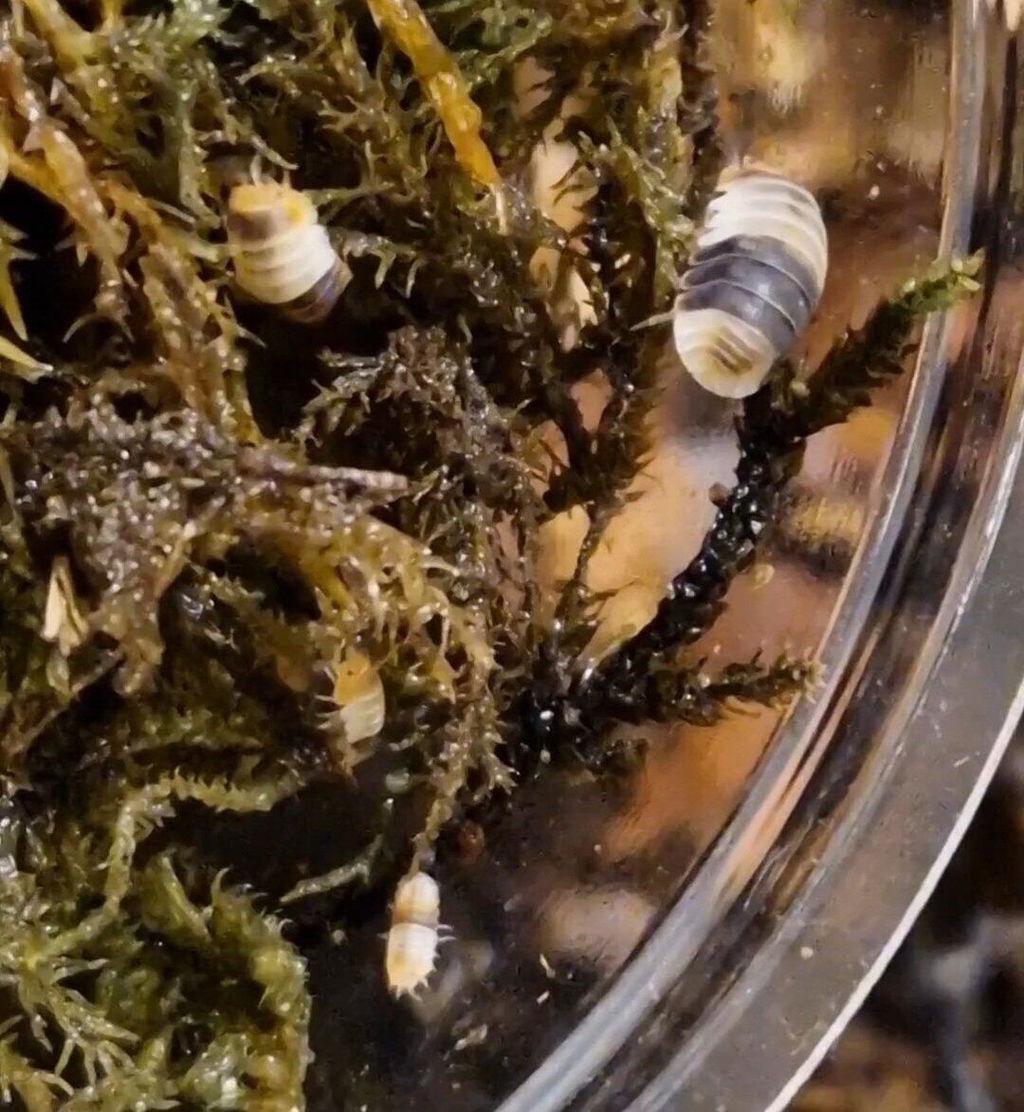
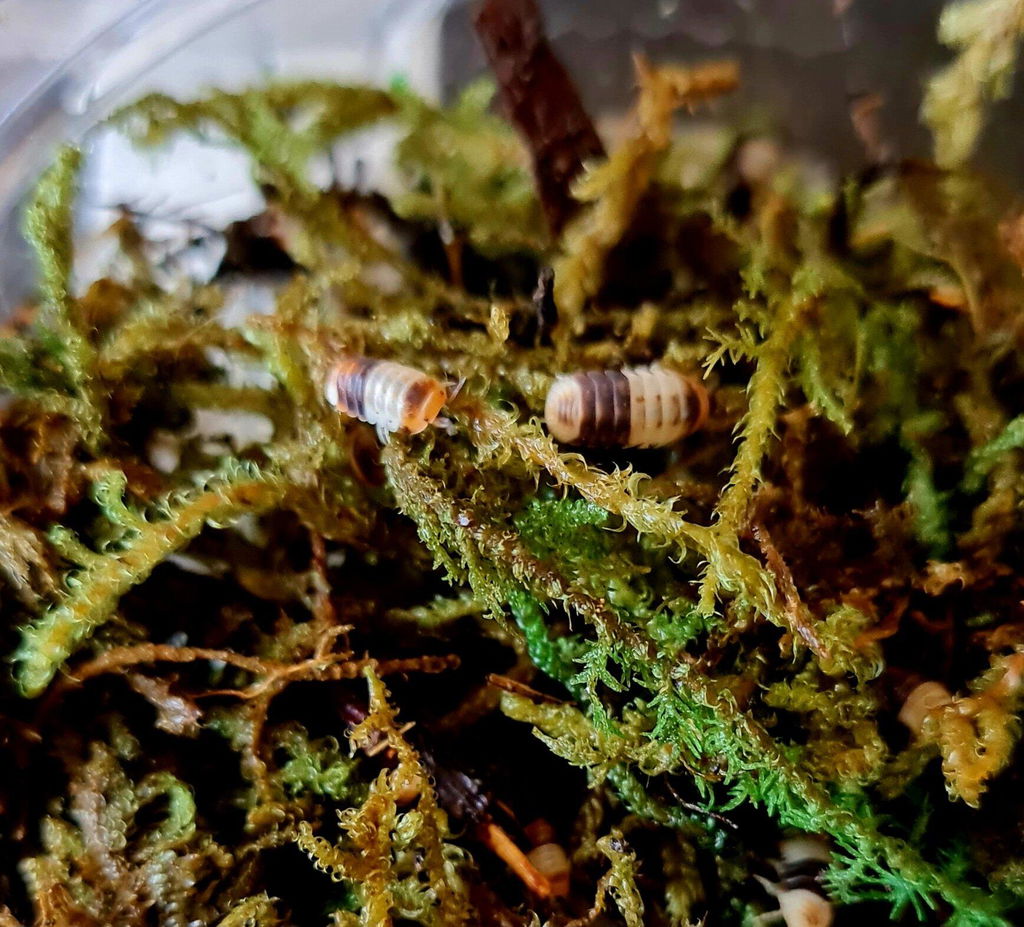
The White Shark is a dwarf Cubaris species that punches well above its size in the visual department. At just 8 mm fully grown, these are among the smallest Cubaris in the UK hobby — but the striking tricolour pattern of bright orange "face," white midsection, and dark blue-black rear makes them genuinely eye-catching despite their tiny stature. The colour arrangement looks almost like the silhouette of a great white shark moving through the water, which is where the name comes from.

Don't let the intimidating name fool you — White Sharks are one of the most accessible and forgiving Cubaris species available. They breed reliably once established, tolerate the kinds of husbandry mistakes that would devastate premium Cubaris, and their compact size makes them perfect for nano enclosures and bioactive setups where larger species would overwhelm the space. Currently on sale at significantly below standard pricing — an excellent entry point into Cubaris keeping or a budget-friendly cleanup crew for tropical bioactive vivariums.

Available in groups of 10, 20, or 50. Captive-bred stock from established UK colonies. Mixed sizes included to establish a balanced colony with breeding potential.

Quick Care Summary

  • Scientific Name: Cubaris sp. 'White Shark'
  • Common Names: White Shark Isopod, White Shark Dwarf Isopod, Cubaris White Shark
  • Family: Armadillidae
  • Origin: Thailand — tropical rainforest, lime-rich substrates
  • Adult Size: Up to 8 mm — true dwarf species
  • Lifespan: 1–2 years typical
  • Difficulty: Easy to Medium — beginner-friendly within the Cubaris genus
  • Temperature: 24–28°C (warm preferred)
  • Humidity: 60–80% with moisture gradient
  • Ventilation: Moderate — more airflow than some Cubaris
  • Conglobation: Yes — rolls into a tight ball when disturbed
  • Behaviour: Shy, primarily nocturnal, social, enthusiastic burrowers
  • Breeding: Reliable and prolific once established

What Makes White Shark Isopods Special

Several factors make White Sharks one of the smartest Cubaris purchases for a wide range of keepers:

Big visual impact in a tiny package. The tricolour orange-white-black pattern is striking even at 8 mm. Against dark substrate and leaf litter, the colours stand out clearly. In an established colony, multiple animals visible at the same time create a visual effect that larger isopods can't match — there are simply more of them moving around.

Genuine dwarf stature. At 8 mm, White Sharks are true dwarf isopods. This makes them perfect for smaller nano enclosures, planted terrariums, and bioactive setups where larger isopods would feel out of scale. They're also less likely to disturb plants or soft-bodied tankmates that larger species might damage.

Reliable, prolific breeding. Unlike many Cubaris that breed slowly and unpredictably, White Sharks reproduce reliably once established. A starter colony of 10–12 can multiply significantly within 2–3 months under good conditions. This makes them genuine breeding projects rather than static display animals — and excellent value for money compared to slow-breeding premium morphs.

Forgiving care. Within the Cubaris genus, White Sharks are on the more accessible end. They handle minor husbandry mistakes that would damage delicate species, and their reliable breeding means colonies recover from setbacks better than slow-breeders.

Ideal bioactive cleanup crew. Their dwarf size, prolific breeding, and detritivore appetite make White Sharks excellent additions to bioactive vivariums. They process organic waste, leftover food, and decaying matter while staying small enough to coexist with most reptile and amphibian inhabitants.

Conglobation. Like all Cubaris, White Sharks roll into a tight ball when disturbed. Their tiny size makes the conglobation behaviour particularly charming — they look like miniature striped marbles when curled up.

How White Shark Compares to Other Cubaris

If you're choosing between Cubaris species, here's how White Sharks fit in:

  • vs Panda King: Panda Kings are larger (10–15 mm) with black-and-white panda patterning. White Sharks are smaller and have tricolour orange-white-black bands. Both breed reliably; White Sharks even more prolifically. Choose Panda Kings for size and bold contrast, White Sharks for compact size and tricolour interest.
  • vs Jupiter Isopods: Jupiters are 15–20 mm with yellow segment outlines on dark bodies. White Sharks are tiny (8 mm) with tricolour banding. Different scale entirely. Jupiters are display-focused; White Sharks are display + cleanup crew.
  • vs Amber Ducky: Amber Duckies are 20 mm with warm gold-and-orange tones. White Sharks are 8 mm with tricolour banding. Both are accessible Cubaris breeders, but very different scale.
  • vs Rubber Ducky: Rubber Duckies are larger, more famous, more expensive, and slower-breeding. White Sharks share the Cubaris genus but offer a completely different value proposition — accessible price, reliable breeding, dwarf size for smaller setups.

Browse the full Cubaris collection to compare all options.

Setting Up the Enclosure

Counter-intuitively, smaller enclosures actually work better for White Sharks than larger ones — at least to start. Dwarf isopods in large spaces struggle to find each other for breeding. A 6–8 quart shoebox-sized container is ideal for a starter colony of 10–20.

Plastic tubs with clip-lock lids work particularly well. Drill multiple small ventilation holes on opposite sides of the container for cross-ventilation. White Sharks tolerate slightly more airflow than some Cubaris but still need humidity preserved. Cover holes with fine mesh to prevent escapes.

Browse our accessories collection for appropriate enclosures, vents, and other essentials.

Substrate — Lime is Important

White Sharks come from Thai habitats with high-lime soil. Replicating this in captivity isn't optional — it directly affects moulting health, breeding success, and colony performance.

Substrate depth: 7–10 cm minimum. White Sharks are enthusiastic burrowers and spend much of their time beneath the surface, particularly when moulting or breeding. Deep substrate gives them the security and burrowing space they need.

Substrate composition:

  • Organic topsoil base (pesticide-free) mixed with coconut coir or forest humus
  • Sphagnum peat moss for moisture retention
  • Generous limestone powder or crushed limestone mixed throughout — not just placed on top. Mimics their natural Thai habitat.
  • Pieces of rotting white hardwood
  • Mushroom-mycelium substrate for fungal-decomposed nutrition (biologically appropriate for tropical Cubaris)
  • Cuttlebone pieces buried throughout the substrate as ongoing calcium

Top layer: Generous leaf litter (oak, magnolia, beech, maple all work) and sphagnum moss patches. Add small cork bark pieces for surface hides, though White Sharks tend to prefer burrowing over surface hiding.

Humidity and the Moisture Gradient

Maintain humidity at 60–80%. Mist regularly to keep the substrate consistently moist. Aim for approximately 80% of the enclosure damp and 20% drier, rather than uniformly wet conditions.

The substrate should feel damp when squeezed but not drip water. Standing water at the bottom of the enclosure causes moulting issues and sudden die-offs — a common problem with Cubaris keepers who over-mist.

Temperature

24–28°C is the comfort range, with warmer end (26–28°C) preferred for breeding. Most UK homes provide acceptable temperatures during summer; in winter, a low-wattage heat mat on the side of the enclosure (never underneath, to avoid drying substrate) connected to a thermostat keeps the colony breeding-ready year-round.

Avoid temperatures consistently below 22°C — they're tropical animals and don't tolerate cool periods well.

Diet

White Sharks have hearty appetites relative to their tiny size. Their high metabolism and prolific breeding both demand consistent nutrition.

  • Primary diet (always available): Hardwood leaf litter, rotting white wood, sphagnum moss, lichens
  • Vegetables (1–2x weekly): Carrot, courgette, sweet potato, butternut squash. The carrot trick: place a slice of carrot in the enclosure and you'll often see it covered in feeding White Sharks within hours — adults and babies together. It's the easiest way to observe colony health without disturbing the substrate.
  • Protein (essential — 1–2x weekly): Fish flakes, dried daphnia, dried shrimp, or freeze-dried peas. White Sharks are notably protein-hungry compared to some Cubaris. Browse our accessories collection for the full range of protein supplements.
  • Calcium (essential): Cuttlebone always available, plus limestone pieces and powder mixed into substrate. Adding limestone throughout the enclosure mimics their natural Thai habitat where calcium availability is high.

Place protein foods on the dry side of the enclosure — they spoil quickly in damp tropical conditions and attract pests.

Breeding

White Sharks are among the more prolific Cubaris breeders, which makes them excellent value compared to slow-breeding premium morphs. New colonies typically need about a month to acclimate before breeding begins — focus on stable conditions during this period and don't expect immediate results.

Once established, populations grow quickly. A starter colony of 10–12 can multiply significantly within 2–3 months under optimal care. Be prepared to upgrade enclosure size or split colonies as numbers increase.

For optimal breeding:

  • Warm temperatures (26–28°C ideal)
  • Consistent humidity (60–80%)
  • Deep substrate (7–10 cm) for burrowing
  • Constant calcium availability
  • Regular protein supplementation
  • Smaller enclosures during establishment (helps individuals find each other)
  • Minimal disturbance during the first month

Females carry fertilised eggs in a brood pouch (marsupium) until they hatch. The tiny mancae can be raised alongside adults without separation.

Pair With Springtails

Add a thriving springtail culture to any White Shark setup. Springtails handle mould and microbial growth at a scale even dwarf isopods can't manage, particularly important in humid tropical setups where mould can develop quickly. Springtails coexist peacefully with White Sharks and form an essential cleanup partnership.

Bioactive Use

White Sharks make excellent additions to bioactive terrariums and vivariums. Their dwarf size means they don't overwhelm smaller setups, their burrowing behaviour aerates substrate, and their detritivore appetite processes organic waste effectively. Their prolific breeding also means colonies can sustain themselves under predation pressure from small reptile or amphibian inhabitants — useful as a self-sustaining feeder colony for dart frogs and similar species.

For bioactive use, ensure the enclosure provides appropriate Cubaris conditions (warmth, humidity, calcium availability) while meeting the needs of other inhabitants.

Who Should Buy White Shark Isopods?

Ideal for:

  • Keepers stepping up from beginner species into Cubaris
  • Bioactive vivarium owners wanting effective dwarf cleanup crew
  • Dart frog and small reptile keepers wanting self-sustaining feeders
  • Anyone with smaller terrariums where larger isopods would overwhelm the space
  • Budget-conscious keepers wanting attractive Cubaris at accessible prices
  • People who appreciate prolific breeding and active colony growth

Not ideal for:

  • Anyone wanting large, easily visible display animals (they're 8 mm)
  • Arid or low-humidity setups
  • Keepers who can't maintain consistent humidity
  • Mixed setups with very small or fragile tankmates that might prey on tiny mancae

Realistic Expectations

White Sharks are tiny — make sure you're prepared for that. At 8 mm, individual animals are about the size of a grain of rice. You'll need to look closely to appreciate the tricolour patterning. Once colonies establish and population grows, you'll see more activity, but they're never going to be substantial display animals like larger isopods.

Newly arrived White Sharks may appear smaller and less colourful than mature adults. Pattern intensity develops with age and good nutrition. Given 2–3 months of stable conditions, juveniles develop into the bold tricolour adults you see in marketing photos.

Building Your Setup

A complete White Shark setup needs proper substrate components, calcium-rich materials (especially limestone), leaf litter, and protein supplements. Browse our accessories collection for everything you need — enclosures, ventilation, leaf litter (magnolia, bamboo, oak), substrate enhancements (flake soil, kinshi), calcium (cuttlebone, limestone), and protein supplements (daphnia, silkworm pupae, fish flakes, freeze-dried peas).

For a deeper guide to selecting and setting up your first isopods, see our setting up guide. Browse the full Cubaris collection to compare related species, or explore all isopods for the complete catalogue.

Use collapsible tabs for more detailed information that will help customers make a purchasing decision.

Ex: Shipping and return policies, size guides, and other common questions.


Recently viewed