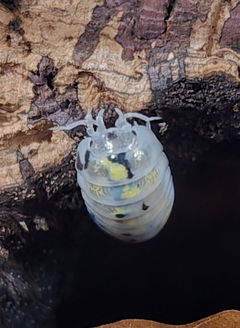
Magic Potion Isopods (Armadillidium vulgare)
Care Info:
 ORIGIN
 TEMP
TEMP
 HUMIDITY
 LENGTH
 DIFFICULTY
 RARITY
- Free shipping over £65
- Low stock - 7 items left
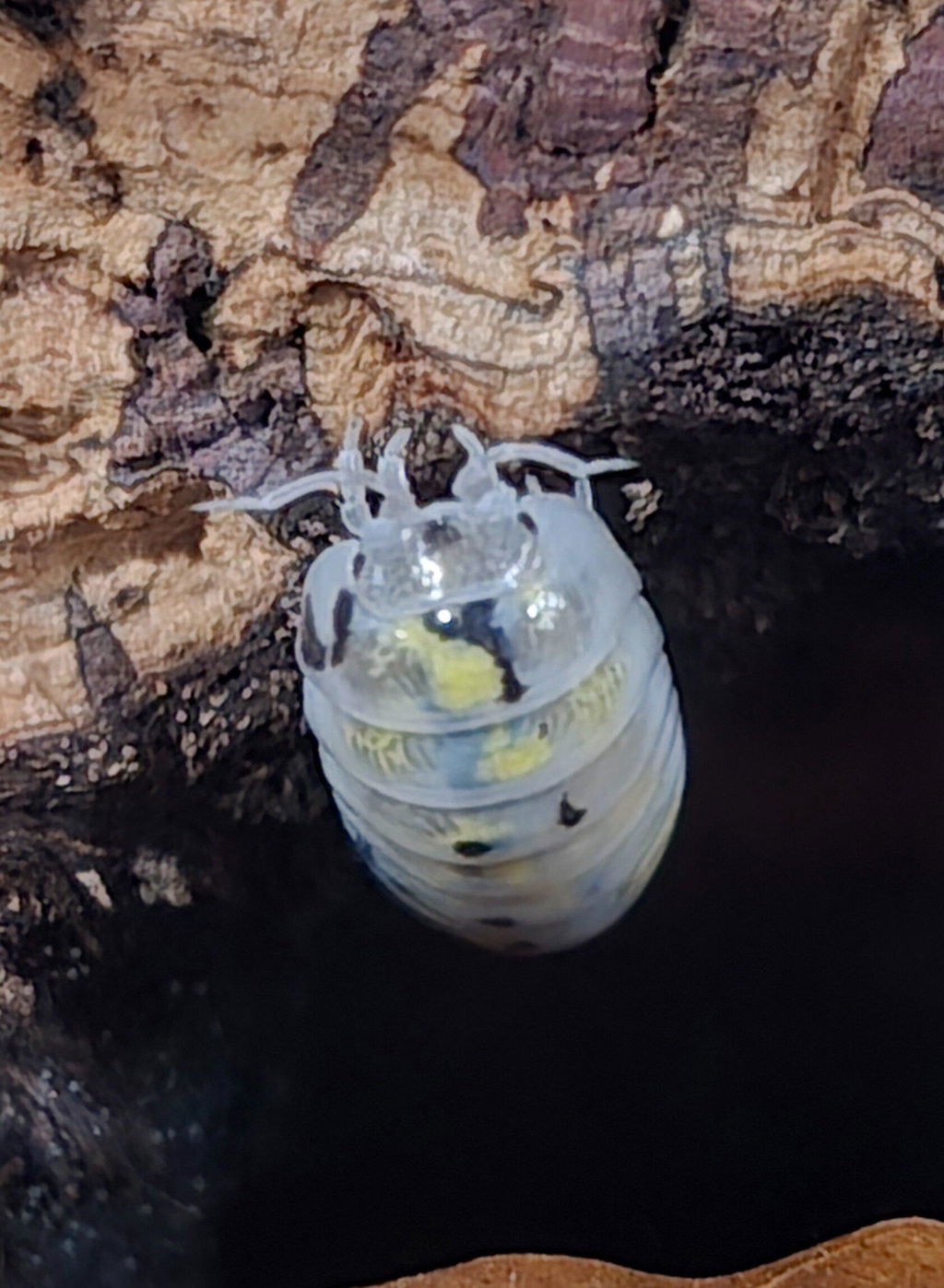
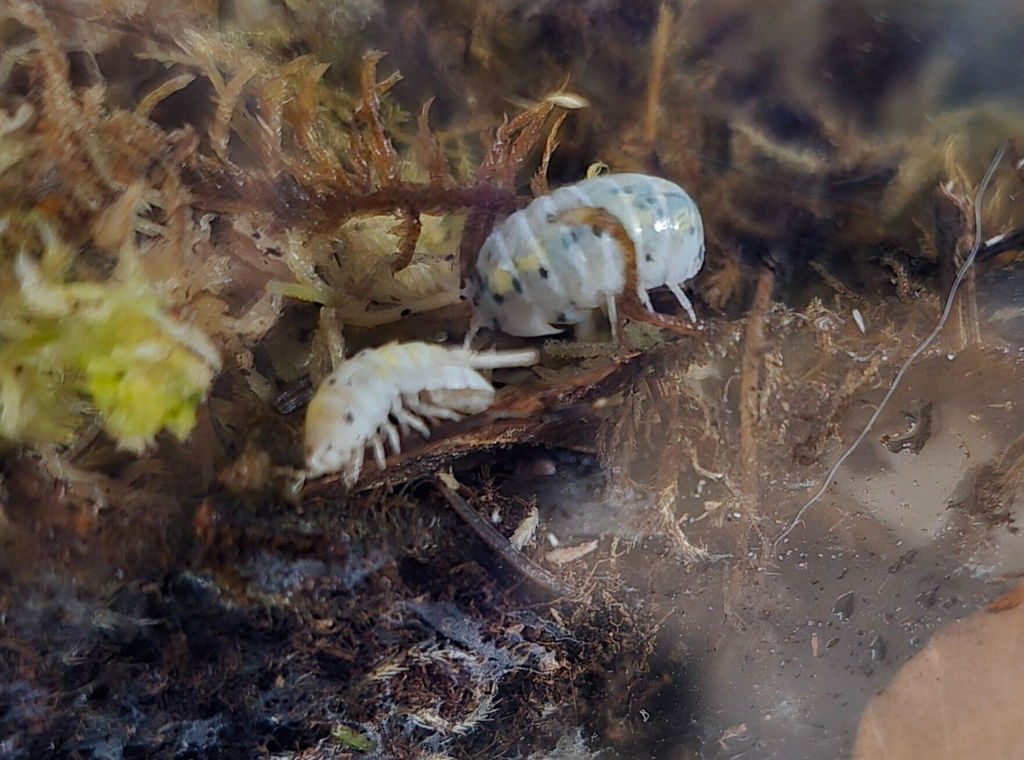
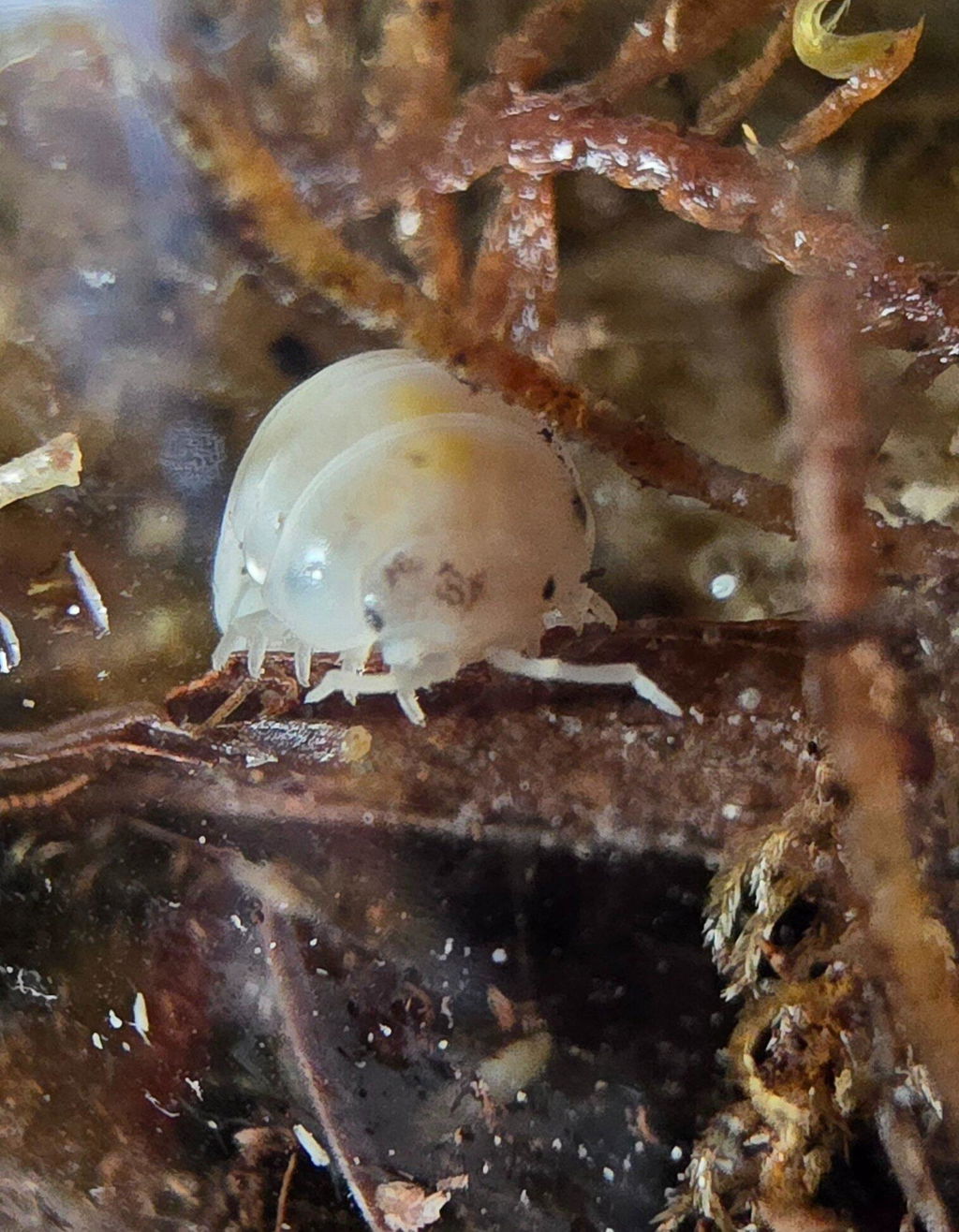
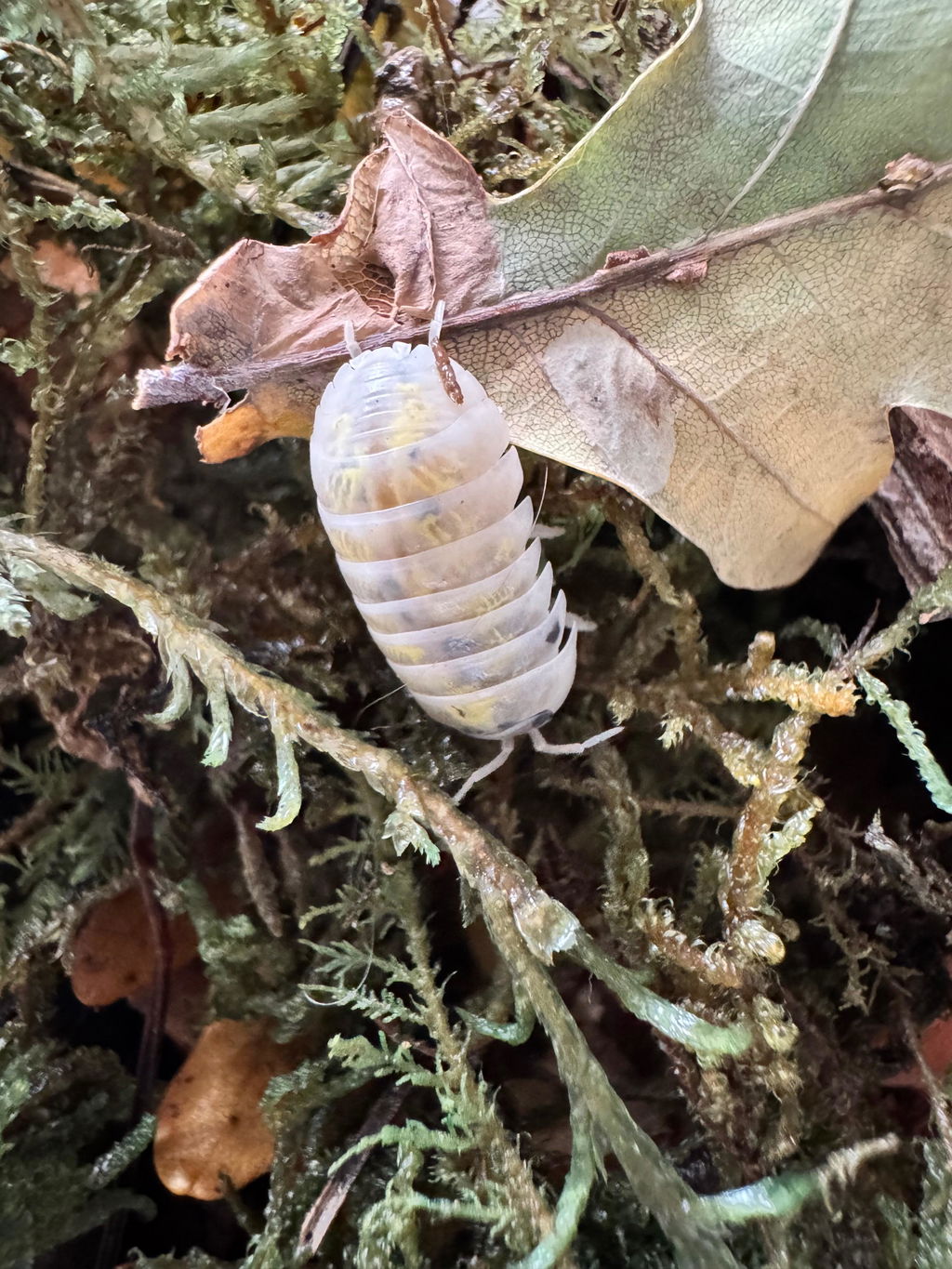
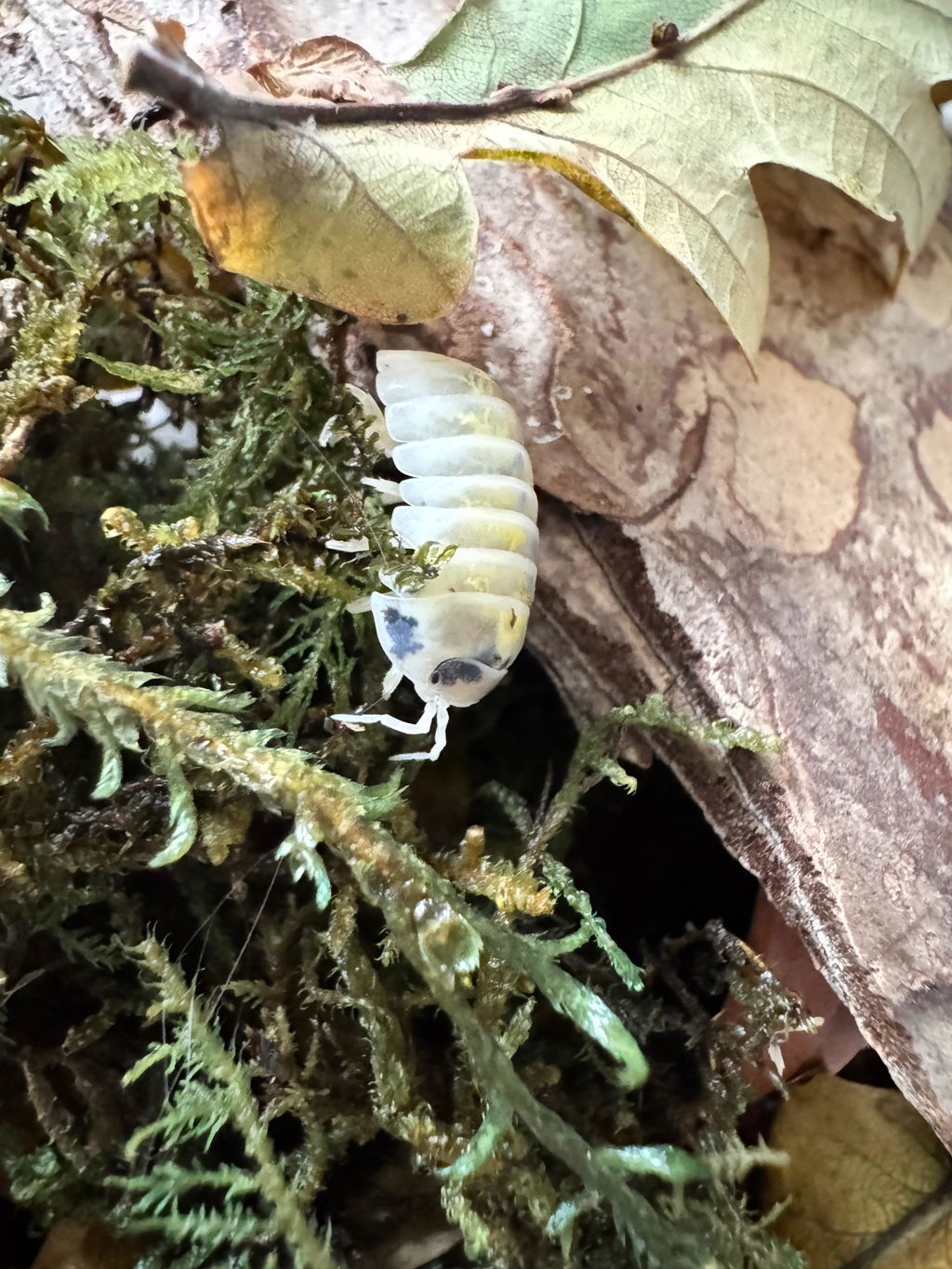
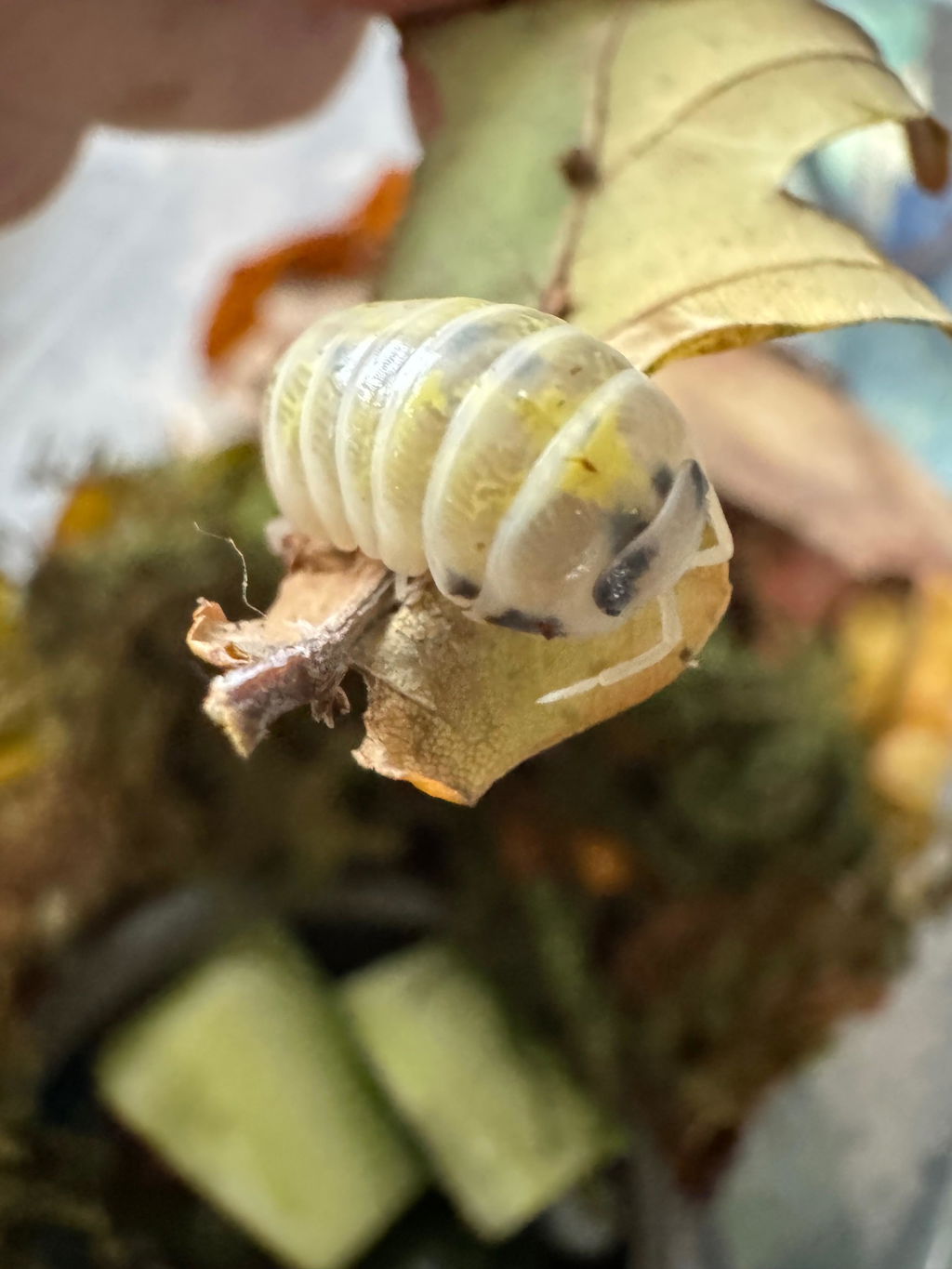
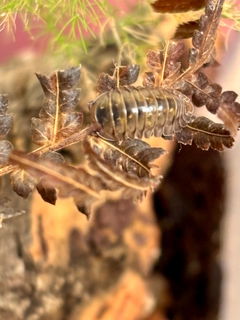
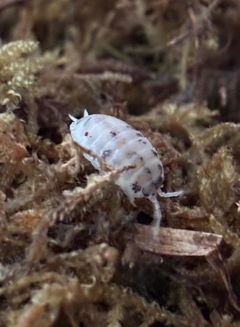
Few isopods pull off the trick the Magic Potion manages: it looks like a designer morph and behaves like a garden weed. The pale, almost milky body is scattered with soft yellow patches and crisp black flecks, and no two animals wear quite the same pattern, so build a colony and you end up with a tub of individuals rather than a set of clones. Underneath that showy coat, though, is Armadillidium vulgare, the common pill bug most of us met as children, which is exactly why this is one of the most forgiving good-looking isopods you can keep.
About the Magic Potion Isopod
Magic Potion, also sold as the Magic Potion Vulgare, is a selectively bred colour form of Armadillidium vulgare, the roly-poly or pill woodlouse that is native right across Europe including here in the UK. It is a true pill bug, so when it feels threatened it rolls into a tight, sealed ball with no gaps, a habit that never really stops being satisfying to watch. Because the base animal is so widespread and hardy, the morph carries all of that resilience with it, which is unusual for something this eye-catching.
Appearance
The look comes from a dalmatian-type trait that breaks up the dark pigment into scattered speckles while leaving the species' natural yellow markings intact, giving you that milky-white background dusted with yellow and black. The trait behaves as a recessive one and breeds true when Magic Potions are kept together, so a settled colony stays on-morph. You may see it offered as an American line or a Japanese line; in practice both give you the same animal, with only minor differences in size and how quickly they build up. Freshly arrived juveniles often look a little washed out, and the bold adult contrast fills in over a couple of months of good feeding, so try not to judge a young colony too early.
Care and Housing
Magic Potions are genuinely beginner-friendly, and one of the few isopods I am happy to hand to someone just starting out. A 6 to 10 litre tub with a clip-lock lid suits a starter group, with plenty of cross-ventilation drilled into the sides. Unlike the tropical cave species, these tolerate drier, airier conditions well, and that ventilation heads off most mould problems before they begin.
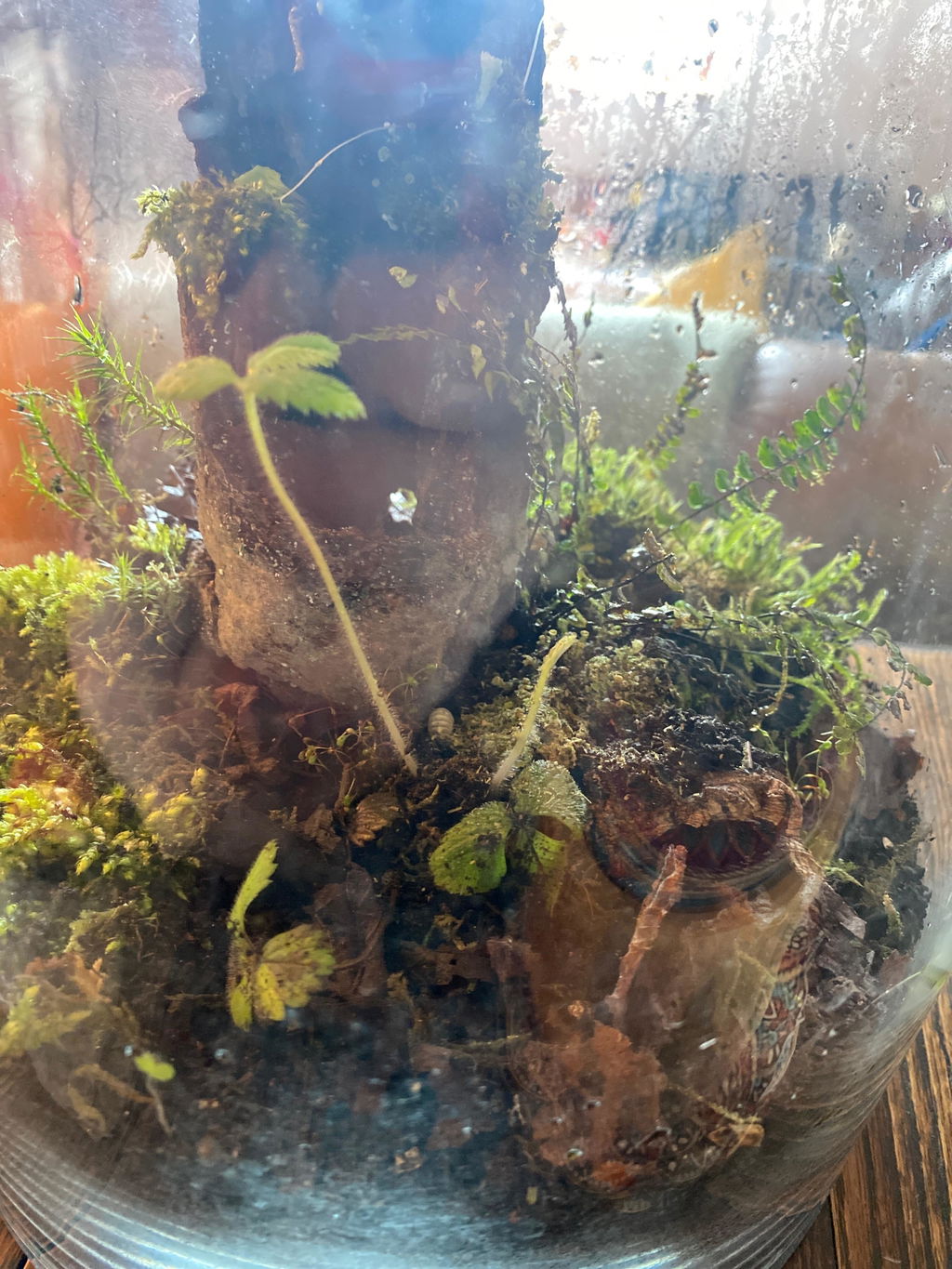
For substrate I use a nutritious base of flake soil, well-rotted hardwood and organic topsoil, at least 5cm deep so they can burrow. I would steer you away from a coco-coir base here: it holds moisture but gives a substrate-eater nothing to actually eat. Top it with a generous layer of leaf litter, with magnolia leaves and oak both ideal, and add a few pieces of cork bark for cover. A layer of flake soil mixed through the base keeps it living and productive.
The one rule that applies to any Armadillidium is a moisture gradient rather than uniform damp. Keep one end lightly moist with a patch of sphagnum and damp leaf litter, and let the other end run drier; the colony will move between the two as it needs to. Normal heated UK room temperature suits them the year round, and a piece of cuttlebone left in for constant calcium keeps moulting healthy.
Diet
The staple is leaf litter and rotting wood, always available, and they are not remotely fussy beyond that. Offer soft vegetables such as courgette, cucumber, squash and sweet potato, and lift out anything uneaten within a day. Once or twice a week give a little protein, such as dried daphnia, which supports moulting and keeps a breeding colony productive. Do bear in mind that, like most Armadillidium, they will graze on soft live plants and moss in a bioactive setup, so plant with the tougher species if you want the greenery to survive.
Breeding
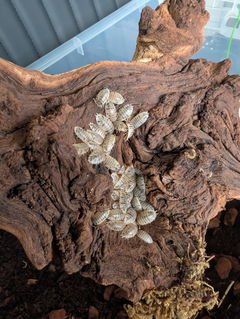
This is one of the easiest premium-looking morphs to breed, which is a large part of why it stays affordable and widely available. Females carry their developing young in a brood pouch on the underside and release live, miniature isopods once they hatch. A starter group kept warm, fed well and given steady calcium will usually show tiny mancae within a month or two, and inside a year you will have a thriving colony. Keep the colony morph-to-morph and the offspring come out as Magic Potions; cross them back to a plain wild-type vulgare and the morph goes hidden for a generation, which is worth knowing if you want to hold a pure line.
Who Is This Isopod For?
If you want serious visual impact without the demanding husbandry that usually comes with it, this is the isopod I point people towards first. It makes an ideal first step up from plain beginner species, a reliable bioactive clean-up crew, and a rewarding display colony in its own right; pair it with a springtail culture to keep mould in check and you have a low-effort, self-sustaining setup. If you are weighing up other hardy, good-looking options, the striped Zebra isopod sits in much the same easy-care bracket. For a fuller walk-through of housing and husbandry, our Magic Potion care guide goes into more detail.
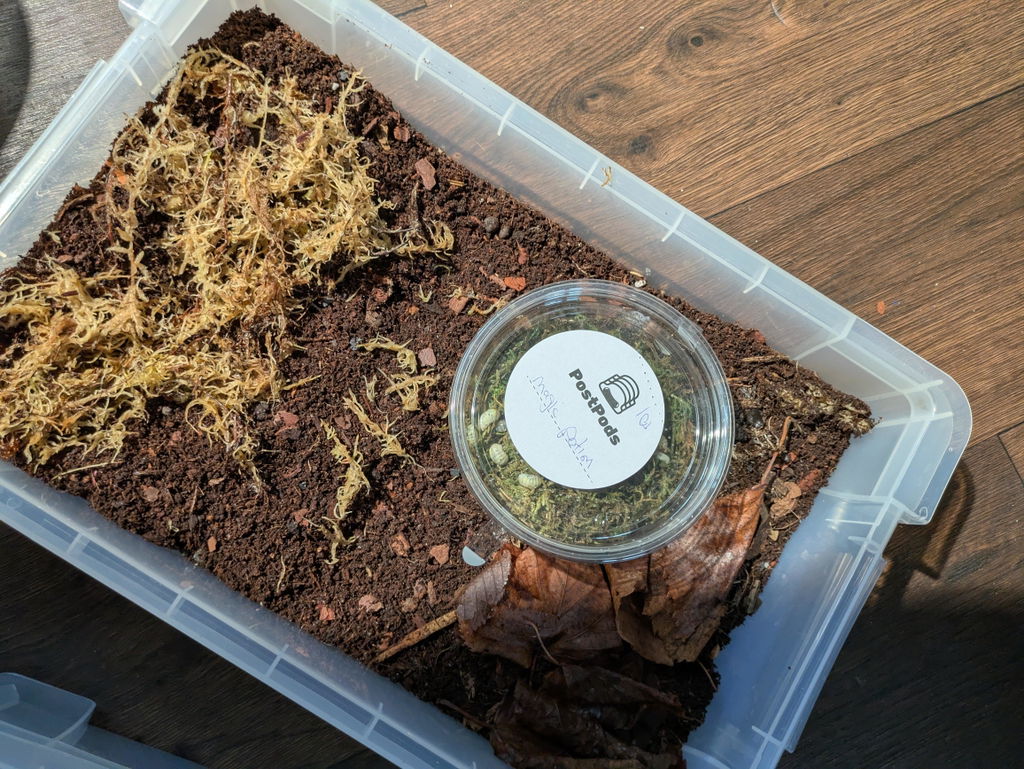
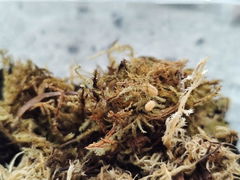
Every order is captive-bred here in the UK and travels in a double-walled box, tucked into a ventilated tub with damp sphagnum moss to keep everyone comfortable in transit. We post Monday to Thursday by Royal Mail Tracked, with a live arrival guarantee on every parcel.