A lotus pod is built to float, which explains a lot about the trouble people have sinking them. When the sacred lotus, Nelumbo nucifera, has finished with its seed head, the whole structure dries out, snaps off the stem and drifts away, dropping its fruits through the holes in the flat face as it travels. Buoyancy is the point of the thing. Anyone who has held one under water in an aquarium and watched it bob straight back up has been losing an argument with several million years of seed dispersal.
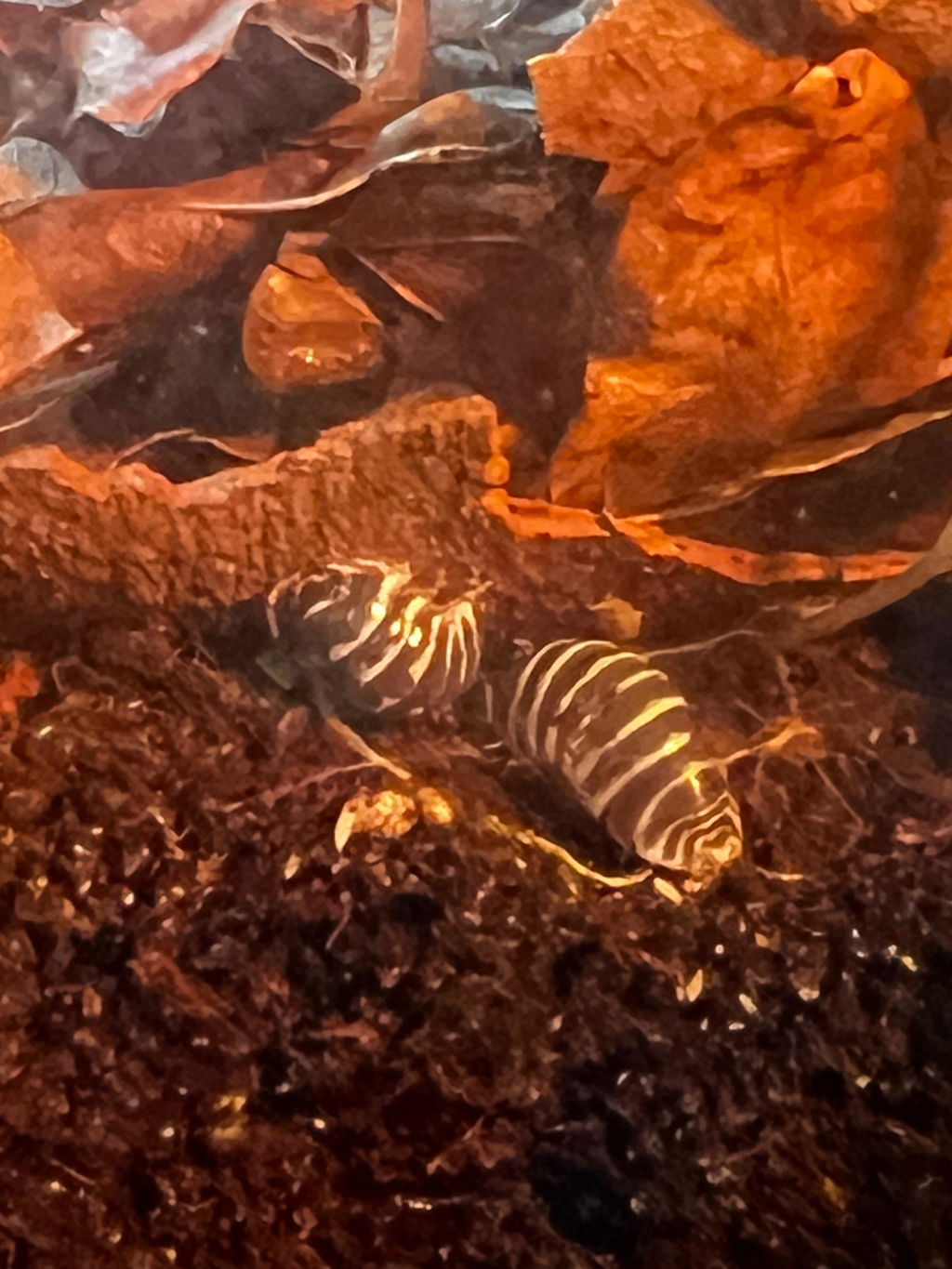
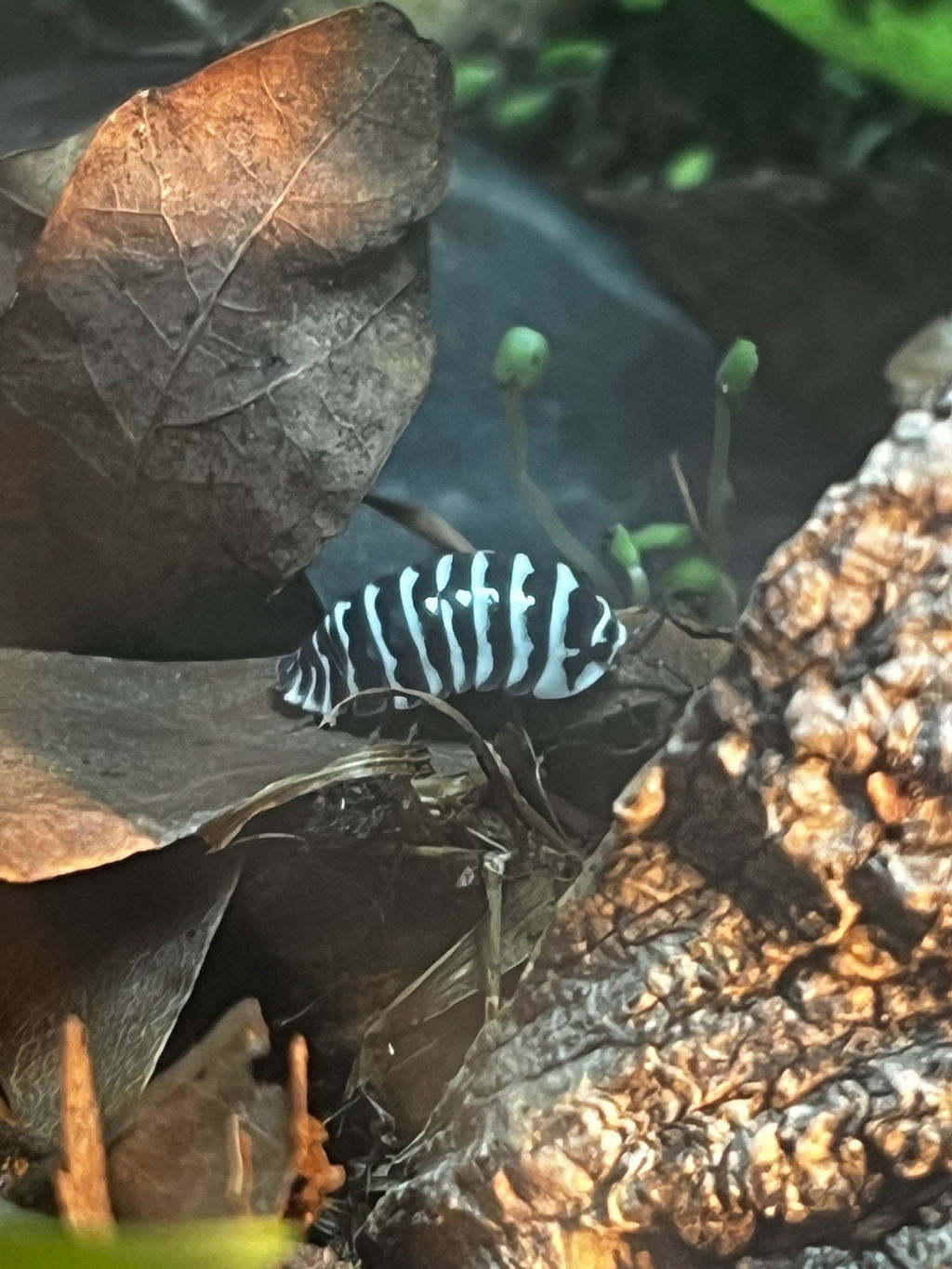
Botanically it is not a pod at all. It is a spongy receptacle, the swollen top of the flower stalk, and the pits in its face held fruits rather than seeds. The hobby calls them pods and we are not going to fight that, but the structure is worth understanding because it is exactly what makes them useful in an enclosure. The hollow chambers and the open face give isopods and springtails a lattice of small spaces to sit in and under. Springtails in particular gather on them, which makes a pod a handy way of lifting a portion of a culture out of the soil without digging.
Boil them before they go in. It softens the material, deals with anything that came along from collection and storage, and for aquarium use it starts the waterlogging. Give them a good hour on a rolling boil, which is our own figure and not a published one, and plan on weighting them down overnight regardless. Once in a humid enclosure they soften over months, not years, and eventually go the way of the rest of the leaf litter, which is fine. Top up as they collapse.
What they will not do
They are decor with a useful side. They will not lift your breeding rates or rescue a struggling colony, and a setup without them is not missing anything essential. Leaf litter, rotten wood and a permanent calcium source do the real work; pods are what you add once those are in place. They also break down faster than cork bark, so treat them as a consumable. In an aquarium they release tannins and will tint the water, which is the effect blackwater keepers are after. They are widely said to lower pH as well; no measurement of that exists that we can find, so take the tint as the reliable part.
For where pods sit alongside the seed cases, bark and lichen we also stock, our guide to botanicals for isopods and millipedes covers what each one does and how to prepare it.
One thing worth checking wherever you buy them. Lotus heads are a staple of the dried-flower trade and a great many of them are dyed, grey-washed or otherwise treated for floristry, none of which belongs near live animals. Ours are sold for enclosure use, undyed and untreated. Scatter them across the substrate among leaf litter, wedge one under a slab of cork bark, or cluster two or three where you want the colony to congregate so you can check on them without turning the tub over. Stored dry they keep indefinitely, so a pack of twenty is not a commitment.