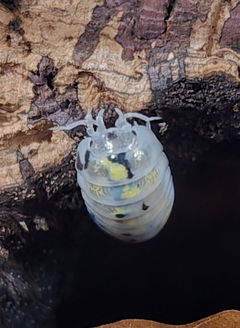
Trachelipus cavaticus (ex Crete) Isopods for Sale
Care Info:
- Free shipping over £65
- In stock, ready to ship
- Backordered, shipping soon
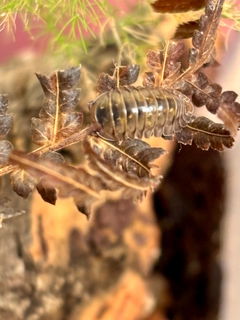
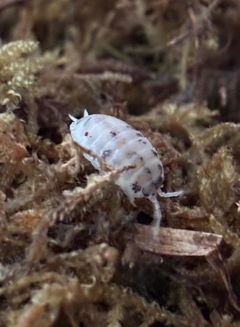
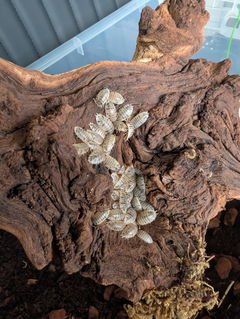
Trachelipus cavaticus is a rare and genuinely fascinating cave-associated woodlouse from the island of Crete — one of the more unusual Mediterranean isopods available in the UK hobby. As its species name suggests (cavaticus means "cave-dwelling"), it's a species adapted to the stable, humid, sheltered conditions of Cretan cave and rock-crevice habitats. For collectors drawn to obscure, properly-documented species with real natural-history depth — rather than bright tropical colour morphs — it's an exceptional and prestigious addition.
This is a species with serious scientific credentials. Trachelipus cavaticus was formally described in 2004 by Schmalfuss, Paragamian and Sfenthourakis — the latter two being well-known specialists in Greek and Cretan cave fauna. That's a properly recent, properly documented species description from researchers who specialise in exactly this kind of Mediterranean cave biology, which makes the animal a genuine collector's piece rather than a vaguely-labelled hobby unknown.
It belongs to the family Trachelipodidae, genus Trachelipus, and sits naturally within the PostPods Trachelipus collection alongside species like T. ratzeburgii, T. mostarensis, and T. difficilis. Like other Trachelipus, it is flat-bodied and cannot conglobate (roll into a ball) — it scurries and shelters rather than rolling.
A note on the name: this species is sometimes listed as "Trachelipus caveatus", but the correct scientific spelling is cavaticus (Schmalfuss, Paragamian & Sfenthourakis, 2004) — referring to its cave-dwelling habits.
Quick Care Summary
Please note: the care figures below use the research consensus for a Mediterranean cave-associated Trachelipus. Verify against the specific care icons on this product page before finalising your setup.
- Scientific Name: Trachelipus cavaticus (Schmalfuss, Paragamian & Sfenthourakis, 2004) (note: sometimes mis-listed as "caveatus" — the correct spelling is cavaticus)
- Common Names: Cretan Cave Woodlouse, Crete Trachelipus
- Family: Trachelipodidae
- Origin: Crete, Greece (cave and sheltered rock habitats)
- Adult Size: Approximately 12–18 mm
- Lifespan: 2–3 years typical
- Difficulty: Medium — hardy once established, but a specialist species best suited to keepers with some experience
- Temperature: 18–24°C — prefers cool, stable conditions
- Humidity: 70–85% — consistently humid, reflecting its sheltered cave habitat
- Ventilation: Medium — enough airflow to prevent stagnation without dropping humidity
- Conglobation: No — flat-bodied; scurries and shelters rather than rolling
- Behaviour: Secretive; shelters in substrate and under cover; mostly active in darkness
- Breeding: Breeds readily in captivity under stable conditions
- Rarity: Rare — very uncommon in the UK hobby
What Makes Trachelipus cavaticus Special
Several factors make this Cretan species a genuine collector's piece:
A documented Cretan cave species. This is the headline. T. cavaticus isn't a vague hobby trade name — it's a properly described species (2004) from researchers who specialise in Cretan cave fauna. Keeping it means keeping a genuine piece of Mediterranean cave biology, with all the natural-history depth that implies.
Genuine rarity. Extremely uncommon in the hobby — a prestigious addition for serious collectors seeking something beyond the usual species. Its specialised origin and limited availability make it a real talking point.
The cavaticus etymology. The species epithet cavaticus directly means "cave-dwelling" — a name that tells you exactly what kind of animal you're keeping and where it comes from. A satisfying, descriptive scientific name for keepers who appreciate the naturalist side of the hobby.
Hardy despite its specialised origin. While it comes from a specific cave habitat, T. cavaticus adapts well to appropriate terrarium conditions — stable, humid, calcium-rich setups suit it, and it's a reliable keep once established.
An effective cleanup species. Like other Trachelipus, it's an active detritivore that readily processes leaf litter, decaying wood, and organic matter — making it a useful bioactive worker in appropriately humid, cool setups.
The pleopodal lungs. Like other members of the genus, Trachelipus carry pleopodal lungs visible as paler patches on the underside — an interesting anatomical feature reflecting how this group breathes air. A quietly fascinating detail for keepers interested in isopod biology.
How Trachelipus cavaticus Compares to Other Species
If you're choosing between unusual or cave-associated isopods, here's how T. cavaticus fits in:
- vs Trachelipus ratzeburgii: Both are European Trachelipus with the genus's characteristics. T. ratzeburgii is the wide-ranging Central European forest species that tolerates drier conditions; T. cavaticus is the specialised Cretan cave species needing consistent humidity. Different habitats, same genus.
- vs Trachelipus mostarensis: Both are southern-European Trachelipus. T. mostarensis is the Balkan species; T. cavaticus is the rarer Cretan cave specialist. Natural companions in a Trachelipus collection, with cavaticus the more unusual of the two.
- vs Cubaris 'Blind Saturn': Both are cave-associated isopods kept for their unusual biology rather than colour. Blind Saturn is the pale, eyeless Southeast Asian cave troglobite (a Cubaris); T. cavaticus is the Cretan cave Trachelipus. Different genera and regions, but a natural pairing for keepers fascinated by cave-adapted invertebrates.
- vs Trachelipus difficilis: Both are continental/Mediterranean European Trachelipus. Different regional species, same genus characteristics and broadly similar care — though cavaticus is rarer and more humidity-dependent.
Browse the full Trachelipus collection to compare all species in this genus.
Setting Up the Enclosure
A 6–10 litre plastic container with a secure lid suits a starter colony. As a cave-associated species, T. cavaticus values stable, sheltered, humid conditions over a large open space, so a smaller, well-controlled environment that holds its conditions consistently suits it better than a large one that's harder to keep stable.
Drill ventilation holes on opposite sides for cross-ventilation, covered with fine mesh. Aim for medium ventilation — enough airflow to prevent stagnation without letting humidity drop too far. Provide plenty of hides — cork bark, wood pieces, flat stones, and moss replicate the sheltered crevice habitat they favour. Keep the enclosure dim and out of direct sunlight, reflecting their cave origins. Browse our accessories collection for appropriate enclosures, vents, and other essentials.
Substrate
Build a moisture-retentive, calcium-rich substrate reflecting their Cretan cave environment:
- Organic topsoil base (pesticide-free) as the foundation
- Sphagnum peat moss and sphagnum moss for moisture retention
- Flake soil mixed in for added nutrition
- Crushed limestone or marble chips distributed throughout — replicates the calcium-rich cave environment of Crete and supports healthy moulting
- Plenty of partially-decomposed hardwood pieces and mixed leaf litter
- A small amount of horticultural sand or fine grit to improve drainage and prevent waterlogging, which cave species particularly dislike
We recommend a topsoil and sphagnum-based mix rather than coco coir. Substrate depth: 7–10 cm to allow natural burrowing and create stable moisture gradients throughout the enclosure.
Top layer: Generous hardwood leaf litter — magnolia leaves, oak, and beech all work well — plus cork bark, flat stones, and a sphagnum moss patch. Replicating the sheltered, calcium-rich, leaf-and-stone cave floor suits this species particularly well.
Humidity and Temperature
Maintain consistently high humidity (around 70–85%) reflecting their sheltered cave habitat — but with good drainage and medium ventilation to prevent the waterlogging that cave species particularly dislike. Keep the substrate consistently moist like a well-wrung sponge, never soaked, and maintain a gentle gradient so the isopods can choose their preferred moisture level. Cave habitats are humid but not flooded; the goal is stable dampness with airflow, not standing water.
As one PostPods customer noted about following the website's care guidance, getting moisture right is the key to keeping isopods successfully — and for a cave-associated species like T. cavaticus, stable humidity with proper drainage is the entire game. Avoid waterlogging above all.
Temperature should be 18–24°C — they prefer cool, stable conditions reflecting the buffered temperatures of cave environments. Stability matters more than hitting exact numbers: cave habitats vary little through the year, so avoid swings, draughts, and placement near heat sources or windows. UK room temperature generally works well.
Diet
Trachelipus cavaticus are unfussy detritivores with broad appetites:
- Primary diet (always available): Decaying hardwood leaf litter (oak, beech, magnolia), rotting wood, fungal tissue, dried plant matter, mosses
- Vegetables (1–2x weekly): Carrot, courgette, sweet potato, squash. Replace within 24–48 hours.
- Fruit (occasionally): Small amounts of soft fruit
- Protein (1x weekly): Fish flakes, dried shrimp, dried daphnia. Browse our accessories collection for the full range of protein supplements.
- Calcium (essential — always available): Cuttlefish bone, crushed limestone, marble chips, oyster shell, eggshells. Particularly appropriate given their calcium-rich cave origins — provide a constant source for healthy moulting.
Feeding approach: Maintain a base of leaf litter and decaying wood, supplementing with vegetables, occasional fruit, weekly protein, and a constant calcium source. Remove uneaten fresh foods within 24–48 hours to prevent mould in the consistently humid conditions.
Breeding
These Cretan isopods breed readily in captivity when provided with stable, appropriate conditions — building reliable colonies over time.
Breeding basics:
- Females carry developing young in a marsupium (fluid-filled brood pouch) and release fully-formed live juveniles
- Multiple broods throughout a female's lifetime under good conditions
- A pure colony breeds the species reliably
- Stable conditions matter more than any specific breeding trigger
For breeding success:
- Stable, cool temperatures within range (20–23°C is ideal)
- Consistently high humidity with good drainage (never waterlogged)
- Calcium-rich substrate and constant calcium sources for breeding females
- Regular protein supplementation
- Plenty of cork bark, stone, and leaf-litter hides
- Minimal disturbance — they value stable, sheltered conditions
- A larger starter group establishes faster and provides genetic diversity
The reward is a settled colony of one of the rarest and most fascinating Mediterranean cave isopods in the hobby — a genuine prestige keep with real scientific and natural-history character.
Pair With Springtails
Add a thriving springtail culture to any T. cavaticus setup. Springtails handle mould and microbial growth at a scale isopods can't manage — particularly important in the consistently humid conditions this cave species requires, where mould can establish readily. They coexist peacefully with the Trachelipus and form an essential cleanup partnership.
Who Should Buy Trachelipus cavaticus?
Ideal for:
- Experienced collectors seeking a rare Mediterranean cave species
- Keepers fascinated by cave-adapted invertebrates and biospeleology
- Naturalists who value a properly-documented species with genuine scientific provenance
- Collectors building a Trachelipus cluster (cavaticus + ratzeburgii + mostarensis + difficilis)
- Bioactive setup builders with appropriately cool, humid, well-drained enclosures
- Patient keepers who can maintain stable conditions
Not ideal for:
- Complete beginners — start with a hardier species like P. scaber or Cubaris murina first
- Keepers wanting bright tropical colour morphs (this is an understated natural species)
- Setups prone to waterlogging or humidity swings (stability and drainage are critical)
- Anyone wanting an isopod that conglobates — Trachelipus don't roll
Realistic Expectations
It's a rare cave species, not a colour morph. Set expectations toward understated natural appearance and genuine rarity rather than vivid colour. The appeal is the species itself — its Cretan cave origins, its scientific provenance, and its scarcity in the hobby.
They don't conglobate. Like other Trachelipus, this is a flat-bodied woodlouse that scurries and shelters rather than rolling into a ball.
Stability and drainage are everything. As a cave-associated species, they want consistent humidity with good drainage — never waterlogged, never fluctuating. This is the key husbandry skill.
They're secretive. Reflecting their cave origins, expect them to spend much of their time sheltered in substrate and under cover, most active in darkness.
The name is cavaticus, not caveatus. Worth knowing for your own records and any future sourcing — the correct, documented spelling is cavaticus (cave-dwelling).
Building Your Setup
A complete T. cavaticus setup needs a stable, well-controlled enclosure, a deep, humidity-retentive, calcium-rich substrate with good drainage, abundant calcium (limestone/marble), generous leaf litter and stone/cork hides, and protein supplements. Browse our accessories collection for everything you need — enclosures, ventilation, leaf litter, calcium, and protein supplements.
Browse the full Trachelipus collection for more species in this genus — including T. ratzeburgii and T. mostarensis — for a complete European Trachelipus cluster.
Use collapsible tabs for more detailed information that will help customers make a purchasing decision.
Ex: Shipping and return policies, size guides, and other common questions.