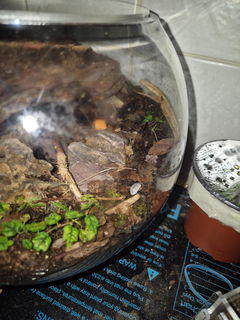
Malawi Light Limestone
- Free shipping over £65
- Low stock - 9 items left
- Backordered, shipping soon
Natural lightweight limestone pieces, ideal for isopod, millipede, and invertebrate enclosures. Provides calcium, creates hides, and mimics the karst cave environments that many popular species originate from.
Please note: This listing offers both small loose stones and larger ornamental stones. If you order the large stone(s), you'll typically receive just 1 or 2 pieces — these are large decorative pieces that serve a nutritional and ecological function for your isopods while also making a great enclosure centrepiece. The smaller loose stones are better suited to smaller enclosures; we don't always have these in stock, as they're collected when we cut down the larger stones.
Before use: Soak the limestone in boiling water for 30 minutes to sterilise it. This kills off any bacteria, algae, or other contaminants picked up during storage and transit. Allow the pieces to cool completely before placing them in your enclosure. This is a simple step but an important one — you're putting this into a warm, humid environment alongside animals that cost anything from a few pounds to over a hundred each, so it's worth taking the time to prepare it properly.
Why Limestone Matters
Limestone isn't just decoration. For many isopod species, it's a functional part of the enclosure that serves multiple purposes at once.
Calcium source. Isopods need calcium for exoskeleton development, moulting, and reproduction. They get some from cuttlebone and dietary supplements, but limestone provides an additional, passive calcium source that's always available. Isopods will graze directly on limestone surfaces, slowly wearing them down over time. You'll notice small scrape marks and gradual erosion on pieces that have been in an enclosure for a while — that's your isopods feeding.
Habitat enrichment. Many of the most popular isopod species in the hobby originate from limestone cave and karst environments. Cubaris species — including Rubber Ducky, Cappuccino, Panda King, and the various Ducky variants — come from limestone caves in Thailand. Providing limestone in their enclosure doesn't just give them calcium, it recreates a key element of their natural habitat. Multiple keepers report that Cubaris colonies are noticeably more settled, more visible, and breed more reliably when limestone is present.
Hides and structure. Lightweight limestone pieces create natural-looking hiding spots. Isopods will tuck themselves into crevices, under overhangs, and against textured surfaces. The irregular shapes of natural limestone create more interesting and varied hiding opportunities than flat cork bark alone. Stack pieces to create multi-level structures with gaps and chambers.
pH buffering. Limestone is calcium carbonate, which has a mild alkalising effect. In an enclosure where substrate acidity can gradually increase (particularly from frass buildup — a known issue with genera like Ardentiella), the presence of limestone provides a gentle buffer against the substrate becoming too acidic. This isn't a substitute for regular substrate changes, but it's a helpful stabiliser.
What is Malawi Limestone?
Malawi limestone is a type of cichlid stone commonly used in aquarium setups for Lake Malawi fish, where it serves a similar buffering purpose. It's lightweight, porous, and has a pale, natural appearance that looks good in terrestrial enclosures as well as aquatic ones. The porous texture means it holds moisture in its surface, which helps maintain humidity in the immediate area around the stone.
The "light" in the name refers to the weight — this is genuinely lightweight compared to dense rock, which matters when you're placing it on substrate that contains burrowing animals. Heavy rocks can compact substrate or, worse, shift and crush isopods underneath. Lightweight limestone reduces this risk.
Which Species Benefit Most?
All isopods benefit from access to calcium, so limestone is a useful addition to any enclosure. But it's particularly valuable for:
Cubaris species — Thai cave-origin species like Rubber Ducky, Cappuccino, Panda King, Pak Chong, and all the Ducky variants. For these species, limestone is close to essential. It mimics their native cave environment and provides the calcium they consume in large quantities. If you're keeping any Cubaris, limestone should be in the enclosure.
Ardentiella species — Vietnamese species like Batman, Lava, Ember Bee, and Pastel. Ardentiella consume noticeably more calcium than many other genera. Limestone alongside cuttlebone ensures they always have access to enough.
Armadillidium species — pill bugs with their heavily calcified exoskeletons need reliable calcium access, and limestone provides this passively.
Millipedes — all millipede species need calcium for their many-segmented exoskeletons. Limestone in a millipede enclosure provides a constant, low-maintenance calcium source alongside their primary diet.
Dry-habitat Porcellio — Spanish species like P. hoffmannseggii, P. magnificus, P. werneri, and P. nicklesi originate from rocky Mediterranean environments where limestone is a natural feature of the landscape. For these species, limestone isn't just a supplement — it's authentic habitat material.
How to Use
- Sterilise first. Soak the limestone in boiling water for 30 minutes. Allow to cool completely before use.
- Place on the substrate surface. Position pieces where they create useful structures — hides, climbing surfaces, and visual barriers that give the enclosure depth and complexity.
- Stack for multi-level hides. Lean pieces against each other or against cork bark to create chambers and crevices. Isopods will quickly discover and colonise these spaces.
- Combine with other enrichment. Limestone works alongside cork bark, magnolia leaves, leaf litter, moss, and rotting wood. Each element serves a different purpose, and together they create a varied, naturalistic enclosure.
- No need to replace frequently. Limestone lasts a long time in an enclosure. It will gradually erode as isopods graze on it, but this is a very slow process. You may want to add extra pieces occasionally as the originals wear down, but you won't need to replace them on any regular schedule.
What You Get
Natural Malawi light limestone pieces in your choice of small loose stones or larger ornamental stones, available in 200g+ or 300g+. Sizes and shapes will vary — this is natural stone, not manufactured, so each piece is different. One of the most cost-effective enrichment items you can add to an enclosure.
Pairs Well With
- Cuttlebone — provides faster-access calcium alongside the slower passive calcium from limestone. Using both together covers all bases.
- Magnolia leaves — long-lasting leaf litter for food and cover
- Flake soil — fermented hardwood substrate for nutrition
- Enclosures and ventilation — for building and ventilating your setup
Browse our full accessories collection for cuttlebone, leaf litter, substrate, and the other components of a complete naturalistic setup.
Use collapsible tabs for more detailed information that will help customers make a purchasing decision.
Ex: Shipping and return policies, size guides, and other common questions.