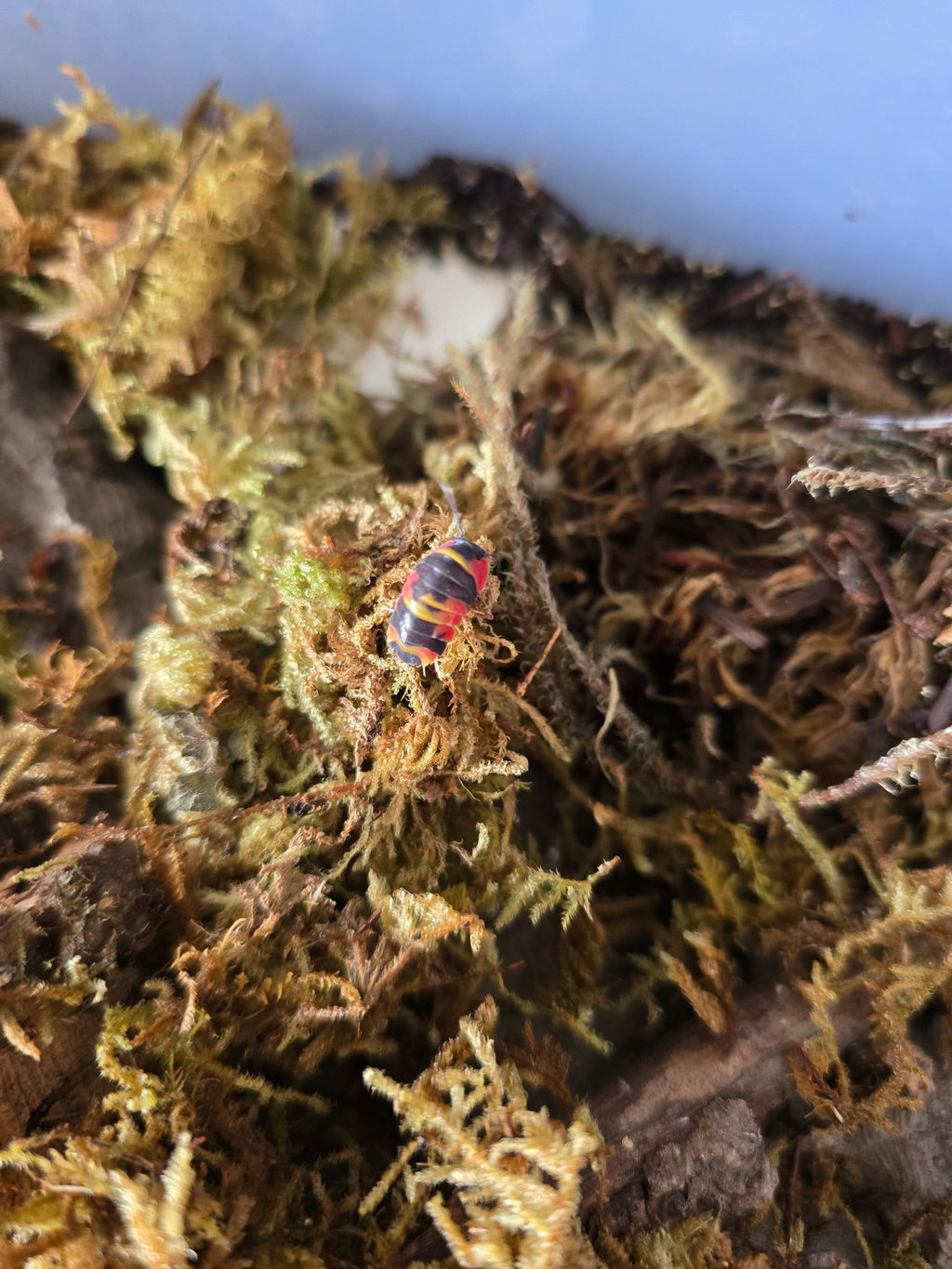
Invertebrate Substrate for Isopods and Millipedes
- Free shipping over £65
- Low stock - 6 items left
- Backordered, shipping soon
For an isopod or a millipede, substrate is not the floor of the enclosure. It is the larder, the nursery and the place the animal buries itself to moult, and most of what a detritivore eats across its life comes from the material it is standing on rather than from anything you drop on top of it. That relationship is the reason substrate choice carries more weight here than it does for a reptile, where the base layer is mostly there to be walked on and kept clean.
This is the base layer I use across my own colonies, and close to the only one I bother stocking, because one good forest floor substrate covers most of a collection. Keeping one bag for the isopod tubs, another for the millipedes, a third for the roaches and a fourth for the springtail cultures fills a shelf and gets things muddled without a single animal doing better for it. It holds moisture without slumping into sludge, it keeps air moving through instead of packing down into a sour airless layer, and nearly everything in the bag is material the animals living in it can eat. I source it and bag it here.
Species differences are handled by how deep you lay it and how wet you keep it, not by buying a different product. Depth follows the animal. Most isopods want 5 to 8cm, enough to bury into and moult out of sight. Millipedes need 10cm and upwards, because for them the substrate is food and not furniture. A shallow layer limits how they behave and how big they get, and beetle larvae and burrowing roaches read the same way. The dry Mediterranean Porcellio go the other direction, taking the same material laid thinner and kept drier with more ventilation, since a tall damp column is the last thing they want under them. For moisture, aim for damp and not wet. Squeeze a handful and it should hold together and feel cool with no water running between your fingers. Too much water does more harm than an enclosure running slightly dry, and it is the mistake I see most often in new keepers.
Cap it with dry hardwood leaf litter, laid on generously. Magnolia leaves are my preference because they last months instead of weeks and keep their shape when damp, giving a colony cover to forage under as well as something to graze on. Nothing in the bag will cover a colony's calcium, so keep cuttlebone in there permanently alongside it. For a colony breeding hard and working through the substrate quickly, a scatter of flake soil through the top few centimetres lifts the nutrition without altering the structure, and a few handfuls of shredded rotten wood give millipedes and beetle larvae something coarse to tunnel into.
It arrives ready to lay but on the dry side, so mist and turn it until it is evenly damp before the animals go in, then leave it a day to settle if you can. After that, spot-change and do not strip down. Lift the spent material out of wherever the colony has worked hardest, usually the damp corner and under the feeding station, and top back up with fresh. Our substrate guide goes further into the timing question, and everything that goes over and into it sits in our accessories collection.