Cubaris sp. &
Black Sapphire Isopods (Cubaris sp.)
black sapphire isopods
Black Sapphire Isopods (Cubaris sp.)
Black Sapphire Isopods (Cubaris sp.) - Isopods For Sale UK I PostPods

Cubaris sp. 'Black Sapphire' Isopods for Sale

Care Info:

Origin icon ORIGIN
THAILAND
Temperature icon TEMP
24-27 ℃
Humidity icon HUMIDITY
75-85 %
Length icon LENGTH
18 mm
Difficulty icon DIFFICULTY
EASY
Rarity icon RARITY
VERY RARE
Regular price£70.00
/
Tax included. Shipping calculated at checkout.

Quantity
  • Free shipping over £65
  • Low stock - 4 items left
  • Backordered, shipping soon

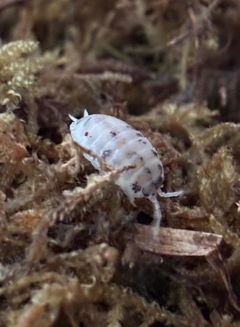
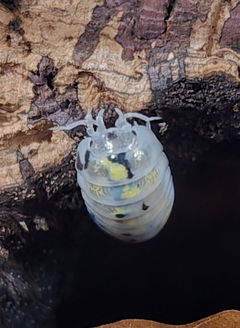
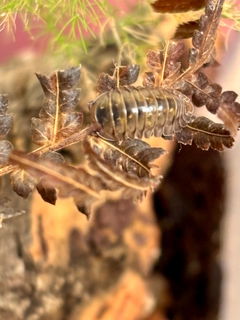
Cubaris sp. 'Black Sapphire' is one of the more striking dark-bodied isopods in the UK Cubaris range — a deep, lustrous black variant from the Thai Cubaris lineage with the rounded body shape and characteristic "ducky" facial profile familiar from the famous Rubber Ducky. The body shows a properly clean, deep black colouration — almost obsidian-like in good light — making for an unusually photogenic display species against pale or naturalistic substrate. At around 18 mm and Very Rare, it's a genuine collector's piece in the premium Cubaris tier.

Worth being honest about up front: "Black Sapphire" is a hobby trade name, and within the broader Cubaris hobby, dark colour expressions in the Rubber Ducky lineage are well-documented. Isopod.com notes that Rubber Duckies themselves "can range from a full blonde to black body" in captivity, with variation linked to diet and locality. Whether the Black Sapphire is a stable selectively-bred dark phase, a regional variant, or something more distinct isn't fully settled — but what is clear is that it sits within the Cubaris sp. "ducky-faced" family, with care broadly aligned with that group. For collectors drawn to dark, dramatic colouration rather than the typical warm-orange Cubaris palette, it's a compelling premium addition.

It sits naturally alongside the iconic Rubber Ducky and other dark Cubaris like Black Pearl in the premium tier of the Cubaris range. Like all Cubaris, the Black Sapphire conglobates — rolling into a tight defensive ball when disturbed.

Quick Care Summary

  • Scientific Name: Cubaris sp. 'Black Sapphire'
  • Common Names: Black Sapphire, Black Sapphire Cubaris
  • Family: Armadillidae
  • Origin: Thailand
  • Adult Size: Up to approximately 18 mm
  • Lifespan: 2–3 years typical
  • Difficulty: Easy by Cubaris standards, but still a premium species — consistency matters more than precision
  • Temperature: 24–27°C (warm-preferring tropical species)
  • Humidity: 75–85% — high and stable
  • Ventilation: Medium — balance airflow with humidity retention
  • Conglobation: Yes — rolls into a tight defensive ball
  • Appearance: Deep, lustrous black body; "ducky-faced" rounded Cubaris profile typical of the Rubber Ducky lineage
  • Behaviour: Shy and reclusive; mostly nocturnal; spends much of its time hidden
  • Breeding: Slow — patience required, typical of premium Cubaris
  • Rarity: Very Rare — premium collector's variant

What Makes Black Sapphire Isopods Special

Several factors make the Black Sapphire a genuine collector's piece:

The deep lustrous black body. This is the headline. A clean, dark, near-obsidian colouration sets the Black Sapphire well apart from the bright yellows, oranges, and creams that dominate the premium Cubaris market. Against pale or contrasting substrate, the effect is properly striking — a photogenic display species in a corner of the Cubaris palette that's still relatively underrepresented in the hobby.

The "ducky-faced" Cubaris profile. The rounded body and characteristic Cubaris facial shape — familiar from the iconic Rubber Ducky — give the Black Sapphire that beloved compact Cubaris silhouette, just in a much darker palette.

Within the Rubber Ducky lineage. The dark colouration sits within the documented range of variation in this Cubaris group, where dietary and locality factors can produce darker phases. Keeping a Black Sapphire is keeping a striking colour expression of one of the hobby's most-loved species groups.

Genuine rarity. Premium pricing reflects genuine scarcity — Black Sapphire are uncommon even among premium Cubaris keepers, and a settled colony represents real collector value.

Conglobation. Like all Cubaris, they roll into a tight defensive ball when disturbed — the classic rounded charm, here on a deep-black body.

How Black Sapphire Compares to Other Premium Cubaris

If you're choosing between premium dark or Ducky-lineage Cubaris, here's how the Black Sapphire fits in:

  • vs Rubber Ducky: The key comparison. Rubber Ducky is the iconic yellow-headed premium Cubaris in the same lineage; Black Sapphire is the dark colour expression of that same group. Same body shape and "ducky" face, opposite colour philosophy. For collectors building a Rubber Ducky lineage set, these are natural companions.
  • vs Black Pearl: Both are dark Cubaris. Black Pearl is the established dark Cubaris with its own naming history; Black Sapphire is the dark Rubber Ducky-lineage variant. Different lineages, similar dark aesthetic appeal — natural companions in a dark-Cubaris collection.
  • vs Rubber Bee: Both are related to the Rubber Ducky lineage with their own distinctive features. Rubber Bee shows the tricolour yellow/black/white pattern; Black Sapphire shows uniform deep black. Different visual approaches, both within the broader Ducky-related premium tier.
  • vs Cubaris murina: Cubaris murina is the easiest, most forgiving gateway Cubaris; Black Sapphire is a premium species requiring more careful husbandry. Master murina first, then consider Black Sapphire once you can hold stable conditions reliably.

Browse the full Cubaris collection to compare all options in this popular genus.

Setting Up the Enclosure

A 6-litre container with a secure clip-lock lid suits a starter colony of 5–10 individuals, with larger enclosures (12 L+) for established colonies. Cubaris appreciate consistent humidity, so aim for a setup that holds moisture while allowing medium ventilation — enough airflow to prevent stagnation without drying out the enclosure.

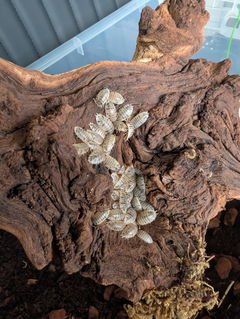
Provide plenty of hiding spots — cork bark, decaying wood, limestone pieces, and moss coverage — to help the colony feel secure, which in turn promotes feeding and breeding. The deep black colouration shows particularly beautifully against lighter naturalistic substrate or pale limestone backgrounds. Keep the enclosure out of direct sunlight. Browse our accessories collection for appropriate enclosures, vents, and other essentials.

Important husbandry note: Cubaris do not need standing water features. Misting and a moist corner provide all the moisture they need — open water risks drowning small isopods and encourages mould in the high-humidity setup. Skip the water dish.

Substrate

Use a substrate mix that retains moisture and provides calcium, reflecting the limestone-rich cave environments of Thai Cubaris:

  • Organic topsoil (pesticide-free) as the base
  • Sphagnum moss for the moist section and moisture retention
  • Composted hardwood leaf litter mixed throughout
  • Flake soil for added nutrition and structure
  • Crushed limestone or oyster shell distributed throughout for calcium
  • Rotting white wood pieces (important nutrition source)

We recommend a topsoil and sphagnum-based mix rather than coco coir. Substrate depth: 8–12 cm — Cubaris appreciate deeper substrate for burrowing and security, and depth supports moisture-gradient stability.

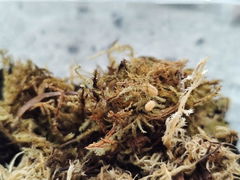
Top layer: Generous hardwood leaf litter — magnolia leaves, oak, and beech all work well — plus cork bark, decaying wood, and a sphagnum moss patch on the humid side. Plenty of cover encourages natural behaviour and helps the colony feel secure.

Humidity and Temperature — Stability Above All

Maintain humidity around 75–85% — high and stable, reflecting the Thai cave conditions Cubaris evolved in. Keep one side of the enclosure more humid (damp sphagnum moss, regular light misting) while the drier side has leaf litter coverage and good airflow. The substrate should feel damp like a wrung-out sponge, never waterlogged. Medium ventilation prevents stagnation while retaining humidity.

"Moist but not wet" is the operating principle for all premium Cubaris. Overwetting is the single most common — and most damaging — mistake on this tier of isopod. Waterlogged conditions cause moulting issues and sudden colony die-offs, even though they need consistently humid air. When in doubt, err slightly drier and increase ventilation.

As one PostPods customer noted about following the website's care guidance for Cubaris-type isopods, getting moisture right is the key to keeping them successfully — and for a premium species like the Black Sapphire, this matters more than for any other husbandry detail.

Temperature should be 24–27°C — they're warm-preferring tropical isopods that appreciate stable conditions. Room temperature in heated UK homes generally works well; avoid fluctuations and don't place the enclosure near heat sources or windows.

Diet

Black Sapphire isopods are detritivores feeding on the usual range of forest materials:

  • Staples (always available): Hardwood leaf litter (oak, beech, magnolia), decaying rotting wood, cork bark
  • Vegetables (1–2x weekly): Carrot, courgette, sweet potato, squash. Replace within 24–48 hours.
  • Fruit (occasionally): Small amounts of soft fruit
  • Protein (1–2x weekly): Fish flakes, dried shrimp, gammarus shrimp. Feed protein on the drier side of the enclosure to prevent spoilage. Browse our accessories collection for the full range of protein supplements.
  • Calcium (essential — always available): Cuttlefish bone, crushed limestone, oyster shell, eggshells. Particularly important for premium Cubaris — provide multiple sources distributed throughout.

Feeding approach: Maintain a base of leaf litter and rotting wood as the dietary foundation, supplementing with small amounts of vegetables, occasional fruit, regular protein, and a constant calcium source. Don't overfeed — excess fresh food spoils quickly in humid conditions and can contribute to moulting issues. Remove uneaten fresh foods within 24–48 hours.

Breeding

Black Sapphire isopods breed slowly — typical of premium Cubaris. Settled colonies build at a measured pace rather than explosively, and patience over months pays off in stable long-term groups.

Breeding basics:

  • Females brood eggs in a marsupium and release fully-formed live young
  • The deep-black colouration develops as juveniles mature
  • A pure colony breeds the dark phase reliably under stable conditions
  • Mature, well-established colonies (8+ months) breed more reliably than newly-set-up groups

For breeding success:

  • Stable temperature (24–26°C is ideal)
  • Consistent humidity (75–85%) — avoid fluctuations and overwetting
  • Deep substrate for burrowing
  • Abundant limestone/calcium for breeding females
  • Plenty of hiding spots so the colony feels secure
  • Regular protein supplementation
  • A larger starter group establishes faster and provides genetic diversity
  • Minimise disturbance during establishment

The reward for patience is a properly impressive colony of one of the more striking dark Cubaris in the UK hobby.

Pair With Springtails

Add a thriving springtail culture to any Black Sapphire setup. Springtails handle mould and microbial growth at a scale isopods can't manage — particularly important in the high humidity these Cubaris require, and around protein foods. They coexist peacefully with the Black Sapphire and form an essential cleanup partnership.

Who Should Buy Black Sapphire Isopods?

Ideal for:

  • Experienced collectors wanting a striking dark Cubaris
  • Hobbyists building a Rubber Ducky lineage collection — Black Sapphire alongside the standard Rubber Ducky and Rubber Bee
  • Display enthusiasts drawn to dark, dramatic colouration over warm orange palettes
  • Keepers comfortable maintaining stable, consistent premium Cubaris conditions

Not ideal for:

  • Complete beginners — start with hardier species like Cubaris murina first
  • Keepers who tend to overwater — overwetting is the leading cause of die-offs in premium Cubaris
  • Setups prone to humidity or temperature fluctuation (stability matters)
  • Anyone wanting a brightly-coloured, highly-visible species

Realistic Expectations

The colour is the visual story. Set expectations toward deep, lustrous black — properly dramatic against pale substrate, but a subtle, low-contrast look against dark substrate. Choose substrate accordingly to maximise the visual impact.

They're shy. Like most Cubaris, the Black Sapphire spends much of its time hidden. Don't expect a highly visible display colony — these are isopods you'll need to lift hides to observe regularly.

"Black Sapphire" is a trade name. The dark colouration sits within the documented variability of the Rubber Ducky Cubaris lineage. Set expectations toward "premium dark Cubaris variant" rather than "fully described separate species."

They want moisture, not water. The "moist but not wet" balance is the critical husbandry skill — consistently damp but never waterlogged. No standing water dishes.

Breeding is slow. Don't expect explosive colony growth. Premium Cubaris build at a measured pace, and patience pays off over months.

Building Your Setup

A complete Black Sapphire setup needs a humidity-retentive, calcium-rich substrate, abundant calcium sources, generous leaf litter, plenty of cork bark hides, and protein supplements. Browse our accessories collection for everything you need — enclosures, ventilation, leaf litter, calcium (cuttlebone, limestone, oyster shell), and protein supplements.

Browse the full Cubaris collection for more premium species — including the iconic Rubber Ducky, the established Black Pearl, and the tricolour Rubber Bee for related premium Cubaris.

Use collapsible tabs for more detailed information that will help customers make a purchasing decision.

Ex: Shipping and return policies, size guides, and other common questions.
You may also like


Recently viewed