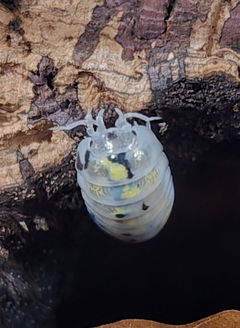
Caramel Cream Isopods (Cubaris sp.)
Care Info:
- Free shipping over £65
- Low stock - 1 item left
- Backordered, shipping soon
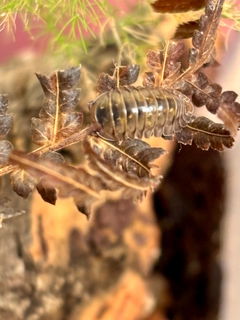
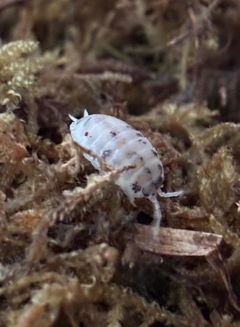
Cubaris sp. 'Caramel Cream' is one of the most warmly beautiful Cubaris available in the UK hobby — a rare Thai species prized for its soft, creamy caramel colouration. Warm cream and light caramel-brown tones give them a genuinely inviting, dessert-like appearance (exactly as the name suggests), with a smooth, capsule-shaped, well-segmented body that shows the warm colour off beautifully. Interestingly, they emerge pale and almost translucent, deepening into their characteristic creamy caramel tones as they mature — so an established colony shows a lovely range of shades. For keepers drawn to the warm, understated end of the Cubaris spectrum, the Caramel Cream is a genuinely elegant choice.
What makes the Caramel Cream particularly worth keeping is the combination of that warm colouration with genuinely easy, beginner-accessible Cubaris care. They're rated Easy and are calm, peaceful, and undemanding — coexisting happily with other species and posing no threat to plants or tankmates in a bioactive setup. Despite being rare and sought-after, they're one of the more forgiving Cubaris, making them a lovely way into the genus as well as a warm-toned prize for collectors. They sit among the premium Cubaris alongside the warm-glowing Amber Firefly, the marbled Cappuccino, and the iconic Rubber Ducky.
Like other Cubaris, Caramel Creams originate from humid, limestone-rich environments in Thailand, which directly informs their care — consistent humidity, a calcium-rich substrate, and the warm conditions typical of the genus. They share the classic Cubaris temperament: calm and peaceful, somewhat shy, and inclined to shelter among cover. Like all Cubaris, they conglobate (roll into a tight defensive ball) when disturbed — and a warm caramel-toned ball is a particularly charming sight.
Quick Care Summary
- Scientific Name: Cubaris sp. 'Caramel Cream'
- Common Names: Caramel Cream Isopod, Caramel Cream Cubaris
- Family: Armadillidae
- Genus: Cubaris
- Origin: Thailand — humid, limestone-rich environments
- Adult Size: Approximately 20–30 mm (2–3 cm) — a larger Cubaris
- Lifespan: 2–3 years typical
- Difficulty: Easy — one of the more forgiving Cubaris
- Temperature: 22–28°C (warm-tropical preference)
- Humidity: 60–80% with a moisture gradient
- Ventilation: Low to medium — balance airflow with humidity retention
- Conglobation: Yes — rolls into a tight defensive ball
- Behaviour: Calm, peaceful, somewhat shy; coexists well with tankmates
- Breeding: Easy for a Cubaris; builds steadily once established
What Makes Caramel Cream Isopods Special
Several factors have made the Caramel Cream a coveted warm-toned Cubaris in the UK hobby:
The warm caramel-cream colouration is genuinely beautiful. Soft cream and light caramel-brown tones give them an inviting, dessert-like appearance that's quite different from the bold patterns and bright colours dominating the hobby. The warm palette is elegant and understated, showing at its best against a naturalistic substrate.
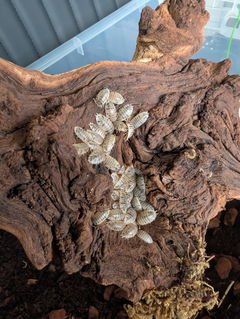
Colour that develops with maturity. They emerge pale and almost translucent, deepening into their characteristic creamy caramel tones as they grow through successive moults. This means an established colony shows an attractive range of shades from pale juveniles to richly-coloured adults — genuinely rewarding to watch develop.
Genuine rarity with easy care. This is a real part of the appeal. The Caramel Cream is rated rare and sought-after, yet it's one of the more forgiving, beginner-accessible Cubaris. A rare, distinctive Cubaris that's also genuinely easy to keep is an unusual and welcome combination.
Calm, peaceful temperament. They're notably gentle, peaceful isopods that coexist happily with other species and pose no danger to plants or tankmates. This makes them a lovely choice for community bioactive setups as well as dedicated display colonies.
The appealing capsule-shaped body. Their smooth, rounded, well-segmented capsule form gives them genuine charm and shows off the warm colouration beautifully — and offers protection when they roll up.
Functional cleanup crew. Beyond their looks, they're effective detritivores that process decaying matter and contribute to a healthy bioactive ecosystem. In appropriate humid setups they earn their keep while providing warm-toned display value.
How Caramel Cream Compares to Other Cubaris
If you're choosing between warm-toned and premium Cubaris, here's how the Caramel Cream fits in:
- vs Amber Firefly: Both are warm-toned premium Cubaris. Amber Fireflies glow brighter amber-orange; Caramel Creams are softer, creamier caramel-brown. Both lovely warm display species — choose based on whether you prefer a bright glow or a gentle, creamy warmth.
- vs Cappuccino: The closest tonal cousin — both sit in warm coffee-and-cream territory. Cappuccinos show marbled coffee-and-cream patterning; Caramel Creams are a softer, more uniform caramel-cream. Natural companions in a warm-toned Cubaris collection.
- vs Rubber Ducky: Rubber Duckies are the iconic premium Cubaris with their famous duck-face markings; Caramel Creams offer soft warm caramel elegance instead. Both premium display Cubaris — different looks, similar care.
- vs Sunset (Troglodillo sp.): Both are warm-toned cave-dwelling Asian isopods. Sunsets glow orange-and-brown (and are flat-bodied Troglodillo with reduced rolling); Caramel Creams are creamy caramel Cubaris that conglobate fully. Both warm display species from different genera.
Browse the full Cubaris collection to compare all options in this premium genus.
Setting Up the Enclosure
A 6–10 litre container with a secure lid suits a starter colony. Ventilation should be low to medium — enough to prevent stagnation, but not so much that it dries out the humidity these isopods need. The 3L Braplast tub works for starter colonies, with larger housing as the colony grows; our Braplast vent plugs help maintain humidity while preventing tiny mancae from escaping.
Keep the enclosure in a dim, quiet area reflecting their cave-influenced origins, and away from windows, radiators, or other sources of temperature fluctuation. Provide plenty of hiding spots with cork bark, leaf litter, and moss so the isopods feel secure. The warm caramel colouration shows beautifully against a darker, naturalistic substrate. Browse our accessories collection for appropriate enclosures, vents, and other essentials.
Substrate
Use a substrate mix that retains moisture and provides calcium — genuinely important for Cubaris:
- Organic topsoil (pesticide-free) as the base
- Sphagnum peat moss for moisture retention
- Flake soil for added nutrition and structure
- Crushed limestone worked throughout for calcium
- Decomposed leaf litter and plant debris mixed into the substrate
- Pieces of white-rotted hardwood
We recommend a topsoil, sphagnum, and limestone-based mix rather than relying on coco coir, which lacks the calcium Cubaris require and doesn't replicate their limestone-rich natural environment. Substrate depth: at least 5–8 cm to allow for burrowing behaviour. A small shallow dish of dechlorinated water can be offered, though a properly humid substrate usually provides enough moisture.
Top layer: Generous hardwood leaf litter — magnolia leaves work particularly well for long-lasting cover. Add cork bark (flat pieces and tubes), hardwood pieces, and sphagnum moss clumps on the humid side. Plenty of cover and varied microhabitats encourage natural behaviour and help the colony feel secure.
Humidity and Temperature
Maintain humidity at 60–80% with a moisture gradient. Keep one side of the enclosure more humid than the other — add damp sphagnum moss to the humid side and mist this area regularly, while the drier side still has leaf litter coverage but won't need regular misting. This gradient lets the isopods regulate their own moisture needs. The substrate should be damp in the moist zone but never waterlogged.
Don't overwater. As one PostPods customer noted about Cubaris-type isopods, following proper care guidance prevents the most common fatal mistake — too much moisture. While Caramel Creams need consistent humidity, waterlogged substrate causes problems. Maintain damp-but-not-wet conditions and mist to top up humidity rather than saturating the substrate.
Temperature should be 22–28°C — these are warm-tropical Cubaris that appreciate consistent warmth. Room temperature in most heated UK homes works toward the lower end, but avoid temperature fluctuations and don't place the enclosure near heat sources or windows. If your home regularly drops too low, a heat mat on a thermostat helps — position it on one side of the enclosure to maintain the gradient, never underneath (which dries the substrate).
Diet
Caramel Creams are detritivores and will work through the usual range of organic matter:
- Staples (always available): Dried leaf litter (oak, beech), decaying white-rotted hardwood, plant debris, and the substrate itself when properly prepared with organic matter
- Vegetables (supplementary): Carrot, courgette, sweet potato, squash. Replace within 24–48 hours.
- Fruit (occasionally): Small amounts of soft, sweet fruit — remove uneaten portions promptly
- Protein (1–2x weekly): Fish flakes, dried shrimp, freeze-dried insects. Browse our accessories collection for the full range of protein supplements.
- Calcium (essential — always available): Crushed limestone, cuttlefish bone, powdered eggshells, oyster shell. Their limestone cave origins mean they evolved with ready access to calcium, and deficiency leads to moulting problems. Provide a constant source.
Feed sparingly with fresh foods. These isopods graze continuously on leaf litter, decaying wood, and plant debris, so vegetables and commercial foods are supplements rather than the bulk of their diet. Calcium is an essential supplement (not a main food). Overfeeding fresh foods encourages mould, which thrives in the same humid conditions your isopods need — a thriving springtail culture helps manage any mould.
Breeding
Caramel Creams are relatively easy breeders for a Cubaris, building colonies steadily once established in stable conditions.
Breeding basics:
- Females brood eggs in a marsupium and give birth to live, fully-formed young (rather than laying eggs)
- Stable conditions are important — temperature or humidity fluctuations can disrupt breeding
- A starting group gives better odds of establishing a breeding population
- Juveniles emerge pale and translucent, developing the warm caramel colouration as they mature
For breeding success:
- Maintain humidity consistently in the 60–80% range
- Keep temperature stable within the 22–28°C range
- Provide plenty of calcium for breeding females
- Include varied microhabitats (bark, wood, moss, leaf litter)
- Minimise disturbance during establishment
Timeline: As one of the more forgiving Cubaris, the Caramel Cream rewards stable, patient husbandry with steady colony growth — and watching juveniles develop from pale translucence to warm caramel is genuinely satisfying.
Pair With Springtails
Add a thriving springtail culture to any Caramel Cream setup. Springtails handle mould and microbial growth at a scale isopods can't manage — particularly important in the humid conditions these tropical Cubaris require, and especially valuable for protecting a premium colony from mould blooms around protein foods. They coexist peacefully with Caramel Creams and form an essential cleanup partnership.
Who Should Buy Caramel Cream Isopods?
Ideal for:
- Keepers who love warm, soft caramel-cream colouration
- Cubaris collectors seeking a rare but accessible warm-toned species
- Those wanting a peaceful species for a community bioactive setup
- Keepers ready to try Cubaris with one of the more forgiving options
- Display enthusiasts who appreciate understated warm elegance
- Anyone building a warm-toned Cubaris collection (Amber Firefly, Cappuccino)
Not ideal for:
- Complete beginners with no humid-setup experience — start with hardier species like Dairy Cow or accessible Cubaris like Cubaris murina first
- Low-humidity or excessively-ventilated setups (they need consistent moisture)
- Setups prone to temperature or humidity fluctuation (they prefer stability)
- Keepers wanting bold, brightly-patterned species (the appeal here is soft warm colour)
Realistic Expectations
The warm caramel colour develops with maturity. Juveniles emerge pale and almost translucent, deepening into the characteristic creamy caramel tones as they grow. An established colony shows a lovely range of shades — don't expect newly-arrived young to show full colour immediately.
They're rare but genuinely accessible. Don't be put off by the "rare" rating — the Caramel Cream is one of the more forgiving Cubaris, making it a lovely way into the genus for keepers ready to provide humid conditions.
They're calm and peaceful. A gentle, sociable species that coexists well with tankmates and poses no threat to plants — well-suited to community bioactive setups as well as dedicated colonies.
They appreciate consistent humidity, not waterlogging. Like all Cubaris, they want a proper moisture gradient with damp-but-not-wet substrate. Overwetting is the most common cause of Cubaris problems — maintain the gradient and good conditions.
They're a larger Cubaris. At 2–3 cm, they're a more substantial Cubaris than some — observable and easy to appreciate, with the warm colouration well displayed on the capsule-shaped body.
Building Your Setup
A complete Caramel Cream setup needs a humidity-retentive, calcium-rich substrate, abundant calcium sources, generous leaf litter, plenty of cork bark hides, and protein supplements. Browse our accessories collection for everything you need — enclosures, ventilation, leaf litter, calcium (cuttlebone, limestone, oyster shell), and protein supplements (fish flakes, dried shrimp).
Browse the full Cubaris collection for more premium species, or read our blog post on Cubaris isopods you should know about for detailed guidance on this popular genus.
Use collapsible tabs for more detailed information that will help customers make a purchasing decision.
Ex: Shipping and return policies, size guides, and other common questions.