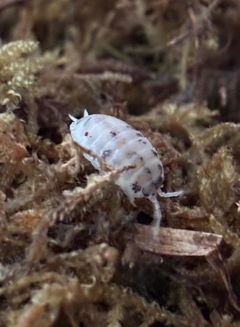
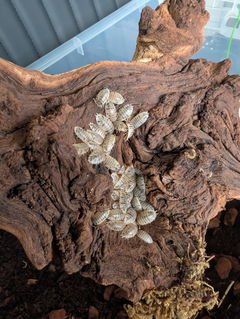
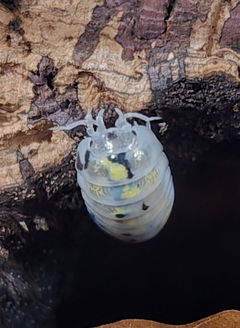
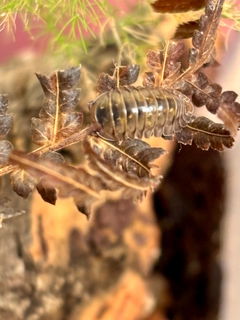
orange large isopod
large isopod that is very orange with yellowish flaring on the sides
large bright orange isopod
cubaris crabby isopod
large orange cubaris isopod
cubaris crabby isopod
busting orange isopod
Crabby Isopods (Cubaris sp.)
cubaris crabby isopod
Crabby Isopods (Cubaris sp.)

Cubaris sp. 'Crabby' (Giant Nguyen) Isopods for Sale

Care Info:

Origin icon ORIGIN
THAILAND
Temperature icon TEMP
22-27 ℃
Humidity icon HUMIDITY
70-80 %
Length icon LENGTH
15-18 mm
Difficulty icon DIFFICULTY
MEDIUM
Rarity icon RARITY
RARE
Regular price£65.00
/
Tax included. Shipping calculated at checkout.

Quantity
  • Free shipping over £65
  • Low stock - 4 items left
  • Backordered, shipping soon

Cubaris sp. 'Crabby' — formally known in European keeper communities as Cubaris sp. 'Giant Nguyen' — is one of the most remarkable isopods currently available in the UK hobby. It holds an unusual distinction: it's currently the largest Cubaris species in the Western hobby, with adults reaching up to 28 mm in established colonies. PostPods' current stock typically displays at 15–18 mm, with potential to develop further as colonies mature. Properly substantial, properly distinctive, and properly rare.

The species was discovered in caves in Southern Vietnam by Mr. Nguyen — the keeper after whom the formal hobby name (Giant Nguyen) was coined. The 'Crabby' designation is the alternative trade name that has gained popularity in some retailer networks, reflecting the bold orange-and-yellow flared appearance that gives the species its broad crab-like silhouette. The bold orange-red body with yellowish flaring on the sides is unmistakable — visually striking in a way that distinguishes this species clearly from any other Cubaris in the hobby.

One genuinely extraordinary detail about this species that's often missed in trade descriptions: Crabby/Giant Nguyen isopods can produce audible hissing sounds when disturbed, generated by rubbing their legs against the inner surfaces of their exoskeleton. This stridulation as a defence mechanism is properly unusual for terrestrial isopods — most Cubaris simply conglobate (roll) when threatened. For naturalist customers, this is one of the more remarkable behavioural traits in the entire isopod hobby.

Quick Care Summary

  • Scientific Name: Cubaris sp. (undescribed)
  • Hobby Names: Crabby, Giant Nguyen, Crabby Isopod
  • Family: Armadillidae (the Cubaris family — distinct from Armadillidium's family Armadillidiidae)
  • Origin: Caves in Southern Vietnam (recently introduced to the international hobby)
  • Adult Size: 15–18 mm typical current UK stock; species reaches up to 28 mm at full maturity in established colonies — the largest Cubaris currently available in the Western hobby
  • Lifespan: 2–3 years typical
  • Difficulty: Medium — straightforward by Cubaris standards once established; slow to reach a settled breeding rhythm
  • Temperature: 22–27°C (tropical, warm-preferring)
  • Humidity: 70–80% — high with proper moisture gradient
  • Ventilation: Medium to high — balance airflow with humidity retention
  • Conglobation: Yes — rolls into a defensive ball; also produces audible hissing when disturbed (rare among isopods)
  • Appearance: Bold orange-red body with distinctive yellow flaring along the sides; substantial broad-bodied build that gives the species its "crab-like" name
  • Behaviour: Mostly nocturnal but increasingly visible as colonies establish; the unique hissing defence sets them apart from typical shy Cubaris
  • Breeding: Slow but reliable — small broods of approximately 5–15 mancae per cycle; expect several months to reach steady breeding pace
  • Rarity: Very Rare — limited captive-bred stock in the UK hobby

What Makes Crabby/Giant Nguyen Special

Several factors make this species genuinely remarkable:

The hissing defence behaviour. This is the single most unusual trait. Crabby/Giant Nguyen produce audible hissing sounds by rubbing their legs against the inner surfaces of their exoskeleton when disturbed — a stridulation-based defence almost unknown among other terrestrial isopods. For keepers interested in genuinely distinctive behaviour, this is properly worth featuring. Many keepers don't realise this until they first disturb an established colony and hear the response.

The largest Cubaris in the hobby. Mature adults reach up to 28 mm — substantially larger than any other Cubaris available in the Western hobby (Rubber Ducky tops out around 12 mm, Cappuccino around 20 mm, even the larger Giant Mandarin reaches roughly 20–22 mm). PostPods' current stock typically shows 15–18 mm individuals, with growth potential as colonies establish. For keepers wanting a properly substantial Cubaris with visual presence, nothing else in the genus matches.

The genuine personal-attribution etymology. The "Giant Nguyen" formal name honours Mr. Nguyen, the keeper who discovered the species in caves in Southern Vietnam. Real personal scientific provenance with a documented collector story — properly meaningful for naturalist customers, not a generic trade-name fabrication.

The bold orange-and-yellow visual. Where most premium Cubaris are sold on subtle marbling (Cappuccino), contrasting heads (Rubber Ducky), or pale colouration (Ice Flower), the Crabby is properly vivid — bold orange-red body with distinctive yellow flaring on the sides. Photographs well, displays well, distinctly recognisable.

The Vietnamese cave provenance. Most premium hobby Cubaris come from Thai limestone caves; Crabby/Giant Nguyen is among the most prominent Vietnamese cave-collected species in international circulation. Different geographic origin adds depth to a serious Cubaris collection.

Browse the full Cubaris collection to compare premium options across the genus.

A Note on Naming and Origin

The 'Crabby' and 'Giant Nguyen' names refer to the same species — Cubaris sp. from caves in Southern Vietnam. 'Giant Nguyen' is the formal European keeper-community name (honouring the discoverer); 'Crabby' is the alternative trade name reflecting the crab-like appearance. Both names appear in the international hobby, and you may see the species sold under either label depending on retailer.

One important geographic clarification: this species comes from Vietnam, not Thailand. While most premium hobby Cubaris originate from Thai limestone caves, the Crabby/Giant Nguyen is a distinctly Vietnamese species. If the on-page origin icon shows Thailand, that's a labelling carryover from default Cubaris assumptions rather than the actual collection locality — the underlying species is genuinely Southeast Asian Vietnamese in origin.

A second taxonomic note: as a Cubaris, this species sits in family Armadillidae (no second "i"). It's sometimes confused with Armadillidium species in family Armadillidiidae — they're different families despite the similar names and both being conglobating "pill bug"–type isopods.

Setting Up the Enclosure

A 6-litre plastic container with a secure clip-lock lid suits a starter colony of 5–10 individuals, with larger setups (12–15 L) as the colony grows. Drill ventilation holes on opposite sides for cross-ventilation, covered with fine mesh. Aim for medium-to-high ventilation — enough airflow to prevent stagnation while maintaining the humidity Cubaris need.

Substrate depth of around 15 cm gives them adequate burrowing room — Crabby/Giant Nguyen are properly substantial isopods and appreciate deep substrate. Provide plenty of tight hiding spots — cork bark flats, cork tubes, decaying wood, limestone chunks, and stacked bark pieces. Keep the enclosure out of direct sunlight.

Important husbandry note: Cubaris do not need a standing water dish. Misting and a moist corner provide all the moisture they need — open water risks drowning and encourages mould. Skip the water dish.

Substrate

Use a substrate mix that retains moisture and provides calcium, reflecting the limestone-cave origin:

  • Organic topsoil (pesticide-free) as the base
  • Sphagnum moss for the moist section and moisture retention
  • Composted hardwood leaf litter mixed throughout
  • Flake soil mixed in for added nutrition and structure
  • Crushed limestone or oyster shell distributed throughout — essential for Cubaris exoskeleton development
  • Rotting white wood pieces (important nutrition source)
  • Aged bark pieces for cover

We recommend a topsoil and sphagnum-based mix rather than coco coir. Substrate depth around 15 cm gives them plenty of burrowing depth — important for a properly substantial species.

Top layer: generous hardwood leaf litter — oak, beech, and magnolia work well — plus cork bark, decaying wood, and limestone chunks. The orange colouration shows particularly well against dark naturalistic substrate.

Humidity and Temperature

Maintain humidity around 70–80% with a clear moisture gradient — keep one side of the enclosure consistently damp using sphagnum moss and damp leaf litter, while the rest stays drier with leaf litter coverage and good airflow. The substrate should feel damp like a wrung-out sponge, never waterlogged.

"Moist but not wet" is the operating principle for all premium Cubaris. Overwetting causes moulting issues and sudden colony die-offs. When in doubt, err slightly drier and increase ventilation.

Temperature should be 22–27°C — they're warm-preferring tropical isopods that appreciate stable conditions. UK room temperature in heated homes generally works well; avoid fluctuations and don't place the enclosure near heat sources or windows.

Diet

Crabby/Giant Nguyen are detritivores feeding on the typical range of forest materials, with proportionally higher protein and calcium needs given their substantial size:

  • Hardwood leaf litter (oak, beech, magnolia) — the dietary foundation, always available
  • Decaying rotting wood — important nutrition source
  • Vegetables 2–3x weekly: carrot, courgette, sweet potato, squash. Replace within 24–48 hours.
  • Fruit occasionally (small amounts of soft fruit)
  • Protein 2–3x weekly: fish flakes, dried shrimp, dried daphnia, occasional freeze-dried bloodworms. Their substantial body size means protein matters more than for smaller Cubaris. Feed protein on the drier side of the enclosure to prevent spoilage.
  • Calcium (essential — always available): cuttlefish bone, crushed limestone, oyster shell, eggshells. Distribute multiple sources throughout the enclosure given the species's substantial calcified exoskeleton.

Breeding

Crabby/Giant Nguyen breed slowly but reliably under stable conditions. Established colonies produce small broods of approximately 5–15 mancae per cycle, with breeding cycles typically every several weeks in mature colonies. Expect several months before a starter colony reaches steady breeding pace — this is part of why the species remains genuinely rare and premium-priced internationally.

For breeding success:

  • Stable temperature within range (24–26°C is ideal)
  • Consistent humidity (75–80%) — avoid fluctuations
  • Deep substrate (15 cm+) for burrowing
  • Abundant calcium for breeding females
  • Regular protein supplementation
  • Plenty of secure hiding spots
  • A larger starter group establishes faster and provides genetic diversity
  • Minimise disturbance during the establishment phase

Patient keepers are rewarded — Crabby/Giant Nguyen establish into properly impressive colonies given time, with the substantial adult size making mature display colonies particularly striking.

Who Should Buy Crabby/Giant Nguyen Isopods?

Ideal for:

  • Experienced Cubaris keepers ready for a top-tier rare species
  • Collectors interested in genuinely unique behaviour (the hissing defence)
  • Display keepers wanting the largest, most substantial Cubaris available
  • Naturalists drawn to species with documented personal-attribution etymology and clear collection provenance
  • Anyone who appreciates the genuine scarcity and slow breeding pace as part of the species's premium standing
  • Customers who've kept other premium Cubaris (Rubber Ducky, Red Pak Chong, Cappuccino) and want to progress

Not ideal for:

  • Complete beginners — start with Cubaris murina first, then progress through mid-tier Cubaris before considering this species
  • Keepers wanting fast-establishing colonies (slow breeding is genuinely real)
  • Setups prone to humidity or temperature fluctuation
  • Customers wanting a different size category — try Hoffmannseggii 'Titan' for a flagship-sized Porcellio at more accessible pricing

Realistic Expectations

The hissing is real, but quiet. Don't expect Madagascar Hissing Cockroach volume — the stridulation is properly subtle, and you'll typically notice it when disturbing the colony for maintenance rather than during normal observation. It's a fascinating background detail, not a constant audible feature.

The 28 mm size potential takes time. Current PostPods stock at 15–18 mm represents healthy younger specimens; reaching the species's full potential takes a properly established colony over months and years. Set expectations toward "substantial Cubaris that may grow further" rather than "instantly 28 mm display animals."

They're shy initially. Like most premium Cubaris, the Crabby spends much of its time hidden during early establishment. Visibility increases as colonies mature and individuals become more confident.

Breeding is genuinely slow. Don't expect explosive growth — small broods, several-month establishment, patience required. The slow pace is part of what justifies the rarity and pricing.

"Crabby" is a trade name. Cubaris sp. Giant Nguyen is the formal European keeper-community name; 'Crabby' is the alternative. Both refer to the same undescribed species from Vietnamese caves.

The origin really is Vietnam. If listings or icons elsewhere suggest Thailand, those are likely default-Cubaris assumptions rather than accurate provenance. The species was discovered by Mr. Nguyen in Southern Vietnam, and stocking provenance traces back to that origin via European keeper-community lines.

Customer report from PostPods: "Amazing little creatures, great handling thank you" — Luke Fathers. A genuinely positive early review for a properly distinctive species.

Use collapsible tabs for more detailed information that will help customers make a purchasing decision.

Ex: Shipping and return policies, size guides, and other common questions.
You may also like


Recently viewed