Fillipinodillo sp. Giant Banahoo Isopods - Isopods For Sale UK I PostPods
Nakar Isopods (Fillipinodillo sp) - Isopods For Sale UK | PostPods
Nakar Isopods (Fillipinodillo sp)

Fillipinodillo sp. 'Nakar' Isopods for Sale

Care Info:

Origin icon ORIGIN
PHILIPPINES
Temperature icon TEMP
24-28 ℃
Humidity icon HUMIDITY
75-85 %
Length icon LENGTH
25 mm
Difficulty icon DIFFICULTY
MEDIUM
Rarity icon RARITY
VERY RARE
Regular price£35.00
/
Tax included. Shipping calculated at checkout.

Quantity
  • Free shipping over £65
  • Low stock - 3 items left
  • Backordered, shipping soon

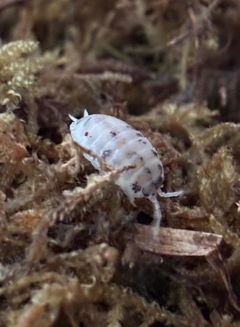
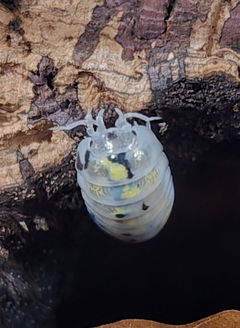
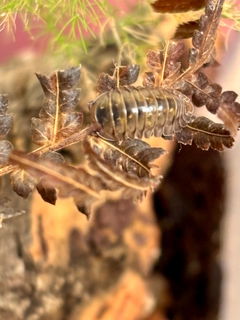
Fillipinodillo sp. 'Nakar' is a striking Philippine isopod from the Nakar region of Luzon — one of the more substantial and visually interesting species in the small but growing range of Philippine isopods available in the UK hobby. At around 25 mm, they're properly substantial animals with intricate markings that vary individually and develop nicely as they mature. For collectors drawn to less-familiar geographies than the dominant Thai Cubaris and South American species, a Philippine locality piece offers genuine regional novelty.

It's worth being honest about the genus up front: Fillipinodillo is a hobby trade name used for several Philippine isopod species (including the Leopard Bee in our range), and the formal taxonomy isn't fully settled in the scientific literature. As Isopods.co.uk notes about the genus generally, beginner-suitability is "considered very difficult by some and easy by others," and "the overall genus has limited info regarding care, but what is important to keep in mind is the likes of humidity — that is a crucial must for the Fillipinodillo species." So set expectations toward "genuine collector's keep with stable husbandry rather than a fully-documented care path." Like other members of the genus, the Nakar conglobates — rolling into a defensive ball when disturbed.

The Nakar locality itself is a real Philippine municipality on Luzon, lending the trade name proper geographic provenance. They sit naturally within the small Fillipinodillo cluster in our range alongside the Leopard Bee. Browse the full Fillipinodillo collection for related Philippine species.

Quick Care Summary

  • Scientific Name: Fillipinodillo sp. 'Nakar' (hobby trade name; formal taxonomy unsettled)
  • Common Names: Nakar Isopod, Nakar Fillipinodillo
  • Family: Armadillidae (suborder Oniscidea; conglobating)
  • Origin: Nakar region, Luzon, Philippines
  • Adult Size: Up to approximately 25 mm — a substantial isopod
  • Lifespan: 2–3 years typical
  • Difficulty: Medium — humidity-critical; not a beginner species, but rewarding for keepers with stable conditions
  • Temperature: 24–28°C (tropical, warm-preferring)
  • Humidity: 75–85% — high and stable (the critical care variable for this genus)
  • Ventilation: Medium — enough airflow to prevent stagnation while retaining humidity
  • Conglobation: Yes — rolls into a defensive ball
  • Appearance: Substantial body with intricate individual markings
  • Behaviour: Mostly nocturnal; benefits from secure hiding spots
  • Breeding: Slow to moderate — patience required
  • Rarity: Very Rare — uncommon in the UK and broader European hobby

What Makes Nakar Isopods Special

Several factors make the Nakar a worthwhile collector's piece:

Substantial size for a Cubaris-family isopod. At around 25 mm, Nakar are properly large compared to most premium isopods in the same care tier — visually impressive specimens with real presence in an enclosure.

Intricate individual markings. Each animal shows its own variation on the underlying pattern — natural individual variability rather than a uniform morph. A settled colony has real visual depth as a result, with different specimens worth observing on their own merits.

Genuine Philippine provenance. Nakar is a real municipality on Luzon, so the trade name reflects an actual collection locality rather than an invented marketing label. For collectors interested in Southeast Asian fauna beyond the dominant Thai Cubaris, a documented Philippine locality piece is a genuine geographic broadening.

Conglobation. Like other Fillipinodillo, the Nakar rolls into a defensive ball when disturbed — the classic roly-poly behaviour on a substantial Philippine isopod.

Part of a small Fillipinodillo cluster. Alongside the Leopard Bee, the Nakar contributes to a small but growing collection of Philippine species available in the UK — natural companions for keepers building a Southeast Asian range that goes beyond Thailand.

How Nakar Compares to Other Philippine and Premium Isopods

If you're choosing between Philippine isopods or premium species in this care tier, here's how the Nakar fits in:

  • vs Leopard Bee (Fillipinodillo sp.): Both are Philippine Fillipinodillo. Leopard Bee shows the distinctive spotted "leopard" patterning; Nakar shows different intricate markings on a slightly larger body. Same genus, same care principles, natural companions in a Fillipinodillo collection.
  • vs Rubber Ducky (Cubaris sp.): Both are premium tropical Southeast Asian species needing high humidity and stable conditions. Rubber Ducky is the iconic Thai species with the yellow-headed look; Nakar is the larger Philippine species with intricate markings. Different geographies, similar care demands.
  • vs Cubaris murina: Cubaris murina is the easiest gateway tropical isopod; Nakar is a step up in both size and care demands. Master murina first to learn humid-tropical husbandry, then consider Nakar.
  • vs Porcellio scaber Mix: Worth mentioning for context — P. scaber is the hardy European beginner species; Nakar is the tropical premium opposite. Different worlds entirely.

Browse the full Fillipinodillo collection for more Philippine species, or the Cubaris collection for related premium tropical isopods.

Setting Up the Enclosure

A 6–12 litre plastic container with a secure clip-lock lid suits a starter colony, with larger setups for established groups given the substantial adult size. Drill ventilation holes on opposite sides for cross-ventilation, covered with fine mesh. Aim for medium ventilation — enough airflow to prevent stagnation, but not so much that humidity drops below the 75–85% range these tropical species require.

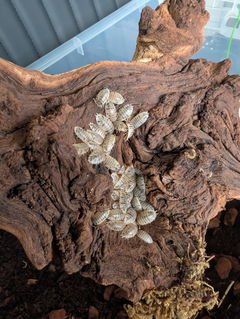
Provide abundant hiding spots — cork bark, decaying wood, leaf litter, and stones — to help the colony feel secure, which in turn supports feeding and breeding. The intricate markings show particularly well against dark naturalistic substrate. Keep the enclosure out of direct sunlight. Browse our accessories collection for appropriate enclosures, vents, and other essentials.

Important husbandry note: Despite Philippine tropical conditions, Nakar do not need standing water features. Misting and a damp corner provide all the moisture they need — open water risks drowning and mould in the high-humidity setup. Skip the water dish.

Substrate

Use a rich, nutritious substrate that retains moisture and provides calcium:

  • Premium organic leaf mould or pesticide-free forest soil as the base
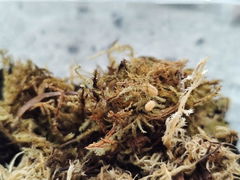
  • Sphagnum moss for moisture retention
  • Composted hardwood leaf litter mixed throughout
  • Flake soil for added nutrition and structure
  • Crushed limestone, oyster shell, or cuttlebone pieces distributed throughout for calcium
  • Rotting hardwood pieces (essential nutrition source)

We recommend a topsoil and sphagnum-based mix rather than coco coir. Substrate depth: 8–12 cm — Nakar appreciate deep substrate for burrowing and security, and depth supports stable moisture gradients.

Top layer: Generous hardwood leaf litter — magnolia leaves, oak, and beech all work well — plus cork bark, decaying wood, and sphagnum moss on the humid side. Plenty of cover encourages natural behaviour and supports the secure environment they need.

Humidity and Temperature — Humidity is the Key

Maintain humidity around 75–85% — high and stable. Per general guidance for the Fillipinodillo genus, humidity is the single most important care variable: get this right and most other things tend to fall into place; get it wrong and you'll struggle. Keep one side of the enclosure more humid (damp sphagnum moss, regular light misting) while the drier side has leaf litter coverage and good airflow. The substrate should feel damp like a wrung-out sponge, never waterlogged.

"Moist but not wet" is the operating principle. Overwetting is more damaging than slight dryness — waterlogged conditions cause moulting issues and sudden colony decline. When in doubt, err slightly drier and ensure ventilation is adequate. Mist the humid side rather than soaking the substrate.

As one PostPods customer noted about following the website's care guidance, getting moisture right is the key to keeping tropical isopods successfully — and for a humidity-critical genus like Fillipinodillo, this matters more than any other husbandry detail.

Temperature should be 24–28°C — Philippine tropical conditions. Stable temperatures matter more than hitting exact numbers; avoid swings, draughts, and placement near heat sources or windows. Heated UK homes generally work well year-round.

Diet

Nakar isopods are detritivores with broad appetites and benefit from varied tropical foods:

  • Staples (always available): Tropical and temperate hardwood leaf litter (oak, beech, magnolia mix), rotting hardwood pieces, decaying organic matter
  • Vegetables (1–2x weekly): Sweet potato, carrot, squash, courgette. Replace within 24–48 hours.
  • Fruit (occasionally): Small amounts of banana, mango, papaya, or other soft tropical fruits
  • Protein (1–2x weekly): Fish flakes, freeze-dried shrimp, dried daphnia. Feed on the drier side of the enclosure to prevent spoilage. Browse our accessories collection for the full range of protein supplements.
  • Calcium (essential — always available): Cuttlefish bone, crushed limestone, oyster shell, eggshells. Important for healthy moulting at this body size — provide multiple sources.

Feeding approach: Maintain leaf litter and rotting wood as the dietary base, supplementing with vegetables, occasional tropical fruit, regular protein, and a constant calcium source. The substantial adult size means they have hearty appetites once a colony is established. Remove uneaten fresh foods within 24–48 hours to prevent mould in the humid conditions.

Breeding

Nakar isopods are slow to moderate breeders. Their larger size means longer development times, but a settled colony produces well-developed mancae once conditions are dialled in. Patience over months pays off in stable long-term groups.

Breeding basics:

  • Females brood eggs in a marsupium and release fully-formed live young
  • Females may take 6–8 months to reach breeding condition due to the substantial adult size
  • The intricate markings develop as juveniles mature through successive moults
  • A pure colony breeds the species reliably under stable conditions

For breeding success:

  • Stable temperature (25–27°C is ideal)
  • Consistent high humidity (78–85%) — the critical breeding variable for this genus
  • Rich, nutritious substrate with abundant organic matter
  • Multiple secure hiding spots for gravid females
  • Good ventilation to prevent stagnation
  • Regular protein supplementation
  • Minimal disturbance during establishment
  • A larger starter group establishes faster and provides genetic diversity

The reward for patience is a colony of one of the rarer Philippine species in the UK hobby — genuine collector's-piece status.

Pair With Springtails

Add a thriving springtail culture to any Nakar setup. Springtails handle mould and microbial growth at a scale isopods can't manage — particularly important in the high-humidity conditions Fillipinodillo require, and around protein foods. They coexist peacefully with the Nakar and form an essential cleanup partnership.

Who Should Buy Nakar Isopods?

Ideal for:

  • Collectors interested in Philippine and Southeast Asian fauna beyond the dominant Thai Cubaris
  • Keepers comfortable maintaining high, stable humidity (the critical care variable)
  • Hobbyists building a Fillipinodillo cluster (Nakar + Leopard Bee)
  • Those drawn to substantial-sized isopods with intricate markings
  • Experienced keepers prepared for limited published care literature

Not ideal for:

  • Complete beginners — start with hardier species like Cubaris murina or Porcellio scaber Mix first
  • Setups prone to humidity fluctuation — Fillipinodillo are humidity-critical
  • Those wanting comprehensive published species-specific care guidance — this genus is still developing in the hobby
  • Keepers who tend to overwater — overwetting is the leading cause of decline

Realistic Expectations

It's a hobby trade name within a partially-documented genus. Set expectations toward "genuine Philippine collector's piece with developing hobby knowledge" rather than "fully-described species with established care literature." The genus Fillipinodillo is a hobby designation; formal taxonomic placement isn't fully settled.

Humidity is the critical variable. Get this right and most other things tend to fall into place. Get it wrong and you'll struggle regardless of how perfectly you handle other parameters.

They conglobate. Like other members of the genus, Nakar roll into a defensive ball when disturbed — classic roly-poly behaviour on a substantial Philippine isopod.

Breeding is slow. Don't expect explosive colony growth — the substantial adult size means longer development cycles, and patience pays off over months rather than weeks.

Individual variation is normal. The intricate markings vary from animal to animal — a colony shows real visual depth rather than uniform identical individuals.

Building Your Setup

A complete Nakar setup needs a humidity-retentive, calcium-rich substrate, abundant calcium sources, generous leaf litter, plenty of cork bark and wood hides, and protein supplements. Browse our accessories collection for everything you need — enclosures, ventilation, leaf litter, calcium (cuttlebone, limestone, oyster shell), and protein supplements.

Browse the full Fillipinodillo collection for more Philippine species — including the spotted Leopard Bee as a natural companion in a Philippine cluster.

Use collapsible tabs for more detailed information that will help customers make a purchasing decision.

Ex: Shipping and return policies, size guides, and other common questions.
You may also like


Recently viewed