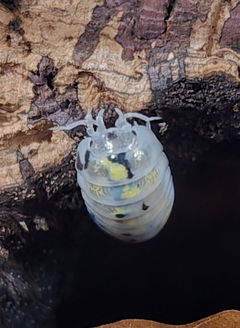
Lilac Springtails (Ceratophysella sp.)
- Free shipping over £65
- In stock, ready to ship
- Backordered, shipping soon
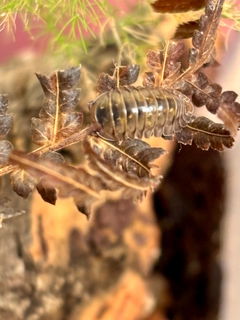
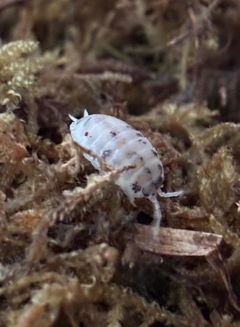
Most springtails are white, grey or the odd orange. A purple one is a rarity worth a second look. The Lilac Springtail, Ceratophysella sp. of the family Hypogastruridae, also sold as Purple Podura or the Thai Lilac Springtail, is a tiny detritivore of around 2mm native to the warm, humid forests of Thailand. What sets it apart is the colour: a soft purple-lilac wash you rarely see in the hobby, where the workhorse species run to plain white and even the brighter ones stop at orange or red. Against a dark, damp substrate it reads as a gentle lilac that shifts a little with the light and the angle, and a busy surface of them is a quietly lovely thing.
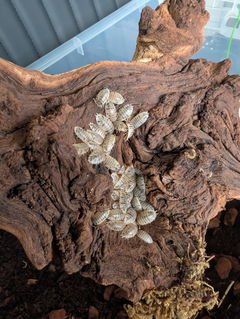
For all that colour, they behave much like their relatives. As with other Ceratophysella, they are quick and restless, and they spring away the instant you disturb the culture, using the little forked tail that gives springtails their name. A firm-fitting lid and an unhurried hand help when you open the tub, since a startled culture can scatter. They also breed readily, which is the whole point of starting with a culture rather than a handful: begin with a small group and, given warmth and steady moisture, it builds within a few weeks into a self-sustaining colony that keeps producing far more than you started with.
Colour aside, springtails earn their keep as the quiet engine of a bioactive setup. They graze mould and mildew, break down waste, spent food and leaf litter, and keep the top layer of substrate turning over so the enclosure stays clean and balanced rather than sour. In an isopod tub or a planted vivarium they are the housekeeping crew that works where nothing else can reach. Seed a pinch into a new setup and they spread through the substrate on their own, mostly out of sight, with a few coming up onto the surface and the leaf litter where that lilac colour shows.
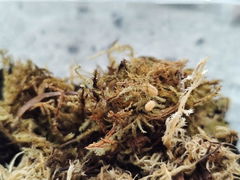
They make an easy tropical culture and ask very little. Keep them warm and humid on a moisture-retentive base such as charcoal or a living soil like flake soil, topped with a little leaf litter or bark for them to graze and shelter under. The one thing to avoid is letting the substrate dry right out, as dry conditions will stall a colony faster than anything else, so keep it damp throughout without sitting water in the base. A closed tub holds humidity well and needs only a light mist now and then to stay right.
Feeding is simple and best kept sparing. A little yeast, a scrap of mushroom or a pinch of specialised springtail food is plenty, offered in small amounts and topped up as it goes; lift out any excess before it moulds over and sours the culture. They are comfortable at ordinary room temperature and simply slow down in the cool, breeding fastest when kept warm, so most homes need no heating at all. Left with damp substrate and the odd feed, a healthy culture largely looks after itself.
If you like a bit of colour in your cleanup crew, the Lilac sits nicely alongside the warm tangerine of our Orange Springtails and the vivid Thai Red Springtails, and you can weigh up the full range on the springtails collection. Every culture is captive-bred here in the UK and posted out with a live-arrival guarantee, ready to settle in and start working from the day it lands.
Use collapsible tabs for more detailed information that will help customers make a purchasing decision.
Ex: Shipping and return policies, size guides, and other common questions.