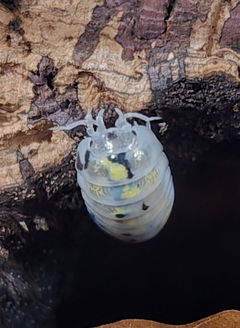
Cubaris Murina Mandarin Isopods
Care Info:
- Free shipping over £65
- Low stock - 1 item left
- Backordered, shipping soon
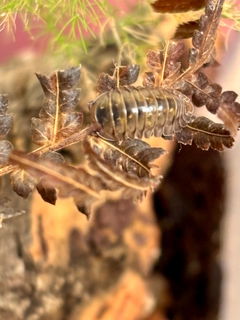
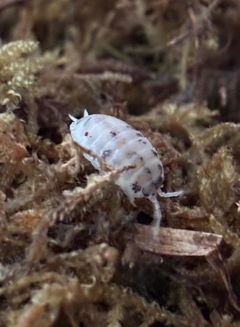
Cubaris murina 'Mandarin' is one of the warmest, most genuinely cheerful Cubaris available in the UK hobby — a beautiful vibrant orange morph of the hardy, widespread Cubaris murina. The name says it all: like a ripe mandarin orange, the body glows in warm citrus tones across the segmented carapace, giving the isopod a sunny, eye-catching presence that's lovely against any naturalistic substrate. It's a more decorative, bold take on the dependable murina — combining real warm colour with the easiest, most forgiving care in the whole Cubaris genus.
What makes the Mandarin particularly worth keeping is exactly that combination: the appeal of a vivid orange Cubaris with genuinely beginner-friendly care. Where the premium cave Cubaris (like the Rubber Ducky and Black Pearl) demand precise, stable conditions, Cubaris murina is the easy, hardy gateway to the genus — far more forgiving of minor husbandry slips, quicker to establish, and ideal for newcomers. They're a natural addition to a colourful murina morph collection alongside the standard Cubaris murina, the pink-toned Papaya, and the calico Anemone — completing a set of four colourful, accessible morphs of the same easy species.
Like other Cubaris murina, the Mandarin is a tropical-to-subtropical species that appreciates warmth and consistent moisture, but — unusually for the genus — it doesn't need a pronounced moisture gradient and tolerates a wider range of conditions than the fussier cave Cubaris. Like all Cubaris, they conglobate (roll into a tight defensive ball) when disturbed.
Quick Care Summary
- Scientific Name: Cubaris murina 'Mandarin'
- Common Names: Mandarin Isopod, Orange Murina, Mandarin Cubaris
- Family: Armadillidae
- Genus: Cubaris
- Origin: Thailand — captive-bred morph of the widespread C. murina
- Adult Size: Up to approximately 12 mm — a small-to-medium Cubaris
- Lifespan: 1.5–3 years typical
- Difficulty: Easy — one of the most forgiving Cubaris, genuinely beginner-friendly
- Temperature: 17–28°C (warm-preferring; lean toward the warmer end)
- Humidity: Moderate to moderately high (55–75%) with a gentle moisture gradient
- Ventilation: Low to medium — retain humidity while preventing stagnation
- Conglobation: Yes — rolls into a tight defensive ball
- Behaviour: Shy under daytime; more active at night; sociable in well-established colonies
- Breeding: Good and forgiving — establishes and builds steadily
What Makes Mandarin Isopods Special
Several factors make the Mandarin a quietly cheerful Cubaris:
The warm mandarin-orange colouration. This is the headline — a uniform vibrant orange across the body that genuinely lives up to the name. It's a far more eye-catching look than the plain wild-type murina, and a warmer, brighter character than the pinker Papaya morph. A colony has a sunny, citrus-glow quality that's lovely against a naturalistic substrate.
The easiest Cubaris to keep. This is the genuine practical headline. Cubaris murina is among the easiest, hardiest, most forgiving species in the whole genus — far less sensitive and demanding than the premium cave Cubaris. The Mandarin gives you that bold orange colour without the exacting care those species require, making it an ideal first Cubaris.
Beginner-friendly and forgiving. They tolerate a wider range of conditions than the fussier Cubaris and are more forgiving if conditions drift slightly for a short time. For newcomers who love the look of Cubaris but feel daunted by the premium species' demands, the Mandarin is a perfect, colourful entry point.
A genuine collector's morph. Rare and uncommon in the UK hobby, the Mandarin completes the colourful C. murina morph set alongside Standard, Papaya, and Anemone — a satisfying group for collectors of accessible Cubaris morphs.
Useful as well as decorative. Beyond looks, they're effective bioactive cleanup crew, processing decaying matter and contributing to healthy living soil. They suit display terrariums and bioactive setups equally well.
Conglobation. Like all Cubaris, they roll into a tight defensive ball when disturbed — the classic rounded Cubaris charm in a vibrant, accessible package.
How Mandarin Compares to Other Murina Morphs and Cubaris
If you're choosing between colourful Cubaris murina morphs and premium Cubaris, here's how the Mandarin fits in:
- vs Standard Cubaris murina: Same species, different look. The standard murina shows plain grey-brown wild-type colouration; the Mandarin is vibrant orange. Identical easy care — choose the standard for understated utility, the Mandarin for warm, bold colour.
- vs Papaya (Cubaris murina): Both are warm-toned murina morphs. Papaya is pink-hued (an albino form); Mandarin is true orange. Natural companions in a colourful murina collection — they sit beautifully together as warm-tone variants of the same easy species.
- vs Anemone (Cubaris murina): Both are colour morphs of the same easy species. Anemone is the calico-patterned dark-splotched form; Mandarin is the solid vibrant orange. Different aesthetic — patterned mottled vs uniform bright colour — same easy care.
- vs Rubber Ducky: Rubber Duckies are the iconic premium cave Cubaris — striking, but demanding and slow-breeding. The Mandarin is the easy, forgiving, colourful alternative for keepers who want a Cubaris without the exacting care.
Browse the full Cubaris collection to compare all options in this popular genus.
Setting Up the Enclosure
A 6–10 litre plastic container or small glass enclosure with a secure lid suits a starter colony. Cubaris murina don't need elaborate setups — a consistent, lightly-damp environment with some ventilation is ideal. Plastic tubs with clip-lock lids work well, providing good humidity retention with controlled airflow.
Enhance the enclosure with natural botanical items — cork bark, leaf litter, and bark pieces — to provide hides and simulate their forest-floor habitat. This helps them feel secure, which in turn promotes feeding and breeding. The bright orange colouration looks particularly lovely against a dark, naturalistic substrate. Keep the enclosure out of direct sunlight. Browse our accessories collection for appropriate enclosures, ventilation, and other essentials.
Substrate
Use a moisture-retentive, calcium-rich substrate appropriate for forest-floor Cubaris:
- Organic topsoil (pesticide-free) as the base
- Sphagnum peat moss and sphagnum moss for moisture retention
- Flake soil for added nutrition and structure
- Crushed limestone or eggshells worked throughout for calcium
- Decomposed leaf litter mixed in
- Pieces of decaying white hardwood and rotting wood
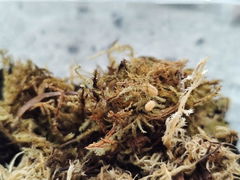
- A little forest moss for humidity and grazing
Substrate depth: around 5 cm is ample. Unlike the fussier cave Cubaris, murina don't need a pronounced moisture gradient — a consistent, lightly-damp (never wet) substrate suits them best, though a small gradient is fine.
Top layer: Generous hardwood leaf litter and forest moss — both serve as cover and food. Add cork bark, decaying wood, and natural botanicals for hides. Plenty of cover helps the colony feel secure and become more active.
Humidity and Temperature
Maintain moderate to moderately high humidity (around 55–75%) with consistent light dampness and a gentle gradient. The Mandarin's great advantage over premium Cubaris is that it doesn't require a pronounced moisture gradient — a consistently lightly-damp (not wet) enclosure with some ventilation is ideal, and they're forgiving if conditions drift slightly for a short time. Keep the substrate damp but never waterlogged. Mist the moister side as needed to maintain moisture.
As one PostPods customer noted about following the website's care guidance for Cubaris-type isopods, proper instructions prevent the most common mistake — too much moisture. Even with this forgiving species, aim for lightly damp rather than wet; they won't fare well in soggy, waterlogged conditions. A modest springtail culture helps manage any mould.
Temperature should be 17–28°C — as a tropical-to-subtropical species, they appreciate warmth and do best leaning toward the warmer middle of this range. Room temperature in heated UK homes works well. If your home runs cold, a heat mat on a thermostat helps — position it on one side to maintain a gentle gradient, never underneath (which dries the substrate). When kept warmer, ensure humidity stays consistent.
Diet
Mandarin isopods are easy-going detritivores:
- Staples (always available): Hardwood leaf litter (oak, beech), decaying rotting white wood, forest moss, lichen, and the substrate's organic matter
- Vegetables and greens (1–2x weekly): Carrot, courgette, sweet potato, leafy greens, cucumber. Replace within 24–48 hours.
- Fruit (occasionally): Small amounts of soft fruit
- Protein (1–2x weekly): Fish food/flakes or dried shrimp. They'll also consume shed reptile and invertebrate moults.
- Calcium (essential — always available): Cuttlefish bone, crushed limestone, eggshells, oyster shell. Important for healthy moulting and exoskeleton development — provide a constant source.
Feeding approach: Their main diet is leaf litter, decaying wood, and forest moss, so a well-established setup partly feeds itself. Supplement with small amounts of vegetables and greens, occasional fruit, and protein, removing uneaten fresh foods within 24–48 hours to prevent mould.
Breeding
Mandarin isopods are good, forgiving breeders — far easier to reproduce than the premium cave Cubaris, which is part of their appeal.
Breeding basics:
- Females brood eggs in a marsupium and release fully-formed live young
- They establish and build colonies steadily under good conditions
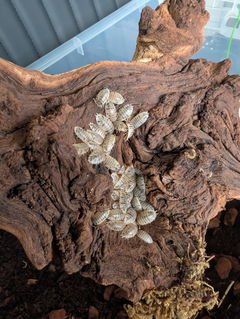
- Larger, settled colonies are more active and productive
- The vibrant orange colouration develops and intensifies as juveniles mature through successive moults
- A pure Mandarin colony breeds the morph reliably
For breeding success:
- Consistent warmth (22–26°C is ideal)
- Consistent moderate humidity (around 60–70%)
- Adequate calcium for breeding females
- Plenty of cover and botanicals to help them feel secure
- A larger starter group establishes faster and provides genetic diversity
As one of the more forgiving Cubaris to breed, the Mandarin rewards stable, warm, lightly-damp conditions with steady colony growth — making it both an accessible breeding project and a self-sustaining display colony.
Pair With Springtails
Add a thriving springtail culture to any Mandarin setup. Springtails handle mould and microbial growth at a scale isopods can't manage — particularly useful in the humid conditions Cubaris prefer, and around protein foods. They coexist peacefully with the Mandarin and form an essential cleanup partnership.
Who Should Buy Mandarin Isopods?
Ideal for:
- Beginners wanting a vibrant, easy first Cubaris
- Keepers who love warm orange colouration with accessible care
- Collectors building the C. murina morph family (Standard, Papaya, Anemone, Mandarin)
- Anyone stepping toward the premium Cubaris and wanting to learn the basics first
- Bioactive setup builders wanting an attractive, hardy cleanup crew
- Display terrariums and educational settings
Not ideal for:
- Keepers wanting large, bold display isopods (these are small-to-medium)
- Very dry or arid setups (they need consistent light dampness)
- Cool rooms that can't provide the warmth they prefer
- Anyone wanting fast, constantly-visible activity from a tiny starter group (they're bolder in numbers)
Realistic Expectations
They're the easy Cubaris. Don't expect the exacting demands of premium cave Cubaris — the Mandarin is hardy, forgiving, and genuinely beginner-friendly, which is exactly its appeal. It's an ideal way into the genus.
Colour intensity varies and develops with maturity. The mandarin-orange tone deepens through successive moults — juveniles may appear paler, with adults showing the full vibrant colour. A settled colony shows a lovely range.
They're bolder in numbers. Small starter cultures can be reclusive at first; as the colony grows and settles, they become noticeably more active and visible. Patience with a growing colony is rewarded.
They like it warm and lightly damp. As a tropical species they prefer warmth and consistent light dampness — not a soaking enclosure, and not a cool one. Keep them warm, lightly moist, and ventilated.
They're small-to-medium. At up to 12 mm, they're a smaller Cubaris valued for colour and easy care rather than size — lovely up close and as a colony, but not a large display species.
Building Your Setup
A complete Mandarin setup needs a moisture-retentive, calcium-rich substrate, generous leaf litter and forest moss, plenty of cork bark hides, and protein supplements. Browse our accessories collection for everything you need — enclosures, ventilation, leaf litter, calcium (cuttlebone, limestone, oyster shell), and protein supplements. Browse the full Cubaris collection for more species and the other murina morphs.
Use collapsible tabs for more detailed information that will help customers make a purchasing decision.
Ex: Shipping and return policies, size guides, and other common questions.