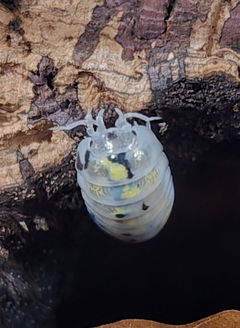
Porcellio Narco Cove Isopods
Care Info:
 ORIGIN
 TEMP
TEMP
 HUMIDITY
 LENGTH
 DIFFICULTY
 RARITY
- Free shipping over £65
This listing used to tell you, in substance, that Narco Cove was an actual collection locality in Spain and that this gave the animal real provenance, in contrast to vaguer trade names.
We went looking for the cove. It is not there. Not in English, not in Spanish, not under cala or ensenada, not in any gazetteer we could reach. We have withdrawn the claim because we cannot stand it up, and a name we cannot place is not provenance.
What we do know
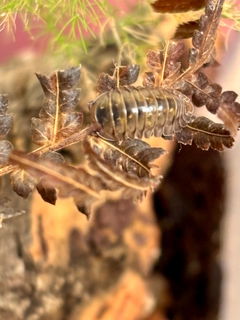
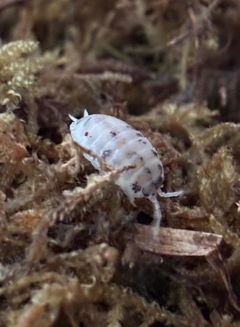
What we can stand behind is the animal in front of us. A flat-bodied Porcellio around 15mm, slate grey across the back with a clean pale border running the full margin. It does not roll. It runs, and it clamps down flat against bark when disturbed. The two-tone effect against dark substrate is the reason to want it, and that much you can see in the photographs.
Keeping them
Undemanding. A 10 litre box will do. Build 8cm of substrate on untreated topsoil, free of any pesticide or added fertiliser, with hardwood broken down soft and shell grit folded in, a litter layer deep enough to vanish into, and flat bark above. Room temperature works all year in a British house. Damp at one side, dry at the far side, and enough moving air to keep the surface sweet. Mist the damp end as required; waterlogged substrate is the state to keep it out of. Fine mesh over the ventilation holes stops escapes.
They tolerate a wider swing in conditions than most of what we keep, which makes them a sensible first Porcellio. The usual killer is a box that is uniformly wet with no airflow, not cold and not drought.
Feeding
Decayed leaves and pale-rotted timber form the base, with cuttlebone always present and protein weekly, clearing leftovers within a couple of days so mould never gets started. Flake soil turned through the bottom half doubles as tunnelling medium and food.
Breeding
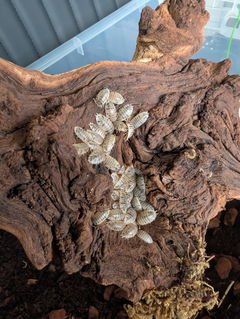
Steady rather than explosive once a group settles. So few people keep it that our figures are thin, and admitting that beats inventing one. Expect the pattern the genus usually follows: quiet for a couple of months, then broods appearing under the bark.
If you like the look
The obvious comparison is Hoffmannseggii, the Spanish giant with the same grey body and pale margin at more than twice the size and considerably more attitude about conditions. Dairy Cow is the other easy non-roller to start with, in a completely different palette. Other documented Spanish localities we hold, the ones that do appear on a map, include La Senia and Bardenas. The full genus sits on the Porcellio page.
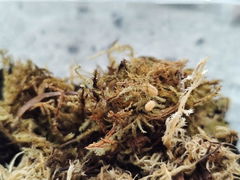
Colonies ship in a punched pot bedded on moist sphagnum, walled inside a second carton and posted between Monday and Thursday, landing the next working day. Twenty per cent rides above your stated count, and live arrival is guaranteed. Get in touch the day it reaches you if anything is not as it should be.
Use collapsible tabs for more detailed information that will help customers make a purchasing decision.
Ex: Shipping and return policies, size guides, and other common questions.