Cubaris sp. 'Red Pak Chong' Isopods for Sale
Care Info:
- Free shipping over £65
- Low stock - 2 items left
- Backordered, shipping soon
Cubaris sp. 'Red Pak Chong' is the genuine gateway premium Cubaris — properly distinctive in appearance, manageable in care compared to the most demanding Thai morphs, and historically significant as the parent lineage that produced one of the most spectacular isopods in the hobby. For keepers who've mastered hardier species and are ready for their first serious Cubaris colony, this is the obvious entry point to the premium tier.
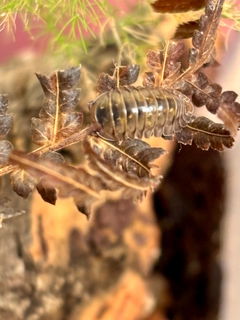
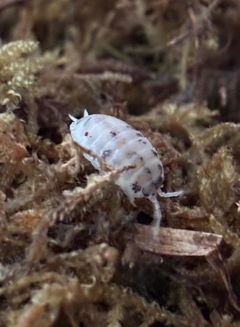
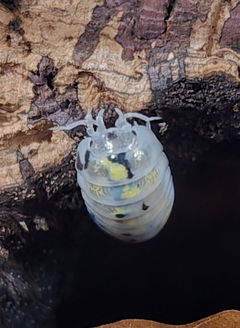
The visual is the headline: a properly tricoloured isopod with a blue-grey body, white frilled edges running along each segment, and distinctive orange-red colouration on the rear and often the face. The "red face and red butt with white highlights along the sides" is the standard hobby identification, and once you've seen one in good light the description makes immediate sense. Set expectations toward bold tricolour contrast rather than subtle naturalism — these are showy display animals.
Like all Cubaris, the Red Pak Chong conglobates — rolling into a defensive ball when disturbed. Browse the full Cubaris collection to compare premium options.
Quick Care Summary
Please note: care figures below match PostPods' own editorial framing for this species. Verify against the specific care icons on this product page before finalising your setup.
- Scientific Name: Cubaris sp. (undescribed)
- Hobby Names: Red Pak Chong, Pak Chong Red, Red Faced Rubber Ducky (alternative trade name)
- Family: Armadillidae
- Origin: Pak Chong district, Nakhon Ratchasima Province, northeastern Thailand — limestone cave and karst formation habitats
- Lineage: Selectively bred red colour mutation of the Cubaris sp. Pak Chong lineage — same species as Rubber Ducky, parent line to Cherry Blossom
- Adult Size: Up to approximately 15 mm — a compact display Cubaris
- Lifespan: 2–3 years typical
- Difficulty: Medium — accessible by Cubaris standards, but more demanding than beginner species
- Temperature: 24–27°C (warm-preferring tropical)
- Humidity: 70–80% — medium-high with proper gradient
- Ventilation: Medium — balance airflow with humidity retention
- Conglobation: Yes — rolls into a tight defensive ball
- Appearance: Tricoloured — blue-grey body, white frilled edges along segments, distinctive orange-red on rear and often face
- Behaviour: Mostly nocturnal; can be shy and slow to establish but becomes more visible in mature colonies; forages day and night once settled
- Breeding: Slow but reliable — small broods of 6–12 young per cycle
- Rarity: Super Rare — sought-after premium morph
Why Red Pak Chong Matters in the Cubaris World
Several factors make this species a properly significant keep:
Same species as Rubber Ducky. This is the most important taxonomic point: Cubaris sp. Red Pak Chong is the same undescribed species as the famous Cubaris sp. Rubber Ducky — just a different selectively-bred colour pedigree. The Rubber Ducky is the yellow-faced line; the Red Pak Chong is the red-faced line. Same Pak Chong origin, same genetic stock, different decades-long selective breeding outcomes. For keepers building a Pak Chong lineage collection, both lines are properly meaningful.
Parent lineage to Cherry Blossom. The famous Cubaris sp. 'Cherry Blossom' — the soft-pink showpiece that commands premium pricing across the hobby — was selectively isolated from Red Pak Chong stock. For breeders interested in genetics-aware selective breeding projects, that's properly significant: a Red Pak Chong colony is the foundation that could (with significant time investment) potentially produce Cherry Blossom-style pink phenotypes through selective work over generations. Most won't pursue that; the option is there.
The accessible entry to premium Cubaris. Red Pak Chong sits in the "first premium Cubaris" tier — properly distinctive enough to justify the price, but not as demanding as Rubber Ducky, Lemon Blue, or Honey Tiger. International retailers consistently position it this way: a gateway species for keepers ready to graduate from hardy beginner isopods to serious Cubaris keeping.
Real locality provenance. Pak Chong is a real town in Nakhon Ratchasima Province, northeastern Thailand — the locality where the original stock was collected, surrounded by the limestone caves and karst formations characteristic of premium Thai Cubaris habitat. Not a fabricated trade-name locality; properly documented collection provenance.
Tricoloured visual signature. The blue-grey body / white frilled edges / orange-red highlights combination is genuinely distinctive — properly differentiated from the brown-and-yellow palette of most Cubaris murina morphs and the high-contrast designs of Rubber Ducky/Panda King morphs.
Established hobby provenance. Red Pak Chong is a well-documented international hobby morph stocked by multiple authoritative US retailers (Isopod.com, Exo-Morphs, Isopod Depot, Tropical Isopods, KMK Isopods, Richard's Inverts). Properly real species with international standing, not a recent PostPods-only branding.
How Red Pak Chong Compares to Related Cubaris
- vs Cubaris sp. Rubber Ducky: The closest possible comparison — same species, sibling pedigrees from the same Pak Chong origin. Rubber Ducky is the yellow-faced line selected for the iconic "rubber duck" head; Red Pak Chong is the red-faced line with the tricoloured body. Different visual identities, same underlying genetics, comparable care. Natural collection companions for serious Pak Chong lineage keepers.
- vs Cubaris sp. 'Cherry Blossom': Cherry Blossom is the spectacular pink-and-white showpiece selectively isolated from Red Pak Chong stock — same underlying lineage, even further selective work. Cherry Blossom is the high-end finished morph; Red Pak Chong is the more accessible parent line. Buying Red Pak Chong gives you part of the same family at notably more accessible pricing.
- vs Cubaris sp. Lemon Blue: Both are premium Thai Cubaris in the demanding tier. Lemon Blue is the blue-grey body with yellow highlights; Red Pak Chong is the tricolour with orange-red highlights. Similar care demands, different colour philosophy.
- vs Cubaris sp. Cappuccino: Both are premium Thai Cubaris. Cappuccino is the dark-and-light coffee-themed morph; Red Pak Chong is the tricoloured Pak Chong lineage. Different visual families, both proper "first premium Cubaris" candidates with comparable difficulty.
- vs Cubaris murina: The natural step-up choice. Murina is the easy beginner-tier Cubaris (~£8-15 typical, easy care, prolific); Red Pak Chong is the premium-tier gateway above (notably more expensive, more demanding, properly distinctive looking). Master murina first, then move up to Red Pak Chong.
For an in-depth introduction to this species, see our dedicated Red Pak Chong blog — covers visual identification, husbandry detail, and customer breeding outcomes.
Setting Up the Enclosure
A 6–10 litre plastic container with a secure clip-lock lid suits a starter colony of 5–10 individuals. Cubaris appreciate consistent humidity, so aim for a setup that holds moisture while allowing medium ventilation — enough airflow to prevent stagnation without drying out the enclosure. The 3L Braplast tub works for small starter groups; larger setups work as the colony grows.
Provide plenty of tight hiding spots — cork bark flats, cork tubes, stacked bark pieces, hollow logs, and limestone pieces. The Red Pak Chong appreciates secure tight spaces and feels happiest when there are more hides than visible individuals. Tricoloured isopods show particularly well against dark naturalistic substrate. Keep the enclosure out of direct sunlight. Browse our accessories collection for appropriate enclosures, vents, and other essentials.
Important husbandry note: Cubaris do not need a standing water dish. Light misting and a moist corner provide all the moisture they need — open water risks drowning small individuals and encourages mould in the high-humidity setup. Skip the water dish.
Substrate
Use a substrate mix that retains moisture and provides calcium, reflecting the limestone-rich cave environments these isopods evolved in:
- Organic topsoil (pesticide-free) as the base
- Sphagnum moss for the moist section and moisture retention
- Composted hardwood leaf litter mixed throughout
- Flake soil for added nutrition and structure
- Crushed limestone or oyster shell distributed throughout — essential for Cubaris
- Rotting white wood pieces (important nutrition source)
We recommend a topsoil and sphagnum-based mix rather than coco coir. Substrate depth: 8–10 cm — Cubaris appreciate deeper substrate for burrowing and security, and depth supports moisture-gradient stability.
Top layer: Generous hardwood leaf litter — magnolia leaves, oak, and beech all work well — plus cork bark flats and a sphagnum moss patch on the humid side. The tricolour shows particularly well against dark leaf litter.
Humidity and Temperature — Stability Above All
Maintain humidity around 70–80% with a clear moisture gradient — keep one side of the enclosure more humid (damp sphagnum moss, regular light misting) while the drier side has leaf litter coverage and good airflow. The substrate should feel damp like a wrung-out sponge, never waterlogged.
"Moist but not wet" is the operating principle for all premium Cubaris. Overwetting is the single most common — and most damaging — mistake on this tier of isopod. Waterlogged conditions cause moulting issues and sudden colony die-offs, even though they need consistently humid air. When in doubt, err slightly drier and increase ventilation.
One useful framing from a returning PostPods customer in their reviews: getting the moisture right is the key to keeping isopods successfully — for premium Thai Cubaris specifically, that means consistent damp-not-wet conditions and proper ventilation. The detailed care guidance on the site genuinely matters at this price point.
Temperature should be 24–27°C — warm-preferring tropical isopods that appreciate stable conditions. Room temperature in heated UK homes generally works well; avoid fluctuations and don't place the enclosure near heat sources or windows. Some keepers report better breeding performance at the warmer end of this range (25–26°C).
Diet
Red Pak Chong are detritivores feeding on the typical range of forest materials:
- Staples (always available): Hardwood leaf litter (oak, beech, magnolia), decaying rotting wood, cork bark, mosses
- Vegetables (1–2x weekly): Carrot, courgette, sweet potato, squash. Replace within 24–48 hours.
- Fruit (occasionally): Small amounts of soft fruit
- Protein (1–2x weekly): Fish flakes, dried shrimp (particularly relevant for this species per PostPods' editorial guidance), dried daphnia. Feed protein on the drier side of the enclosure to prevent spoilage. Browse our accessories collection for the full range of protein supplements.
- Calcium (essential — always available): Cuttlefish bone, crushed limestone, oyster shell, eggshells. Particularly important for limestone-cave Cubaris — provide multiple sources distributed throughout.
Feeding approach: Maintain a base of leaf litter and rotting wood as the dietary foundation, supplementing with small amounts of vegetables, occasional fruit, regular protein, and a constant calcium source. Don't overfeed — excess fresh food spoils quickly in humid conditions. Remove uneaten fresh foods within 24–48 hours.
Breeding
Red Pak Chong breed slowly but reliably under appropriate conditions. Females carry developing young in a marsupium and release small broods of approximately 6–12 mancae per cycle, with breeding cycles typically every 1–2 months in well-established colonies under stable conditions.
Breeding basics:
- Females develop a marsupium (fluid-filled brood pouch) and release fully-formed live young
- The tricoloured pattern develops as juveniles mature through successive moults — expect colour variation across the developing colony
- A pure Red Pak Chong colony breeds the red pedigree reliably
- Mature, well-established colonies (8+ months) breed more reliably than newly-set-up groups
- Selective breeding from the brightest, reddest individuals over generations can intensify the colour line
For breeding success:
- Stable temperature (25–26°C is ideal)
- Consistent humidity (75–80%) — avoid fluctuations and overwetting
- Deep substrate for burrowing
- Abundant limestone/calcium for breeding females
- Plenty of tight hiding spots so the colony feels secure
- Regular protein supplementation
- A larger starter group establishes faster and provides genetic diversity
- Minimise disturbance during establishment
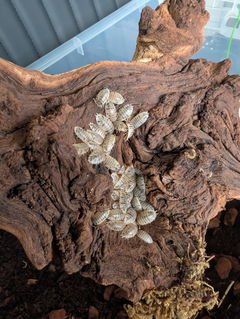
Customer breeding reports for this species are properly encouraging — established colonies can multiply substantially under good conditions, with reports of starter groups expanding several-fold within a year. Patience and consistent care pay off.
Pair With Springtails
Add a thriving springtail culture to any Red Pak Chong setup. Springtails handle mould and microbial growth at a scale isopods can't manage — particularly important in the high humidity these Cubaris require, and around protein foods. They coexist peacefully with the Red Pak Chong and form an essential cleanup partnership.
Who Should Buy Red Pak Chong Isopods?
Ideal for:
- Intermediate isopod keepers ready for their first premium Cubaris
- Keepers who've mastered hardier species (Powder Orange, Dairy Cow, Cubaris murina) and want to step up
- Collectors building a Pak Chong lineage cluster (Red Pak Chong + Rubber Ducky + Cherry Blossom)
- Selective breeders interested in the historic Pak Chong genetic line
- Display keepers drawn to bold tricoloured isopods
- Anyone wanting a genuinely sought-after Cubaris at more accessible-than-Rubber-Ducky pricing
Not ideal for:
- Complete beginners — start with Cubaris murina first, then progress through hardier Cubaris before reaching this tier
- Keepers who tend to overwater — overwetting is the leading cause of die-offs in premium Cubaris
- Setups prone to humidity or temperature fluctuation (stability matters)
- Anyone wanting fast-breeding species — Red Pak Chong is reliable but not prolific
Realistic Expectations
The colour is tricoloured, not solid red. Set expectations toward the blue-grey body with white frilled edges and orange-red highlights on rear/face — properly distinctive but not "all red." The contrast and detail are the appeal, not solid colour blocks.
They're shy initially. Like most premium Cubaris, the Red Pak Chong can be slow to establish and reclusive when first introduced. Visibility increases as colonies mature.
Breeding is slow but real. Small broods every 1–2 months in established colonies — not the explosive growth of beginner species, but steady reliable population building under good conditions.
The Cherry Blossom connection is real but long-term. The Cherry Blossom morph was isolated from Red Pak Chong stock through years of selective breeding by specialist breeders. A casual Red Pak Chong colony won't suddenly produce Cherry Blossom phenotypes — but the underlying genetic lineage is shared, which is genuinely interesting for serious breeders.
It's the same species as Rubber Ducky. Not a different species, not a separate morph family — just a different colour pedigree of Cubaris sp. Pak Chong. For Cubaris taxonomy enthusiasts, that lineage connection matters.
Building Your Setup
A complete Red Pak Chong setup needs a humidity-retentive, calcium-rich substrate, abundant calcium sources, generous leaf litter, plenty of cork bark hides, and protein supplements. Browse our accessories collection for everything you need — enclosures, ventilation, leaf litter, calcium (cuttlebone, limestone, oyster shell), and protein supplements.
For PostPods' in-depth Red Pak Chong guide including detailed substrate mix, breeding tips, and customer outcomes, see our dedicated Red Pak Chong blog article.
Browse the full Cubaris collection for related Thai Cubaris — including the natural Pak Chong lineage companions Rubber Ducky (same species, yellow-faced) and Cherry Blossom (derivative pink line), plus other premium options like Lemon Blue and Cappuccino.
Use collapsible tabs for more detailed information that will help customers make a purchasing decision.
Ex: Shipping and return policies, size guides, and other common questions.