Isopoda sp. Shiny gator Isopods
Isopoda sp. Shiny gator Isopods - Isopods For Sale UK | PostPods
Isopoda shiny gator isopod
Ispods shiny gator
Isopoda isopod
Shiny gator isopod
Isopoda sp. Shiny gator Isopods

Isopoda sp. Shiny gator Isopods

Care Info:

Origin icon ORIGIN
THAILAND
Temperature icon TEMP
21-26 ℃
Humidity icon HUMIDITY
60-70 %
Length icon LENGTH
3.8-6 mm
Difficulty icon DIFFICULTY
MEDIUM
Rarity icon RARITY
RARE
Regular price£190.00
/
Tax included. Shipping calculated at checkout.

Quantity
  • Free shipping over £65
  • Low stock - 1 item left
  • Backordered, shipping soon

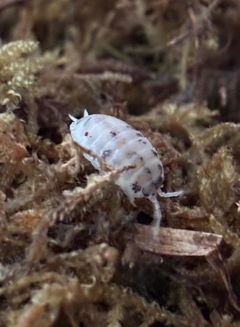
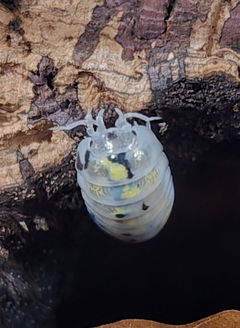
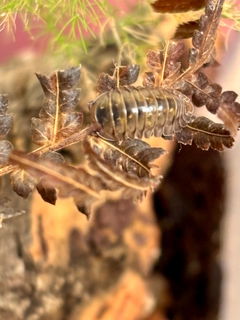
Isopoda sp. 'Shiny Gator' is one of the most distinctive and coveted dwarf isopods in the UK hobby — a tiny, glossy, premium species from Thailand that genuinely looks like a miniature alligator. Despite measuring just 3.8–6 mm, the Shiny Gator packs enormous character: a dark body covered in raised, nub-like spikes that resemble alligator skin, set off by a striking orange-red face and rear, with two pairs of dark-tipped antennae. The "Shiny Gator" name comes from exactly that combination — a glossy, spiky, gator-like little creature unlike almost anything else in the hobby. For collectors who want something truly unusual and eye-catching, it's a genuine gem of a species.

What makes the Shiny Gator particularly worth keeping is the combination of that one-of-a-kind appearance with genuine rarity — this is a sought-after, premium collector's species, not an everyday cleanup crew. It's an as-yet-undescribed species (hence the "Isopoda sp." designation, sometimes also listed as Cubaris sp. or within the Armadillidae), and it sits among the most prized of the "spiky" isopods alongside the Cristarmadillidium muricatum and the other spiky species. Despite their small size they're not shy — active, free-moving little animals that nonetheless roll up when threatened.

They're rated a step up in difficulty — manageable for keepers with some experience, but not a beginner species, and their genuine rarity and value mean they reward careful, attentive husbandry. As one of the standout spiky isopods, the Shiny Gator is a true centrepiece for a serious collection.

Quick Care Summary

  • Scientific Name: Isopoda sp. (undescribed; sometimes listed as Cubaris sp. / Armadillidae)
  • Common Name: Shiny Gator
  • Origin: Thailand
  • Adult Size: 3.8–6 mm — a dwarf species
  • Lifespan: 1.5–3 years typical
  • Difficulty: Medium to challenging — a premium species, not for beginners
  • Rarity: Rare and highly sought-after
  • Temperature: 21–26°C (stable warmth)
  • Humidity: Medium to medium-high (around 60–70%) with a gradient
  • Ventilation: Medium — balance airflow with humidity retention
  • Behaviour: Active and free-moving, not shy; rolls up when threatened; sociable in colonies
  • Breeding: Moderate — tiny mancae need careful handling

What Makes Shiny Gator Isopods Special

Several factors make the Shiny Gator a genuine prize:

The alligator-skin look. This is the headline. The dark body is covered in raised, nub-like spikes that genuinely resemble alligator hide, giving the species its name and an utterly distinctive, glossy appearance. There's very little else in the hobby that looks like it.

The striking orange-red face and tail. The dark, spiky body is set off by a vivid orange-red face and rear end — a bold splash of colour that lifts the dark tones and gives the tiny isopod real visual punch. Combined with the spikes, it makes for a genuinely eye-catching display animal.

Big character in a tiny package. At just 3.8–6 mm they're a true dwarf species, but they're far from boring — active, free-moving, and unafraid, often out exploring rather than hiding away. They pack remarkable detail and personality into a very small isopod.

Genuine rarity. The Shiny Gator is a rare, sought-after, premium species — a real collector's piece rather than a common pod. For keepers who value the unusual and exclusive, it's one of the most distinctive isopods available.

An undescribed species. As an as-yet-unnamed species (Isopoda sp.), there's genuine novelty and intrigue here — you're keeping something at the cutting edge of the hobby, not yet formally classified.

Sociable and engaging. They're peaceful, not overly aggressive, and coexist well in colonies — a dynamic, active little group that's genuinely rewarding to observe.

How Shiny Gator Compares to Other Distinctive Isopods

If you're choosing between premium, distinctive isopods, here's how the Shiny Gator fits in:

  • vs Cristarmadillidium muricatum: Both are prized "spiky" isopods with raised, textured bodies. The Cristarmadillidium is a Mediterranean spiky species; the Shiny Gator is a tiny Thai dwarf with its gator-skin nubs and orange-red face. Natural companions in a spiky-isopod collection.
  • vs Rubber Ducky: Rubber Duckies are the iconic premium Cubaris with their duck-face markings; the Shiny Gator is the spiky, gator-like dwarf alternative. Both rare, sought-after display species with strong character — different looks, similar premium appeal.
  • vs Dwarf White Isopods: Dwarf Whites are the easy, prolific micro cleanup crew; the Shiny Gator is the premium, distinctive dwarf kept for display, not utility. Both small, but worlds apart in rarity and purpose.
  • vs Amber Firefly: Both are small, eye-catching premium isopods. The Amber Firefly is a glowing Cubaris; the Shiny Gator is the spiky gator-skinned dwarf. Different distinctive looks for the discerning collector.

Browse the Other Isopod Genus collection and the full isopods range to explore more distinctive species.

Setting Up the Enclosure

As a dwarf species, the Shiny Gator doesn't need a large enclosure — a smaller, well-prepared setup is ideal and makes it easier to maintain stable conditions. The 3L Braplast tub is well-suited to a starter colony. Crucially, fit fine ventilation that the tiny isopods (and especially their mancae) can't escape through — our Braplast vent plugs are ideal, balancing airflow with humidity retention and security.

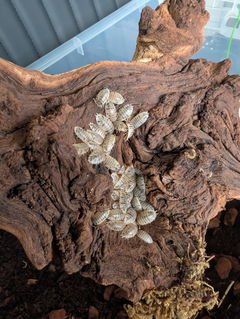
Provide plenty of cover — they particularly love the underside of flat cork bark, with a covering of leaf litter and a little moss. This mimics their natural habitat and gives them the security they need to settle, feed, and breed. Aim for a moisture gradient: a damp area alongside a slightly drier one, with medium ventilation. Keep the enclosure out of direct sunlight. Browse our accessories collection for appropriate enclosures, fine ventilation, and other essentials.

Substrate

Use a moisture-retentive, calcium-rich substrate:

  • Organic topsoil (pesticide-free) as the base
  • Sphagnum moss and sphagnum peat for moisture retention
  • Flake soil for added nutrition and structure
  • Crushed limestone or limestone rock worked through (may improve reproduction)
  • Decaying hardwood pieces and leaf litter mixed in

We recommend a topsoil, sphagnum, and limestone-based mix rather than coco coir. Substrate depth: around 4–5 cm is ample for this dwarf species. The substrate should be kept damp (never waterlogged), with flat bark and an area of leaf litter over the top for the cover they favour.

Top layer: Generous hardwood leaf litter — they enjoy thinner leaves and variety — plus flat cork bark (their favourite retreat) and a little moss on the damp side. Magnolia leaves work well for long-lasting cover. Adding limestone rock isn't strictly essential but may improve reproduction rates.

Humidity and Temperature

Maintain medium to medium-high humidity (around 60–70%) with a gentle gradient — a damp area alongside a slightly drier one, with medium ventilation. Mist the mossy/damp side roughly once a week to maintain moisture, keeping the substrate damp but never waterlogged. Stable, consistent humidity is important: as a premium species, they reward steady conditions rather than swings.

As one PostPods customer noted about following the website's care guidance, getting moisture right is the key to keeping isopods successfully — too much moisture is a common, avoidable mistake. Aim for damp-not-wet, with a gradient and good cover, and let the colony settle.

Temperature should be 21–26°C — stable warmth is important for growth and reproduction. Room temperature in heated UK homes works toward the middle of this range; avoid fluctuations and don't place the enclosure near heat sources or draughts. If your home runs cold, a heat mat on a thermostat helps — position it on one side, never underneath.

Diet

Shiny Gator isopods thrive on a diverse diet built around forest materials:

  • Staples (always available): Decaying hardwood and leaf litter (they enjoy thinner leaves and variety) — the foundation of their diet
  • Fruit and vegetables (supplementary): Mango and carrot are both taken readily and provide vitamins. Offer small amounts and replace within 24–48 hours.
  • Protein (1–2x weekly): Fish food/flakes supports growth and reproduction. Browse our accessories collection for the full range of protein supplements.
  • Calcium (essential — always available): Cuttlefish bone, crushed limestone, limestone rock. Important for healthy moulting and shell development — and limestone may improve reproduction rates. Provide a constant source.

Feeding approach: Their core diet is leaf litter and decaying wood, so a well-established setup partly feeds itself. Supplement with small amounts of mango, carrot, and fish food, removing uneaten fresh foods within 24–48 hours. A springtail culture helps manage mould around fresh foods.

Breeding

Shiny Gator isopods breed at a moderate rate, building colonies steadily under stable, appropriate conditions — and a thriving colony of these distinctive dwarves is genuinely rewarding given their rarity.

Breeding basics:

  • Females brood eggs in a marsupium and release fully-formed live young
  • The mancae (juveniles) are extremely tiny — take great care when inspecting or working in the enclosure, as they're easily overlooked or harmed
  • Limestone rock in the setup may improve reproduction rates
  • The dark body, spikes, and orange-red colouration develop as juveniles mature

For breeding success:

  • Stable temperature (22–25°C) and consistent humidity
  • Limestone and abundant calcium
  • Plenty of flat bark cover and leaf litter so the colony feels secure
  • Minimal disturbance — let the colony establish
  • A larger starter group establishes faster and provides genetic diversity

Given their premium status, building a self-sustaining Shiny Gator colony is a genuinely satisfying achievement — and the careful, patient approach their tiny mancae require is well worth it.

Pair With Springtails

Add a thriving springtail culture to any Shiny Gator setup. Springtails handle mould and microbial growth at a scale isopods can't manage — particularly useful in the humid, well-covered conditions the Shiny Gator needs, and around fresh foods. They coexist peacefully with the Shiny Gator and form an essential cleanup partnership.

Who Should Buy Shiny Gator Isopods?

Ideal for:

  • Collectors wanting a rare, premium, genuinely distinctive species
  • Keepers drawn to the unique alligator-skin look and orange-red face
  • Spiky-isopod enthusiasts building a collection of unusual textured species
  • Experienced keepers comfortable with a premium, slightly demanding dwarf
  • Display enthusiasts wanting a true centrepiece
  • Anyone wanting something at the cutting edge — an undescribed species

Not ideal for:

  • Complete beginners — start with hardier, more forgiving species first
  • Keepers wanting large, bold display isopods (these are dwarves)
  • Those wanting a budget cleanup crew (this is a premium collector's species)
  • Anyone unable to provide stable, consistent conditions
  • Setups where tiny mancae could easily be lost or harmed during maintenance

Realistic Expectations

They're tiny. At 3.8–6 mm this is a true dwarf species — the detail and character are remarkable, but they're best appreciated up close and as a colony rather than as large display animals.

The mancae are extremely small. Take real care when inspecting or maintaining the enclosure, as the juveniles are easily overlooked or harmed — gentle, minimal disturbance is best.

They're a premium, rare species. Set expectations accordingly: this is a sought-after collector's isopod that rewards careful husbandry, not an everyday beginner pod. Their genuine rarity is part of the appeal.

They need stable conditions. Consistent warmth and humidity with a gradient and good cover are key — avoid swings and overwatering. Damp-not-wet, with flat bark and leaf litter, suits them best.

They're active but will roll up. Unusually for such a small, distinctive species, they're free-moving and not shy — but they'll roll up defensively when disturbed. You'll see plenty of them once the colony settles.

Building Your Setup

A complete Shiny Gator setup needs a smaller, secure, well-ventilated enclosure, a moisture-retentive calcium-rich substrate, limestone, generous flat bark and leaf-litter cover, and protein supplements. Browse our accessories collection for everything you need — enclosures, fine ventilation, leaf litter, calcium (cuttlebone, limestone), and protein supplements.

Explore the Other Isopod Genus collection for more distinctive species, or read our blog post on spiky isopods for more on the Shiny Gator and its prized, textured relatives.

Use collapsible tabs for more detailed information that will help customers make a purchasing decision.

Ex: Shipping and return policies, size guides, and other common questions.
You may also like


Recently viewed