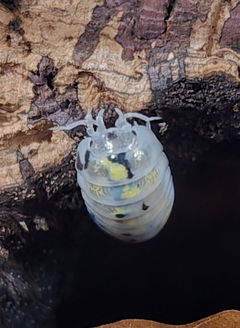
Armadillidium Esteralanum Isopod
A. Esteralanum Isopod
Armadillidium isopod for sale

Armadillidium Esterelanum Isopods for Sale

Care Info:

Origin icon ORIGIN
MEDITERRANEAN BASIN AND EUROPE
Temperature icon TEMP
22-23 ℃
Humidity icon HUMIDITY
50-60 %
Length icon LENGTH
18 mm
Difficulty icon DIFFICULTY
EASY
Rarity icon RARITY
COMMON
Regular price£75.00
/
Tax included. Shipping calculated at checkout.

Quantity
  • Free shipping over £65
  • In stock, ready to ship
  • Backordered, shipping soon

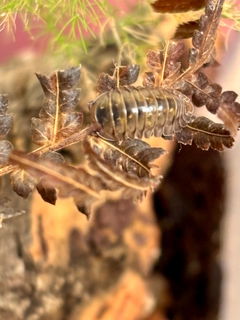
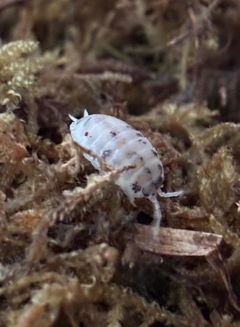
Armadillidium esterelanum is a rare and characterful French Mediterranean isopod that makes a genuinely distinctive addition to a collection — a smooth-bodied, dark brown-grey Armadillidium quite different from the boldly-patterned morphs that dominate the hobby. Named after the Estérel massif in southeastern France, it's a true Mediterranean pill woodlouse with an understated, elegant appearance: a deep, dark brown-grey base and a notably smooth, glossy tegument. For keepers who appreciate the lesser-seen, genuinely wild species over selectively-bred colour morphs, A. esterelanum is an uncommon and rewarding choice that brings real diversity to a collection.

What makes A. esterelanum particularly worth keeping is the combination of that distinctive dark, smooth appearance with the easy, hardy, beginner-friendly care that defines the Armadillidium genus. They're true pill bugs — conglobating (rolling into a tight defensive ball) when disturbed — and share the forgiving, reliable husbandry that makes Armadillidium the most accessible isopods in the hobby. They belong to the broader Armadillidium maculatum species group, sitting alongside French and Mediterranean relatives like the Zebra (A. maculatum), the Gestroi, and the Yellow Spanish Granulatum.

As a southeastern French species from the rocky, sun-baked Mediterranean massifs (it's been observed active on bare rock in full midday sun), A. esterelanum prefers moderate Mediterranean humidity with good ventilation and a moisture gradient — NOT constant tropical wetness. It's also a genuinely European species, well-suited to UK keeping at normal room temperatures.

Quick Care Summary

  • Scientific Name: Armadillidium esterelanum (Dollfus, 1887)
  • Common Names: Esterelanum, Estérel Pill Woodlouse
  • Family: Armadillidiidae
  • Origin: Southeastern France (Estérel massif, Provence — Mediterranean)
  • Adult Size: Approximately 12–15 mm — medium-sized Armadillidium
  • Lifespan: 2–3 years typical
  • Difficulty: Easy — hardy and beginner-friendly
  • Temperature: 18–25°C (tolerates warmth; UK room temperature suits them)
  • Humidity: Medium (55–70%) with a moisture gradient — Mediterranean care, not high tropical humidity
  • Ventilation: Medium — good airflow important
  • Conglobation: Yes — rolls into a tight defensive ball
  • Behaviour: Calm, peaceful; tolerates warmth and some daytime surface activity
  • Breeding: Reliable — breeds steadily under stable conditions

What Makes Armadillidium esterelanum Special

Several factors make A. esterelanum a quietly rewarding choice:

The dark, smooth, understated look. Their deep dark brown-grey base colour and notably smooth, glossy tegument give them an elegant, naturalistic appearance quite unlike the bold stripes and bright morphs that dominate the hobby. It's a refined, wild-type look for keepers who appreciate genuine species over selectively-bred colour forms.

Genuine rarity. A. esterelanum is a lesser-seen species rarely available in the hobby — a genuine collector's piece. For keepers who enjoy the uncommon corners of the Armadillidium world, it brings real diversity and interest.

An authentic French Mediterranean species. Named after the Estérel massif and native to the sun-baked rocky hillsides of southeastern France, it carries a genuine sense of place — part of the rich, distinctive Mediterranean Armadillidium fauna alongside relatives like the Zebra.

Easy, hardy care. Despite its rarity, it shares the forgiving, beginner-friendly husbandry of the Armadillidium genus — hardy, adaptable, and undemanding once its moderate Mediterranean conditions are met. A rare species that's also genuinely easy to keep is an unusual and welcome combination.

Warmth tolerance. Observed in the wild active on bare rock in full midday sun, A. esterelanum is comfortable with warmth and some daytime activity — a genuinely engaging, reasonably visible species rather than a purely nocturnal hider.

Conglobation. Like all Armadillidium, they roll into a tight defensive ball when disturbed — the classic pill bug behaviour, and a neat dark sphere in this species.

How Armadillidium esterelanum Compares to Other Armadillidium

If you're choosing between French and Mediterranean Armadillidium, here's how A. esterelanum fits in:

  • vs Zebra (A. maculatum): Close relatives — both belong to the A. maculatum species group and are native to southeastern France. Zebras are boldly black-and-white striped; esterelanum is smooth and dark brown-grey. Both hardy, beginner-friendly French species — choose between striking pattern and understated elegance.
  • vs Gestroi (A. gestroi): Both are distinctive Mediterranean Armadillidium. Gestroi are bold yellow-spotted and a touch more active; esterelanum is dark and understated. Different looks from the rich Mediterranean Armadillidium fauna.
  • vs Yellow Spanish Granulatum (A. granulatum): Granulatum are larger, bumpy, and yellow-spotted; esterelanum is smaller, smooth, and dark. Both Mediterranean species with similar care — different textures and tones.
  • vs Espanyoli 'Marbelized': Both are easy, hardy European Armadillidium. Espanyoli show marbled patterning; esterelanum is uniformly dark and smooth. Both rewarding — different aesthetics for collectors.

Browse the full Armadillidium collection to compare all species and morphs.

Setting Up the Enclosure

A 10–15 litre plastic container or terrarium suits a starter colony, with room to expand as the colony grows. Plastic tubs with clip-lock lids hold appropriate humidity while allowing the ventilation Mediterranean species need. The 3L Braplast tub works for smaller starter colonies, with larger housing as the population grows.

For ventilation, drill holes on opposite sides of the container for cross-ventilation, covered with fine mesh. Medium ventilation suits them. Reflecting their rocky Mediterranean habitat, they appreciate cork bark, flat stones, and leaf litter for cover. Keep the enclosure out of direct sunlight. Browse our accessories collection for appropriate enclosures, vents, and other essentials.

Substrate

Build substrate appropriate for Mediterranean conditions:

  • Organic topsoil base (pesticide-free) as the foundation
  • Sphagnum peat moss mixed throughout for moderate moisture retention
  • Crushed limestone or eggshells distributed throughout for calcium
  • Flake soil mixed in for added nutrition
  • Decaying hardwood pieces incorporated throughout
  • Sand mixed in for drainage and authentic Mediterranean texture (optional)

Substrate depth: 5–8 cm for burrowing — they appreciate enough depth for moulting and security.

Top layer: Generous hardwood leaf litter — magnolia leaves and oak leaves work particularly well for long-lasting cover and food. Add cork bark and flat stones for cover, plus a sphagnum moss patch on one side to create the moist zone of the gradient.

Humidity and Temperature — Mediterranean, Not Tropical

This is the key husbandry point, and it's straightforward. As a southeastern French Mediterranean species, A. esterelanum prefers medium humidity (around 55–70%) with good airflow and a moisture gradient — a less moist environment than tropical isopods need. Aim for a gradient rather than a uniformly wet enclosure:

  • Moist zone (¼ to ⅓ of enclosure): Sphagnum moss and damp leaf litter on one side, misted to maintain moisture. This is where moulting individuals retreat.
  • Drier zone (⅔ to ¾ of enclosure): Drier substrate with leaf litter and bark cover, allowed to dry between mistings.

The gradient lets the colony self-regulate. Like other Mediterranean Armadillidium, esterelanum does better with moderate humidity and good ventilation than with constant tropical wetness — overwetting and stagnant humid conditions are more of a risk than slightly dry conditions. As one PostPods customer noted about following the website's care guidance for Mediterranean isopods, proper instructions prevent the common mistake of too much moisture. When in doubt, err drier and ensure good airflow.

Temperature should be 18–25°C — UK room temperature works year-round in most homes. As a sun-loving Mediterranean species, they tolerate warmth well (they've been observed active on bare rock in full midday sun), but avoid sustained extremes. They handle moderate seasonal variation comfortably.

Diet

A. esterelanum are unfussy detritivores with broad appetites typical of Armadillidium:

  • Primary diet (always available): Hardwood leaf litter (oak, beech), decaying rotting wood, dried plant matter
  • Vegetables (1–2x weekly): Carrot, courgette, sweet potato, squash, cucumber. Replace within 24–48 hours.
  • Fruit (occasionally): Apple, banana — small amounts
  • Protein (1–2x weekly): Fish flakes, dried daphnia, freeze-dried shrimp. Supports reproduction. Browse our accessories collection for the full range of protein supplements.
  • Calcium (essential — always available): Cuttlefish bone, crushed limestone, oyster shell, eggshells. Essential for healthy moulting — provide multiple sources distributed throughout.

Feeding approach: Provide portions they can consume in 24–48 hours and remove uneaten fresh foods promptly. Place protein on the drier side, as it spoils quickly in humid areas. A clean enclosure and correct amounts keep a colony healthy.

Breeding

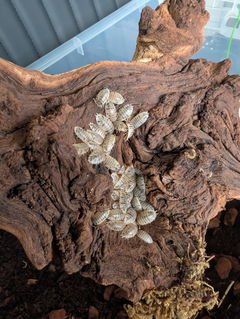
A. esterelanum breed reliably under stable conditions, like most Armadillidium, building colonies steadily once their moderate Mediterranean conditions are met.

Breeding basics:

  • They reproduce sexually — males and females mate, and females carry fertilised eggs in a marsupium (brood pouch)
  • Live mancae emerge as fully-formed miniature versions of adults
  • The dark colouration develops as juveniles mature
  • Colony growth is steady and reliable in correct conditions

For breeding success:

  • Stable temperatures within the comfort range (20–24°C optimal)
  • Proper Mediterranean moisture gradient (medium humidity)
  • Adequate calcium availability throughout
  • Regular protein supplementation
  • Multiple bark and stone hides
  • Larger starter groups provide better genetic diversity and faster establishment

As a reliable breeder, esterelanum rewards patience with steady colony growth — and every successful colony helps this rare, lesser-seen species become a little more established in the hobby.

Pair With Springtails

Add a thriving springtail culture to any esterelanum setup. Springtails handle mould and microbial growth at a scale isopods can't manage — particularly useful around protein foods and in the moist zone of the moisture gradient. They coexist peacefully with esterelanum and form an essential cleanup partnership for Mediterranean Armadillidium setups.

Who Should Buy Armadillidium esterelanum Isopods?

Ideal for:

  • Collectors seeking a rare, lesser-seen genuine species
  • Keepers who appreciate understated, dark, naturalistic isopods over bold morphs
  • Anyone building a French or Mediterranean Armadillidium collection
  • Beginners wanting a rare species that's still easy to keep
  • Bioactive setup builders wanting a Mediterranean-appropriate cleanup crew
  • Those interested in the authentic wild-type forms of the genus

Not ideal for:

  • Keepers wanting bold, brightly-patterned or colourful species (this is dark and understated)
  • High-humidity tropical setups (their Mediterranean needs conflict with constant wetness)
  • Keepers who tend to overwater (they prefer moderate humidity with dry zones)
  • Anyone wanting non-rolling fast surface species (these are rolling pill bugs)

Realistic Expectations

It's understated, not flashy. The appeal here is the dark, smooth, naturalistic look and the rarity of a genuine French species — not bold colour or pattern. If you want a vivid display morph, this isn't it; but if you appreciate a refined, uncommon wild-type Armadillidium, it delivers.

It's rare but genuinely easy. Don't be put off by its scarcity — like most Armadillidium, esterelanum is hardy, forgiving, and beginner-friendly. A rare species that's actually accessible is a big part of its appeal.

It prefers moderate humidity, not constant wetness. As a sun-loving southeastern French species, it does better with a moisture gradient and good ventilation than uniform tropical dampness. If you've kept tropical species, err drier and ensure good airflow.

It tolerates warmth. Observed active on bare rock in full midday sun, it's comfortable with warmth and some daytime activity — a reasonably visible, engaging species.

Expect steady, reliable breeding. As a dependable Armadillidium breeder, established colonies build steadily — genuinely satisfying, and a contribution to making this rare species more available in the hobby over time.

Building Your Setup

A complete esterelanum setup needs basic substrate components, abundant calcium-rich materials, generous leaf litter and bark, and protein supplements. Browse our accessories collection for everything you need — enclosures, ventilation, leaf litter, calcium (cuttlebone, limestone, oyster shell), and protein supplements.

Browse the full Armadillidium collection for related French and Mediterranean species, or read our blog post on caring for Armadillidium isopods for detailed guidance on this hardy, rewarding genus.

Use collapsible tabs for more detailed information that will help customers make a purchasing decision.

Ex: Shipping and return policies, size guides, and other common questions.

You may also like


Recently viewed