murina papaya
cubaris murina papaya
murina papaya isopods
cubaris murina papaya
murina isopod
murina papaya isopod

Cubaris Murina Papaya Isopods

Care Info:

Origin icon ORIGIN
NORTH AMERICA
Temperature icon TEMP
70-80 ℃
Humidity icon HUMIDITY
17-28 %
Length icon LENGTH
10 mm
Difficulty icon DIFFICULTY
EASY
Rarity icon RARITY
COMMON
Regular price£20.00
/
Tax included. Shipping calculated at checkout.

Quantity
  • Free shipping over £65
  • Low stock - 2 items left
  • Backordered, shipping soon

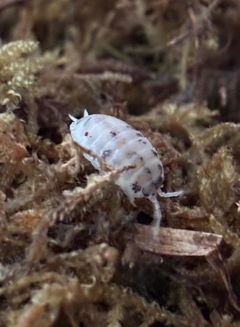
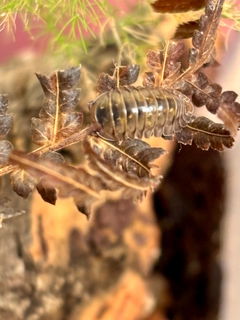
Papaya Isopods — also widely sold as Marina Papaya, Murina Papaya, or simply "Pink Cubaris" — are one of the most genuinely accessible coloured Cubaris available in the UK hobby. A naturally-occurring colour morph of the common Cubaris murina (Little Sea), Papayas display gorgeous peachy-pink to soft orange colouration that's properly distinctive among entry-level Cubaris. Where most beginner Cubaris display dark grey or brown tones, Papayas offer warm pink colour that genuinely stands out against natural substrate — without the demanding husbandry or premium pricing of designer Cubaris like Rubber Ducky or Lemon Blue.

What makes Papayas particularly worth keeping is the combination: bold pink-orange colouration paired with the bulletproof Cubaris murina genetics underneath. They share the same accessible care requirements as standard C. murina — making them genuinely beginner-friendly despite their attractive appearance. Combined with prolific breeding once established and reliable colony establishment, they're one of the most practical "first coloured Cubaris" options for keepers stepping up from Porcellio and Armadillidium species into the Cubaris genus.

The Papaya morph is believed to be a form of albinism — a recessive genetic trait isolated from standard Cubaris murina populations. This explains both the pink-orange colouration (reduced melanin allowing pinkish flesh tones to show through) and the tendency for some lines to grow progressively lighter with each generation. Selective breeding work continues to refine the morph, with related variants like 'Party Mix' and 'Anemone' emerging from similar genetic lineages.

Available in starter colonies. Captive-bred stock from established UK colonies.

Quick Care Summary

  • Scientific Name: Cubaris murina 'Papaya'
  • Common Names: Papaya Isopod, Marina Papaya, Murina Papaya, Pink Cubaris, Papaya Pink
  • Family: Armadillidae
  • Origin: Selectively-isolated morph of widespread Cubaris murina populations
  • Adult Size: Approximately 10 mm (1 cm) — small Cubaris, smaller than premium morphs
  • Lifespan: 1–2 years typical
  • Difficulty: Easy — among the most accessible Cubaris available
  • Temperature: 21–27°C (room temperature works in heated UK homes)
  • Humidity: High humidity preferred (70–85%) with moisture gradient
  • Ventilation: Low to medium — balance airflow with humidity retention
  • Conglobation: Yes — rolls into a tight defensive ball
  • Behaviour: Primarily nocturnal, social, active burrowers, peaceful
  • Breeding: Prolific once established — reliable colony growth with regular broods

What Makes Papaya Isopods Special

Several factors have made Papayas one of the most consistently popular accessible coloured Cubaris in the UK hobby:

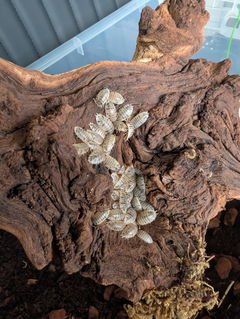
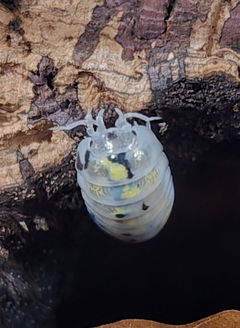
The pink-orange colouration is genuinely distinctive. Where most entry-level Cubaris display muted grey or brown tones, Papayas offer warm peachy-pink to soft orange colouration that catches the eye immediately. Colour intensity varies between individuals — some specimens lean more vivid pink, others trend toward pale peach or cream tones. This natural variation makes colony observation genuinely interesting rather than uniform.

Bulletproof Cubaris murina genetics underneath. Despite their attractive appearance, Papayas retain the hardiness that makes standard C. murina the entry-level Cubaris of choice. They're forgiving of husbandry variations, tolerate the conditions most UK homes naturally provide, and recover from minor setbacks reliably. This combination of attractive appearance with accessible care is unusual among visually distinctive Cubaris.

Believed to be a form of albinism. The Papaya morph appears to result from reduced melanin expression — a recessive genetic trait isolated from standard C. murina populations. This explains the pink colouration (pinkish flesh tones showing through reduced exoskeleton pigmentation) and the progressive lightening sometimes observed across generations as selective breeding strengthens the trait.

Prolific breeders once established. Once the colony settles in (typically 2–3 months), Papayas produce medium-to-large broods on a reliable schedule. A starter colony of 10–20 can become several hundred individuals within a year under good conditions — genuinely useful for bioactive setup builders and dart frog keepers wanting feeder cultures.

Stepping-stone Cubaris. Master Papayas, build Cubaris husbandry experience, and you're positioned to attempt more demanding species like Rubber Duckies, premium Thai locality variants, or rare designer morphs. Many serious Cubaris keepers started with Papayas before progressing to higher-tier species.

Connection to the wider C. murina morph family. Papayas are part of a growing family of Cubaris murina morphs — including 'Party Mix' (multi-coloured), 'Anemone' (different pattern variant), and emerging morphs like 'M&Ms'. Keeping Papayas connects you to active selective breeding work within accessible Cubaris.

Conglobation. Like all Cubaris, they roll into tight defensive balls when disturbed — the classic pillbug behaviour adds character to colony observation. The pink colouration in conglobated form creates a particularly attractive defensive display compared to drab-coloured species.

Compact size suits smaller enclosures. At ~10 mm, Papayas are smaller than premium Cubaris (which often reach 15–20 mm). This means a starter colony fits comfortably in modest enclosures — the 3L Braplast tub easily houses 20+ Papayas long-term rather than being outgrown within months.

How Papayas Compare to Other Cubaris

If you're choosing between Cubaris species, here's how Papayas fit in:

  • vs Standard Cubaris murina (Little Sea): Same species, different colour morph. Standard Murina display muted grey-brown wild-type colouration. Papayas show selectively-bred pink-orange. Identical care — choose Papayas for visual appeal, standard Murina for absolute beginner accessibility.
  • vs Panda King: Panda Kings are larger Cubaris (~15 mm) with bold black-and-white panda patterning. Papayas are smaller with pink-orange colouration. Different size class and visual style — Panda Kings for substantial dramatic display, Papayas for compact warm-toned colonies.
  • vs Thai Blue Angel: Thai Blue Angels are medium-large Cubaris with blue-grey tones plus UV fluorescence. Papayas are smaller, warmer pink-toned, without the UV feature. Different positioning entirely — Thai Blue Angels for premium visual feature, Papayas for accessible introduction to coloured Cubaris.
  • vs Rubber Ducky: Rubber Duckies are the iconic premium Cubaris — much more expensive, demanding, slower-breeding. Papayas offer accessible introduction to coloured Cubaris at a fraction of the difficulty. Many keepers use Papayas to develop Cubaris experience before attempting Rubber Duckies.
  • vs Cappuccino Isopods: Cappuccinos are larger Cubaris (~20 mm) with marbled coffee-and-cream patterning. Papayas are smaller with uniform pink-orange. Different tiers — Cappuccinos for premium marbled aesthetics, Papayas for accessible coloured introduction.

Browse the full Cubaris collection to compare all options.

Setting Up the Enclosure

A 4–8 litre plastic container or small terrarium suits a starter colony of 10–20. Given their compact size, Papayas don't need large enclosures — the 3L Braplast tub works particularly well as long-term housing for established colonies of 20–50. Plastic tubs with clip-lock lids hold humidity reliably and are easy to maintain.

For ventilation, drill multiple small holes on opposite sides of the container for cross-ventilation. Low-to-medium ventilation works well — enough airflow to prevent stagnation but not so much that humidity drops below the comfort range. Cover holes with fine mesh to prevent escapes (though small Papayas are minimal escape risk).

Keep the enclosure in a dim, quiet area — Papayas prefer low-light conditions reflecting their natural habitat. Direct sunlight or bright artificial lighting causes stress.

Browse our accessories collection for appropriate enclosures, vents, and other essentials.

Substrate

Build a humid substrate appropriate for tropical Cubaris:

  • Organic topsoil base (pesticide-free)
  • Sphagnum peat moss mixed throughout for moisture retention
  • Crushed limestone or eggshells incorporated for calcium
  • Flake soil for added nutrition and structure
  • Decaying hardwood pieces incorporated into substrate

Substrate depth: 5–8 cm is sufficient. Papayas are moderate burrowers — adequate depth supports their natural behaviour without needing the very deep substrate that suits larger fossorial species like Helleria.

Top layer: Generous hardwood leaf litter — magnolia leaves work particularly well for long-lasting cover. Add multiple cork bark pieces and decaying wood pieces spread throughout the enclosure. Sphagnum moss patches on one side help retain moisture in the wet zone.

Humidity and Temperature

Maintain humidity at 70–85% with a moisture gradient. Provide approximately three-quarters of the enclosure consistently moist with sphagnum moss patches and damp leaf litter, leaving the remaining quarter slightly drier for food placement and choice.

The substrate should be visibly damp throughout but never waterlogged. Mist regularly to maintain humidity, especially during winter when UK home heating dries out enclosures faster.

Temperature should be 21–27°C — UK room temperature works year-round in most heated homes. Winter heating may be needed if your home gets cold. A low-wattage heat mat on the side of the enclosure (never underneath, to avoid drying substrate) connected to a thermostat keeps the colony stable. Avoid sustained temperatures below 18°C.

Diet

Papayas have standard Cubaris dietary needs with one important note: they can sometimes eat live plants, particularly ferns. If you're keeping them in a bioactive planted vivarium, monitor plant health carefully. For pure isopod cultures this isn't an issue.

  • Primary diet (always available): Hardwood leaf litter (oak, magnolia, beech), decaying rotting white wood, dried plant matter, lichens
  • Vegetables (1–2x weekly): Carrot, cucumber, courgette, sweet potato, butternut squash. Replace within 24–48 hours.
  • Fruit (occasionally): Apple, banana — small amounts
  • Protein (essential — 1–2x weekly): Fish flakes, dried daphnia, freeze-dried peas, dried shrimp. Browse our accessories collection for the full range of protein supplements.
  • Calcium (essential — always available): Cuttlefish bone, crushed limestone, oyster shell, eggshells. Multiple sources distributed throughout — small isopods still need consistent calcium for healthy moulting.

Important: feed in small quantities. Their compact size means they consume less than larger species. Excess food creates mould issues in humid enclosures and can attract pests. Remove uneaten fresh food within 24–48 hours.

Breeding

Papayas are reliable breeders once established. Allow 2–3 months for new colonies to settle before expecting significant breeding activity — this slower establishment is typical of Cubaris murina and not a sign of husbandry failure.

Breeding observations:

  • Medium-to-large brood sizes typical once established
  • Regular reproduction throughout the year under stable conditions
  • Females carry developing young in a marsupium
  • Live mancae emerge as small versions of adults
  • Pink-orange colouration develops with successive moults — juveniles often appear paler before colour intensifies

For breeding success:

  • Stable temperatures (22–25°C optimal)
  • Consistent high humidity (75–85%)
  • Abundant calcium availability throughout
  • Regular protein supplementation
  • Multiple hiding spots
  • Minimal disturbance during establishment
  • Larger starter groups (15+) provide better breeding potential and genetic diversity

Interesting breeding note: Research on C. murina reproduction suggests that lower-density cultures produce faster growth rates than crowded enclosures. If breeding speed matters, give your colony slightly more space than minimum requirements rather than packing them densely.

Maintaining the morph: Keep separate from standard C. murina wild-type and other morphs (Party Mix, Anemone, etc.) to maintain pure Papaya colouration. Interbreeding produces unpredictable offspring colouration that won't breed true. Within a pure Papaya line, some breeders report progressive lightening across generations — selectively breed from your most vivid individuals to maintain colour intensity.

Pair With Springtails

Add a thriving springtail culture to any Papaya setup. Springtails handle mould and microbial growth at a scale isopods can't manage, particularly important in the humid conditions Papayas require. They coexist peacefully with Papayas and form an essential cleanup partnership for tropical Cubaris setups.

Who Should Buy Papaya Isopods?

Ideal for:

  • Keepers wanting their first coloured Cubaris experience
  • Anyone graduating from beginner Porcellio/Armadillidium species into Cubaris
  • Hobbyists attracted to warm pink/orange colouration
  • Budget-conscious customers wanting visually distinctive Cubaris at accessible difficulty
  • Those building toward eventually keeping premium Cubaris like Rubber Duckies
  • Bioactive setup owners wanting attractive tropical cleanup crew
  • Selective breeding enthusiasts interested in C. murina morph development
  • Display setup enthusiasts wanting compact warm-toned isopods

Not ideal for:

  • Complete beginners with no isopod experience — start with hardier species like Dairy Cow first
  • Planted bioactive vivariums (Papayas can sometimes eat live plants)
  • Anyone wanting larger, more visible isopods (they're compact at 10mm)
  • Anyone unable to maintain tropical humidity (70–85%)
  • Those expecting immediate breeding results (allow 2–3 months establishment)

Realistic Expectations

Papayas are small Cubaris — at ~10 mm, they're noticeably smaller than premium species like Rubber Ducky or Cappuccino. The smaller size means individual animals are less visually impactful than larger Cubaris, but it also means colonies can grow substantially without overcrowding standard enclosures, and you'll have more isopods to observe for your investment.

Colour intensity varies. Some individuals will display particularly vivid pink-orange tones; others will show paler peach or cream. Pattern intensity also varies with substrate background, lighting, age, and diet. Newly emerged juveniles often appear paler before developing full colour expression across successive moults.

Allow 2–3 months for new colonies to settle before expecting significant breeding activity. This is normal for Cubaris murina and not a sign of husbandry problems. Don't dig through substrate looking for offspring — undisturbed colonies establish faster.

If you're keeping Papayas in a bioactive planted vivarium, monitor plant health carefully. Reports of C. murina eating live plants (particularly ferns) suggest they're not always the best fit for delicate planted setups. Pure isopod cultures or vivariums with hardy plants suit them better.

Don't expect explosive breeding immediately. Cubaris generally reproduce more slowly than Porcellio or Armadillidium species — Papayas follow this pattern despite their accessible positioning. Within 6–12 months of establishment you'll see meaningful colony growth.

Building Your Setup

A complete Papaya setup needs basic substrate components, calcium-rich materials, leaf litter, and protein supplements. Browse our accessories collection for everything you need — enclosures, ventilation, leaf litter, calcium (cuttlebone, limestone), and protein supplements (daphnia, fish flakes, freeze-dried peas).

For a deeper guide to Cubaris species and morphs, see our blog post on 23 different types of Cubaris isopods you should know about. Browse the full Cubaris collection for more options.

Use collapsible tabs for more detailed information that will help customers make a purchasing decision.

Ex: Shipping and return policies, size guides, and other common questions.
You may also like


Recently viewed