Nasatum Orange Isopod
Nasatum Orange Isopods
Armadillidium Nasatum Orange Isopod
Armadillidium Nasatum Orange Isopods
Nasatum Orange Isopod
A. Nasatum Orange Isopods

Armadillidium Nasatum Orange Isopods

Care Info:

Origin icon ORIGIN
EUROPE
Temperature icon TEMP
15-28 ℃
Humidity icon HUMIDITY
60-80 %
Length icon LENGTH
21 mm
Difficulty icon DIFFICULTY
EASY
Rarity icon RARITY
RARE
Regular price£75.00
/
Tax included. Shipping calculated at checkout.

Quantity
  • Free shipping over £65
  • In stock, ready to ship
  • Backordered, shipping soon

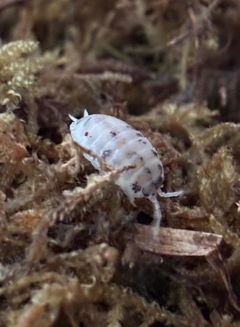
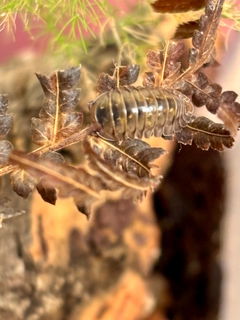
Armadillidium nasatum 'Orange' is a warm, vibrant colour morph of the distinctive Long-nosed Pill Woodlouse — combining genuinely eye-catching orange-to-peach colouration with the species' famous elongated "nose." Where the wild type is plain grey, this morph (also widely known as "Peach") glows in soft warm orange and peach tones, sometimes with pinkish or rust shades through an established colony. Add the species' signature forward-projecting snout — the rectangular protrusion on the head that earns it the "Nosy" name — and you have a genuinely characterful, attractive isopod. For keepers who want warm colour, real character, and the easiest possible care, the nasatum Orange is a delight.

What makes the nasatum Orange particularly worth keeping is the combination of that warm colour with famously easy, forgiving, beginner-friendly care. They're hardy, prolific, quick to establish, and notably outgoing and visible — active both day and night, often seen exploring rather than hiding, which makes them more rewarding to watch than many shy species. They're also cool-tolerant, well-suited to UK keeping. They're true pill bugs (conglobating when disturbed) and a natural companion to the spotted nasatum 'Dalmatian' — the same easy species in a different look. They sit alongside other easy, colourful Armadillidium like T+ Albino, Magic Potion, and the Zebra.

They're a European species, naturalised across much of the world, which makes them genuinely hardy and adaptable — tolerating cooler temperatures that many tropical isopods can't, and thriving in conditions ranging from semi-arid to subtropical. The 'Orange' morph is a selectively-bred colour form that doesn't occur naturally in the wild.

Quick Care Summary

  • Scientific Name: Armadillidium nasatum 'Orange' (also traded as 'Peach')
  • Common Names: Nosy Pill Woodlouse, Long-nosed Pill Woodlouse, Peach Isopod, Orange Nasatum
  • Family: Armadillidiidae
  • Origin: Europe (naturalised worldwide); the 'Orange' morph is captive-bred
  • Adult Size: Approximately 12–16 mm — medium-sized, slightly elongated build
  • Lifespan: 2–3 years typical
  • Difficulty: Easy — among the hardiest and most beginner-friendly isopods
  • Temperature: 15–28°C (cool-tolerant; avoid extreme cold and heat)
  • Humidity: Moderate (50%+ with a gradient) — adaptable, semi-arid to subtropical
  • Ventilation: Medium to good — strong airflow appreciated
  • Conglobation: Yes — rolls into a ball (though not quite a perfect sphere)
  • Behaviour: Outgoing and active, day and night; often surface-visible
  • Breeding: Prolific and easy — quick to establish a self-sustaining colony

What Makes Nasatum Orange Isopods Special

Several factors make the nasatum Orange a genuinely appealing isopod:

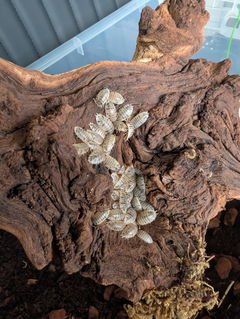
The warm orange-peach colouration. A soft, vibrant orange-to-peach glow replaces the plain grey wild type, with shades ranging through peach, orange, and sometimes pinkish or rust tones across an established colony. It's a lovely, warm display colour that's easy to appreciate and stands out beautifully against a naturalistic substrate.

The distinctive "nose." The standout structural feature of A. nasatum is its prominent, forward-projecting snout (a rectangular protrusion on the head) — the reason it's called the Long-nosed or Nosy Pill Woodlouse. It's a genuinely unusual, characterful feature that distinguishes it from virtually every other Armadillidium, and an easy way to tell the species apart.

Outgoing and visible. Unlike many isopods that hide away, the nasatum Orange is notably active and outgoing — exploring its enclosure and clinging to the undersides of bark and leaves both day and night. You won't always have to hunt for them, which makes them genuinely enjoyable to watch and a great display species.

Famously easy care. A. nasatum is among the hardiest, most forgiving isopods in the hobby — genuinely tolerant of the learning curves and occasional lapses of new keepers. The Orange morph gives you a warm display colour without any increase in difficulty, making it an ideal colourful first isopod.

Cool-tolerant and UK-friendly. As a European species, it tolerates cooler temperatures far better than tropical isopods, thriving at normal UK room temperatures without supplemental heating — genuinely easy and reliable to keep here.

Prolific and quick to establish. They breed readily — sub-adults often begin reproducing before reaching full size — building a self-sustaining colony quickly. Satisfying for keepers who enjoy colony growth, and dependable as a bioactive cleanup crew.

How Nasatum Orange Compares to Other Armadillidium

If you're choosing between easy, colourful Armadillidium, here's how the nasatum Orange fits in:

  • vs Nasatum 'Dalmatian': Same species, different look — both share the distinctive nose and easy care. The Dalmatian is dark-spotted on pale; the Orange is warm peach-orange. Identical care — natural companions, and collectors often want both morphs of this characterful species.
  • vs T+ Albino (A. vulgare): Both are warm-toned, easy Armadillidium morphs. The T+ Albino is orange-gold (a tyrosinase-positive albino of A. vulgare); the nasatum Orange is peach-orange with the distinctive nose. Different species — both lovely warm, beginner-friendly choices.
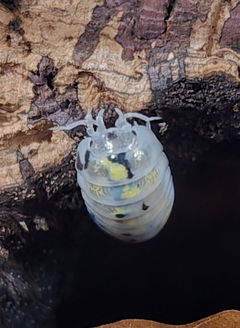
  • vs Magic Potion (A. vulgare): Magic Potion shows pale semi-transparent tones with yellow markings; the nasatum Orange is warm peach with its long nose. Both easy, colourful morphs — choose based on whether the pale potion look or warm peach appeals.
  • vs Zebra (A. maculatum): Zebras are boldly black-and-white striped; the nasatum Orange is warm peach with a distinctive nose. Both hardy, beginner-friendly Armadillidium — different patterns and a different profile.

Browse the full Armadillidium collection to compare all species and morphs.

Setting Up the Enclosure

A 10–15 litre plastic container or terrarium suits a starter colony — these are sociable isopods that don't need vast space and grow well in groups. Plastic tubs with clip-lock lids hold appropriate humidity while allowing the ventilation Armadillidium need. The 3L Braplast tub works for smaller starter colonies, with larger housing as the prolific population grows.

For ventilation, drill holes on opposite sides of the container for cross-ventilation. Medium-to-good ventilation suits them — they appreciate strong airflow alongside the moist zone of a gradient. Provide plenty of hiding spots with cork bark, leaf litter, and bark pieces (they love clinging to the undersides). Keep the enclosure out of direct sunlight; as a cool-tolerant species, a normal or even cool room suits them. Browse our accessories collection for appropriate enclosures, vents, and other essentials.

Substrate

Build a straightforward substrate appropriate for this hardy European species:

  • Organic topsoil base (pesticide-free) as the foundation
  • Sphagnum peat moss mixed throughout for moisture retention
  • Crushed limestone, oyster shell, or eggshells distributed throughout for calcium
  • Flake soil mixed in for added nutrition
  • Decaying hardwood pieces and rotting white wood incorporated throughout
  • Leaf litter and a little forest moss

We recommend a topsoil and sphagnum-based mix rather than coco coir. Substrate depth: 5–8 cm for burrowing — juveniles in particular will burrow, while adults spend more time on the surface.

Top layer: Generous hardwood leaf litter — magnolia leaves and oak leaves work particularly well for long-lasting cover and food. Add cork bark and decaying wood for the surfaces they love to cling to, plus a sphagnum moss patch on one side for the moist zone of the gradient.

Humidity and Temperature

Maintain a moisture gradient — keep one side moist (around a third of the enclosure) with sphagnum moss and damp leaf litter, while the rest stays drier. A. nasatum are adaptable and happy at 50%+ humidity, so a gradient lets the colony self-regulate comfortably; they tolerate a notably wide range and appreciate good ventilation. As one PostPods customer noted about following the website's care guidance, getting moisture right is the key to keeping isopods successfully — even with a forgiving species, a proper gradient beats a uniformly wet enclosure.

Temperature should be 15–28°C — and notably, the nasatum Orange is cool-tolerant, comfortable at cooler room temperatures, which makes it genuinely easy to keep in UK homes without supplemental heating. It thrives across a wide range from semi-arid to subtropical, but avoid extreme cold and heat, both of which can be harmful.

Diet

Nasatum Orange isopods are unfussy detritivores that enjoy a slightly higher-protein diet:

  • Primary diet (always available): Hardwood leaf litter (oak, beech), decaying rotting white wood, dried leaves, grasses, lichen, dried plant matter
  • Vegetables (1–2x weekly): Carrot, courgette, sweet potato, greens. Replace within 24–48 hours.
  • Fruit (occasionally): Apple, banana — small amounts
  • Protein (1–2x weekly): Fish flakes, freeze-dried shrimp, dried daphnia. They appreciate regular protein, which supports their prolific breeding. They'll also consume shed invertebrate and reptile moults. Browse our accessories collection for the full range of protein supplements.
  • Calcium (essential — always available): Cuttlefish bone, crushed limestone, oyster shell, eggshells. Essential for healthy moulting — provide multiple sources distributed throughout.

Feeding approach: Maintain a base of leaf litter and decaying wood, supplementing with vegetables, occasional fruit, regular protein, and a constant calcium source. Remove uneaten fresh foods within 24–48 hours to prevent mould.

Breeding

Nasatum Orange isopods are prolific and easy breeders, quick to establish a self-sustaining colony — one of their genuine appeals.

Breeding basics:

  • They reproduce sexually — males and females mate, and females carry fertilised eggs in a marsupium (brood pouch)
  • Live mancae emerge as fully-formed miniature versions of adults
  • Sub-adults often begin breeding before reaching full size
  • Juveniles start pale with little colour, developing the warm orange-peach tones as they mature
  • A pure colony breeds the orange morph reliably

For breeding success:

  • Stable temperatures within range (18–24°C is ideal, though they tolerate cooler)
  • A proper moisture gradient (around a third moist)
  • Adequate calcium for breeding females
  • Regular protein supplementation (supports their prolific breeding)
  • Plenty of cover and decaying wood

As a prolific, easy breeder, the nasatum Orange rewards keepers with quick, steady colony growth — and a colony of warm peach-orange isopods makes a genuinely cheerful, attractive display.

Pair With Springtails

Add a thriving springtail culture to any nasatum Orange setup. Springtails handle mould and microbial growth at a scale isopods can't manage — particularly useful around protein foods and in the moist zone of the moisture gradient. They coexist peacefully with the nasatum Orange and form a helpful cleanup partnership.

Who Should Buy Nasatum Orange Isopods?

Ideal for:

  • Beginners wanting an easy, hardy, colourful, characterful first isopod
  • Keepers who love warm orange-peach colouration and the distinctive "nose"
  • Anyone wanting an outgoing, visible isopod rather than a shy hider
  • Cooler homes and unheated rooms (they're cool-tolerant)
  • Bioactive setup builders wanting a hardy, prolific, active cleanup crew
  • Collectors of the nasatum morphs (Orange/Peach, Dalmatian, and more)

Not ideal for:

  • Keepers wanting large, bold display isopods (these are medium-sized)
  • High-humidity tropical-only setups (they prefer a moderate gradient)
  • Heavily-planted bioactive setups where plant-nibbling is a concern (Armadillidium enjoy plants)
  • Anyone wanting non-rolling fast surface species (these are rolling pill bugs)

Realistic Expectations

The warm colour and nose are the appeal. Set expectations toward the soft peach-orange glow and the distinctive long-nosed profile — that characterful combination is precisely what makes them special. Colour develops with maturity (juveniles start pale), and shades vary across a colony from peach to orange to rust.

They're genuinely easy and forgiving. As one of the hardiest isopods in the hobby, the nasatum Orange tolerates a wide range of conditions and forgives the occasional beginner mistake — an ideal colourful starter species.

They're outgoing and visible. Unlike shy species, they're active day and night and often out exploring or clinging to bark — so you'll see plenty of them, which is part of the appeal.

They're cool-tolerant. Happy at cooler room temperatures, they're well-suited to UK homes without heating — though avoid genuine extremes of cold or heat.

The ball isn't a perfect sphere. Thanks to their elongated, long-nosed build, they conglobate into a ball that's slightly less perfectly round than species like A. vulgare — normal for the species, not a defect.

Building Your Setup

A complete nasatum Orange setup needs basic substrate components, abundant calcium-rich materials, generous leaf litter and bark, decaying wood, and regular protein. Browse our accessories collection for everything you need — enclosures, ventilation, leaf litter, calcium (cuttlebone, limestone, oyster shell), and protein supplements.

Browse the full Armadillidium collection for more species and morphs, including the spotted nasatum 'Dalmatian', or read our blog post on caring for Armadillidium isopods for detailed guidance on this hardy, rewarding genus.

Use collapsible tabs for more detailed information that will help customers make a purchasing decision.

Ex: Shipping and return policies, size guides, and other common questions.
You may also like


Recently viewed