PostPods
Clown 'Montenegro' Isopods (Armadillidium Klugii)
£10.00
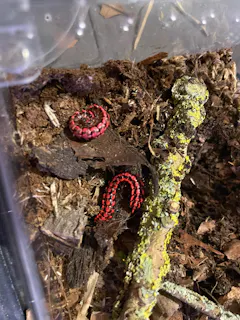
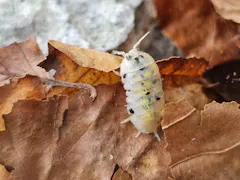
Clown Isopods (Armadillidium klugii 'Montenegro') are among the most visually striking species in the hobby. Their dramatic colouration - dark bodies edged with red "skirts" and scattered with yellow or cream spots - is genuinely eye-catching and unlike anything else in most collections.
The name "Clown" comes from their spotted, colourful appearance, though their behaviour is anything but clownish. These are actually rather shy, retiring isopods that prefer to stay hidden, particularly when first introduced to a new environment. The "Montenegro" designation refers to their geographic origin along the Adriatic coast.
What makes their appearance particularly fascinating is that it's thought to be a form of mimicry. The colour pattern closely resembles the Mediterranean black widow spider (Latrodectus tredecimguttatus), potentially deterring predators who mistake these harmless isopods for something far more dangerous.
Armadillidium klugii are well-suited to drier setups than many isopod species, making them excellent choices for semi-arid bioactive enclosures where tropical species would struggle.
A Glimpse
Origin: Montenegro, Adriatic coast (Balkan region of Europe)
Scientific Name: Armadillidium klugii 'Montenegro'
Difficulty Level: Easy to Medium
Size: Up to 18mm
Temperature: 21-27°C (23-26°C optimal for breeding)
Humidity: 30-50% (with moisture gradient)
Rarity: Low to Medium
An Overview
Armadillidium klugii originates from the coastlines of the Adriatic Sea, ranging from Croatia through Montenegro and into Albania and western Greece. The "Montenegro" variety is one of several regional forms available, each with slightly different colouration.
Montenegro Clowns typically display dark grey to black bodies with distinctive red edging (the "skirt") around their segments, decorated with yellow, cream, or white spots. The exact colouration varies between individuals, and some specimens show more vibrant markings than others. Their cousin, the "Dubrovnik" variety from Croatia, tends to have simpler white spots without the same red colouration.
These isopods have a reputation for being slow starters. New cultures often take time to settle in, and it's not unusual to lose a few individuals during the initial adjustment period. Don't be discouraged - this is normal for the species. Once established, they become reliable breeders, particularly during warmer months.
Behaviourally, Clown Isopods are notably shy compared to more confident species like Zebras or Magic Potions. They prefer to stay hidden and are most active at night. You may not see them as often as other species, but their striking appearance makes every sighting worthwhile.
Varieties
Several regional varieties of Armadillidium klugii are available in the hobby:
Montenegro - Dark bodies with red skirts and yellow/cream coloured spots. The classic "Clown" look.
Dubrovnik - From Croatia, typically showing brighter red coloration with white spots rather than coloured ones.
Montenegro Orange - A selectively bred morph with vibrant orange base colouration instead of dark grey/black. Highly sought after by collectors.
All varieties share similar care requirements.
Basic Care
Clown Isopods require slightly different care than many tropical species. They're adapted to drier, Mediterranean-type conditions and won't thrive in constantly humid enclosures.
The key to success with A. klugii is providing a proper moisture gradient. Unlike species that prefer uniformly humid conditions, Clowns need a sharp divide between wet and dry areas. Roughly one-third of the enclosure should be kept damp (using sphagnum moss), while the remaining two-thirds stays dry to bone-dry. They absolutely must have access to a moist area for rehydration, but the majority of their environment should be arid.
Good ventilation is essential - more so than for tropical species. Stagnant, humid air quickly leads to mould problems and can cause colony crashes. Add plenty of ventilation holes to your enclosure and ensure air can circulate freely.
Temperature should be maintained at 21-27°C, with the higher end of this range (23-26°C) encouraging faster breeding. They'll tolerate typical room temperatures without issue.
A shoebox-sized container (6-8 quart) works well for a starter colony. These isopods are slow to establish, so patience is required - expect 3-4 months before you start seeing offspring.
One important note: Clown Isopod cultures can crash relatively quickly if their specific needs (moisture gradient, ventilation, protein) aren't consistently met. They're not difficult to keep, but they do require attention to these details.
Feeding
Clown Isopods are detritivores with a preference for leaf litter and softwood over fresh vegetables. Their diet in the wild consists primarily of decomposing organic matter.
Primary foods (should always be available):
Hardwood leaf litter (oak is excellent, magnolia leaves are reportedly a particular favourite)
Soft, rotting wood
Sphagnum moss (they'll graze on this)
Bark pieces
Supplementary foods (offered 1-2 times weekly):
Fresh vegetables - carrots, courgette, cucumber, squash
Soft plants (they enjoy nibbling on moss and soft-leaved plants)
Protein sources - fish flakes, freeze-dried shrimp, dried mealworms
Commercial isopod foods
Calcium supplementation is particularly important for this species. Provide constant access to:
Cuttlefish bone
Crushed eggshells
Calcium powder
Maintaining calcium availability is crucial for breeding success - don't let supplements run out.
Clown Isopods have hard exoskeletons that require plenty of calcium and protein for healthy moulting and reproduction. The freeze-dried shrimp/fish provides both and is an excellent supplement.
Feed only what can be consumed within 2-3 days and remove uneaten fresh food promptly. In the drier conditions these isopods prefer, food spoilage is less rapid than in humid setups, but overfeeding can still attract pests like fungus gnats and mites.
Appearance and Behaviour
The Montenegro variety displays a dark grey to black base colour with distinctive red edging ("skirts") along the margins of each body segment. Scattered across the body are yellow, cream, or white spots in varying patterns - no two individuals look exactly alike.
Adults reach approximately 18mm in length. They have the characteristic rounded, pill-shaped body of Armadillidium species and can roll into a complete, gapless ball when threatened.
The striking colouration is believed to be Batesian mimicry of the Mediterranean black widow spider. By resembling a dangerous species, these harmless isopods may gain protection from predators who avoid them out of caution.
Behaviourally, Clown Isopods are notably shy and secretive. They're primarily nocturnal, doing most of their foraging at night. During the day, expect them to stay hidden under bark, in leaf litter, or burrowed into the substrate. They won't be as visible as more confident species, but this secretive nature is entirely normal.
They're social animals that live in clusters, using group behaviour to regulate their microenvironment and provide collective protection. Despite their shyness, they're peaceful and show no aggression toward tank mates.
Once established and comfortable, colonies become more active and visible, particularly at higher population densities. The initial adjustment period just requires patience.
Habitat
A plastic storage container (6-8 quart) or glass terrarium (5-10 gallons) works well for a starter colony. Ventilated enclosures are essential - if using a plastic tub, drill plenty of holes and cover them with fine mesh to prevent escapes.
Ventilation is critical for this species. More airflow than you'd provide for tropical isopods. Without adequate ventilation, enclosures become stagnant, encouraging mould growth and potentially causing colony crashes.
Temperature should be maintained at 21-27°C. For breeding, aim for the higher end (23-26°C). They tolerate typical household temperatures well.
Humidity should follow a strict gradient. Approximately one-third damp (30-40% in that area), two-thirds dry to bone-dry. This is different from most isopod setups and is essential for Clown Isopod health. They cannot tolerate uniformly humid conditions.
Hiding spots are essential for these shy isopods. Provide cork bark, wood pieces, and generous leaf litter on both the wet and dry sides. They'll spend most of their time hidden, so plenty of cover helps them feel secure.
Avoid placing the enclosure in direct sunlight, and don't use misting systems that would create uniformly high humidity.
Substrate Mix
The substrate setup for Clown Isopods differs from typical tropical isopod enclosures due to their need for a sharp moisture gradient.
For the dry section (approximately 2/3 of enclosure):
Coconut coir (allowed to dry)
Sand mixed in for drainage
Dry leaf litter on top
Cork bark and wood pieces for hides
For the moist section (approximately 1/3 of enclosure):
ABG mix or moisture-retentive substrate
Sphagnum moss layer
Damp leaf litter
Throughout:
Softwood pieces (rotting preferred)
Calcium supplements (cuttlebone pieces)
Cork bark for hiding
Generous leaf litter coverage
Substrate depth should be at least 5cm (2+ inches) to allow for burrowing and hiding. These isopods will dig into the substrate, particularly in the moist area.
The key is keeping the wet and dry sections distinctly separate. Water only the moist corner - pouring a small amount along the sides rather than misting the whole enclosure. The dry section should remain genuinely dry, not just "less wet."
Breeding
Clown Isopods breed readily once established, though they're slower to get started than some species. Patience is essential - most keepers report 3-4 months before offspring begin appearing.
For optimal breeding success, provide slightly elevated temperatures (23-26°C), maintain the proper moisture gradient, ensure constant calcium availability, and offer regular protein supplements.
Breeding activity tends to peak during warmer months, with colonies becoming more prolific in summer. The American varieties reportedly breed somewhat faster than European ones, but all Klugii take time to establish.
Females carry eggs in a brood pouch and give birth to live young. The tiny mancae can be raised alongside adults without issue. As the colony grows, you'll notice increased activity and visibility - established colonies are noticeably more confident than new ones.
Once breeding begins in earnest, colonies can become quite prolific. However, cultures can crash if care requirements slip, so maintain consistent attention to ventilation, moisture gradient, and calcium supplementation even after the colony is established.
Adding fresh bloodlines and substrate every 6-12 months can help prevent colony crashes and maintain genetic health.
PostPods
Shredded Rotten Wood (Small bag)
£3.00
Shredded rotten wood is a foundational substrate component and food source for detritivore invertebrates. This naturally decayed hardwood provides essential nutrition for isopods, springtails, millipedes, and roaches while creating a biologically active environment that supports healthy colonies. Organically sourced from Southern England woodlands and frozen to eliminate unwanted pests, this is ready-to-use decaying wood in convenient shredded form. This shredded wood serves as a versatile substrate material, making it ideal for use in invertebrate enclosures.
Product Details
Contents: shredded rotten wood
Source: Organically sourced from Southern England woodlands
Wood type: Hardwood broadleaf mix—primarily birch and oak, may include other broadleaf species
Processing: Frozen to -18°C for minimum 48 hours to eliminate unwanted pests
Important: Contains NO pine or softwood (softwoods contain harmful resins)
Price: £3.50
Order: Place your order now for high-quality shredded rotten wood.
Why Rotten Wood Matters
Decaying wood isn’t just a nice addition to invertebrate enclosures—it’s essential. For detritivores (animals that feed on dead organic matter), rotting wood serves multiple critical functions in different ways, such as providing food, habitat, and supporting substrate health. The benefits of rotten wood may also vary depending on the species kept or the specific enclosure setup.
As food:
The decomposition process breaks down tough cellulose, making nutrients accessible
Rotting wood becomes colonised by beneficial microorganisms that aid digestion
White rot fungus exposes cellulose and floods the wood with nitrogen-rich biocompounds
Provides long-term, slow-release nutrition as animals gradually consume it
As habitat:
Creates hiding spots and shelter
Retains moisture, supporting humid microhabitats
Provides burrowing substrate
Mimics natural forest floor conditions
For substrate health:
Supports beneficial microbial communities
Contributes to nutrient cycling within enclosures
Helps maintain moisture levels
Adds organic matter that breaks down over time
Using shredded rotten wood can help reduce waste buildup in enclosures
Benefits by Species
Isopods
Decaying wood is a dietary staple for all isopod species. As detritivores, isopods rely on rotting wood alongside leaf litter as their primary food source. The ideal size of shredded wood pieces for isopods is small, typically ranging from fine particles to fragments a few millimeters across, as these are easier for isopods to consume and digest. The wood should be soft enough to break apart easily—properly decayed wood crumbles when handled. Isopods consume the softened wood fibres and the microorganisms colonising them, extracting nutrients that support growth, moulting, and reproduction.
Essential food source for all genera (Cubaris, Porcellio, Armadillidium, etc.)
Particularly important for tropical Cubaris species from forest environments
Supports healthy exoskeleton development when combined with calcium sources
Provides shelter and moisture-retaining hideouts
Springtails
Springtails are detritivores that feed on decaying organic matter, fungi, and mould. Rotting wood provides both direct nutrition and supports the fungal growth that springtails consume. In natural habitats, fallen logs, rotting stumps, and decaying branches create ideal springtail environments—the wood retains moisture and provides substrate for egg-laying and reproduction. The presence of fines (small particle fractions) in shredded wood creates an ideal microhabitat for springtails, as these fine particles hold moisture and support fungal growth.
Supports fungal growth that springtails feed on
Provides moisture-retaining microhabitat
Offers shelter and egg-laying substrate
Particularly beneficial for soil-dwelling springtail species (Thai Reds, Orange springtails)
Millipedes
Rotten wood is absolutely essential for millipede keeping—it forms a large portion of their diet. Millipedes require properly decayed hardwood that’s soft enough to bite apart and digest. The wood must be “white-rotted” (pale, crumbly, with an earthy smell) rather than fresh or incompletely decayed. Before adding shredded wood to millipede enclosures, any contaminants should be carefully removed by hand to ensure the substrate is clean and safe for your pets. Without adequate rotting wood, millipedes cannot obtain the nutrition they need for growth and successful moulting.
Primary food source—millipedes cannot thrive without it
Must be soft and crumbly (properly decayed)
Hardwood only—millipedes cannot digest softwood/conifer resins
Mix throughout substrate for constant food access
Supports healthy moulting cycles
Roaches
Many roach species, particularly wood roaches and those kept in bioactive setups, benefit from decaying wood as both food and habitat. When using shredded wood recovered from sustainably managed woodlands, you provide nutrition, shelter, and contribute to the overall health of bioactive enclosures where roaches serve as cleanup crews.
Food source for wood-eating species
Habitat enrichment and hiding spots
Supports bioactive enclosure health
Contributes to naturalistic environments
Why Hardwood Only
This product contains only broadleaf hardwood species (birch, oak, and similar). Softwoods like pine, spruce, and other conifers are deliberately excluded because:
Harmful resins: Softwoods contain resins and aromatic compounds toxic to many invertebrates
Indigestible: Most millipedes and isopods cannot properly digest conifer wood
Wrong decomposition: Softwood decays differently and doesn’t provide the same nutritional value
It is also important to remove any non-hardwood materials during processing to ensure product safety and quality.
Properly decayed hardwood should be pale (white or light-coloured), soft, crumbly, and have an earthy smell. If wood is dark orange, very hard, or smells strongly of anything other than earth, it’s either conifer wood or not properly decayed.
Pest-Free Processing
Wild-collected wood can harbour unwanted invertebrates, mites, and other organisms. This shredded rotten wood has been frozen to -18°C for a minimum of 48 hours—a process that eliminates:
Mites
Fungus gnat larvae
Unwanted invertebrates
Other potential pests
Any contaminated or unsuitable wood is properly disposed of during processing to maintain product quality.
This means you can add it directly to enclosures without worrying about introducing pest species that could harm your colonies or become nuisances.
How to Use
Substrate mixing:
Mix shredded rotten wood throughout your substrate when setting up enclosures
Combine with organic topsoil, sphagnum peat moss, leaf litter, and other substrate components
Provides long-term food source as animals encounter it while burrowing
Top dressing:
Scatter on substrate surface alongside leaf litter
Allows animals to graze as needed
Easy to monitor consumption and replenish
Millipede substrate:
Essential component—mix generously throughout substrate
Millipedes require constant access to rotting wood
Replenish regularly as it’s consumed
Bioactive setups:
Contributes to nutrient cycling
Supports cleanup crew populations
Breaks down over time, enriching substrate
To achieve the ideal particle size for invertebrate use, shredded wood is processed using specialized machines. The wood first passes through a shredder to reduce its volume and break it down into smaller pieces. For finer material, a high speed shredder is used to further reduce the size of the particles. After shredding, the material is screened to remove oversized pieces and ensure a consistent, suitable size for use in substrates.
Storage
Store in a cool, dry place if not using immediately
Can be kept dry for extended storage
Rehydrate by misting before adding to enclosures if dried out
Avoid storing in sealed containers while damp (prevents mould issues)
Quality Indicators
Good quality rotten wood should be, depending on the specific hardwood species and stage of decomposition:
Soft and crumbly: Breaks apart easily with fingers
Pale coloured: White, cream, or light brown (indicates white rot)
Earthy smelling: Pleasant soil-like odour, not sour or chemical
Free from large hard chunks: Properly decayed throughout
PostPods
Moo Cow Isopods (Porcellio Scaber)
£7.50
£10.00
The Moo Cow isopods are one of the morphs of Porcellio Scaber and are beginner friendly isopods for enthusiasts who are new to the hobby. The white body with black freckled spots on their exoskeleton often gets confused with Porcellio laevis Dairy Cow species. Due to adaptability to various environmental conditions, these species are widely available.
Moo Cow Isopods: A Glimpse
● Scientific Name: Porcellio Scaber "Moo Cow"
● Common name: Common Rough Woodlouse
● Origin: Europe
● Size: 1.8 cm
● Temperature: 17℃- 26℃
● Rarity: Low
● Humidity: 50% to 60%
● Primary Diet: Rotten leaves, rotten hardwood, vegetable scrap
● Supplements required: Calcium supplement or cuttlebone.
Moo Cow Isopods: A Glimpse
Moo Cow isopods are hardy and can tolerate extreme drought conditions. These creatures have much bolder white and black patches on their skin. These species, though they're similar to Porcellio laevis "Dairy Cow," these critters are more active and scurry around quickly. These species are native to Western and Central Europe, and they are now available worldwide due to their popularity. These species are conscious of the environment around their activity depending on the surroundings.
Moo Cow Isopods: Characteristic Features and Traits
● These species have an oval body with a hard white carapace with black patches.
● Has a granular texture to their exoskeleton and compound eyes.
● Has two large antennas along with a small inner pair that is used to sense their surroundings.
● They are one of the morphs of Porcellio Scaber isopods.
● The calcium-to-protein ratio is 12:1, which is high compared to other insects.
● These species are active and quick breeders. They multiply quickly; therefore, you need a larger enclosure.
● These species are tolerant to drought, but it is ideal to keep a third of the enclosure dry and the rest of the enclosure mildly wet.
● Females can produce around 45 to 90 fertilized eggs and are kept in a fluid-filled sac for around 40-50 days.
● These isopods can reproduce after three months of their birth and have a life expectancy of 2 years.
● To protect their exoskeleton from extreme dryness, also known as desiccation, they seek moisture in their environment.
● Detritivores in nature seek nutrition from decaying plants, fungi, and bacteria that aid the decaying process.
● These species move quickly and slowly depending on the environment, i.e., they tend to move faster in dry environments and slower in humid areas.
Moo Cow Isopods: Dietary Requirements
These species primarily get nutrition by consuming detritus, i.e., dead, and rotting matter. These species in the wild feed on rotting organic matter, fungus, and bacteria that consume rotten leaves and other matter. In an enclosure, provide a mix of food like veggies, greens, etc.
You can also include molting of invertebrates or reptiles, as well as fish and meat scraps for protein. Calcium is crucial for a stronger and healthier carapace; therefore, you can provide eggshells, limestone pieces, and cuttlebone. If not, adding calcium powder can be great as a substitute for the isopods.
These species are voracious eaters, but it is important to provide only the necessary amount of food in the enclosure. To prevent fruit flies, molds, and gnats, providing food that they can consume in a single session is ideal.
Porcellio Scaber Isopods: Morphs
The Porcellio Scaber "Moo Cow" is one of the many morphs that are commonly available worldwide. Other morphs of these species include:
● Porcellio Scaber "Orange": They have a distinguished orange color on their exoskeleton.
● Porcellio "Lava" Isopod: These are cool-looking morphs that have orangish red blotches on the black exoskeleton.
● Porcellio Scaber "Calico": Bright orange, yellow coloring with smaller, barely visible black freckles.
● Porcellio Ghost Isopods: Deep lilac to light purple colored species.
● Porcellio Scaber "Dalmatian": Similar to moo cow isopods, except its spots are smaller and less visible.
● Orange Koi Isopod: Their bright white and orange color combination resembles the fish of a similar name.
● Piebald Variant: A recessive gene that has a black and white color combination on its exoskeleton.
Moo Cow Isopods: Basic Care
● When providing an enclosure, make sure to set up a box which is larger than a typical shoebox sized enclosure. These species breed quickly once established and so it is ideal to provide a bigger enclosure.
● If you like to show off your isopod collection with other enthusiasts, providing a glass enclosure with suitable ventilation will provide more visibility. You can admire their natural activities using such transparent enclosures. If not, a normal plastic container will work just fine.
● These species love both tropical and temperate climate, therefore make sure to mimic that habitat into an artificial enclosure.
● They prefer a well-ventilated enclosure and don't require a humid enclosure like other isopods.
● If you are providing a self-made enclosure it is to ensure that you are making provision for cross ventilation by making enough holes in the enclosure.
● For these clean up critters, provide substrate mix in the enclosure that has rotten leaves in the mix or provide a custom mix of coco peat, leaf litter, small amount of soil and moss to retain moisture.
● Make sure to provide the substrate bedding for around 1-3 inches within the enclosure.
● It has to be ensured that the substrate they keep inside the container should be damped up to about one third of the total portion.
● While carrying out misting, the damp area and the wet area should be maintained separately. The areas should not be exchanged.
● Moss is to be kept only in the damp areas to maintain the moisture content. These mosses are also a type of food for them thus serving dual purpose.
● The enclosure should be periodically inspected and must ensure that the leaflets and other food items are present inside the container.
● If the moisture content is higher, there can be increased mold growth, which is not good for your pets. To avoid this, you can add springtails, which prey on the mold and will help you to keep the area clean.
● It is important to keep hiding areas inside the enclosure. Towards this you can coconut shell or bark of wood which will act as the perfect hiding space for them. You can also keep crates of eggs which also are equally good hide out areas for your pets.
PostPods
Yellow springtails (albino) Ceratophysella Sp
£12.50
Ceratophysella sp. "Yellow" (Albino) springtails are a colour variant that displays bright yellow to cream colouration instead of the typical darker pigmentation seen in standard springtails. Their striking colour makes them more visible in enclosures compared to white or grey springtails, adding a subtle pop of colour to bioactive setups while performing the same essential cleanup functions. Easy to culture and prolific breeders, they're a practical choice for keepers wanting functional springtails with added visual interest.
A Glimpse
Origin: Widely distributed (captive bred colour form)
Scientific Name: Ceratophysella sp. "Yellow" / "Albino"
Maintenance required: Low
Average Size: 1-2 mm
Rarity: Rare
Lifespan: Several months (colonies self-sustaining)
Temperature: 18-26°C (64-79°F)
Ventilation: Low (retain humidity)
Humidity: 70-90% (moist conditions)
Favorite food: Yeast, fish flakes, decaying organic matter
Supplements: Brewers yeast, rice, mushrooms
Yellow Springtails: Introduction
Yellow or Albino springtails are a colour morph of Ceratophysella springtails that lack the typical darker pigmentation, resulting in a bright yellow to cream appearance. They function identically to standard springtails—consuming mould, fungal growth, and decaying organic matter—but their colouration makes them easier to spot in enclosures.
Springtails are hexapods, not insects, and belong to the class Collembola. They're named for the forked appendage (furcula) under their abdomen that allows them to jump when disturbed. This jumping behaviour is their primary defence mechanism and is completely harmless.
In bioactive setups, springtails serve as essential microfauna. They consume mould before it becomes problematic, process decaying plant matter, and help maintain healthy substrate conditions. Their tiny size means they can access spaces isopods cannot, making them complementary to—rather than replacements for—isopod cleanup crews.
Yellow springtails are easy to culture and reproduce rapidly under appropriate conditions, making them practical for keepers who want to maintain ongoing populations for multiple enclosures.
Yellow Springtails: Physical Traits and Characteristics
Very small, typically 1-2 mm in length
Bright yellow to cream colouration (albino/amelanistic form)
Elongated body shape typical of Ceratophysella species
Six legs and two antennae
Possess a furcula (jumping fork) that allows them to spring when disturbed
Soft-bodied—no hard exoskeleton like isopods
Colour intensity may vary slightly depending on diet and age
Behaviour
Springtails have simple but useful behavioural patterns.
Activity: They're constantly active, crawling through substrate and across surfaces in search of food. Their movement is typically slow crawling until disturbed, when they use their furcula to jump erratically.
Jumping: When threatened, they spring randomly into the air. This is a defensive behaviour—they can't control where they land. It's harmless but can be surprising if you're not expecting it when opening an enclosure.
Feeding: They congregate around food sources, particularly mould, fungal growth, and decaying organic matter. In bioactive setups, you'll often see them clustered on decomposing leaves or areas with fungal activity.
Moisture-seeking: They prefer moist environments and will congregate in humid areas of an enclosure. If conditions become too dry, populations decline.
Harmless: Springtails don't bite, sting, or cause any harm to plants, animals, or humans. They're purely beneficial in terrarium environments.
Diet
Springtails are detritivores and fungivores with simple dietary needs.
Primary foods:
Mould and fungal growth (their main role in bioactive setups)
Decaying organic matter
Decomposing leaf litter
Dead plant material
Supplementary foods for culturing:
Brewers yeast or nutritional yeast (sprinkled on substrate)
Fish flakes (crushed)
Cooked rice (small amounts)
Mushroom pieces
Powdered springtail diets (commercially available)
Feeding approach: When culturing springtails, feed small amounts regularly. Sprinkle food lightly across the substrate surface—a little goes a long way with these tiny creatures. Overfeeding leads to mould problems and can attract pests.
In established bioactive setups, springtails often sustain themselves on naturally occurring organic matter and fungal growth without supplementary feeding.
Yellow Springtails: Breeding
Springtails reproduce rapidly and are easy to culture, making them ideal for keepers maintaining multiple enclosures.
Breeding basics:
Reproduce through eggs laid in moist substrate
Eggs hatch into miniature versions of adults (no larval stage)
Populations can explode rapidly under good conditions
Self-sustaining colonies with minimal intervention
Conditions for breeding:
High humidity (70-90%)
Moist substrate
Adequate food availability
Stable temperatures (18-26°C)
Avoiding waterlogging (moist, not flooded)
Population dynamics: Springtail populations are largely self-regulating. They'll boom when conditions and food are abundant, then stabilise or decline if resources become limited. In bioactive setups, populations typically find a natural equilibrium based on available food sources.
Culturing for harvest: Many keepers maintain dedicated springtail cultures to seed new enclosures or replenish populations. A simple container with appropriate substrate, maintained moist with regular feeding, will produce harvestable quantities within weeks.
Yellow Springtails: Habitat Setup
Culturing container: A small plastic container with a secure lid works well. Ventilation should be minimal—small holes or occasional opening for air exchange. The priority is maintaining humidity.
Substrate options: Several substrates work for springtail cultures:
Horticultural charcoal (a popular choice—holds moisture, springtails thrive on it)
Clay-based substrates
Organic topsoil mixed with leaf litter
Sphagnum peat moss
Commercial springtail substrate
For bioactive setups, springtails will colonise whatever substrate is present provided moisture levels are adequate.
Moisture: Critical for springtails. The substrate should remain consistently moist but not flooded. Waterlogging drowns springtails, while drying out kills them. Mist regularly to maintain dampness. A good test: the substrate should feel damp to the touch but not squeeze out water.
Humidity: High humidity (70-90%) is ideal. The enclosed nature of culture containers naturally maintains humidity when substrate is kept moist.
Temperature: Room temperature (18-26°C) works well. They tolerate a reasonable range but avoid temperature extremes. No supplementary heating is typically required.
Ventilation: Minimal. Springtail cultures need some air exchange to prevent anaerobic conditions, but excessive ventilation dries out the enclosure. Small ventilation holes or periodic lid opening is sufficient.
Bioactive Integration
Yellow springtails are excellent additions to bioactive setups across a wide range of enclosure types.
Functions in bioactive setups:
Consume mould and fungal growth before it becomes problematic
Process decaying plant matter and organic debris
Help maintain healthy substrate conditions
Provide food source for some small inhabitants (dart frogs, small geckos)
Compatible setups:
Tropical and humid bioactive enclosures
Dart frog vivariums
Crested gecko and similar humid gecko setups
Humid reptile and amphibian enclosures
Planted terrariums
Isopod enclosures (springtails and isopods complement each other)
Pairing with isopods: Springtails and isopods work well together. They occupy different niches—springtails handle mould and access tiny spaces, while isopods process larger organic matter. Using both provides more comprehensive cleanup.
Visibility: Yellow springtails are more visible than white or tropical springtails due to their colouration. Whether this is an advantage or disadvantage depends on preference—some keepers like seeing their cleanup crew, others prefer less visible options.
Suitability
Yellow springtails are suitable for virtually any keeper wanting functional microfauna with a bit of visual interest.
Good choice for:
Bioactive setups of all types (within humidity requirements)
Keepers wanting visible springtails
Dart frog and small amphibian enclosures (also serve as food)
Pairing with isopods for comprehensive cleanup
Anyone needing easy-to-culture springtails
Not ideal for:
Arid or low-humidity setups (they need moisture)
Keepers who dislike jumping invertebrates
Situations where any visible microfauna is unwanted
Care level: Very low difficulty. Springtails are among the easiest invertebrates to maintain. Keep them moist, provide occasional food, and they largely take care of themselves. Ideal for beginners and low-maintenance keepers alike.
Value: Excellent value. They're inexpensive, reproduce readily, and provide genuine functional benefits in bioactive setups. The yellow colouration adds visual interest without any additional care requirements compared to standard springtails.
PostPods
Dwarf White Isopods (Trichorhina Tomentosa)
£6.00
Trichorhina tomentosa, commonly known as Dwarf White isopods, is possibly the most utilitarian isopod in the hobby. They're tiny—adults barely reach 3-4mm—and they're not much to look at. But what they lack in display appeal, they make up for in sheer usefulness. Prolific breeders, excellent decomposers, suitable feeder insects, and remarkably easy to keep. If you need a workhorse cleanup crew for a tropical bioactive setup, Dwarf Whites are the industry standard for good reason.
A Glimpse
Origin: Central and South America (now distributed worldwide in tropical regions)
Scientific Name: Trichorhina tomentosa
Common Names: Dwarf White Isopod, Dwarf Tropical White
Family: Platyarthridae
Maintenance required: Low
Average Size: 2-4mm (approximately 0.5cm maximum)
Rarity: Very Low (extremely common)
Temperature: 20-29°C (68-85°F)
Ventilation: Low
Humidity: 60-90% (high)
Favorite food: Leaf litter, decaying wood, detritus
Supplements: Calcium, protein
Dwarf White Isopods: Introduction
Dwarf White isopods are the workhorses of the bioactive hobby. They've earned nicknames like "tank janitors" and "micro cleanup crew" for their role in waste processing, and they're found in countless terrariums, vivariums, and reptile enclosures worldwide.
Their appeal isn't aesthetic—they're plain white, extremely small, and spend most of their time burrowed out of sight. Instead, their value lies in utility. They breed rapidly, consume waste efficiently, tolerate a wide range of conditions, and pose no threat to enclosure inhabitants. For tropical bioactive setups, they're often the default isopod choice.
One interesting biological quirk sets them apart: Dwarf Whites reproduce parthenogenetically. Every individual is female, and they reproduce asexually—essentially cloning themselves without requiring fertilisation. A single isopod can theoretically start an entire colony. This contributes to their reputation as explosive breeders; populations can multiply quickly once established.
Native to tropical regions of Central and South America, they've since been introduced to tropical areas worldwide. Their exact original range is debated, but they're now so widely distributed that origin hardly matters for the captive hobby.
Dwarf White Isopods: Physical Traits and Characteristics
Adults reach only 2-4mm in length—among the smallest isopods available
Uniformly white to translucent-white colouration
Some individuals show faint dark undertones along the dorsal ridge
Soft-bodied compared to harder-shelled species
Cannot roll into a ball (unlike Armadillidium)—curl into a "C" shape instead
"Play dead" behaviour when threatened—curl up and remain motionless
White colouration makes them visible against dark substrate despite tiny size
The size is genuinely tiny. They're smaller than a grain of rice. This makes individual observation difficult, but their white colour against dark substrate at least allows you to confirm their presence when they surface.
Behaviour
Dwarf White isopods display predictable behaviour patterns centred around burrowing and feeding.
Activity patterns: Primarily nocturnal. They spend most of their time burrowed into substrate, surfacing mainly to feed. You'll rarely see them actively crawling during daylight hours.
Burrowing: Strong burrowers. They prefer to stay buried in moist substrate, which protects them from predators and desiccation. This makes them effective substrate aerators in bioactive setups.
Defensive behaviour: When disturbed, they "play dead"—curling into a C-shape and remaining motionless for several moments. If you think they've died, wait a bit before concluding anything.
Social structure: Highly gregarious. They thrive in dense colonies and naturally congregate in favourable microhabitats within enclosures.
Feeding behaviour: Active decomposers. They consume organic waste including animal droppings, converting waste to nutrients. This makes them particularly useful in vivariums with reptiles or amphibians.
Climbing: They don't climb enclosure walls like some species. Burrowing is their preference, making escape less of a concern.
Competition note: Dwarf Whites have earned the nickname "The Devil's Rice" from some keepers because they can outcompete other isopod species when housed together. Their rapid reproduction and parthenogenetic breeding gives them a competitive advantage. Some keepers recommend against mixing them with other isopod species for this reason—they may eventually dominate the colony.
Diet
Dwarf Whites are detritivores with simple dietary requirements.
Primary foods:
Leaf litter (essential staple—always available)
Decaying softwood (rotting white wood preferred)
Decomposing organic matter
Animal droppings (in bioactive setups)
Fungi and algae
Supplementary foods:
Vegetables: carrots, cucumber, squash, courgette, sweet potato, pumpkin
Fruits: in moderation (risk of mould growth)
Fish flakes/pellets
Commercial isopod foods
Protein:
They have high protein requirements:
Dried shrimp
Fish food flakes
Freeze-dried minnows
Dried insects
Calcium:
Cuttlebone
Crushed eggshells
Calcium powder
Feeding notes:
Don't overfeed—old food spoils and attracts pests (fungus gnats, fruit flies, mites)
Their appetite compensates for their small size; collectively they consume substantial amounts
Remove uneaten fresh foods before spoiling
In bioactive setups, they'll find much of their own food from enclosure waste
Dwarf White Isopods: Breeding
Dwarf Whites are among the most prolific isopod breeders available, thanks to their unique reproductive biology.
Parthenogenesis:
This is their defining reproductive characteristic. Every Dwarf White is female, and they reproduce asexually without requiring males. Each female essentially clones herself, producing offspring without fertilisation. This means:
A single isopod can start an entire colony
Every adult can produce offspring
Population growth follows compound interest—the more you have, the faster they multiply
Breeding rate:
Extremely prolific once established
Females can produce 30+ offspring (mancae) monthly
Juveniles reach maturity in 4-6 weeks
Populations can explode from small starter cultures
Breeding conditions:
Higher temperatures accelerate breeding
High humidity supports reproduction
Adequate food supply (particularly protein) promotes healthy breeding
Minimal disturbance
Lifespan: Up to 3 years with proper care.
Practical implications:
A small starter culture of 50-100 individuals can rapidly become thousands. This makes them economical—you don't need large initial purchases. It also means they can outcompete other species if housed together, and a thriving Dwarf White population can prevent establishment of pest species like wood mites and grain mites by outcompeting them for resources.
Dwarf White Isopods: Habitat Setup
Dwarf Whites are remarkably easy to house, requiring minimal equipment.
Enclosure:
Small plastic containers sufficient for culturing
Ventilated lid (small holes grouped on one side)
Front-opening terrariums for display setups
Size flexible—they don't need large enclosures
Ventilation:
Low. They prefer humid conditions without strong airflow. A few ventilation holes maintain air circulation without excessive drying. Group vent holes toward the drier end of the enclosure.
Substrate:
They need moisture-retaining substrate suitable for burrowing.
Recommended mix:
Organic topsoil base (pesticide-free)
Sphagnum peat moss
Forest humus
Decaying hardwood (non-pine)
Abundant leaf litter
Depth: Minimum 5cm to accommodate burrowing behaviour. Deeper substrate retains moisture longer.
Moisture:
Keep approximately two-thirds of the substrate moist. They prefer damp conditions but shouldn't be waterlogged. Avoid any standing water.
Humidity:
60-90%—high humidity is essential:
Tropical species requiring consistent moisture
Too dry and they'll struggle to moult
Mist as needed to maintain humidity
Their burrowing behaviour helps them find moisture in substrate
Temperature:
20-29°C (68-85°F):
Room temperature generally sufficient
Warmer temperatures accelerate breeding
They tolerate a wider range than listed but thrive in typical tropical conditions
No special heating required in most UK homes
Décor:
Cork bark or softwood pieces (hiding spots)
Abundant leaf litter (food and cover)
Moss patches (moisture retention)
Minimal setup needed—they're not display animals
Bioactive Use
Dwarf Whites are the quintessential bioactive cleanup crew—arguably the most widely used isopod for this purpose.
Strengths:
Excellent decomposers—break down waste, dead plant matter, shed skin, droppings
Process animal waste, converting it to nutrients
Substrate aerators—burrowing keeps substrate fresh and fertilised
Rapid population growth ensures sustainable cleanup capacity
Tiny size allows navigation through small spaces
Won't disturb enclosure inhabitants
Tolerate high humidity required by tropical setups
Outcompete pest species (wood mites, grain mites)
Top mould control—they help prevent mould from spreading
Feeder use:
Their small size makes them suitable feeder insects:
Popular in the dart frog hobby for feeding adults and froglets
Suitable for small geckos and other tiny insectivores
Docile—won't threaten inhabitants
Self-sustaining food source in bioactive setups
Limitations:
Not display animals—rarely visible during the day
Extremely small size means minimal visual interest
May stress some burrowing invertebrates (certain roach species, some larger isopods)
Can outcompete other isopod species if mixed
Compatibility concerns:
While generally safe, Dwarf Whites can cause problems with certain species:
Some burrowing roaches (Therea genus) may abort oothecae when stressed by their presence
Large Spanish Porcellio may be bothered by sharing enclosures with them
Best kept as single-species cultures or introduced to bioactive setups without other isopod species
Ideal applications:
Tropical terrariums and vivariums
Reptile and amphibian bioactive enclosures
Dart frog setups (cleanup and feeder)
Any high-humidity bioactive where efficient waste processing matters more than display appeal
Suitability
Dwarf White isopods suit keepers wanting functional cleanup crews rather than display animals.
Good choice for:
Bioactive setup owners needing efficient decomposers
Dart frog keepers (dual-purpose: cleanup and feeder)
Beginners wanting easy, forgiving isopods
Those who need large populations quickly
Keepers prioritising utility over aesthetics
Tropical vivarium owners
Less suited for:
Those wanting visible, attractive display isopods
Keepers who want to observe isopod behaviour
Mixed-species isopod colonies (they may outcompete others)
Setups housing certain sensitive burrowing invertebrates
Care level:
Very easy. They're among the most forgiving isopods available. Maintain humidity, provide leaf litter and occasional supplemental food, and they largely take care of themselves. Their parthenogenetic reproduction means population sustainability is virtually guaranteed. One of the best species for complete beginners.
Value:
At £4 for 50 or £7 for 100, Dwarf Whites are extremely affordable. Given their rapid reproduction, even a small starter culture quickly multiplies into a large population. They're essentially a one-time purchase that sustains itself indefinitely. For bioactive utility, they represent outstanding value.
What to expect:
Expect tiny (2-4mm), plain white isopods that spend most of their time burrowed out of sight. Expect nocturnal activity—you'll occasionally spot them surfacing at night or when feeding. Expect rapid population growth once established, potentially reaching thousands from a modest starter culture. Expect effective waste processing and mould control in bioactive setups. Expect functional utility rather than visual appeal. Expect easy care with minimal maintenance requirements.
Dwarf Whites aren't exciting to look at. You won't impress visitors with your isopod collection. But if you need a reliable, self-sustaining cleanup crew for a tropical bioactive setup—or a ready supply of tiny feeders for small amphibians—they're hard to beat. They've earned their place as the hobby standard through consistent performance rather than aesthetic appeal.
PostPods
Armadillidium Granulatum Isopods
£5.00
£6.00
Armadillidium Granulatum isopods, or Spanish Yellow isopods, are one of the most unique species in nature. These species have dark grey carapaces with vibrant yellow spots, which makes them stand out among other isopods. These species acclimate to artificial environments easily and are most sought after among enthusiasts.
Armadillidium Granulatum Isopods: Insight
Common Name: Spanish Yellow Isopod
Origin: Spain
Size: 2.5 cm
Difficulty level: low
Temperature: 64℉ to 82℉
Rarity: Low
Humidity: 75% to 80%
Favourite Food: Repashy bug burger, leaf litter
Supplements: Cuttlefish bone
Armadillidium Granulatum Isopods: Introduction
Armadillidium Granulatum isopods are one of the largest isopods. They settle into new environments easily and are easy to breed. The yellow spots on the exoskeleton are unique, and they are different for each isopod.
These critters are indigenous to Spain and can be found in, among others, wet environments like fallen leaves, rocks, carks, etc. They are hardy and quite easy to take care of in captivity and are a great addition to terrariums.
Armadillidium Granulatum Isopods: Characteristics and Traits
They have a textured carapace; therefore, they are also known as Granulated Pill isopods.
These roly-polies have soft shells and are used as clean-up crews.
Their spots are unique in each isopod.
They are semi-aquatic creatures and can be grown in terrariums and paludariums.
They have humps behind their body called "uropods". They help in movement, especially when they feel threatened.
It is highly prolific in nature and breeds very early.
Easy to maintain and are child-friendly.
They are omnivores, docile and easy to care for.
They are from the southwestern part of Europe and are commonly found in gardens, forests, grasslands and urban areas.
Armadillidium Granulatum Isopods: Morphs
The Armadillidium Granulatum is commonly seen in dark colour with bright yellow spots. However, there are various morphs for this species. They are the following:
Armadillidium Granulatum (lemon): has a higher yellow expression than the dark colour with a brown background.
Armadillidium Granulatum (white pearl): rare albino morph of the regular Armadillidum Granulatum.
Armadillidium Granulatum Isopods: Diet
Armadillidum Granulatum feeds on pretty much all types of food. They are scavengers and feed on detritus, like decaying plants, fungi, roots, and algae. They also feed on dead insects and other invertebrates.
When breeding in a closed enclosure, it is important to provide a balanced diet. Feeding greens, veggies, and fruits helps to maintain its health. Shredded shrimp and oyster shells are provided for calcium and protein. Repashy bug burger is given as an alternative to traditional food, which helps balance all nutrients.
Armadillidium Granulatum Isopods: Offspring
Armadillidium Granulatum is highly prolific and produces offspring before reaching adulthood.
It is expected to find small broods along with these isopods who are sub-adults. They produce a large number of litters.
The mating of these species is simple. After the mating ritual, the male will deposit spermatozoa into the female's pouch. The female stores them till they are ready to produce offspring.
Once the development is complete, the female deposits them in pouches. This later produced up to 40 youngs per brood.
These species can reproduce without their mate. The females that produce offspring without mating will be born as clones.
Armadillidium Granulatum Isopods: Basic Care
Here are the following tips and instructions to provide basic care for Armadillidium Granulatum isopods.
For the isopods, provide a closed terrarium with a moist substrate made of coco peat or peat moss.
Mist twice a day, and it is essential to maintain humidity around 75% to 80%.
Keep live plants and organic materials in the enclosure.
Keep ⅓ of the enclosure moist and leave the rest arid.
Use a glass or a plastic container for breeding the isopods.
Provide holes for ventilation to prevent excess humidity.
Avoid keeping the isopod box under direct sunlight.
Add springtails to prevent and mitigate moulds.
Cork bark, lotus pods, coconut halves and egg cartons to create hiding spots for the isopods.
Provide calcium and protein-rich food for healthy offspring and moulting.
Add various types of moss to serve both as a snack as well as a hiding place for the isopods.
Armadillidium Granulatum Isopods: Natural Habitat
The natural environment of the Armadillidium Granulatum is typically cold, with a lot of decayed food and hiding areas. These species are nocturnal, and they hide under the soil during the daytime. In the wild, these species form clusters under rocks and wooden barks. This is done to retain their body moisture and to ward off predators.
It is necessary to understand the natural environment of Armadillidium Granulatum isopods so that it can be replicated in the artificial habitat setting.
Armadillidium Granulatum Isopods: Artificial Setting
The method of setting up an artificial setup for the isopods should be done in a plastic shoebox tub. Providing a lid for the tubs adds safety to the enclosure. Making a series of holes on the sides of the container will help attain healthy flow and control the humidity inside the enclosure.
Providing a substrate of 1-3 inches (4 in for burrowing species) will provide a proper foundation or base for the habitat. Isopods prefer deep layers and like to feel safe. Add sphagnum Moss and lots and lots of leaf litter, along with pieces of wood or cork bark, to help provide them with a better environment.
It is important to maintain a temperature of around 75℉ and a moisture gradient of around 75% to create an optimal environment for the isopods to live in the artificial setting.
Armadillidium Granulatum Isopods: Substrate Mixture
Making a high quality substrate mixture is crucial. As the Armadillidium Granulatum isopods are humidity-loving creatures, one must offer a suitable substrate mix.
The ABG substrate mix is a combination of charcoal, orchid bark, sphagnum moss, tree fern fibre and peat moss. They are very much suited for tropical terrariums as well as isopod substrate mix. It helps maintain moisture without trapping water for proper drainage, thus creating an ideal environment for isopod and springtail colonies.
Making a thick base creates a stable foundation for the isopod enclosure. This, along with adding wood bark, leaf fodder, and protein supplements, creates a suitable environment for the isopods to thrive.
PostPods
JUMBO High Yellow Spotted Giant Isopods (Armadillidium Gestroi)
£12.50
£25.00
Everything you like about normal gestoris but over 20% bigger - meet the Jumbo Gestroi Isopods originate from the tropical region of France. Their origins in the warm, humid forests of this region provide them with a natural habitat rich in decaying wood and leaf litter, which is essential for their health and breeding. Compared to other isopod species, such as the popular White Shark or Rubber Ducky isopods, Jumbo Gestroi stand out for their impressive size and vibrant coloration. The neon yellow on them is brighter in appearance compared to the normal gestrois, and some individuals may display pale or white markings that add to their striking look.
High Yellow Spotted Giant Isopods: A Glimpse
Origin: France
Scientific Name: Armadillidium gestroi
Difficulty Level: Easy
Size: Up to 2 Centimeters
Rarity: Low/ Medium
Temperature: 68℉ to77℉
Humidity: 70% to 80%
Favourite Foods: Fish Carcasses, Shrimp
Jumbo Gestroi Isopods: An Overview
High Yellow Spotted Giant isopods are not very commonly found in comparison to other popular isotopes from the same origin. These European natives are renownedfor theirvibrant high yellow exoskeletons that exude a radiant glow. They have a distinctive yellow and cream color, scattered patches, and markings. They are suitable for novice keepers.
Being native to regions in the Mediterranean and Southern Europe, High Yellow Spotted Giant isopods have an enclosure with high-humidity. They have a veryimpressive appearance.They make good pets because of their ease of care. You can use plastic and glass enclosures to house them.
Feeding Jumbo Gestroi Isopods is very convenient. These isopods can eat mostly anything from decaying plant and animal matter to vegetables and fungi. You will need to ensure a humid atmosphere to conveniently house them. Minimize exposure to severe weather conditions whenever possible.
High Yellow Spotted Giant Isopods: Basic Care
You can use the following instructions and tips to provide the best care to the High Yellow Spotted Giant isopods.
You can use either a glass vivarium or plastic containers for housing for your Jumbo Gestroi Isopods.
Maintain the container’s temperature within 68 to 77 degrees Fahrenheit.
It is essential to ensure high humidity inside the enclosure.
You can minimize ventilation holes to prevent excessive humidity loss.
Don’t keep the enclosure in direct light.
Position moss on an enclosure partly. Ensure the moss has enough moisture at all times.
Make use of decaying plant and animal matter as food for isopods.
You could even feed them with vegetables, fungi, decaying food, worms, dead insects, leaf litter, lichens, and algae where this is available.
High Yellow Spotted Giant Isopods: Feeding
High Yellow Spotted Giant isopods are detritivores. They mostly consume decaying plant and animal matter only. They also feed on a variety of food items such as leaf litter, algae, etc.
They tend to be voracious eaters. Since they are ahighly active group, it's essential to provide them with adequate and nutritious supplements to ensure their optimal health.These isotope pet owners can use calcium, protein, vitamin E, and vitamin D supplements, etc.
One common mistake made by High Yellow Spotted Giant Isopod owners is overfeeding. This can be problematic due to the high humidity levels typically present within the enclosure.
In high humidity conditions, any leftover food can rapidly deteriorate. This can encourage mold growth. It can disrupt the balance within the enclosure. It can potentially result in various issues. Therefore, it's recommended to provide only an amount of food that Jumbo Gestroi Isopods can consume in one feeding session.
High Yellow Spotted Giant isopods crave fallen leaves, moss, dead wood, and lynches. They are always looking for food rich in calcium. This is why they often prefer eating different kinds of stones, dead insects, and more. However, you can always feed them with decaying plant matter.
High Yellow Spotted Giant Isopods: Appearance and Behaviour
High Yellow Spotted Giant isopod is one relatively small isopod. It can grow to nearly 1.5 centimeters in length.
The isopod species’ name is inspired by its yellow color, scattered markings, and ability to curl into a ball.
These isopods have unique yellow and cream color. They have many markings and scattered patches along their lengths.
As these isopods exude a radiant glow, they make aesthetically appealing pets.
As they reach maturity, their color gradually darkens and becomes more like a brown hue.
Since they don't grow very large in size like the giant worms, these Isopods are well-suited for small pets.
These isotopesmake essential members of the bioactive food chain of a terrarium. They help in decomposition and disease control.
They are very easy to maintain and handle. They make attractive pets for children of young ages.
Jumbo Gestroi Isopods: Habitat
High Yellow Spotted Giant isopods thrive in high humidity. This is why it is ideal to create a humid environment for them, minimizing any moisture loss whenever possible. Utilize a plastic container to store the Jumbo Gestroi Isopods or add them to an enclosure with live terrarium plants.
Once these isopod familiarize with the conditions, then you can transfer it to a suitable enclosure. However, it is essential to keep the total of ventilation holes to a minimum. Excessive ventilation holes can lower the internal humidity, potentially causing unprecedented problems for the spotted giant isopods.
Elevated humidity in the closure can attract pests. Add springtails inside the enclosure. This will prevent pests from entering the enclosure. Springtails are also effective in managing mold.
Jumbo Gestroi Isopods: Substrate Mix
Selecting the appropriate substrate mix is important for maintaining an ideal habitat for High Yellow Spotted Giant isopods. Since they grow in high humidity conditions, the mix should be advantageous for maintaining such an environment.
An optimal mix with excellent water retention properties is essential for preserving high humidity levels within a High Yellow Spotted Giant Isopods enclosure. Given their detritivores nature, adding lichens and leaf litter into the substrate mix can be beneficial for them.
High Yellow Spotted Giant isopods also enjoy living inside hiding spots as much as possible. Experts highly recommend that you add a thick leaf litter and lichens layer at the top of the mix. You can add things likecoconut coir, charcoal, calcium supplements, etc., in the mix to create a suitable environment for them
PostPods
Leaf Litter (Small Bag)
£3.00
Leaf litter is the single most important food source for detritivore invertebrates. For isopods, springtails, millipedes, and roaches, dried fallen leaves aren't just substrate decoration—they're the foundation of the diet these animals evolved to consume. This mixed broadleaf litter, collected from Southern England forests and naturally aged for several months, provides essential nutrition while mimicking the forest floor conditions your invertebrates need to thrive.
Product Details
Contents: dried leaf litter
Source: Southern England forests, collected away from paths, roads, and dog walking areas
Leaf mix: Birch, maple, and oak—a varied broadleaf blend
Processing: Naturally stored for several months before sale, ensuring pest-free product
Price: £3.50
Why Leaf Litter Matters
In the wild, leaf litter forms the basis of the forest floor ecosystem. Fallen leaves accumulate, decay, and become colonised by microorganisms that break down the tough plant material into accessible nutrients. Detritivores—animals that feed on decaying organic matter—depend on this constant supply of decomposing leaves for survival.
For captive invertebrates, leaf litter serves multiple essential functions:
As food:
Primary dietary staple for isopods, millipedes, and many roach species
Microbial conditioning makes nutrients accessible—leaves become more palatable as they age and decay
Provides slow-release, long-term nutrition as animals gradually consume it
Different leaf types offer varied nutritional profiles
As habitat:
Creates essential hiding spots and cover
Reduces stress by allowing animals to move unseen
Provides shelter for moulting, breeding, and resting
Mimics natural forest floor conditions
For enclosure health:
Helps maintain humidity by retaining moisture
Supports beneficial microbial communities
Breaks down over time, enriching substrate
Contributes to nutrient cycling within bioactive setups
The Leaf Mix
This product contains a blend of three excellent broadleaf species commonly found in English woodlands:
Oak
Oak leaves are considered the gold standard for invertebrate keeping. They're hardy enough to last well in enclosures while remaining nutritious and palatable. Oak breaks down at a moderate rate, providing sustained nutrition over weeks rather than disappearing immediately. Most keepers consider oak leaves a must-have staple.
Maple
Maple leaves are softer and break down more quickly than oak, making them readily accessible to smaller or younger animals. They're eagerly consumed by most detritivore species and provide good variety alongside harder-wearing leaves. The faster decomposition rate means they contribute to substrate enrichment relatively quickly.
Birch
Birch leaves are thin and decompose readily, making them easy for invertebrates to consume. They're particularly useful for smaller species or as part of a varied diet. Like maple, birch breaks down faster than oak, so the mix provides both immediate food sources and longer-lasting options.
Offering a variety of leaf types is better than relying on a single species. Different leaves have different decomposition rates, textures, and nutritional profiles. Animals can select what they prefer, and you're less likely to have gaps in food availability as some leaves are consumed while others remain.
Benefits by Species
Isopods
Leaf litter is THE staple food for all isopod species. In the wild, terrestrial isopods spend their lives consuming fallen leaves, dead wood, and other decaying plant matter. Without adequate leaf litter, isopod colonies cannot sustain themselves long-term.
Should form the base layer covering all substrate—you shouldn't be able to see soil beneath
Isopods feed continuously, grazing on leaves throughout day and night
Supports healthy moulting cycles and exoskeleton development
Provides essential hiding spots that reduce stress
All genera benefit: Porcellio, Armadillidium, Cubaris, Oniscus, and others
A good rule: if you can see bare substrate through your leaf litter layer, you need more leaves. Isopods are more active and breed more reliably when they have abundant cover.
Springtails
Springtails are detritivores that feed on decaying organic matter, fungi, and mould. Leaf litter provides both direct nutrition and supports the fungal growth that springtails consume. In soil-based springtail cultures and bioactive setups, leaf litter is essential for sustaining populations.
Supports fungal and microbial growth that springtails feed on
Provides shelter and egg-laying substrate
Retains moisture, maintaining the humid conditions springtails require
Breaks down over time, continuously generating food sources
Particularly important for tropical springtail species in soil cultures
Millipedes
Leaf litter forms a significant portion of the millipede diet alongside rotting wood. Millipedes consume vast quantities of decaying leaves, processing them into nutrient-rich frass that enriches soil. Without adequate leaf litter, millipedes cannot obtain the nutrition they need for growth and successful moulting.
Essential food source—millipedes require constant access
Works alongside rotting wood as dietary staples
Aged, partially decomposed leaves are more palatable than fresh
Provides shelter and maintains humidity
Should be replenished regularly as it's consumed
Roaches
Many roach species, particularly those kept in naturalistic or bioactive setups, benefit from leaf litter as both food and habitat. Wood roaches and forest-dwelling species especially appreciate access to decaying leaves as part of their diet.
Food source for detritivore species
Essential habitat enrichment and hiding spots
Helps maintain humidity in enclosures
Contributes to naturalistic environments
Supports bioactive setups where roaches serve as cleanup crews
Collection and Processing
This leaf litter is collected from Southern England forests, specifically from areas away from:
Paths: Avoiding foot traffic contamination
Roads: No vehicle pollution or runoff
Dog walking areas: No animal waste contamination
After collection, the leaves are stored for several months before sale. This extended storage period serves multiple purposes:
Pest elimination: Any insects, mites, or other organisms present at collection do not survive months of dry storage
Natural ageing: Leaves become more palatable to detritivores as they age—microbial conditioning begins even in dry storage
Moisture stabilisation: Properly dried leaves store well and rehydrate easily when added to enclosures
This natural approach means no artificial processing, freezing, or heat treatment is required. The leaves arrive ready to use, with months of storage ensuring they're clean and pest-free.
How to Use
As substrate topping:
Scatter generously over substrate surface
Build up layers—more is better
Aim for complete substrate coverage at minimum
Replenish as leaves are consumed or break down
Mixed into substrate:
Crush or crumble leaves and mix throughout substrate
Provides food source for burrowing species
Enriches substrate as it decomposes
Useful for deep substrate setups
For bioactive terrariums:
Essential for sustaining cleanup crew populations
Provides hiding spots for microfauna
Contributes to naturalistic appearance
Breaks down and feeds plants over time
Rehydrating:
Leaves can be used dry or misted before adding to enclosures
Dry leaves absorb moisture from humid enclosures naturally
For immediate use, light misting speeds up the process
How Much to Use
There's essentially no such thing as too much leaf litter for detritivore enclosures. As a minimum:
Isopod bins: Complete coverage of substrate surface, ideally several centimetres deep
Millipede enclosures: Thick layer alongside rotting wood
Bioactive terrariums: Enough to provide cover and food for cleanup crews
Springtail cultures: Scattered on soil surface as supplementary food
Monitor consumption and add more before the layer becomes too thin. Animals that run low on leaf litter may become stressed, less active, or struggle to breed successfully.
Storage
Store in a cool, dry place
Keep dry for long-term storage
Avoid sealing in airtight containers while damp (prevents mould)
Properly stored dry leaves last indefinitely
Why Broadleaf?
This product contains only broadleaf deciduous species (birch, maple, oak). Conifer needles (pine, spruce, etc.) are not suitable for most invertebrates due to:
Aromatic oils and resins that can be harmful
Different decomposition characteristics
Lower palatability to detritivores
Stick to broadleaf species for invertebrate keeping. The oak, maple, and birch blend in this product represents excellent, well-established choices that are safe and nutritious for all common detritivore species.
PostPods
Armadillidium Granulatum Orange Isopods
£9.00
£45.00
Armadillidium granulatum "Orange" (also known as "Naranjito" - Spanish for "little orange") is a naturally occurring colour form of the granulated pill woodlouse from Spain. The orange body with yellow spotting makes these among the more visually striking European isopods, and they combine this appearance with genuinely easy care and prolific breeding. They're confident, active, and tend to be visible—a combination that makes them excellent display animals.
A Glimpse
Origin: Spain, southwestern Europe (Costa Blanca region)
Scientific Name: Armadillidium granulatum
Common Names: Orange Granulatum, Naranjito, Yellow Spanish Isopod, Granulated Pill Woodlouse
Maintenance required: Low
Average Size: Up to 22-25mm (approximately 1 inch)
Rarity: Low (readily available)
Temperature: 15-26°C (60-78°F)
Ventilation: Medium
Humidity: 55-75% (drought tolerant)
Favorite food: Leaf litter, decaying wood, vegetables
Supplements: Calcium, protein twice weekly
Armadillidium granulatum Orange: Introduction
Armadillidium granulatum is native to the Iberian Peninsula and wider Mediterranean region. The orange form isn't a captive-bred mutation—these isopods occur naturally in some areas of Spain, where the combination of warm orange body colour and bright yellow spotting developed in wild populations. "Naranjito" is the Spanish diminutive for orange, reflecting their origin.
The species name "granulatum" refers to the textured, granulated appearance of their exoskeleton—small bumps covering the carapace give them a distinctive look compared to smoother Armadillidium species. Combined with the orange colouration, they're immediately recognisable.
These are among the larger Armadillidium species, reaching around 22-25mm as adults. They're hardy, drought-tolerant (reflecting their Mediterranean origins), and notably confident—they don't hide constantly like some species. PostPods describes them as "on display almost constantly," which matches keeper reports. For anyone wanting colourful isopods that actually show themselves, orange granulatum deliver.
Armadillidium granulatum Orange: Physical Traits and Characteristics
Adults reach 22-25mm—among the larger Armadillidium species
Orange body colouration (intensity varies between individuals)
Yellow spots/speckling across the exoskeleton
Each isopod has unique spot patterning—no two are identical
Textured, granulated carapace (the source of the species name)
Uropods (small projections) visible at the rear, aiding movement
Can roll into a tight defensive ball (conglobation)
Seven pairs of legs, front pairs with sensory function
The combination of orange base colour with yellow spotting is genuinely attractive. The granulated texture adds visual interest that smooth-shelled species lack. Individual variation in spot patterns means observant keepers can distinguish individuals.
Behaviour
Orange granulatum are notably active and visible compared to many isopod species.
Activity patterns: Active during day, early morning, and night. They're not strictly nocturnal—expect to see them moving about during daylight hours. This visibility is one of their main appeals.
Confidence: These aren't shy isopods. Once established, they're frequently visible on the surface rather than constantly hiding. The PostPods description calls them confident, and this matches their reputation.
Conglobation: Can roll into tight balls when threatened—classic pill bug behaviour.
Aggregation: In the wild, they form clusters under rocks and bark to retain moisture and for protection. They're social and do well in groups.
Temperament: Docile and handleable. They typically remain motionless or roll up when handled rather than fleeing frantically, making them pleasant to interact with.
Climbing: Capable of some climbing but not known for escaping well-secured enclosures.
Diet
Standard detritivore diet with no special requirements.
Primary foods:
Hardwood leaf litter (oak, beech, maple)
Decaying white-rotted wood
Lichen and moss
Supplementary foods:
Vegetables: carrot, courgette, sweet potato, squash, cucumber
Fruits: apple, banana, melon
Commercial isopod foods (Repashy Bug Burger mentioned as a favourite)
Protein: Provide protein sources twice weekly:
Fish flakes or pellets
Dried shrimp
Freeze-dried insects
Calcium: Calcium is particularly important for this species given their thick, granulated exoskeletons:
Cuttlebone (the page specifically recommends this)
Crushed oyster shell
Crushed eggshells
Limestone
Feeding notes: They're scavengers and will eat practically anything organic—decaying plant matter, fungi, algae, even dead insects. In bioactive setups, they'll process animal waste and shed skin effectively. Remove uneaten fresh foods before moulting occurs.
Armadillidium granulatum Orange: Breeding
Orange granulatum are prolific breeders—one of their main selling points.
Breeding characteristics:
Highly prolific once established
Sub-adults may begin breeding before reaching full size
Large brood sizes—up to 40 young per brood reported
Females carry eggs in a marsupium (brood pouch)
Multiple broods possible
Establishment period: Some sources note that granulatum may take slightly longer to begin breeding than other species—Exuvium mentions colonies starting to breed after approximately three months. Once established, however, they're very productive.
Breeding process: After mating, females store sperm and can produce multiple broods. The eggs develop in the marsupium until young are released as fully-formed mancae (juvenile isopods). Expect to find small juveniles appearing regularly in established colonies.
Note on the original page's parthenogenesis claim: The PostPods page suggests females can reproduce without mating to produce clones. This is not typical Armadillidium behaviour—while some isopod species can reproduce parthenogenetically, this isn't documented as standard for A. granulatum. Sexual reproduction is the norm for this species. The original page text may contain an error on this point.
Armadillidium granulatum Orange: Habitat Setup
Straightforward Armadillidium setup with moderate humidity requirements.
Enclosure: Plastic storage containers or glass terrariums work well. A shoebox-sized container (approximately 6 quart) is adequate for starter colonies; upgrade as population grows. Secure lids with ventilation holes.
Ventilation: Medium—more tolerant of airflow than tropical species. Multiple ventilation holes on container sides prevent stagnation while maintaining humidity.
Substrate: Depth of 5-10cm (2-4 inches):
Organic topsoil as base (pesticide-free)
Sphagnum peat moss mixed in for moisture retention
Decaying hardwood pieces
Crushed limestone or calcium powder mixed throughout
Leaf litter layered generously on top
Humidity: 55-75%—notably drought-tolerant for an isopod:
Keep approximately one-third of enclosure moist with sphagnum moss
Allow remaining area to stay drier
They're Mediterranean species adapted to drier conditions than tropical isopods
Mist as needed but avoid waterlogging
They don't like being sprayed directly—pour water on substrate edges instead
Temperature: 15-26°C (60-78°F)—wide tolerance reflecting Mediterranean climate adaptation. Room temperature in UK homes is generally fine year-round. Can tolerate cooler temperatures than tropical species but avoid extremes.
Décor:
Cork bark pieces (hiding and food source)
Leaf litter (food and cover)
Moss patches (humidity retention and grazing)
Lotus pods, coconut halves, or egg cartons for additional hides
Live plants optional but not necessary
Light: Avoid direct sunlight on the enclosure. Normal room lighting is fine—they're active during daylight anyway.
Bioactive Use
Orange granulatum are well-suited to bioactive applications.
Strengths as cleanup crew:
Hardy and adaptable
Visible and active—you'll actually see them working
Effective decomposers of waste, shed skin, and decaying matter
Prolific breeding maintains population
Larger size handles more material than smaller species
Drought tolerance suits varied enclosure conditions
Suitable applications:
Reptile bioactive setups (they tolerate the drier conditions many reptiles need)
Paludariums (the page mentions semi-aquatic tolerance)
Terrariums
Vivarium cleanup crews
Compatibility: Work well alongside springtails. Adding springtails helps manage mould that might develop from supplementary feeding. Their size makes them less suitable as feeders for very small animals but fine for medium-sized reptiles.
Note: Their confidence and visibility make them particularly satisfying bioactive inhabitants—they don't just hide under the substrate.
Tank Mates
Compatible with most appropriate terrarium inhabitants.
Compatible:
Springtails (recommended combination)
Small snails
As cleanup crew for:
Various reptile species
Amphibians in moderate-humidity setups
Invertebrate enclosures
Their larger size and active nature make them visible contributors to bioactive systems rather than background residents you never see.
Suitability
Orange granulatum are excellent beginner isopods that also satisfy experienced keepers.
Good choice for:
Beginners wanting attractive, easy-care isopods
Keepers who want visible, confident animals
Bioactive setup cleanup crews
Display colonies
Those wanting prolific breeders
Educational settings (individual spot patterns allow naming/identification)
Children (docile, handleable, interesting to observe)
Less suited for:
High-humidity tropical setups (they prefer drier conditions)
Those wanting rare or unusual species (they're readily available)
Care level: Easy. These are forgiving isopods that tolerate a range of conditions, establish readily, and breed prolifically. The combination of low maintenance requirements and high visibility makes them ideal starter species. If you're new to isopods, you could do much worse than starting here.
Value: Currently on sale at £18 for 10 (reduced from £45)—exceptional value. At full price they're still reasonably priced for an attractive, established species. The 60% discount makes them a no-brainer for anyone considering starting an isopod colony or adding to an existing collection.
Pricing: £9 for 5, £18 for 10, £35 for 20.
What to expect: Expect active, visible isopods that don't spend all their time hiding. Expect the orange and yellow colouration to brighten your enclosure. Expect prolific breeding once established—colonies can grow quickly, so be prepared to either expand housing, sell/give away surplus, or use them in bioactive setups. Expect hardy animals that tolerate beginner mistakes. The customer reviews on the page are uniformly positive ("These isopods are orange 🥰" sums up the experience). For keepers wanting colourful, confident, easy-care isopods that actually show themselves, orange granulatum are hard to beat.
PostPods
Powder Orange Dalmatian Isopods (Porcellionides Pruinosus)
£6.00
A beautiful pied morph combining warm orange tones with lighter base colouration—all the hardiness of the Powder line with eye-catching dalmatian-style patterning.
Powder Orange Dalmatian Isopods: A Glimpse
Origin: Mediterranean, Southern Europe (captive-bred morph)
Scientific Name: Porcellionides pruinosus
Difficulty Level: Very Easy
Size: Up to 1.5cm
Rarity: Low to Medium
Temperature: 18°C to 29°C
Humidity: 50% to 70% (moderate)
Favorite Foods: Leaf litter, decaying wood, vegetables, protein supplements
Supplements: Cuttlebone, limestone, crushed eggshells
Powder Orange Dalmatian Isopods: An Overview
The Orange Dalmatian is a pied colour morph of Porcellionides pruinosus, displaying orange spotting and patterning on a lighter base colour. It's closely related to other pied morphs like the Oreo Crumble and Orange Cream, but with its own distinctive warm-toned appearance that's reminiscent of the spots on a Dalmatian dog—hence the name.
Like all P. pruinosus morphs, the Orange Dalmatian inherits the species' legendary hardiness and adaptability. These are among the most forgiving isopods available, tolerating a wide range of temperatures and humidity levels while breeding prolifically. The combination of attractive patterning and bulletproof care requirements makes them an excellent choice for beginners who want something more visually interesting than plain-coloured morphs.
The Orange Dalmatian morph is sometimes also sold under names like "Orange Pied" or confused with the similar "Orange Cream" morph. While there's variation in how different breeders define these morphs, our Orange Dalmatians display the characteristic spotted pattern with orange pigmentation on a lighter background.
Powder Orange Dalmatian Isopods: Appearance
The defining feature of this morph is the dalmatian-style patterning—irregular orange spots, blotches, and speckling distributed across the body. The base colour is typically a pale cream, off-white, or low-opacity orange-brown, with the darker orange markings creating contrast.
One of the fascinating aspects of this morph is how the pattern develops with age. Juveniles often appear predominantly pale or whitish, with the orange patterning becoming more pronounced and vibrant as they mature through successive moults. This colour development means a colony displays a range of appearances, from pale youngsters to boldly-marked adults.
Like all P. pruinosus, they have the characteristic powdery or velvety texture to their exoskeleton—the frosted appearance that gives "Powder" isopods their name. Adults reach approximately 1-1.5cm in length, making them a small to medium-sized isopod.
They have soft bodies compared to harder-shelled genera like Armadillidium and cannot roll into a ball. When threatened, they rely on their considerable speed to flee rather than defensive curling.
Powder Orange Dalmatian Isopods: Basic Care
Care requirements are identical to other P. pruinosus morphs. This is one of the most adaptable isopod species available, tolerating conditions that would stress more sensitive species.
Temperature: Room temperature works perfectly. They're comfortable anywhere from 18°C to 29°C, with around 21-25°C being ideal. Temperature fluctuations that would concern you with other species are generally fine for Powder isopods.
Humidity: Moderate humidity (50-70%) suits them well. They're more tolerant of variation than many species—comfortable in both slightly humid and semi-arid conditions as long as they have access to a moist area. Create a humidity gradient with one section kept damp while the rest can be drier.
Ventilation: Moderate ventilation through small holes prevents stagnant conditions while maintaining humidity. Good airflow helps prevent mould.
Lighting: Low light preferred, though P. pruinosus are notably more diurnal than many isopod species, so you'll see activity during daylight hours as well as at night.
Powder Orange Dalmatian Isopods: Feeding
P. pruinosus have voracious appetites relative to their size—they're enthusiastic feeders that make highly effective bioactive cleaners.
Primary Food Sources:
Mixed hardwood leaf litter (oak, beech, hazel—pesticide-free)
Decaying softwood
Rotting bark
Supplemental Foods:
Vegetables (carrot, courgette, cucumber, sweet potato, mushrooms)
Occasional fruit
Fish flakes or pellets for protein
Freeze-dried shrimp
Commercial isopod diets
Calcium Sources: Essential for healthy moulting and shell development:
Cuttlebone pieces
Limestone chips
Crushed eggshells
Oyster shell
Calcium powder
Remove uneaten fresh food within 24-48 hours to prevent mould and pest attraction. Leaf litter and decaying wood can remain in the enclosure permanently.
Powder Orange Dalmatian Isopods: Substrate Mix
A moisture-retentive substrate with good structure works well. P. pruinosus are adaptable and not fussy about exact composition.
A suitable mix might include:
Coconut coir or peat moss as a moisture-retentive base
Organic topsoil mixed through
Sphagnum moss (especially in the moist area)
Decaying softwood pieces
Generous leaf litter as a top layer
Optional: earthworm castings for additional nutrition
Substrate depth of around 5-7cm is adequate. P. pruinosus are primarily surface-active rather than burrowers, but some depth allows for shelter and humidity regulation.
Powder Orange Dalmatian Isopods: Enclosure Setup
A straightforward setup suits this adaptable species. Nothing elaborate is required.
Container Size: A 3-6 litre container works well for a starter colony. Larger purchases will need bigger enclosures or can be divided across multiple containers.
Moisture Gradient: Create distinct moisture zones. Keep one area with damp sphagnum moss while the remainder stays drier. You'll often observe isopods migrating between moist and dry areas as they regulate their hydration.
Hides: Cork bark pieces, lotus pods, and leaf litter provide shelter. While Powder isopods are more visible than many species, they appreciate hiding spots—you'll often find them congregating under bark.
Ventilation: Small holes on alternating sides of the container provide adequate airflow without excessive drying.
Security: These are fast isopods that will exploit any escape routes. Ensure lids are secure with no gaps.
Powder Orange Dalmatian Isopods: Breeding
Like all P. pruinosus morphs, Orange Dalmatians breed prolifically. Provide basic care and they'll multiply without special encouragement.
What to Expect:
Rapid reproduction once established
Large brood sizes
Sub-adults beginning to breed before reaching full size
Fast colony growth
Pattern development in offspring—pale juveniles gradually developing orange markings
Colour Inheritance: Offspring generally breed true to the Orange Dalmatian pattern, though natural variation means some individuals will display more or less orange than others. The intensity and distribution of markings varies between specimens, adding visual interest to a colony.
Note: If you house Orange Dalmatians with other P. pruinosus morphs, they will interbreed. Offspring may show mixed characteristics rather than pure Orange Dalmatian patterning. Keep separate if maintaining pure morph lines is important to you.
Powder Orange Dalmatian Isopods: Behaviour
These display the typical active, energetic behaviour of P. pruinosus.
Typical Behaviours:
Extremely fast—among the quickest commonly kept isopods
More diurnal than many species, with good daytime visibility
Surface-dwelling, spending most time in upper substrate layers
Voracious feeding behaviour
Cannot roll into a ball—flee when disturbed
Social creatures that thrive in groups
Non-aggressive toward each other and tank inhabitants
You'll often observe them migrating between moist and dry areas of the enclosure, particularly after misting. Their combination of daytime activity and surface-dwelling habits means you'll see plenty of your colony, with the varied orange patterning creating an attractive display.
Powder Orange Dalmatian Isopods: Bioactive Use
Orange Dalmatians are excellent bioactive cleanup crew members, combining effective waste processing with visual appeal.
Excellent for:
Tropical and humid bioactive setups
Temperate enclosures with moderate humidity
Reptile and amphibian vivariums
Display terrariums where visual interest matters
Any setup benefiting from rapid waste processing
Why they excel as cleanup crews:
Voracious appetites efficiently process waste, decaying matter, and mould
Prolific breeding maintains population without intervention
Surface-active nature means they encounter and process waste quickly
Attractive patterning adds visual interest beyond plain cleanup crews
Soft bodies are palatable if pets occasionally snack on them
Adaptable to various enclosure conditions
The Orange Dalmatian pattern makes them more visually appealing than plain-coloured cleanup crews while delivering identical functionality.
Powder Orange Dalmatian Isopods: Comparing to Other P. pruinosus Morphs
The Orange Dalmatian is one of several pied (spotted/patterned) morphs within P. pruinosus. All share identical care requirements.
Similar pied morphs include:
Oreo Crumble – black/dark grey and white piebald pattern
Orange Cream – similar orange and cream mottling (often used interchangeably with Orange Dalmatian)
Orange Pied – another name for the same general pattern type
Solid colour morphs we stock:
Powder Orange – uniform orange colouration
Rainbow Mix – multiple morphs combined
The Orange Dalmatian offers a middle ground between plain solid colours and high-contrast piebald patterns—warm tones with interesting pattern variation.
Who Are These Isopods For?
Powder Orange Dalmatian Isopods suit:
Complete beginners wanting an easy, attractive first species
Keepers who appreciate patterned morphs over solid colours
Bioactive enthusiasts wanting visually interesting cleanup crews
Anyone wanting prolific breeding and fast colony growth
Children interested in keeping isopods (with handling supervision)
They might not suit:
Those wanting large, impressive display specimens
Keepers preferring calm, slow-moving species
Anyone seeking rare or unusual species
The combination of eye-catching pattern, easy care, and prolific breeding makes Orange Dalmatians an excellent choice for most keepers.
What's Included
Each order contains healthy Orange Dalmatian specimens selected from our breeding stock. We include a mix of sizes, including juveniles that will develop more pronounced orange patterning as they mature—watching the colour development is part of the enjoyment of keeping this morph. Bulk options (20, 50, 100) are available for those establishing larger bioactive setups.
PostPods
Yellow Zebra Isopods (Armadillidium Maculatum)
£20.00
Armadillidium maculatum "Yellow Zebra" is a selectively bred colour morph of the popular Zebra isopod, displaying bold yellow and black striping instead of the standard white and black pattern. This variation has become increasingly popular among collectors for its warmer, more vibrant appearance while retaining all the hardy, beginner-friendly characteristics that make the species so widely kept. If you're familiar with regular Zebra isopods, you'll find Yellow Zebras just as straightforward to care for—with added visual appeal.
A Glimpse
Origin: France / Mediterranean (selectively bred colour morph)
Scientific Name: Armadillidium maculatum "Yellow Zebra"
Maintenance required: Low
Average Size: 1.5-1.8 cm
Rarity: Low to Medium
Lifespan: 2-3 years
Temperature: 20-26°C (68-79°F)
Ventilation: Medium to High
Humidity: 50-70% (with moisture gradient)
Favorite food: Leaf litter, decaying wood, vegetables
Supplements: Cuttlefish bone, crushed eggshells, limestone
Yellow Zebra Isopods: Introduction
The Yellow Zebra is a colour morph of Armadillidium maculatum that has been selectively bred to replace the typical white striping with yellow pigmentation. The result is a striking yellow and black banded pattern that stands out against substrate and makes them particularly appealing for display enclosures.
Standard Armadillidium maculatum (Zebra isopods) are often recommended as one of the best species for beginners—they're hardy, tolerant of a range of conditions, reasonably active once settled, and breed well in captivity. The Yellow Zebra morph shares all these characteristics while offering something a bit more visually distinctive than the common black and white form.
Native to the Mediterranean region and southern France, the species naturally inhabits semi-arid deciduous woodland. They prefer drier conditions than many tropical isopods but still need access to moisture. Their ability to roll into a tight defensive ball (conglobation) is characteristic of the Armadillidium genus and adds to their appeal as "roly-poly" or "pill bug" type isopods.
Yellow Zebra Isopods: Physical Traits and Characteristics
Adults typically reach 1.5-1.8 cm in length
Bold yellow and black banded pattern across the segmented body
Colour intensity can vary between individuals—selective breeding can improve stripe definition
Smooth, domed exoskeleton typical of Armadillidium species
Ability to conglobate (roll into a complete ball) when threatened
Shorter antennae compared to Porcellio species
Juveniles display the yellow pattern from birth, though colouration may intensify with maturity
Colour Morphs of Armadillidium maculatum
The Zebra isopod has been bred into several colour variants:
Standard Zebra: Black and white striped pattern—the original wild-type colouration
Yellow Zebra: This morph—yellow replaces white in the striping
Chocolate Zebra: White stripes on a dark brown base
Dalmatian/High White: Predominantly white with black spots rather than stripes
Spotted Zebra: White spots instead of continuous stripes
The Yellow Zebra morph breeds true when yellow individuals are paired together. Mixing with other colour morphs will produce varied offspring over subsequent generations.
Behaviour
Armadillidium maculatum are among the more active and visible isopod species once they've settled into their enclosure.
Settling in: Like most isopods, they may be shy initially while they assess their new environment. Give them a week or two to establish themselves, after which they typically become more confident.
Activity levels: Once comfortable, Yellow Zebras are reasonably active and will forage openly, even during daylight hours. They're not as secretive as many Cubaris species, making them more rewarding for keepers who want to actually see their isopods.
Defence: When disturbed, they roll into a tight ball—classic pill bug behaviour. This is their primary defence mechanism since they can't run as quickly as Porcellio species.
Temperament: Peaceful and non-aggressive. They coexist well with other isopods and terrarium inhabitants without issues.
Conglobation: Their ability to roll into a perfect sphere is characteristic of the Armadillidium genus and is always satisfying to observe.
Diet
Yellow Zebra isopods are straightforward to feed, accepting the standard isopod diet.
Primary foods:
Dried leaf litter (oak, beech, hawthorn, and similar hardwoods)
Decaying wood and bark
Cork bark
Supplementary foods:
Vegetables: carrot, courgette, butternut squash, sweet potato, cucumber
Fish flakes for protein
Small amounts of fruit occasionally
Moss (they'll graze on it)
Calcium: Essential for healthy moulting and exoskeleton development. Provide cuttlefish bone, crushed eggshells, crushed limestone, or calcium powder as a constant source in the enclosure.
Feeding approach: They're not fussy. Maintain a base of leaf litter and decaying wood in the enclosure, and supplement with vegetables every few days. Remove uneaten fresh foods within 24-48 hours to prevent mould. Don't overfeed—let them work through what's available before adding more.
Yellow Zebra Isopods: Breeding
This species breeds well in captivity, making them excellent for hobbyists wanting to grow their colony.
Breeding basics:
Females carry eggs in a marsupium and release fully formed juveniles
Brood sizes are moderate
Breeding rate is steady—not explosive like some Porcellio species, but reliable
Population will grow consistently under good conditions
Maintaining the yellow morph: To keep the yellow colouration breeding true, don't mix Yellow Zebras with other maculatum colour morphs. If you want to improve stripe definition or colour intensity, you can selectively breed individuals with the strongest yellow pigmentation.
Conditions for breeding:
Stable temperature within preferred range
Appropriate humidity with drier and more humid areas available
Adequate calcium for breeding females
Sufficient hiding spots and space
Difficulty: Breeding is classified as intermediate, but this is relative—they're still significantly easier to breed than many exotic species. Most keepers with basic experience will have success.
Yellow Zebra Isopods: Habitat Setup
Enclosure: A standard plastic container with ventilation works well. These isopods benefit from good airflow, so ensure adequate ventilation holes or mesh sections. A 10-15 litre container suits a starter colony, with larger enclosures for established populations.
Substrate: Use a substrate that holds some moisture but isn't constantly wet:
Organic topsoil as a base (pesticide-free)
Sphagnum peat moss mixed in for moisture retention
Leaf litter worked into the substrate and layered on top
Decaying hardwood pieces
Crushed limestone or calcium powder throughout
Sand mixed in for drainage (optional)
Substrate depth of 5-8 cm is sufficient. They don't burrow as extensively as some species but appreciate being able to dig into the substrate when needed.
Moisture gradient: Important for this semi-arid species. They need some moisture for hydration and moulting but prefer drier conditions overall than tropical species. Set up approximately one quarter to one third of the enclosure with damp sphagnum moss or misted substrate, leaving the rest drier. This allows them to choose their preferred microclimate.
Overall humidity: Aim for 50-70%. Avoid consistently high humidity—these are Mediterranean isopods, not rainforest species. Good ventilation helps prevent the enclosure becoming too humid.
Ventilation: Medium to high ventilation is beneficial. Use mesh sections in the lid or plenty of ventilation holes. Cross-ventilation (holes on opposite sides) helps maintain airflow. Cover any openings with fine mesh to prevent escapes—while they're not great climbers, it's worth being cautious.
Décor and hides:
Cork bark pieces and tubes
Flat stones or slate
Hardwood bark pieces
Leaf litter coverage
Sphagnum moss in the humid corner
Provide plenty of hiding spots. They'll establish preferred areas within the enclosure and feel more secure with options for cover.
Temperature: Room temperature (20-26°C) works well. They tolerate a reasonable range but avoid extremes. In winter, if temperatures drop significantly, a heat mat on a thermostat can help maintain appropriate warmth.
Lighting: Normal room lighting is fine. They're not as light-sensitive as some species and will be active in moderate lighting once established.
Suitability
Yellow Zebra isopods are excellent for beginners and experienced keepers alike.
Good choice for:
Beginners wanting an attractive, hardy first species
Keepers who want visible, active isopods
Display enclosures where appearance matters
Those interested in selective breeding for colour
Semi-arid or Mediterranean-style bioactive setups
Not ideal for:
High-humidity tropical setups (better options exist)
Keepers wanting very rapid colony growth (Porcellio scaber breeds faster)
Bioactive use: They work well as cleanup crew in appropriate bioactive setups, particularly for animals requiring moderate humidity levels. Their size and defensive rolling behaviour offer some protection from predation, though very small juveniles may still be eaten by some reptiles.
Care level: Low difficulty. They're forgiving of minor husbandry mistakes, tolerate a range of conditions, and don't have demanding requirements. One of the better species for learning isopod keeping while still having something visually appealing.
Value: Yellow Zebras offer good value—they're more visually striking than standard species without the price tag or care requirements of exotic Cubaris or rare morphs. A solid choice for building a collection without significant investment.
PostPods
Red Panda King Isopods (Cubaris sp.)
£25.00
£60.00
Unlike most popular isopods of European origin, the Red Panda isopods originate in the Asian continent. These relatively smaller-sized isopods are gaining high popularity as pets; thus, quality red panda king isopods are in high demand these days.
Red Panda Isopods: A Glimpse
Origin: Vietnam
Scientific Name: Cubaris sp.
Difficulty Level: Easy
Size: Up to 1.2 centimeters
Rarity: Low/ Medium
Temperature: 70℉ to 80℉
Humidity: 70% to 80%
Favourite Foods: Mango, Carrot
An Overview
Red Panda king isopods are pretty rare when compared to their counterparts. These Asian native isopods are characterized by their impressive colour combinations. They are available in multiple colour options and are ideal for kids-friendly starting pets.
Being from the humid regions of Asia, they have to have a relatively high-humid enclosure. The highlight of these isopods is their fast breeding capabilities. They are ideal to be grown in both glass and plastic enclosures.
Feeding a Red Panda isopod is extremely easy as they eat anything from dried leaves to decaying softwood matter and carrots to mangoes. A moderately humid atmosphere is the best for them, and avoiding exposure to extreme weather conditions is always ideal.
Basic Care
You can use the following instructions and tips to provide the best care to the Red Panda isopods.
Use a glass vivarium or plastic containers to house Red Panda isopods.
Keep the temperature of the container within 65 to 85 degrees.
It is crucial to maintain high humidity inside the enclosure.
You can keep the ventilation holes to a minimum to avoid humidity loss.
Avoid keeping the enclosure under direct light.
Place moss on a part of the enclosure and ensure it always has enough moisture.
Use dried leaves and softwood parts to feed the isopods.
Supply suitable calcium sources such as a clacium powder or cuttlebone.
You can also provide them with protein supplements or sprinkle eggshell powder above the isopod colony.
Red Panda Isopods: Feeding
The Red Panda isopods are primarily detritivores. That is, they like to consume dead and decaying matter. They also consume a wide variety of food items like leaf litter, rotting wood, etc.
They usually eat pretty voraciously. Being an active group, providing them with enough healthy supplements to maintain the best health is essential. You can use supplements of vegetables, protein, calcium, etc.
One of the common mistakes that Red Panda isopod owners commit is overfeeding them. Overfeeding would be a mistake because of the highly humid conditions inside the enclosure.
Any food left in high humid conditions will quickly rot and cause mold to grow. This could spoil the balance inside the enclosure and lead to many consequences. So, feeding only enough food that the isopods can finish in a single sitting is always advisable.
Red Panda isopods usually crave calcium food sources. You can use crushed limestone or eggshells to satisfy their calcium needs.
Red Panda Isopods: Appearance and Behaviour
Red Panda isopods generally grow up to 1.2 cm in length.
They come in bold colour combinations that create much visual contrast.
The patterns are generally found in strips. There are other patterns also.
As vibrant colours are usually not found among them, they cost much less than brighter-coloured isopods like the Rubber Ducky isopod.
They exhibit a beautiful glow on their body when they are young. As they premature, this glow disappears gradually.
As they don’t grow into giant worms, they are ideal for terrariums and as small pets.
They also make great entry-level pets for children with their easy-to-care nature and small physique.
Red Panda Isopods: Habitat
Red Panda isopods prefer an overly humid habitat. So, it would be ideal if you could provide them with a humid atmosphere where little to no moisture loss happens. You can use a quality plastic container the size of a shoe box to keep the Red Panda isopod for the time being.
Once the isopod becomes familiar with the atmospheric conditions, you can shift it to a dedicated enclosure. But when in the container and the enclosure, ensure that the number of air ventilation holes is minimal. Many air holes might lead to a drop in the inside humidity and cause issues for the isopod.
Also, providing a good amount of options for them to burrow deep is preferable. They are observed to be good burrowers. They try to retain their body moisture by burrowing and taking cover deep. So, while creating an ideal habitat for them, provide enough ground cover for them to burrow deep.
An important thing to remember is that the high humidity inside the enclosure would often invite pests. So, adding some springtails into the enclosure is advisable to prevent pests. Springtails are also great at avoiding mold.
The Red Panda isopods exhibit excellent health and breed pretty quickly if you maintain a moderate temperature between 70 to 80 Fahrenheit.
Red Panda Isopods: Substrate Mix
Choosing the right substrate mix is essential to maintain a proper habitat for the Red Panda isopods. Being humidity-loving creatures, the substrate mix needs to be supportive of that.
A substrate mix with good water retention capabilities would be ideal for maintaining high humidity inside a Red Panda enclosure. As detritivores, they would find it helpful to have some leaf litter and softwood barks in the substrate mix.
While arranging the substrate mix inside the enclosure, add it in enough depth. As mentioned before, Red Panda isopods prefer to dig extremely deep for moisture control. So, the enclosure should have enough substrate mix to support that.
Red Panda isopods also like to have as many hiding spots as possible. So, you can add items like coconut halves, cork bark, lotus pods, etc., in the substrate mix for hiding. Earthworm castings are another addition that you can consider for the substrate mix for extra nutritional qualities.
Experts recommend providing a coco coir layer at the very bottom before laying the substrate mix. At the top of the substrate, you can add a thick layer of leaf litter and softwood barks at the top of the substrate. It is generally observed that the deep burrowing of Red Panda isopods replenishes the substrate mix with all the essential nutrients.
PostPods
High Yellow Spotted Giant Isopods (Armadillidium Gestroi)
£15.00
£17.50
High Yellow Spotted Giant Isopods (Armadillidium gestroi) are one of the most visually striking species in the hobby. With their bold yellow spots and patches scattered across a dark purplish-grey body, they're genuinely eye-catching - the kind of isopod that makes people stop and look twice.
Native to southwestern France (particularly the Aquitaine region) and parts of Italy, these isopods are found naturally along coastlines and in areas with limestone, sandstone, and granite substrates. They're one of the larger Armadillidium species, reaching up to 2cm, and have confident, active personalities once established.
Armadillidium gestroi shares similarities with the popular Clown Isopod (Armadillidium klugii) - both Mediterranean species with spotted patterns thought to serve as a defence mechanism. Like all Armadillidium, they can roll into a tight protective ball when threatened.
A Glimpse
Origin: France (Aquitaine region), Italy
Scientific Name: Armadillidium gestroi
Difficulty Level: Easy
Size: Up to 20mm (one of the largest Armadillidium)
Temperature: 20-26°C (21-24°C optimal)
Humidity: 60-80%
Rarity: Low to Medium
An Overview
Armadillidium gestroi has earned its place as a hobby favourite through a combination of stunning appearance, manageable care requirements, and rewarding behaviour. The "High Yellow" line has been selectively bred to enhance the vibrant yellow colouration, and the results speak for themselves.
These are larger isopods than many keepers expect - adults can reach nearly 2cm in length with a substantial, rounded body shape. Their colouration ranges from bright acid-yellow to pumpkin orange spots on a dark grey-purple base, with individual variation meaning each isopod has its own unique pattern.
One thing to note: A. gestroi can be slow to establish initially. Juveniles take their time growing to maturity, and new colonies may seem quiet for the first few months. Patience is key. Once established, however, they produce impressively large broods - reportedly over 100 offspring per clutch in some cases - so your patience will be rewarded.
They're more confident and active than many isopod species. Rather than hiding constantly, established colonies will be out exploring during the day, making them excellent display animals.
Basic Care
Armadillidium gestroi are considered easy to care for once you understand their preferences. They're hardy and forgiving, making them suitable for beginners who want something more visually impressive than standard species.
Unlike many Armadillidium that prefer drier conditions with high ventilation, A. gestroi actually favours slightly higher humidity than its relatives. They do best with moderate humidity (60-80%) and appreciate a moisture gradient - one section kept damp while the rest stays drier.
Ventilation is still important but should be more moderate than for species like Zebra Isopods. Fewer ventilation holes will help maintain the humidity levels these isopods prefer.
Temperature should be maintained between 20-26°C, with 21-24°C being optimal. They're tolerant of temperature fluctuations but avoid extremes - both excessive heat and cold can be lethal.
Provide plenty of hiding spots using cork bark, wood pieces, and leaf litter. They appreciate having options on both the moist and dry sides of their enclosure.
A shoebox-sized container (6-8 quart) is suitable for a starter colony. Given their slow initial growth, you'll have plenty of time to upgrade as the colony expands.
Adding springtails to the enclosure is highly recommended. They'll help manage any mould that develops in the higher-humidity environment and work alongside your isopods as part of a balanced cleanup crew.
Feeding
Armadillidium gestroi are detritivores, primarily consuming decaying organic matter. Their natural diet in the wild includes leaf litter, rotting wood, lichens, grasses, and other decomposing plant material.
Primary foods (should always be available):
Hardwood leaf litter (oak, beech) - the foundation of their diet
Rotting white wood
Sphagnum moss
Bark pieces
Supplementary foods (offered 1-2 times weekly):
Fresh vegetables - carrots, courgette, sweet potato, pumpkin, cucumber
Fruits - apple, banana (sparingly, as these spoil quickly)
Protein sources - fish flakes, freeze-dried shrimp, dried mealworms
Calcium supplementation is essential for healthy moulting and reproduction. Provide constant access to:
Cuttlefish bone
Crushed eggshells
Crushed oyster shell
Limestone pieces (mimics their natural habitat)
A. gestroi originate from areas rich in limestone, so calcium is particularly important for this species. They'll actively seek it out.
Be careful not to overfeed fresh foods. In the higher humidity environment these isopods prefer, uneaten food can quickly develop mould and disrupt the enclosure balance. Offer only what can be consumed within 24 hours and remove any leftovers promptly. Place protein foods on the drier side of the enclosure where they're less likely to spoil.
Appearance and Behaviour
The defining feature of A. gestroi is their spectacular colouration. Bright yellow to orange spots and patches are scattered across a dark purplish-grey or brown base colour. The contrast is striking and genuinely impressive in person - photos don't always do them justice.
Adults reach approximately 18-20mm in length, making them one of the largest Armadillidium species available. They have the characteristic rounded, pill-shaped body of the genus with a smooth, calcified exoskeleton. Their antennae are relatively long and slender.
Colouration can vary between individuals, ranging from vivid acid-yellow to warmer pumpkin-orange tones. As juveniles mature, their colours may darken slightly, with the base colour becoming more pronounced. The "High Yellow" line has been bred to maximise the yellow pigmentation.
Behaviourally, these are confident isopods. Once established and comfortable in their environment, they'll be active and visible during the day rather than hiding constantly. They may be shy initially (especially as juveniles in a new enclosure) but become bolder as the colony settles.
Like all Armadillidium, they can conglobate - rolling into a complete ball when threatened. This defence mechanism, combined with their spotted pattern (thought to mimic warning colouration), helps protect them from predators.
They're social and do well in groups with no aggression between individuals. Colonies will often cluster together in favourite hiding spots.
Habitat
A plastic storage container (6-8 quart minimum) or glass terrarium (5-10 gallons) works well for a starter colony. As these isopods are slow-growing initially, you'll have time to assess space needs before upgrading.
Ventilation should be moderate - enough for airflow but not so much that humidity drops too low. A. gestroi prefer slightly higher humidity than many Armadillidium species, so fewer ventilation holes than you might use for Zebra Isopods is appropriate. Cover any holes with fine mesh to prevent escapes.
Temperature should be maintained at 20-26°C. Avoid temperature extremes in either direction.
Humidity should follow a gradient approach. Keep roughly one-third to one-half of the enclosure moist (with damp sphagnum moss and substrate), while the rest stays drier. Aim for overall humidity of 60-80%.
Hiding spots are essential and should be provided on both the moist and dry sides of the enclosure. Cork bark is ideal - it provides shelter and doubles as a long-term food source. Lotus pods, coconut halves, and pieces of rotting wood also work well.
Springtails are highly recommended as tank mates. They'll help control mould in the humid environment and won't compete with or harm your isopods.
Avoid placing the enclosure in direct sunlight, which can cause dangerous temperature spikes and rapid humidity loss.
Substrate Mix
The right substrate mix is crucial for A. gestroi, providing food, maintaining humidity, and supporting the beneficial bacteria that help break down organic matter.
Base substrate options:
Coconut coir
Peat moss
Pesticide-free topsoil
ABG mix or similar bioactive substrate
Mix in:
Rotting white wood pieces
Decaying hardwood leaves
Earthworm castings
Charcoal (helps with drainage and filtration)
Calcium supplements (limestone pieces are particularly appropriate given their natural habitat)
Layer on top:
Generous covering of leaf litter (essential food source and hiding spots)
Patches of sphagnum moss (on the moist side)
Cork bark pieces for hides
Lichens (if available - these isopods enjoy them)
Substrate depth should be at least 5-7cm to allow for burrowing. Maintain a moisture gradient within the substrate - the area under moss patches should stay consistently damp while other areas can be drier.
The substrate should never be waterlogged but also shouldn't be allowed to dry out completely. These isopods breathe through gills and require access to moisture for respiration.
Breeding
Armadillidium gestroi will breed readily once established, though patience is required during the initial settling-in period. Colonies can take several months to really get going, particularly if you start with juveniles.
Sub-adults will begin breeding before reaching full size, but the slower growth rate of this species means you'll wait longer for reproduction to begin compared to faster-growing species.
The good news: once breeding does commence, A. gestroi produce impressively large broods. Some sources report over 100 mancae (baby isopods) per clutch, so established colonies can grow rapidly.
For optimal breeding success, provide stable conditions with moderate humidity (60-80%), temperatures around 21-24°C, abundant leaf litter, plenty of hiding spots, and consistent calcium availability.
Females carry eggs in a brood pouch (marsupium) and give birth to live young. The tiny mancae can be raised alongside adults without any issues - no separation is needed.
Juveniles grow slowly compared to many species, taking several months to reach maturity. This is normal for A. gestroi, so don't worry if growth seems gradual.
PostPods
Lotus Pods
£1.25
Lotus pods are the dried seed heads of the lotus flower (Nelumbo nucifera), recognisable by their distinctive honeycomb-like structure with multiple holes where seeds once sat. They're popular terrarium décor that doubles as functional habitat enrichment—isopods and springtails will use them as hiding spots, and over time they'll break down and become a food source. At £1.25 per pod, they're an inexpensive way to add natural texture and practical shelter to your enclosures.
What You Get
Quantity: 1 lotus pod per order
Size: Mixed sizes (these are natural products—expect variation)
Colour: Dark brown to light brown depending on drying process
Since lotus pods are natural products, each one will differ in size, shape, and exact appearance. Some may be larger, some smaller, some more symmetrical than others. This is normal.
Preparation Before Use
Important: Boil lotus pods for 60 minutes before adding them to your enclosures.
This serves several purposes:
Sterilises the pods, eliminating any potential hitchhikers, mould spores, or contaminants from collection, handling, and storage
Softens the material, making it easier for invertebrates to eventually break down
For aquarium use: helps waterlog the pods so they sink (they're naturally very buoyant)
After boiling, allow the pods to cool before adding to your enclosure. For aquarium use, you may need to soak them overnight after boiling—lotus pods can be stubborn about sinking.
Uses
Isopod and Springtail Enclosures
Lotus pods work well in isopod and springtail cultures:
Hiding spots: The hollow structure and multiple holes provide shelter—isopods will congregate inside and underneath them
Breeding sites: The protected spaces can encourage breeding behaviour
Food source: As pods break down over time, they become edible organic matter
Springtail collection: Springtails often gather on lotus pods, making them useful for collecting springtails from soil cultures
Sometimes called "isopod hotels" in the hobby, though that's perhaps overselling it—they're simply useful natural hides that happen to look interesting.
Bioactive Terrariums and Vivariums
In bioactive setups, lotus pods:
Add visual interest and natural texture to the substrate surface
Provide shelter for cleanup crew species
Break down gradually, contributing organic matter to the substrate
Work well scattered among leaf litter for a naturalistic forest floor appearance
Aquarium Use
Lotus pods can also be used in aquariums:
Provide hiding spots for shrimp, fry, and small fish
Support biofilm growth that shrimp and other invertebrates graze on
Release tannins, contributing to blackwater setups (will tint water brown)
May slightly lower pH as they break down
Note: Getting lotus pods to sink requires thorough boiling (60 minutes) and often overnight soaking afterward. They're very buoyant and can be frustrating if you're impatient.
What They're Not
Let's be realistic about what lotus pods actually do:
They won't dramatically improve breeding rates or colony health on their own
They're not essential—your isopods will be fine without them
They break down faster than some other décor options (cork bark, for example, lasts longer)
They're primarily décor that happens to have some practical function
If you're looking for essential supplies, prioritise leaf litter, rotting wood, and calcium sources first. Lotus pods are a nice addition, not a necessity.
Longevity
In humid terrarium conditions, lotus pods will eventually decompose. They break down faster than harder materials like cork bark. How long they last depends on humidity levels, whether they stay consistently wet, and how actively your cleanup crew attacks them. Expect months rather than years in moist conditions.
In drier setups, they'll last longer. In aquariums, decomposition is relatively slow.
Source and Safety
Be aware that lotus pods sold for craft purposes (floristry, potpourri, home décor) are sometimes treated with preservatives, dyes, or other chemicals not suitable for live animals. Always source pods intended for terrarium or aquarium use, or boil thoroughly to be safe.
Placement Ideas
Scatter on substrate surface among leaf litter
Place near the back of enclosures as background texture
Use in clusters of 2–3 for visual impact
Position where you want to encourage isopods to congregate (useful for spot-checking colony health)
Lotus pods are a straightforward, inexpensive addition to your enclosures. They look good, provide useful shelter, and eventually become part of the substrate as they break down. Nothing revolutionary, but a solid option for keepers who want to add some natural variety to their setups.
PostPods
Powder White Isopods (Porcellionides Pruinosus)
£5.00
The pale, ghostly morph of the Powder line—bright white colouration with all the hardiness and prolific breeding you'd expect from P. pruinosus.
Powder White Isopods: A Glimpse
Origin: Mediterranean (captive-bred morph)
Scientific Name: Porcellionides pruinosus
Difficulty Level: Very Easy
Size: Up to 1.5cm
Rarity: Low
Temperature: 18°C to 29°C
Humidity: 50% to 70% (moderate)
Favorite Foods: Leaf litter, decaying wood, vegetables, protein supplements
Supplements: Cuttlebone, limestone, crushed eggshells
Powder White Isopods: An Overview
The Powder White (sometimes called "White Out") is a striking pale morph of Porcellionides pruinosus that's been selectively bred for its bright, clean white colouration. While the original Powder Blue displays dusty blue-grey tones, the Powder White takes the species in the opposite direction—a ghostly, almost luminous appearance that stands out beautifully against dark substrate.
Like all P. pruinosus morphs, Powder Whites inherit the species' legendary hardiness and adaptability. These are among the most forgiving isopods available, tolerating a wide range of conditions while breeding prolifically. The combination of eye-catching appearance and bulletproof care requirements makes them ideal for beginners who want something visually distinctive.
At just £5 for 10 (with bulk options available), Powder Whites offer excellent value for such an attractive morph. They're one of the most affordable ways to add visual interest to a bioactive setup or start an isopod collection.
Powder White Isopods: Appearance
The defining characteristic is the pale, white colouration that gives them their name. Juveniles typically display a bright, clean white that's particularly striking. As they mature, the colour may develop a slightly shimmery or pearlescent quality, though they remain predominantly white throughout their lives.
Like all P. pruinosus, they have the characteristic powdery or velvety texture to their exoskeleton—the frosted appearance that defines the "Powder" isopod line. This microscopic surface texture helps with moisture management and gives them their distinctive matte finish.
Adults reach approximately 1-1.5cm in length, making them a small to medium-sized isopod. They have soft bodies compared to harder-shelled genera and cannot roll into a ball. When threatened, they rely on their considerable speed to escape—and they are genuinely fast.
The white colouration makes them highly visible against dark substrate, which is both an advantage (easy to observe) and something to consider for bioactive setups where you might prefer a more camouflaged cleanup crew.
Powder White Isopods: Basic Care
Care requirements are identical to other P. pruinosus morphs. This is one of the most adaptable isopod species available.
Temperature: Room temperature works perfectly. They're comfortable anywhere from 18°C to 29°C, with around 21-25°C being ideal. They tolerate temperature fluctuations that would stress more sensitive species.
Humidity: Moderate humidity (50-70%) suits them well. They're adaptable across a range from semi-arid to humid conditions, making them suitable for various enclosure types. Create a moisture gradient with one damp area while the rest can be drier.
Ventilation: Good ventilation is important. Small holes on alternating sides of the container prevent stagnant conditions while maintaining humidity.
Lighting: Low light preferred, though P. pruinosus are notably more diurnal than many isopod species. You'll see plenty of activity during daylight hours—their white colouration makes them particularly easy to spot when they're moving about.
Powder White Isopods: Feeding
P. pruinosus are enthusiastic feeders with appetites that seem disproportionate to their small size. This voracious feeding makes them highly effective bioactive cleaners.
Primary Food Sources:
Mixed hardwood leaf litter (oak, beech, hazel—pesticide-free)
Decaying softwood
Rotting bark and wood pieces
Supplemental Foods:
Vegetables (carrot is a particular favourite, along with sweet potato, peas, courgette, mushrooms)
Dried shrimp (another favourite)
Fish flakes or pellets for protein
Yeast
Commercial isopod diets
Calcium Sources: Essential for healthy moulting:
Cuttlebone pieces
Limestone chips
Crushed eggshells
Calcium powder
Feeding Caution: Never overfeed. Leftover food particles encourage fungal growth and attract pests like mites and fungus gnats. Provide only what can be consumed within 24-48 hours and remove any uneaten fresh food promptly.
Powder White Isopods: Substrate Mix
A moisture-retentive substrate with good structure works well. They're adaptable and not fussy about exact composition.
A suitable mix might include:
Coconut coir as a moisture-retentive base
Peat moss mixed through
Sphagnum moss (especially in the moist area)
Decaying softwood pieces
Generous leaf litter as a top layer
Substrate depth of around 5-7cm is adequate. P. pruinosus are primarily surface-active rather than burrowers, but some depth provides shelter and humidity regulation.
Note on Visibility: Powder Whites show up beautifully against dark substrate. If you want maximum visual impact, use a darker substrate mix. Against pale substrates, they'll be harder to see.
Powder White Isopods: Enclosure Setup
A straightforward setup suits this adaptable species. Nothing elaborate is required.
Container Size: A 3-6 litre container works well for a starter colony. Transparent containers are particularly good for Powder Whites—their active nature and pale colouration make them entertaining to observe.
Moisture Gradient: Keep one area with damp substrate or sphagnum moss while the remainder stays drier. Mist the moist side periodically with dechlorinated water.
Hides: Cork bark, lotus pods, coconut halves, and leaf litter provide shelter. While Powder Whites are highly active and visible, they appreciate hiding spots—you'll often find them congregating under bark, especially when first introduced to a new environment.
Ventilation: Essential. These isopods need good airflow. Small holes on alternating sides work well.
Security: These are fast isopods. Secure lids are essential—they will find and exploit any escape routes.
Powder White Isopods: Breeding
Like all P. pruinosus, Powder Whites are prolific breeders. They're known for establishing colonies remarkably quickly.
What to Expect:
Rapid reproduction once established
Large brood sizes
Sub-adults beginning to breed before reaching full size
Fast colony growth—among the quickest to establish of common isopod species
Consistent white colouration in offspring
One notable characteristic of P. pruinosus is that they can begin breeding before reaching full adult size. This, combined with their large brood sizes and short generation time, means colonies can grow surprisingly fast under good conditions.
Colour Stability: Powder Whites generally breed true, producing white offspring. If housed with other P. pruinosus morphs, they will interbreed and offspring may show mixed characteristics.
Powder White Isopods: Behaviour
Powder Whites display the characteristic energetic behaviour of P. pruinosus.
Typical Behaviours:
Extremely fast—among the quickest commonly kept isopods
Highly active, constantly on the move
More diurnal than many species, with excellent daytime visibility
Surface-dwelling, spending most time in upper substrate layers
Voracious feeding behaviour
Cannot roll into a ball—flee rapidly when disturbed
Initially shy in new environments, hiding under leaf litter until comfortable
Social creatures that thrive in groups
Their active, visible nature makes them particularly entertaining to watch. The white colouration against dark substrate creates a striking display as they scurry about foraging and exploring. They're genuinely engaging to observe—more so than many "fancier" species that spend most of their time hidden.
Powder White Isopods: Bioactive Use
Powder Whites make excellent bioactive cleanup crew members, with some unique considerations due to their colouration.
Excellent for:
Bioactive setups where visual interest matters
Enclosures where you want to easily monitor cleanup crew activity
Humid to semi-arid setups
Reptile and amphibian vivariums
Display terrariums
Why they excel as cleanup crews:
Voracious appetites efficiently process waste, decaying matter, and mould
Prolific breeding maintains population without intervention
Surface-active nature means they encounter and process waste quickly
Soft bodies make them palatable to insectivorous pets
Highly visible—easy to monitor population health
Visibility Consideration: Their white colouration makes them highly conspicuous. This is an advantage if you want to observe your cleanup crew in action, but worth considering if you prefer a more "natural" look where the cleanup crew blends into the environment. For setups where you'd rather not see the isopods, other morphs like Powder Blue may be more suitable.
As Feeders: Their surface-dwelling, active nature combined with soft bodies makes them excellent occasional food for insectivorous pets. They keep pets engaged by requiring active hunting rather than being easy catches.
Powder White Isopods: Comparing to Other Powder Morphs
The Powder White is one of several colour morphs within P. pruinosus. All share identical care requirements.
How Powder White compares:
Powder Blue – The original morph; dusty blue-grey; most widely available
Powder Orange – Warm orange tones; high contrast against substrate
Powder White – Pale, ghostly white; maximum visibility; slightly less common
Oreo Crumble – Black and white piebald; striking contrast
Orange Dalmatian – Orange spotting on pale base; patterned variant
Powder White is arguably the most visible of all the morphs due to the bright, clean colouration. If you want isopods you can easily see and monitor, this is an excellent choice.
Other P. pruinosus morphs we stock:
Powder Blue
Powder Orange
Oreo Crumble
Orange Dalmatian
Rainbow Mix
Who Are These Isopods For?
Powder White Isopods suit:
Complete beginners wanting an easy, visually striking first species
Children learning about invertebrate care
Keepers who want highly visible cleanup crews
Bioactive enthusiasts wanting to easily monitor their isopod populations
Anyone who appreciates the ghostly white aesthetic
Those wanting fast-breeding, self-sustaining colonies
They might not suit:
Keepers wanting cleanup crews that blend into the environment
Those preferring colourful rather than pale morphs
Anyone seeking large display specimens
The combination of striking appearance, easy care, and prolific breeding makes Powder Whites an excellent choice for most keepers—particularly those who enjoy observing their isopods in action.
What's Included
Each order contains healthy Powder White specimens selected from our breeding stock. We include a mix of sizes to give your colony immediate breeding potential. Bulk options (20, 50, 100) are available for those establishing larger bioactive setups or wanting rapid population growth.
PostPods
Porcellio werneri (Greek Shield Isopod)
£17.50
£25.00
Porcellio Werneri isopod, aka Space Pods or Greek Shield isopod, is famous worldwide for its one-of-a-kind shape, colour, etc. This relatively bigger isopod is known for its mild temperaments and compatibility with many climates.
Porcellio Werneri isopods serve purposes like cleaning, aerating the soil, etc., and thus, are in high demand as terrarium pets. These egg-laying species are reasonably easy to care for. You only need a two to five-gallon big container or tank to rear a small community of Porcellio Werneri isopods effectively.
A Glimpse
Origin: Greece
Scientific Name: Porcellio Werneri
Difficulty Level: Moderate
Size: Up to two centimeters
Temperature: 17 to 26°C
Humidity: 50 to 65%
Favourite Foods: Decaying leaves, fruits, vegetables, etc.
An Overview
Porcellio Werneri are a relatively large, seasonally breeding isopod from Greece. These isopods are noted for their unique body shape. They are flat, round, and look very similar to a feather. This unusual-looking isopod is popularly sold worldwide as it poses only moderate difficulties to the owners.
These pods feature a dark grey color that often crosses into black on significant parts of their body. The outer edge of the body features a milk-white color. These isopods are also known by names like Greek Shield, Werner's Woodlouse, Pancake isopods, etc.
Porcellio Werneri requires a good amount of airflow to survive in any enclosure or habitat. Experts recommend keeping at least one-fourth of a Porcellio Werneri enclosure moist to help it stay better.
They also require a heavy Calcium diet. Caregivers are expected to provide Calcium and protein supplements to these isopods regularly. Porcellio Werneri isopods exhibit seasonal breeding. So, the juveniles can only be seen during a fixed time every year.
Basic Care
These isopods are non-aggressive creatures that can live up to four years with proper care.
They maintain a detritivore diet. So, the caregiver should provide them with vegetables, fruits, and decaying organic matter regularly.
Caregivers can facilitate breeding among the Porcellio Werneri isopods by putting the female and male together. But as they are seasonal breeders, the possibility for breeding is limited to two times a year.
Ensure your enclosure is well sized as these isopods can be teritorial and they may fight if they are not spaced adequatley
The younger ones remain in the larvae stage for several months. They need abundant food during this phase. So, the caregiver should be prompt with the diet cycle.
Good attention should be provided to humidity-related issues that can affect the health of these isopods. Such issues are the significant reasons for fatalities among these isopods.
They need a reasonable amount of moisture content. Their natural habitats are usually by high moisture-containing river banks and stream shores.
Feeding
Being detritivores, these isopods have a diet that primarily consists of dead and decaying matter. They prefer dried leaf litter over fresh leaves. Some of the favorite foods of Porcellio Werneri isopods are as follows.
Fruits
Vegetables
Greens
Fish foods
Decaying leaves
Rotting wood
Molting of reptiles and invertebrates
It is advisable to give them protein supplements now and then to maintain their overall health. The correct frequency to provide protein supplements to greek shields is twice a week. The best protein sources for them are as follows.
Fish flakes
Dried minnows
Dried shrimp
Calcium is another staple element that Porcellio Werneri isopods need to have in their daily diet. There are different Calcium sources available that can provide ample amounts of Calcium.
Some of them are as follows.
Cuttlefish bones
Limestone
Oyster seashell
Limestone rock
Crushed eggshells
Appearance and Behaviour
Porcellio Werneri isopods are also known as Greek Shield isopods due to their unique appearance. They look very similar to a warrior’s armor shield. They are flat and oval-shaped.
They usually maintain a deep grey body. The grey can sometimes appear like black. At the outer edge of the body, they also have a white shade. At a single glance, the white part looks like a skirt around the Porcellio Werneri isopods’ bodies.
P. Werneri isopods are relatively bigger than the other regular isopods. The adult Porcellio Werneri isopod can reach up to two centimeters. Their heads have two long antennae.
The exoskeleton ofWerneri isopods is divided into seven different segments. Each segment contains a pair of small legs. The last pair of legs on the last segment of these isopods’ body is much bigger and stronger than the other legs.
As far as behavior is concerned, P. Werneri isopods are barely aggressive. They are relatively mild, and the caregiver can even hand-feed them once comfortable. They usually hide from other bigger creatures.
On co-existing conditions, Porcellio Werneri isopods exhibit territorial behavior. They usually do not get aggressive against other animals and show a fair amount of tolerance.
Porcellio Werneri Isopods: Habitat
At least 1/3rd of the enclosure should be moist for culturing Porcellio Werneri isopods.
The enclosure for P. Werneri isopods should have enough air vents, as they require high airflow to survive.
When culturing Porcellio Werneri isopods with other species, it is advisable to use enclosures with ample space. Porcellio Werneri isopod males can get very protective and territorial of their area, and having enough room inside the enclosure is thus crucial.
For starter colonies of Porcellio Werneri isopods, a 12-liter container can be enough.
For large Porcellio Werneri isopod colonies, a 25-liter container will be more than enough.
The temperature inside the enclosure should be kept between 17 and 26 degrees Celsius.
The humidity inside the enclosure should be between 50% to 65%. The enclosure should not be kept completely dry.
Substrate Mix
The substrate mix for Porcellio Werneri isopods should contain an ample amount of organic matter. A combination of coconut fiber plus peat moss would suit these isopods. The substrate soil should retain moisture content for quite a while. But it should not be dripping wet, either.
Along with the substrate mix, you can supplement a Porcellio Werneri isopod tank with the following elements.
Cork bark
Leaf litter (pesticide-free)
Lotus seed pods
Egg crates (for hiding)