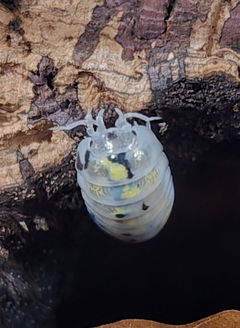
Armadillidium gestroi 'Jumbo' Isopods
Care Info:
 ORIGIN
 TEMP
TEMP
 HUMIDITY
 LENGTH
 DIFFICULTY
 RARITY
- Free shipping over £65
- Low stock - 1 item left
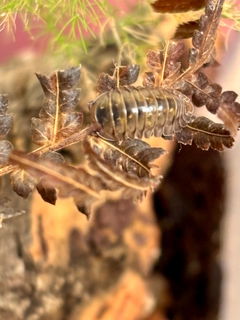
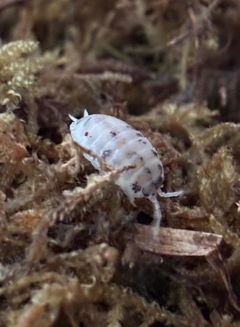
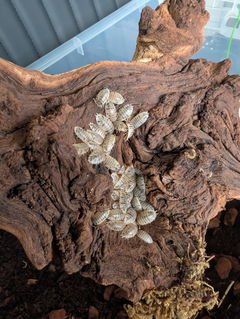
We have oversold this line in the past, so here is the honest version first. Jumbo gestroi get pitched against a 12 to 15mm baseline for a standard Armadillidium gestroi, and that baseline is invented. The species is large to begin with, reaching about 22mm, and our own standard gestroi are described at around 20mm. So a Jumbo is not a different animal from our standard gestroi, and it is certainly not a giant version of a small one. It comes from a bloodline some specialist breeders have selected for size, it is grown on hard, and it sits at the top of a range the species already had, around 20mm. What you are buying is well-grown, large-bodied stock of an already large species.
Which is still worth buying, because size in a pillbug owes as much to feeding and conditions as to genetics, and stock already grown to the top of its range tends to get back there under decent care. The wild animal is a north-west Italian endemic, confined to a short run of the Ligurian coast in coastal shrubland over limestone, though French stock circulates in the hobby alongside it. Colour is dark grey to brown with rows of yellow spots, and one bit of housekeeping there: 'High Yellow Spotted' is the common name the species trades under, not a colour anyone bred for. It is what a gestroi looks like. For patterns that genuinely were selected, the speckled Milky Way and the pale White Zinger are the other two lines we work with.
Too wet is the usual mistake
Being kept wet is the most common way a gestroi colony stalls, so settle this before the animals arrive. Sit the enclosure around 50 to 70 per cent, keep most of the substrate on the dry side, allow one damp corner they can visit when they want it, and be generous with ventilation instead of cautious. A stale, evenly humid tub grinds a colony to a halt while everything else looks fine on paper. Temperature is far more relaxed at 18 to 26°C, and most of the year an ordinary UK room sits inside that band unaided, with only a cold winter room asking for any help at all.
Substrate needs to run 5 to 7cm deep and be nutritious with it, which sounds like a lot for a surface animal until you watch one dig itself under to moult. Over that goes a thick layer of dried hardwood leaves, plenty of them, with bark laid on for cover. Calcium is not an optional extra here. An animal off limestone ground that finishes at 20mm has moulted hard to get there and will keep returning to a calcium source for as long as one is present, so crushed shell or a cuttlebone belongs in the enclosure permanently. Litter and decaying hardwood carry most of the diet; add protein weekly and vegetables when you think of it.
Handled, they shut into a closed ball like the rest of the genus, and there is a real chemical defence behind that: push one about and the glands along its lateral plates put out a strong, thoroughly unpleasant smell you will only need to meet once. Sexing is unusually easy, since adult females develop a distinctive grey skirt that males never grow. Otherwise they ask very little of a keeper and breed well once a colony has found its feet.
Where it sits
A. granulatum is the other big spotted Mediterranean worth setting beside it, and the Zebra is the animal most keepers use as their yardstick for a substantial Armadillidium, which makes it the fairest thing to hold a grown Jumbo against. This one suits anyone who wants a large, obvious display animal and no complicated husbandry with it, so long as they run the enclosure drier and better ventilated than the usual damp box. Ours are captive bred here in the UK. There is more in our Armadillidium care guide, and the full Armadillidium range is worth comparing.
Every order travels tracked on a Royal Mail next-day service timed for delivery before 1pm, so you can watch it move from the moment it leaves us. Dispatch is Monday through Thursday, never later in the week. The tub each colony rides in is ventilated, with damp sphagnum laid in for the trip, and it goes out inside a second box built from double-walled card. A 20% overcount goes in as standard, and the guarantee on live arrival covers them all.
Use collapsible tabs for more detailed information that will help customers make a purchasing decision.
Ex: Shipping and return policies, size guides, and other common questions.