PostPods
Powder Oreo Crumble Isopods (Porcellionides Pruinosus)
£6.00
A striking piebald colour morph of the ever-popular Powder isopod line—fast, prolific, and almost impossible to get wrong.
Porcellionides Pruinosus 'Oreo Crumble' Isopods: A Glimpse
Origin: Mediterranean, Southern Europe (cosmopolitan distribution)
Scientific Name: Porcellionides pruinosus
Difficulty Level: Very Easy
Size: Up to 1.5cm
Rarity: Low
Temperature: 18°C to 29°C
Humidity: 60% to 85% (medium to high)
Favorite Foods: Leaf litter, decaying wood, vegetables, protein supplements
Supplements: Cuttlebone, limestone, crushed eggshells
Porcellionides Pruinosus 'Oreo Crumble' Isopods: An Overview
The Oreo Crumble is a piebald colour morph of Porcellionides pruinosus, the same species that gave us the immensely popular Powder Blue and Powder Orange isopods. The scientific name translates roughly to "little pig covered in frost"—a reference to both their rounded body shape and the distinctive powdery appearance of their exoskeleton.
P. pruinosus is native to the Mediterranean but has become truly cosmopolitan, spread across the world through human activity. It's one of the most successful and adaptable isopod species, which translates directly into ease of care in captivity. These are about as close to "bulletproof" as isopods get.
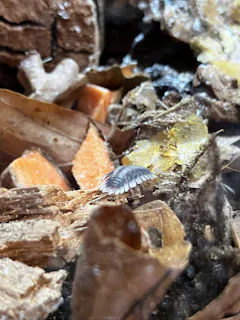
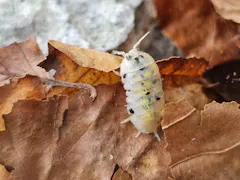
The Oreo Crumble morph displays a striking black and white piebald pattern—dark base colouration broken up with bright white or cream markings. Legend has it the name came from a breeder asking their daughter what the new morph looked like, and she replied "Oreo Crumbles!" The name stuck, and it's certainly apt.
At £6 for 10, these represent excellent value for a visually striking morph that will establish quickly and breed prolifically.
Porcellionides Pruinosus 'Oreo Crumble' Isopods: Appearance
The defining feature of the Oreo Crumble morph is the piebald colouration—a dark grey or black base colour broken up with irregular white or cream patches and spots. The pattern varies between individuals, making each isopod slightly unique. Juveniles typically display bolder, more contrasting colours that take on a softer, powdery sheen as they mature.
Like all P. pruinosus, they have a characteristic powdery or velvety appearance to their exoskeleton. This isn't dirt or coating—it's a microscopic texture on the carapace that gives them their distinctive matte, frosted look. This powdery surface actually serves a function, increasing hydrophobicity and helping with water management.
Adults reach approximately 1-1.5cm in length, making them a small to medium-sized isopod. They're noticeably smaller and more delicate than visually similar species like Porcellio laevis 'Dairy Cow', which is sometimes confused with Oreo Crumbles but is a completely different species.
The body is soft compared to harder-shelled species like Armadillidium. They cannot roll into a ball when threatened—instead, they rely on their considerable speed to escape danger.
Porcellionides Pruinosus 'Oreo Crumble' Isopods: Basic Care
These are genuinely one of the easiest isopod species to keep. Their tolerance for a wide range of conditions makes them forgiving of beginner mistakes and adaptable to various setups.
Temperature: Room temperature works perfectly. They're comfortable anywhere from 18°C to 29°C, though 21-26°C is ideal. Unless your house is freezing or sweltering, they'll be fine.
Humidity: They appreciate higher humidity levels (60-85%) but are adaptable. The key is providing a moisture gradient—one area kept damp while the rest can be drier. They need access to moisture but shouldn't be waterlogged. Good ventilation helps prevent mould while maintaining appropriate humidity.
Ventilation: Moderate ventilation is important. Small ventilation holes are sufficient—they don't need aggressive airflow, but stagnant, overly moist conditions encourage mould.
Lighting: Low light preferred. They're more active in darker conditions, though they're notably more diurnal (daytime active) than many isopod species.
Porcellionides Pruinosus 'Oreo Crumble' Isopods: Feeding
One thing you'll quickly notice about Oreo Crumbles: they have voracious appetites. For their size, they eat a surprising amount. This is actually what makes them such effective bioactive cleaners.
Primary Food Sources:
Mixed hardwood leaf litter (oak, beech, hazel)
Decaying softwood
Rotting bark
Supplemental Foods:
Vegetables (cucumber, courgette, carrot, squash, sweet potato)
Occasional fruit
Fish flakes or pellets for protein
Freeze-dried shrimp
Commercial isopod foods
Calcium Sources: Essential for healthy moulting. Provide:
Cuttlebone pieces (they seem to love this)
Limestone chips
Crushed eggshells
Calcium powder
A word of caution: while they need plenty of food to support their fast metabolism and reproduction, avoid excessive overfeeding with fresh foods. Uneaten vegetables left too long can attract unwanted pests like mites. Remove fresh food within a day or two if uneaten.
Porcellionides Pruinosus 'Oreo Crumble' Isopods: Substrate Mix
A moisture-retentive substrate with good structure suits this species well. They're not fussy about exact composition as long as basic needs are met.
A suitable mix might include:
Coconut coir or peat moss as a moisture-retentive base
Organic topsoil mixed through
Sphagnum moss (particularly in the moist area)
Decaying softwood pieces
Leaf litter as a top layer
Earthworm castings for nutrition
Substrate depth of around 5-7cm allows for some burrowing, though P. pruinosus are primarily surface-active and don't burrow extensively.
Porcellionides Pruinosus 'Oreo Crumble' Isopods: Enclosure Setup
A straightforward setup works well. These adaptable isopods don't require elaborate arrangements.
Container Size: A 3-6 litre container suits a starter colony well. They don't need vast space individually, but will appreciate room as numbers increase.
Moisture Gradient: Create distinct moisture zones. Keep one area with damp sphagnum moss while the rest stays drier. This allows the isopods to regulate their moisture exposure according to their needs.
Hides: Cork bark pieces, leaf litter, and wood provide shelter. While these isopods are more visible than many species, they still appreciate hiding spots.
Ventilation: Small holes on alternating sides of the container provide adequate airflow without excessive drying.
Porcellionides Pruinosus 'Oreo Crumble' Isopods: Breeding
P. pruinosus are famous for their prolific breeding. This is a "set and forget" species when it comes to reproduction—provide basic care and they'll multiply without any special encouragement.
What to Expect:
Rapid reproduction once established
Large brood sizes
Females carrying eggs in a visible marsupium (brood pouch)
Sub-adults beginning to breed before reaching full size
Potentially explosive population growth
Colony growth can be remarkably fast. In good conditions, a starter culture can multiply many times over within months. This prolific nature is one reason they're so popular as cleanup crews—they quickly establish self-sustaining populations.
In the wild, P. pruinosus live approximately 11-14 months, though captive specimens may live somewhat longer with consistent care.
Porcellionides Pruinosus 'Oreo Crumble' Isopods: Behaviour
These are notably active, energetic isopods with some distinctive behavioural traits.
Typical Behaviours:
Fast—extremely fast. These are some of the quickest isopods you'll encounter
More diurnal than many species, providing better daytime viewing opportunities
Surface-active, spending most time in the upper substrate layers and on surfaces
Voracious feeding, descending on food sources in groups
Rapid antenna movements—almost frenetic compared to calmer species
Fleeing rather than rolling when disturbed (they cannot conglobate)
Their speed and energy make them entertaining to observe but challenging to photograph! The combination of daytime activity and surface-dwelling behaviour means you'll see more of these isopods than many secretive species.
They're social creatures that thrive in groups and show no aggression toward each other or enclosure inhabitants.
Porcellionides Pruinosus 'Oreo Crumble' Isopods: Bioactive Use
P. pruinosus are among the most popular and effective bioactive cleanup crew isopods available. Their combination of traits makes them ideal for this role.
Excellent for:
Tropical and humid bioactive setups
Temperate enclosures with moderate humidity
Reptile and amphibian vivariums
Display terrariums
Any setup where rapid population establishment is desired
Why they excel as cleanup crews:
Voracious appetites—they'll consume waste, decaying matter, mould, and uneaten food efficiently
Prolific breeding maintains population without intervention
Surface-active nature means they encounter and process waste quickly
Soft bodies make them palatable to insectivorous animals as an occasional bonus snack
Tolerant of various conditions
Their soft bodies mean insectivorous pets may enjoy the occasional isopod snack. This is generally fine—the rapid reproduction compensates for any predation, and in fact, pets eating some isopods helps control populations in smaller enclosures.
One caution: In rare cases, starving isopods may attempt to nibble on freshly moulted invertebrates or very small, delicate animals. Always provide supplemental food to your cleanup crew to prevent this.
Porcellionides Pruinosus 'Oreo Crumble' Isopods: Comparing Powder Morphs
The Oreo Crumble is one of numerous colour morphs within the P. pruinosus species. All share identical care requirements and can technically interbreed, though most keepers maintain separate colonies to preserve colour genetics.
Other popular P. pruinosus morphs include:
Powder Blue (the original popular morph—blue-grey colouration)
Powder Orange (vibrant orange)
Orange Cream (mottled orange, visually closest to Oreo Crumble)
White Out (predominantly white)
Red Koi (red and white pattern)
The Oreo Crumble offers more visual interest than plain colour morphs while remaining just as easy to care for.
Who Are These Isopods For?
Porcellionides pruinosus 'Oreo Crumble' suit:
Complete beginners wanting a forgiving first species
Keepers seeking effective bioactive cleanup crews
Anyone wanting fast population growth
Those who appreciate visible, active isopods
Bioactive enthusiasts on a budget
Children interested in keeping isopods (with supervision for handling)
They might not suit:
Those wanting large, impressive display specimens
Keepers preferring calm, slow-moving species
Anyone seeking a rare or unusual species
Their combination of ease, visual appeal, and effectiveness makes them an excellent choice for almost any keeper.
What's Included
Each order contains healthy specimens selected from our breeding stock. We include a mix of sizes to give your colony the best start with immediate breeding potential. Bulk options are available for those establishing larger bioactive setups or wanting to build populations quickly
PostPods
Cuttlebone 100g
£3.00
Cuttlebone is the essential calcium supplement for isopods and millipedes. This natural internal shell from cuttlefish provides the calcium these invertebrates need to build and maintain healthy exoskeletons, support successful moulting, and sustain breeding colonies. Our cuttlebone is hand-collected from the southern coasts of the UK and washed in RO/RI water before packing.
Product Details
Contents: 100g cuttlebone pieces
Source: Hand-collected from UK southern coastlines
Preparation: Washed in RO/RI (reverse osmosis/deionised) water
Composition: Approximately 85-90% calcium carbonate with trace minerals
Price: £3.50
Before Use
Important: Although our cuttlebone has been washed in RO/RI water, we recommend soaking it in boiling water for 20 minutes before adding it to your enclosures. This extra step ensures any residual salt or debris from the marine environment is removed, giving you peace of mind when introducing it to your invertebrate colonies.
Why Calcium Matters
Calcium is one of the most critical nutrients for isopods and millipedes. Both groups rely on calcium to:
Build exoskeletons: Isopods have calcified exoskeletons that require significant calcium to form and maintain
Support moulting: The moulting process—when invertebrates shed their old exoskeleton to grow—is perhaps the most critical moment in their lives. Adequate calcium ensures successful moults
Enable reproduction: Breeding females have higher calcium demands; calcium-deficient colonies struggle to reproduce
Prevent deformities: Without sufficient calcium, exoskeletons become thin, brittle, and prone to deformities
Without a reliable calcium source, isopod cultures decline over time, with increased failed moults, weak animals, poor breeding, and eventual colony collapse. Millipedes face similar problems—their segmented exoskeletons require calcium for proper development and maintenance.
Why Cuttlebone?
Cuttlebone is the internal shell structure of the cuttlefish (Sepia officinalis), a cephalopod related to squid and octopus. It's been used as a calcium supplement in the pet industry for decades, originally for birds but now widely recognised as ideal for invertebrates.
Advantages of cuttlebone:
Soft and accessible: Unlike limestone or eggshells, cuttlebone is soft enough for isopods and millipedes to easily scrape and consume
Self-service feeding: Animals graze as needed, regulating their own calcium intake
Slow release: Provides sustained calcium availability over time
Additional minerals: Contains trace amounts of magnesium, zinc, and iron alongside calcium
Natural and unprocessed: No chemical additives or artificial processing
Won't mess up enclosures: Unlike calcium powders that can clump, wash away, or cause mould, cuttlebone remains stable
Isopods love it: Many keepers report isopods swarming fresh cuttlebone when it's added to enclosures
Isopods consume cuttlebone more quickly than harder calcium sources because of its softer texture. After isopods have been grazing on cuttlebone for a while, it develops worn indentations from their mandibles—evidence they're actively using it.
How to Use
Preparation:
Soak cuttlebone in boiling water for 20 minutes
Allow to cool and dry
Add to enclosure
Placement options:
Whole pieces: Place directly in the enclosure—position with the harder shell side down for durability
Broken pieces: Break into smaller chunks and distribute around the enclosure
Partially buried: Slightly bury pieces in substrate so isopods can graze as needed
Mixed into substrate: Crush or break into small pieces and mix throughout substrate when setting up enclosures
Positioning tip: Place cuttlebone in a drier area of the enclosure where possible. This keeps it more durable and hygienic for longer.
Replacement: Monitor consumption and replace when pieces are consumed or become too degraded. Some species—particularly giant Spanish Porcellio and Armadillidium—can strip cuttlebone rapidly, while others consume it more gradually.
Suitable For
Isopods (all species):
Armadillidium species (particularly calcium-hungry)
Porcellio species (giant Spanish species consume heavily)
Cubaris species
Porcellionides, Oniscus, and all other genera
Millipedes:
All millipede species benefit from calcium supplementation
Supports healthy exoskeleton development and moulting
Essential for breeding colonies
Other invertebrates:
Land snails
Hermit crabs
Other calcium-requiring invertebrates sharing enclosures
Important Notes
Do not use calcium powder on isopods: Powdered calcium can stick to isopods and dry them out, potentially causing death. Cuttlebone allows self-regulated consumption without this risk
Always available: Calcium should be accessible at all times, not offered occasionally
Fresh cuttlebone smell: Being derived from a marine animal, cuttlebone may have a slight fishy smell when first unpacked—this is normal and isopods are attracted to it
Not a sole food source: Cuttlebone supplements the diet but doesn't replace leaf litter, decaying wood, and other foods
Storage
Store in a cool, dry place
Shelf-stable for extended periods
No special storage requirements
At £3.50 for 100g, this hand-collected UK cuttlebone provides excellent value as an essential calcium source for your isopod and millipede colonies. Calcium supplementation isn't optional for healthy invertebrate keeping—it's fundamental. Cuttlebone makes providing it simple, natural, and effective.
PostPods
Jupiter Isopods (Cubaris sp.)
£50.00
Jupiter Isopods (Cubaris sp.) are a captivating addition to any terrarium, known for their unique black and yellow exoskeleton that resembles the planet Jupiter. Native to the limestone caves of Southeast Asia, these small, low-maintenance isopods thrive in humid environments and are ideal for beginners. With their calm nature and slow breeding habits, they make a striking and manageable choice for isopod enthusiasts, perfect for both display and care.
A Glimpse
● Origin: Thailand
● Scientific Name: Cubaris sp. "Jupiter Isopods"
● Maintenance required: low
● Average Size: 2 cm
● Rarity: medium
● Lifespan: 2-3 years
● Temperature: 64℉-79℉
● Ventilation: Low
● Humidity: 60-80%
● Favorite food: Carrots, butternut squash, sweet potatoes
● Supplements: Crushed limestone, Cuttlefish bone
Jupiter Isopods: Introduction
These roly polys, like other cubaris isopods, are found in limestone caves of Thailand and other Southeast Asian countries. These have a very calm temperament and is a great beginner-friendly isopods. They are active during early morning and nighttime, so you can watch these critters move around exploring the terrarium during that time. They may be similar to the lemon blue isopods, but these species have a black color on the exoskeleton and not blue.
Jupiter Isopods: Physical Traits and Characteristics
● These small roly polys are one of the morphs of Cubaris sp. isopods. Their color resembles the planet Jupiter, hence the name.
● Have small oval bodies that are segmented and have antennae. They have colorful legs in the front area, which makes them unique.
● They have yellow outlines with black segmented exoskeletons. The colours of these species are due to the acidic nature of the soil in their native land.
● The wax layer on their exoskeleton helps with hydration, and they molt when the isopods mature and grow.
● Absolutely delightful and low-maintenance pets which are easy to take care of.
● These species are egg-breeding type isopods and are slow breeders.
● These pets are kid-friendly and beginner-friendly.
● These species are striking and visually appealing, thus making a great addition to your terrarium and vivarium.
Diet
Like many isopods, these species' primary food sources are rotten leaves, plants, algae, and wooden bark. When culturing them in a terrarium or vivarium, make sure to provide a balanced diet of vegetables, meat, and calcium sources. If not, these creatures are prone to soft shell disease, which may affect molting and eventually perish.
Therefore, make sure to provide various types of vegetables like sweet potatoes, carrots and even vegetable scraps. These species are not picky eaters and will eat almost everything that is given to them.
For protein you can include earthworm castings, fish scrap, meat scrap into their diet. Adding crushed limestone, eggshells or cuttlebone in their enclosure can improve their calcium intake and will strengthen their exoskeleton. Adin commercial isopod food mix can also help achieve the necessary nutrition for these tiny critters.
Make sure to provide portions that can be completed in a single session. Observe and provide food according to the size of the culture.
Jupiter Isopods: Personality
These species in general have a mild and non-aggressive nature. But when there are other creatures present, then they tend to be a little skittish. They tend to hide when they sense other creatures are present. They don't like to be picked up or touched unless necessary and they roll up and freeze when they feel threatened.
Though these creatures love to explore the environment and continue with their natural behaviors like foraging. They are not the best tankmates with other isopods or any other species and tend to attack if kept in a small enclosure. Therefore, it is crucial that there is space in the enclosure.
These species take their time to be friendly with their human parents. With trust and patience and also by feeding them their favorite food, these species can become friendly with humans.
Jupiter Isopods: Breeding
● Jupiter isopods can lay eggs without any male isopods, i.e., they are parthenogenetic in nature. This phenomenon is quite common among the isopods.
● They are seasonal breeders and have a slow reproduction rate compared to other species.
● The procedure begins when the female produces an egg capsule. After that, she would usually lay the egg capsule in a damp, moist place.
● The number of eggs in each capsule can range from one to twenty-one, depending on the species. It takes the baby isopods 6-7 weeks after hatching to mature into adults.
● Once they hatch, they become independent and explore and forage food on their own.
● The nymphs will molt around four times in their early lives. The Jupiter Isopods enter the reproductive cycle after reaching adulthood, and they can begin to procreate in around three weeks.
Jupiter Isopods: Tips to Make an Artificial Habitat
The Jupiter isopods prefer tropical climates with rich soil substrate and humidity. Providing a rich substrate mix that contains organic matter will help provide them with a more natural atmosphere for the enclosure. When choosing the enclosure, make sure that there is enough size for these species to breed and produce offspring. Therefore, it is crucial to get a 19-litre capacity plastic container as a starter for the enclosure. You can also opt for a bigger plastic enclosure of 38 litres.
Drill small ventilation outlets on the container and make sure that they are small. These species thrive in a humid environment thus small outlets help prevent excess humidity. Temperature within the enclosure should be maintained the same as specified in the description as constant change in temperature may cause stress to these species.
Add the substrate mix into the enclosure to make sure that there is enough thickness. A thickness of 2.5 inches is ideal for these species to dig and hide. Add sphagnum moss on one side of the enclosure. Make sure that they cover ⅓ of the container and mist the area with water. Leave the rest of the substrate dry, giving them the option to choose their environment.
When adding the substrate mix, make sure to mix dried leaves into it. Sprinkle some more on top of the substrate as well. Adding egg crates and rotten bark or coconut shells can act as hiding spots for the isopod colonies. Adding these hiding spots helps to differentiate each brood and colony and it reduces competition and dominance among other colonies.
PostPods
Pink Panda King Isopods (Cubaris sp)
£35.00
£70.00
The Pink Panda King Isopods are an eye-catching species, known for their vibrant pink and white coloration. A rare and unique addition to any collection, these isopods are popular among hobbyists for their distinctive appearance and relatively easy care requirements. Ideal for bioactive enclosures, they thrive in humid environments and play an important role in maintaining the ecosystem by breaking down organic matter. Their captivating look and low maintenance make them a perfect choice for both beginners and experienced isopod enthusiasts.
Insight
Place of Origin: Vietnam
Scientific Name: Cubaris sp. 'Panda King'
Maintenance Effort:Easy
Ideal Temperature Range: 70℉ - 80℉
General Size: ~ 15mm
Rareness: Low to Medium
Humidity Range: 70% - 80%
Preferred Diet: Fruit, vegetables, fish food
Supplements in Addition: Cuttlebone, eggshells
Panda King Isopods: Introduction
These isopods are generally observed in limestone caves and belong to central and northern parts of Vietnam. These species prefer to be in an environment which is humid. Isopods of length approximately 1.5 cm are seen generally.
They play a major role in the ecosystem balancing, by feeding on the decaying plants and rotting wood. They supply nutrients to the soil by consuming the decaying matter, maintaining the balance of required nutrients in soil.
Characteristics of Panda King Isopods
These critters have black and white colour exoskeletons.
They grow up to 1.5 cm in length.
Their striking and adorable features make them one of the most sought-after isopods.
They are easy to care for and require minimum maintenance.
They are beginner-friendly.
They are nocturnal in nature.
They breed rapidly once established in their habitat.
They are detritivores in nature.
It has a soft exoskeleton and is used to feed poison dart frogs and other small animals.
Vegetables, greens, and fish food are good for maintaining nutrition.
The consumption of calcium for these isopods is a bit higher than other isopod species.
Feeding
These isopods feed on almost all types of food. They are essentially scavengers and feed on organic waste. However, during confinement in a cage, it is imperative to offer optimal nutrition.
They can be supplemented with vegetables, greens, rotten leaves, or even wood. For calcium and protein, dried shrimp, fish food, cuttlebone, and egg shells are great for these species growth and development. Calcium powder is also good to give as a substitute.
Most isopod owners make the mistake of overfeeding the isopods. Overfeeding attracts pests into their enclosure. Therefore, it is important to feed the necessary quantity of food.
Natural Habitat
Panda King isopods live in limestone caves and taverns. These species are commonly found in the central and northern parts of Thailand. In this region, caves are abundant. The caves are dark and humid; therefore, they are suitable for the isopods.
Panda King isopods are scavengers. They are also found among rotting leaves, fruits and vegetables. These species like to live in dark areas. They are shy in nature and like to burrow and hide.
It is necessary to understand their natural habitat to build an artificial habitat for these isopods.
Panda King Isopods: Breeding
Panda King isopods are active species ready to reproduce unless acclimated to their surroundings.
Once they adapt to their surroundings, they start producing many offspring.
These isopods have a distinct mating ritual where the male isopods transfer sperm into the female's pleopods.
The offspring hatch after six weeks after the eggs are attached to a firm surface.
These offspring stay close to their mother, thus forming a small colony.
Artificial Habitat of Panda King Isopods
Panda King isopods thrive in humid environments. They are native to the tropical climates of Asia and need moisture to stay hydrated. Keep them in a small box to help them acclimate to a new environment. Once they're comfortable, transfer them to a plastic box with ventilation. Use deep bedding, including materials like old wood, dried leaves, and moss, for a cosy habitat.
It is necessary to prevent excess moisture as they may attract pests like mold and fruit flies. To combat this, adding springtails will help keep the environment clean and free of unwanted guests. It's important to keep the humidity right for the well-being of these isopods so they have a comfortable and healthy place to live. So, with proper care and attention to their habitat, you can enjoy the delightful presence of Panda King isopods in your home.
Tank Mates for Pink Panda King Isopods
Panda King isopods like to live in a highly humid environment. Therefore, pairing them with similar invertebrates that appreciate humidity is best.
It is necessary that tankmates for the isopods should be from the same region as the Panda King. Therefore, invertebrates like snails are the best tank mates in terrarium and vivarium settings.
Another species that is suitable to be paired with is springtails. These creatures, when together, will prevent any kinds of pests and will keep the bioactive clean.
Preferred Substrate Mixture for Pink Panda King Isopods
A perfect substrate blend for Panda King Isopods is one that is deep, and also holds a lot of moisture. Use a small batch of coco coir, sphagnum moss, and orchid bark for the isopods, with the substrate depth reaching approximately 4 inches for burrowing.
Magnolia leaves enhance the habitat further, contributing to moisture retention and serving as excellent shelters for Panda King Isopods and their offspring. To mimic their natural surroundings, incorporate cork bark, dried oak leaves, and other elements into the enclosure.
Wooden bark pieces are added to provide hiding spots, and dried leaves are added as food and for aesthetics. Sphagnum moss helps with moisture retention, which is a crucial factor for Panda King Isopods thriving in the environment. Although ventilation is necessary, it should be minimal to maintain the desired humidity gradient within the substrate. It should have both damp and dry areas.
For nutrition, add earthworm castings and limestone powder to replicate their native habitat. This all-rounder substrate mix establishes a solid foundation, offering both sustenance and hydration to the isopods. Striking a balance between the various elements encourages natural behaviours and supports the physical health of Panda King Isopods in captivity. It allows them to thrive in an artificial environment that mimics the conditions of their natural habitat.
PostPods
White Side/Penguin Isopods (Cubaris sp.)
£12.50
£30.00
Cubaris sp. "White Side" (also sold as "Penguin") is a small Thai/Cambodian Cubaris with striking black and white colouration. The dark body with white margins creates a penguin-like appearance that gives this species its common name. Among Cubaris species, White Side is considered one of the easier options—hardy, adaptable, and reasonably priced—making it a sensible entry point for keepers wanting to try Cubaris without the expense or difficulty of rarer species.
A Glimpse
Origin: Thailand/Cambodia, Southeast Asia (captive-bred)
Scientific Name: Cubaris sp. "White Side"
Common Names: White Side, Penguin, Pinguin, Orca
Maintenance required: Easy to Moderate
Average Size: 8-15mm (approximately 1cm)
Rarity: Low (common in the hobby)
Temperature: 20-28°C (68-82°F)
Ventilation: Medium
Humidity: 55-80%
Favorite food: Leaf litter, decaying wood, vegetables
Supplements: Calcium (cuttlebone, limestone), protein twice weekly
White Side/Penguin Isopods: Introduction
White Side isopods hold a notable place in Cubaris history. They were among the very first Cubaris species discovered in the limestone caves of Southeast Asia, predating the Rubber Ducky explosion of 2017. Their discovery helped open the door to the many Thai and Vietnamese Cubaris species now available in the hobby.
The origin is sometimes listed as Thailand, sometimes Vietnam, and sometimes Cambodia—sources vary. This confusion is common with Southeast Asian Cubaris, where collection localities aren't always precisely documented. Regardless of exact origin, they're tropical cave-dwellers adapted to humid conditions.
Since their discovery, White Side isopods have become widely available and relatively affordable. They lack the premium pricing of rarer Cubaris but offer the same appealing rounded body shape and conglobating ability. For keepers curious about Cubaris but hesitant about the cost and difficulty of species like Rubber Ducky, White Side provides a lower-stakes introduction.
White Side/Penguin Isopods: Physical Traits and Characteristics
Adults reach approximately 8-15mm (sources vary, typically around 10mm)
Smaller than many popular Cubaris species
Dark grey to black body colouration
Distinctive white margins along the edges ("skirt")
White markings on head, rear, and underside
Pale/white bodies contrast with darker central areas
Rounded body shape typical of Cubaris
Can roll into a defensive ball (conglobation)
Small size means they're less visible than larger species
The penguin comparison is apt—the dark body with white edges genuinely resembles penguin colouration. Some sellers also use "Orca" as a trade name, referencing the same black-and-white pattern. Whatever you call them, the contrast is attractive and makes them visually distinct from plain-coloured species.
Behaviour
White Side isopods display typical Cubaris behaviours with some characteristics worth noting.
Activity patterns: Primarily nocturnal. Most active at night when they emerge to forage. Daytime sightings increase as colony numbers grow, but expect them to spend daylight hours hidden.
Temperament: Social creatures that engage in grooming and foraging behaviours. They're shy and secretive, particularly when newly introduced or in small numbers.
Defensive behaviour: Roll into a tight ball when threatened—the conglobation response shared with Armadillidium and other Cubaris species.
Burrowing: They burrow to regulate moisture and feel secure. Deep substrate accommodates this behaviour and supports colony health.
Social structure: Gregarious. They thrive in groups and benefit from colony living. Purchase adequate numbers for best establishment success.
Adaptability: Described as "hardy" and "adaptable" compared to more demanding Cubaris species. They tolerate a wider range of conditions than many tropical Cubaris, though they still need appropriate humidity.
Diet
Standard Cubaris dietary requirements.
Primary foods:
Leaf litter (essential staple—always available)
Decaying white-rotted wood (always available)
Forest moss
Lichen
Supplementary foods:
Vegetables: various organic vegetables
Fruits: in moderation
Fish flakes/pellets
Commercial isopod foods
Protein: Provide protein at least twice weekly:
Fish food
Dried shrimp
Meat scraps (sparingly)
They reportedly prefer slightly decayed leaves over fresh ones.
Calcium: Essential for healthy exoskeletons and breeding:
Cuttlebone
Limestone chunks
Oyster shell
Crushed eggshells
As cave-dwelling Cubaris, they benefit from limestone in the enclosure, mimicking their natural habitat.
Feeding notes:
Remove uneaten fresh foods before spoiling
Varied diet supports healthy breeding
Good nutrition produces healthier offspring
White Side/Penguin Isopods: Breeding
White Side isopods follow a common Cubaris pattern: slow to establish, then productive.
Breeding characteristics:
Slow initial breeding while colony establishes
Once settled, reproduction rates increase significantly
Described as "moderately prolific" when established
Comparable to other entry-level Cubaris like Papaya or Panda King once going
Females carry eggs in brood pouch (marsupium)
Establishment period: Expect patience during the first few months. The colony needs time to settle into the new environment before breeding activity picks up. This is normal for Cubaris—don't assume something is wrong if you don't see babies immediately.
Breeding success factors:
Stable temperature (20-28°C, around 25°C optimal)
Consistent humidity (higher end of range preferred for breeding)
Adequate calcium supply
Deep substrate for burrowing
Abundant food (leaf litter, decaying wood)
Minimal disturbance during establishment
Genetic diversity (avoid inbreeding in small colonies)
Monitoring: Once established, breeding becomes self-sustaining. Regular observation helps track colony health. Healthy adults with adequate resources will produce offspring reliably.
White Side/Penguin Isopods: Habitat Setup
White Side isopods are relatively forgiving for Cubaris but still need appropriate tropical conditions.
Enclosure:
Plastic containers or terrariums work well
Ventilated but not excessively airy
Dark, quiet location preferred (they dislike bright light)
Size appropriate to colony—start with standard culture container
Ventilation: Medium. They need some airflow to prevent stagnation but not so much that humidity drops. Balance ventilation with humidity retention.
Substrate: Deep substrate supports their burrowing behaviour.
Recommended mix:
Organic topsoil base (pesticide-free)
Sphagnum peat moss
Forest humus
Decaying hardwood
Leaf litter (oak, magnolia, beech)
Depth: Minimum 15cm (6 inches) recommended. Deep substrate retains moisture longer and allows proper burrowing behaviour. They like to dig deep to lock in body moisture.
Moisture gradient: Approximately 70% moist/damp side, 30% drier side. This allows them to self-regulate by moving between zones as needed.
Humidity: 55-80%—they're adaptable within this range:
Keep substrate moist but not waterlogged
Mist as needed to maintain humidity
Ensure proper ventilation to prevent excessive moisture buildup
Too dry is dangerous—they'll struggle to moult
Temperature: 20-28°C (68-82°F)—standard tropical room temperature:
Around 25°C is optimal for breeding
Avoid temperature fluctuations (causes stress)
Room temperature in heated UK homes generally sufficient
Stable conditions more important than hitting exact numbers
Décor:
Cork bark (hiding spots)
Hardwood pieces
Leaf litter layers
Moss patches
Limestone (calcium source and habitat enrichment)
Climbing and hiding opportunities
Environment notes: They dislike bright light—position the enclosure in a darker, quieter area. Distributing dried leaves across the surface mimics natural habitat and encourages foraging behaviour.
Bioactive Use
White Side isopods can contribute to bioactive setups.
Strengths:
Help process organic waste
Contribute to nutrient cycling
Attractive appearance adds visual interest
Hardy enough for bioactive conditions
Social behaviour interesting to observe
Considerations:
Small size means less visible than larger species
Nocturnal—won't see them working during the day
Need appropriate humidity levels maintained
Slow initial establishment before population grows
Suitable applications:
Tropical terrariums with high humidity
Vivariums with compatible inhabitants
Display colonies for observation
Bioactive setups where conditions match their needs
Their hardiness compared to more demanding Cubaris makes them reasonable bioactive candidates, provided humidity requirements are met.
Suitability
White Side isopods suit keepers wanting accessible Cubaris at reasonable prices.
Good choice for:
Keepers wanting to try Cubaris without high cost/difficulty
Those graduating from beginner species (Porcellio, Armadillidium)
Hobbyists attracted to the penguin-like colouration
Keepers who can maintain tropical humidity levels
Those wanting smaller, subtle display animals
Less suited for:
Complete beginners (start with Dairy Cow or similar first)
Those wanting large, highly visible isopods
Keepers unable to maintain consistent humidity
Those expecting immediate breeding results
Care level: Easy to Moderate for Cubaris. They're described as "one of the easiest Cubaris species for a beginner" and "relatively hardy." The main requirements are maintaining appropriate humidity (too dry causes moulting problems) and patience during the establishment period. Compared to demanding species like Rubber Ducky, they're forgiving.
What to expect: Expect small (around 10mm) isopods with attractive black-and-white penguin colouration. Expect primarily nocturnal activity—you'll see them most after lights go out, with visibility increasing as colony numbers grow. Expect shy behaviour initially, with animals spending considerable time burrowed or hidden. Expect slow breeding at first, accelerating once the colony establishes (this may take months). Expect to maintain consistent humidity—they're more tolerant than some Cubaris but still need tropical conditions. Expect hardy, adaptable animals that forgive minor mistakes better than demanding species.
For keepers curious about Cubaris but put off by the price and difficulty of premium species, White Side/Penguin isopods offer a practical starting point. They're not the flashiest or largest Cubaris, but they're genuinely attractive, reasonably hardy, and affordable enough that experimentation doesn't mean significant financial risk. Success with White Side builds confidence and skills for tackling more demanding Cubaris later.
PostPods
Ember Bee Isopods (Ardentiella sp.)
£65.00
Despite the 10,000 species already existing, not even two are familiar, which makes them even more fascinating for keepers and hobbyists to value. Ember Bee Isopods is one such exotic species you can own as a pet. These crustaceans are from Vietnam and are found in highly humid areas, an essential aspect of their natural habitat. But before you get your hands on them, you have a few things to learn that we have covered in the lines below.
Ember Bee Isopods: A Glimpse
Origin: Vietnam
Scientific Name: Merulanella sp.
Rarity: Not rare
Difficulty: Moderate
Temperature: 22-26°C
Size: Up to 2 cm
Humidity: 70-90
Favorable Foods: Fruits, greens, veggies, forest moss, decaying leaves, lichen, rotting white wood, kinship.
An Overview
Ember Bee Isopods are popular for the stunning patterns on their bodies, which feature a combination of colors like yellow, red, orange, and black. Each boasts a different color pattern and can grow up to 2 cm long, making them bigger than other isopods.
Their vivid coloration attracts the keepers, and one thing which is not found in any isopod is that they wander and explore the environment during day and night.
As for humidity, Ember Bee isopods live in humid areas, where temperature doesn’t fluctuate much and is between 22 and 26°C.
Ember Bee Isopods: Basic Care
Taking their proper care will do the needful for their health. Some tips that will help you get through their care are shared below.
Their preferred temperature in which they thrive the most is between 22 and 26°C.
Very uncommon to found in any species, they prefer high humidity from 60% to 75%, as this will keep them moist and prevent them from oversaturating.
Provide airflow so no mold or bacteria can grow inside the enclosure and harm your isopods.
Use a secure, escape-proof terrarium, as these isopods, mainly the younger ones, can easily climb vertical surfaces and escape the enclosure.
Feeding
Their diet is not strict and they eat a lot of thing, making it easier for you to easily avail them including leaf litter, fruits, vegetables, kinship, and more. You can provide these items and a few supplements like cuttlebone or limestone to make their diet healthier and more nutritious. Since they eat a lot, you will need a constant supply of decomposing leaves, a large portion of their appetite. Add dried shrimp or fish flakes for protein supplements, as they are good for reproduction and health.
Ember Bee Isopods: Appearance & Behaviour
Their peculiar color combination of bright orange and yellow stripes helps them camouflage, protecting them against predators.
Ember Bee isopods are active both at sunrise and sunset, roaming through the terrarium.
They hang in groups given to their social nature characteristic and engage in activities like foraging and grooming.
Ember Bee Isopods: Habitat
Ember Bee Isopods cannot survive outside a habitat that doesn’t match their natural environment. You must create a similar setup where they get the right humidity and temperature and live without discomfort. Maintain a moist environment so your isopods can always be happy and healthy. They also need hiding spots to seek shelter and rest when not active. Also, add vertical elements like branches or bark pieces so that they can practice climbing, an important character trait.
Substrate Mix
You can create a substrate mix by mixing coconut coir and organic soil, two of the best materials for retaining moisture. After the base layer is ready, add leaf Litter so your isopods have a continuous food source to munch on. To make the enclosure better, you can add sphagnum moss, which can also retain moisture well. Also, include pieces of rotting wood so your isopods have foraging material ready.
PostPods
Lava Isopods (Porcellio Scaber)
£12.50
Porcellio scaber "Lava" is a colour morph of the common rough woodlouse displaying striking red, orange, and black patterning across their exoskeleton. The name comes from their resemblance to cooled lava flows—dark base colouration with fiery orange and red markings breaking through. Native to Europe and found commonly across Portugal and Spain, P. scaber is one of the hardiest isopod species available. The Lava morph adds genuine visual interest to this already dependable species, giving keepers an attractive option that retains all the bulletproof qualities scaber is known for.
A Glimpse
Origin: Europe (common across Portugal, Spain, and throughout the continent)
Scientific Name: Porcellio scaber "Lava"
Maintenance required: Low
Average Size: 1.5-1.7 cm
Rarity: Low to Medium
Lifespan: 2-3 years
Temperature: 21-29°C (70-84°F)
Ventilation: Medium
Humidity: 50-80% (tolerant of variation)
Favorite food: Leaf litter, vegetables, decaying wood, mushrooms
Supplements: Cuttlefish bone, calcium powder
Porcellio scaber Lava: Introduction
Porcellio scaber is the classic "rough woodlouse" found throughout Europe and now established across much of the globe. It's one of the first isopod species most people encounter—the grey, bumpy-textured woodlouse hiding under plant pots and logs in gardens everywhere. The species has proven itself incredibly adaptable, surviving in conditions ranging from damp cellars to relatively dry garden walls.
The "Lava" morph takes this reliable species and adds visual appeal. The patterning combines dark grey or black base colouration with varying amounts of red and orange—some individuals show subtle hints of warmth, others display bold fiery markings. The effect genuinely resembles volcanic rock, and a colony of mixed individuals creates an attractive display.
What makes Lava isopods particularly appealing is that you get the hardiness of standard scaber with actual visual interest. Many beginner-friendly species look fairly plain; Lava offers something you can show people without needing to explain why they should be impressed.
They breed well, tolerate a wide range of conditions, and forgive the kind of mistakes that would devastate sensitive species. If you're new to isopods or want a reliable species that actually looks good, Lava scaber tick both boxes.
Porcellio scaber Lava: Physical Traits and Characteristics
Adults reach approximately 1.5-1.7 cm
Distinctive rough, textured exoskeleton (the "scaber" means rough in Latin)
Colour pattern combines black/dark grey with red and orange markings
Pattern intensity and distribution varies between individuals
14 legs for movement
Antennae used to sense environment
Cannot fully conglobate (roll into a complete ball)—body shape prevents this
Segmented body with visible plating
Small, manageable size suits various enclosure types
The textured exoskeleton distinguishes scaber from smooth-bodied species like P. laevis. Combined with the lava colouration, they have a distinctive appearance.
Behaviour
Porcellio scaber Lava display typical scaber behaviour—active, adaptable, and easy to observe.
Activity patterns: Primarily nocturnal. They're most active during evening and night hours, though they'll move about during the day in dim conditions. During daylight, expect them to shelter under bark, leaves, and other cover.
Movement: They scuttle actively using their 14 legs, navigating over substrate and climbing vertical surfaces without difficulty. They're reasonably quick when disturbed.
Environmental response: They seek out appropriate humidity levels, moving between drier and damper areas of enclosures as needed. This self-regulation means they cope with humidity variation better than species requiring precise conditions.
Hiding behaviour: They'll find cover under leaves, bark, rocks, and other shelter during the day. Providing hiding spots helps them feel secure and behave naturally.
Survival skills: P. scaber has survived as a species by being adaptable. They handle temperature fluctuation, humidity variation, and less-than-perfect conditions better than most isopod species. This hardiness transfers directly to captive care.
Feeding: Not picky eaters. They'll consume most organic matter offered and don't require specialised diets.
Diet
Porcellio scaber Lava eat almost anything organic—they're genuine generalists.
Primary foods:
Leaf litter (oak, beech, and other hardwoods)
Decaying wood
Rotting plant matter
Bark
Vegetables:
Carrots
Potato
Spinach and leafy greens
Courgette
Sweet potato
Fruits (occasional):
Apple slices
Pear
Other soft fruits in moderation
Other foods:
Mushrooms (they particularly enjoy these)
Fish flakes for protein
Dried shrimp
Organic vegetable scraps
Calcium: Cuttlefish bone, crushed limestone, or calcium powder should be available constantly for healthy moulting.
Protein: Regular protein helps prevent cannibalism and supports colony health. Offer fish flakes, dried shrimp, or similar protein sources at least twice weekly.
Feeding approach: They're not fussy—most organic matter gets consumed. Maintain a base of leaf litter and supplement with vegetables and protein regularly. Their broad diet makes them easy to feed; you don't need specialised foods.
Porcellio scaber Lava: Breeding
Scaber breed reliably and consistently—one of their strongest points.
Breeding rate: Good. Colonies grow steadily under appropriate conditions. They're not explosive breeders like some Porcellio species, but populations build reliably over time.
Breeding requirements:
Moderate humidity (50-80%)
Stable temperatures within preferred range
Adequate calcium for gravid females
Sufficient protein in diet
Basic hiding spots for security
Colony growth: Expect steady population increase rather than sudden booms. Colonies grow at a manageable rate, making it easy to track progress and maintain appropriate densities.
Tips: Protein availability affects breeding success. Colonies with adequate protein breed more reliably and show less cannibalistic behaviour. Don't neglect the protein supplementation.
Porcellio scaber Lava: Habitat Setup
Setting up for scaber is straightforward—they're not demanding.
Enclosure: Terrariums, plastic containers, or paludariums all work. A cover helps maintain humidity and prevent escapes. Size depends on colony goals—start smaller and upsize as populations grow.
Substrate: Use moisture-retaining substrate that supports burrowing:
Organic topsoil as a base (pesticide-free)
Sphagnum peat moss mixed in
Crushed limestone or calcium powder incorporated
Leaf litter layered on top
Decaying wood pieces
Bark pieces for structure
Depth of 5-8cm allows burrowing and maintains humidity gradients.
Humidity: 50-80%—they tolerate a wide range, which is part of their appeal:
Maintain moist substrate without waterlogging
Provide moisture gradient (one area damper, one drier)
Mist regularly but don't oversaturate
They'll move to preferred humidity zones themselves
They handle humidity fluctuation better than sensitive species, making them forgiving of imperfect conditions.
Ventilation: Medium ventilation. Some airflow prevents stagnation while maintaining adequate humidity. Standard ventilated containers work well.
Lighting: They're nocturnal and prefer dim conditions. Avoid harsh direct lighting. Some ambient room light is fine, but don't position enclosures in bright sunlight.
Décor and hides:
Bark pieces (flat sections and tubes)
Leaf litter coverage
Cork bark
Small pieces of decaying wood
Multiple hiding spots distributed throughout
Hides make them feel secure and encourage natural behaviour.
Temperature: 21-29°C (70-84°F). Room temperature in UK homes works for most of the year. They tolerate reasonable temperature variation—you don't need precise climate control.
Bioactive Use
Porcellio scaber Lava work well as bioactive cleanup crew.
Good applications:
Reptile bioactive enclosures
Amphibian setups with moderate humidity
Planted terrariums
Bearded dragon enclosures (specifically mentioned by keepers)
General bioactive systems
Strengths:
Hardy enough to survive varied conditions
Breed reliably to maintain populations
Tolerate the humidity ranges found in most setups
Attractive appearance adds interest
Affordable pricing allows generous starter populations
Considerations:
Prefer moderate humidity—may struggle in very dry or very wet setups
Nocturnal, so less visible during the day than some species
Suitability
Porcellio scaber Lava suit almost any keeper.
Ideal for:
Complete beginners learning isopod husbandry
Bioactive setups needing reliable cleanup crew
Keepers wanting hardy species with actual visual appeal
Anyone who's killed sensitive species and wants something forgiving
Display enclosures where the isopods contribute to aesthetics
Those who want to build colonies without constant worry
Less suited for:
Keepers specifically wanting high-humidity tropical species
Those seeking rare collector's species
Care level: Very low difficulty. P. scaber is one of the most forgiving isopod species available. Temperature fluctuations, humidity variation, imperfect substrate—they survive conditions that would devastate Cubaris or other sensitive species. The Lava morph retains this hardiness completely.
Value: At £12.50 for 10, they offer good value for an attractive, dependable species. You get the visual interest of the lava colouration with the reliability of classic scaber genetics. They're more visually interesting than standard grey scaber at only modest price increase.
What to expect: Expect hardy isopods that survive your mistakes while you learn. Expect steady colony growth without drama. Expect attractive colouration that makes the enclosure more interesting to look at. Don't expect the exotic appearance of premium Cubaris—but do expect animals that actually thrive rather than mysteriously dying.
For beginners or anyone wanting reliable isopods that look good without demanding precise care, Lava scaber deliver exactly that.
PostPods
Chocolate Zebra Isopods (Armadillidium Maculatum)
£15.00
Zebra Isopods (Armadillidium maculatum) are the most commonly sought-after isopods. For most people, zebras are the first isopod they purchase as an aspiring hobbyist and breeder. They have a striking colour and can be line-bred/isolated to produce better stripes on them.
Zebra Isopods: Insight
Place of Origin: France
Scientific Name: Armadillidium maculatum
Environment: Semi-arid
Ideal Temperature: 75℉-80℉
Breeding Difficulty: Intermediate
General Size: 1.8 cm
Rareness: Low
Humidity Range: 70%-80%
Diet: soft-boiled plants, fish food, moss
Supplements: calcium powder
Zebra Isopods: Abstract
These are some of the isopods that pet lovers keep for aesthetics, more than just a cleanup tool in terrariums and vivariums. They have striking black and white stripes on their exoskeleton, which helps to ward off predators in the wild.
Though they are from the family of common pill bugs, their distinctive features stood out. These beautiful species are native to the arid regions of the Mediterranean and Southern France.
Zebra Isopods: Special Characteristics
They have distinct black and white stripes, which resemble the pattern of zebras.
They have smooth, domed, and tough exteriors.
These roly polys grow up to 1.8 cm.
Their antennae are shorter compared to other isopod species.
These species prefer moderate to high ventilation.
They are from the deciduous forests of the Mediterranean and French regions.
When threatened, these isopods roll into a ball.
Resilient and easy to maintain.
They are active and not too shy once they establish and settle in.
These isopods make the best choice for beginners.
They are widely popular isopods and are budget-friendly.
Zebra Isopods: Morphs
Zebra Isopods are commonly seen in black and white stripes. However, there are various morphs developed by breeders. Some of them are:-
Yellow Zebra Isopods: They have yellow and black stripes.
Chocolate Zebra Isopods: Has white stripes with a dark brown base colour.
Dalmatian Zebra Isopods: Also known as high white isopods. They have a predominantly white color with black spots.
Spotted Zebra Isopods: They have white spots instead of stripes.
Zebra Isopods: Artificial Enclosure
There are several factors to consider for an ideal enclosure of Zebra Isopods. These isopods require a large container to accommodate their needs. Though the size may vary depending on the colony, it is always better to opt for bigger enclosure boxes for them to breed and thrive.
It is essential to provide ventilation to the enclosure for good airflow and humidity maintenance. Choosing a container with ventilation outlets covered with mesh will be suitable for the Zebra Isopods. For those who prefer DIY, drilling holes in the container's sides will also help provide the necessary ventilation.
These holes should be strategically placed to facilitate cross-ventilation while minimizing escape risk. While zebra isopods may not possess exceptional climbing abilities, covering any ventilation openings with a fine mesh is still advisable to prevent them from escaping. This precautionary measure ensures the safety of the isopods within their enclosure.
Zebra Isopods: Substrate
The right substrate mix helps to provide an optimal environment for the isopods. A classic choice for substrate mix is the ABG Mix, which offers the perfect base for the isopod setting.
In addition to the mix, the coir of coconut works as an excellent material to retain moisture. This will help make the same environment as their original environment. Coconut coir and sphagnum moss are very loose materials, which will help them burrow inside as they do in their natural environment.
Leaf litter is the primary food source and provides hiding spaces for isopods. They contribute to the nutrient cycle within the enclosure of the isopods.
The discharge from the earthworms is a rich source of organic matter, and it contains microorganisms. It provides valuable nutrients for the isopods. This addition promotes soil fertility and helps sustain a thriving ecosystem within the enclosure.
Zebra Isopods prefer arid temperatures with less humidity. While maintaining overall high humidity, providing a drier section within the habitat allows the isopods to choose their preferred microclimate. When misting, make sure to mist on a small area, leaving the rest of the container dry.
Zebra Isopods: Tips to Care
Zebra isopods require a less humid environment but not a dry and deserted environment. Therefore, it is essential to provide the necessary moisture for hydration.
Provide a lot of hiding spots within the enclosure for the isopods to form their colonies. Adding wooden bark, dried leaves, and stones to the enclosure helps to mimic their natural environment and acts as hiding spots.
It is important to maintain the temperature range of the enclosure. Extreme temperature fluctuations can be stressful for the isopods.
Regular maintenance is crucial to keep the enclosure clean. Make sure to remove excess uneaten food, molting, and any mold to keep a healthy environment.
An overcrowded isopod enclosure may lead to competition for resources. Therefore, it is important to maintain the number in an enclosure. If the isopod population is increasing, relocate to a bigger enclosure or provide a separate enclosure for the new colonies.
Zebra Isopods: Temperature and Humidity
Zebra Isopods prefer a slightly warm temperature of 75℉ to 80℉. It is crucial to maintain the temperature. During winter, it is ideal to provide heating mats to the enclosure to maintain the optimal temperature.
It can be difficult to maintain a balance between humidity levels, particularly when ventilation and a dry region are required inside the enclosure. Excessively high humidity levels should be avoided, even if some moisture is required, especially to support the isopods' hydration and maintain a healthy substrate.
Zebra Isopods: Food and Diet
Feeding them with the right food and having a perfect mix of supplements will help make them remain healthy. It also ensures that they are reproducing healthy offspring.
The container in which they are kept should be supplied with a large amount of decaying organic materials, which will help them get the necessary nutrients. In addition, litters of leaf or bark of the wood can also be fed as part of the feeding cycle. Other supplements include:-
Flakes of Fish Food: It is an easy supplement and contains high amounts of protein.
Pieces of Vegetables: A portion of the vegetable or the remains from vegetable cutting in small amounts can be supplied. It has to be ensured that it should not be supplied in large quantities.
Food specially made for the Isopods: Specially designed food always has the best mix of nutrients, which will make them remain healthy and give a longer life span.
PostPods
Amber Ducky Isopods (Cubaris sp.)
£50.00
Amber Ducky Isopods (Cubaris sp. 'Amber Ducky') are a beautiful Thai Cubaris species that offer the charm and appeal of their famous Rubber Ducky relatives but with warmer, honey-golden tones. Their unique amber colouration - a mix of golden yellow, orange, and brown with a distinctive dark stripe - gives them an almost glowing appearance that's genuinely stunning in person.
Native to the tropical rainforests and mangrove habitats of Thailand, these isopods have adapted to warm, humid environments where they feed on decomposing organic matter among the leaf litter and fallen logs. The "Amber" name perfectly captures their colouration, which evokes fossilised tree resin.
For keepers looking to move beyond beginner species into the world of Cubaris, Amber Duckies make an excellent stepping stone. They're more forgiving than premium species like Rubber Duckies or Jupiters while still offering that distinctive Cubaris charm and appearance.
A Glimpse
Origin: Thailand (tropical rainforests and mangrove habitats)
Scientific Name: Cubaris sp. 'Amber Ducky'
Difficulty Level: Easy to Medium
Size: Up to 2cm
Lifespan: 2-3 years
Temperature: 21-28°C (23-27°C optimal)
Humidity: 65-80%
Rarity: Medium
An Overview
Amber Ducky isopods belong to the Cubaris genus - a group known for their attractive colouration, slower movements, and ability to roll into a perfect ball (conglobation) when disturbed. They share characteristics with their more expensive Rubber Ducky cousins but are generally more accessible and slightly easier to keep.
Their colouration is distinctive: a warm golden-amber to honey-brown base with orange tones, typically featuring two darker (black) pereons towards the rear of the body. This gives them a beautiful gradient effect that catches the light attractively. Each individual varies slightly, but the overall warm amber tone is consistent.
Unlike some Cubaris species that can be challenging to establish, Amber Duckies are considered a good beginner Cubaris - forgiving enough for newcomers to the genus while still requiring the attention to humidity and environment that Cubaris species demand. They breed readily once conditions are right, though like most Cubaris they reproduce more slowly than Porcellio or Armadillidium species.
One notable characteristic that keepers appreciate: Amber Duckies tend to be bolder and more visible than some Cubaris species. While they're still naturally secretive, they're more likely to be seen exploring their enclosure compared to shyer relatives, making them more rewarding as display animals.
Basic Care
Amber Ducky isopods require the typical Cubaris care approach: warm temperatures, high humidity, and attention to environmental stability. They're more forgiving than premium Cubaris species but still need proper conditions to thrive.
Temperature should be maintained between 21-28°C, with 23-27°C being optimal. They originate from tropical environments and appreciate consistent warmth. Avoid temperature fluctuations where possible.
Humidity is crucial - aim for 65-80%. However, the enclosure should be moist, not wet. Too much dampness can cause moulting issues and sudden die-offs, a common problem with Cubaris species. The key is maintaining humidity while ensuring the substrate doesn't become waterlogged.
A moisture gradient works well: approximately half the enclosure kept damp while the other half stays drier. This allows the isopods to move between microclimates as needed.
Ventilation should be moderate. During normal keeping, minimal airflow helps maintain humidity. However, during breeding periods, slightly increased ventilation can be beneficial. The balance is important - too little causes stagnation and mould, too much drops humidity too rapidly.
Lighting should be kept low or indirect. These are nocturnal creatures that prefer darkness and will be most active during night hours.
Provide a deep substrate (5-7cm / 2-2.5 inches minimum) to allow for burrowing behaviour. Cubaris species, including Amber Duckies, enjoy burrowing, particularly during moulting and breeding.
Feeding
Amber Ducky isopods are detritivores with hearty appetites relative to their size. They'll consume a wide variety of decaying organic matter and benefit from a varied diet.
Primary foods (should always be available):
Decaying hardwood leaf litter (oak, beech, maple, chestnut)
Rotting white wood
Sphagnum moss
Lichens
Supplementary foods (offered regularly):
Fresh vegetables - sweet potato, carrots, courgette, squash
Fish flakes (excellent protein source)
Dried crickets or shrimp
Decaying wood pieces
Calcium supplementation is particularly important for this species - essential for healthy moulting and reproduction. Provide constant access to:
Cuttlefish bone (powdered or whole pieces)
Crushed eggshells
Calcium powder
Sprinkle powdered cuttlebone over the substrate every couple of weeks to ensure adequate calcium availability throughout the enclosure.
Protein is another important nutrient. Fish flakes are an excellent, convenient protein source that Amber Duckies readily accept.
These isopods are known as excellent cleaners and will consume almost anything organic, including the droppings of other animals in shared bioactive enclosures. This makes them valuable members of a cleanup crew.
Feed appropriately - avoid leaving excess food that could spoil and encourage mould growth in the humid environment.
Appearance and Behaviour
Amber Ducky isopods display the characteristic rounded, segmented body of Cubaris species. Adults typically reach around 2cm in length, making them a medium-sized isopod.
Their colouration is their most striking feature: a warm amber to golden-brown base with orange and honey tones. Most individuals display a distinctive dark stripe or darker segments (typically two black pereons) towards the rear of the body, creating an attractive contrast against the warm amber tones. The overall effect is almost luminous - they seem to glow with warm colour.
Their body is divided into seven segments with a hard exoskeleton. The head features two antennae. Like all Cubaris, they possess pleopods (modified hind legs) that assist with swimming, burrowing, and regulating water flow through their gills.
Behaviourally, Amber Duckies are nocturnal, doing most of their foraging and exploring during dark hours. They're natural burrowers and will dig into substrate, particularly when preparing to moult or breed.
When threatened, they can roll into a tight, complete ball (conglobation) - a defensive behaviour characteristic of the Cubaris genus. This makes handling them quite charming, as they'll curl up protectively before slowly uncurling once they feel safe.
Compared to some Cubaris species, Amber Duckies are relatively bold and active. Once established and comfortable, they'll be more visible than shyer relatives, making them rewarding display animals.
Habitat
The natural habitat of Amber Ducky isopods includes tropical rainforests and mangrove forests of Thailand - warm, humid environments with abundant decomposing organic matter.
For housing, use a plastic container with adequate ventilation holes or a glass terrarium. Thick plastic containers (such as Wham Crystal tubs with drilled ventilation holes) work well. Cover ventilation with fine mesh to prevent escapes.
Temperature: Maintain 21-28°C. Consistent warmth is important for these tropical species.
Humidity: Aim for 65-80%, achieved through a moisture gradient rather than uniformly wet conditions. Keep approximately half the enclosure damp and half drier.
Lighting: Keep low or indirect. These nocturnal isopods prefer darkness.
Substrate depth: Provide at least 5-7cm (2-2.5 inches) of substrate to allow comfortable burrowing.
Hiding spots: Include cork bark, wood pieces, and generous leaf litter for cover. These isopods prefer dark, sheltered spaces.
Avoid direct sunlight and extreme temperature fluctuations. The enclosure should replicate the stable, warm, humid conditions of their natural tropical habitat.
Substrate Mix
The substrate is crucial for Amber Ducky isopods - it provides food, maintains humidity, and allows for essential burrowing behaviour. Quality matters here.
Recommended base mix:
Forest humus or coconut coir
Sphagnum moss (for moisture retention)
Rotting white wood pieces
Lime powder or calcium supplement mixed in
Layer on top:
Generous leaf litter (oak, beech, maple, or chestnut leaves)
Sphagnum moss patches (on the damp side)
Cork bark pieces for hides
Additional rotting wood
Below the main substrate layer, consider adding a base of cuttlefish bits and calcium powder to provide ongoing mineral supplementation as the isopods burrow.
The substrate should be kept damp but never waterlogged. Squeeze-test your substrate - it should hold together when squeezed but not drip water. Maintain moisture by occasionally adding water to the damp side, but avoid misting the entire enclosure.
Depth is important: aim for at least 5-7cm to allow comfortable burrowing. This also helps maintain stable humidity levels and creates microclimates within the enclosure.
The substrate doubles as a food source, so ensure it contains nutritious organic matter. The isopods will continuously process and consume the decomposing materials.
Breeding
Amber Ducky isopods breed readily once established in appropriate conditions. They're considered one of the easier Cubaris species to breed, making them a good choice for keepers wanting to learn Cubaris husbandry before moving to more challenging species.
Females carry fertilised eggs in a brood pouch (marsupium) on their underside. After 4-6 weeks, the eggs hatch into miniature versions of the adults called mancae. The young can be raised alongside adults without issue.
For optimal breeding success, maintain stable conditions with temperatures around 23-27°C, humidity at 65-80%, deep substrate for burrowing, adequate calcium supplementation, and regular protein in the diet.
During breeding periods, slightly increased ventilation can be beneficial, though humidity should still be maintained.
Like most Cubaris species, Amber Duckies breed more slowly than Porcellio or Armadillidium species. Patience is required - don't expect explosive population growth. However, with consistent care, colonies will steadily increase over time.
Start with a group of at least 5-10 individuals to ensure genetic diversity and increase breeding success. Mixed ages and sizes give the best foundation for a breeding colony.
PostPods
Lilac springtails Ceratophysella Sp
£12.50
Lilac Springtails or Purple Podura are some of the rare springtail species found. Due to their colour and ease of maintenance, this cleanup crew has captured the attention of various exotic pet lovers and admirers alike.
Lilac Springtails: Summary
● Native Place: Thailand
● Scientific Name: Ceratophysella sp. “Lilac”
● Maintenance level: Easy
● Temperature Range: 69℉-80℉
● Size: 2 mm
● Rareness: High
● Breeding Difficulty: easy
● Humidity Range: Damp to semi-dry
● Diet: Fish flakes, boiled rice, mushrooms
● Substitute food: Powdered Springtail Diet
● Supplements: Calcium powder, Limestone
Lilac Springtails: Introduction
Lilac springtails are tiny creatures that are native to Thailand. These creatures feed on leaves and are mostly found in damp areas. These small species play an important role in maintaining balance in the ecosystem.
They consume dead and decaying plants that lie on the ground and then break them down into essential nutrients and give them back to the soil. They can be found in a wide range of places, from small gardens to large forests. They prefer to stay in an area that is moist in nature and where there are a lot of leaves and other stuff that are available to consume and hide inside. Due to these characteristics, they are also paired with isopods and reptile enclosures.
Lilac Springtails: Characteristics
● Has a distinctive purple shade on their body. Due to this striking color, they are a great addition to vivariums, terrariums, and dart frog enclosures.
● The color varies depending on the color and the incidence of light of the substrate They show a light lilac shade, under certain light conditions.
● The color of this springtail may vary depending on the diet and the age of these species.
● In their natural habitat, these are found in damp soil and under rotting wood.
● They help the ecosystem by feeding on detritus and aerating the soil.
● These species, though they are smaller in size, adapt well in moist and semi-arid environments.
● These springtails can jump to different heights with the help of the jumping fork in their bodies. This characteristic distinguishes them from other species.
● These species reproduce pretty quickly and can be paired with isopods and other creatures.
Lilac Springtails: Food Habits
● The best way to provide the right feed to your pets is to include organic matter, just like what is available in the natural habitat.
● They primarily feed on dead and decaying organic matter. But when culturing in an enclosure, it is important to feed them a wide variety of food. This helps to achieve balanced nutrition for these creatures.
● Apart from adding veggies and fruits, include fish flakes, mushrooms, pure brewer yeast, and boiled rice to their diet.
● The powdered Springtail Diet can also be used as a substitute for the springtails to achieve complete nutrition.
● You can sprinkle the food onto the substrate, evenly covering all the areas inside the container. While feeding, it must be monitored carefully to ensure you are not overfeeding them. If you are placing extra food in the container, then it can attract pests as well as small insects, disturbing their ecosystem.
● The feeding behavior has to be closely monitored, and the uneaten food must be removed from the container daily to avoid infestation by pests and insects. This will also keep the environment clean.
Lilac Springtails: Basic Care
Providing care to these species is not that difficult when compared to other isopods. The basic thing is to setup an environment which can mimic its original habitat by adopting certain techniques.
If you are using a container to keep your springtails, then you have to ensure that the container has a good-securing lid to prevent the movement of your pets out of the container. The holes made for ventilation should be small to prevent the escape through the holes. You can also add a wire mesh to cover the ventilation outlets as they can help prevent these species from jailbreaking.
You can fill the container with leaves and other substances like coconut coir, which can retain moisture inside. This will provide a comfortable environment for the springtails. While spraying the water into the substance placed inside the container, it is to ensure that it does not create water logging inside the container.
Inside the container, you can create spots for hiding by using naturally available materials like bark and leaves. These hiding places will make them feel comfortable as they will use them to hide inside the container.
You have to ensure that the container with your pets should be placed away from direct sunlight, as this will heat up the container. You can place the container in a cool place and should monitor the conditions inside the container.
You can place a lot of decaying leaves and scraps of vegetables in the container on which your pets will feed.
Lilac Springtails: Enclosure Setup
Lilac Springtails are native to the wet and humid regions of Thailand. Though these species survive well in moist and semi arid soil conditions, they tend to prefer a high humid and moist environment. Due to this they can be paired well with humid loving isopods, dart frog enclosures and certain reptile enclosures.
To replicate their natural environment, a plastic or glass enclosure is used. These species reproduce quickly and do very well on a calcium-clay substrate or in soil. Therefore, make sure to get a substrate mix that has soil or calcium clay mixed in the enclosure. If not available, you can create a DIY mix of soil, organic mulches, leaf litter, bark, and decaying wood for your Bioactive setup. You can add charcoal to the substrate as an optional element.
To maintain high humidity, add sphagnum moss to the enclosure. It is also used as a snack for these species, so you have to add it periodically.
When misting, ensure that the enclosure has the necessary moisture to avoid water logging. Also, maintain the ideal temperature for these species to thrive in the setting. In the end, add calcium supplements and fish pellets to the enclosure for nourishment.
PostPods
Pak Chong Isopods (Cubaris sp.)
£35.00
£40.00
Cubaris sp. "Pak Chong" is a Thai cave isopod originating from the Pak Chong district in northeastern Thailand. Named after their collection locality, they're known for their attractive tricoloured appearance—blue-grey body, white frilled edges, and distinctive orange rear sections. Often compared to Bernese mountain dogs for their colour pattern, they combine genuine visual appeal with relatively accessible care requirements. Among Thai Cubaris, they're considered one of the easier species, breeding faster than many cave-dwelling relatives while tolerating more humidity variation than notoriously fussy species like Rubber Duckies. For keepers wanting attractive Thai Cubaris without extreme difficulty, Pak Chong are a sensible choice.
Brief Intro To Pak Chongs
Origin: Pak Chong district, Northeast Thailand
Scientific Name: Cubaris sp. "Pak Chong"
Maintenance required: Low to Medium
Average Size: 1.5-1.8 cm
Rarity: Low to Medium
Lifespan: 2-4 years
Temperature: 21-32°C (70-90°F)
Ventilation: Medium (good ventilation important—cave species)
Humidity: 60-75% (moderate, tolerates more variation than sensitive Cubaris)
Favorite food: Leaf litter, decaying wood, vegetables, protein sources
Supplements: Cuttlefish bone, crushed limestone, eggshells
Cubaris sp. Pak Chong: Introduction
Pak Chong is a district in Nakhon Ratchasima Province, northeastern Thailand, known for its limestone caves and karst formations. The isopods collected from this area have adapted to cave environments—characterised by moderate humidity, good airflow, and calcium-rich substrates.
What distinguishes Pak Chong from some demanding Thai cave Cubaris is their relative tolerance. While species like Rubber Ducky or White Tiger can be notoriously sensitive to conditions, Pak Chong handle humidity variation better and breed more readily. They're not bulletproof—they're still Cubaris requiring appropriate care—but they're among the more forgiving Thai species.
Their colouration is genuinely attractive. The combination of blue-grey body tones, white frilled edges along each segment, and distinctive orange-red colouration on the rear (and sometimes face) creates a striking tricoloured appearance. The comparison to Bernese mountain dogs, while unusual, captures their colour distribution reasonably well.
For keepers wanting to experience Thai Cubaris without immediately tackling the most demanding species, Pak Chong offer an accessible entry point. They're visually rewarding, breed reasonably well once established, and don't punish minor husbandry variations as severely as their more sensitive relatives.
Cubaris sp. Pak Chong: Physical Traits and Characteristics
Adults reach approximately 1.5-1.8 cm
Blue to grey body colouration
White frilled edges along segment margins
Distinctive orange to red colouration on rear segments (uropods/pleon)
Some individuals show orange on the face as well
Capable of conglobation (rolling into tight defensive balls)
Compact, rounded body typical of Cubaris
Pattern is consistent across individuals though intensity varies
The tricoloured appearance makes them immediately recognisable and genuinely attractive. Well-maintained specimens display vibrant contrast between the three colour zones.
Behaviour
Pak Chong display interesting behavioural traits worth noting.
Social behaviour: Complex social interactions. They can often be seen nudging each other, accompanied by intense antenna flickering—apparent communication behaviour. They show moisture-sharing behaviour, helping colony members maintain hydration.
Defensive response: When threatened, they roll into tight defensive balls and may squeeze together in groups. This conglobation behaviour is reliable and complete.
Temperature response: Interesting behavioural adaptation to temperature. When enclosure temperatures rise, they slow their movement to conserve energy for relocating to secure areas. In cooler conditions, they become more active, moving quickly across longer distances seeking food and shelter.
Activity patterns: Primarily nocturnal but will emerge during the day in established colonies. Cave origins mean they prefer dim conditions.
Climbing behaviour: They're climbers. In enclosures without secure lids, they may find ways to escape. Ensure enclosures are properly sealed.
Burrowing: They burrow into substrate for security and humidity regulation, typical of cave-dwelling Cubaris.
Diet
Pak Chong are detritivores with straightforward but important dietary needs.
Primary foods:
Leaf litter in abundance (their main dietary staple)
Decaying hardwood
Rotting wood
Cork bark
Supplementary foods:
Vegetables: potato, carrot, squash, courgette
Fresh moss (they enjoy this)
Mushrooms
Fish flakes for protein
Freeze-dried shrimp
Bat guano (excellent protein source)
Calcium requirements: Essential for healthy moulting. Their cave origins mean they're adapted to calcium-rich environments. Provide cuttlefish bone, crushed limestone, eggshells, or oyster shell as constant supplements. Incorporate calcium sources into the substrate as well as offering them separately.
Protein requirements: Regular protein supplementation supports colony health and breeding. Shrimp meal, fish flakes, freeze-dried shrimp, and bat guano all work well.
Feeding approach: Their main food source should be abundant leaf litter—this forms the foundation of their diet. Supplement with protein and fresh vegetables regularly. Provide food in multiple locations to ensure all colony members can access nutrition.
Cubaris sp. Pak Chong: Breeding
Pak Chong breed reasonably well for a Thai cave Cubaris—better than many relatives.
Breeding rate: Moderate. They don't breed as explosively as species like Cubaris murina, but they're among the faster-breeding Thai cave Cubaris. Once established, they reproduce frequently and reliably.
Breeding characteristics:
Not as slow as Rubber Ducky or similar demanding species
Colonies grow at a reasonable pace with proper care
Described by keepers as "great breeders" once settled
Breeding requirements:
Moderate humidity (60-75%)
Stable warm temperatures
Adequate calcium availability
Sufficient protein in diet
Good ventilation (cave species need airflow)
Deep substrate for security
Minimal disturbance during establishment
Colony establishment: Allow time for new colonies to settle before expecting breeding activity. Starting with larger groups (10+) provides better genetic diversity and faster establishment.
Tips for success: Cave species require good ventilation—stagnant, overly humid conditions can inhibit breeding and colony health. Maintain the balance between adequate moisture and airflow. Once conditions are right, breeding follows naturally.
Cubaris sp. Pak Chong: Habitat Setup
Creating appropriate conditions means understanding their cave-dwelling origins.
Enclosure: A terrarium or container with good ventilation. Unlike some humidity-dependent Cubaris, Pak Chong need airflow as cave species. Enclosed containers with adequate ventilation holes work well. Secure lids are essential—they climb and will escape given opportunity.
Living soil terrariums or vivariums suit them well. Size should accommodate colony growth; upsize as populations increase.
Substrate: Provide nutritious substrate at least 8cm (3 inches) deep:
Organic topsoil as a base (pesticide-free)
Sphagnum peat moss mixed in for structure
Crushed limestone generously incorporated (essential for cave species)
Leaf litter layered abundantly on top
Decaying hardwood pieces
Rotting wood
Calcium sources mixed throughout (eggshells, limestone)
Optional additions: bat guano, shrimp meal for nutrition.
Humidity: Moderate humidity—60-75%. They tolerate more humidity variation than sensitive Thai cave species:
Maintain moisture gradient (one side damper, one side drier)
Don't let the enclosure become uniformly wet
Moss on the moist side helps maintain humidity
Don't let moss dry out completely
Balance moisture with ventilation to prevent mould
They can handle more humidity than species like White Tiger or Rubber Ducky, but avoid waterlogged conditions.
Ventilation: Medium—good ventilation is important. As cave species, they need adequate airflow. Provide approximately 5cm of space above substrate for air circulation. Ventilation prevents mould growth and maintains appropriate conditions. This is a key difference from humidity-dependent tropical Cubaris that need restricted airflow.
Lighting: Prefer dim conditions reflecting their cave origins. Keep enclosures away from direct sunlight and bright light sources. Position in darker areas of rooms.
Temperature: 21-32°C (70-90°F). They tolerate a reasonable range but avoid extremes. Room temperature in UK homes typically works. Extreme heat or cold can be harmful—maintain moderate, stable temperatures.
Décor and hides:
Abundant leaf litter (essential—they love it)
Ample moss for hiding and exploration
Cork bark pieces
Flat stones or limestone pieces
Multiple hiding options throughout
Their climbing nature means they'll utilise vertical space if provided.
Bioactive Use
Pak Chong can function in bioactive setups suited to their requirements.
Best suited for:
Tropical vivariums with moderate humidity
Terrariums with good ventilation
Setups where attractive cleanup crew adds visual interest
Enclosures maintaining 60-75% humidity range
Advantages:
Attractive tricoloured appearance
More tolerant than demanding Thai Cubaris
Reasonable breeding supports population maintenance
Interesting social behaviour adds observational interest
Considerations:
Need good ventilation unlike some Cubaris
Climbing behaviour requires secure enclosures
Mid-range pricing means they're more investment than basic cleanup crew
Not suitable for very high or very low humidity setups
Less ideal for:
Arid setups (too dry)
Extremely humid tropical setups with poor ventilation (need airflow)
Open-top enclosures (they escape)
Suitability
Pak Chong suit keepers wanting attractive Thai Cubaris without extreme difficulty.
Good choice for:
Keepers with basic Cubaris experience ready for Thai species
Those wanting visually striking isopods at moderate prices
Collectors seeking Thai cave Cubaris without demanding care
Bioactive setups needing attractive cleanup crew
Beginners to Cubaris who've done their research
Not ideal for:
Complete beginners with no isopod experience
Keepers wanting either very dry or very humid conditions
Those unable to provide good ventilation
Open enclosures (they climb and escape)
Care level: Low to medium difficulty. They're among the more forgiving Thai cave Cubaris—easier than species like Rubber Ducky, White Tiger, or demanding cave locales. Their tolerance for humidity variation and reasonable breeding rate makes them accessible. However, they're still Cubaris requiring appropriate care—not as bulletproof as hardy Porcellio species.
Compared to other Thai Cubaris: More forgiving than Rubber Ducky or White Tiger. Similar care to Panda King but different appearance. Breed faster than many Thai cave species. Good middle-ground option for keepers wanting Thai Cubaris aesthetics without the most demanding husbandry.
Value assessment: At £35 for 5 (currently discounted), they offer good value for attractive Thai Cubaris. The tricoloured appearance is genuinely appealing, and their reasonable care requirements mean colonies are achievable rather than frustrating. Customer reviews consistently mention them as good breeders once established.
Expectations: Expect attractive isopods with interesting social behaviour that reward appropriate care with steady breeding. Expect some initial establishment time before breeding begins. Don't expect the explosive breeding of hardy Porcellio or the extreme sensitivity of demanding cave species. Expect a manageable stepping stone into Thai Cubaris keeping, or simply enjoyable isopods in their own right.
PostPods
Leaf Litter Substrate
£5.00
A premium, ready-to-use leaf litter substrate made from chopped and milled beech and oak leaves, perfect for isopods, millipedes, beetles, and a wide range of invertebrates. This finely processed blend provides a nutrient-rich, natural food source and habitat foundation that closely replicates the forest floor your invertebrates would experience in the wild.
What's in it?
This substrate is composed of beech and oak leaf litter (with smaller pieces of branch material), which has been chopped and milled into a homogenous, easy-to-use mix. It arrives ready to use straight out of the bag — simply add it to your enclosure and you're good to go.
Why use leaf litter substrate?
Leaf litter is an essential component of any isopod or invertebrate setup. It serves as both a primary food source and a key part of the habitat, giving your colonies somewhere to forage, hide, and breed. As the leaf litter breaks down, it enriches the substrate and supports the microbial activity that keeps your enclosure healthy and thriving. If you're new to keeping isopods, our Beginner's Guide to Isopod Keeping covers everything you need to know about building the perfect setup.
How to use it
Use leaf litter substrate as a standalone layer on top of your base substrate, or mix it in to create a richer, more diverse environment. It pairs brilliantly with organic topsoil and sphagnum moss for a well-rounded habitat — you can read more about building the ideal substrate mix in our Isopod Substrate Guide. For species that benefit from higher levels of white rotten wood in their diet (such as many stag beetles and giant beetles), you can blend this leaf litter with decayed wood to suit their needs.
Good ventilation within the enclosure is important when using this substrate to prevent stale air and keep your colonies active and feeding well. If you're looking to improve airflow in your tubs, check out our screw-in air vents — they make a noticeable difference to humidity stability and overall colony health.
Suitable for
Isopods (all species), millipedes, rose beetles, stag beetles, giant beetles, slugs, and other detritivorous invertebrates. It also makes an excellent addition to bioactive terrariums and vivariums. For a complete bioactive cleanup crew, pair your isopods with springtails to keep mould in check and maintain a balanced micro-ecosystem.
Available sizes: 1 litre, 2.5 litres, and 5 litres — ideal quantities for hobbyists looking to set up or top up individual enclosures without the waste of buying in bulk.
PostPods
Porcellio Laevis Milk Back Isopods
£2.50
These hardy European natives have earned their place as one of the most popular starter isopods in the UK hobby. With their distinctive milky-white patches contrasting against a grey base colour, Milk Back isopods bring both beauty and functionality to any bioactive setup or standalone colony.
A Glimpse
Origin: Europe (Captive Bred)
Scientific Name: Porcellio laevis 'Milk Back'
Difficulty Level: Low - Beginner Friendly
Adult Size: Up to 20mm (0.79 inches)
Rarity: Common
Temperature: 18°C to 26°C (64°F to 79°F)
Humidity: 60% to 80%
Favorite Foods: Hardwood leaf litter, decaying wood, vegetables
Supplements: Fish flakes, dried shrimp, calcium sources
Overview
Porcellio laevis 'Milk Back' represents one of the most forgiving and prolific isopod species available to UK keepers. These smooth-backed beauties showcase striking white patches that develop more prominently as they mature, creating a delightful contrast against their grey base colouration. Unlike many isopod species, P. laevis cannot roll into a ball (conglobate), instead relying on their impressive speed and agility to escape potential threats.
Originally found throughout Europe in compost heaps, leaf litter, and under logs, these adaptable crustaceans have become a cornerstone species in the isopod hobby. Their smooth, glossy exoskeleton distinguishes them from their rougher cousins like P. scaber, while their active nature and bold personality make them endlessly entertaining to observe.
Basic Care
Success with Milk Back isopods starts with understanding their preference for moderate conditions. These remarkably adaptable creatures thrive in standard isopod substrates that maintain moisture without becoming waterlogged. A mixture of organic topsoil, hardwood leaf litter, and rotting wood provides both shelter and sustenance.
Temperature flexibility makes these isopods ideal for UK room temperatures, thriving anywhere between 18-26°C without requiring supplemental heating. They appreciate humidity levels between 60-80%, easily maintained through regular misting and proper ventilation. Create a moisture gradient by keeping one side of the enclosure slightly damper than the other, allowing your isopods to self-regulate their hydration needs.
Setting Up Your Colony
Starting your Milk Back colony requires minimal equipment but attention to detail. A suitable enclosure of at least 5 litres provides adequate space for a starter culture of 10-15 individuals. Ensure proper ventilation through small holes or mesh panels while maintaining humidity.
Layer your substrate 5-7cm deep, incorporating plenty of hardwood leaf litter, rotting wood pieces, and bark for hiding spots. These materials serve dual purposes as both shelter and food, breaking down slowly to provide long-term nutrition. Add calcium sources like cuttlebone or crushed eggshells to support healthy moulting and reproduction.
Feeding Your Milk Backs
These opportunistic feeders accept a wide variety of foods, making them ideal for beginners. Primary nutrition comes from decomposing organic matter in their substrate, but supplemental feeding accelerates growth and reproduction. Offer fresh vegetables like carrot, sweet potato, and courgette twice weekly, removing uneaten portions after 48 hours to prevent mould.
Protein supplementation through fish flakes, dried shrimp, or specialized isopod foods once weekly supports optimal health. These isopods particularly enjoy softened hardwood leaves - oak, beech, and maple are excellent choices readily available to UK keepers.
Breeding Success
Milk Back isopods rank among the most prolific breeders in the hobby, with females producing broods of 20-40 young every 2-3 months under optimal conditions. Juveniles emerge as miniature versions of adults, requiring no special care beyond ensuring adequate food and moisture.
Maintain stable conditions and your colony will expand rapidly, often doubling in size every few months. This reproductive rate makes them excellent as bioactive cleanup crews or feeders for larger exotic pets.
The Perfect Choice
Whether you're taking your first steps into isopod keeping or expanding an existing collection, Porcellio laevis 'Milk Back' offers unmatched versatility. Their hardy nature forgives minor husbandry mistakes while their active behaviour and attractive appearance provide endless fascination.
These isopods excel in bioactive terrariums, efficiently processing waste and aerating substrate while adding visual interest. Their inability to climb smooth surfaces makes them ideal for open-top setups, and their peaceful nature allows cohabitation with various other isopod species.
Why Choose PostPods
At PostPods, every Milk Back culture ships with our signature 20% overcount guarantee, ensuring robust colonies from the start. Our UK-bred stock arrives healthy and acclimated to British conditions, ready to thrive in your care. Each order includes detailed care instructions tailored specifically for UK keepers, setting you up for success from day one.
Join thousands of satisfied UK isopod enthusiasts who've discovered the joy of keeping these fascinating creatures. With proper care, your Milk Back colony will provide years of enjoyment while serving as efficient bioactive workers or nutritious feeders.
PostPods
Armadillo Officinalis Red Brick Isopods
£7.00
The famous "hissing isopod" in a striking brick-red colour morph. One of the few isopod species capable of producing audible sounds.
Armadillo Officinalis Red Brick Isopods: A Glimpse
Origin: Mediterranean Basin (Spain, Southern Europe, Western Black Sea coasts)
Scientific Name: Armadillo officinalis
Difficulty Level: Easy
Size: Up to 2cm
Rarity: Low
Temperature: 18°C to 26°C
Humidity: 55% to 70% (low to medium, with gradient)
Favorite Foods: Leaf litter, decaying wood, soft-bodied plants, vegetables
Supplements: Cuttlebone, limestone, crushed eggshells
Armadillo Officinalis Red Brick Isopods: An Overview
Armadillo officinalis is a Mediterranean species found across Southern Europe, from Spain to the western Black Sea coasts. They're one of the most distinctive isopods in the hobby, famous for their ability to produce audible sounds—a behaviour that's earned them the common name "hissing isopods."
The Red Brick morph is a colour variant that displays a warm, terracotta-red colouration. Juveniles are born a lighter yellowish-orange shade, with the colour deepening to the characteristic brick-red as they mature into adults. This colour development is one of the rewarding aspects of raising a colony from mixed ages.
It's worth noting that Armadillo is a separate genus from Armadillidium, despite the similar names and the fact that both can roll into balls. The Armadillo genus has some distinctive characteristics, including their famous stridulation ability and a somewhat different body shape with a more elongated face.
These are genuinely easy isopods to keep. They're hardy, adaptable to various conditions, and breed readily in captivity. The combination of interesting behaviour and striking colour makes the Red Brick morph a popular choice for both beginners and experienced keepers.
Armadillo Officinalis Red Brick Isopods: Appearance
The Red Brick morph displays a rich terracotta to brick-red colouration across the body. This colour intensifies as the isopods mature—juveniles start with a pale yellowish or orange tone that gradually deepens through successive moults.
Adults reach approximately 2cm in length, making them a good-sized species that's easy to observe. They have a distinctive body shape compared to many other conglobating species, with a somewhat elongated face that gives them a characterful appearance.
Like other members of the Armadillo genus, they can roll into remarkably tight, near-perfect spheres when threatened (conglobation). In fact, A. officinalis is notable for remaining tightly curled for longer than most other rolling species—they seem more cautious and take their time before uncurling, even after the perceived danger has passed.
The shell has a sturdy, slightly glossy appearance. When a colony is well-established, watching a group of bright red adults alongside paler juveniles creates an attractive display.
Armadillo Officinalis Red Brick Isopods: The Hissing Behaviour
The most famous characteristic of A. officinalis is their ability to produce audible sounds. This stridulation—often described as hissing or rattling—is produced when the isopod curls into a ball and rubs its legs (pereopods) against the inner surface of its shell in rapid circular motions.
Scientific research has shown this stridulation produces sounds peaking around 9 kHz and appears to function as a secondary defence mechanism. The isopods themselves also respond to these vibrations, moving away from the sound source—suggesting it may serve as an alarm signal within colonies.
You're unlikely to hear this sound from small colonies or individual isopods. The effect becomes more noticeable as colony numbers increase. When a larger group is startled, the collective sound of multiple isopods stridulating simultaneously becomes audible to human ears as a subtle rattling or hissing.
This behaviour makes A. officinalis genuinely unique among commonly kept isopod species. No other readily available isopod produces sounds in quite the same way.
Armadillo Officinalis Red Brick Isopods: Basic Care
A. officinalis are adaptable isopods that tolerate a range of conditions, though they do have preferences that will help your colony thrive.
Temperature: Room temperature suits them well. They're comfortable anywhere from 18°C to 26°C and don't require supplemental heating in typical UK homes.
Humidity: This is where care is needed. They prefer low to medium humidity (around 55-70%) and can struggle in constantly wet conditions. High humidity can cause moulting problems. However, they still need access to moisture—dry conditions can be fatal. The key is balance: a humidity gradient with one damp area and plenty of drier space works best.
Ventilation: Moderate ventilation is important. Good airflow helps prevent the excessively moist conditions that cause problems, but avoid extremes.
Lighting: Low light preferred. Keep the enclosure away from direct sunlight and provide plenty of dark hiding spots.
Armadillo Officinalis Red Brick Isopods: Feeding
A. officinalis have somewhat broader tastes than some isopod species and are known to consume soft-bodied plants alongside the usual detritivore diet.
Primary Food Sources:
Mixed hardwood leaf litter (oak, beech, hazel)
Decaying hardwood pieces
White rotting wood
Supplemental Foods:
Vegetables (carrot, courgette, sweet potato, cucumber)
Oat flakes (they seem particularly fond of these)
Soft-bodied plants
Fish flakes for protein
Occasional fruit
Calcium Sources: Essential for healthy shell development and moulting. Provide:
Cuttlebone pieces
Limestone chips
Crushed eggshells
Calcium powder
The calcium requirement is particularly important given that moulting issues can occur in suboptimal conditions. A consistent calcium supply helps ensure successful moults.
Armadillo Officinalis Red Brick Isopods: Substrate Mix
A substrate that balances moisture retention with good drainage suits this species well. Avoid waterlogging, which can cause problems.
A suitable mix might include:
Organic topsoil or compost as a base (pesticide-free)
Decaying hardwood pieces and white rotting wood
Leaf litter as a top layer
Sphagnum moss in the moist area only
Cork bark pieces
Limestone chips mixed through for calcium
Some keepers include lime in the substrate, which can help buffer acidity and provide calcium. Substrate depth of around 5-7cm allows for burrowing and shelter.
Armadillo Officinalis Red Brick Isopods: Enclosure Setup
A straightforward setup works well, with attention paid to creating appropriate humidity gradients.
Container Size: A 5-6 litre container suits a starter colony. These are reasonably active isopods that appreciate space as the colony grows.
Humidity Gradient: Create a distinct moisture gradient. Keep approximately 20-30% of the enclosure damp (with moist sphagnum moss) while the remaining area stays drier. This allows the isopods to regulate their moisture exposure.
Hides: Cork bark pieces provide essential hiding spots. These isopods spend considerable time curled up and sheltering, so provide plenty of cover.
Ventilation: Moderate ventilation holes or mesh panels. Good airflow is important but avoid excessive drying.
Leaf Litter: A generous layer of mixed hardwood leaves provides food and additional shelter.
Armadillo Officinalis Red Brick Isopods: Breeding
A. officinalis are known for prolific breeding once established. They reproduce readily in appropriate conditions.
What to Expect:
Regular reproduction once the colony settles
Good brood sizes
Steady colony growth
Colour development in juveniles—watching them transition from pale yellow-orange to brick red
Colonies typically establish at a moderate pace. They're not the fastest colonisers, but they're reliable breeders that will build up numbers consistently over time.
Avoid excessively humid conditions during breeding, as this can interfere with successful moulting of both adults and juveniles.
Armadillo Officinalis Red Brick Isopods: Behaviour
A. officinalis display some distinctive behavioural traits that set them apart from other isopod species.
Typical Behaviours:
Strong conglobation response—rolling into tight balls when disturbed
Remaining curled for extended periods after perceived threats
Stridulation (sound production) when rolled up
Relatively shy nature with preference for hiding
Hurried movement when seeking cover
Often observed eating while lying on their backs (particularly oat flakes)
Unlike many conglobating species that uncurl relatively quickly, A. officinalis are notably cautious and may stay rolled up for much longer. This defensive behaviour, combined with the stridulation, makes them fascinating to observe.
They tend to be more secretive than some Porcellio species, spending considerable time hidden under bark and within the substrate.
Armadillo Officinalis Red Brick Isopods: Bioactive Use
A. officinalis can work well in bioactive setups, with some considerations.
Good for:
Temperate and Mediterranean-style enclosures
Semi-arid to moderately humid setups
Enclosures where low to medium humidity is maintained
Reptile setups with appropriate conditions
Considerations:
Not ideal for very wet tropical setups—humidity issues can cause problems
Their harder exoskeleton makes them less suitable as feeder isopods for smaller animals
Larger amphibians and reptiles can consume adults; smaller predators may only manage juveniles
They'll function as effective cleanup crew members, processing organic waste and leaf litter. Their attractive colouration also adds visual interest to display enclosures.
Who Are These Isopods For?
Armadillo Officinalis Red Brick isopods suit:
Beginners wanting an easy, interesting first species
Anyone fascinated by the hissing behaviour
Keepers who appreciate watching colour development
Those wanting a hardy conglobating species
Bioactive enthusiasts with appropriate enclosure conditions
They might not suit:
Very humid tropical setups—they can struggle with excessive moisture
Those seeking feeder isopods—the harder shell makes them less ideal
Keepers wanting highly visible, constantly active species—they're quite shy
The combination of easy care, interesting behaviour, and attractive colouration makes the Red Brick morph an excellent choice for most keepers.
What's Included
Each order contains healthy specimens selected from our breeding stock. We include a mix of sizes to give your colony the best start, including juveniles that will develop their adult colouration over time. A care sheet is provided with every order.
PostPods
Cubaris Murina Glacier Isopods
£17.50
Murina Glacier Isopods, also known as Cubaris murina, are considered an excellent entry-level species within the Cubaris genus. Though they lack the vibrant colors or distinctive markings of other species, they are highly valued for their efficiency as bioactive custodians. These isopods are particularly well-suited for terrariums and vivariums, helping maintain a clean and balanced environment. Their adaptability and ease of care make them a popular choice for those new to the hobby.
Cubaris Murina Glacier: Synopsis
Place of Origin: Indo-Pacific region, North America
Scientific Name: Cubaris murina
Lifespan: 1-4 years
Difficulty level: Medium
Temperature Range: 62℉-83℉
Size: 1 cm
Rareness: Medium
Humidity Range: 70% -80%
Preferred Diet: fungi, bacteria, algae and other detritus
Supplements in Addition: Cuttlebone, bat guano, calcium powder
Cubaris Murina: Abstract
Murina Glacier Isopods are highly adaptable to a variety of environments. These isopods are primarily found in the Pacific, the Caribbean, and North America. Their scientific name, Cubaris murina, is derived from the Latin words "cube," meaning "to lie," and "marina," which relates to sea creatures. This name reflects their smooth, small bodies, which have often led to them being mistaken for tiny sea organisms. Their ability to thrive in diverse habitats makes them a popular choice for bioactive setups.
Characteristics
These creatures are muted grey or purple in color with peach or orange spots at the rear end.
It has a smooth and small body and is often mistaken as a sea creature due to its appearance.
These species are great clean-up crews in terrariums and vivariums.
They have a moderate reproduction rate.
These isopods are easy to care for and are great for beginners.
They are found in multiple types of habitats. Due to this, they are widely sought after.
They are the best entry-level species with a forgiving nature.
Murina Glacier Isopods: Morphs
These species, which have either been cultured or found in the wild, are found in different patterns and colors.
Papaya: They are dull pink and are believed to be an albino version. These isopods are popular among enthusiasts.
Glacier: It is an almost completely white variety. They have white eyes, legs, and antennae.
Anemone: This isopod is a variety of speckled patterns of orange and grey.
Florida Orange: The orange variety of the isopod discovered in the wild in Florida, hence the name.
Murina Glacier Isopods: Food
Even Though the isopods are very small in size, their appetite is not very small. Feeding is essential to continue their life cycle. There are better methods than feeding them with random decaying material. The food supplied should be the perfect blend of various materials, ensuring that the isopods get all the required nutrients. The decaying organic matter should be placed in the corner of the container, forming the basis for their feeding. In addition to the organic matter, litters of leaf and decaying wood will help them maintain a healthy condition.
Other than the naturally available materials, special supplements are designed to provide the perfect mix of required nutrients for the isopod. Supplying them with these designed foods can help them make healthy offspring.
Cubaris Murina Glacier: Breeding
The two main components for them to breed in abundance are the perfect food with the right amount of nutrients and a comfortable environment. Both can be achieved by using naturally available materials and man-made settings. Reproducing healthy offspring relates to the size and the regular structure.
A study was conducted in 2009 on these species, and it was discovered that they can produce decent-sized broods quickly.
This makes them a reliable species for different kinds of terrariums.
These species can proliferate in a culture where there is low density compared to a high-density culture.
Cubaris Murina: Natural Environment
The environment provided by Mother Nature to the isopods is humid in nature. To adjust to the temperature and humidity, they have the ability to burrow themselves inside their living area, which helps them maintain their preferred living conditions. Due to this ability, they are seen in many parts of the world where there is a perfect blend of moist and humid environments.
These isopods come out of their burrow whenever they feel the environmental conditions are safe for them. With a large appetite, they will hunt for their food any time of the day.
Cubaris Murina Glacier Isopods: Artificial Enclosure Setting
It is always difficult to set up an artificially made environment that is 100% comfortable for the isopods. But with the advancements in technology, an environment that can mimic the natural environment can be set up, which can ensure a near-to-comfortable climate for the isopods. These artificial settings are achieved by using humidity controllers and temperature regulators. Based on the sensor feedback, the system adjusts the conditions itself, providing the isopods with a misty environment, almost matching their natural environment.
Proper care of the system has to be ensured as a wrong sensor feedback may create a difference in temperature or humidity, resulting in an uncomfortable environment. This will affect the lifespan as well as the ability to reproduce.
For an artificial setting, start with a shoebox-size plastic container.
They do not reproduce in a short period of time. Therefore, the same box can be used for a longer period of time.
It is to be ensured that sufficient ventilation is provided in the artificially designed environment.
Habitat and Substrate Mix
They generally adapt to all kinds of environments. However, their preferred environment is a moist one.
While setting up the artificial environment, it is best to provide a moisture-retaining element for the isopods to have comfortable living conditions.
Placing coconut coir inside their habitat can help mimic their natural environment, as it helps them to burrow inside.
In addition, the bark of orchid trees and sphagnum moss are very good elements for locking the moisture inside the enclosure.
Earthworm casting is one of the main sources of nutrients, which will help them to produce healthy offspring.
Cubaris Murina: Basic Care
Proper care must be provided to culture and maintain these isopods. It is crucial to clean the enclosure regularly. Not maintaining hygiene may attract unwanted pests and affect the isopod's health. While making provision for ventilation, it is to be ensured that mesh is provided to prevent these critters from escaping. Monitor the enclosure and make sure that the humidity and temperature are maintained. Provide supplements to meet their overall nutritional needs. Also, while placing the enclosure, keeping them in a dark place away from sunlight is essential.
PostPods
Giant Cannonball Isopods (Helleria brevicornis)
£30.00
The Giant Cannonball Isopods are one of the largest and rarest species that can roll up into a ball. Due to its large appearance and characteristics, it is sought by hobbyists and exotic pet owners. This large terrestrial rolling critter is the only species that are closely related to marine isopods.
A Glimpse
● Origin: Corsica and Sardinia
● Scientific Name: Helleria brevicornis
● Ventilation: Medium
● Difficulty in Breeding: High
● Average Size: 3 cm
● Rarity: Uncommon
● Temperature: 64℉-79℉
● Humidity: Medium to high
Giant Cannonball Isopods are one of the rarest species of roly polys that bear a close kinship with marine isopods in oceans and seas. These species are endemic to the Corsica and Sardinian regions and are not found in mainland areas. These remarkable species are one of nature's wonders and are quite a captivating addition to your terrariums.
Giant Cannonball Isopods: Physical Features, Characteristics and Traits
● It is a unique isopod and one of the largest isopod species that can conglubulate.
● These species are related to the Terranean Sea isopods and are found only in Corsica, Croatia, and Sardinia.
● They have a mild sand color to their exoskeleton, with their rear end curled inwards.
● These species have a bulky appearance and are shy creatures that rarely appear on the surface. They are very light-sensitive and prefer darkness over well-lit space.
● These species are active during night time, i.e., they are nocturnal in nature.
● These species require a specific substrate mix, which is rich in organic material and detritus.
● They primarily feed on rotten leaves and wood, very little vegetable and fruit scraps but consume very little to no calcium supplements.
● These species are not ideal cleanup crews as they are picky in terms of diet.
● Some breeders also say that they're the isopod version of millipedes, which makes them different from other isopod species.
● I prefer a humid climate and moderate temperature. They're not a huge fan of dry substrate, so humidity and moisture need to be controlled.
● These critters like warm temperatures around 74℉ to 78℉ during the spring season. Therefore, the temperature needs to be maintained for optimal health.
● During the fall and winter seasons, these creatures must be put in a winter diapause for three months. This aids in the overall breeding process and the overall health of the species.
● These species are prolific in nature, but they are slow-growing species. The babies, once born, will reach sexual maturity after 8 to 12 months.
Dietary Requirements
They mostly prefer plants that are decayed and rotting parts of wood. These species keep a very balanced diet and do not prefer food that is supplied from outside. They love food that is naturally decayed and present inside the substrate.
When you provide a food substitute like isopod superfood, mix it with substrate and it has to be ensured that you are providing the necessary amount of protein such as fish and meat scraps. You can also provide little vegetable scraps but make sure to provide a little amount.
These species don't have a very voracious appetite. Make sure to avoid any mold on the food as it may not consume it.
Giant Cannonball Isopods: Reproduction and Breeding Process
There is a belief that these species will reproduce only once in a lifetime. However, providing a mild winter diapause promotes the female isopods to breed every year and not once a lifetime. This is because in their natural habitat, winters are relatively cold, and they halt their breeding. So, by providing this brief winter diapause, you will be able to make them breed for multiple years and also help you achieve a sizable colony.
Therefore during the spring season the temperature should be maintained between 74 - 78 degree fahrenheit for a good breeding rate and to produce healthy babies. In the winter season the temperature inside the enclosure is to decrease to at least 60 degrees fahrenheit.
During the breeding months, the male isopod takes a position above the female isopods, which is also called a nuptial ride, for a period of one month. It is done to ensure that this is the only father of the brood. Post fertilization, the female counterparts burrow holes in multiple locations and ensure that food sources are available around the holes. They do this to ensure that their broods receive nutrition after birth.
During birth an egg-like mancae is formed between the legs of the female isopods. The brood will come out of this only after the first successful molting in a few hours. Once they are born, then the female isopod will continue to assist their broods. After a few weeks these broods will grow enough to find their own food independently.
The initial size when they are born is approximately two centimeters, and they reach sexual maturity in about eight to twelve months.
Substrate Mixture
● It is to be ensured that the enclosure is filled with high substrate filling and that the substrate has a proper composition of organic matter like decayed materials of plants or wood.
● The mixes should consist of forest humus, leaves that are rotten, and rotten parts of white wood in an equal ratio.
● Make sure that the substrate mix has a minimum thickness of 15 cm.
● The top layer of the mix can be covered using leaves, and rotten tree bark can be placed for them to hide. This ensures that you are providing an ecosystem similar to their natural habitat.
● The amount of humidity inside the substrate should be controlled. It should not happen that the mix is very moist, and it is also important to check that the temperature inside the enclosure is controlled.
● Proper ventilation is provided by drilling holes in the enclosure. This prevents excess humidity in the terrarium.
● You have to keep the enclosure in a dark area as they are sensitive to light, and they don't prefer areas with high intensity of light.
If you can follow the above mentioned methods , you can easily keep the culture in optimal health conditions and also help them breed healthy broods.