PostPods
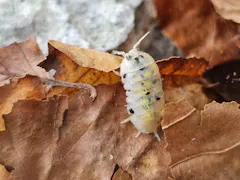
Vulgare Gem Mix Isopods (Armadillidium)
£12.00
The Gem Mix represents a carefully curated collection of Armadillidium vulgare colour morphs, bringing together various genetic expressions of the common pill bug in one diverse colony. These classic European isopods offer the perfect introduction to the world of isopod keeping, combining hardiness with visual variety. Each culture contains a mix of colors that may include orange, yellow, grey, and pied variations, creating a living kaleidoscope that evolves as your colony grows.
A Glimpse
Origin: Europe (Captive Bred)
Scientific Name: Armadillidium vulgare 'Gem Mix'
Difficulty Level: Easy
Adult Size: Up to 20mm (0.79 inches)
Rarity: Common
Temperature: 65°F to 80°F (18°C to 27°C)
Humidity: 40% to 60% with moisture gradient
Favorite Foods: Hardwood leaf litter, decaying wood, vegetables
Supplements: Fish flakes, dried shrimp, calcium sources
Overview
The Gem Mix brings together multiple color morphs of the reliable Armadillidium vulgare, one of the most widespread terrestrial isopods in the world. True to their "roly-poly" nickname, these isopods can roll into a perfect ball when threatened - a defense mechanism that never gets old. What makes the Gem Mix special is the genetic diversity within each culture, offering the excitement of seeing different colors emerge with each new generation. While individual morphs may breed true, the mixed nature of these colonies means you'll always have visual variety in your enclosure.
These Mediterranean natives have adapted brilliantly to life across Europe and beyond, making them exceptionally forgiving of minor husbandry mistakes. They're active during both day and night, providing plenty of opportunities to observe their social behaviors and feeding patterns.
Basic Care
Enclosure Setup:
Minimum 5-litre container for starter colonies (10-15 individuals)
Well-ventilated lid essential - these isopods prefer good airflow
2-3 inch substrate layer (avoid overly moisture-retentive substrates)
Mix of dry and moist zones crucial for proper molting
Cork bark and egg cartons for hiding spots
Leaf litter layer for food and shelter
Substrate Recommendations:
40% organic compost or forest humus
30% decomposed hardwood
20% crushed leaf litter
10% calcium source (crushed limestone or cuttlebone)
Environmental Conditions: Unlike tropical species, A. vulgare prefers moderate conditions with excellent ventilation. Maintain one end of the enclosure slightly moist while keeping the other end dry. This species is particularly susceptible to overly wet conditions, which can lead to bacterial infections. Mist lightly once or twice weekly, focusing on one side only.
Feeding: Feed once or twice weekly with portions consumed within 24-48 hours. Remove uneaten fresh foods promptly to prevent mold. Primary diet should consist of dried oak and beech leaves, supplemented with vegetables like carrot, squash, and potato. Protein supplements such as fish flakes or dried minnows should be offered sparingly, once every two weeks.
Breeding Notes
Gem Mix colonies typically establish well within 2-3 months. Females carry eggs in a marsupium (brood pouch) for approximately 4 weeks before releasing fully formed young. With proper conditions, expect steady reproduction year-round, though breeding naturally slows during cooler months. The mixed genetics mean offspring colors can be somewhat unpredictable, adding an element of surprise to each new generation.
The PostPods Difference
Our Gem Mix cultures are established from multiple genetic lines to ensure maximum diversity. Each culture contains a minimum of 10 individuals with varied colour expressions, giving you the best start for a thriving, visually interesting colony.
PostPods
Porcellio Echinatus Isopods
£5.00
A hardy Portuguese Porcellio with distinctive bumpy, textured skin that's earned them the nickname "Shark Skin" isopods.
Porcellio Echinatus Isopods: A Glimpse
Origin: Portugal, Southern Spain, North Africa
Scientific Name: Porcellio echinatus
Difficulty Level: Very Easy
Size: Up to 12-15mm
Rarity: Low
Temperature: 18°C to 26°C
Humidity: 50% to 70% (medium, with gradient)
Favorite Foods: Leaf litter, decaying wood, vegetables, fish food
Supplements: Cuttlebone, limestone, calcium powder
Porcellio Echinatus Isopods: An Overview
Porcellio echinatus is an Iberian species native to Portugal and southern Spain, with populations also found in parts of North Africa including Morocco and Algeria. They've become a popular entry point into the hobby due to their hardiness, interesting texture, and affordable price point.
The species gets its name from the Latin "echinatus" meaning spiny or prickly, referring to their distinctively rough, granulated body surface. This bumpy texture has also earned them the common name "Shark Skin" isopods in some parts of the hobby. Under magnification, the body surface is covered with small tubercles and granulations that give them a rugged appearance quite different from smoother species.
These are genuinely beginner-friendly isopods. They tolerate a range of conditions, breed readily in captivity, and don't require specialised care. If you're new to keeping Porcellio or want a hardy species that won't punish you for imperfect husbandry, P. echinatus is an excellent starting point.
At £5 for 10, they also represent great value for keepers wanting to establish a cleanup crew or start a breeding colony without significant investment.
Porcellio Echinatus Isopods: Appearance
The most distinctive feature of P. echinatus is their texture. The body surface is covered with small bumps and granulations, creating a rough, almost sandpaper-like appearance when viewed closely. This sets them apart from smoother Porcellio species and gives them visual interest that belies their affordable price.
Wild-type colouration is typically dark grey to brown, sometimes with lighter mottling or subtle patterning. They're not the most colourful isopods available, but their texture more than makes up for the subdued palette. The rough surface catches light differently than smooth species, giving them a distinctive look in an enclosure.
Adults reach around 12-15mm in length, making them a medium-sized Porcellio. Some sources list them smaller (around 8mm), but well-fed adults in good conditions typically reach the larger end of this range. They're comparable in size to P. scaber, though their texture makes them appear slightly more compact.
Like other Porcellio species, they cannot roll into a complete ball when threatened. They have the typical flattened Porcellio body shape and rely on speed and hiding to escape danger.
Porcellio Echinatus Isopods: Basic Care
P. echinatus are adaptable isopods that tolerate a wide range of conditions. This flexibility is what makes them so suitable for beginners.
Temperature: Room temperature works perfectly. They're comfortable anywhere from 18°C to 26°C and don't require supplemental heating in most UK homes. They originate from Mediterranean climates, so they handle both cooler UK room temperatures and slightly warmer conditions without issue.
Humidity: These isopods handle both semi-arid and more humid conditions reasonably well. A humidity gradient works best: keep one area of the enclosure damper than the rest, allowing the isopods to choose their preferred moisture level. Overall humidity around 50-70% is suitable, but they're forgiving of variations.
Ventilation: Moderate ventilation is sufficient. They don't require the aggressive airflow that large Spanish Porcellio need, but avoid completely stagnant conditions that encourage mould.
Lighting: Low light conditions are preferred. Keep the enclosure out of direct sunlight and provide plenty of dark hiding spots under bark and leaf litter.
Porcellio Echinatus Isopods: Feeding
P. echinatus are straightforward to feed. They're unfussy detritivores with healthy appetites and will consume a variety of food items without complaint.
Primary Food Sources:
Mixed hardwood leaf litter (oak, beech, hazel)
Decaying hardwood pieces
Rotting bark
Supplemental Foods:
Vegetables (carrot, courgette, sweet potato, cucumber)
Fish flakes or fish food pellets
Freeze-dried shrimp for protein
Occasional fruit
Calcium Sources: Essential for healthy moulting and breeding. They seem particularly fond of cuttlebone. Provide:
Cuttlebone pieces
Limestone chips
Crushed eggshells
Oyster shell
Remove uneaten fresh food within a day or two to prevent mould. Leaf litter and decaying wood can remain in the enclosure permanently.
Porcellio Echinatus Isopods: Substrate Mix
A basic moisture-retentive substrate works well. They're not fussy about substrate composition as long as it holds some humidity and provides opportunities for shelter.
A suitable mix might include:
Organic topsoil or potting compost (pesticide-free) as a base
Coconut coir for moisture retention
Sphagnum moss mixed through and on the surface
Decaying hardwood pieces
Leaf litter as a top layer
Charcoal pieces for drainage
Substrate depth of around 5cm is adequate. P. echinatus don't dig extensively but appreciate the option to burrow into the substrate when conditions on the surface aren't ideal.
Porcellio Echinatus Isopods: Enclosure Setup
A straightforward setup suits this species well. Nothing elaborate is required.
Container Size: A 3-6 litre container works well for a starter colony. These are smaller isopods that don't need vast amounts of space initially, though they'll appreciate more room as the colony grows.
Hides: Cork bark pieces provide essential hiding spots. Position some flat on the substrate and some propped at angles to create varied microhabitats.
Moisture Gradient: Keep one end of the enclosure slightly damper than the other. The moist area can have damp sphagnum moss, while the rest of the enclosure stays drier.
Ventilation: A few ventilation holes or a small mesh panel provides adequate airflow.
Leaf Litter: A generous layer of mixed hardwood leaves provides both food and shelter.
Porcellio Echinatus Isopods: Breeding
P. echinatus are prolific breeders once established. They reproduce reliably and colonies grow steadily under appropriate conditions.
What to Expect:
Consistent reproduction throughout the warmer months
Good brood sizes
Steady to rapid colony growth
Hardy juveniles that survive well
They breed more readily than many fancier species, making them excellent for keepers who want to build up a population quickly. New colonies typically settle fast and begin producing offspring within a couple of months.
This prolific nature makes them ideal for:
Building up cleanup crew populations for bioactive setups
Establishing feeder colonies for insectivorous pets
Beginners learning the basics of isopod husbandry
Porcellio Echinatus Isopods: Behaviour
P. echinatus are relatively active isopods with typical Porcellio behaviour patterns.
Typical Behaviours:
Sheltering under bark and leaf litter during the day
Increased activity during evening and night
Congregating in preferred humidity zones
Feeding on leaf litter and supplemental foods
Speed-based escape response when disturbed
They're more visible than shy Cubaris species, though they still prefer to spend daylight hours hidden. You'll often find them clustered on the underside of cork bark pieces.
Porcellio Echinatus Isopods: Bioactive Use
P. echinatus make excellent cleanup crew members for bioactive setups. Their adaptability to different humidity levels makes them suitable for various enclosure types.
Good for:
Temperate and Mediterranean-style bioactive setups
Reptile and amphibian enclosures with moderate humidity
Display terrariums
General purpose cleanup crews
Setups where budget is a consideration
Their moderate size means they're less likely to be eaten by smaller reptiles while still being efficient at processing organic waste. Their bumpy texture may also make them less palatable to some predators compared to smoother species.
They work well alongside springtails, which handle fine debris and mould prevention while the isopods tackle larger organic matter.
Who Are These Isopods For?
P. echinatus suit:
Complete beginners wanting an easy first species
Keepers on a budget
Those building bioactive cleanup crews
Anyone wanting a hardy, prolific breeding colony
Keepers who appreciate interesting texture over flashy colours
They might not suit:
Those wanting rare or unusual species
Keepers seeking dramatic colouration
Anyone expecting a large, impressive display species
At this price point, there's really no reason not to try them if you're at all interested in keeping Porcellio.
Comparing Standard and Red Edge Morphs
We also stock the Porcellio Echinatus 'Red Edge' morph, which displays attractive red-orange colouration along the lateral margins of the body segments. The care requirements are identical between the standard wild-type and the Red Edge morph. The main differences are:
Colouration: Standard is grey-brown; Red Edge has distinctive red/orange edging
Price: Standard is more affordable; Red Edge commands a slightly higher price for the colour morph
Availability: Standard is more commonly available
Both make excellent choices depending on whether you prioritise affordability or visual appeal.
What's Included
Each order contains healthy specimens selected from our breeding stock. We include a mix of sizes to give your colony the best start with breeding potential. A care sheet is provided with every order.
PostPods
Little Sea Isopods (Cubaris Murina)
£8.00
Cubaris murina (Little Sea Isopods) is widely considered the entry-level Cubaris species—offering the rounded body shape and humidity requirements characteristic of the genus without the demanding care or premium pricing of rarer Cubaris. Originally from the Indo-Pacific region and now established across tropical and subtropical areas worldwide, they're adaptable, reasonably prolific, and genuinely useful as bioactive cleanup crew. Their muted grey-purple colouration with subtle peach or orange markings won't win beauty contests, but their forgiving nature and reliable breeding make them an excellent stepping stone into Cubaris keeping.
A Glimpse
Origin: Indo-Pacific region (now widespread globally)
Scientific Name: Cubaris murina
Maintenance required: Low to Medium
Average Size: 1-1.2 cm
Rarity: Low to Medium
Lifespan: 1-4 years
Temperature: 17-28°C (62-83°F)
Ventilation: Low to Medium
Humidity: 70-80%
Favorite food: Decaying organic matter, fungi, leaf litter
Supplements: Cuttlefish bone, calcium powder, bat guano
Cubaris murina: Introduction
Cubaris murina has spread far beyond its Indo-Pacific origins, establishing populations across the Caribbean, North America, and other tropical regions. This adaptability hints at their hardiness—they're survivors that tolerate conditions many Cubaris species wouldn't accept.
The common name "Little Sea Isopods" reflects their smooth, compact appearance that apparently reminded someone of marine creatures. They're entirely terrestrial, of course, but the name has stuck. The scientific name derives from Latin: "murina" meaning mouse-coloured, which accurately describes their muted grey-purple tones.
What makes murina valuable for keepers is their position as a gateway Cubaris. They require the high humidity typical of the genus but forgive mistakes that would devastate sensitive species like Rubber Duckies or Panda Kings. Keepers who successfully maintain murina colonies develop the husbandry skills transferable to more demanding Cubaris without risking expensive animals in the learning process.
They're not the most visually striking isopods—their muted colouration is functional rather than flashy. However, several morphs have been identified (Papaya, Glacier, Anemone, Florida Orange) that offer more visual interest while retaining the species' forgiving nature.
Cubaris murina: Physical Traits and Characteristics
Adults reach approximately 1-1.2 cm (small species)
Muted grey or purple-grey body colouration
Subtle peach or orange spots typically visible at the rear
Smooth, rounded body typical of Cubaris
Compact appearance—sometimes mistaken for small marine creatures
Capable of conglobation (rolling into a defensive ball)
Small size belies their robust appetite
Their understated appearance is part of their charm for some keepers—they're functional animals that do their job without demanding attention.
Cubaris murina: Morphs
Several colour morphs have been identified, either from wild populations or captive breeding:
Papaya: Dull pink colouration, believed to be an albino or reduced-pigment form. Popular among enthusiasts wanting more colour without increased difficulty.
Glacier: Nearly completely white variety with white eyes, legs, and antennae. Striking appearance while retaining standard murina hardiness.
Anemone: Speckled pattern combining orange and grey markings. More visually complex than the standard form.
Florida Orange: Orange variety discovered in wild Florida populations. Natural colour variation maintaining the species' adaptability.
These morphs typically command slightly higher prices than standard murina but remain accessible compared to premium Cubaris species.
Behaviour
Cubaris murina display typical Cubaris behaviours with notable adaptability.
Activity patterns: Primarily nocturnal but will emerge during the day if conditions suit them—particularly in darker enclosures. They're opportunistic, coming out whenever environmental conditions feel safe.
Burrowing: They burrow effectively, retreating into substrate to regulate their temperature and humidity exposure. This ability contributes to their survival across diverse habitats—they create their own microclimate when surface conditions aren't ideal.
Feeding behaviour: Despite their small size, they have substantial appetites. They're active foragers that will hunt for food throughout the day when hungry. Reliable, enthusiastic eaters that process waste efficiently.
Conglobation: Capable of rolling into defensive balls when threatened, though they don't do so as readily as some Cubaris species.
Temperament: Peaceful and non-aggressive. They coexist well with springtails and other cleanup crew species without conflict.
Adaptability: Their key behavioural trait is flexibility. They adjust to varying conditions better than many Cubaris species, making them forgiving of minor husbandry errors.
Diet
Cubaris murina are enthusiastic, unfussy eaters.
Primary foods:
Decaying organic matter
Fungi and bacteria (natural diet component)
Leaf litter (oak, beech, and similar hardwoods)
Algae
Rotting hardwood
General detritus
Supplementary foods:
Vegetables: carrot, courgette, sweet potato
Fish flakes for protein
Dried shrimp
Commercial isopod foods
Mushrooms
Calcium requirements: Essential for healthy moulting. Provide cuttlefish bone, crushed limestone, or calcium powder as constant supplements.
Protein requirements: Regular protein supplementation supports reproduction and colony health. Bat guano is specifically mentioned as beneficial; fish flakes and dried shrimp also work well.
Feeding approach: Their appetite exceeds what their small size suggests. Ensure adequate food supply, particularly in growing colonies. Maintain constant access to leaf litter and decaying wood. Supplement with vegetables and protein sources several times weekly. Remove uneaten fresh food to prevent pest attraction.
Providing well-balanced nutrition—not just random decaying material—supports healthy reproduction and offspring development.
Cubaris murina: Breeding
Murina breed reliably under appropriate conditions—a key advantage for colony building.
Breeding rate: Moderate. Research indicates they produce decent-sized broods at reasonable intervals. Not explosive breeders like some Porcellio species, but steady and reliable.
Population density effect: Interestingly, studies suggest they proliferate better in lower-density cultures than high-density ones. Overcrowding may inhibit reproduction—something to consider if breeding slows in established colonies.
Breeding requirements:
High humidity (70-80%)
Stable temperatures within preferred range
Adequate nutrition with good protein and calcium
Appropriate substrate depth for security
Moderate space (avoid severe overcrowding)
Colony establishment: They don't reproduce as rapidly as hardy Porcellio species, so the same enclosure can be used for longer periods before upsizing becomes necessary. Patient colony building is rewarded with stable, self-sustaining populations.
Tips for success: Maintain consistent conditions rather than perfect conditions. Their forgiving nature means minor fluctuations won't devastate breeding efforts, but stability still helps. Ensure nutrition is genuinely balanced rather than haphazard.
Cubaris murina: Habitat Setup
Creating appropriate conditions balances humidity retention with their adaptable nature.
Enclosure: A plastic container with ventilation works well. Shoebox-size containers suit starter colonies adequately given their slower reproduction rate. Ensure ventilation is present but not excessive—they need humidity retention.
Substrate: Use moisture-retaining substrate that supports burrowing:
Organic topsoil as a base (pesticide-free)
Sphagnum peat moss mixed throughout for moisture retention
Orchid bark pieces for structure and moisture locking
Crushed limestone or calcium powder incorporated
Leaf litter layered on top
Sphagnum moss patches for additional moisture retention
Earthworm castings mixed in for nutrition
Provide adequate depth (8-10cm) to allow burrowing—their primary method of regulating personal microclimate.
Humidity: 70-80%—high humidity is important but they're more tolerant than sensitive Cubaris:
Maintain moist substrate throughout
Provide moisture gradient where possible
Mist regularly to maintain humidity
Sphagnum moss and appropriate substrate help lock in moisture
Ventilation should be present but limited to preserve humidity
Ventilation: Low to medium. They need some airflow to prevent stagnation, but humidity retention takes priority. Mesh-covered ventilation holes prevent escapes while allowing air exchange.
Lighting: Prefer darkness. Keep enclosures away from direct sunlight and in darker locations. They're more active and comfortable in dim conditions.
Temperature: 17-28°C (62-83°F)—tolerant of a reasonable range. Room temperature in UK homes typically works, though they prefer the warmer end of their range for optimal activity and breeding.
Décor and hides:
Cork bark pieces
Leaf litter coverage
Sphagnum moss patches
Decaying wood pieces
Multiple hiding options
Their burrowing nature means much activity occurs below the surface, but surface hides encourage visible activity.
Bioactive Use
Cubaris murina excel as bioactive cleanup crew in humid setups.
Ideal applications:
Tropical bioactive enclosures
Dart frog habitats
Tropical gecko setups
Humid planted terrariums
Any high-humidity vivarium
Advantages:
Hardy Cubaris option for humid setups
Reliable breeding maintains populations
Enthusiastic feeders that process waste effectively
Affordable pricing allows substantial starter populations
Forgiving nature suits varied conditions
Small size suits enclosures where large isopods would be problematic
Considerations:
Require high humidity—not suitable for arid setups
Small size means they're easily eaten by some predators
Less visually striking than premium species
Need humidity retention that may not suit all enclosure designs
Compared to other cleanup crew: More humidity-dependent than hardy Porcellio species but more forgiving than premium Cubaris. Fill the niche for keepers wanting Cubaris-style isopods in humid setups without the demanding care of sensitive species.
Suitability
Cubaris murina suit keepers wanting reliable, forgiving Cubaris.
Excellent choice for:
First-time Cubaris keepers learning genus requirements
Humid bioactive setups needing reliable cleanup crew
Keepers developing skills before investing in premium Cubaris
Anyone wanting functional Cubaris at accessible prices
Tropical vivarium projects
Those who prefer subtle, functional species over flashy ones
Not ideal for:
Arid or low-humidity setups (choose dry-tolerant Porcellio instead)
Keepers wanting visually striking display species
Situations requiring rapid population explosions
Those seeking rare collector's species
Care level: Low to medium difficulty. They're the most forgiving Cubaris commonly available—the "training wheels" of the genus. Mistakes that would kill sensitive Cubaris species are often survivable for murina colonies. This makes them ideal for developing Cubaris husbandry skills.
Progression path: Many keepers use murina as their first Cubaris, then progress to species like Panda King, Rubber Ducky, or other premium Cubaris once they've mastered the humidity and care requirements. Success with murina builds confidence for more challenging species.
Expectations: Expect reliable, adaptable isopods that reward consistent care with steady colony growth. Expect subtle colouration that won't impress visitors but indicates healthy, functional animals. Don't expect the visual impact of premium Cubaris or the explosive breeding of hardy Porcellio. Do expect an excellent foundation for Cubaris keeping that prepares you for more demanding species if that's your direction.
PostPods
Thai Red Springtails (Lobella)
£25.00
Lobella sp. "Thai Red" springtails are a relatively recent addition to the hobby, discovered in Thailand around 2021. Their vivid red colouration makes them among the most visually striking springtails available—a far cry from the typical white or grey cultures most keepers are familiar with. They're larger than common springtails, don't jump, and move slowly enough to actually observe, which adds to their appeal as display animals rather than just invisible cleanup crew.
A Glimpse
Origin: Thailand (captive-bred)
Scientific Name: Lobella sp. "Thai Red"
Common Names: Thai Red Springtails, Red Springtails
Maintenance required: Easy to moderate
Average Size: 1-5mm (larger than typical springtails)
Rarity: Rare / Very rare
Temperature: 24-28°C (75-82°F) optimal; will survive at room temperature
Humidity: 85-95% (high)
Substrate: Soil-based (not charcoal or clay)
Favorite food: Fish flakes, brewer's yeast, decaying organic matter
Thai Red Springtails: Introduction
Springtails are tiny hexapods (six-legged arthropods closely related to insects) that serve as nature's cleanup crew. They consume decaying organic matter, mould, fungi, and bacteria, making them valuable additions to bioactive terrariums and vivariums. Most keeper experience is with common white springtails (Folsomia candida) cultured on charcoal—functional but not particularly exciting to look at.
Thai Red springtails changed this equation. Discovered in the humid forests of Thailand following the Rubber Ducky isopod craze of 2017, they were introduced to the wider hobby around 2021. Their candy-red colouration, larger size, and calm demeanour made them instant favourites among collectors who wanted springtails they could actually see and appreciate.
They belong to the family Lobellidae, characterised by smaller-bodied springtails that thrive in humid, decomposing environments. Unlike many springtails, Thai Reds don't jump—they crawl slowly, making them easy to observe and reducing escape risk during maintenance.
Thai Red Springtails: Physical Traits and Characteristics
Adults reach 1-5mm—substantially larger than common white springtails
Bright red to reddish-pink colouration (described as "candy red")
Stout, chunky body shape
Segmented body typical of springtails
No jumping behaviour (major advantage for handling)
Slow, deliberate movement
Visible to the naked eye once mature
The red colouration is their defining feature. Against dark substrate, they're immediately visible—a stark contrast to white springtails that disappear against most backgrounds. Their size and slow movement make them genuinely watchable rather than just functional.
Behaviour
Thai Red springtails display distinctive behaviour patterns.
Movement: Slow crawlers that don't jump. This is a significant advantage—they won't ping out of the enclosure when you open it, and they're easy to observe moving about.
Climbing: Good climbers that will follow condensation trails. Secure lids are necessary as they can and will climb out through any available gaps.
Activity: Active throughout the day. They spend considerable time burrowed in substrate but will swarm food when feeding, becoming highly visible during these periods.
Burrowing: Strong digging instinct—they need deep, organic substrate to burrow into. This is a critical care requirement.
Social behaviour: Gregarious. They do well in groups and colony-keeping is straightforward once conditions are right.
Feeding behaviour: Congregate around food sources. You'll see them swarm fish flakes or yeast when offered, which is one of the better opportunities to observe them.
Diet
Thai Red springtails are detritivores with broad appetites.
Primary foods:
Decaying organic matter
Mould and fungi (they actively consume these)
Bacteria and microbial growth
Leaf litter
Decaying wood
Supplementary foods:
Tropical fish flakes (their favourite supplementary food)
Brewer's yeast (sprinkle every 2-3 days in small amounts)
Vegetables and fruit scraps
Commercial springtail foods
Feeding notes:
They have substantial appetites for their size
Increase feeding during breeding periods
Avoid overfeeding yeast—too much can reduce oxygen in the enclosure
Don't clean off mould or fungus from the enclosure; they'll eat it
Remove only uneaten fresh foods that are rotting excessively
Protein: Higher protein supplementation supports faster colony growth and reproduction. Fish flakes provide this effectively.
Thai Red Springtails: Breeding
Thai Red springtails breed readily under appropriate conditions.
Breeding characteristics:
Prolific reproducers when established
Rapid population growth under optimal conditions
Juveniles develop to adults, gaining full colouration at maturity
Colony establishment takes a few weeks
Optimal conditions for breeding:
Consistent warmth (24-28°C)
High humidity (85-95%)
Deep organic substrate
Abundant food supply
Undisturbed environment
Establishment period: Give them 2-3 weeks to acclimatise to a new enclosure before expecting significant activity. After 3-5 weeks, they should be fully active and breeding. Population growth accelerates once established.
Reproduction rate: Sources vary—some describe them as prolific, others note slower reproduction compared to common white springtails. Reality is probably that they breed well under optimal tropical conditions but more slowly if temperatures or humidity are suboptimal. Warmer is better for reproduction speed.
Thai Red Springtails: Habitat Setup
Substrate type is the most critical factor for success with this species.
Enclosure: Any container with a secure lid works. Glass or plastic terrariums, plastic storage containers, or dedicated springtail cultures. Lids must fit securely—these springtails will find gaps and climb out via condensation trails.
Ventilation: Minimal to none. Unlike isopods, springtails don't need ventilation holes—in fact, holes provide escape routes. Opening the enclosure periodically for feeding and misting provides sufficient air exchange. Keep it sealed otherwise.
Substrate (CRITICAL): Thai Red springtails MUST have deep, organic, soil-based substrate. This is non-negotiable.
Suitable substrates:
Organic topsoil (pesticide-free)
Sphagnum peat moss
Forest humus
Earthworm castings
Commercial bioactive substrates
Unsuitable substrates:
Charcoal (commonly used for white springtails—will NOT work for Thai Reds)
Clay-based substrates
Calcium-bearing clay
They have a strong burrowing instinct and need several centimetres of substrate depth to dig into. Shallow substrate or non-burrowing-friendly materials will result in colony failure.
Additions:
Leaf litter
Decaying wood pieces
Bark
Humidity: 85-95%—very high. The substrate should be consistently moist but not waterlogged.
Mist regularly with dechlorinated water
Maintain damp (not wet) substrate
High humidity is their primary requirement
Use a hygrometer to monitor levels
Temperature: 24-28°C (75-82°F) optimal for rapid breeding and activity. They'll survive at UK room temperature (around 20°C) but will develop more slowly. Warmer is better—these are tropical animals.
Some sources suggest slightly different ranges (74-76°F, 75-85°F, 65-75°F), but the consensus is warm tropical conditions. Avoid cold temperatures.
Light: No special requirements. Normal room lighting is fine. They're not particularly light-sensitive.
Bioactive Use
Thai Red springtails excel as bioactive cleanup crew members.
Strengths:
Effective mould and fungus control (they actively consume these)
Break down decaying organic matter
Process waste products
Nutrient cycling in substrate
Visible—you can actually see them working
Don't jump out during enclosure maintenance
Attractive addition to display setups
Suitable applications:
Tropical terrariums and vivariums
Dart frog enclosures (also serve as food source)
Humid reptile setups
Isopod enclosures (work alongside isopods)
Any high-humidity bioactive system
As feeders: Their larger size and bright colour make them suitable food for small reptiles and amphibians, particularly dart frogs. They're more visible than white springtails, making it easier for predators to locate them.
Companion species: Work well alongside isopods. The combination of isopods for larger organic matter and springtails for mould/fungus control creates effective bioactive systems. Introduce springtails first and allow them to establish (2-3 weeks) before adding isopods or other inhabitants.
Caution: Don't house with larger insects that might prey on springtails. Most invertebrates will eat springtails if given the opportunity.
Mite Prevention
Thai Red springtails can be susceptible to mite infestations.
Identification: Mites are small, round bugs that can harm springtails. They look different from springtails—rounder, often moving more quickly.
Prevention:
Source cultures from reputable suppliers
Quarantine new cultures before mixing with established colonies
Maintain clean conditions
Don't overfeed (excess food attracts mites)
Treatment: If mites appear, remove them manually. Some keepers place paper towels treated with mite medicine in enclosure corners (away from springtails). Severe infestations may require starting fresh with a new culture.
Suitability
Thai Red springtails suit keepers wanting visible, attractive springtails.
Good choice for:
Display bioactive setups where aesthetics matter
Tropical/humid terrariums and vivariums
Dart frog keepers (food source + cleanup)
Collectors wanting colourful microfauna
Those frustrated with invisible white springtails
First-time springtail keepers (with appropriate setup)
Children and families (interesting to observe, harmless, low maintenance)
Less suited for:
Arid or low-humidity setups
Keepers wanting to use charcoal substrate
Very cold environments without supplemental heating
Those wanting the fastest-breeding springtails (white springtails may be faster)
Care level: Easy to moderate. They're straightforward once you understand their requirements—the main pitfall is using inappropriate substrate. Provide warm, humid conditions with deep organic soil, feed regularly, and they'll thrive. The original page says "very easy" which is fair if you set up correctly; failure typically comes from substrate mistakes rather than complex care requirements.
Value: At £25 for a culture (10 count), with larger quantities at £45 (20) and £100 (50), Thai Reds are more expensive than common white springtails. This reflects their rarity, recent introduction to the hobby, and visual appeal. For collectors and display-focused keepers, the premium is justified. For purely functional bioactive cleanup, cheaper white springtails work fine—but they won't look nearly as interesting.
What to expect: Expect bright red springtails that are actually visible against substrate—a genuine improvement over trying to spot white springtails. Expect slow, deliberate movement rather than the manic jumping of some springtail species. Expect them to spend considerable time burrowed but emerge dramatically to swarm food during feeding. Expect establishment to take a few weeks before the colony becomes fully active. Expect that substrate choice matters—get this wrong and the colony will fail regardless of other care. For keepers who want their springtail cleanup crew to be part of the display rather than invisible background workers, Thai Reds deliver something genuinely different.
PostPods
Cappuccino Isopods (Cubaris sp.)
£55.00
Cubaris sp. "Cappuccino" is a Thai Cubaris species named for its coffee-toned colouration. The exact shade varies between populations and individuals—some display light brown and cream tones like milky coffee, while others show brighter orange with dark purple, more reminiscent of espresso. Either way, the colour palette is distinctive and attractive. They're larger than many Cubaris species, somewhat hardier than their more demanding relatives, and make engaging display pets for keepers ready to move beyond beginner species.
A Glimpse
Origin: Thailand, Southeast Asia (captive-bred)
Scientific Name: Cubaris sp. "Cappuccino"
Common Names: Cappuccino Isopod
Maintenance required: Medium
Average Size: Up to 22mm (approximately 2cm)
Rarity: High
Temperature: 21-28°C (70-82°F)
Ventilation: Medium
Humidity: 60-80%
Favorite food: Leaf litter, decaying wood, vegetables
Supplements: Calcium (limestone preferred), protein twice weekly
Cappuccino Isopods: Introduction
Cappuccino isopods emerged from the Thai Cubaris explosion that followed the discovery of Rubber Ducky isopods in limestone caves around 2017. Since then, numerous Cubaris species and morphs have entered the hobby, with Cappuccinos becoming one of the more sought-after varieties.
Their name derives from their colouration, which evokes coffee drinks—though descriptions vary. Some sources describe light brown and cream tones (latte-like), while others emphasise bright orange with deep purple (more like a darker roast). This variation may reflect different breeding lines or simply the range of natural variation within the species. Either interpretation produces attractive isopods.
Compared to some finicky Cubaris species, Cappuccinos are described as "hardier" and more "resilient to changes in humidity and temperature." They're not beginner isopods—they still require consistent conditions and more attention than Armadillidium or Porcellio—but they're a reasonable step up for keepers with some experience who want to try Cubaris without jumping straight to the most demanding species.
Cappuccino Isopods: Physical Traits and Characteristics
Adults reach approximately 22mm—larger than many Cubaris species
Rounded body shape with characteristic Cubaris "duck face"
Colouration varies: light brown/tan/cream OR bright orange with dark purple
White "skirt" around darker body in some descriptions
Some individuals display white "ducky face" with coloured "lips"
Small eyes on top of head
Short legs, four sets of spiracles for respiration
Can roll into defensive ball (conglobation)
Can make clicking sounds when threatened
The size is notable—at up to 22mm, they're on the larger end for Cubaris, making them easier to observe than smaller species. The colour pattern, whatever variation you receive, is distinctive and makes them visually appealing display animals.
Behaviour
Cappuccino isopods display typical Cubaris behaviour patterns with some distinctions.
Activity patterns: Primarily nocturnal—most active at night when they emerge to feed. You'll see occasional daytime sightings, especially as colony numbers increase, but expect them to be most visible after lights go out.
Temperament: Described as "fairly passive" and less easily spooked than some Cubaris species. They're "gentle" and "docile"—good characteristics for observation and handling.
Burrowing: They burrow for moisture control and security. This differs from some surface-dwelling species—provide adequate substrate depth (10-15cm minimum) to accommodate this behaviour.
Social: Gregarious. They do well in groups and benefit from colony living. Purchase in groups for best establishment success.
Shyness: Like many Cubaris, they're shy and reclusive, particularly when newly introduced. As one source notes: "Unless you are up for a little while after the lights go out, you likely will not see these isopods out and about during the day very much." Higher numbers in the colony lead to more visible activity.
Diet
Standard Cubaris dietary requirements with emphasis on calcium.
Primary foods:
Leaf litter (essential staple—always available in abundance)
Decaying white-rotted wood (always available)
Forest moss
Lichen
Supplementary foods:
Vegetables: squash, radishes, carrots, other organic vegetables
Fruits: various (feed in moderation)
Commercial isopod foods (Repashy, powdered diets)
Fish flakes
Dog food (occasionally)
Protein: Provide protein twice weekly:
Freeze-dried minnows
Dried shrimp
Fish pellets
Dried insects
Feed protein on the drier side of the enclosure as it can spoil quickly in humid conditions and attract pests.
Calcium (particularly important): Cappuccinos, like many Thai Cubaris, originate from limestone cave environments and are particularly fond of calcium sources:
Cuttlebone (quickly devoured when offered)
Limestone chunks
"Texas Holy Rock" (reported favourite)
Crushed eggshells
Calcium carbonate powder in substrate
Providing limestone mimics their natural cave habitat and supports healthy exoskeleton development.
Feeding notes:
Avoid overfeeding
Remove uneaten fresh foods before spoiling
Ensure no pesticide residue on vegetables
Good nutrition promotes faster breeding and healthier populations
Cappuccino Isopods: Breeding
Cappuccinos breed reliably once established, though they're not the fastest reproducers.
Breeding characteristics:
Slow to establish—may take several months before young appear
Once established, breed "prolifically" and reliably
Moderate reproduction rate overall
Females carry eggs in brood pouch (marsupium)
Reality check: One experienced source states breeding difficulty as "Advanced," while others say "Medium" or "Moderate." The consensus is that they're slower to establish than many species but become reliable producers once the colony matures. Patience is required—don't expect rapid population growth initially.
Breeding success factors:
Stable temperature (high 70s to low 80s°F / 24-28°C)
Consistent high humidity (60-80%)
Adequate calcium supply
Deep substrate for burrowing
Abundant food (leaf litter, decaying wood)
Minimal disturbance during establishment
Avoid large environmental swings
Cappuccino Isopods: Habitat Setup
Cappuccinos require more attention to setup than beginner species but are manageable for intermediate keepers.
Enclosure:
Plastic containers or terrariums work well
Minimal air holes (to maintain humidity)
Shoebox-sized container (approximately 6 quart / 3 gallon minimum) suitable for starter colonies
Fair ventilation required—not sealed, but limited holes
Ventilation: Medium. They need some airflow but not so much that humidity drops. Balance is key—too much ventilation dries them out, too little causes stagnation.
Substrate: Deep substrate is important for their burrowing behaviour:
Recommended mix:
Organic topsoil base (pesticide-free)
Sphagnum peat moss (milled and long-fibre)
Forest humus
Fine tree fern fibre
Decaying hardwood leaf litter (oak, willow)
Orchid bark
Depth: Minimum 10-15cm (4-6 inches). Deeper substrates retain moisture longer and support burrowing behaviour.
Humidity: 60-80%—high but not excessive:
Keep substrate mostly moist but not soggy
Some sources recommend "moist side and slightly less moist side" rather than dramatic wet/dry gradient
Never let substrate get anywhere close to dry
Mist every few days with dechlorinated water
Cork bark pieces help retain humidity
Critical note: Too much humidity and dampness can cause moulting issues and sudden die-offs. Moist, not wet, is the goal.
Temperature: 21-28°C (70-82°F)—comfortable room temperature to slightly warm:
High 70s to low 80s°F is the comfort zone
Avoid large temperature swings (can be fatal)
Room temperature in heated UK homes generally works
Stable conditions more important than hitting exact numbers
Décor:
Cork bark pieces (they may prefer lotus pods as hideouts)
Leaf litter (food and cover)
Decaying wood pieces
Moss patches
Limestone chunks (calcium source and habitat enrichment)
Setup philosophy: Aim for half soil, half decaying wood components. Provide plenty of hiding spots and natural botanical items that simulate their wild habitat—this promotes natural behaviours like eating and breeding.
Bioactive Use
Cappuccinos can work in bioactive setups but have limitations.
Strengths:
Help reduce organic waste buildup
Aid in nutrient recycling
Add visual interest (nocturnal activity)
Larger size makes them visible when active
Limitations:
Not the best bioactive cleaners—better species exist for that purpose
Shy and nocturnal—you won't see them working during the day
Require specific conditions that may not match all bioactive setups
Slow breeding means population recovery takes time if predation occurs
Best use: Cappuccinos are better suited as display pets than utilitarian cleanup crews. If you want efficient bioactive processing, consider Porcellio or faster-breeding species. Keep Cappuccinos because you enjoy observing them, not primarily for their cleanup utility.
Suitable applications:
Tropical terrariums where conditions match their needs
Display colonies where aesthetics matter
Vivariums with compatible inhabitants
Suitability
Cappuccinos suit intermediate keepers wanting attractive Cubaris without extreme difficulty.
Good choice for:
Keepers with some isopod experience ready to try Cubaris
Those wanting larger, more observable Cubaris
Display colony enthusiasts
Keepers who can maintain consistent conditions
Those attracted to coffee-toned colouration
Less suited for:
Complete beginners (gain experience with hardier species first)
Those wanting fast-breeding cleanup crews
Keepers unable to maintain stable humidity/temperature
Those expecting highly visible daytime activity
Care level: They're described as "hardier" and more "resilient" than some Cubaris, but still require consistent conditions without large environmental swings. One source warns: "If you have little to no experience with isopods, we strongly urge you to not buy these until you have some experience and a firm foundation with isopod husbandry."
The key challenges are: maintaining stable conditions (temperature/humidity swings can be fatal), patience during slow establishment period, and accepting their nocturnal/shy nature.
Value: At £55 for 5, £105 for 10, or £200 for 20, Cappuccinos are moderately priced for Cubaris—less expensive than ultra-rare species but more than beginner isopods. The price reflects their desirability, attractive appearance, and the care required to maintain breeding colonies. For keepers wanting an accessible entry point into "designer" Cubaris, they represent reasonable value.
What to expect: Expect attractive isopods with coffee-toned colouration that varies between cream/brown and orange/purple depending on the line. Expect them to be primarily nocturnal—you'll see them most after lights go out, with occasional daytime sightings increasing as colony numbers grow. Expect shy behaviour initially, becoming bolder as the colony establishes. Expect slow breeding at first, accelerating once the colony matures (this may take months). Expect to maintain consistent humidity and temperature without major swings. Expect larger Cubaris (up to 22mm) that are easier to observe than smaller species.
For keepers who enjoyed success with beginner species and want to explore the diverse world of Thai Cubaris, Cappuccinos offer an appealing combination: attractive appearance, reasonable (not extreme) care requirements, and the engaging behaviours that make Cubaris popular. They're not the easiest isopods, but they reward patient keepers who provide appropriate conditions with reliably breeding colonies of genuinely attractive animals.
PostPods
Small Cork Bark
£0.80
.A small piece of natural cork bark — an essential addition to any isopod, millipede, or cockroach enclosure.
Cork bark serves multiple purposes for your inverts. It provides a safe hiding spot where your colony can gather, moult, and feel secure. It helps create microclimates within your enclosure by retaining moisture on its underside while staying drier on top, giving your inverts the choice of conditions they need. Over time, your isopods will even nibble on it as a supplementary food source.
Place your cork bark across the moisture gradient in your enclosure so that part of it sits in the moist zone and part in the drier area — this gives your colony the best of both worlds.
We recommend baking before use. While shop-bought cork bark is generally low risk, baking it in the oven before adding it to your enclosure is a simple precaution that kills off any unwanted hitchhikers, mites, pest insects, or their eggs that may be hiding in the bark's crevices. Pop it in the oven at around 200°C (390°F) for 30 minutes. Cork is a natural insulator so the heat needs time to penetrate through to the core. Keep the temperature below 300°C to stay safely below cork's ignition point, and keep an eye on it while it bakes. Allow it to cool completely before placing it in your enclosure.
Please note: As cork bark is a natural product, sizes and shapes will vary. Each piece is picked at random.
Size: Small — ideal for starter tubs, smaller enclosures, or as one of several hides in a larger setup.
PostPods
Shiro Utsuri Isopods (Nesodillo sp)
£12.50
Nesodillo sp. "Shiro Utsuri" is a striking black and white isopod from Taiwan that has become popular for both its attractive appearance and ease of care. The name comes from Japanese koi terminology—"Shiro Utsuri" refers to a black koi with white markings, which accurately describes this isopod's bold contrasting pattern. At 1.5-2 cm when fully grown, they're a decent size that makes them easy to observe, and their reputation as prolific breeders makes them a solid choice for keepers wanting to build a colony relatively quickly.
A Glimpse
Origin: Taiwan
Scientific Name: Nesodillo sp. "Shiro Utsuri"
Maintenance required: Low
Average Size: 1.5-2 cm
Rarity: Low
Lifespan: 2-3 years
Temperature: 22-26°C (72-79°F)
Ventilation: Low to Medium
Humidity: 70-80%
Favorite food: Leaf litter, decaying hardwood, vegetables
Supplements: Cuttlefish bone, crushed eggshells, oyster shell
Shiro Utsuri Isopods: Introduction
Shiro Utsuri isopods originate from Taiwan and belong to the Nesodillo genus. Their common name borrows from Japanese koi breeding terminology—a Shiro Utsuri koi is a black fish with white patterning, and this isopod's bold black and white colouration follows the same theme. Some keepers also refer to them as having a "samurai" appearance due to this high-contrast colouration.
These isopods have earned a good reputation among hobbyists for being beginner-friendly while still offering visual appeal. They're hardy, breed readily, and don't have demanding care requirements. For keepers who want something more interesting than common grey woodlice without the challenges of sensitive exotic species, Shiro Utsuri are a sensible choice.
At 1.5-2 cm as adults, they're a respectable size—large enough to observe and appreciate the patterning clearly. Combined with their willingness to breed in captivity, they're well-suited to keepers wanting to establish and grow a colony.
Shiro Utsuri Isopods: Physical Traits and Characteristics
Adults reach 1.5-2 cm in length
Bold black and white patterning across the body
Predominantly white base colour with black patches and markings
Pattern varies between individuals, giving each isopod a somewhat unique appearance
Hard, calcified exoskeleton typical of conglobating species
Ability to roll into a ball when threatened
Smooth, domed body shape
Juveniles display the black and white pattern from an early age
Behaviour
Shiro Utsuri isopods are generally easy-going and adaptable.
Activity levels: Once established, they're reasonably active and visible. They'll forage and explore the enclosure, making them more rewarding to observe than species that hide constantly.
Temperament: Peaceful and non-aggressive. They coexist well with other isopod species and terrarium inhabitants, earning them a reputation as "peaceful cohabitants." This makes them suitable for mixed cleanup crew setups or community bioactive enclosures.
Burrowing: Like many isopod species, they appreciate the ability to burrow and will use hiding spots throughout the enclosure. Providing adequate cover helps them feel secure.
Defence: When threatened, they roll into a tight defensive ball—classic pill bug behaviour.
Settling in: They typically adapt well to new enclosures without extended settling periods. Compared to more sensitive species, they're relatively unfussy about transition.
Diet
Shiro Utsuri isopods are detritivores with straightforward dietary needs.
Primary foods:
Dried leaf litter (oak, beech, and similar hardwoods)
Decaying hardwood
Cork bark
Supplementary foods:
Vegetables: carrot, courgette, sweet potato, cucumber
Freeze-dried vegetables work well
Fish flakes for protein
Small amounts of fruit occasionally
Calcium: Important for their calcified exoskeletons and healthy moulting. Provide cuttlefish bone, crushed eggshells, or oyster shell as a constant calcium source.
Feeding approach: They're not picky eaters. Maintain a base of leaf litter and decaying wood, supplementing with vegetables every few days. Remove uneaten fresh foods within 24-48 hours to prevent mould. Their willingness to eat a variety of foods makes them easy to cater for.
Shiro Utsuri Isopods: Breeding
This species has a well-deserved reputation as prolific breeders, making them excellent for keepers wanting to grow a colony.
Breeding basics:
Females carry eggs in a marsupium and release fully formed juveniles
Breeding rate is relatively fast compared to many species
Adults reach reproductive maturity within 6-8 months
Brood sizes are good, contributing to steady population growth
Conditions for breeding:
Maintain humidity in the 70-80% range
Stable temperature within preferred range (22-26°C)
Adequate calcium for breeding females
Sufficient hiding spots
Consistent food availability
Colony growth: Under good conditions, expect steady and reliable population growth. They're one of the better species for keepers who want to see their colony expand without the frustratingly slow breeding of some exotic species.
Beginner suitability: Their prolific breeding and forgiving nature make them frequently recommended as a beginner species. New keepers can learn isopod husbandry while actually seeing results, rather than waiting months for slow-breeding species to establish.
Shiro Utsuri Isopods: Habitat Setup
Enclosure: A standard plastic container with a secure lid works well. A 10-15 litre container suits a starter colony, with room to expand as numbers grow. They don't require elaborate setups—functionality matters more than aesthetics for the enclosure itself.
Substrate: Use a moisture-retentive substrate that supports their humidity requirements:
Organic topsoil as a base (pesticide-free)
Sphagnum peat moss mixed in for moisture retention
Leaf litter worked into the substrate and layered on top
Decaying hardwood pieces
Crushed limestone or calcium powder throughout
Substrate depth of 5-8 cm allows for burrowing and helps maintain stable humidity at lower levels.
Humidity: These isopods prefer higher humidity than Mediterranean species. Aim for 70-80% humidity. The substrate should remain consistently moist but not waterlogged. Regular misting helps maintain appropriate moisture levels.
Unlike some arid-adapted species, Shiro Utsuri don't require a steep dry/wet gradient—they're comfortable with generally humid conditions throughout, though some variation is fine.
Ventilation: Low to medium ventilation. Some airflow prevents stagnation and mould, but excessive ventilation will dry out the enclosure and work against the humidity these isopods prefer. Small ventilation holes or limited mesh area is sufficient.
Décor and hides:
Cork bark pieces and tubes
Flat bark pieces on the substrate surface
Leaf litter coverage
Hardwood pieces
Sphagnum moss patches
Provide plenty of hiding spots. They'll burrow and shelter under cover, and adequate hiding places help them feel secure and encourage natural behaviour.
Temperature: Room temperature works well (22-26°C). They're not demanding regarding temperature and will thrive in normal UK household conditions without supplementary heating in most cases.
Bioactive Use
Shiro Utsuri isopods work well as cleanup crew in appropriate bioactive setups.
Advantages:
Peaceful nature allows cohabitation with other species
Prolific breeding maintains population levels
Good size for functional decomposition work
Hardy enough to establish in bioactive environments
Scavenging behaviour helps break down organic waste and maintain substrate health
Suitable setups: They're best suited to humid bioactive enclosures—tropical or subtropical setups for dart frogs, tree frogs, humid-environment geckos, and similar species. Their humidity requirements align well with many popular bioactive inhabitants.
Mixed cleanup crews: Their peaceful temperament means they coexist well with springtails and other isopod species. They won't aggressively outcompete tankmates, making them suitable for diverse cleanup crew combinations.
Suitability
Shiro Utsuri isopods are excellent for beginners and experienced keepers alike.
Good choice for:
Beginners wanting an attractive, easy first species
Keepers who want to see colony growth without long waits
Humid bioactive setups
Mixed species or community enclosures
Anyone wanting visual interest without demanding care requirements
Not ideal for:
Arid or low-humidity setups (they need moisture)
Keepers specifically wanting slow-breeding, rare species
Care level: Low difficulty. They're forgiving of minor husbandry variations, breed reliably, and don't have demanding requirements. One of the easier species to keep successfully, making them ideal for learning isopod husbandry or for keepers who want results without constant attention.
Value: Excellent value. They offer attractive appearance and reliable breeding at an accessible price point. A sensible choice for building a collection, starting in the hobby, or adding functional cleanup crew to bioactive setups without significant expense.
PostPods
Thai Blue Angel Isopods (Cubaris sp.)
£20.00
£40.00
Thai Blue Angels are a particular isopod species native to Thailand. It is primarily found in the country’s lush environments and thrives in humid habitats.
Whether you are a seasoned isopod keeper or a curious newcomer, it is important to understand the care requirements of these creatures before they arrive at your home.
Thai Blue Angel Isopods: A Glimpse
Origin: Thailand
Scientific Name: Cubaris sp.
Difficulty Level: Moderate/Easy
Size: 12-20 mm
Rarity: Moderately rare
Temperature: 24°C to 28°C
Humidity: 55-70%
Favourite Foods: Fish food, fruits, greens, veggies, greens, rotting white wood, green moss, kinshi, lichen, decaying leaves, and moulting of reptiles and invertebrates
Thai Blue Angel Isopods: An Overview
Scientifically known as Cubaris sp, Thai Blue Angel isopods have become popular exotic pets because they are an uncommon species of terrestrial crustaceans. Belonging to the genus family, this species is often regarded as attractive for its portable size, striking appearance, and behaviour.
As many might not know, this isopod species is native to the rainforests of Thailand. They live in high-humidity environments and need to be kept in bioactive vivariums and terrariums.
The unique colour combination of blue and white sets them apart from other isopods. Their roly-poly behaviour, when disturbed, makes them a favourite among collectors and hobbyists.
Unlike other isopods, Thai Blue Angel requires little care, making it ideal for beginners.
Thai Blue Angel Isopods: Basic Care
To take care of Thai Blue Angels, creating a similar environment to their natural habitat is important. Since they come from tropical regions, it is essential to maintain the right temperature and humidity levels. This way, you can keep your isopods happy and healthy. Here’s what you need to do:
You can use a plastic container or glass terrarium as an enclosure. However, make sure that it has proper ventilation and moisture.
It is important to maintain the temperature between 24°C and 28°C. As for the humidity level, anything between 55% and 70% is fine. You can mist the enclosure regularly to maintain these conditions.
Since isopods love hiding spots, you should add plenty of leaf litter, bark, and small caves to their enclosure.
Preparing a moist substrate for Thai Blue Angel is important. In this case, coconut fibre mixed with organic soil works best.
Thai Blue Angel Isopods: Feeding
The good thing about Thai Blue Angel isopods is that they are not fussy eaters. However, providing them with a balanced diet is important to keep them healthy.
In their natural habitat, they consume a lot of decaying organic material. This makes it easier to supplement their diet with various food sources when captivity.
One of the most essential components of their diet is leaf litter because it mimics their natural food source. It is recommended that they be given oak and maple leaves, as they are their favourites.
You should also provide small amounts of vegetables like carrots, cucumbers, and squash, which are great sources of hydration and nutrients. For fibre, you can provide soft, decayed wood from non-toxic trees.
You can give them a small piece of cuttlebone to meet their calcium requirements. This is essential to maintain their exoskeleton. Lastly, you can feed them protein-rich foods like fish flakes or dried shrimp for protein.
Providing these food items can help your isopods maintain a balanced diet. Just make sure to feed them in small amounts.
Thai Blue Angel Isopods: Appearance and Behaviour
Thai Blue Angel isopods are visually striking creatures, mainly because of their blue and white colour combination. They also have white or cream-coloured bands across their bodies.
Their segmented exoskeleton allows them to curl into a tight ball when threatened, a behaviour known as conglobation.
The size of an adult Thai Blue Angel ranges between 12 and 20 mm, which make them relatively smaller than other Cubaris species.
These isopods are generally shy and prefer to stay hidden during the day. They come during the evening or at night to feed and explore.
They are non-aggressive and move slowly, making it easier to care for them.
Thai Blue Angel isopods are known for their social behaviour. They often huddle together in groups, especially when hiding under leaf litter or bark.
Thai Blue Angel Isopods: Habitat
If you plan to keep Thai Blue Angel isopods as pets, it is important to create a suitable habitat for them. To do this, you need to replicate their natural habitat.
Since these isopods come from Thailand’s humid rainforests, it is important to maintain the humidity level between 55% and 70%. You can achieve this by regularly misting their enclosure.
The temperature should be between 24°C and 28°C. In winter, a heat source, like a heat mat, can be added if necessary.
As mentioned before, you must create hiding spots for your isopods. You can include pieces of bark, rocks, and small shelters for this. This will make your isopods more secure as they will have plenty of hiding places.
Last, it would help if you scattered leaf litter and moss around the enclosure to create a natural, forest-like floor. This provides additional food and moisture.
Thai Blue Angel Isopods: Substrate Mix
The substrate is one of the most critical elements of an isopod habitat. It is the foundation for them to burrow, feed, and reproduce. You should prepare a moist and nutrient-rich substrate for Thai Blue Angel isopods.
You can use coconut fibre or coir as the base. These materials better retain moisture and are soft enough for isopods to burrow into.
You will also need organic and pesticide-free soil to add essential nutrients to the substrate. Small pieces of decayed wood should be added as an additional food source. Adding a layer of leaf litter can also provide food and create a more natural environment for the isopods.
PostPods
Porcellio Hoffmannseggii Isopods (titan isopods)
£20.00
Porcellio hoffmannseggii (Titan Isopods) is one of the largest terrestrial isopod species kept in the hobby, reaching up to 4cm at maturity. Native to Spain's Mediterranean cliffs, they've earned their "Titan" name through sheer size—these are substantial animals compared to typical isopods. Their grey colouration with white skirting along the segment edges gives them a distinctive appearance, and their size means you can actually see and appreciate them without squinting. They prefer drier conditions than most isopods and display territorial behaviour, making them better suited to keepers with some experience rather than complete beginners.
A Glimpse
Origin: Spain (Mediterranean cliffs)
Scientific Name: Porcellio hoffmannseggii
Common Name: Titan Isopods
Maintenance required: Medium
Average Size: 3-4 cm
Rarity: Low to Medium
Lifespan: 2-3 years
Temperature: 18-32°C (65-90°F)
Ventilation: High
Humidity: 30-50% (drier than most species)
Favorite food: Decaying hardwood, vegetables, protein sources
Supplements: Cuttlefish bone, calcium powder, eggshells
Porcellio hoffmannseggii: Introduction
Hoffmannseggii originate from Mediterranean Spain, where they inhabit rocky cliffs and arid environments quite different from the damp forest floors preferred by many isopod species. This heritage means their care requirements run counter to typical isopod advice—they actually prefer conditions that would stress humidity-loving species.
The "Titan" name is earned. At 4cm, a fully grown hoffmannseggii is noticeably larger than common species like P. scaber or P. laevis. Their size changes the keeping experience—these are animals you can watch going about their business without magnification, and their presence in an enclosure is genuinely noticeable.
Their natural grey colouration with white edge skirting is understated but attractive. Several colour morphs exist (Orange, White Antenna, Brown, and the rare White), but the standard grey form remains popular for its natural appearance and lower price point compared to morphs.
They're rated as intermediate difficulty—not beginners' first species. Their territorial nature, particularly among males, requires more space and consideration than peaceful colony species. Their drier requirements can trip up keepers accustomed to humidity-dependent isopods.
Porcellio hoffmannseggii: Physical Traits and Characteristics
Adults reach 3-4 cm—genuinely large for terrestrial isopods
Grey body colouration with white skirting along segment edges
Hard, well-armoured carapace
Cannot fully conglobate—body shape prevents complete rolling
Substantial weight compared to smaller species
Uropods (tail sections) differ between sexes—males have longer uropods
Males tend to be broader and more heavily built
Strong legs supporting their considerable bulk
Their size gives them genuine visual presence. These aren't isopods you'll overlook—they're substantial animals that command attention in any enclosure.
Porcellio hoffmannseggii: Morphs
Several colour variations exist within the species:
Standard Grey: The natural wild colouration described here. Grey body with white skirting along segment edges. Most affordable option.
Orange: Bright orange colouration. Breeds true when kept separate. Popular for its striking appearance.
White Antenna: Standard grey body but with distinctive bright white antennae. Eye-catching contrast.
Brown/Chocolate: Lighter brown base instead of grey. Subtle but attractive variation.
White: Completely white colouration. The rarest morph, commanding higher prices.
Each morph breeds true when kept separately. Mixing morphs produces unpredictable offspring colouration, so maintain separate colonies if preserving specific colour lines matters to you.
Behaviour
Hoffmannseggii display distinctive behavioural traits that set them apart from peaceful colony species.
Territorial nature: Males are notably territorial and will actively chase off other males. This isn't subtle posturing—they can be genuinely aggressive with each other. Providing adequate space and multiple hiding spots reduces confrontation, but territorial behaviour remains a feature of the species.
Activity patterns: Primarily nocturnal but will emerge during the day once established and comfortable. Their size makes them easy to spot even when partially hidden.
Feeding preferences: Unlike many isopods that prefer leaf litter, hoffmannseggii show preference for decaying hardwood. They'll eat leaves, but rotting wood is their preferred food source.
Maternal behaviour: Females protect offspring through their first two moults—extended parental care compared to many isopod species.
Colony dynamics: Young offspring eventually form their own sub-colonies once they mature and breed. This natural dispersal reflects their territorial tendencies.
Space requirements: They need more room than smaller species. Cramped conditions increase territorial stress and aggression.
Diet
Hoffmannseggii eat most organic matter but have some notable preferences.
Primary foods:
Decaying hardwood (preferred over leaf litter)
Rotting wood in various stages of decay
Cork bark
Dried leaves (secondary to wood)
Supplementary foods:
Vegetables: carrot, courgette, sweet potato
Fruits occasionally
Fish flakes for protein
Dried shrimp
Greens
Calcium: Higher requirements than some species. Provide cuttlefish bone, crushed limestone, eggshells, or calcium powder constantly. Their large size means significant calcium demands during moulting.
Protein: Regular protein supplementation supports health, growth, and breeding. Fish flakes, dried shrimp, or fish food work well. Protein is particularly important during breeding season.
Feeding approach: Despite their size, they don't consume enormous amounts. Offer quantities they can finish—overfeeding creates waste. Their preference for wood means maintaining a constant supply of decaying hardwood in the enclosure. Supplement with vegetables and protein regularly.
Porcellio hoffmannseggii: Breeding
Hoffmannseggii breed well when conditions are right, though their territorial nature requires management.
Sexing: Males and females can be distinguished by uropod length—males have noticeably longer uropods (tail sections). Males also tend to be broader.
Breeding requirements:
Appropriate drier conditions (30-50% humidity)
Stable temperatures within preferred range
Moisture gradient (small wet area, mostly dry)
Good ventilation
Adequate space to reduce territorial stress
Sufficient protein and calcium
Brood characteristics: Average brood sizes when conditions are stable. Females carry developing young and release fully formed juveniles.
Maternal care: Females protect offspring through their first two moults—longer parental investment than many species show.
Colony management: Their territorial nature means growing colonies need space. As populations increase, consider dividing colonies or providing larger enclosures. Overcrowding increases stress and aggression, particularly among males.
Porcellio hoffmannseggii: Habitat Setup
Their Spanish cliff habitat dictates drier, well-ventilated conditions.
Enclosure: A well-ventilated container or terrarium. Minimum 15 litres for a starter colony, larger for established groups. Given their territorial nature, more space reduces conflict. Cross-ventilation is important—multiple ventilation points work better than a single mesh lid.
Substrate: Use substrate suited to drier requirements:
Organic topsoil as a base (pesticide-free)
Sphagnum peat moss mixed in sparingly
Sand for drainage
Crushed limestone or calcium powder throughout
Leaf litter layered on top
Decaying hardwood pieces (their preferred food)
Substrate depth of at least 5cm allows burrowing—they enjoy digging.
Humidity: Lower than most isopod species—30-50%:
Keep approximately 25% of enclosure moist (a corner with damp sphagnum moss)
Keep the remaining 75% dry
Allow them to move between zones as needed
Don't mistake their dry preference for no moisture needs—they still require access to water
A common mistake is keeping the entire enclosure too moist. Hoffmannseggii come from arid Mediterranean environments—uniform high humidity causes problems. Equally, completely dry conditions kill them. The moisture gradient is key.
Ventilation: High ventilation. Good airflow prevents humidity buildup and keeps conditions within their preferred dry range. Multiple ventilation holes or mesh sections create cross-ventilation. Don't restrict airflow trying to raise humidity—they don't need high humidity.
Temperature: 18-32°C (65-90°F). They tolerate a reasonable range but avoid extremes—they're not tolerant of very hot or very cold conditions. Room temperature in UK homes works for most of the year.
Décor and hides: Given their territorial behaviour, provide multiple separate hiding spots:
Cork bark pieces and tubes
Flat bark sections
Decaying hardwood pieces (functional and food)
Multiple hides distributed throughout the enclosure
Space hides so individuals can establish territories without constant confrontation.
Bioactive Use
Hoffmannseggii can function in bioactive setups suited to their requirements.
Good applications:
Arid or semi-arid bioactive enclosures
Mediterranean-style vivariums
Enclosures for reptiles preferring drier conditions
Display setups where impressive, visible isopods are wanted
Strengths:
Large size makes them genuinely visible
Handle dry conditions that stress humidity-loving species
Effective decomposers with preference for wood processing
Considerations:
Territorial behaviour means they need adequate space
Not suitable for high-humidity tropical setups
Drier requirements limit compatible enclosure types
Higher value than basic cleanup crew species
Less suited for:
Tropical or high-humidity bioactive setups
Small enclosures
Situations requiring dense, peaceful colonies
Suitability
Hoffmannseggii suit intermediate keepers wanting impressive, larger isopods.
Good choice for:
Keepers with basic experience ready for something larger
Those maintaining arid or semi-arid setups
Anyone wanting isopods with genuine visual presence
Bioactive setups for desert-dwelling reptiles
Those who find tiny isopods unsatisfying
Less suited for:
Complete beginners (start with hardier, peaceful species)
High-humidity tropical setups
Small enclosures
Those wanting dense, peaceful colonies without territorial behaviour
Care level: Medium difficulty. They're not demanding in terms of precise parameters, but their dry requirements run counter to typical isopod husbandry, and their territorial nature requires more space and management than peaceful species. Keepers experienced with Mediterranean species will find them straightforward.
Compared to morphs: Care requirements are identical for all hoffmannseggii morphs. The choice between standard grey and colour morphs is purely aesthetic and budgetary. Standard grey offers the full hoffmannseggii experience at lower cost.
Value: At £35 for 10, they're reasonably priced for large, impressive isopods. Their size and presence justify the price for keepers wanting something more substantial than tiny species. They deliver on the "Titan" name in a way that smaller isopods simply can't match.
What to expect: Expect large, watchable isopods with genuine presence. Expect territorial behaviour that makes colony dynamics interesting but requires space management. Expect drier care requirements than you might be used to. Don't expect them to thrive in humid, poorly ventilated setups. Give them appropriate dry, airy conditions with room to establish territories, and they'll reward you with impressive, long-lived colonies.
PostPods
Flake Soil
£6.00
A premium fermented substrate crafted from European hardwoods, perfect for isopods, millipedes, and beetle larvae.
Flake Soil is a specially prepared breeding substrate made from crushed, milled, and fermented oak and beech wood. Through a careful composting process, the wood breaks down into a nutrient-rich, easy-to-digest material that invertebrates thrive on. This 1L portion is ideal for hobbyists wanting to try flake soil without committing to larger quantities, or for topping up existing enclosures.
What is Flake Soil?
Unlike standard substrates, flake soil has been pre-fermented—meaning the tough cellulose and lignin in the wood has already begun breaking down. This makes it far more digestible for detritivores and provides a ready source of nutrition. The fermentation process also encourages beneficial microorganisms that support a healthy enclosure ecosystem.
Ideal for:
Isopods – Works brilliantly as part of a substrate mix for Cubaris species and other tropical varieties. Combine with coconut coir, sphagnum moss, and leaf litter for an enriched environment that supports burrowing behaviour and healthy moulting.
Millipedes – An excellent primary substrate for millipede keeping, providing both nutrition and a comfortable medium for burrowing.
Beetle larvae – Originally developed for rhinoceros beetle and stag beetle breeding, flake soil remains the gold-standard substrate for rearing larvae to their full potential.
How to Use
Flake soil is supplied slightly dried for storage stability. Before use, gradually add dechlorinated water and mix thoroughly until you achieve the desired moisture level—it should hold together when squeezed but not drip. Allow it to rest for 24 hours before introducing your invertebrates.
For isopod enclosures, flake soil works best as part of a layered substrate. Use it alongside your existing mix to add variety and nutrition. It pairs perfectly with springtails in bioactive setups, as both will work together to process organic matter and maintain a clean, balanced environment.
Specifications
Volume: 1 Litre & 2.5 Litre
Composition: Fermented European hardwood (primarily oak and beech)
Moisture: Approximately 50-60% (may vary slightly)
Fibre content: Approximately 25%
Storage
Store in a cool, dry place. If the substrate dries out during storage, simply rehydrate before use. Properly stored flake soil will keep for several months.
Whether you're keeping Porcellio, Armadillidium, or building a bioactive vivarium, flake soil is a versatile addition to your supplies. Grab a bag and see the difference quality substrate makes.
PostPods
Jelly Bean Isopods (A.Vulgare st.lucia)
£12.00
Armadillidium vulgare "St. Lucia" (Jelly Bean Isopods) is a Caribbean locale of the common pillbug, famous for producing remarkable colour variation within the same colony. Named after their resemblance to multicoloured jelly beans, individuals from a single colony can display colours ranging from deep burgundy to bright orange, yellow, grey, and everything between. This natural polymorphism has fascinated keepers and researchers alike—even breeding same-coloured parents together produces varied offspring. Beyond their visual appeal, they're confident, active isopods with excellent appetites, making them genuinely enjoyable to keep.
A Glimpse
Origin: Saint Lucia Island, Caribbean
Scientific Name: Armadillidium vulgare "St. Lucia"
Maintenance required: Low
Average Size: 1.5-2 cm (up to ¾ inch)
Rarity: Low (widely available)
Lifespan: 2-3 years
Temperature: 21-27°C (70-80°F)
Ventilation: Medium
Humidity: 70-80%
Favorite food: Leaf litter, vegetables, fruits, organic matter
Supplements: Cuttlefish bone, calcium powder
Armadillidium vulgare St. Lucia: Introduction
Saint Lucia is a volcanic island in the eastern Caribbean known for its tropical climate and diverse ecosystems. The isopods from this locale have developed a striking polymorphic trait—dramatic colour variation that occurs naturally within populations regardless of selective breeding.
What makes Jelly Beans scientifically interesting is that this colour variation appears genetically fixed in a way that resists isolation. Researchers and hobbyists have attempted to breed single-colour lines by pairing same-coloured individuals, but offspring consistently display the full range of colour variation. This suggests complex genetic mechanisms controlling their colouration rather than simple inheritance patterns.
Beyond the science, they're simply enjoyable isopods to keep. The seller's personal observation captures their appeal well: "Jelly beans are one of my favourite isopods... they are very confident isopods with great appetites, they are often seen on top of the cork bark in the tub and unlike a lot of other isopods which wait until it's quiet or the lights go off before getting food you add to the tub, Jelly beans go for the food right away and eat it very quickly."
This bold, active behaviour makes them more visible and entertaining than shy, nocturnal species. Combined with their colour variation and straightforward care, they're genuinely rewarding to keep.
Armadillidium vulgare St. Lucia: Physical Traits and Characteristics
Adults reach approximately 1.5-2 cm (up to ¾ inch)
Segmented body covered in smooth, shiny exoskeleton
Full conglobation ability (roll into tight, complete balls)
Colour variation within colonies includes: Deep burgundy/maroon, Bright orange, Yello, Grey and Various intermediate shades
No two individuals look identical in mixed colonies
Rounded, dome-shaped body typical of Armadillidium
Pattern and colour intensity varies between individuals
The colour variation is the defining characteristic. A colony of Jelly Beans looks like a scattered handful of actual jelly bean sweets—each individual displaying different colouration.
Behaviour
Jelly Bean isopods display notably confident, engaging behaviour.
Activity patterns: Unlike many isopods that wait for darkness or quiet, Jelly Beans are bold and active. They're frequently visible on surfaces, exploring openly rather than hiding constantly. They respond to food immediately rather than waiting for nightfall.
Feeding behaviour: Excellent appetites with enthusiastic feeding response. They go for food right away when offered and eat quickly. This makes feeding them satisfying—you see immediate response rather than wondering if they've found the food.
Social behaviour: Highly social creatures that thrive in groups. They interact regularly with colony members and shouldn't be kept individually. Colonies display social hierarchy with dominant individuals.
Dominance behaviour: Dominant isopods exhibit "stacking"—positioning themselves above others to display status. This hierarchy behaviour is observable in established colonies.
Conglobation: Excellent rollers. When threatened, they curl into tight, complete balls—the classic pillbug defence that gives Armadillidium their common name.
Confidence: Generally bolder than many isopod species. They don't hide as extensively and become visible colony members rather than secretive substrate dwellers.
Diet
Jelly Bean isopods are detritivores with hearty, unfussy appetites.
Primary foods:
Leaf litter (staple food source)
Decaying organic matter
Rotting hardwood
Cork bark
Fruits (offered in moderation):
Apples
Berries
Bananas
Other soft fruits
Vegetables:
Carrots
Courgette (zucchini)
Cucumber
Sweet potato
Leafy greens
Protein sources:
Shrimp pellets
Fish food flakes
Dried shrimp
Crushed high-quality pet food
Calcium sources:
Cuttlefish bone (essential)
Calcium powder supplements
Crushed limestone
Eggshells
Feeding approach: Their enthusiastic appetites mean they consume food quickly. Offer varied diet including protein and calcium-rich options alongside their leaf litter staple. Their bold feeding behaviour makes it easy to observe consumption and adjust portions accordingly. Remove uneaten fresh foods to prevent mould.
Armadillidium vulgare St. Lucia: Breeding
Jelly Beans breed readily and reliably in captivity.
Breeding rate: Fast. They reproduce quickly and colonies grow well under appropriate conditions. Prolific breeding is characteristic of the species.
Reproductive strategy: Females use brood pouching—carrying fertilised eggs in a marsupium (pouch) until offspring are ready to emerge. This provides protection during development and improves offspring survival rates. Fully formed juveniles emerge from the pouch ready to explore independently.
Breeding requirements:
Appropriate humidity (70-80%)
Stable warm temperatures
Adequate calcium for gravid females
Sufficient food supply
Social group (they breed in colonies, not isolation)
Colour inheritance: Interestingly, breeding same-coloured individuals doesn't produce single-colour offspring. The colour variation appears to be maintained regardless of parental colouration—offspring display the full range of colours even when parents are identical. This makes "isolating" specific colours essentially impossible with current understanding.
Colony management: Their prolific breeding means colonies can grow substantially. Ensure enclosure size accommodates growing populations or be prepared to divide colonies.
Armadillidium vulgare St. Lucia: Habitat Setup
Creating appropriate conditions is straightforward given their adaptable nature.
Enclosure: Transparent containers or tanks work well—their colourful appearance deserves visibility. Ensure adequate space for colony movement and growth. Good ventilation is important but balance with humidity retention. Secure lids prevent escapes.
Substrate: Use moisture-retaining substrate soft enough for burrowing:
Organic topsoil as a base (pesticide-free)
Sphagnum peat moss mixed throughout
Sphagnum moss patches for moisture retention
Crushed limestone or calcium powder incorporated
Leaf litter layered on top (serves as food and cover)
Substrate should be moist but not waterlogged. Overwetting causes mould and bacterial growth.
Humidity: 70-80%—they need consistent moisture reflecting their humid Caribbean origins:
Maintain moist substrate throughout
Mist regularly to maintain humidity
Provide moisture gradient where possible
Leaf litter helps retain humidity
Balance moisture with ventilation to prevent stagnation
Ventilation: Medium ventilation. Adequate airflow prevents mould while maintaining humidity. Ventilation holes in enclosure sides work well.
Décor and hides:
Driftwood pieces
Cork bark and tubes
Flat bark sections
Leaf litter coverage
Various hiding spots distributed throughout
These serve dual purposes—activity spaces for exploration and hiding spots for security. Their confident nature means they'll use open spaces as well as hides.
Temperature: 21-27°C (70-80°F). Room temperature in UK homes typically works. They appreciate gentle warmth—heat lamps can be beneficial but aren't essential in heated homes.
Lighting: They tolerate gentle light better than strictly nocturnal species. Their bold behaviour means they don't hide immediately when exposed to light. However, avoid harsh direct lighting or placement in bright sunlit locations.
Water: A shallow water dish with clean water can be provided. Alternatively, regular misting maintains hydration. Ensure any water dish has escape routes (pebbles or textured edges) to prevent drowning.
Bioactive Use
Jelly Bean isopods function well as bioactive cleanup crew with added visual interest.
Best suited for:
Tropical bioactive enclosures
Humid vivarium setups
Display terrariums where colourful cleanup crew adds interest
Planted tanks needing detritivores
Any setup maintaining 70-80% humidity
Advantages:
Multicoloured appearance adds genuine visual interest
Bold behaviour makes them visible rather than hidden
Prolific breeding maintains populations
Enthusiastic feeders process waste effectively
Hardy Armadillidium genetics
Considerations:
Require higher humidity than some Armadillidium species
Caribbean origins mean they prefer consistent warmth
Prolific breeding can lead to large populations
Compared to other cleanup crew: More colourful than standard A. vulgare. More humidity-dependent than Mediterranean Armadillidium. Bolder and more visible than many Cubaris species. Good choice when you want cleanup crew that's actually visible and interesting.
Suitability
Jelly Bean isopods suit a wide range of keepers.
Excellent choice for:
Beginners wanting attractive, easy isopods
Keepers wanting visible, active species
Anyone interested in colour variation genetics
Humid bioactive setups needing colourful cleanup crew
Display enclosures where appearance matters
Those who find shy, hiding isopods frustrating
Not ideal for:
Arid or low-humidity setups
Keepers wanting to isolate single-colour lines (not possible)
Very small enclosures (they need group living)
Care level: Low difficulty. They're hardy Armadillidium with straightforward requirements. Their bold nature and good appetites make them easy to monitor and feed. Prolific breeding means colonies establish readily. One of the easier species to keep successfully.
Value assessment: At £12 for 10, they offer excellent value for attractive, engaging isopods. The colour variation means every individual is visually interesting. Their confident behaviour and reliable breeding make them genuinely enjoyable rather than just functional. More visually appealing than standard A. vulgare at only modest price increase.
Expectations: Expect a colourful, active colony that's actually visible and entertaining to watch. Expect bold feeding behaviour that makes interaction satisfying. Expect prolific breeding that builds colonies quickly. Don't expect to isolate single colours—the variation is part of their charm. Expect hardy isopods that reward basic care with thriving, growing populations.
The appeal: Jelly Beans combine the hardiness of common Armadillidium vulgare with genuine visual interest and engaging behaviour. They're isopods you'll actually see and enjoy watching, not just functional decomposers hidden in substrate. For keepers wanting personality alongside practicality, they deliver on both fronts.
PostPods
Lemon Blue Isopods (Cubaris sp.)
£90.00
Cubaris sp. "Lemon Blue" is a premium Thai Cubaris renowned for its striking bicoloured appearance—bright lemon yellow body with blue-tinged inner segments that flash in the light. Native to Thailand and parts of China, they're among the more visually impressive Cubaris species available, though their colouration requires dietary attention to maintain. They're not a beginner species despite some claims—their slower breeding, colour maintenance requirements, and sensitivity to conditions make them better suited to keepers with Cubaris experience. For those ready for the commitment, few isopods match their visual impact when properly cared for.
A Glimpse
Origin: Thailand, China
Scientific Name: Cubaris sp. "Lemon Blue"
Maintenance required: Medium to High
Average Size: 1.5-2 cm
Rarity: High
Lifespan: 2-4 years
Temperature: 21-29°C (70-85°F)
Ventilation: Low to Medium
Humidity: 60-80%
Favorite food: Leaf litter, carrot, sweet potato, butternut squash
Supplements: Cuttlefish bone, calcium powder, bee pollen
Cubaris sp. Lemon Blue: Introduction
Lemon Blue isopods originate from tropical and temperate regions of Thailand and China. Their natural habitat provides the warm, humid conditions they require, though they're somewhat more tolerant of humidity variation than some cave-dwelling Cubaris species.
The "Lemon Blue" name accurately describes their appearance: a bright lemon-yellow body with blue colouration visible on the inner pereon segments. When light catches them at the right angle, the blue tones flash attractively against the yellow background. The overall effect is genuinely eye-catching—they're described as looking like "candy" and the comparison isn't unreasonable.
However, there's an important caveat: their vibrant colouration isn't guaranteed. Lemon Blues can fade or lose colour intensity without appropriate diet. Maintaining their striking appearance requires consistent feeding of carotenoid-rich foods. This isn't a species you can neglect and expect to remain visually impressive.
They're also slower breeders than many Cubaris species. Colony establishment takes time—expect 3-4 months minimum before seeing stable breeding. This combination of colour maintenance needs and slower reproduction means they require more ongoing attention than hardier species.
The seller's own notes are honest: "We find these not as forgiving as some other isopods so not something for a beginner as they also require a little more maintenance." This is accurate. They're a species for keepers who've successfully maintained other Cubaris and are ready for something more demanding.
Cubaris sp. Lemon Blue: Physical Traits and Characteristics
Adults reach approximately 1.5-2 cm
Bright lemon-yellow body colouration (when properly maintained)
Blue-tinged inner pereon segments visible through the exoskeleton
The blue colour "flashes" when light hits at certain angles
Hard exoskeleton (not suitable as feeder isopods)
Capable of conglobation (rolling into a defensive ball)
Colouration deepens and improves with age in well-maintained specimens
Colour can fade with inadequate diet or poor conditions
The visual impact depends significantly on care quality. Well-maintained Lemon Blues are genuinely stunning; neglected ones can look disappointingly muted.
Behaviour
Cubaris sp. Lemon Blue display some distinctive behavioural traits.
Social behaviour: Semi-social. Unlike strongly social isopods that cluster tightly, Lemon Blues are more tolerant of individual space. They can live alone without obvious distress, though they do fine in groups. As populations grow, they become more active and visible within their enclosure.
Activity patterns: Active species once established. They move around their enclosure more than some shy Cubaris species. However, they may hide around other creatures or when disturbed.
Temperament: Bold but non-aggressive. They're described as confident pets that don't display aggression toward each other or tank mates.
Response to disturbance: May hide initially but generally less skittish than some Cubaris species once established.
Conglobation: Capable of rolling into a defensive ball when threatened, though they don't do so as readily as some species.
Diet
Diet is particularly important for Lemon Blues—their signature colouration depends on it.
Primary foods:
Decaying leaf litter (oak, beech, and similar hardwoods)
Rotting hardwood
Decaying organic matter
Cork bark
Colour-enhancing foods (essential):
Carrot (excellent source of carotenoids)
Sweet potato
Butternut squash
Cucumber
Foods containing astaxanthin
Foods containing carotene
Supplementary foods:
Fish flakes and fish food
Dried shrimp (gammarus)
Spirulina
Fresh fruits (banana, mango)
Dried fruit pieces
Bee pollen
Insect jelly
Lichen
Calcium: Essential for healthy moulting. Provide cuttlefish bone, crushed limestone, oyster shell, or calcium powder as constant supplements.
Protein: Regular protein supplementation through fish flakes, dried shrimp, or bat guano supports healthy growth and breeding.
Colour maintenance: This cannot be overstated: inconsistent feeding causes colour loss. Regular offerings of carrot, sweet potato, and butternut squash maintain and deepen their lemon-yellow colouration. The blue tones seem less diet-dependent but overall vibrancy requires nutritional attention. Well-fed specimens develop richer, deeper colours as they age; neglected ones fade.
Feeding approach: More frequent feeding than some species may be needed to maintain colouration. Ensure colour-enhancing foods are offered several times weekly, not just occasionally.
Cubaris sp. Lemon Blue: Breeding
Lemon Blues are slower breeders than many Cubaris species—set expectations accordingly.
Breeding rate: Slow compared to other Cubaris. The seller notes they breed slower than similar species like Ambers even under identical conditions. Don't expect rapid population growth.
Colony establishment: Expect 3-4 months minimum before seeing stable breeding activity. This is slower than many popular Cubaris species.
Breeding requirements:
Appropriate humidity (60-80%)
Stable warm temperatures (22-27°C ideal)
Consistent, colour-maintaining diet
Adequate calcium
Deep substrate for security
Minimal disturbance
Brood characteristics: Moderate brood sizes when breeding does occur. Population growth is gradual rather than explosive.
Tips for success: Patience is essential. Provide optimal conditions consistently rather than expecting quick results. Starting with larger groups (10+) provides better breeding potential. Maintain excellent nutrition—healthy, well-fed isopods breed more reliably than stressed or malnourished ones.
Cubaris sp. Lemon Blue: Habitat Setup
Creating appropriate conditions balances humidity with adequate ventilation.
Enclosure: A container or terrarium with controlled ventilation. They need humidity retention but tolerate slightly more airflow than some cave-dwelling Cubaris. Plastic containers with limited ventilation holes or glass terrariums work well. Size should accommodate their active nature—they appreciate space to move.
Substrate: Deep substrate supporting humidity and their natural behaviours:
Organic topsoil as a base (pesticide-free)
Sphagnum peat moss mixed throughout for moisture retention
Crushed limestone or calcium powder incorporated generously
Hardwood leaf litter layered on top
Decaying hardwood pieces
Sphagnum moss patches for additional moisture retention
Depth of 8-10cm allows burrowing and maintains stable humidity.
Humidity: 60-80%—they handle a broader range than some Cubaris but still need consistent moisture:
Maintain moist substrate throughout
Provide moisture gradient (drier and damper areas)
Mist regularly to maintain humidity
Sphagnum moss patches help retain moisture
Monitor conditions—they're less forgiving of extremes than hardy species
Ventilation: Low to medium. They tolerate slightly more airflow than strict cave-dwelling species but still need humidity retention prioritised. Small ventilation holes rather than fully open mesh.
Lighting: Avoid direct light. Keep enclosures in shaded or dimly lit locations. They're not as strictly photophobic as some species but prefer subdued lighting.
Décor and hides:
Cork bark pieces and tubes (essential hiding spots)
Leaf litter coverage
Sphagnum moss patches
Decaying wood pieces
Multiple hiding options throughout
Temperature: 21-29°C (70-85°F). They tolerate a reasonable range but avoid extremes. Room temperature in heated UK homes typically works, with attention during cold spells.
Bioactive Use
Lemon Blues can function in bioactive setups but considerations apply.
Best suited for:
Tropical bioactive enclosures
Display vivariums where visual impact matters
Humid setups with moderate conditions
Advantages:
Striking visual appeal adds genuine interest
Active behaviour makes them more visible than shy species
Hard exoskeletons mean they're not easily predated
Considerations:
Premium pricing makes them expensive as purely functional cleanup crew
Slower breeding limits population recovery
Colour maintenance needs mean they're not "set and forget"
Hard exoskeletons make them unsuitable as feeders
Not suitable as feeders: Their hard exoskeletons make them a poor choice for feeding to other animals. If you need feeder isopods, choose softer species bred for that purpose.
Suitability
Cubaris sp. Lemon Blue suit experienced keepers wanting visually impressive isopods.
Good choice for:
Keepers with successful Cubaris experience wanting something special
Collectors seeking premium, visually striking species
Those willing to commit to colour-maintaining feeding regimes
Display setups where appearance matters
Patient keepers not expecting rapid colony growth
Not ideal for:
Beginners (gain experience with hardier Cubaris first)
Keepers wanting low-maintenance species
Those expecting rapid breeding
Budget-focused bioactive cleanup
Anyone unwilling to maintain consistent feeding schedules
Care level: Medium to high difficulty. They're described as "not as forgiving" as other isopods, and this is accurate. Their needs aren't extreme, but they require more consistent attention than hardy species. The colour maintenance aspect adds ongoing work that simpler species don't demand.
Realistic expectations: Don't expect the vibrant colours shown in photos to maintain themselves automatically. Expect to actively work at keeping them looking their best through regular carotenoid-rich feeding. Expect slow breeding and patient colony development. Expect a rewarding species if you put in the effort—and a disappointing one if you don't.
The seller's honest observation: "When we first got them we were not too excited when we saw them but after settling in the colours really changed and seem to also improve with age." This is realistic—newly arrived specimens often look underwhelming. Given time, proper conditions, and appropriate diet, they develop into the stunning animals their reputation suggests. Patience and care are rewarded.
PostPods
Cubaris Murina Papaya Isopods
£20.00
Murina Papaya Isopods also known as cubaris Murina is often referred to as entry-level cubaris species. These species don't have any distinct colour or markings, but they are the best bioactive custodians of their genus. They are a natural fit for the terrariums and vivariums.
Cubaris Murina: Synopsis
Place of Origin: Indo-Pacific region, North America
Scientific Name: Cubaris murina
Lifespan: 1-4 years
Difficulty level: Medium
Temperature Range: 62℉-83℉
Size: 1 cm
Rareness: Medium
Humidity Range: 70% -80%
Preferred Diet: fungi, bacteria, algae and other detritus
Supplements in Addition: Cuttlebone, bat guano, calcium powder
Cubaris Murina: Abstract
These isopods adapt to various environments. These isopods are mainly found in the Pacific region, the Caribbean area, and North America. The scientific name "Cubaris murina" is derived from the Latin name "cube," which means "to lie," and "marina," representing a group of mollusks. This name is due to the fact that they are mistaken as little sea creatures and also because of their smooth, small bodies.
Characteristics
Papaya isopods have a smooth and small body and is often mistaken as a sea creature due to its appearance.
These species are great clean-up crews in terrariums and vivariums.
They have a moderate reproduction rate.
These isopods are easy to care for and are great for beginners.
They are found in multiple types of habitats. Due to this, they are widely sought after.
They are the best entry-level species with a forgiving nature.
Little Sea Isopods: Morphs
These species, which have either been cultured or found in the wild, are found in different patterns and colors.
Papaya: They are dull pink and are believed to be an albino version. These isopods are popular among enthusiasts.
Glacier: It is an almost completely white variety. They have white eyes, legs, and antennae.
Anemone: This isopod is a variety of speckled patterns of orange and grey.
Florida Orange: The orange variety of the isopod discovered in the wild in Florida, hence the name.
Murina Papaya Isopods: Food
Even Though the isopods are very small in size, their appetite is not very small. Feeding is essential to continue their life cycle. There are better methods than feeding them with random decaying material. The food supplied should be the perfect blend of various materials, ensuring that the isopods get all the required nutrients. The decaying organic matter should be placed in the corner of the container, forming the basis for their feeding. In addition to the organic matter, litters of leaf and decaying wood will help them maintain a healthy condition.
Other than the naturally available materials, special supplements are designed to provide the perfect mix of required nutrients for the isopod. Supplying them with these designed foods can help them make healthy offspring.
Cubaris Murina Papaya Isopods: Breeding
The two main components for them to breed in abundance are the perfect food with the right amount of nutrients and a comfortable environment. Both can be achieved by using naturally available materials and man-made settings. Reproducing healthy offspring relates to the size and the regular structure.
A study was conducted in 2009 on these species, and it was discovered that they can produce decent-sized broods quickly.
This makes them a reliable species for different kinds of terrariums.
These species can proliferate in a culture where there is low density compared to a high-density culture.
Cubaris Murina: Natural Environment
The environment provided by Mother Nature to the isopods is humid in nature. To adjust to the temperature and humidity, they have the ability to burrow themselves inside their living area, which helps them maintain their preferred living conditions. Due to this ability, they are seen in many parts of the world where there is a perfect blend of moist and humid environments.
These isopods come out of their burrow whenever they feel the environmental conditions are safe for them. With a large appetite, they will hunt for their food any time of the day.
Cubaris Murina Papaya Isopods: Artificial Enclosure Setting
It is always difficult to set up an artificially made environment that is 100% comfortable for the isopods. But with the advancements in technology, an environment that can mimic the natural environment can be set up, which can ensure a near-to-comfortable climate for the papaya isopods. These artificial settings are achieved by using humidity controllers and temperature regulators. Based on the sensor feedback, the system adjusts the conditions itself, providing the isopods with a misty environment, almost matching their natural environment.
Proper care of the system has to be ensured as a wrong sensor feedback may create a difference in temperature or humidity, resulting in an uncomfortable environment. This will affect the lifespan as well as the ability to reproduce.
For an artificial setting, start with a shoebox-size plastic container.
They do not reproduce in a short period of time. Therefore, the same box can be used for a longer period of time.
It is to be ensured that sufficient ventilation is provided in the artificially designed environment.
Habitat and Substrate Mix
They generally adapt to all kinds of environments. However, their preferred environment is a moist one.
While setting up the artificial environment, it is best to provide a moisture-retaining element for the isopods to have comfortable living conditions.
Placing coconut coir inside their habitat can help mimic their natural environment, as it helps them to burrow inside.
In addition, the bark of orchid trees and sphagnum moss are very good elements for locking the moisture inside the enclosure.
Earthworm casting is one of the main sources of nutrients, which will help them to produce healthy offspring.
Cubaris Murina Papaya Isopods: Basic Care
Proper care must be provided to culture and maintain these isopods. It is crucial to clean the enclosure regularly. Not maintaining hygiene may attract unwanted pests and affect the isopod's health. While making provision for ventilation, it is to be ensured that mesh is provided to prevent these critters from escaping. Monitor the enclosure and make sure that the humidity and temperature are maintained. Provide supplements to meet their overall nutritional needs. Also, while placing the enclosure, keeping them in a dark place away from sunlight is essential.
PostPods
Soil Isopods (Cubaris/Troglodillo sp)
£17.50
£25.00
Soil isopods were thought to belong to the cubaris family however more recently were reclassified as Troglodillo sp. They are larger species compared to other isopods. These species have a very dark colour and white antennae. Exotic pets communities love and admire their unique appearance and striking features.
Soil Isopods: Summary
Origin: Vietnam
Scientific Name: Cubaris/Troglodillo sp
Maintenance: Low
Size: 1.5 cm to 2 cm
Rarity: High
Temperature: 75F to 80F
Humidity: 60% to 80%
Supplements: Cuttlebone, calcium powder
Soil Isopods: Introduction
Soil Isopods are native to Southeast Asia. Their exoskeleton is dark black-purple in colour. Due to this rare colour combination, they have got the nicknames “Gothic Isopod” and “The Black Evil”.
These critters, unlike other isopods, like to live on flat rock surfaces. Their range of activity is very small. They prefer wet and humid climates like their original habitat.
Soil Isopods: Characteristics and Behaviour
Their origin is in the tropical climates of Vietnam.
They are one of the largest in Cubaris sp. They grow up to 2 cm.
These species are similar to Purple Giant isopods of Cubaris sp.
They like wet habitats with high humidity and in shaded areas.
During summers or dry days, they like to live in caves with water resources and moisture.
They are detritivores.
They are less active during the summer.
During rainy seasons, they spread everywhere and are highly proactive.
They have a hard carapace with a dark colour and white antennae.
Unlike their name, “Gothic Isopods” and “The Black Evil”, these creatures look adorable with their rubber duck faces.
They are big compared to other Cubaris sp.
Soil Isopods: Feeding
Soil Isopods are omnivorous. For Soil Isopods to thrive and breed, healthy community nutrition is crucial. A balanced meal of plant matter, vegetables, rotten wood, and greens will help keep the isopods healthy.
They also need protein in their diet. Therefore, meat scraps, mushrooms and other complex protein foods can help maintain their exoskeleton.
Alternate food supplements can be given once or twice a month. Calcium powder and cuttlefish bone are some of the substitutes for Soil Isopods.
Soil Isopods: Natural Habitat
Soil isopods live in wet and humid conditions. These creatures are found more in shaded and humid habitats. During the summer season, their activity becomes low, and they tend to live in places where there is water source and moisture.
When the season changes and it starts raining, these creatures become more active, and they spread everywhere. Therefore, it is observed that these isopods love wet and moist environments.
Soil Isopods: Care and Breeding
Soil Isopods of Cubaris sp. are rare species of isopods. Breeding of isopods is a bit difficult from other isopod species. The care and maintenance tips are as follows:
An enclosure made of plastic or glass will be suitable for Soil Isopods.
It is necessary to maintain the temperature of the enclosure around 75°F
These creatures love humid and wet habitats. Therefore, humidity has to be on the higher end.
Make sure there is no stagnation of water inside the enclosure. Soil isopods appreciate wet and humid enclosures, not waterlogged enclosures.
Provide an enclosure with small ventilation to allow airflow.
These isopods prefer to live in shade. Therefore, keep them in a dark, shaded area.
Provide deep substrate to the enclosure. Thicker substrate helps maintain a consistent environment.
Add sphagnum moss as it helps in retaining and providing moisture to the enclosed environment.
Supply suitable calcium supplements once or twice a week.
Add limestone to the substrate as a supplement and also to mimic the environment.
Soil Isopod: Setting of Artificial Environment
To rear a Soil Isopod, it is important to mimic its natural habit. By understanding their natural habitat, we can provide that in any artificial setting.
Soil isopods are from a tropical climate with a wet and humid environment. They're found among dead and decaying organic matter. These nourish their body by consuming decaying matter.
Therefore, the enclosure for the vivarium or terrarium should mimic the atmosphere of their original habitat. Maintaining a wet and humid substrate with high temperature is crucial.
Before adding your isopods into any artificial setting, make sure they're of the same species. Mixing various species of isopods can cause clashes as it is their inherent trait to dominate other species. Therefore, it is crucial to keep them in their colonies.
The Soil Isopods can tolerate extreme temperatures. But for them to breed, it is necessary to provide the optimum temperature; for the Soil Isopods to breed, temperature should be maintained around 70°F to 80°F. Make sure that this temperature is maintained, as sudden changes in temperature can affect these creatures.
Almost all isopods require warm and moist surroundings. Soil isopods like their surroundings wet and humid, i.e., they prefer high humidity. Therefore, it is necessary to keep a humidity gradient of around 75% to maintain an optimal environment. Also, add some moss to maintain the humidity in the enclosure.
Ventilation is crucial as it prevents unwanted pests from entering the enclosure. High humidity attracts mould, fruit flies, mites and gnats. Therefore, cross ventilation should be provided to prevent excess moisture accumulation.
Soil Isopod: Substrate
A suitable substrate mix is necessary for the moisture-loving isopods. For Soil Isopods, the substrate has to be such that it holds moisture and water, provides a suitable base to hold moisture and digging, and is compact and resistant, unlike soil, drainage and long-lasting.
The ABG substrate mixture is ideal for Soil Isopods. The ABG substrate mix helps keep the balance of the artificial ecosystem and maintains the nutrition for the isopods. ABG substrate contains the mixture of the following:
Orchid Bark
Charcoal
Tree Fern Fibre
Peat Moss
This substrate mix is suitable for the Soil isopods. This mix helps them to mimic their natural environment.
Additionally, to make their environment more realistic to their natural settings, provide dried leaves and rotting wood into their enclosure. Also, add powdered limestone to the substrate. These provide food for the isopods and also a place for them to bring out their natural character of gathering and hiding.
In conclusion, a well-balanced substrate mix helps them to thrive and breed. The Soil Isopods are extremely rare and are hard to breed. But they need to be kept under observation. Adding water to the substrate when needed and keeping in check with their diet and nutrition should keep them healthy and happy.
PostPods
Armadillidium Depressum Isopods
£5.00
Armadillidium depressum represents one of the most underappreciated species in the isopod hobby—a robust, beginner-friendly native of Britain that combines impressive size with remarkably bold behavior. These substantial pill bugs have earned admiration among experienced keepers for their peaceful temperament and reluctance to flee when observed, making them exceptional display animals that actually reward patient observation rather than constantly hiding.
Species Overview
Place of Origin: Britain (United Kingdom)Family: ArmadillidaeGenus: ArmadillidiumSpecies: Armadillidium depressum
Key Care Requirements
Maintenance Effort: LowIdeal Temperature Range: 63°F-78°F (17°C-26°C)Reproduction Rate: Moderate to FastVentilation: MediumGeneral Size: 18-20mmRarity Level: MediumHumidity Range: 50%-70%Preferred Diet: Leaf litter, vegetables, hardwood, protein supplementsEssential Supplements: Cuttlefish bone, limestone, calcium powder
Natural Habitat and Behaviour
In their native British Isles, Armadillidium depressum inhabit temperate woodland floors, garden environments, and areas with moderate moisture levels. These adaptable isopods thrive in the cool, damp conditions characteristic of British climates, where they serve essential roles breaking down leaf litter and organic matter beneath logs, stones, and accumulated vegetation.
Like other members of the Armadillidium genus, A. depressum possess the characteristic ability to roll into tight protective balls when threatened—the classic "pill bug" defense mechanism that gives them their common name. However, what truly distinguishes this species is their remarkably calm demeanor compared to more skittish varieties.
These isopods display notably pacific (peaceful) behavior and confidence that makes them exceptional terrarium subjects. Unlike many species that immediately scatter when enclosures are opened, A. depressum often continue foraging or simply pause briefly before resuming activities. This bold temperament allows keepers to actually observe natural behaviors rather than catching fleeting glimpses of retreating isopods. Their willingness to remain visible during daylight hours—unusual for nocturnal species—adds to their appeal as display animals.
Understanding these natural behaviors helps recreate appropriate conditions in captivity, ensuring successful bioactive setups that mirror their temperate woodland origins whilst encouraging the confident foraging that makes this species so rewarding to observe.
Physical Characteristics
Armadillidium depressum showcases impressive size among commonly kept isopod species. Adults typically reach 18-20mm in length, providing substantial presence that makes observation easy even for keepers with aging eyes or those observing from distance. Their robust build and chunky proportions create visual impact exceeding many smaller varieties.
Coloration in wild-type specimens varies considerably between individuals, creating natural diversity within colonies. Some specimens display faded yellow or cream spots distributed across their dorsal segments, whilst others present as completely grey without obvious patterning. This variability adds interest to colonies, where multiple color variations coexist peacefully.
Certain morphs—particularly the highly sought "Magic Potion" variety—display a distinctive crystalline, translucent pearl effect that creates almost luminous quality to their exoskeleton. This pearlescent sheen distinguishes A. depressum Magic Potion from other dalmatian-gene species, giving them a unique visual signature appreciated by collectors.
The segmented exoskeleton shows clear demarcation between body sections, with the characteristic ribbed texture typical of Armadillidium species. Their substantial size and thick calcification require consistent calcium intake to maintain, though they prove less demanding than some specialized tropical varieties.
Sexual dimorphism becomes apparent in mature specimens, with females displaying broader builds to accommodate marsupial pouches. Males show slightly more elongated proportions, though differences remain subtle compared to more dimorphic species. These physical variations assist breeders in colony management whilst adding natural diversity to established populations.
Diet and Nutrition
As versatile detritivores adapted to British woodland environments, Armadillidium depressum accept remarkably diverse feeding programmes. Their natural diet consists primarily of decomposing leaf matter, softening hardwood, and the varied organic materials found on temperate forest floors—a flexibility that translates to straightforward captive feeding regimes.
Provide a foundation of quality hardwood leaf litter—oak, beech, and maple work excellently, though most pesticide-free deciduous leaves prove acceptable. These materials supply long-term nutrition as isopods gradually process them through continuous feeding. The thick litter layers recreate woodland floor conditions whilst providing ongoing sustenance.
Softwood and well-aged hardwood pieces serve as both hiding structures and supplemental food sources. Unlike species requiring exclusively hardwoods, A. depressum readily consume softer materials, making feeding programmes more flexible than demanding specialists. Position wood pieces partially buried in substrate to encourage exploration and feeding activity.
Fresh vegetable supplements are enthusiastically accepted by this species. Offer organic carrots, squash, sweet potatoes, and similar items 2-3 times weekly. Their willingness to feed visibly on fresh foods provides excellent observation opportunities, as groups often gather around choice items. Remove uneaten portions within 48 hours to prevent mold issues.
Calcium supplementation remains essential for maintaining their impressive exoskeletons and supporting successful molting cycles. Provide cuttlefish bone pieces, crushed limestone, and powdered calcium throughout the substrate. Their substantial size and rapid growth rates mean calcium requirements remain consistently high throughout their lifecycle.
Protein sources support colony health and reproductive success. High-quality fish flakes, dried shrimp, or specialized isopod foods offered 2-3 times weekly provide necessary protein without risk of overfeeding. Their peaceful temperament means multiple individuals can feed simultaneously without aggressive competition.
The species' dietary flexibility makes them forgiving subjects for beginning keepers still learning feeding routines, whilst their visible feeding behaviors reward experienced collectors seeking engaging display animals.
Creating the Perfect Enclosure
Successfully housing Armadillidium depressum proves straightforward due to their adaptable nature and moderate requirements. Start with well-ventilated containers of at least 6-quart capacity for starter cultures, with larger enclosures supporting established breeding colonies comfortably.
Ventilation requirements fall into the moderate range—create adequate airflow through multiple small holes covered with fine mesh, but avoid excessive ventilation that rapidly dries substrate. The balance proves less critical than high-humidity tropical species, giving keepers greater flexibility in container selection.
Substrate depth should reach 5-8cm to accommodate natural burrowing behaviors whilst providing moisture gradients. Create a base layer using quality organic topsoil mixed with leaf mold and decomposed wood matter. Avoid products containing fertilizers or pesticides that harm isopods.
Layer substantial amounts of hardwood leaf litter over the base substrate, creating the accumulations these woodland species encounter naturally. Add cork bark pieces, wood chunks, and flat stones throughout to create varied microhabitats offering multiple hiding spots and exploration opportunities.
The moisture gradient proves important for this species—maintain approximately one-third of the enclosure moderately moist whilst allowing the remainder to stay drier. This arrangement lets individuals self-regulate their hydration needs, preventing issues from excessive dampness or insufficient moisture. Place sphagnum moss patches in the moister section to help retain humidity without waterlogging substrate.
Include calcium sources throughout—cuttlebone chunks, crushed oyster shell, and limestone pieces should be readily accessible. Their rapid growth and substantial exoskeletons require ongoing calcium intake, though they prove less demanding than extreme specialists.
Consider their bold temperament when designing displays. Unlike shy species requiring extensive cover, A. depressum benefit from strategic viewing areas where their confident foraging can be observed. Cork bark pieces positioned to create windows into substrate layers allow observation of burrowing activities whilst maintaining necessary security.
Live plants adapted to temperate conditions enhance both aesthetics and environmental stability, particularly moss varieties and small ferns. Their moderate moisture requirements suit planted setups well, creating naturalistic displays that showcase these substantial isopods effectively.
Temperature and Humidity Management
Armadillidium depressum thrive in cool to moderate temperatures reflecting their British origins. Maintain enclosures between 63-78°F (17-26°C), with room temperature typically falling perfectly within their comfort range. This temperature tolerance makes them exceptional choices for keepers lacking climate-controlled spaces or experiencing seasonal variations.
Unlike tropical species requiring supplemental heating, A. depressum often need no additional warmth in typical homes. Their tolerance for cooler temperatures—down to the low 60s°F—means they handle seasonal fluctuations that stress heat-dependent varieties. During warmer months, ensure enclosures don't exceed the upper 70s°F, as excessive heat combined with moderate humidity can cause stress.
Temperature stability proves less critical than tropical specialists, giving keepers greater flexibility. Gradual seasonal variations pose minimal problems, though dramatic day-night fluctuations should be avoided. Their temperate origins mean they've evolved tolerating the variable conditions characteristic of British climates.
Humidity management requires moderate attention without the precision demanded by cave-dwelling tropicals. Maintain 50-70% relative humidity through periodic misting with dechlorinated water. However, this species appreciates moisture gradients more than uniform dampness—keep one section moderately moist whilst allowing other areas to dry somewhat between mistings.
The substrate should feel consistently moist in the designated damp section but never waterlogged or soggy. Squeeze-testing should yield slight moisture without excessive water drainage. The drier sections should feel barely damp, providing options for individuals seeking lower humidity microhabitats.
Monitor humidity using reliable hygrometers, though substrate observation often provides adequate practical guidance. If isopods congregate excessively in the moist section, increase overall humidity slightly. Conversely, if they avoid damp areas, improve ventilation and reduce watering frequency.
Their moderate humidity requirements make them excellent candidates for temperate bioactive setups where extreme moisture levels prove impractical. The balance between retaining adequate moisture and preventing stagnation comes more naturally than high-humidity tropical specialists.
Breeding and Colony Development
Armadillidium depressum reproduce at moderate to fast rates once established, making them rewarding subjects for breeders and excellent candidates for those seeking expanding cleanup crew populations. Females typically produce broods of 15-30 offspring after 4-6 week gestation periods in their marsupial pouches—substantially larger than many slower-breeding species.
Sexual maturity arrives at approximately 3-5 months under optimal conditions, with breeding activity remaining consistent throughout the year when stable conditions are maintained. Their temperate origins mean they don't require specific seasonal cues to trigger reproduction, simplifying breeding programmes compared to species with complex environmental triggers.
Creating breeding-conducive environments requires maintaining consistent temperature and moderate humidity levels, providing abundant high-quality foods, and minimizing disturbances. Adequate calcium availability proves essential—calcium-deficient females often produce smaller broods or offspring with development issues.
Juvenile isopods emerge as perfect miniatures of adults, immediately beginning to feed on fine organic particles in the substrate. Initial growth progresses steadily, with individuals requiring 4-6 months to reach full size depending on conditions. Their moderate growth rate means colonies expand reliably without overwhelming enclosures as rapidly as truly prolific species.
The peaceful temperament characteristic of this species extends to breeding dynamics. Unlike some Armadillidium varieties where males display territorial aggression, A. depressum colonies typically maintain harmonious relationships even at high densities. This trait makes them particularly suitable for community setups or mixed-species enclosures.
Established colonies become reliably self-sustaining, with multiple generations coexisting peacefully and breeding continuously. Their moderate reproduction rate creates steady population growth without the explosive expansions that can overwhelm smaller enclosures within months.
Care Difficulty and Considerations
Armadillidium depressum ranks among the most beginner-friendly isopod species available, making them outstanding choices for those new to the hobby. Their temperate requirements, dietary flexibility, and moderate humidity needs forgive the inevitable care errors beginners make whilst learning proper husbandry techniques.
Success requires only basic attention to moisture gradients and regular feeding—substantially less demanding than tropical specialists requiring precise environmental parameters. Their tolerance for temperature variations, ability to handle brief care lapses, and resistance to common beginner mistakes make them ideal starter species for new keepers.
The substantial size and bold temperament create rewarding keeping experiences even for absolute beginners. Unlike shy species that hide constantly, A. depressum provide regular observation opportunities that help new keepers understand isopod behaviors and environmental preferences. This educational value proves invaluable for those building foundational knowledge before progressing to more demanding varieties.
Maintenance requirements remain straightforward—periodic misting, weekly feeding supplements, and occasional substrate spot-cleaning typically suffice. Their moderate reproduction rate means population management rarely becomes overwhelming, whilst their size makes counting and transferring individuals manageable even for those with limited dexterity.
For experienced keepers, A. depressum offer reliable cleanup crew performance in bioactive enclosures whilst their bold nature ensures visibility that many specialized species lack. Their substantial size makes them suitable for larger reptiles and amphibians, expanding their utility beyond typical dwarf cleanup crew species.
The combination of beginner-friendly care, engaging behaviors, and practical utility makes them valuable additions to collections at any experience level—from first-time keepers building confidence to experts maintaining diverse breeding programmes.
Why Choose Armadillidium Depressum?
These remarkable British natives represent outstanding additions for keepers at any experience level seeking reliable, visible, and engaging isopod species. Their impressive size ensures easy observation, whilst their peaceful temperament creates rewarding keeping experiences that shy species simply cannot match.
Beyond practical benefits, A. depressum provide excellent value through rapid establishment, consistent breeding, and versatile applications. Whether building first colonies, expanding cleanup crews, or seeking display-worthy species that actually remain visible, these substantial pill bugs deliver reliable performance.
Their temperate requirements make them accessible to keepers worldwide without expensive climate control equipment. The moderate care demands suit busy schedules, whilst their forgiving nature tolerates the inevitable lapses that challenge even experienced collectors during hectic periods.
For those selecting species for diverse collections, A. depressum fill essential niches between tiny dwarf species and giant rarities. Their size suits varied applications, from bioactive cleanup crews to breeding projects, whilst their bold behavior ensures they contribute visible interest to naturalistic displays.
Whether starting isopod keeping journeys or adding reliable performers to established collections, Armadillidium depressum represent wise investments through their combination of size, temperament, and straightforward care requirements. They prove that common doesn't mean ordinary—these British beauties demonstrate that readily available species can deliver exceptional keeping experiences rivaling exotic rarities.
PostPods
Porcellio Echinatus Red Edge Isopods
£12.50
A hardy Portuguese Porcellio with distinctive bumpy texture and attractive red-orange edging along the body segments.
Porcellio Echinatus 'Red Edge' Isopods: A Glimpse
Origin: Portugal, Southern Spain, North Africa
Scientific Name: Porcellio echinatus
Difficulty Level: Very Easy
Size: Up to 12-15mm
Rarity: Low to Medium
Temperature: 18°C to 26°C
Humidity: 50% to 70% (medium, with gradient)
Favorite Foods: Leaf litter, decaying wood, vegetables, fish food
Supplements: Cuttlebone, limestone, calcium powder
Porcellio Echinatus 'Red Edge' Isopods: An Overview
Porcellio echinatus is a European species native to the Iberian Peninsula, particularly Portugal and southern Spain, with populations also found in parts of North Africa. They're sometimes called "Shark Skin" isopods in the hobby due to their distinctively rough, bumpy texture that sets them apart from smoother Porcellio species.
The 'Red Edge' morph displays attractive red to orange colouration along the lateral margins (skirts) of their body segments. This colouration contrasts nicely with their darker grey-brown base colour, creating a visually appealing framed effect. The intensity of the red edging can vary between individuals, with some showing more vivid colour than others.
These are genuinely beginner-friendly isopods. They're hardy, adaptable, and forgiving of minor care mistakes. If you're new to keeping Porcellio or want a species that won't punish you for imperfect conditions, P. echinatus is an excellent choice.
Porcellio Echinatus 'Red Edge' Isopods: Appearance
The most striking feature of P. echinatus is their texture. The body surface is covered with small bumps and granulations, giving them a rough, almost shark-skin-like appearance. This distinguishes them from smoother species like P. laevis or P. scaber.
In the 'Red Edge' morph, the lateral margins of each body segment display red to reddish-orange colouration. The main body is typically dark grey to brown, sometimes with lighter mottling. The contrast between the dark body and red edges creates an attractive appearance, particularly in adult specimens where the colouration is most developed.
Adults reach around 12-15mm in length, making them a medium-sized Porcellio. They're not giants, but they're substantial enough to observe easily and handle if needed. Like other Porcellio species, they cannot roll into a complete ball when threatened, relying instead on speed and hiding to escape danger.
Porcellio Echinatus 'Red Edge' Isopods: Basic Care
P. echinatus are adaptable isopods that tolerate a range of conditions. This flexibility makes them suitable for beginners and experienced keepers alike.
Temperature: Room temperature works perfectly. They're comfortable anywhere from 18°C to 26°C and don't require supplemental heating in most UK homes.
Humidity: These isopods handle both semi-arid and more humid conditions reasonably well. A humidity gradient works best: keep one area of the enclosure damper than the rest, allowing the isopods to choose their preferred moisture level. Overall humidity around 50-70% is suitable.
Ventilation: Moderate ventilation is sufficient. They're not as demanding about airflow as the large Spanish Porcellio species, but stagnant, overly humid conditions should still be avoided to prevent mould issues.
Lighting: Low light conditions are preferred. Keep the enclosure out of direct sunlight and provide plenty of dark hiding spots.
Porcellio Echinatus 'Red Edge' Isopods: Feeding
P. echinatus are straightforward to feed. They're detritivores with good appetites and will readily consume a variety of food items.
Primary Food Sources:
Mixed hardwood leaf litter (oak, beech, hazel)
Decaying hardwood pieces
Rotting bark
Supplemental Foods:
Vegetables (carrot, courgette, sweet potato, squash)
Fish flakes or fish food pellets
Freeze-dried shrimp for protein
Occasional fruit
Calcium Sources: Essential for healthy moulting and breeding. Provide:
Cuttlebone pieces (they particularly seem to enjoy this)
Limestone chips
Crushed eggshells
Oyster shell
Remove uneaten fresh food within a day or two to prevent mould. Leaf litter and decaying wood can remain in the enclosure permanently as it forms the base of their diet.
Porcellio Echinatus 'Red Edge' Isopods: Substrate Mix
A basic moisture-retentive substrate works well for this species. They're not particularly fussy about substrate composition as long as it holds some humidity and provides opportunities for burrowing.
A suitable mix might include:
Organic topsoil or potting compost (pesticide-free) as a base
Coconut coir for moisture retention
Sphagnum moss mixed through and on the surface
Decaying hardwood pieces
Leaf litter as a top layer
Charcoal pieces for drainage and pH management
Substrate depth of around 5cm is adequate. P. echinatus don't dig as extensively as some species, but they do appreciate the option to burrow when they want to.
Porcellio Echinatus 'Red Edge' Isopods: Enclosure Setup
A straightforward setup suits this species well.
Container Size: A 3-6 litre container works for a starter colony. These are smaller isopods and don't need vast amounts of space initially, though they'll appreciate more room as the colony grows.
Hides: Cork bark pieces provide essential hiding spots. Position some flat on the substrate and some propped at angles to create varied microhabitats.
Moisture Gradient: Keep one end of the enclosure slightly damper than the other. The moist area can have damp sphagnum moss, while the rest of the enclosure stays drier. This allows the isopods to regulate their hydration needs.
Ventilation: A few ventilation holes or a small mesh panel provides adequate airflow. Nothing excessive is required.
Leaf Litter: A generous layer of mixed hardwood leaves provides both food and shelter.
Porcellio Echinatus 'Red Edge' Isopods: Breeding
P. echinatus are prolific breeders once established. They reproduce reliably and colonies grow steadily under appropriate conditions.
What to Expect:
Consistent reproduction throughout the warmer months
Moderate to good brood sizes
Steady colony growth
Hardy mancae (juveniles) that survive well
They're not explosive breeders like P. laevis or P. pruinosus, but they're far more reliable than many of the more challenging Porcellio species. New colonies typically settle quickly and begin producing offspring within a few months.
Stable conditions support the best breeding results. Ensure adequate calcium is available for females producing broods, and maintain consistent humidity and temperature.
Porcellio Echinatus 'Red Edge' Isopods: Behaviour
P. echinatus are relatively active isopods with typical Porcellio behaviour patterns.
Typical Behaviours:
Sheltering under bark and leaf litter during the day
Increased activity during evening and night
Congregating in preferred humidity zones
Feeding on leaf litter and supplemental foods
Speed-based escape response when disturbed
They're more visible than some of the shyer Cubaris species, though they still prefer to spend daylight hours hidden. You'll often find them clustered on the underside of cork bark when you lift it.
Porcellio Echinatus 'Red Edge' Isopods: Bioactive Use
P. echinatus work well as cleanup crew members in bioactive setups. Their adaptability to different humidity levels makes them suitable for various enclosure types, from semi-arid to moderately humid tropical setups.
Good for:
Temperate and Mediterranean-style bioactive setups
Reptile enclosures with moderate humidity
Display terrariums
General purpose cleanup crews
Their moderate size means they're less likely to be eaten by smaller reptiles while still being efficient at processing organic waste. Their bumpy texture may also make them less palatable to some predators compared to smoother species.
Pair with springtails for comprehensive waste management. The springtails handle fine debris and mould while the isopods tackle larger organic matter.
Who Are These Isopods For?
P. echinatus 'Red Edge' suit:
Beginners wanting an easy, forgiving first species
Keepers looking for a hardy Porcellio with interesting texture
Those wanting a species that breeds reliably
Bioactive setup builders needing adaptable cleanup crews
Collectors wanting to add a colour morph to their collection
They might not suit:
Those wanting a large, impressive display species
Keepers seeking a rare or challenging species
Anyone wanting explosive population growth (they're steady, not explosive)
If you want something pretty, hardy, and easy to keep without the challenges of more demanding species, P. echinatus 'Red Edge' is a solid choice.
What's Included
Each order contains healthy specimens selected from our breeding stock. We include a mix of sizes to give your colony the best start with breeding potential.