Rubber Ducky Isopods for Sale UK (Cubaris sp.)
Care Info:
 ORIGIN
 TEMP
TEMP
 HUMIDITY
 LENGTH
 DIFFICULTY
 RARITY
- Free shipping over £65
- Low stock - 7 items left
Rubber Ducky isopods, Cubaris sp. 'Rubber Ducky', are small, slow-breeding tropical woodlice. We post them anywhere in England, Scotland and Wales, and our live arrival guarantee covers every livestock order.
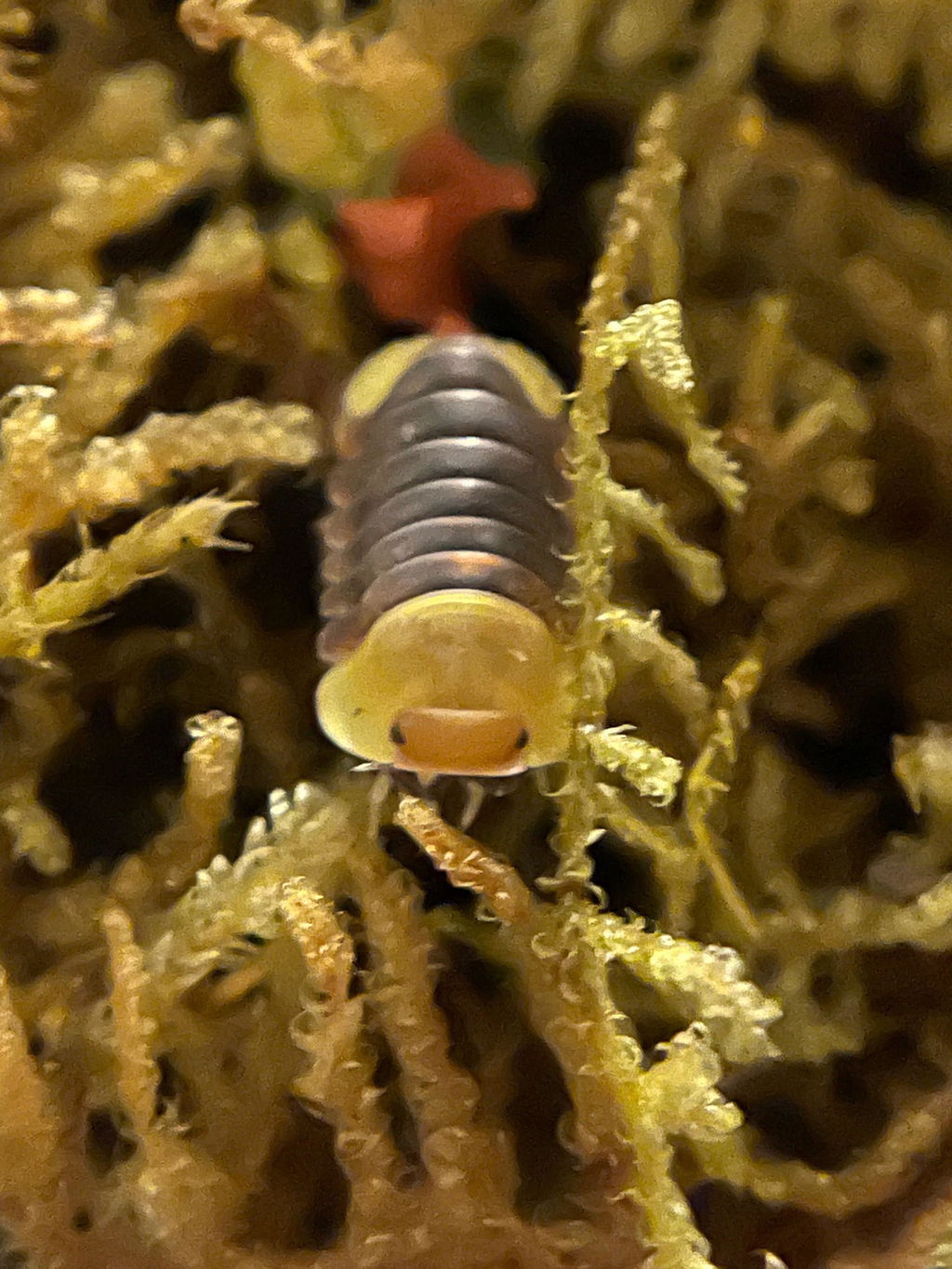
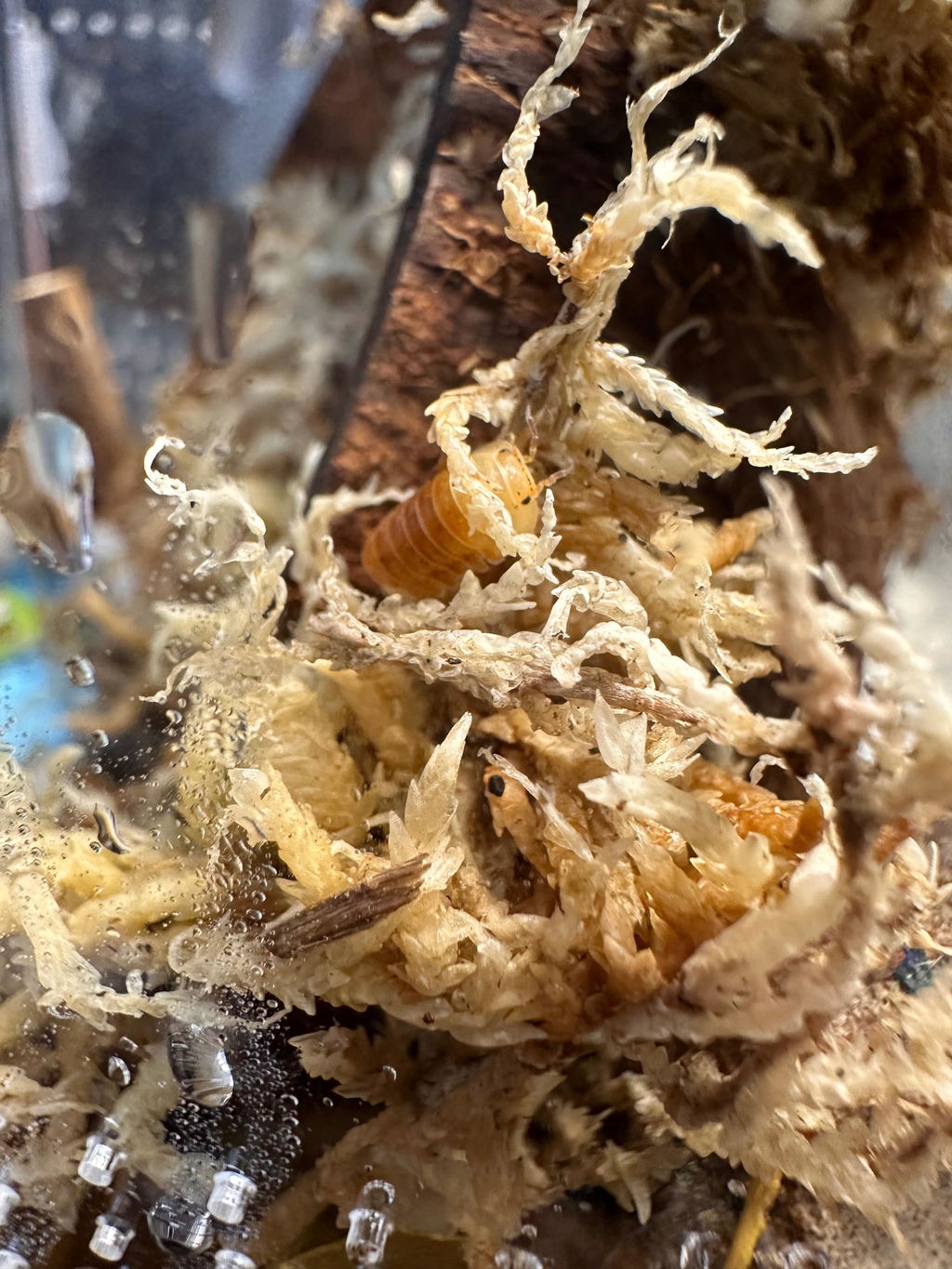
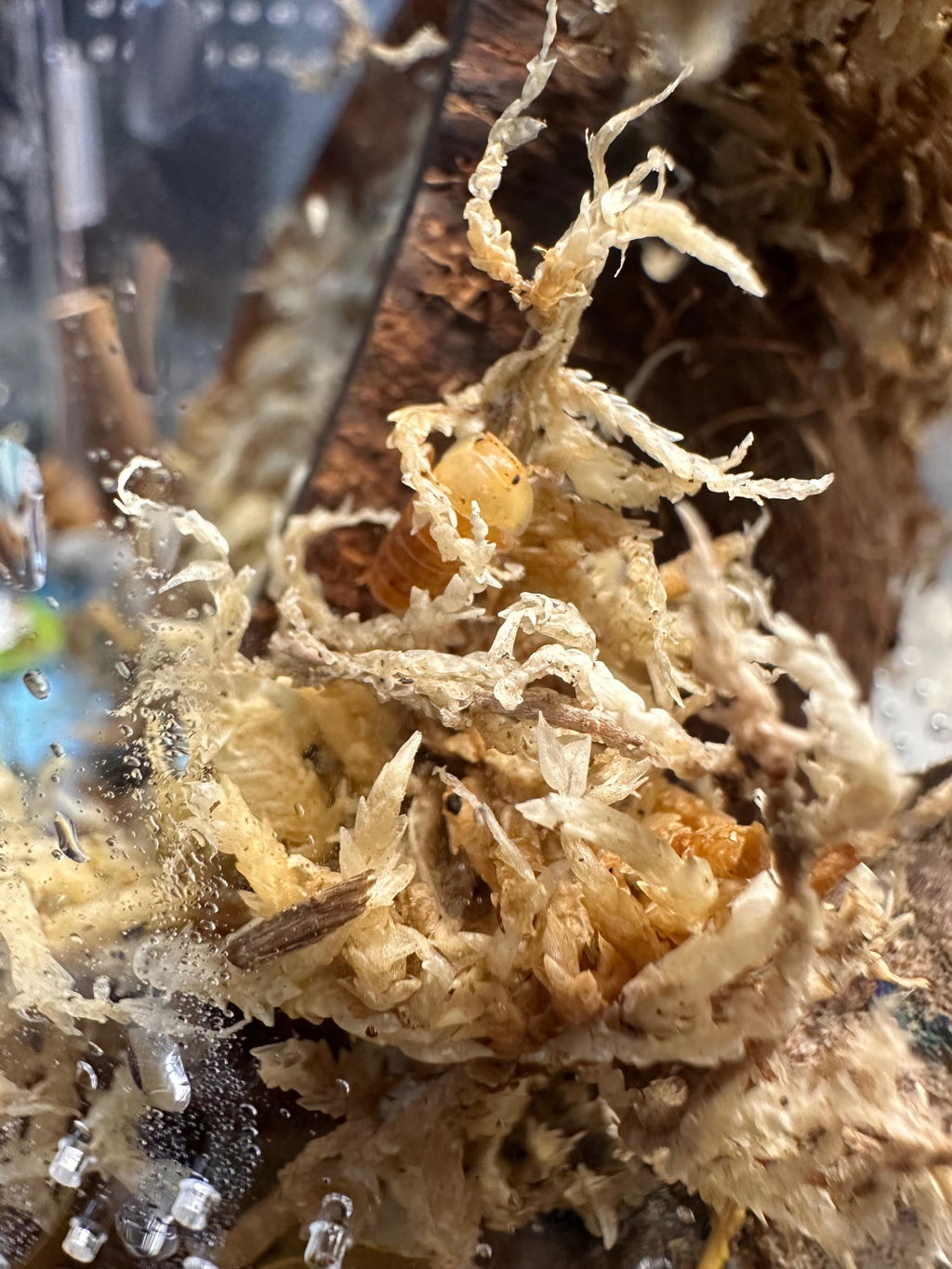
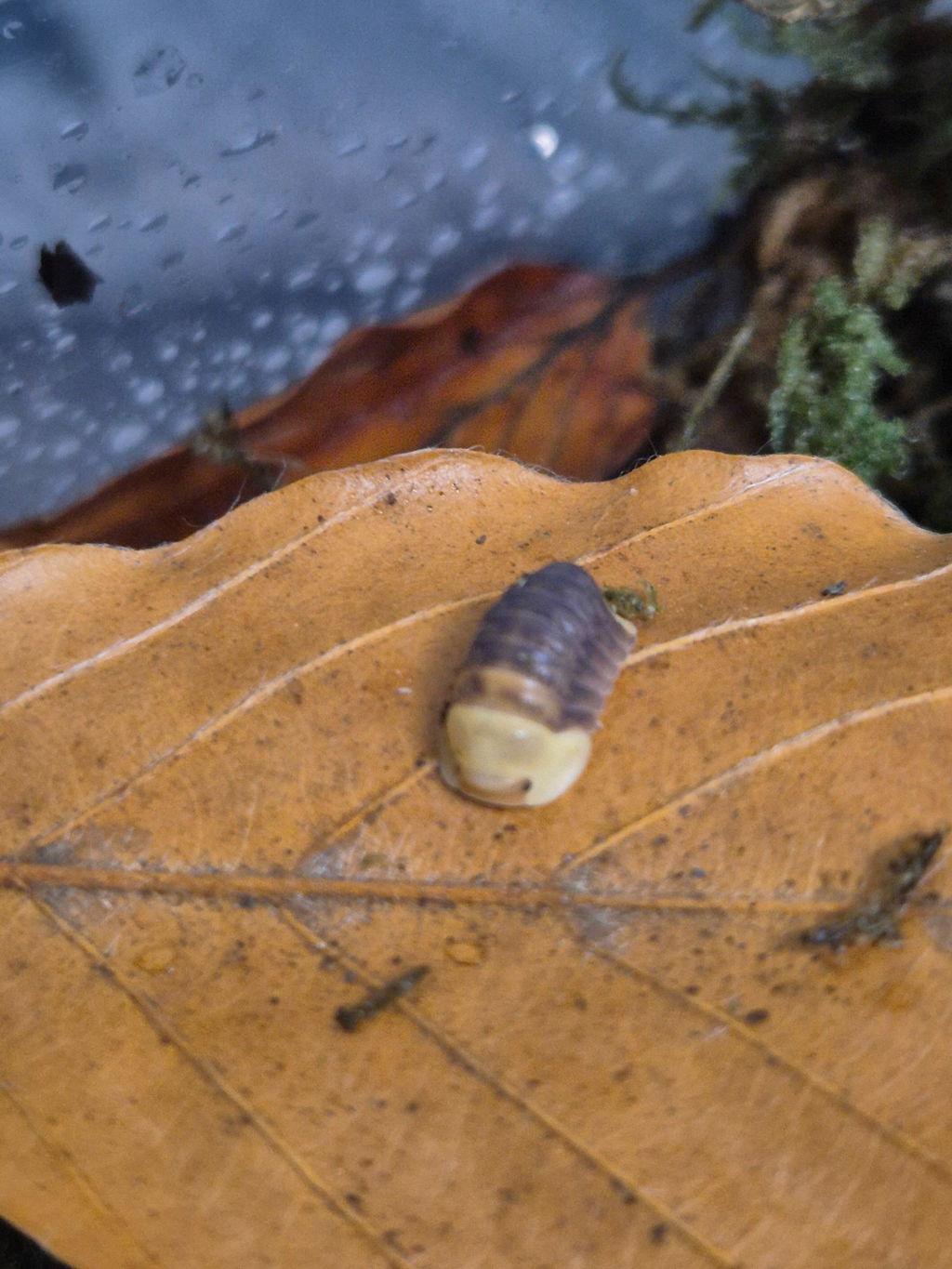
The Rubber Ducky is the isopod almost everyone wants first, and the one I would usually suggest you buy third. That is not me talking you out of it. It is the single most requested animal we stock and it deserves the attention it gets: a dark, rounded little Cubaris with pale markings on the head that, viewed straight on, read unmistakably as a duck's face. What it is not is a forgiving species, and the difference between a colony that thrives and one that quietly dwindles comes down to whether you had the setup right before they arrived.
The isopod that started it all
Sold as Cubaris sp. 'Rubber Ducky', and known simply as the Ducky, this animal has never been formally described, so there is no species name to give you; the trade name is all there is. It came into the hobby out of Thailand in the second half of the 2010s, and it changed what people thought isopods were for. Before it, isopods were mostly a clean-up crew you added to a vivarium and forgot about. After it, keepers were building displays around single species and the phrase "designer isopod" entered the language. Everything in our Cubaris collection exists in the shadow of this one animal.
Appearance
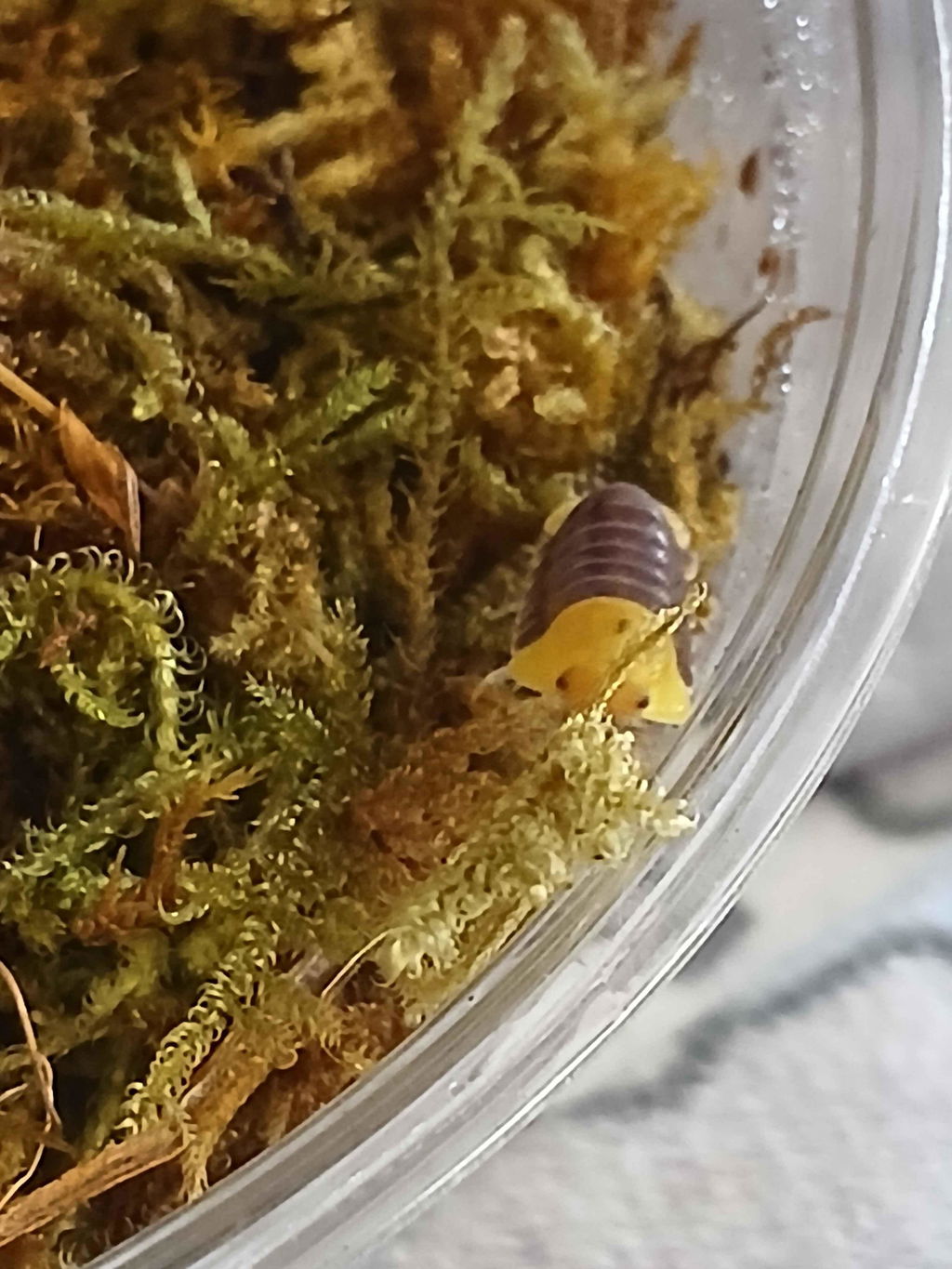
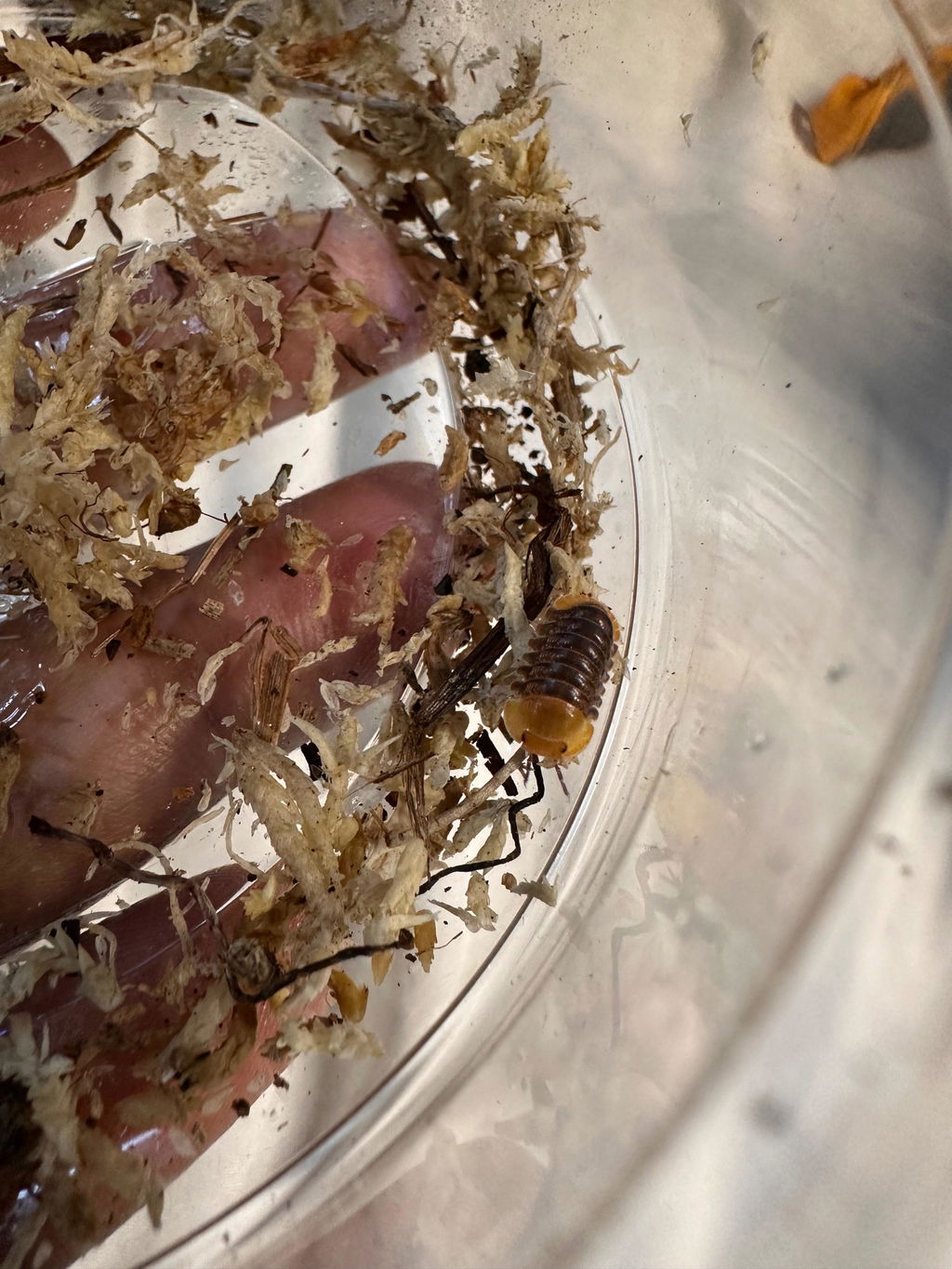
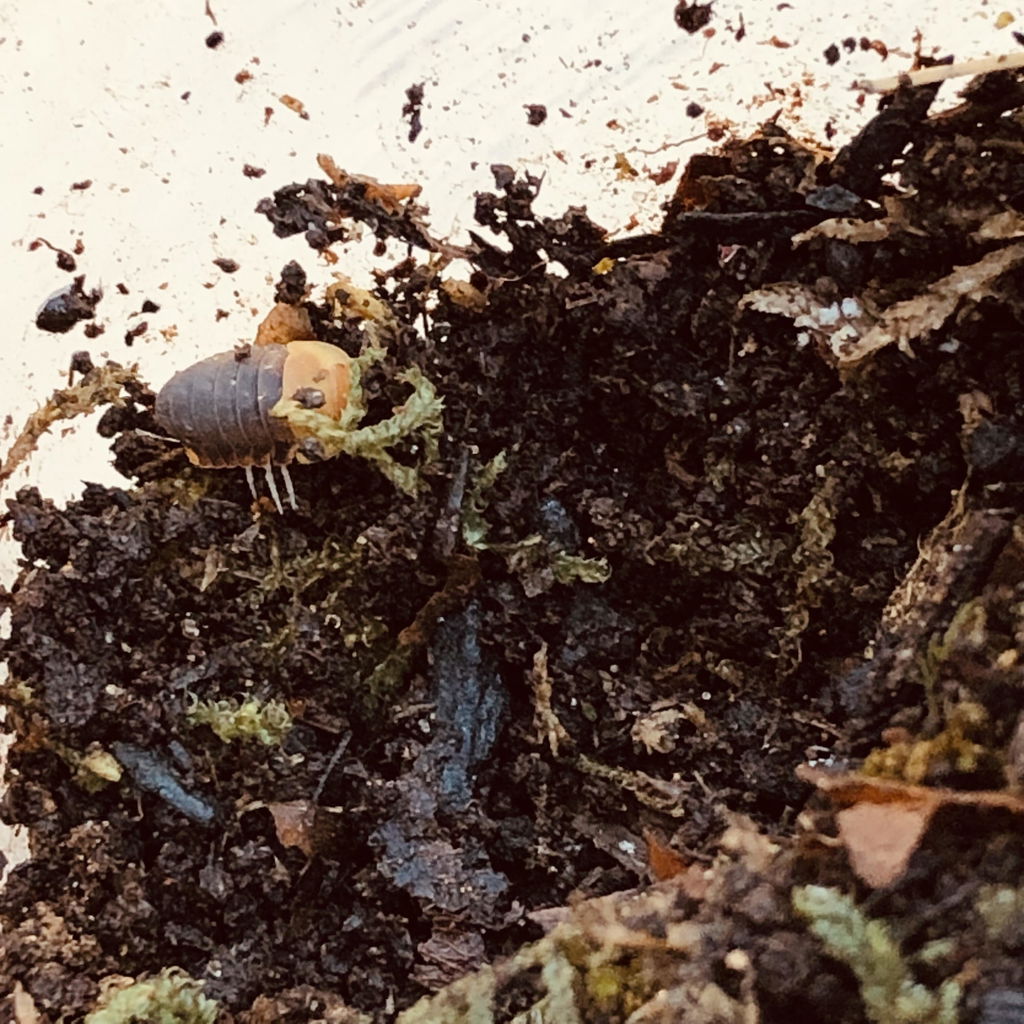
Adults are small, roughly 1.5 to 2cm, so this is a dwarf-type Cubaris rather than one of the chunky Mediterranean species. The body is dark and smoothly domed, and the head carries the pale cream-to-yellow patterning the animal is named for. The effect only really works from the front, which is part of the charm: from above they are a handsome dark isopod, and then one turns to face you and the duck appears. Like the rest of the genus they conglobate, rolling into a sealed ball when startled, and they are shy and mostly nocturnal, so a torch after dark shows you far more than daytime watching ever will.
Care and housing
Three things matter more than everything else combined: humidity, calcium and patience. Get those right and the rest is undemanding.
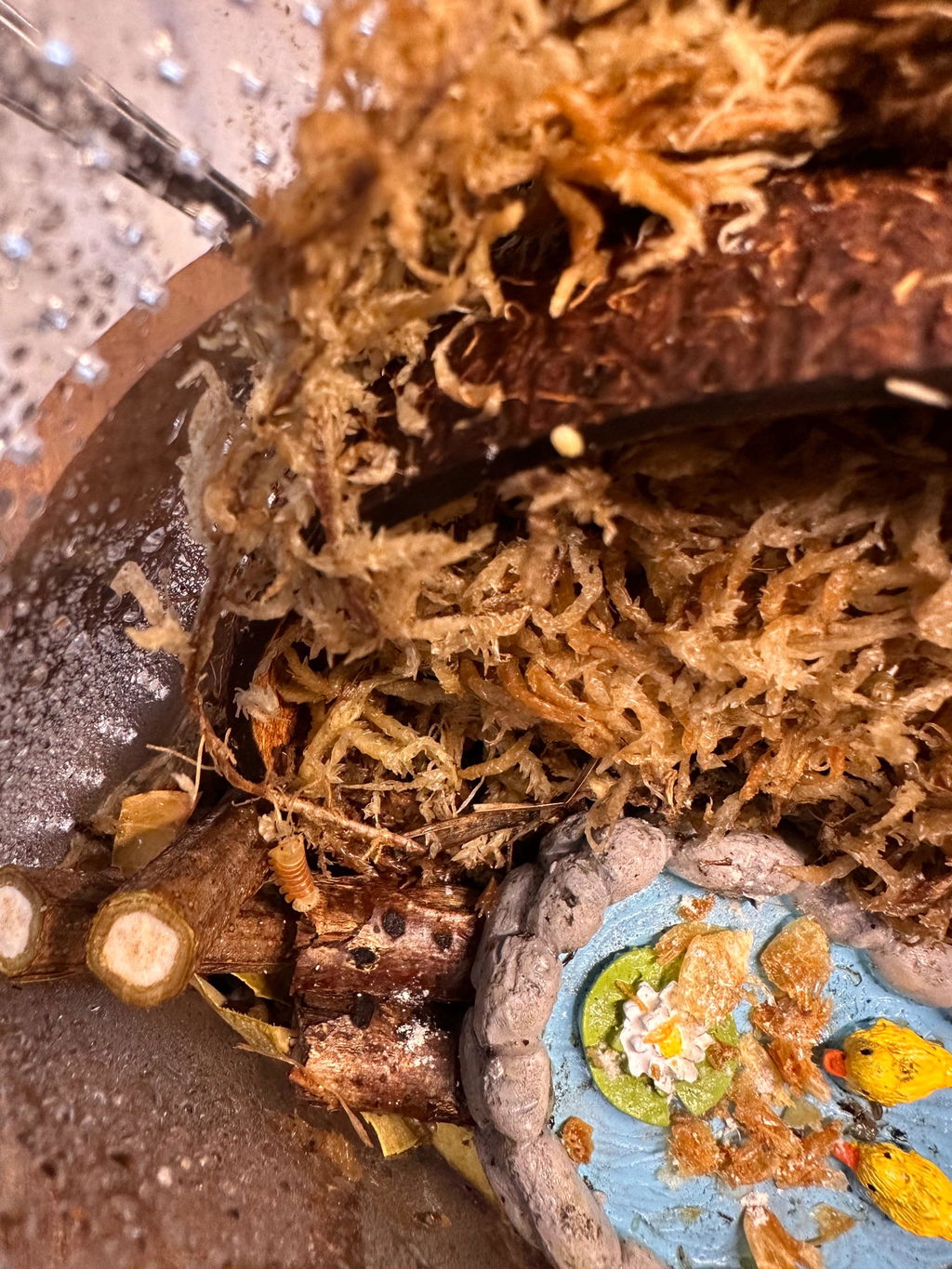
Keep them warm and stable, in the low to mid twenties Celsius. A British home sits below that through the colder months and at best near the bottom of it in summer, so a thermostatically controlled mat or cable on the side of the tub earns its keep through the colder months at least, because cool animals simply stop breeding. Humidity should run high, but high with a gradient rather than uniformly wet: keep one end damp with sphagnum and leaf litter, let the other end breathe, and give the enclosure steady, low-to-moderate cross-ventilation. Stagnant humid air is the thing that kills Cubaris colonies, not dryness.
Substrate needs depth, at least 5 to 8cm, so they can burrow and moult out of sight. I build on flake soil with white-rotted hardwood and untreated organic topsoil, then cover it generously with leaf litter. Coco coir is worth avoiding as the base here; it handles moisture nicely but offers nothing to an animal that eats the ground it lives in.
Calcium is not a supplement for this species so much as a requirement. The sellers place them in limestone caves in Thailand and no collecting locality has ever been published, so the cave is their account. The calcium stands on its own: woodlice build a calcium carbonate cuticle, and a 1999 review of woodlice as bioindicators found isopods are usually more abundant in calcareous soils than in acid ones. I keep pieces of Malawi light limestone in with mine permanently, which doubles as hide structure and as a mineral source they can graze whenever they need it.
Diet
Leaf litter and decaying hardwood form the base and should never be allowed to run out. Beyond that they take soft vegetables such as courgette, cucumber and squash, and they benefit from regular protein, which matters more for Cubaris than for the hardier garden species. A little dried fish food, shrimp or daphnia once or twice a week keeps moult cycles clean and broods coming. Lift out uneaten fresh food within a day, because at these humidity levels mould moves fast.
Breeding, and why patience is the whole game
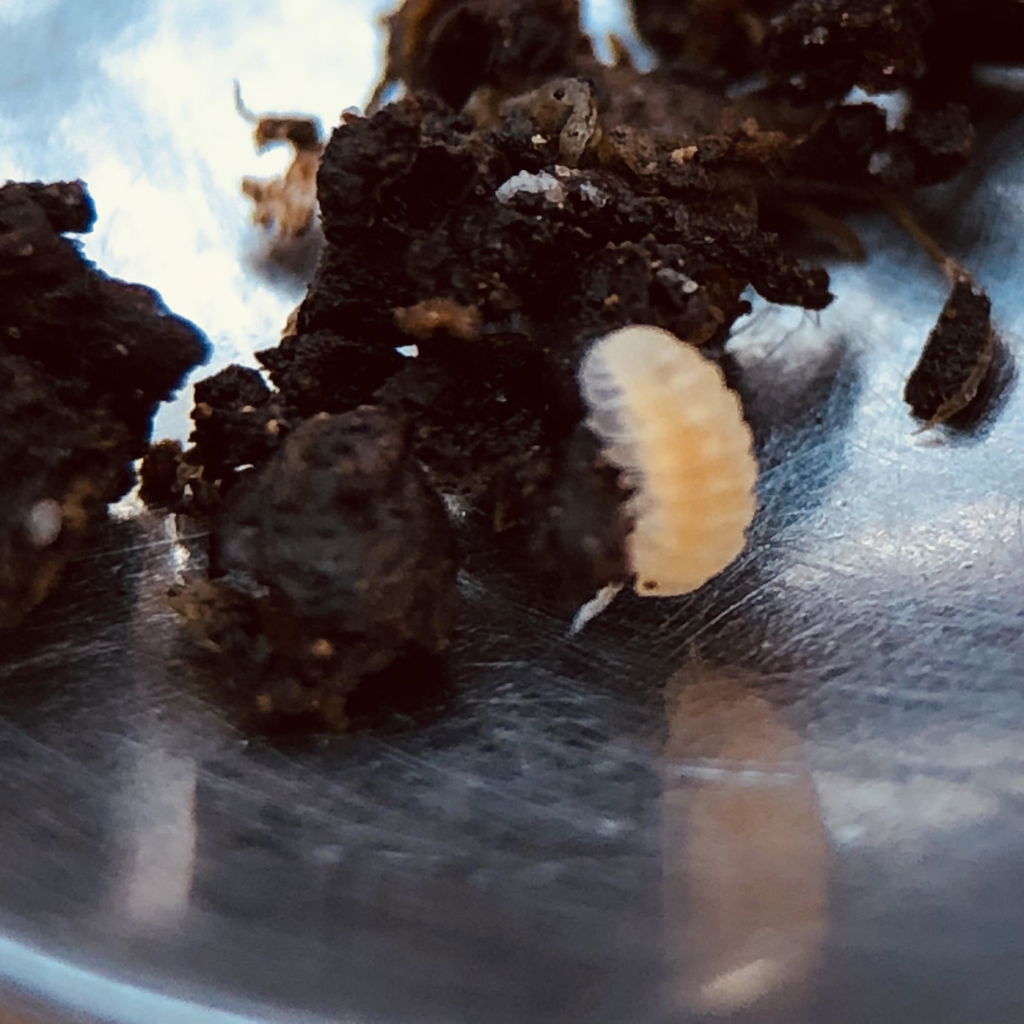
Rubber Duckies breed slowly. That is the unvarnished headline, and it is the reason they have stayed expensive years after they stopped being new. Broods are small, females are unhurried about producing them, and a starter group can sit apparently doing nothing for months before you see your first mancae. The mistake I see most often is a keeper deciding something is wrong and intervening, when the colony was doing exactly what it is supposed to do.
Leave them alone. Keep the conditions steady, resist digging around to check, and let the tub settle. A colony that has been undisturbed for six months looks completely different from one that has been inspected weekly. Our guide to breeding Rubber Duckys and Panda Kings goes through the detail of getting a slow Cubaris colony productive.
Who is this isopod for?
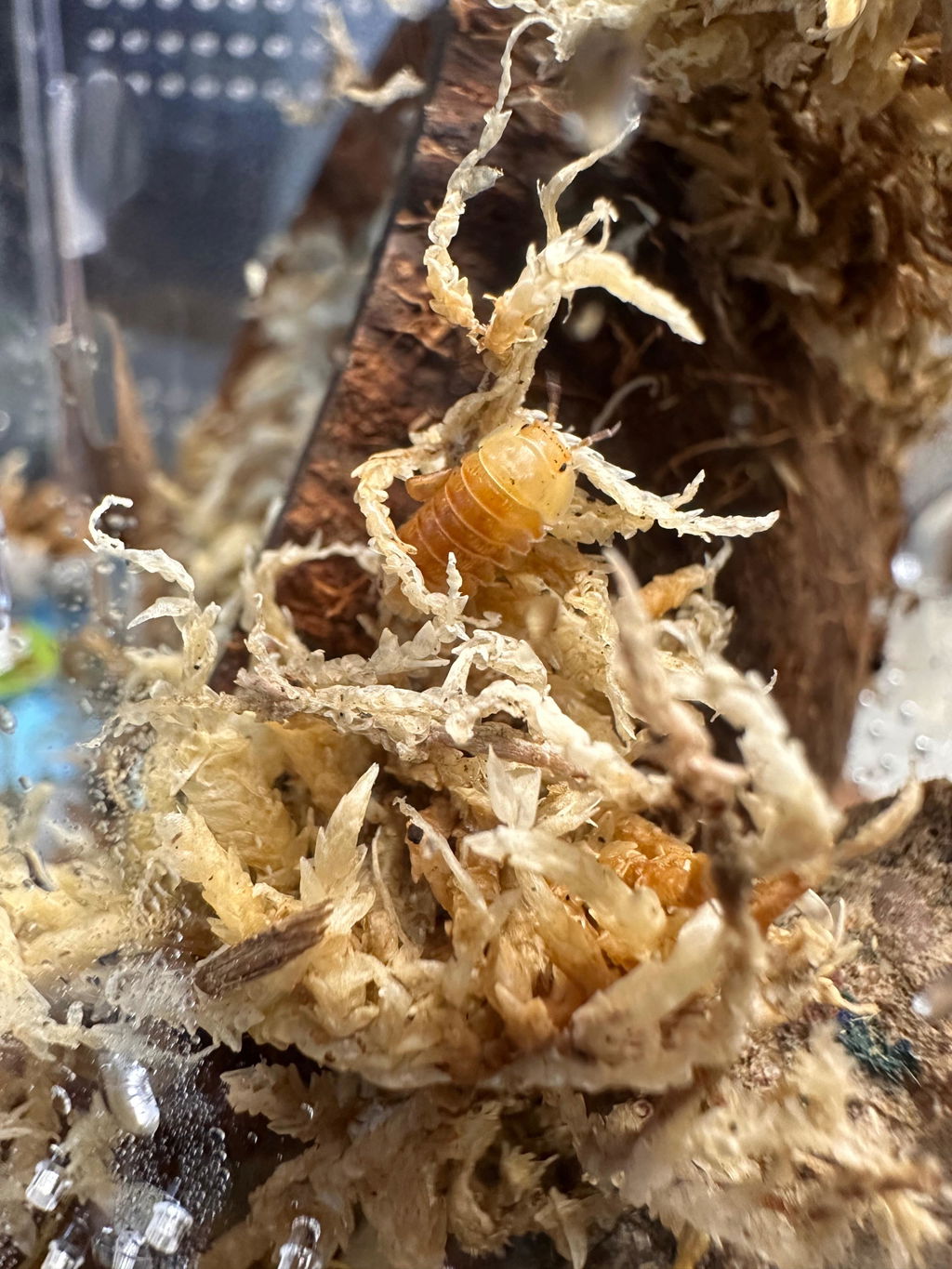
If you have kept isopods for a season or two, have a stable warm spot for a tub, and are content to buy an animal you will not see much of at first, this is a superb species and worth every bit of its reputation. If it would be your first isopod, I would point you at the Panda King or the Penguin instead. The Amber Ducky, sold as a separate duck-faced Cubaris rather than a colour form of this one, makes a good next step: it is bolder, and most sellers find it a steadier breeder and more forgiving, though nobody has measured either.
For keepers who already have this species settled, the Helios Rubber Ducky offers the same shape and face pattern in a brighter golden tone, and the Panda King is an easier Cubaris that breeds readily, if you want a second colony that builds quickly.
Every Rubber Ducky we send is captive-bred, and every order goes out with 20% over the count you paid for. They travel in a ventilated deli tub bedded with damp sphagnum inside a double-walled box, posted Monday to Thursday on Royal Mail's next-day service, and covered by our live arrival guarantee.