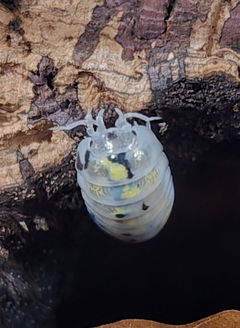
Armadillidium Gestroi - Yellow Spotted Isopods
Care Info:
 ORIGIN
 TEMP
TEMP
 HUMIDITY
 LENGTH
 DIFFICULTY
 RARITY
- Free shipping over £65
- Low stock - 1 item left
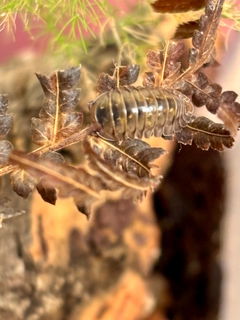
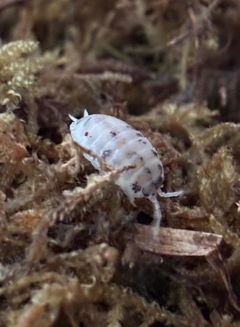
Acid yellow on deep purple-grey is not a colour combination that occurs often in nature, and it is not one you see anywhere else among woodlice. Scattered spots run across the back of a body dark enough to look almost aubergine in poor light, and the contrast is sharp enough that a gestroi colony reads clearly from across a room rather than needing you to crouch at the glass. Some animals come through neon, others closer to pumpkin orange, and the pattern sharpens as they mature.
Size helps. At around 20 mm they are among the largest Armadillidium in the hobby, noticeably bigger than the Zebras most people meet first, and the extra bulk turns a display tub into something that actually holds a visitor's attention.
Names and origins
Armadillidium gestroi is sold under a fistful of names: the Yellow Spotted Isopod, High Yellow Gestroi, High Yellow Spotted Giant, or just Gestroi. They are the same animal, and the "high yellow" tag refers to selection for stronger spotting rather than a separate species.
In the wild they live along the Mediterranean coast of southern France and northern Italy, on rocky cliffs and limestone outcrops. That habitat is the whole care sheet in one sentence: dry, bright, mineral-rich, and thoroughly ventilated. They are not forest-floor animals and they do not want to be kept like one.
Their colouration is generally read as an aposematic warning signal, in the same way the spotting on the Clown Isopod is, though as with the Clown this is a well-supported inference rather than a demonstrated fact. Both species come from the same corner of the Mediterranean and both went in a similar direction, which is at least suggestive.
The setup that actually works
The single most common reason a gestroi colony stalls is being kept too wet. They are a drier species and they need real airflow, so build the enclosure with generous ventilation and let most of the substrate run on the dry side, keeping one damp corner they can use when they choose. Mist that corner, not the whole tub.
Lay 5 to 7 cm of a nutritious base such as our invertebrate substrate, enough for burrowing when they moult, and cover it generously with dry hardwood leaf litter. Magnolia leaves are worth the extra over ordinary litter here because gestroi work through leaf matter steadily and magnolia lasts. Add cork bark, bark slabs or stacked slate, since animals from limestone outcrops instinctively want crevices to wedge into.
A heated UK room suits them year-round without additional equipment. Keep them off a windowsill and away from direct heat and they need very little intervention. Full details on building the substrate are in my isopod substrate guide.
Calcium is the other half
An animal that evolved on limestone and grew to 20 mm has a serious calcium requirement, and gestroi will use as much as you make available. Keep cuttlebone in permanently rather than adding it now and then. Shortage shows up first as poor moults and dull colour long before anything more obvious goes wrong.
The rest of the diet is leaf litter and decaying hardwood, with protein once a week or so and a little vegetable occasionally. Take out anything uneaten within a day; in a deliberately dry enclosure, wet food left sitting is the quickest way to create the damp patch you were trying to avoid.
Breeding
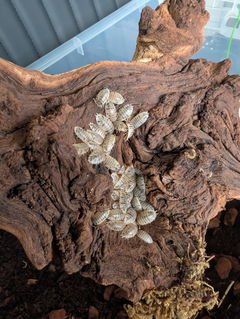
Steady rather than quick. Gestroi grow slowly and breed at a measured pace, producing modest broods rather than the population explosions you get from a vulgare morph, and a colony takes months to build rather than weeks. That is the honest trade-off for the size and the colour, and it is also why established colonies hold their value.
They are unusually confident animals and forage during the day as well as at night, so unlike many species you will get to watch them behave rather than inferring what they have been up to from the state of the leaf litter.
Who they suit
A strong choice for a keeper with a season or two behind them. They are hardy and forgiving of most things, but the drier, better-ventilated setup is a different discipline from the humid tub most people start with, and that is what catches people out rather than any fragility in the animal.
They sit naturally alongside other Mediterranean species: the Zebra wants the same treatment and makes a good contrast in a collection, being smaller and boldly striped where gestroi is large and spotted. The rest of the genus is in the Armadillidium collection, and the wider range in the isopods for sale section.
Arriving with you
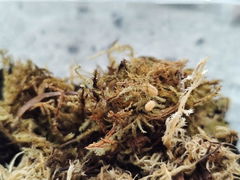
These are captive-bred here in the UK. Dispatch runs Monday to Thursday only, by Royal Mail next day by 1pm, so nothing sits in the network over a weekend. Animals travel in ventilated deli tubs on damp sphagnum moss inside a double-walled box, with a 20% overcount and our live arrival guarantee on every order. Have the enclosure set up and ventilating before they arrive, and give them a week to find their feet before expecting much surface activity.
Use collapsible tabs for more detailed information that will help customers make a purchasing decision.
Ex: Shipping and return policies, size guides, and other common questions.