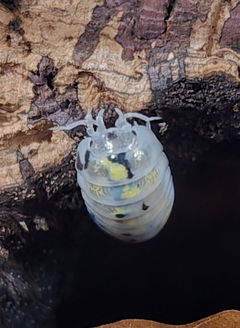
Armadillidium Granulatum Isopods
Care Info:
- Free shipping over £65
- Low stock - 1 item left
- Backordered, shipping soon
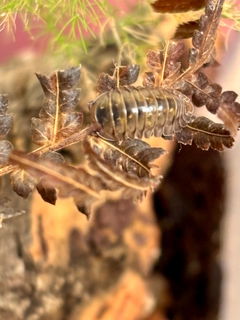
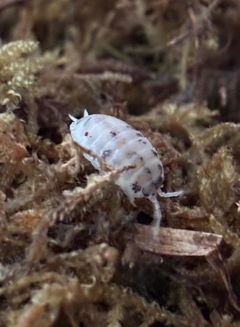
The Yellow Spanish Isopod (Armadillidium granulatum) is one of the most visually distinctive and beginner-friendly Armadillidium species in the UK hobby. The combination of dark grey to brownish-black body, bright yellow spotting, and a distinctively granulated (bumpy) exoskeleton creates an instantly recognisable isopod that stands out from any other species we stock. The yellow spotting varies considerably between individuals — some show pale, sparse spots while others display vivid, dense yellow patterning — which gives serious keepers something to selectively breed for if they want to push the morph in particular directions.
Native to the Costa Blanca region of Spain and the wider Iberian Peninsula, granulatum are arid-adapted Mediterranean isopods that handle UK room conditions effortlessly. They're widely considered one of the better Armadillidium species for keepers stepping up from absolute beginner species — striking enough to be genuinely rewarding, hardy enough that you won't need to worry about losing a colony to minor mistakes.
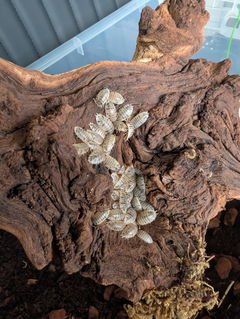
What makes granulatum particularly worth keeping is the combination: among the largest Armadillidium species (up to 25 mm), notably hardy, prolific once established, and visually distinctive enough to feel like a real upgrade from common beginner morphs. Available in starter colony groups. Captive-bred stock from established UK colonies.
Quick Care Summary
- Scientific Name: Armadillidium granulatum
- Common Names: Yellow Spanish Isopod, Granulated Isopod
- Family: Armadillidiidae
- Origin: Iberian Peninsula — particularly Costa Blanca, Spain; also widely distributed across the Mediterranean
- Adult Size: Up to 25 mm — one of the largest Armadillidium species
- Lifespan: 1–2 years typical
- Difficulty: Easy — beginner-friendly
- Temperature: 21–26°C (UK room temperature works year-round)
- Humidity: 50–70% — Mediterranean-adapted, drier than tropical species
- Ventilation: Medium — good airflow important
- Conglobation: Yes — rolls into a tight ball when disturbed
- Behaviour: Active day and night, social, often visible
- Breeding: Moderate to prolific once established
What Makes Yellow Spanish Isopods Special
Several factors have made granulatum one of the more popular Armadillidium species in the UK hobby:
The yellow spotting is genuinely striking. Where many isopods rely on subtle colouration, Yellow Spanish display bright yellow spots against a dark grey base — high-contrast patterning that's visible from across the room. The intensity varies between individuals, ranging from pale yellow speckling to bold, almost luminous yellow markings on premium specimens.
The granulated texture is a distinctive feature. The species name granulatum means "granulated" — referring to the small bumps that cover the carapace and give the body a distinctly textured appearance. Up close, the texture is clearly visible and gives them a more "ancient" or "armoured" look than smooth-shelled species. This isn't subtle marketing — it's a genuinely diagnostic feature that distinguishes them at a glance.
Among the largest Armadillidium species. At up to 25 mm, granulatum are noticeably larger than common Armadillidium like Zebra Isopods. The size makes them substantial display animals — observable from a distance rather than requiring close inspection. Their size also means each individual processes more waste material than smaller cleanup species.
Notably active for an Armadillidium. Granulatum are confident isopods that actively forage during the day as well as at night. They're not the kind of species that hides constantly — once established, you'll regularly see them out exploring the enclosure. This is a major advantage for display setups where you actually want to see your animals.
Multiple morphs available across the hobby. While this listing offers standard granulatum, the species has produced several attractive morphs through selective breeding — including "White Pearl" (pearl-white), "Lemon" (brown-grey base), and "Naranjito" (orange — a naturally-occurring variant from specific Spanish locales). Standard granulatum makes an excellent starting point if you want to build a granulatum-focused collection across multiple morphs.
Conglobation. Like all Armadillidium, they roll into a tight ball when disturbed — adding character to colony observation.
How Yellow Spanish Compare to Other Armadillidium
If you're choosing between Armadillidium species, here's how granulatum fit in:
- vs Zebra Isopods (A. maculatum): Zebras have crisp black-and-white striping at smaller sizes (~18 mm). Granulatum are larger (~25 mm) with yellow spots on dark bases. Zebras for clean monochrome patterning, granulatum for warmer colour interest and larger display animals.
- vs Gestroi/Yellow Spotted Isopods (A. gestroi): Gestroi share the dark-body-yellow-spots pattern but with bolder red skirting around segments. Granulatum lack the red and have more subtle yellow spotting. Both are larger Mediterranean Armadillidium with similar care.
- vs Magic Potion (A. vulgare): Magic Potions are selectively bred for speckled multi-coloured patterning. Granulatum are naturally yellow-spotted without selective breeding. Magic Potions for designer-tier complexity, granulatum for naturalistic Mediterranean character.
Browse the full Armadillidium collection to compare all species and morphs.
Setting Up the Enclosure
Given granulatum's larger size, start with a slightly bigger enclosure than you'd use for smaller Armadillidium. A shoebox-sized container or 15–20 litre tub suits a starter colony of 10. For breeding colonies, scale up to provide more horizontal floor area.
Drill multiple small ventilation holes on opposite sides of the container for cross-ventilation. Granulatum are Mediterranean-adapted and tolerate slightly drier conditions than tropical species, so you can use moderate ventilation without causing problems. Cover holes with fine mesh to prevent escapes.
Browse our accessories collection for appropriate enclosures, vents, and other essentials.
The Moisture Gradient
Like all Armadillidium, granulatum need a moisture gradient rather than uniform humidity:
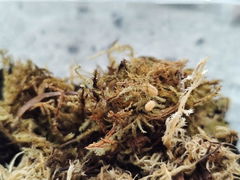
- One-third moist: Sphagnum moss patches and damp leaf litter. Mist this area regularly to maintain moisture.
- Middle zone: Moderately damp substrate with leaf litter cover
- Two-thirds drier: Drier substrate where they can choose drier conditions if needed. Place protein foods on this side.
The gradient lets the colony self-regulate. They'll move to the damp side for moulting and rehydration, then back to drier zones for foraging. Granulatum tolerate drier conditions better than many isopods, but they still need access to a moist zone.
Substrate
Use organic topsoil (pesticide-free) as a base, with at least 5 cm depth. Mix in flake soil for added nutrition. The substrate doesn't need to be deep — granulatum aren't heavy burrowers — but enough depth gives them options for moulting and security.
Top with generous leaf litter — magnolia leaves for long-lasting cover and bamboo leaf litter for structure. Add cork bark hides spread throughout the enclosure. Granulatum use multiple hides actively.
Calcium throughout substrate. Mix crushed limestone or eggshells throughout the substrate. Granulatum benefit from constant calcium availability for healthy moulting at their larger size. Don't just place calcium on top — distribute it through the substrate where they'll encounter it naturally.
Temperature
21–26°C is the comfort range. UK room temperature works year-round in most homes — no supplementary heating typically needed. Their Mediterranean origin means they handle the climate well, including the occasional cooler periods. They can even go semi-dormant if kept cold during winter, recovering when temperatures rise — though stable conditions are preferable.
Avoid temperatures consistently above 28°C or below 18°C for extended periods. Brief variation is fine; sustained extremes cause stress.
Diet
Granulatum are detritivores with broad appetites and a preference for protein-rich foods:
- Primary diet (always available): Hardwood leaf litter (oak, magnolia, beech), decaying white-rotted wood, lichens, dried plant matter
- Vegetables (1–2x weekly): Cucumber, courgette, sweet potato, carrot, butternut squash, pumpkin, mushrooms. Replace within 24–48 hours.
- Fruit (occasionally): Apple, banana, melon
- Protein (essential — 1–2x weekly): Granulatum have notable protein appetites. Options include dried daphnia, silkworm pupae, fish flakes, freeze-dried peas, dried shrimp. Browse our accessories collection for the full range of protein supplements.
- Calcium (essential — non-negotiable for moulting): Cuttlebone, limestone, crushed eggshells. Their larger size and granulated exoskeleton both demand consistent calcium supplementation.
Plant-eating warning: Like most Armadillidium, granulatum may snack on soft live plants and moss in bioactive vivariums. Hardy plants and tough mosses fare better than ferns and softer species.
Breeding
Granulatum are moderate to prolific breeders once established. Sub-adults often begin breeding before reaching full adult size — particularly common with Armadillidium species. Females carry developing eggs in a brood pouch (marsupium) on the underside of their body and emerge with live mancae after the eggs hatch.
Breeding observations:
- Slightly elevated temperatures (22–25°C) accelerate breeding rates
- Larger starter colonies (15+ individuals) breed more reliably than tiny starter groups
- Established colonies become noticeably prolific once population density passes a threshold
- Yellow spotting variation in offspring is normal — pattern intensity differs across individuals
- Selective breeding can push the morph toward brighter yellow expression over generations
A starter colony of 10–20 typically produces visible mancae within 2–3 months under good conditions. Population growth is steady rather than explosive, but sustainable over the long term.
Pair With Springtails
Add a thriving springtail culture to any granulatum setup. Springtails handle mould and microbial growth at a scale isopods can't manage, particularly important around protein foods. They coexist peacefully with granulatum and form an essential cleanup partnership.
Why Yellow Spanish Isopods Make a Good Step-Up Choice
For keepers ready to move beyond absolute beginner species into something more visually rewarding, granulatum offer one of the best stepping-stone options:
Genuine visual impact. The yellow-spotted, granulated appearance is distinctive enough to feel like a real upgrade from plain beginner morphs without committing to demanding designer species.
Size you can appreciate. At up to 25 mm, granulatum are large enough to genuinely observe and appreciate from across a room. You're getting display-worthy animals, not just functional cleanup crew.
Mediterranean-hardy. Despite their visual appeal, granulatum are forgiving of minor husbandry mistakes. Their arid-adapted genetics make them tolerant of the conditions most UK homes naturally provide.
Educational about Mediterranean isopod ecology. Keeping granulatum introduces concepts like moisture gradients, calcium-rich substrates, and Mediterranean adaptation — practical foundations for keeping more demanding species like Klugii varieties later.
Multiple morphs to collect. If you enjoy granulatum, the species has produced several attractive morphs (White Pearl, Lemon, Naranjito) that you might explore over time, all with identical care requirements.
Active and visible. Unlike shy nocturnal species, granulatum are confident enough to be regularly visible during the day. You'll actually see them rather than wondering if they're still alive.
Realistic Expectations
Newly arrived granulatum may show less intense yellow patterning than mature adults. Spot intensity develops with age and good nutrition. Given 2–3 months of stable conditions, juveniles develop into the bold yellow-spotted adults you see in marketing photos.
Pattern variation across the colony is normal. Some individuals will have bright, dense yellow spotting; others will be more subtly marked. This isn't a defect — it's the natural variation that gives granulatum their visual character. If you want to push the morph toward brighter expression, selectively breeding the most vivid individuals over generations is a genuine breeding project worth pursuing.
Don't expect rapid colony explosions like Porcellio scaber. Granulatum breed steadily but moderately — population growth is reliable but not dramatic.
Building Your Setup
A complete granulatum setup needs basic substrate components, calcium-rich materials, leaf litter, and protein supplements. Browse our accessories collection for everything you need — enclosures, ventilation, leaf litter, calcium (cuttlebone, limestone), and protein supplements (daphnia, silkworm pupae, fish flakes, freeze-dried peas).
For more on Armadillidium species and morphs, browse the full Armadillidium collection. New keepers should also see our setting up guide for full enclosure walkthroughs covering substrate layering, ventilation, and the moisture gradient approach essential for Mediterranean Armadillidium success.
Use collapsible tabs for more detailed information that will help customers make a purchasing decision.
Ex: Shipping and return policies, size guides, and other common questions.