Zebra Isopods (Armadillidium Maculatum)
Care Info:
 ORIGIN
 TEMP
TEMP
 HUMIDITY
 LENGTH
 DIFFICULTY
 RARITY
- Free shipping over £65
- Low stock - 2 items left
For a great many keepers, the Zebra is the isopod that started it all. Bold black-and-white banding running the length of the body, a calm and watchable temperament, and care so forgiving that a first purchase quietly turns into a lasting hobby - it is little wonder Armadillidium maculatum is one of the most popular isopods in the world, and the species most people buy first.
Introduction
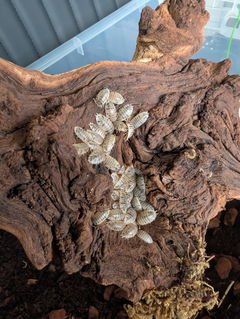
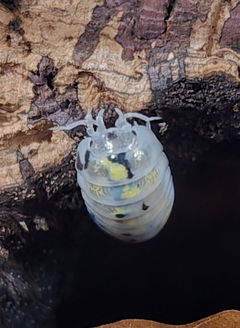
The Zebra is Armadillidium maculatum, a striped member of the same genus as the common pill bug, native to the temperate south of France. Its clean monochrome pattern made it stand out to hobbyists early on, and it has since become a cornerstone of the hobby: hardy, affordable and endlessly available. Selective breeding has drawn several handsome morphs from it, including the golden Yellow Zebra and the dark-based Chocolate Zebra, though the original stripes remain the classic.
Appearance
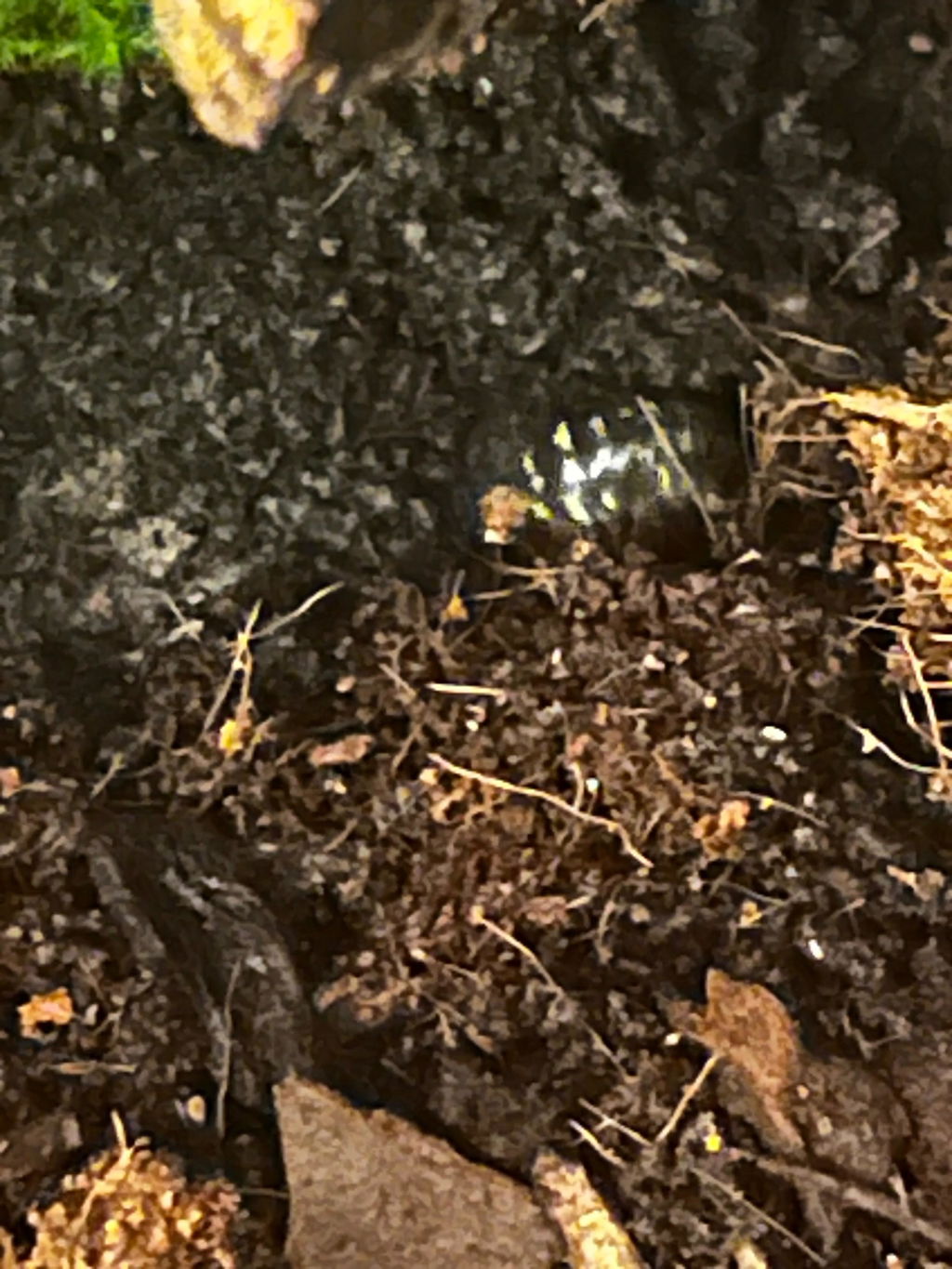
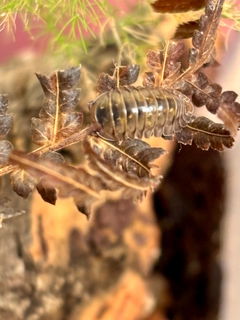
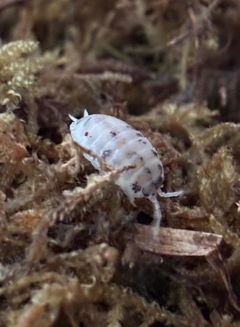
Adults reach around 14 to 18 mm, dressed in the crisp black-and-white striping that gives them their name and makes them a genuine display animal despite their modest size. They are true pill bugs: disturb one and it tucks itself into a tidy, armoured sphere, unrolling again once it feels safe. Slow and deliberate movers, they are easy and rather satisfying to watch going about their business.
Care
Here is the one thing to get right, because it catches people out: Zebras like it on the drier side. As a Mediterranean species they want good ventilation and a moderate, never soggy, enclosure - closer to what a Magic Potion enjoys than the humid, still air a cave Cubaris needs. Set up a gentle moisture gradient, one damper end with the rest kept drier and airy, and mist sparingly. Normal UK room temperature suits them across most of the year. Give them a deep substrate to burrow through, built on a nutritious base of flake soil, white-rotted hardwood and organic topsoil; skip coco coir, which is cheap and popular but inert, since a Zebra's substrate ought to feed it rather than merely hold water. Keep cuttlebone or crushed limestone on hand for healthy moulting. Our substrate guide and calcium guide lay it all out.
Diet
Zebras are detritivores that live on leaf litter and decaying wood, topped up as it breaks down, with the odd vegetable and a little protein such as fish flake or dried shrimp to round things out. One honest caveat for the planted-vivarium crowd: Zebras will nibble living moss and softer plants, so they suit a leaf-litter setup or a robustly planted one far better than a delicate, mossy showpiece. Our guide to what isopods eat covers the full diet.
Breeding
Few isopods are easier to breed. Give a healthy group a stable, well-fed enclosure and they simply get on with it, building a self-sustaining colony with no real intervention from you - a large part of why they make such a rewarding first species. Start with ten or more for a good mix of animals, and let the numbers climb.
Who is this for?
If you have never kept isopods, start here: the Zebra is forgiving, striking and inexpensive, and it teaches you the fundamentals with a wide margin for error. Experienced keepers value it too, as a reliable display colony and a hardy cleaner for drier bioactive setups. About the only place it disappoints is a moss-heavy planted tank it might graze. Browse the rest of the genus in our Armadillidium collection, and if this is your first colony our beginner's guide walks through the whole setup. Its stablemate the Dairy Cow is another bombproof starter worth a look.
Your Zebras arrive as captive-bred UK stock, packed with sphagnum moss in a ventilated deli tub inside a double-walled box and covered by our live arrival guarantee. We post Monday to Thursday only, so no animals are left sitting in the system over a weekend.