Marina Papaya Isopods (Cubaris murina)
Care Info:
 ORIGIN
 TEMP
TEMP
 HUMIDITY
 LENGTH
 DIFFICULTY
 RARITY
- Free shipping over £65
- Low stock - 2 items left
If the premium Cubaris have always tempted you but looked a shade too demanding, the Papaya is your way in. It carries the rounded charm of the genus in a soft, pinkish, faintly translucent body the colour of ripe papaya, but it is a world more forgiving than its premium cousins, and one of the easy Cubaris that a beginner can succeed with.
Introduction
The Papaya is a colour morph of Cubaris murina, a cosmopolitan tropical woodlouse that, unlike the specialists most people picture when they hear "Cubaris", is widely distributed and famously adaptable. You will see this morph traded under a couple of spellings, most often Marina Papaya or Murina Papaya, and sometimes simply as the Papaya or Pink Isopod; the species itself is Cubaris murina. It sits among a family of easy murina variants that also includes the near-white Murina Glacier, and sellers call it an albino form; nothing published tests that, so read it as hobby shorthand for the pale, washed-pink colouring.
Appearance
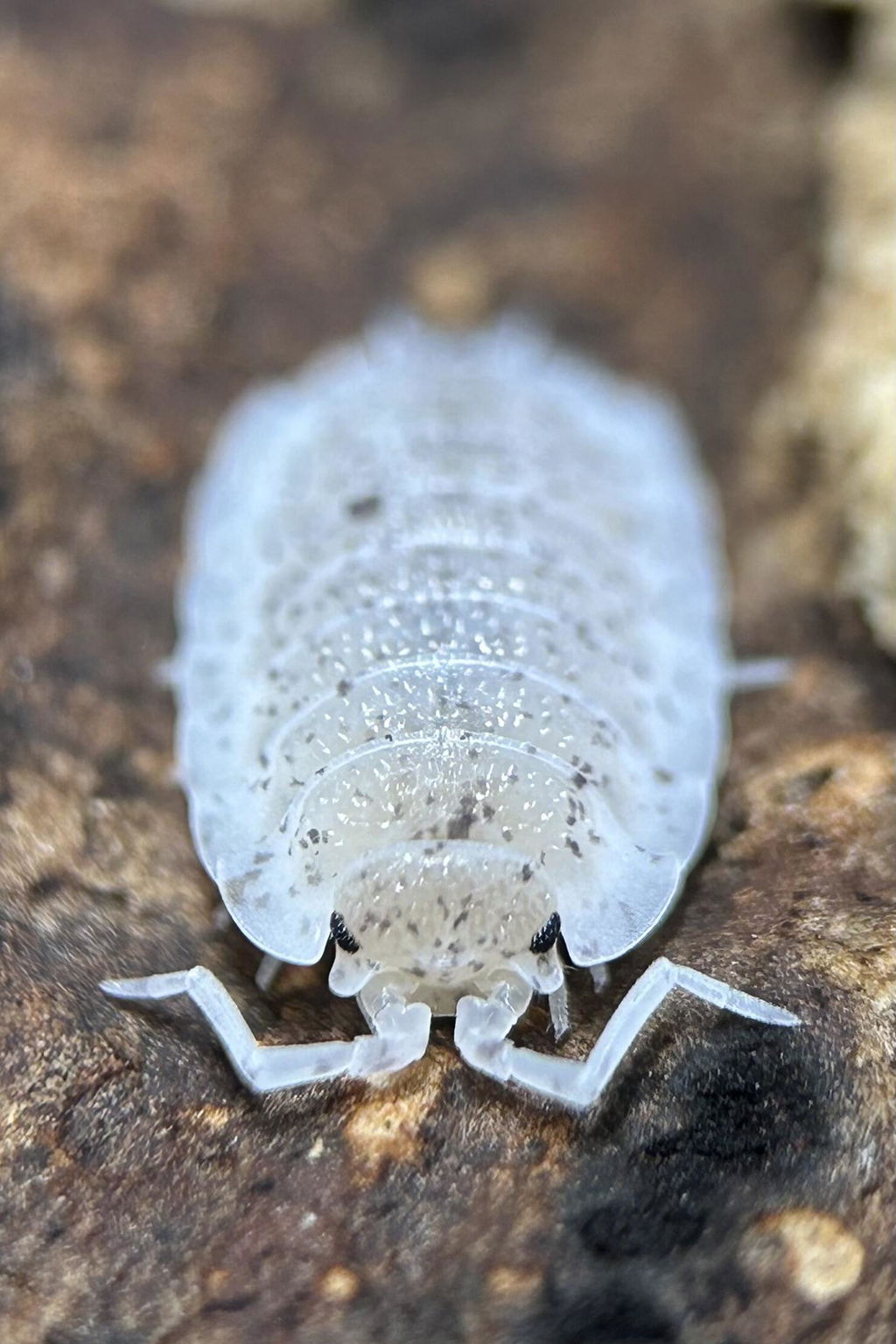
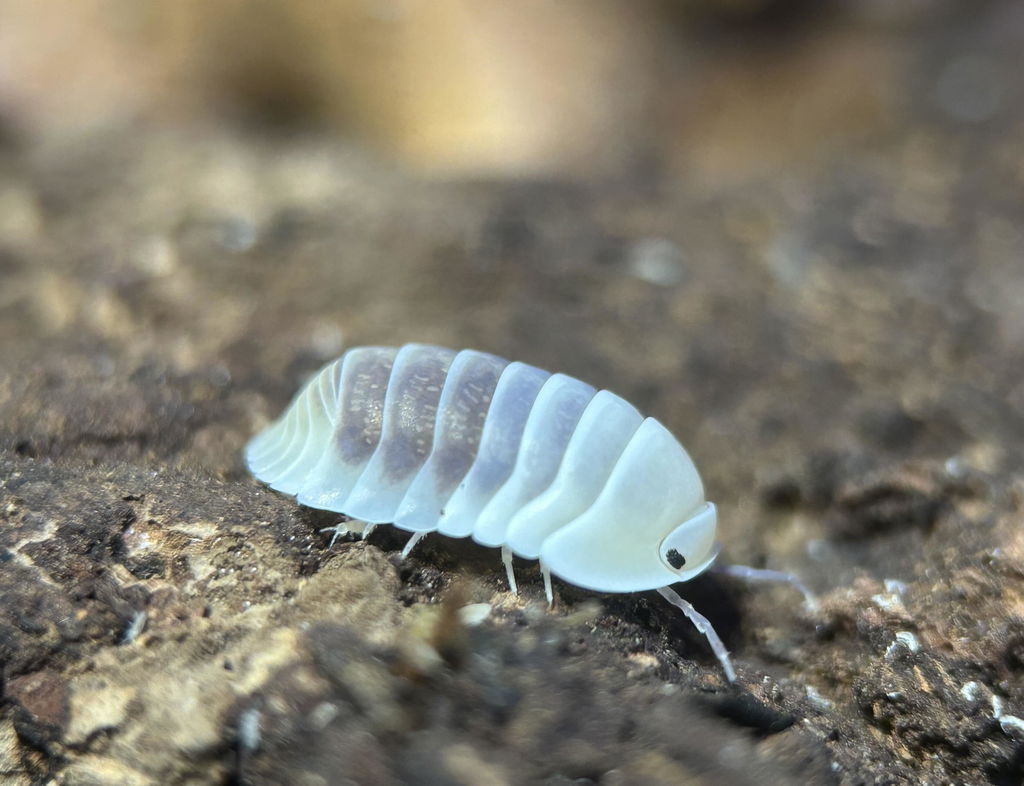
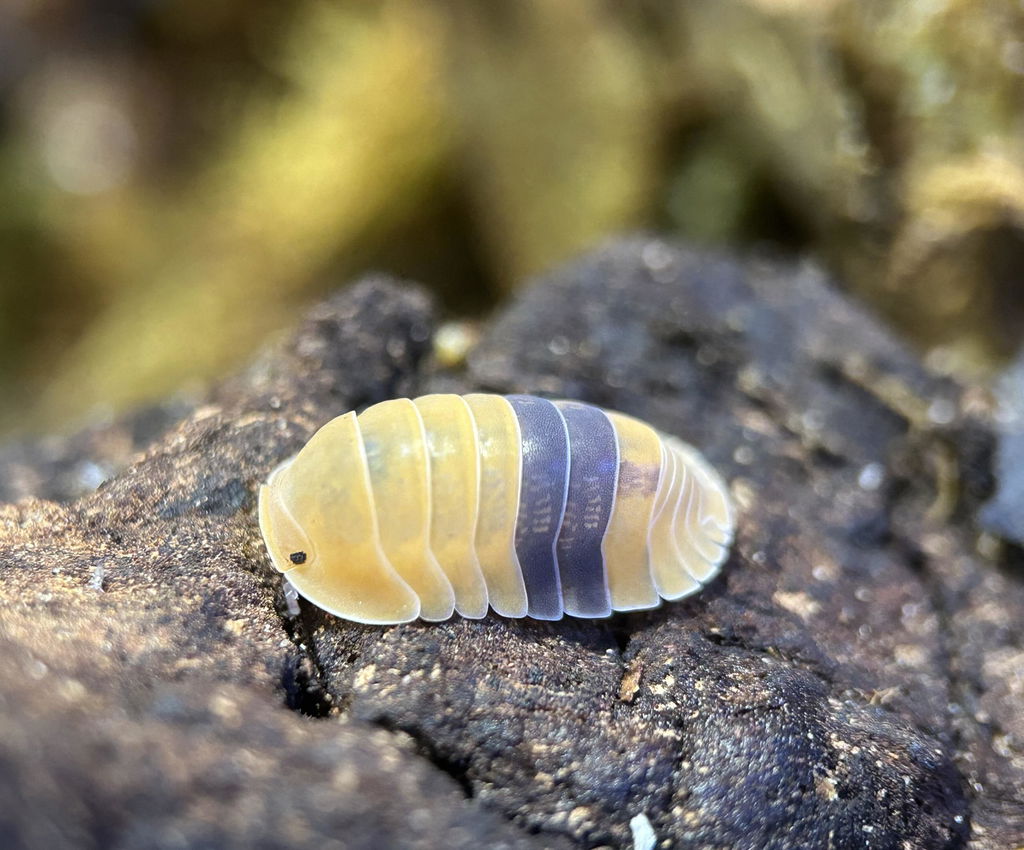
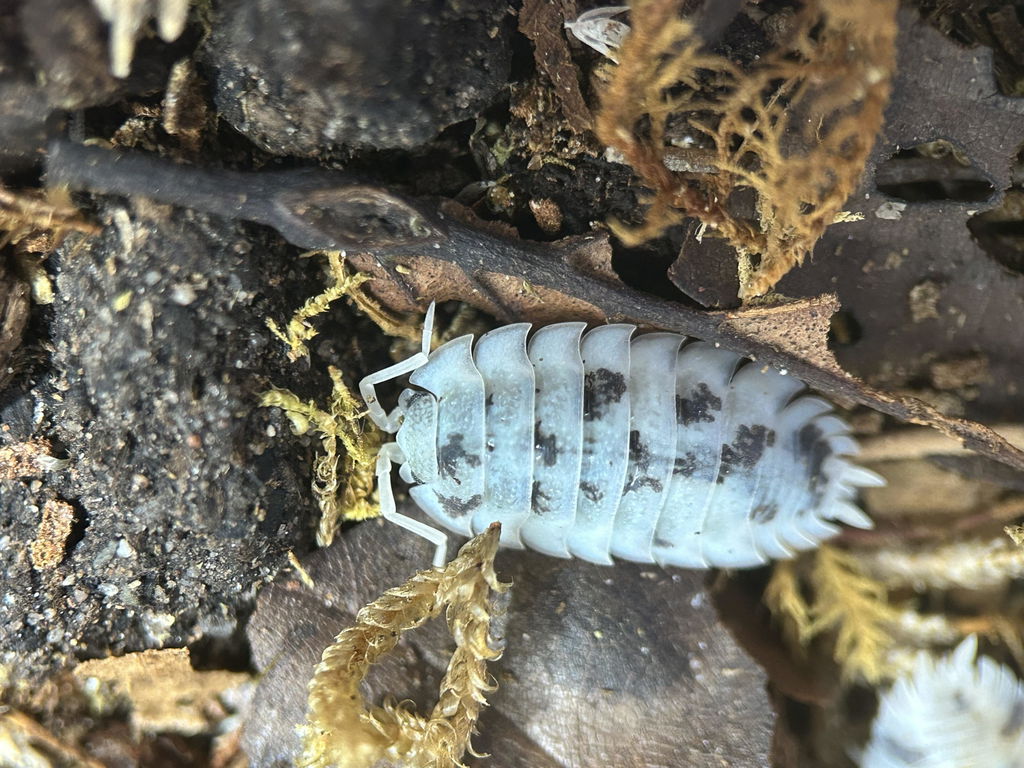
Papayas are small, around 1 cm, with the smooth, rounded body typical of Cubaris and a soft orange-pink to pale-pink colouring that carries a faintly translucent quality - understated and gentle rather than boldly patterned, and quietly lovely for it. They conglobate like all Cubaris, drawing into a defensive ball at a touch, and they are calm, social animals that forage together and gather in the more humid corners of the enclosure. Our guide to pink isopods compares the Papaya with the other four we sell.
Care
Here is the good news: Papayas are among the most forgiving "Cubaris" you can keep. As a cosmopolitan species rather than a fussy specialist, murina tolerates a far wider range of conditions and asks much less exacting husbandry. Aim for a warm enclosure at around 21-27°C, with humidity near the top of the 60-80% band at the damp end and a drier far end, so the colony can choose where to sit. Give it good ventilation so the air stays fresh, over a moist rather than waterlogged substrate. Build that substrate on a nutritious base of flake soil, white-rotted hardwood and organic topsoil instead of inert coco coir, deep enough to burrow into, with leaf litter and bark on top and a permanent calcium source such as cuttlebone. Our complete Cubaris care guide and types of Cubaris article set it in the wider context of the genus.
Diet
Papayas are detritivores that live on leaf litter and decaying wood as their staple, topped up as it breaks down, with small amounts of vegetable and the occasional protein such as fish flake. Remove uneaten fresh food before it moulds in the humid enclosure, and keep calcium available for healthy moulting, which our calcium guide covers. A springtail culture alongside them is a real help in any moist Cubaris setup.
Breeding
For a Cubaris, Papayas breed at a nicely dependable pace: not explosively, but steadily and readily once a colony is established, with decent broods. Give them stable warmth and humidity, keep food and calcium constant, and let a new group settle before expecting much, since a little early patience rewards you with a self-sustaining colony. That combination of easy care and reliable breeding is exactly why the murina morphs make such a popular first step into Cubaris.
Who is this for?
The Papaya is the ideal gateway Cubaris. It suits a keeper who loves the look of the genus but wants to build confidence before committing to the pricey, demanding premium species, and equally the collector who simply enjoys its gentle, unusual colour. It is forgiving enough for a careful beginner, though a complete newcomer might cut their teeth on a hardy Porcellio or Armadillidium first. Explore the wider genus in our Cubaris collection, from the easy murina morphs up to flagships like our best-selling Rubber Ducky, and if these are early days our beginner's guide covers the fundamentals.
For the species in full, our Cubaris murina care guide covers the Papaya alongside the family's other colour lines, one sheet for all five.
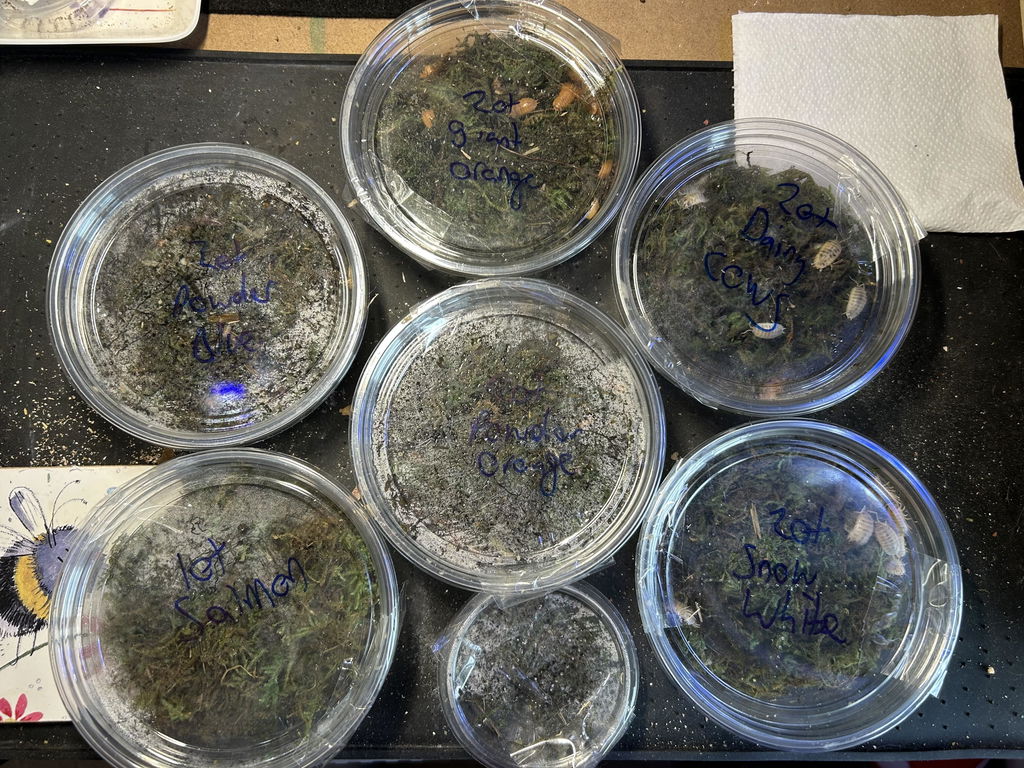
Every Papaya leaves us captive-bred and covered by our live arrival guarantee, packed into a ventilated deli tub with sphagnum moss and boxed in a double wall for the journey. Dispatch is Monday to Thursday, so no isopods sit in the postal network over the weekend.