Orange springtails for sale
orange springtails
springtails for sale
orange springtails
orange springtails
springtails for sale

Orange Springtails "Yuuklanura Aphoruroides"

Care Info:

Origin icon ORIGIN
EUROPE & ASIA
Temperature icon TEMP
21-27 ℃
Humidity icon HUMIDITY
70-85 %
Length icon LENGTH
4 mm
Difficulty icon DIFFICULTY
EASY
Rarity icon RARITY
COMMON
Regular price£10.00
/
Tax included. Shipping calculated at checkout.

Quantity
  • Free shipping over £65
  • In stock, ready to ship
  • Backordered, shipping soon

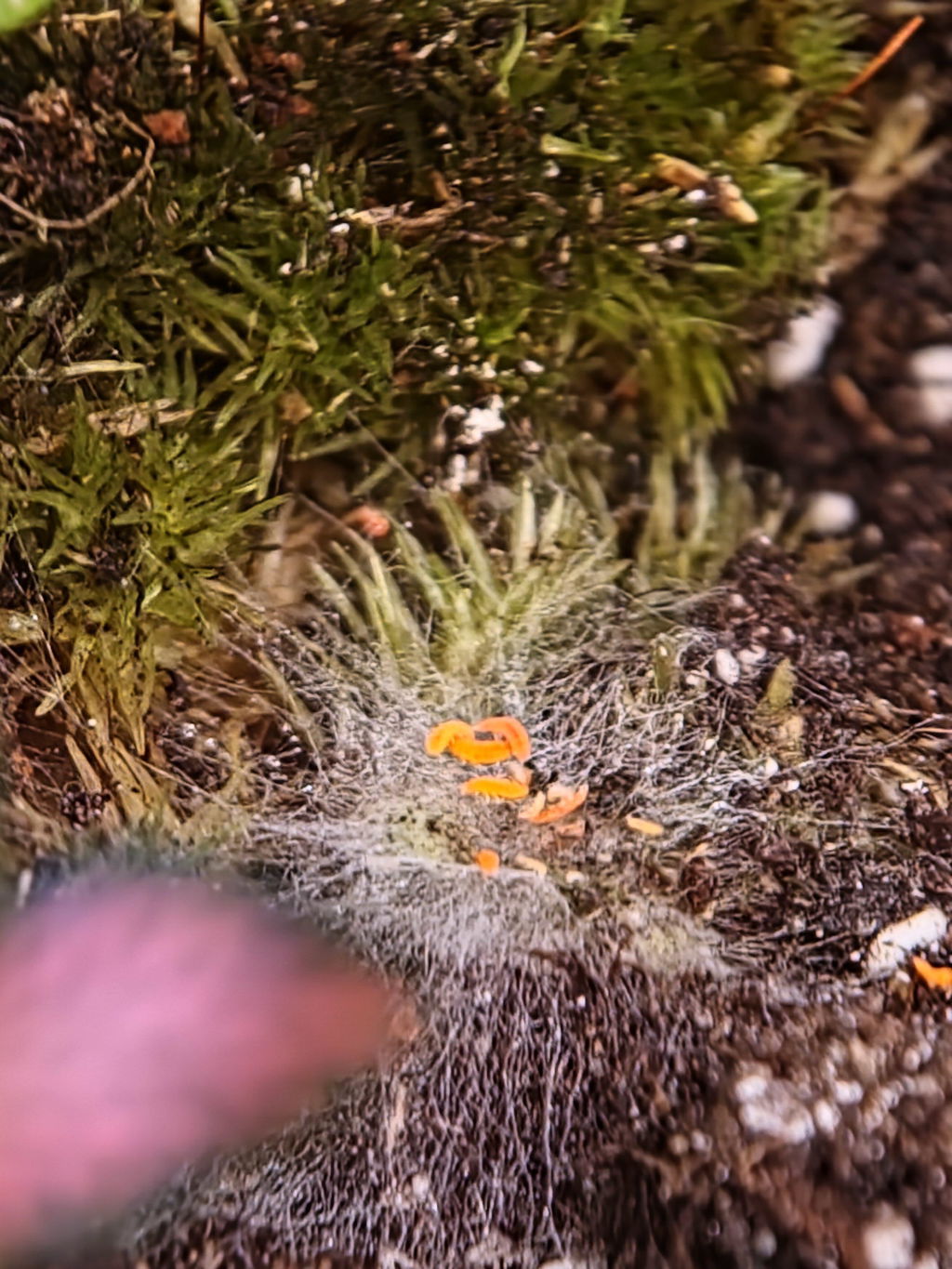
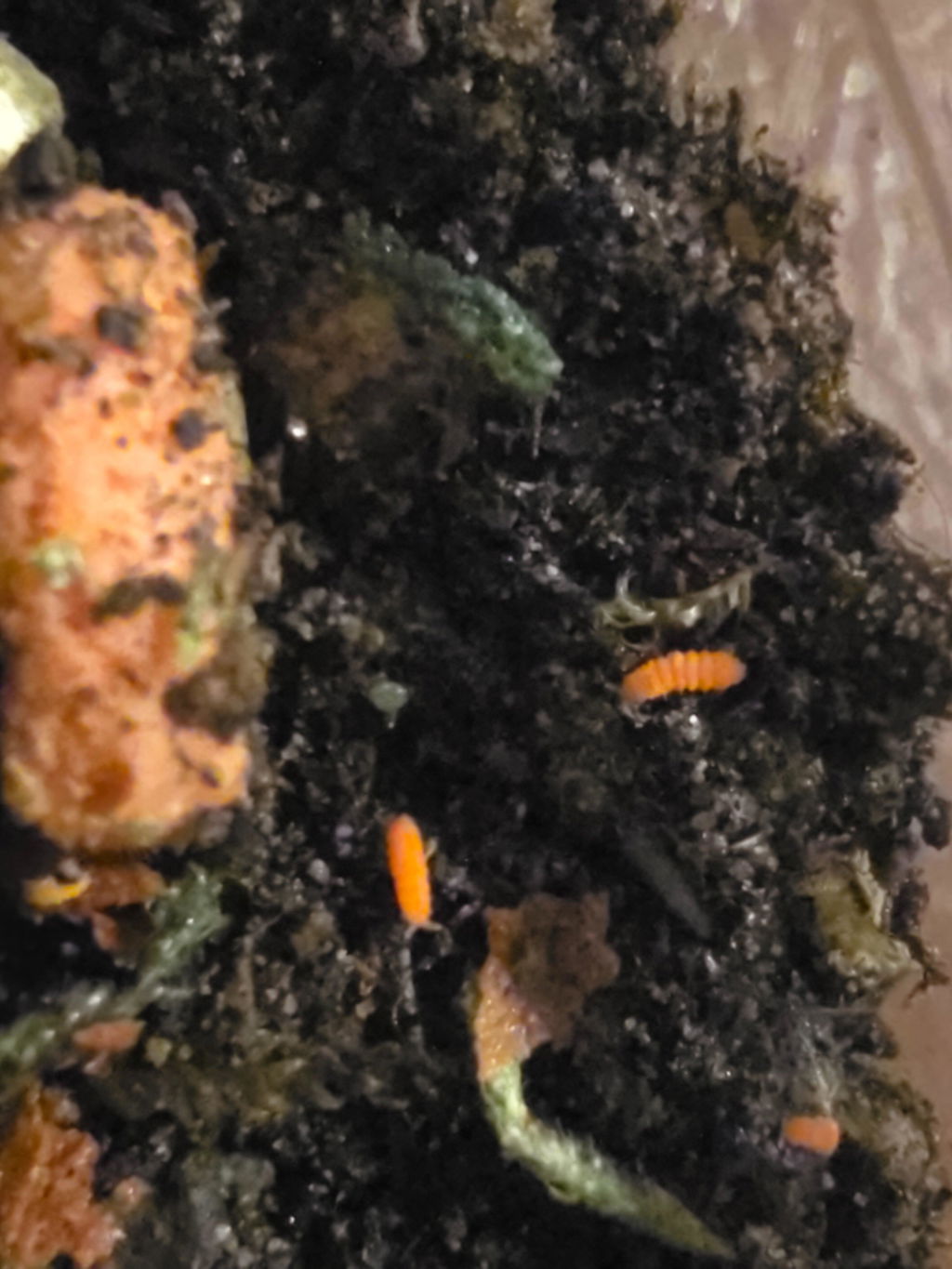
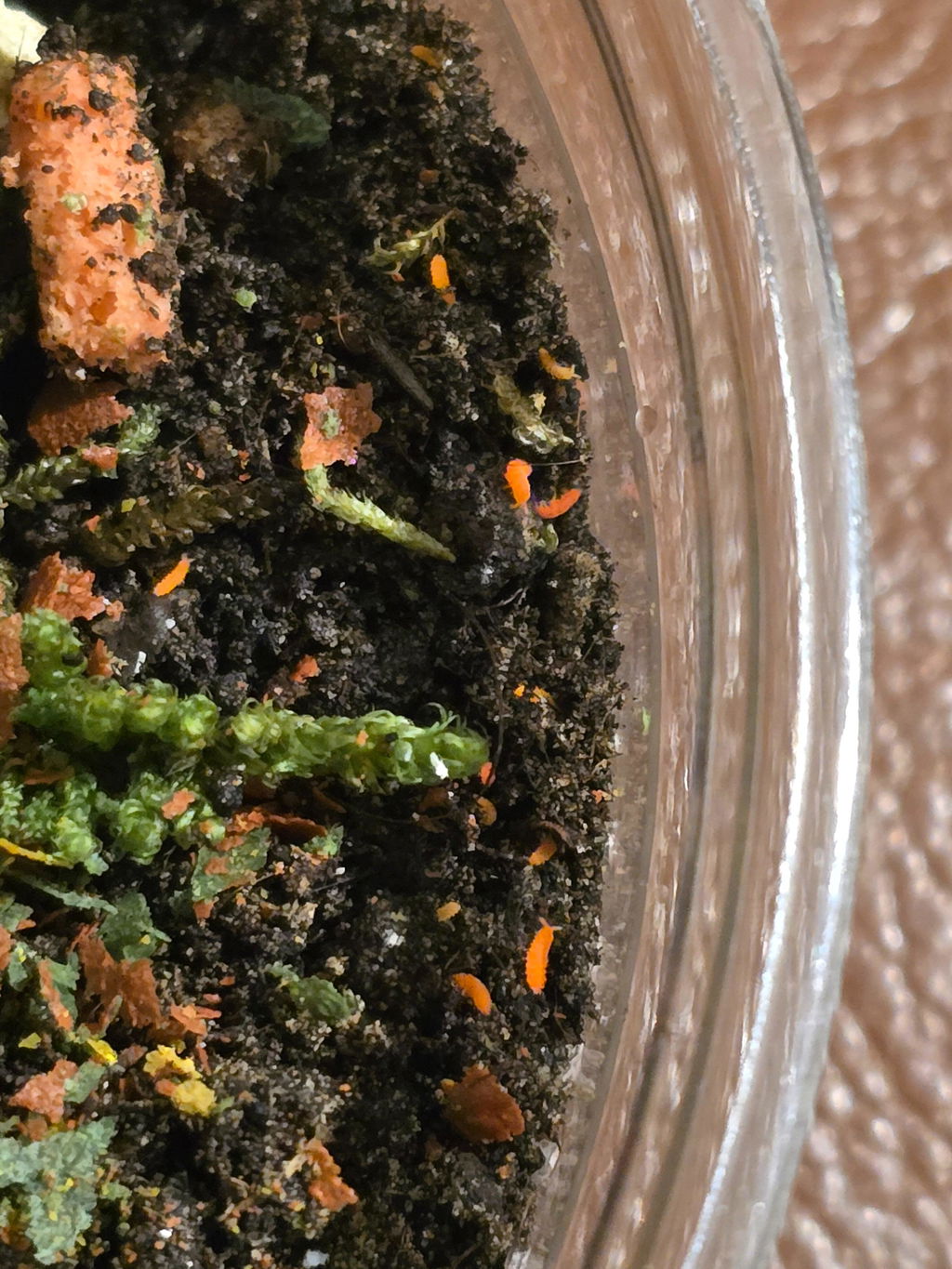
Orange Springtails are one of the most visually distinctive cleanup crew species available in the UK hobby — vibrant orange-coloured detritivores that add a genuine pop of colour to bioactive enclosures while performing the same essential mould-prevention and detritus-processing work as standard white springtails. Often nicknamed "Dirt Cheetos" or "Cheeto Springtails" for their bright orange colouration, they're easily spotted against dark substrate (unlike white springtails which can disappear into the background) and have become a favourite addition to display vivariums where the cleanup crew should be seen and appreciated rather than hidden.

Beyond the colour, they're notably larger and chunkier than standard white springtails (around 4 mm), and they don't jump — they lack the standard springtail "jumping fork" (furcula), making them much more predictable to handle and keep contained. They're also notably prolific breeders that can establish self-sustaining cultures quickly, providing constant cleanup capacity for terrariums and vivariums housing isopods, snails, dart frogs, mantises, and other invertebrates.

Available as starter cultures. Captive-bred stock from established UK colonies.

Important Note on Scientific Naming

Orange Springtails are commonly sold under several different scientific names — and the situation is genuinely confusing because of historical misidentification across the hobby. Here's what current research has confirmed:

  • Correct scientific name: Yuukianura aphoruroides
  • Historical (incorrect) names used in trade: Bilobella braunerae, Bilobella aurantiaca, Bilobella sp., Protanura sp., Protonura sp.
  • Common names: Orange Springtail, Asian Orange Springtail, Spanish Orange Springtail, Dirt Cheeto, Cheeto Springtail, Gummy Springtail

Microscopic analysis in collaboration with collembologists at collembola.org has confirmed Yuukianura aphoruroides as the definitive species ID for all the "orange springtails" historically sold under Bilobella or Protanura names. True Bilobella braunerae exists but is a different (larger, redder) species rarely available in commercial trade — when you see "Bilobella braunerae" listed at hobbyist retailers, it's almost certainly Y. aphoruroides under an outdated name.

For practical purposes: all the "orange springtail" stock circulating in UK and European hobby is the same species, regardless of which name a particular retailer uses.

Quick Care Summary

  • Scientific Name: Yuukianura aphoruroides (formerly sold as Bilobella braunerae)
  • Common Names: Orange Springtail, Asian Orange Springtail, Cheeto Springtail, Dirt Gummy
  • Family: Neanuridae
  • Origin: Originally Philippines/Southeast Asia; established in European and global hobby through earthworm cultures
  • Adult Size: Up to 4 mm — larger and chunkier than typical springtails
  • Lifespan: Several months per individual; colonies self-sustaining indefinitely
  • Difficulty: Very Easy — among the most beginner-friendly springtails
  • Temperature: 10–28°C (22–26°C optimal)
  • Humidity: Consistently damp substrate essential
  • Jumping: No — they lack a furcula (jumping fork), making them easier to manage
  • Activity: Mostly nocturnal but visible during the day
  • Breeding: Prolific and self-sustaining once established

What Makes Orange Springtails Special

Several factors have made Orange Springtails one of the most popular springtail varieties in the UK hobby:

The colour is the headline feature. Vibrant orange colouration that's instantly visible against dark substrate. Where standard white springtails can vanish into substrate and leaf litter, Orange Springtails remain visible — adding genuine display value to bioactive enclosures rather than functioning as invisible cleanup crew.

Larger, chunkier bodies than standard springtails. At 4 mm, they're noticeably bigger than typical hobby springtails. The larger size combined with the bright colour makes them genuinely observable — you can see individuals moving around the substrate rather than needing magnification to spot them.

They don't jump. This is a major practical advantage. Standard springtails have a "furcula" (jumping fork) that lets them leap when disturbed — making them difficult to contain, prone to escape, and harder to relocate to new enclosures. Orange Springtails lack this structure entirely. They walk and crawl rather than jump, making them much more predictable and easier to manage.

Notably prolific breeders. Once established, Orange Springtail cultures multiply quickly and can outcompete some other springtail species in established colonies. Self-sustaining populations require minimal intervention beyond consistent moisture and occasional feeding.

Effective bioactive cleanup. Despite their visual appeal, they're functional cleanup crew — readily consuming mould, fungus, decaying organic matter, bacteria, and waste. They're not just for show; they actively process the same waste that standard springtails handle.

Wide temperature tolerance. They tolerate 10–28°C, meaning UK room temperature works year-round without supplementary heating. They also don't require diapause (winter cooling), unlike some European native species.

Visible day and night. Where many cleanup crew species hide constantly, Orange Springtails are reasonably bold and often visible during daylight hours, climbing substrate surfaces and exploring enclosure walls.

How Orange Springtails Compare to Other Springtails

If you're choosing between springtail varieties for your setup, here's how Orange Springtails fit in:

  • vs Standard White Springtails (Folsomia candida): White springtails are the most common hobby option — tiny, prolific, and effective cleanup, but visually inconspicuous. Orange Springtails are larger, more colourful, and don't jump (whites do). Choose Whites for invisible workhorses; Orange for visible cleanup with display appeal.
  • vs Tropical Pink/White Springtails (Coecobrya tenebricosa): Tropical species (often sold as "Sinella") are similar to standard whites but adapted to warmer humid setups. Orange Springtails are larger, more colourful, and equally tropical-tolerant.
  • vs True Bilobella braunerae (Red Springtails): True Bilobella are larger, redder, and rarer/more expensive. Orange Springtails (Y. aphoruroides) are the more accessible orange-coloured option that's been the actual species in trade for years.

Browse the full Springtails collection to see all available varieties.

Setting Up an Orange Springtail Culture

Orange Springtails are remarkably easy to culture in dedicated containers, and once established, they can be harvested to seed bioactive enclosures or sustain themselves long-term.

Container: A shallow, clear plastic or acrylic container works best — wider rather than taller, since Orange Springtails like climbing up enclosure walls to congregate. Standard food storage containers, plastic tubs, or dedicated springtail culture containers all work. Surprisingly, the source guides recommend no added ventilation holes for dedicated culture containers — they thrive in the high humidity that sealed containers naturally maintain, and the sealed environment prevents escapes. Open the lid briefly every few days to allow air exchange.

Substrate options: Two approaches work well:

  1. Flake soil method: Flake soil mixed with sphagnum moss or dry leaves. Provides nutrition (the fermented hardwood content feeds the bacteria that springtails feed on) and structural complexity. Easier to harvest individual springtails from for transferring to new enclosures.
  2. Calcium clay method: Specialised calcium-bearing clay made for springtails. Provides high surface area for bacterial growth and easy springtail observation. Slightly easier for new cultures but less nutritious than flake soil long-term.

Substrate depth: 2–5 cm is sufficient. They don't burrow deeply — most activity happens on the surface and top centimetre or two of substrate.

Hides and structure: Add broken sphagnum moss pieces, dry leaves, small bark pieces, or seed pods. These provide surface area for bacterial growth (springtail food) and give the colony hiding spots.

Browse our accessories collection for substrate components and culture containers.

Humidity and Moisture

The substrate should always be visibly damp but not waterlogged. If you squeeze a small amount of substrate and water drips out, it's too wet. If it crumbles into dust, it's too dry. Aim for "consistently moist" — visibly damp throughout with no standing water at the bottom.

Mist as needed to maintain moisture. The sealed-container approach mentioned above naturally retains moisture for extended periods, so misting is typically needed less often than for ventilated enclosures.

Watch the substrate surface — if you start to see brown or dried-looking patches, add moisture. If you see standing water or persistent mould blooms (beyond what the springtails can consume), the substrate is too wet and needs to dry out slightly.

Temperature

10–28°C with 22–26°C optimal. UK room temperature works year-round in most homes. They tolerate winter cooling without issue — no supplementary heating typically needed unless your home gets persistently cold below 15°C.

Unlike some European springtails that benefit from diapause (winter cooling), Orange Springtails don't require this cycle. Steady room temperature year-round actually maintains better breeding rates than seasonal fluctuation.

Diet

Orange Springtails are detritivores with surprisingly broad appetites for tiny invertebrates:

  • Primary diet (always available): Bacteria, mould, fungus, and decaying organic matter naturally occurring in the substrate. This is what they actually feed on most of the time.
  • Supplementary food: 2–3 grains of rice for every 20 individuals, left to mould. The springtails eat the mould as it grows.
  • Fine fish food: Crushed flakes (not pellets), small portions daily. Ultra Tropical Fish Flakes work excellently — high protein content boosts reproduction.
  • Mushrooms and decaying leaves: Both readily accepted.
  • Fruits and vegetables: Tiny amounts of carrot, courgette, or apple. Don't overdo it — Orange Springtails are small and excess food just creates mould blooms they can't keep up with.
  • Repashy supplements: Morning Wood or Bug Burger sprinkled as powder onto the substrate works excellently for boosting culture growth.

Critical: Don't overfeed. Excess food creates mould blooms faster than the springtails can consume them, which leads to pest mite outbreaks and substrate contamination. Less is more — feed small amounts more frequently rather than larger portions occasionally.

How to Use Orange Springtails in Bioactive Setups

Orange Springtails make excellent additions to virtually any humid bioactive enclosure:

  • Isopod enclosures: Standard pairing. Springtails handle mould and microbial growth that isopods can't address. Particularly important for high-humidity Cubaris and Ardentiella setups where mould is a constant threat.
  • Snail enclosures: Giant African Land Snails, Pink Lipped Panthera, and other tropical snails benefit from springtail cleanup crew.
  • Millipede enclosures: Chocolate Millipedes and other species pair well with Orange Springtails for mould prevention.
  • Dart frog vivariums: Springtails serve as both cleanup crew and feeders — small enough for dart frogs to eat, prolific enough to sustain breeding despite predation.
  • Mantis enclosures: Springtails handle frass cleanup without bothering the mantis.
  • Tarantula and arachnid setups: Standard inclusion for keeping enclosures clean.
  • Plant terrariums: Even without other animals, springtails help maintain substrate health.

Seeding a New Enclosure

To introduce Orange Springtails to a new bioactive enclosure:

  1. Wait until the new enclosure has been moist for at least 1–2 weeks (allowing initial bacterial bloom that springtails will feed on)
  2. Take small portions of your established culture (substrate plus springtails) and place in multiple spots throughout the new enclosure
  3. Don't add all at once — gradual seeding works better than dumping the whole culture
  4. Maintain moisture in the new enclosure and let the springtails colonise naturally over 2–4 weeks

If you want continuous cleanup crew supply, maintain a separate culture container as a permanent "springtail farm" that you can periodically harvest from.

Why Orange Springtails Over White Springtails?

Standard white springtails are cheaper and equally functional as cleanup crew. So why choose orange?

Visibility. The genuine selling point. In a display vivarium where you want to see your animals, white springtails are invisible against substrate. Orange Springtails remain visible, adding to the visual interest of the enclosure rather than hiding in it.

No jumping. Practical advantage when transferring between enclosures or maintaining cultures. Orange Springtails don't leap out of containers or scatter when you open the lid.

Larger size. At 4 mm, they're more substantial than 1–2 mm white springtails. More visible, easier to count when establishing cultures, and slightly more capable cleanup per individual.

Display value. They add genuine colour to enclosures. For setups where the cleanup crew is part of the visual appeal (alongside isopods and other invertebrates), Orange Springtails contribute aesthetically rather than disappearing.

Genuine novelty. They're still relatively new to the UK hobby compared to standard whites. Adding them to a collection feels meaningful rather than routine.

Who Should Buy Orange Springtails?

Ideal for:

  • Anyone building or maintaining bioactive enclosures
  • Isopod keepers wanting visible, colourful cleanup crew
  • Dart frog and amphibian keepers (cleanup + occasional feeders)
  • Anyone tired of white springtails being invisible
  • Display vivarium owners where cleanup crew aesthetics matter
  • Beginners wanting an easy first springtail culture
  • Anyone wanting cleanup crew that doesn't jump out of containers

Not ideal for:

  • Setups requiring deep burrowers (they're surface-active)
  • Very dry enclosures (they need consistent moisture)
  • Mixed cultures with established springtail colonies you want to maintain (they can outcompete other species)

Realistic Expectations

Newly arrived Orange Springtail starter cultures may appear sparse — most of the colony is in the substrate rather than visible on top. Give the culture 1–2 weeks of stable conditions to settle and bloom. Population growth becomes obvious within 2–4 weeks if conditions are right.

Once thriving, expect to see congregations on container walls (they like climbing vertical surfaces), aggregations around food sources, and visible orange dots distributed throughout the substrate. A healthy mature culture is impossible to miss.

Don't expect them to colonise immediately when added to a brand-new bioactive enclosure. They need an established bacterial layer to feed on, which takes 1–2 weeks to develop in fresh substrate.

Building Your Culture

A complete Orange Springtail culture setup needs basic substrate, moisture management, and occasional feeding. Browse our accessories collection for everything you need — culture containers, substrate components, and supplementary foods.

For broader information on bioactive setups and how cleanup crews fit together, see our setting up guide. Browse the full Springtails collection for other varieties, or explore all isopods for pairings that benefit from Orange Springtail cleanup crew.

Use collapsible tabs for more detailed information that will help customers make a purchasing decision.

Ex: Shipping and return policies, size guides, and other common questions.

You may also like


Recently viewed