Burmese Beauty Millipede (Spirostreptus sp.)
Care Info:
 ORIGIN
 TEMP
TEMP
 HUMIDITY
 LENGTH
 DIFFICULTY
 RARITY
- Free shipping over £65
- In stock, ready to ship
Most millipedes are, in practice, a nicely planted tub you occasionally catch something moving in. The Burmese Beauty is the exception: a surface-active species you actually see, out exploring branches and leaf litter from dusk into the night rather than living permanently underground. Add clean orange and olive banding, an easy temperament and a sensible price, and it is one of the best first millipedes going.
Introduction
This is Spirostreptus sp. 1, and the common name is a well-worn error worth clearing up: despite "Burmese", nothing links the animal to Myanmar, and the keepers who give an origin for it say Tanzania, in East Africa. Keepers place it among the spirostreptids, the family of the larger African giants, and you will also see it sold as the Olive Banded Millipede, or in the United States as the Globular Millipede. If you research it online, search "Spirostreptus sp. 1" or "Olive Banded" rather than the misleading "Burmese" tag. We have found no published identification of the animal yet, and our Burmese Beauty care guide goes into what is and is not known. It sits in the middle of our millipede range, between the small species and the giants.
Appearance
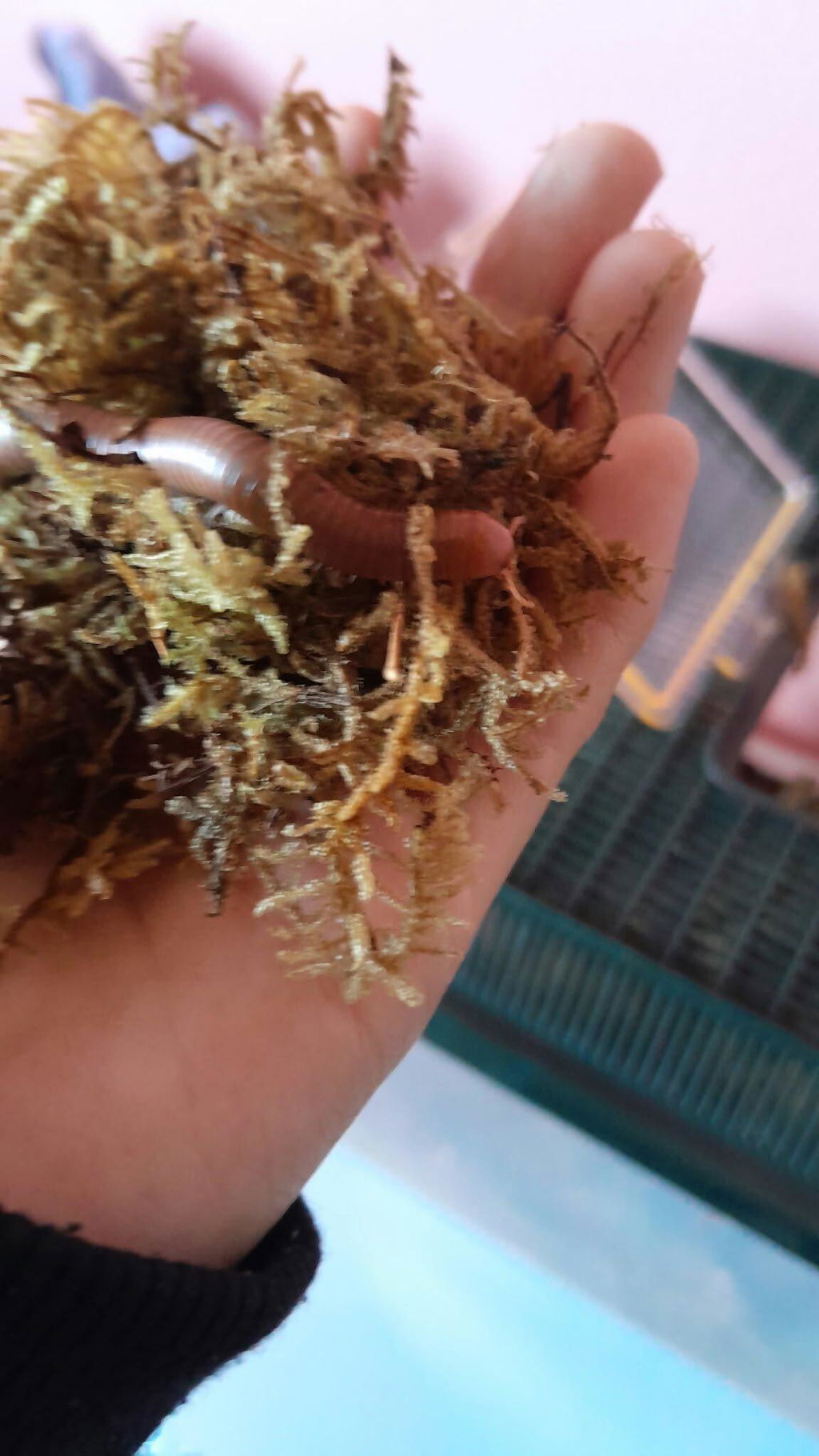
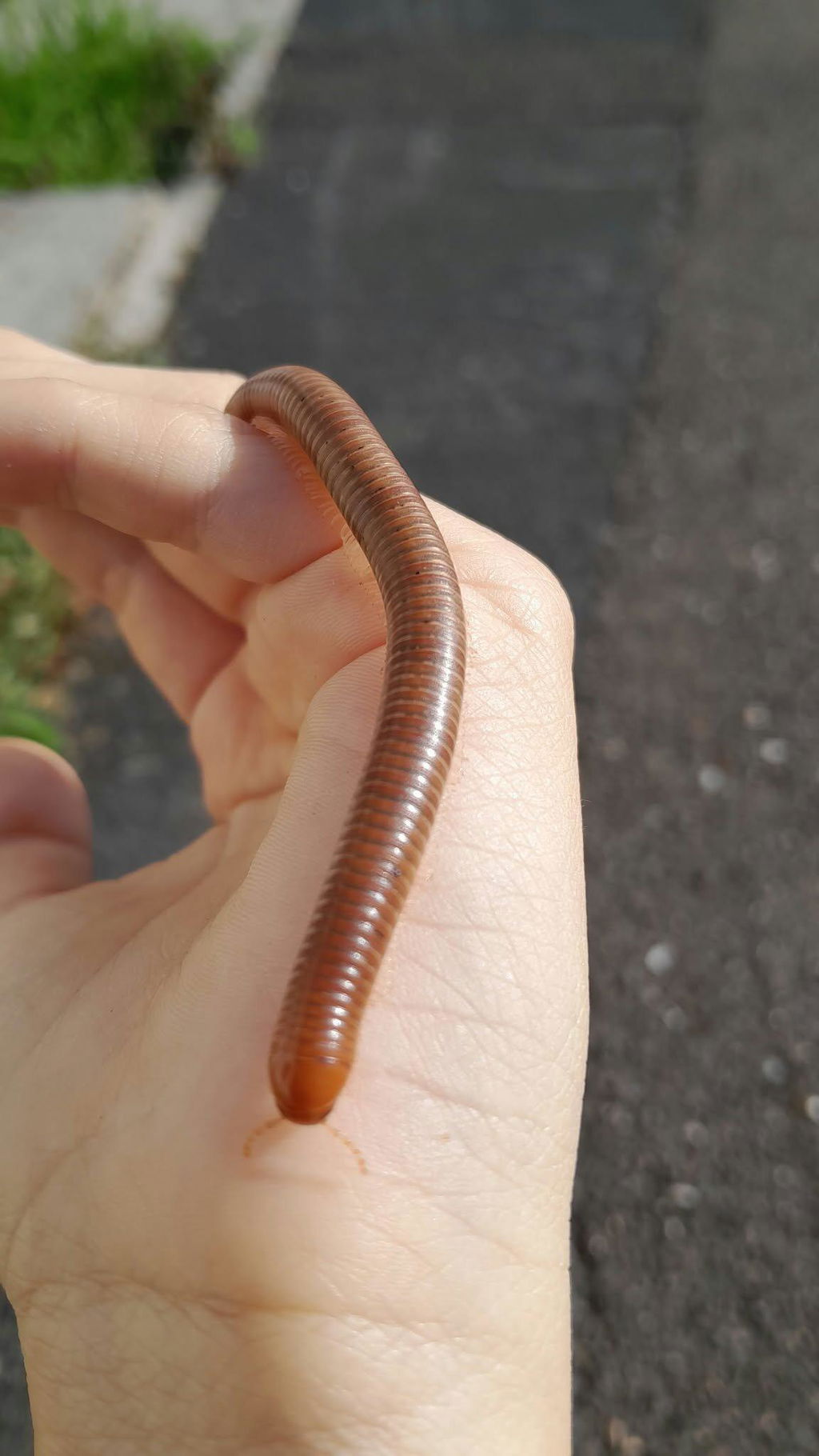
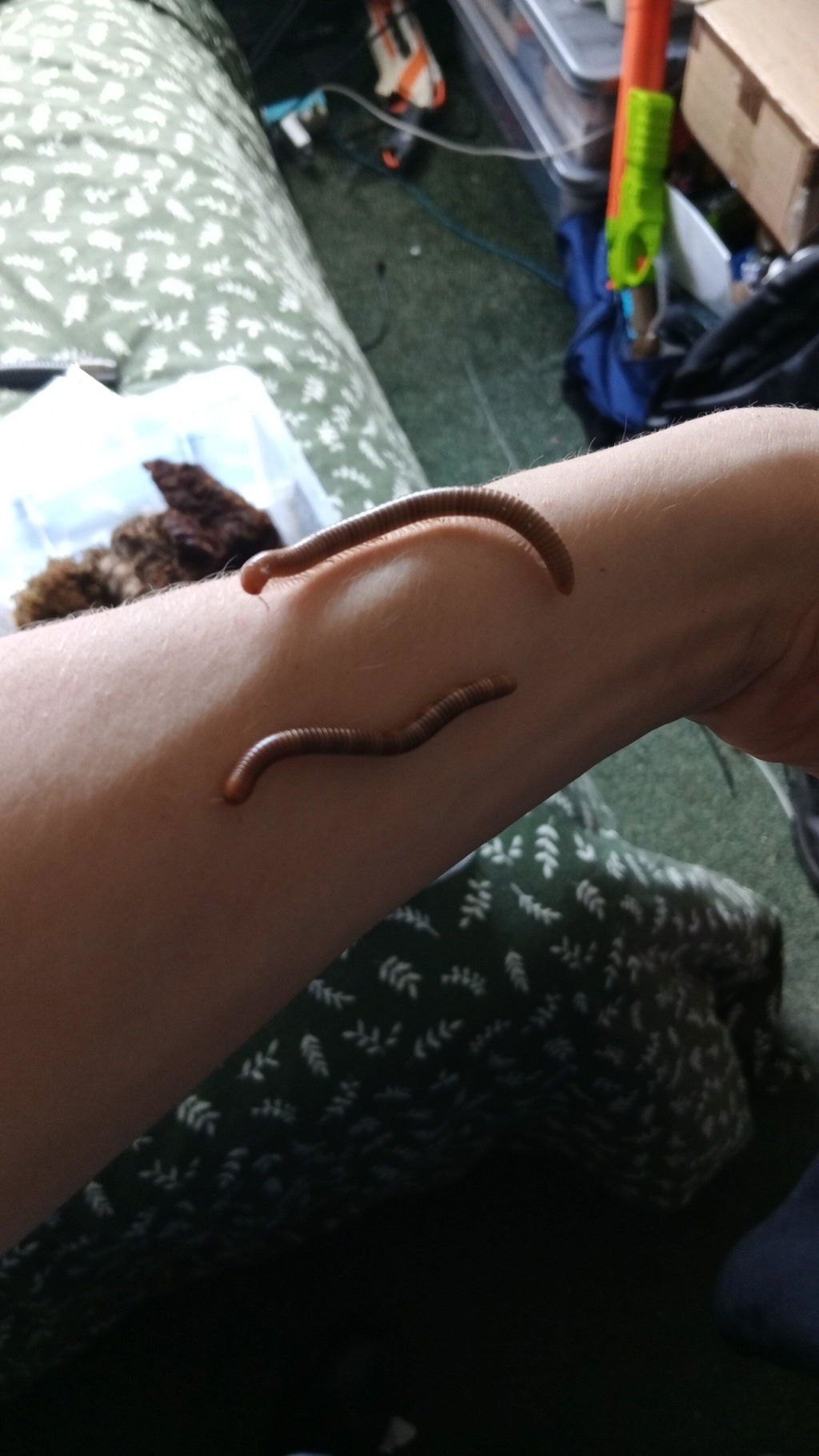
A medium millipede, reaching around 12 to 15 cm, with the body ringed in alternating orange and olive-grey bands, an orange head and tail tip, and pale legs. Threatened, it coils up tight, and its coil looks more three-dimensional than the flat spiral of most millipedes, which is where the American name Globular Millipede comes from. It is still a coil rather than a ball: no millipede of its kind is known to roll into a true sphere the way pill millipedes do.
Care
The single most important point is heating: never use a heat mat under the enclosure. Millipedes burrow to escape bad conditions, and heat from below traps them, with fatal results. A British room sits below 22°C through the colder months, so fit a heat mat or cable on a thermostat to the side of the enclosure then; in summer most homes come close enough that it has little to do. Beyond that they are forgiving. Aim for 22 to 26°C, with 24°C ideal, and humidity of 70 to 80% with the substrate moist throughout but never waterlogged, plus real cross-ventilation to keep mould down. The substrate is the main event, because millipedes eat it: give a deep, nutrient-rich bed, 15 to 20 cm, of forest humus, aged hardwood leaf litter and crumbling white-rotted hardwood, with a little sand and ground calcium mixed through. Never use pine or any softwood: conifer material is poorer food that millipedes eat less, and its resins may harm them.
Diet
The deep substrate does most of the feeding, grazed continuously as decaying wood and leaf litter. On top of that, cucumber is the reliable favourite, with melon, banana and other soft fruit, cooked sweetcorn and soft vegetables all taken readily, plus the occasional pinch of protein. Keep cuttlebone or limestone available at all times, because every moult needs calcium to harden the new shell. A springtail culture keeps the droppings and food waste in check.
Breeding and handling
Burmese Beauties breed readily once settled and warm, mating belly to belly and laying eggs down in the substrate; leave the young with the adults, as they develop down in the substrate, where digging breaks open their egg capsules. Growth is slow, two to three years to maturity, but they are long-lived, around five years, so this is a patient, long-term animal rather than a quick colony. One handling note: stressed, they release a brown-yellow defensive fluid that stains skin and irritates it if it is left on, and that burns an eye badly enough to need treating. Keep handling brief and gentle, and wash your hands with soap before you touch your face. Cork bark, branches and leaf litter in our accessories range cover the surface structure they use.
Who is this for?
The Burmese Beauty suits the first-time millipede keeper who wants something visible, hardy and affordable, and the collector filling the middle of a display between the small Hawaiian Glow and the larger African Giant Chocolate, or stepping up from the Ivory. It is a poor fit only for someone after fast results, since it develops slowly across years.
Every Burmese Beauty we send is captive-bred, and travels under our live arrival guarantee, packed with damp sphagnum in a ventilated tub inside a double-walled box. We dispatch Monday to Thursday by Royal Mail Tracked 24, or Special Delivery Guaranteed by 1pm if you choose Next Day at checkout.