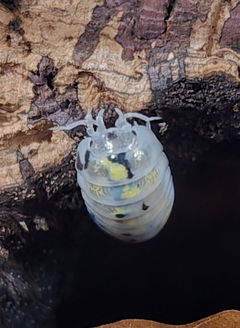
Albino Rubber Ducky Isopods (Cubaris sp.)
Care Info:
 ORIGIN
 TEMP
TEMP
 HUMIDITY
 LENGTH
 DIFFICULTY
 RARITY
- Free shipping over £65
- Low stock - 2 items left
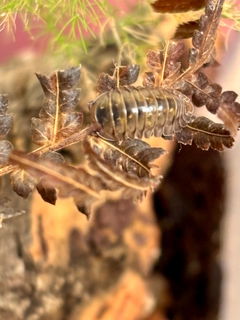
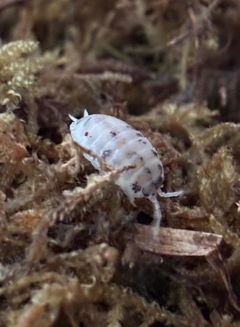
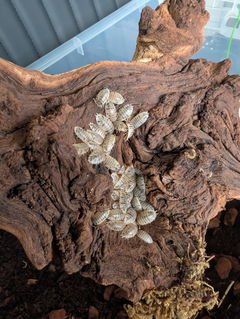
Take the hobby's most recognisable Cubaris, the Rubber Ducky, and strip the colour out of it: what you are left with is this animal, a pale, near-white cave isopod that still wears the unmistakable duck-bill snout. Sold as the Albino Rubber Ducky, Cubaris sp., it is a pigment-reduced form of the classic Rubber Ducky, drawn from the same limestone karst caves of Thailand as its standard cousin. Think of it less as a separate species and more as a pale, unpigmented line of a familiar favourite: the shape, the origin and the character are all pure Ducky, only the colour has changed.
At around 1.5 to 2cm as an adult, it is a substantial isopod with the deep, domed body and the pronounced rostrum, the projecting "duck bill" head shape, that gave the Rubber Ducky its name. Where the standard animal shows warm grey-brown tones, this one runs from soft cream to near-white, with a faint translucent quality that catches the light against dark substrate and cork bark. Set it beside its siblings and the contrast is the whole appeal: the brighter, golden Helios Rubber Ducky, the deep, inky Black Sapphire from the same Rubber Ducky lineage, and the blush-toned Cubaris Cherry Blossom each pull the family in a different direction, and the Albino sits at the palest end of the spectrum.
This is a premium, slow-growing animal for keepers who value rarity and a distinct look over quick returns. If you already run standard Duckies and want a visibly different variant for a display shelf, or you are building a focused collection across the wider Cubaris range, the reduced-pigment Albino earns its place. It is not a beginner isopod, though. Cubaris of this type reward patience and steady conditions, and they punish fuss, so a little prior experience with cave species goes a long way before you take one on.
Keep it warm and humid, in the manner of its cave home. Aim for 22 to 27°C and a humidity of 70 to 80%, with low to moderate airflow: a couple of vents on opposing sides give you a gentle cross-breeze without letting the box dry out. Give them depth to burrow into, at least 8 to 10cm of a living substrate built from flake soil, crumbled rotted hardwood and a little organic topsoil, and leave a plain coco-coir base out of the mix, as it holds too little food value for this genus. Layer the surface with hardwood leaf litter and cork-bark slabs for cover, keep cuttlebone or crushed limestone permanently available for the calcium these limestone-cave animals depend on, and seed the tub with springtails to clean up mould and spare food. The leaf litter and rotting wood do most of the feeding; top it up with the occasional piece of vegetable and a regular pinch of protein, and lift out anything fresh that is left uneaten after a day.
Breeding is slow but reliable once a colony has settled. Broods are small and the intervals between them are long, so a starter group will take its time before you see numbers build. The recipe is simply good, stable husbandry held steady: consistent warmth, a clear moisture gradient, deep substrate and constant calcium. Above all, leave them be. More Cubaris colonies stall from a keeper digging around to check on them than from anything else, so set the enclosure up well, then check it weekly rather than daily and let the animals do the rest.
Every colony we send is captive-bred and packed with care: a ventilated tub nested in damp sphagnum moss, cushioned inside a double-walled box. We dispatch Monday to Thursday by tracked next-day Royal Mail, aiming for delivery by 1pm, and every order travels with our live-arrival guarantee and a 20% overcount added as standard.
Use collapsible tabs for more detailed information that will help customers make a purchasing decision.
Ex: Shipping and return policies, size guides, and other common questions.