Cubaris Daxin Tricolor Isopods
Cubaris Daxin Tricolor Isopods - Isopods For Sale UK | PostPods
Cubaris Daxin Tricolor Isopods
cubaris daxin tricolour isopods
daxin tricolour isopods
cubaris daxin tricolour isopods
Cubaris Daxin Tricolor Isopods - Isopods For Sale UK | PostPods

Cubaris Daxin Tricolor Isopods

Care Info:

Origin icon ORIGIN
CHINA
Temperature icon TEMP
18-27 ℃
Humidity icon HUMIDITY
70-80 %
Length icon LENGTH
15 mm
Difficulty icon DIFFICULTY
MEDIUM
Rarity icon RARITY
RARE
Regular price£55.00
/
Tax included. Shipping calculated at checkout.

Quantity
  • Free shipping over £65
  • Low stock - 3 items left
  • Backordered, shipping soon

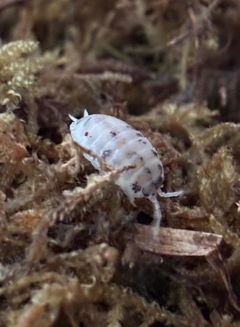
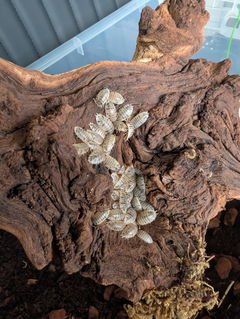
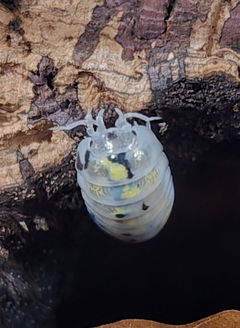
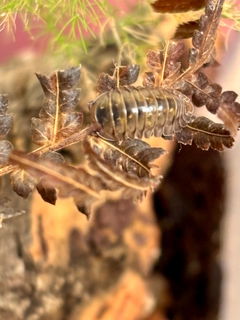
Cubaris sp. 'Daxin Tricolor' is one of the most genuinely colourful Cubaris available in the UK hobby — a striking Chinese species named for the distinctive three-colour banding that runs across its segmented body. Most specimens show a beautiful combination of orange, black, and lighter cream-to-white bands, with the exact distribution and intensity varying from one individual to the next — so a colony shows real variety and visual interest as it develops. Unlike many Cubaris that rely on subtle or uniform tones, the Daxin Tricolor offers genuine, eye-catching natural colouration, making it a real prize for collectors who want a banded, patterned Cubaris.

What makes the Daxin Tricolor particularly worth keeping is the combination of that bold tricolour pattern with relatively manageable care and — notably — more reliable breeding than many of the sensitive premium Cubaris. They're not the most demanding species in the genus, though they do need consistent conditions to thrive, making them well-suited to keepers with a little Cubaris experience (and achievable for careful newcomers). They sit among the patterned and premium Cubaris alongside the iconic Rubber Ducky, the bold Panda King, and the striking Thai Blue Angel.

They originate from Daxin County in Guangxi, China — a specific, genuine locale that adds real provenance for collectors. Like other Cubaris, they come from humid, limestone-influenced environments, which informs their care: consistent moisture, warmth, and a calcium-rich substrate. They share the classic Cubaris temperament — shy, secretive, and inclined to burrow and hide — and like all Cubaris, they conglobate (roll into a tight defensive ball) when disturbed.

Quick Care Summary

  • Scientific Name: Cubaris sp. 'Daxin Tricolor'
  • Common Names: Daxin Tricolor, Daxin Tricolour, Tricolor Cubaris
  • Family: Armadillidae
  • Genus: Cubaris
  • Origin: Daxin County, Guangxi, China
  • Adult Size: Approximately 12–15 mm — small-to-medium Cubaris
  • Lifespan: 2–3 years typical
  • Difficulty: Easy to Medium — manageable with consistent conditions
  • Temperature: 18–26°C (warm-preferring)
  • Humidity: Medium-high (65–80%) with a moisture gradient
  • Ventilation: Medium — balance airflow with humidity retention
  • Conglobation: Yes — rolls into a tight defensive ball
  • Behaviour: Shy and secretive; burrows and hides; active evening and night; bolder in larger colonies
  • Breeding: Reliable for a Cubaris — more dependable than many sensitive premium species

What Makes Daxin Tricolor Isopods Special

Several factors make the Daxin Tricolor a coveted Cubaris:

The genuine three-colour banding. This is the headline feature — orange, black, and cream-to-white bands running across the segmented body, with each individual showing its own distribution and intensity. Unlike many isopods that need careful lighting to look their best, the Daxin Tricolor offers real, natural colour contrast, and watching a colony develop its range of patterns is genuinely rewarding.

More reliable breeding than most premium Cubaris. A real practical advantage: the Daxin Tricolor reproduces more dependably than many of the sensitive, slow-breeding premium Cubaris species. For keepers who want a colourful Cubaris that will actually build a colony, this is a significant draw.

Genuine Chinese provenance. Originating specifically from Daxin County in Guangxi, China, they carry a real sense of place — appealing to collectors who value the authentic locale and natural history of what they keep.

Manageable for the genus. While they reward consistent conditions, they're not among the most demanding Cubaris. For keepers ready to move beyond the easiest species — or careful newcomers wanting a colourful Cubaris — they hit a genuinely accessible middle ground.

The appealing Cubaris form. They have the classic rounded, compact Cubaris body that rolls into a tidy ball, combined with the bold banded colouration — charm and visual impact together.

A standout display species. The orange-black-cream banding against a naturalistic substrate makes for a genuinely eye-catching display — colourful in a way few isopods naturally achieve.

How Daxin Tricolor Compares to Other Cubaris

If you're choosing between patterned and premium Cubaris, here's how the Daxin Tricolor fits in:

  • vs Panda King: Both are bold, high-contrast patterned Cubaris. Panda Kings show striking black-and-white; the Daxin Tricolor adds a third colour with its orange-black-cream banding. Both colourful display Cubaris — choose based on whether two-tone or tricolour appeals.
  • vs Rubber Ducky: Rubber Duckies are the iconic premium Cubaris with their famous duck-face markings; the Daxin Tricolor offers bold tricolour banding instead — and notably breeds more reliably. Both sought-after display species.
  • vs Thai Blue Angel: Both are colourful premium Cubaris. Thai Blue Angels show cool blue-grey tones; the Daxin Tricolor is warm orange-black-cream. Different palettes from the patterned Cubaris range.
  • vs Cubaris murina: Cubaris murina is the easiest, most forgiving gateway Cubaris; the Daxin Tricolor is a step up in both colour and care. A natural progression — start with murina, then add the more colourful Daxin Tricolor.

Browse the full Cubaris collection to compare all options in this popular genus.

Setting Up the Enclosure

A 6–10 litre container with a secure lid suits a starter colony. As a Cubaris that appreciates consistent humidity, aim for a setup that holds moisture while allowing medium ventilation — enough airflow to prevent stagnation without drying out the enclosure. The 3L Braplast tub works for starter colonies, with larger housing as the colony grows; our Braplast vent plugs help maintain humidity while preventing tiny mancae from escaping.

Provide plenty of hiding spots — cork bark, leaf litter, and bark pieces — so the shy, secretive Daxin Tricolor feels secure, which encourages feeding and breeding. The banded colouration shows beautifully against a darker, naturalistic substrate. Keep the enclosure out of direct sunlight. Browse our accessories collection for appropriate enclosures, vents, and other essentials.

Substrate

Use a substrate mix that retains moisture and provides calcium — genuinely important for Cubaris:

  • Organic topsoil (pesticide-free) as the base
  • Sphagnum peat moss for moisture retention
  • Flake soil for added nutrition and structure
  • Crushed limestone worked throughout for calcium
  • Decayed hardwood pieces and leaf litter mixed in
  • A mineral component such as sand or clay for texture

We recommend a topsoil, sphagnum, and limestone-based mix rather than coco coir, which lacks the calcium Cubaris require. Substrate depth: at least 5–8 cm to support the burrowing they favour.

Top layer: Generous hardwood leaf litter — magnolia leaves work particularly well for long-lasting cover. Add cork bark (flat pieces and tubes), decaying wood, and sphagnum moss clumps on the humid side. Plenty of cover and varied microhabitats encourage natural behaviour and help the shy colony feel secure.

Humidity and Temperature

Maintain medium-high humidity (65–80%) with a moisture gradient. Keep one side of the enclosure more humid — add damp sphagnum moss and mist this area regularly — while the drier side still has leaf litter coverage but won't need regular misting. This gradient lets the isopods regulate their own moisture needs. The substrate should be damp in the moist zone but never waterlogged.

Consistency is key — and don't overwater. The Daxin Tricolor rewards stable conditions; most problems with this species arise from humidity fluctuations rather than any species-specific difficulty. As one PostPods customer noted about Cubaris-type isopods, following proper care guidance prevents the most common mistake — too much moisture. Maintain steady, damp-but-not-wet conditions and avoid letting humidity swing.

Temperature should be 18–26°C — they're warm-preferring Cubaris that appreciate stable conditions. Room temperature in heated UK homes works toward the middle of this range; avoid fluctuations and don't place the enclosure near heat sources or windows. If your home runs cold, a heat mat on a thermostat helps — position it on one side to maintain the gradient, never underneath.

Diet

Daxin Tricolor are detritivores feeding on the usual range of forest materials:

  • Staples (always available): Decaying wood, hardwood leaf litter (oak, beech), and the substrate's organic matter
  • Vegetables (supplementary): Carrot, courgette, sweet potato, squash. Replace within 24–48 hours.
  • Fruit (occasionally): Small amounts of soft fruit
  • Protein (1–2x weekly): Fish food/flakes, dried shrimp. Supports breeding. Browse our accessories collection for the full range of protein supplements.
  • Calcium (essential — always available): Crushed limestone, cuttlefish bone, eggshells, oyster shell. Cubaris evolved with ready access to calcium, and deficiency leads to moulting problems — provide a constant source.

Feed sparingly with fresh foods. They graze continuously on leaf litter and decaying wood, so vegetables and commercial foods are supplements rather than the bulk of their diet. Overfeeding fresh foods encourages mould in the humid conditions Cubaris need — a thriving springtail culture helps manage any mould.

Breeding

A genuine highlight: the Daxin Tricolor breeds more reliably than many of the sensitive premium Cubaris, building colonies dependably under consistent conditions.

Breeding basics:

  • Females brood eggs in a marsupium and release fully-formed live young
  • Reproduction is reliable for a Cubaris given stable conditions
  • Most breeding problems arise from humidity fluctuations or inadequate hiding spots, not species difficulty
  • The tricolour banding develops as juveniles mature, with each showing its own pattern

For breeding success:

  • Consistent humidity (65–80%) — avoid fluctuations
  • Stable temperature (20–24°C is ideal)
  • Plenty of calcium for breeding females
  • Abundant hiding spots and varied microhabitats so the shy colony feels secure
  • A larger starter group establishes faster and provides genetic diversity

For keepers who've found premium Cubaris frustratingly slow, the Daxin Tricolor's more dependable reproduction makes it a genuinely satisfying colourful colony to build.

Pair With Springtails

Add a thriving springtail culture to any Daxin Tricolor setup. Springtails handle mould and microbial growth at a scale isopods can't manage — particularly important in the humid conditions Cubaris require, and around protein foods. They coexist peacefully with the Daxin Tricolor and form an essential cleanup partnership.

Who Should Buy Daxin Tricolor Isopods?

Ideal for:

  • Keepers who want a genuinely colourful, boldly-banded Cubaris
  • Those wanting a patterned Cubaris that actually breeds reliably
  • Cubaris keepers with a little experience (and careful newcomers)
  • Collectors who value authentic provenance (Daxin County, China)
  • Display enthusiasts wanting natural colour contrast
  • Anyone building a patterned or premium Cubaris collection

Not ideal for:

  • Complete beginners with no humid-setup experience — start with Cubaris murina or hardier species like Dairy Cow first
  • Low-humidity or excessively-ventilated setups (they need consistent moisture)
  • Setups prone to humidity fluctuation (consistency matters)
  • Keepers wanting constantly-visible, active isopods (they're shy and secretive)

Realistic Expectations

The tricolour banding is the star. Set expectations toward the orange-black-cream banded pattern — genuine natural colour contrast that varies between individuals. Each specimen is a little different, and the pattern develops as they mature.

They're shy and secretive. Like most Cubaris, the Daxin Tricolor spends daylight hours hidden in the substrate or under bark, emerging mainly in the evening, at night, and at feeding times. This is normal behaviour — they're a species to appreciate as a developing colony rather than constant surface entertainment, and they grow bolder as numbers build.

They breed reliably — for a Cubaris. A genuine advantage over the sensitive premium species: given consistent conditions, they reproduce dependably. Most problems come from humidity swings, not the species itself.

Consistency matters most. The key husbandry point is stable, medium-high humidity and steady warmth — avoid fluctuations and overwatering. Get the consistency right and they're genuinely manageable.

They appreciate cover. As shy isopods, plenty of hides and a well-structured enclosure help them feel secure, which in turn encourages feeding, breeding, and (over time) more visible activity.

Building Your Setup

A complete Daxin Tricolor setup needs a humidity-retentive, calcium-rich substrate, abundant calcium sources, generous leaf litter, plenty of cork bark hides, and protein supplements. Browse our accessories collection for everything you need — enclosures, ventilation, leaf litter, calcium (cuttlebone, limestone, oyster shell), and protein supplements.

Browse the full Cubaris collection for more species, or read our blog post on Cubaris isopods you should know about for detailed guidance on this popular genus.

Use collapsible tabs for more detailed information that will help customers make a purchasing decision.

Ex: Shipping and return policies, size guides, and other common questions.
You may also like


Recently viewed