Lilac and Yellow Springtails (Ceratophysella sp.)
Care Info:
 ORIGIN
 TEMP
TEMP
 HUMIDITY
 LENGTH
 DIFFICULTY
 RARITY
- Free shipping over £65
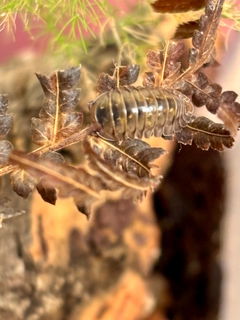
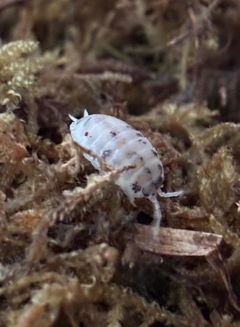
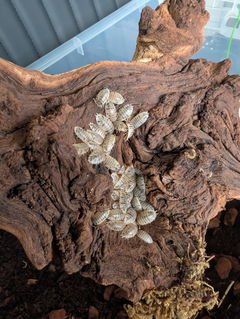
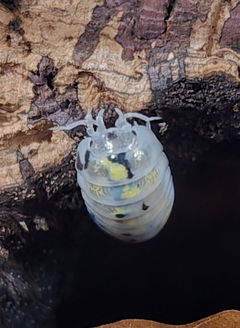
This is one species arriving in two colours. The lilac springtail and the yellow springtail in this culture are the same animal, and the yellow is an albino expression that was isolated out of the lilac stock and then kept running alongside it. What arrives is a mixed culture with both forms living in the same medium, eating the same food and breeding freely with each other. The mix holds up in practice, though I would not promise you a set proportion of one colour to the other on any given day.
They are sold as Ceratophysella sp., family Hypogastruridae, and the lilac line is usually listed as Ceratophysella isabellae. I keep that soft, because springtail identification at species level is difficult and the hobby names have travelled a good deal further than the science. If you want one colour on its own I keep them separately as a pure lilac culture and a pure yellow culture. This listing is the mixed one.
They are small. Adults run 0.5 to 2mm, roughly a quarter the size of the tropical white springtails most people already have in a vivarium, so a busy surface reads as a fine shimmer of colour rather than as individual animals. The colour shows best against a dark medium, or on the underside of a piece of bark you have just lifted.
They do jump. The furcula works. The useful detail, and the reason I point people towards them, is that the furcula is short, so the jump is a low slow tumble rather than the sharp ping you get from the long-furcula species that clear the rim of a tub the moment the lid comes off. It makes a real difference when you are seeding an enclosure or splitting a culture over the sink. They are not escape-proof, and if you want a springtail with no jump at all then the snowflake springtail is the one to take, but working with these is a calm job and not a chase.
Keeping the culture
Hold them at 18 to 25°C with high humidity, somewhere around 70 to 90 per cent, on a medium that stays moist and never sits waterlogged. Ventilation should be minimal, because springtails want still damp air and a well sealed tub with a few pinholes suits them far better than airflow does. For the medium, coconut fibre, a peat based soil, sphagnum or plain charcoal all work. Coco coir is worth calling out here, since it is a poor choice for isopods and picks up a bad reputation because of that, but for springtails it is perfectly acceptable and easy to keep wet.
Feeding is undemanding. Yeast, dried rice, fish flake or a prepared springtail food, sprinkled lightly and topped up only once the last lot has gone. Overfeeding is the usual route to mould and grain mites, so a small pinch beats a heavy scatter every time. They move quickly through their life cycle, with eggs hatching in about a week and animals sexually mature at two to three weeks, so a culture that looks thin on the first day can be crawling inside a month. They suit beginners, and they are harmless in a mixed setup, sitting under the leaf litter with isopods, frogs, geckos or whatever else you keep.
Getting it cropping
These are supplied as an established starter culture, already producing and not a scrape of surface animals, so you are beginning with a working population instead of building one. Settle the tub somewhere shaded and stable, leave it shut for the first fortnight, and feed sparingly while numbers climb. Once the surface is busy you can start cropping, either by tapping a portion of the medium straight into the enclosure you are seeding or by flooding a corner of the tub and pouring the floaters off. Hold the parent culture back, split it as it fills, and it will keep you supplied indefinitely. Our guide to keeping a springtail culture going long term covers the common failure points, and the rest of them sit in our springtail range.
The culture travels Monday through Thursday on an overnight tracked service, packed so the medium keeps its damp without sloshing about. Its arriving alive is guaranteed.
Use collapsible tabs for more detailed information that will help customers make a purchasing decision.
Ex: Shipping and return policies, size guides, and other common questions.