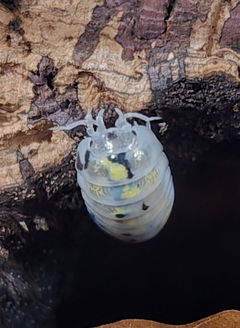
Springtail Mystery Box for Sale
- Free shipping over £65
- Low stock - 1 item left
- Backordered, shipping soon
You are buying cultures, not counted animals. That distinction matters more here than on any other listing we run. What arrives is a set of working tubs, each holding a medium with adults, juveniles and eggs already in it, ready either to seed or to grow on. Nobody counts springtails, and any seller who quotes you a number is guessing.
What is in it
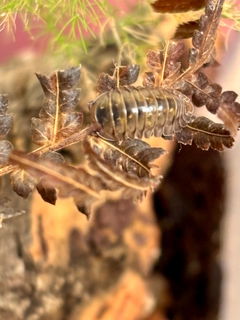
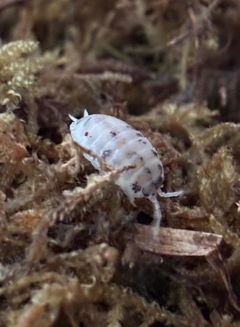
A selection drawn on shipping day from whichever cultures are producing best. Every box holds more than one species, because the point of a mixed springtail collection is a culture matched to each enclosure, not one stretched thin across all of them. The bigger boxes reach further into the coloured and less common species, the ones you can actually see against dark substrate.
The plain species do the cleanup. The coloured ones do it too, and give you something to watch while they work. Both earn their place, and a mixed box is the cheapest way to learn which you prefer.
Seeding a new enclosure
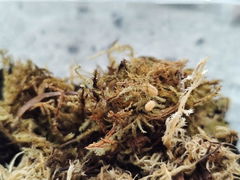
Tip some of the medium in near the damp end and then leave it be. Do not rinse it, do not pick the animals out, and do not spread it thin. The medium is doing half the work: it carries the eggs and the microbial film the young feed on.
Two to four weeks is the usual wait before a seeded enclosure looks populated. Add springtails a fortnight before whatever else is going in, so they are established before anything starts eating them.
Growing the cultures on
A lidded tub of moist coir or pesticide-free topsoil, punched with a few holes. Nothing coniferous in it. Keep it moist, site it away from direct sun, and feed sparingly: a pinch of dried yeast, or two or three grains of uncooked rice, beats anything wet. Overfeeding is the main way cultures crash, closely followed by letting the medium dry through.
Crop by knocking medium into whatever you are seeding, or flood one corner and decant the animals that rise. Keep some of the parent tub back each time, divide it whenever it fills, and springtails become something you never buy twice.
Temperature
Most of what arrives is content at British room temperature. The tropical species want consistent warmth to keep producing and will slow badly below about 18C, so if your house drops overnight in winter, keep those tubs somewhere stable and off a cold floor.
A note on what you will see
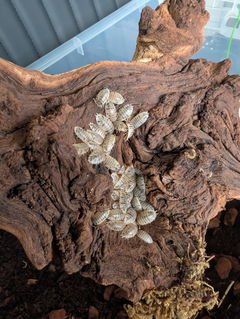
Open the tubs slowly and over a tray. Some of these species jump and some do not, and an established culture can hold thousands of animals sitting right under the lid, so treat every one as a jumper until you know otherwise. Once open, cultures often look empty: springtails drop into the medium when disturbed, and a parcel is disturbance from end to end. Give it a few days somewhere quiet before you judge it, and look for movement at the surface after misting rather than digging through.
The full range sits on the springtail page, and the isopod box works on the same basis if you want both halves of a cleanup crew.
Cultures leave sealed in vented tubs within a double-skinned carton, sent out on the four working days before Friday, overnight and tracked, so no culture of ours is held anywhere over a weekend. The twenty per cent we add to every order arrives here as bigger cultures and extra starter cups, since nobody counts springtails. Every culture is guaranteed to arrive alive. One that has not, raise it on the day of arrival and a replacement follows.
Use collapsible tabs for more detailed information that will help customers make a purchasing decision.
Ex: Shipping and return policies, size guides, and other common questions.